Understanding Kicker Pattern in Candlestick Charting: A Powerful Reversal Signal for Investors

Understand the significance of the Kicker Pattern in Candlestick Charting, a powerful reversal signal for traders. Learn identification techniques…
Introduction to Kicker Pattern
The kicker pattern, an essential yet lesser-known candlestick formation, offers insightful clues about a potential shift in market dynamics. This two-bar pattern signals a strong reversal in price direction following a significant change in investor sentiment. In the ever-evolving financial markets, the kicker pattern acts as a powerful indicator for traders and investors seeking to capitalize on emerging trends.
Understanding Candlestick Charting’s Origin and Basics
Candlestick charting originated from ancient Japanese rice trading practices in the 1700s. The technique involves displaying financial market data using a series of candlesticks, which represent the opening, closing, high, and low prices for an asset over a specific period. Traders use candlestick patterns to analyze price movements and investor sentiment, facilitating informed decision-making.
Identifying Bullish vs. Bearish Kicker Patterns
The kicker pattern is categorized into two types: bullish and bearish. A bullish kicker appears when a bearish candle is followed by an unexpected gap up, while a bearish kicker emerges after a bullish candle with a subsequent gap down. Both patterns indicate a strong reversal in market sentiment, which can significantly impact the direction of an asset’s price trend.
The Reliability and Significance of Kicker Patterns
Given their rarity and strength as indicators of investor sentiment shifts, kicker patterns are highly sought after by traders and investors alike. These powerful reversal patterns provide crucial information about potential turning points in financial markets. By analyzing the context and formation of the pattern, traders can make informed decisions regarding entry and exit strategies, position sizing, and risk management.
How the Kicker Pattern Works
When a kicker pattern forms, it indicates that a significant shift in investor sentiment has taken place. The first candle represents the direction of the current trend and sets the stage for the potential reversal. The second candle, or gap candle, opens at the same price level as the previous day and then moves decisively in the opposite direction, effectively capturing the attention of traders and investors.
Differentiating Kicker Patterns from Gap Patterns
Although kicker patterns and gap patterns share some similarities, they have distinct implications for traders and investors. While gap patterns show a considerable price difference between two consecutive candles, indicating potential continuation of the trend, kicker patterns signal a reversal in market sentiment. It is essential to understand these differences to make informed trading decisions.
Trading Strategies Based on Kicker Patterns
Capitalizing on bullish or bearish kickers requires careful analysis and planning. Traders can employ various strategies to maximize profits while minimizing risk. For instance, they may use stop-loss orders to limit potential losses during adverse price movements or implement position sizing tactics based on the size and strength of the kicker pattern.
Interpreting the Psychology Behind the Kicker Pattern
Understanding the psychological aspects of the kicker pattern can provide valuable insights into market sentiment and investor behavior. By analyzing the reasons behind the reversal, traders may gain a competitive edge in their trading endeavors and make more informed decisions regarding entry and exit points.
Successful Trades Using Kicker Patterns
Case studies of successful trades based on kicker patterns illustrate the potential power and profitability of this unique candlestick formation. By closely examining historical data, traders can learn from past market conditions and apply these lessons to their own trading strategies, enhancing their overall performance in various markets.

Origin and Basics of Candlestick Charting
Candlestick charting is an essential tool for understanding price movements and identifying trends in financial markets. It originated in Japan during the 1700s as a technique for tracking the price of rice, and it has since evolved into a universal method used by traders to analyze liquid assets such as stocks, futures, and foreign exchange (Moody’s Investors Service, n.d.). The name “candlestick” comes from the visual representation of the charts, where each price movement is represented by a ‘candle.’ These candles have bodies and wicks, which provide valuable information about buying and selling pressures within a given time frame.
Understanding candlestick charting is crucial for investors looking to identify reversals or trends, and it plays a significant role in understanding the kicker pattern. A two-bar kicker pattern indicates a change in the direction of an asset’s price trend, characterized by a sharp reversal over the span of two candles. By recognizing bullish or bearish kickers, traders can make informed decisions about entering or exiting trades.
The kicker pattern is one of the most reliable and powerful signals available to technical analysts. Its significance stems from its ability to predict a dramatic change in investor sentiment, often following the release of valuable information about a company, industry, or economy. The pattern’s rarity adds to its importance, as traders often wait for pullbacks before entering a position. However, when it presents itself, money managers pay close attention to this reversal signal.
In a bullish kicker pattern, the second candle opens with a gap up and reverses the direction of the first candle, which may have been bearish. In contrast, in a bearish kicker pattern, a bullish candle is followed by a gap down, reversing the previous day’s bullish trend. Both patterns can occur after significant changes in market conditions or following major news events.
Stay tuned for the next section as we delve deeper into understanding the different types of kicker patterns and their implications for traders!

Identifying Bullish vs. Bearish Kicker Patterns
The kicker pattern is a significant two-bar candlestick formation with strong reversal potential, indicating a change in trend direction due to shifts in investor sentiment. This section focuses on distinguishing bullish and bearish kicker patterns, providing visual examples for better understanding.
Bullish Kicker Pattern
A bullish kicker pattern is characterized by a downward trend followed by an upward reversal, indicating a potential shift from bearish to bullish sentiment among investors. In this configuration, the first candlestick is bearish, and the second candlestick opens with a gap up (a price difference between the open of one day and the close of another) that indicates strong buying pressure, forming a bullish reversal.
Example: The bullish kicker pattern in Figure 1 shows a clear bearish candle on day 1, followed by a bullish gap up on day 2, indicating a possible trend reversal from bearish to bullish.
Figure 1: Bullish Kicker Pattern Example
[Visual representation of the bullish kicker pattern]
Bearish Kicker Pattern
Conversely, a bearish kicker pattern involves an initial upward trend followed by a downward reversal, representing a change in sentiment from bullish to bearish. In this scenario, the first candlestick is bullish, and the second candlestick opens with a gap down, indicating substantial selling pressure, marking the potential start of a downtrend or a continuation of an existing one.
Example: Figure 2 illustrates a bearish kicker pattern where day 1 shows a bullish candle, while day 2 experiences a significant price decline accompanied by a gap down, suggesting a possible shift from bullish to bearish sentiment.
Figure 2: Bearish Kicker Pattern Example
[Visual representation of the bearish kicker pattern]
Investors and traders should note that both bullish and bearish kicker patterns are infrequent occurrences in the market, making them crucial technical indicators worth keeping an eye on. These patterns can lead to substantial profits for those who recognize their value and act accordingly.

The Reliability and Significance of Kicker Patterns
Kicker patterns are among the most reliable reversal signals in candlestick charting, and they carry significant importance for traders and investors. This powerful pattern indicates a dramatic change in a security’s price trend, often following the release of valuable information that significantly alters investor sentiment. Understanding the kicker pattern is essential as it can provide insight into market dynamics and help investors make informed decisions.
The kicker pattern emerged from the constant tug-of-war between buyers (bulls) and sellers (bears) in the stock market. Candlestick charting originated from a Japanese technique developed in the 1700s that tracked the price of rice, but it is now widely used for various financial assets like stocks, futures, and foreign exchange. Kicker patterns are considered one of the most potent sentiment indicators and become particularly significant when they occur in overbought or oversold markets.
The kicker pattern is a reversal pattern that follows a significant change in investor attitudes toward a security. The two candlesticks involved in this pattern carry great significance: the first candle typically represents the current trend and has no immediate importance on its own when formed within a trend, while the second candle marks the dramatic shift in direction.
The kicker pattern’s rarity adds to its value. While the majority of professional traders maintain a steady course and do not react too quickly in one direction or another, they pay close attention to this pattern due to its powerful implications.
Bullish Kicker Pattern
In a bullish kicker pattern, the first candle moves in the bearish direction, indicating a potential downtrend. The second candle, however, opens at the same price as the previous day or features a gap up and reverses the trend with a bullish close. This shift from a bearish to a bullish sentiment suggests a significant change in investor perception, often following the release of positive news or an uptick in market demand for the security.
Bearish Kicker Pattern
In contrast, a bearish kicker pattern indicates a reversal from a bullish trend. The first candle is bullish and moves in the upward direction. The second candle opens at the same price as the previous day or features a gap down and closes with a bearish finish. This shift from a bullish to a bearish sentiment suggests that investors are selling their positions en masse, leading to a significant decrease in demand for the security.
The reliability of the kicker pattern is increased when it occurs at the highs or lows of an uptrend or downtrend. In overbought or oversold markets, the pattern becomes even more important as it signals a potential trend reversal that can lead to significant profit opportunities for investors. The two candlesticks behind the kicker pattern are crucial indicators of market sentiment and should be studied alongside other measures of market psychology and behavioral finance.
In summary, kicker patterns are valuable tools for traders and investors seeking to capitalize on shifts in investor sentiment and market dynamics. Understanding this powerful reversal signal can lead to more informed decision-making, increased profits, and improved overall performance in the financial markets.

How the Kicker Pattern Works
The kicker pattern, one of the strongest sentiment indicators in candlestick charting, represents a sudden and dramatic change in investor sentiment toward an asset or security. This powerful reversal signal occurs when two candlesticks reveal distinctly contrasting price movements: the first candle follows the trend, while the second candle shows a sharp gap that goes against it (bullish for reversals from downtrends and bearish for reversals from uptrends).
Candlestick charting has its origins in Japan’s rice trading market during the 1700s. The technique is now used extensively by traders worldwide to visualize price movements in various financial markets, including stocks, futures, and forex. The kicker pattern adds valuable information to this analysis, indicating a change in market sentiment following significant news or fundamental events.
The kicker pattern differs from gap patterns, which are characterized by gaps between the bodies of two adjacent candlesticks. While both types of patterns can signal potential price movements, they have distinct implications. Gap patterns often indicate continuation of the current trend, while kicker patterns point to a shift in market sentiment.
To understand how the kicker pattern works, it’s crucial to distinguish between its bullish and bearish variations. A bullish kicker is formed when a bearish candle precedes a bullish gap up. Conversely, a bearish kicker emerges following a bullish candle and a bearish gap down.
Both bullish and bearish kickers rely on the significance of the two candles that precede the pattern. The first candle shows the direction of the current trend, while the second candle’s gap indicates a sudden change in market sentiment. A bullish kicker can occur when a downtrend is reversed, often following an oversold condition. Similarly, a bearish kicker can signal the end of an uptrend or a correction in an overbought market.
The rarity and power of the kicker pattern make it highly valued by professional traders. The sudden change in investor sentiment can result in significant price movements, providing valuable opportunities for capital gains or risk mitigation. When the kicker pattern forms at a critical level, such as resistance or support, its impact on market dynamics is even more pronounced.
Investors and traders should note that while the kicker pattern offers strong indications of potential price reversals, it’s important to consider other factors when making trading decisions. The overall trend and volume behavior are essential contextual elements in confirming a valid kicker signal. Additionally, investors should be prepared for potential false signals or whipsaws, which may occur as the market adjusts to new information or shifts in sentiment.
An example of a bearish kicker pattern can be observed when an uptrend is reversed following a significant gap down. The first candle shows a bullish price movement within the existing uptrend. However, the second candle opens at the same level as the previous day (or with a gap down) and reveals a bearish candlestick formation. The trader might interpret this signal as an indication that selling pressure has increased significantly and may result in further price declines.
In conclusion, understanding how the kicker pattern works is essential for technical analysts and traders looking to capitalize on market sentiment shifts. The rare appearance of this powerful reversal signal presents valuable opportunities for entering or exiting positions based on a change in investor sentiment. By combining the kicker pattern with other indicators and fundamental analysis, traders can enhance their ability to make informed decisions and maximize potential profits.

Kicker Pattern vs. Gap Patterns
Understanding the Differences Between Kicker and Gap Patterns
The kicker pattern and gap patterns are two popular types of candlestick charting techniques used by traders to identify potential price reversals or confirm trends. Both patterns display a significant change in the direction of price movement, but they differ in their formation and implications for investors. In this section, we will discuss the key differences between kicker patterns and gap patterns.
Kicker Pattern: An Overview
A kicker pattern is a two-candle reversal pattern that appears when there’s a sharp price reversal following an initial trend direction change. This pattern signifies a strong shift in market sentiment, often as a reaction to new information or events. A kicker pattern can be bullish or bearish and is characterized by the following features:
- The first candlestick in a kicker pattern moves in the direction of the existing trend.
- The second candlestick exhibits a significant price gap from the previous day’s close, opening at the same price level as the previous day (gap open) and then reversing the direction of the first candle.
- The bodies of the two candles have opposite colors in most charting platforms.
Gap Pattern: An Overview
A gap pattern occurs when there’s a significant price difference between one bar’s high or low price and the next bar’s open or close. A gap can be either up (gap up) or down (gap down). Gap patterns signify that a substantial price movement has occurred, leaving a “gap” in the chart, which may represent significant news events or market sentiment shifts. However, not all gaps are necessarily meaningful and must be confirmed by subsequent price action to gain validity.
Comparing Kicker Patterns and Gap Patterns
The primary difference between kicker patterns and gap patterns lies in their formation and interpretation. While both involve a noticeable price change, the former is a specific two-candle reversal pattern with a defined structure (bullish or bearish), whereas gap patterns can occur as part of various charting formations.
Bullish Kicker Pattern
A bullish kicker pattern starts with a bearish candle and then shows a bullish gap up. When this pattern forms, it indicates that bears have lost control over the market and that bulls are taking charge. This reversal often occurs when investors interpret new information as positive and become optimistic about the future prospects of an asset.
Bearish Kicker Pattern
A bearish kicker pattern starts with a bullish candle and then shows a bearish gap down. When this pattern appears, it indicates that bulls have lost control over the market and that bears are taking charge. This reversal often occurs when investors perceive new information as negative and become pessimistic about the future prospects of an asset.
Reliability and Significance
Both kicker patterns and gap patterns carry significant weight in technical analysis due to their ability to indicate powerful shifts in market sentiment. However, kicker patterns are generally considered more reliable than gap patterns since they require a specific two-candle setup that better indicates a trend reversal.
Market Implications and Trading Strategies
Understanding the differences between kicker patterns and gap patterns can help traders make informed decisions about entering or exiting positions in various markets. For example, a trader may use the bullish kicker pattern to enter long positions when the market starts to reverse from a downtrend, while a bearish kicker pattern may be an opportunity for shorting a security or opening a put option.
In summary, while both kicker patterns and gap patterns represent significant price movements in financial markets, they differ in their formation and implications. Kicker patterns provide more precise signals of trend reversals due to their specific two-candle structure, making them valuable tools for traders seeking confirmation of emerging trends or anticipating potential market shifts.

Trading Based on Kicker Patterns: Strategies and Considerations
Once you’ve identified the kicker pattern, it’s essential to understand how to trade based on this powerful reversal signal. The kicker pattern can indicate a significant shift in investor sentiment towards a security and is often triggered by important news or events that influence market trends. In this section, we explore various trading strategies and considerations for capitalizing on bullish or bearish kickers.
Bullish Kicker Pattern: A Bullish Kicker occurs when a bearish candle is followed by a bullish gap up, indicating that buyers have regained control of the market momentum. This pattern is typically seen as a confirmation that an uptrend is about to resume, and traders may consider entering long positions or increasing their existing holdings.
To maximize potential profits from a Bullish Kicker, it’s crucial to assess the underlying fundamentals of the security being traded. Strong company earnings reports, positive regulatory news, or an overall favorable industry environment can contribute to a bullish kicker and provide a solid foundation for continued price growth. A bullish kicker pattern is often more reliable when it occurs during an oversold market condition, such as an extended downtrend or during a significant correction. In such cases, the bullish reversal may be more powerful and sustainable.
Bearish Kicker Pattern: A Bearish Kicker is characterized by a bullish candle followed by a bearish gap down, signaling that sellers have reasserted dominance in the market. This pattern indicates that the downtrend is likely to continue, and traders may consider entering short positions or increasing their existing shorts.
To maximize potential profits from a Bearish Kicker, it’s essential to evaluate the underlying fundamentals of the security being traded. Negative news such as company earnings misses, regulatory issues, or unfavorable industry developments can contribute to a bearish kicker and provide a solid basis for further price declines. Like with bullish kickers, bearish kickers are more reliable when they occur during an overbought market condition, where the security has experienced significant price growth or is facing resistance levels.
Stop-Loss Orders: When trading based on kicker patterns, it’s crucial to implement proper risk management strategies such as stop-loss orders. These orders help minimize potential losses by automatically selling a security when it reaches a predetermined price level. Setting a stop-loss order just below the low of the bearish candle in a bullish kicker setup and above the high of the bullish candle in a bearish kicker setup can help protect profits and limit downside risk.
In conclusion, understanding the kicker pattern and applying effective trading strategies can be an essential tool for investors looking to capitalize on significant shifts in market sentiment. Bullish or bearish kickers provide powerful reversal signals that often precede sustained price movements. By carefully analyzing underlying fundamentals, assessing market conditions, and employing proper risk management techniques, traders can maximize their potential profits while minimizing risks when trading based on the kicker pattern.

Interpreting the Psychology Behind the Kicker Pattern
Understanding the emotional aspects and investor sentiment that influence kicker patterns can provide valuable insights for traders looking to capitalize on this powerful reversal signal. The kicker pattern represents a significant shift in market dynamics, providing clues about the prevailing forces behind price movements.
The kicker pattern is born out of intense investor emotions and the constant struggle between bulls and bears. Traders rely on candlestick charting to interpret these emotional swings as they manifest in price trends. In the context of the kicker pattern, two distinct candlesticks are essential: one that indicates the prevailing trend and another that signals a reversal.
A bearish kicker pattern, for instance, shows a bullish candle followed by a sharp bearish gap up, suggesting a sudden loss of confidence among buyers or an influx of sellers in the market. Conversely, a bullish kicker pattern displays a bearish candle preceded by a bearish gap down, pointing to a shift in bullish sentiment and buying demand.
These patterns arise when new information comes to light that significantly alters investors’ views on a company or security. For instance, a negative earnings report or a regulatory change could trigger a bearish kicker pattern, while a positive announcement, such as a merger or acquisition, might lead to a bullish kicker pattern.
The psychological aspect of the kicker pattern comes into play when traders attempt to understand the market reaction to this new information. Why did buyers suddenly abandon their holdings or why are sellers entering the market with renewed vigor? Understanding the underlying reasons can help traders make more informed decisions, potentially leading to profitable trades.
Furthermore, the kicker pattern’s rarity increases its importance in technical analysis as it often signifies a dramatic change in market sentiment that could impact broader trends or price levels. Traders should keep in mind that these patterns may not always be reliable indicators and need to be used alongside other tools, such as moving averages and trend lines, for confirmation before entering a trade.
In summary, the kicker pattern is more than just an intriguing visual formation on a candlestick chart; it represents a profound psychological shift that can significantly impact market trends and individual securities. By understanding this dynamic and the factors driving it, traders can gain a competitive edge in their investment strategies and enhance their overall risk management approach.

Case Studies: Successful Trades Using Kicker Patterns
The kicker pattern is considered one of the most powerful and reliable reversal signals in technical analysis, providing valuable insights for traders seeking to capitalize on significant changes in investor sentiment. In this section, we look at real-life examples of successful trades based on bullish and bearish kicker patterns to gain a deeper understanding of their applications and effectiveness.
Bullish Kicker Pattern
On January 20, 2015, the technology sector experienced a bullish kicker pattern following a prolonged downtrend (Figure 1). The first candle, which is bearish in nature, formed at the beginning of the day with a long lower shadow. This shadow indicated that there was buying pressure during the session but insufficient selling pressure to create a new low. Consequently, the second day opened at the same price as the previous day, creating a gap down. However, bulls seized the opportunity and pushed the stock upwards, producing a significant bullish gap up, signaling the end of the downtrend. This pattern was especially crucial for traders seeking to re-enter long positions after being shaken out during the selloff.
Figure 1: Bullish Kicker Pattern in the Technology Sector (January 2015)
Bearish Kicker Pattern
Another example of a bearish kicker pattern took place on March 9, 2000, in the healthcare sector during the Dotcom bubble (Figure 2). The first day closed with an extended bullish green candle, which was followed by a bearish gap down on the second day. This bearish reversal signaled the bursting of the Dotcom bubble and marked the beginning of the bear market that lasted until March 2003. Traders who identified this bearish kicker pattern would have sold their stocks prior to the significant selloff, thereby limiting their losses and preserving capital in a volatile market environment.
Figure 2: Bearish Kicker Pattern in the Healthcare Sector (March 2000)
By analyzing successful trades based on bullish and bearish kicker patterns, we can appreciate the significance of this reversal signal in guiding investment decisions. These examples not only demonstrate its value but also highlight the importance of being attentive to changes in market sentiment as well as identifying potential entry or exit points.
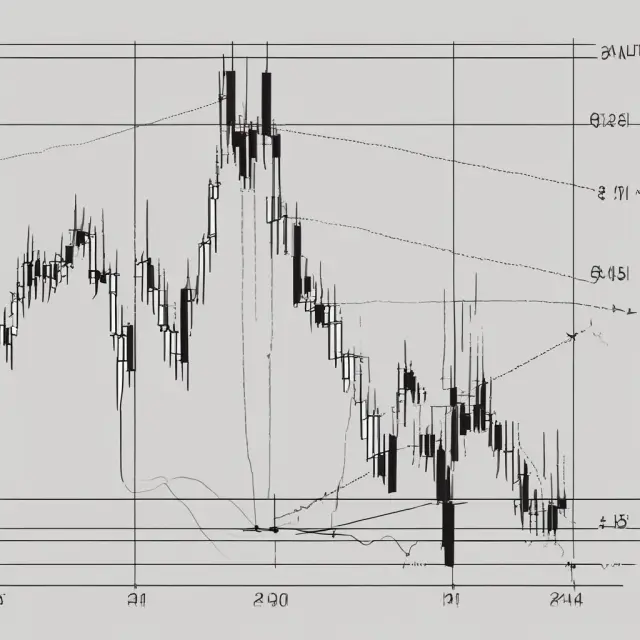
FAQs about the Kicker Pattern
What is a kicker pattern in candlestick charting?
A: A kicker pattern is a two-bar candlestick pattern that predicts a change in the direction of an asset’s price trend. This pattern features a sharp reversal in price within two consecutive candlesticks, which can help traders determine which group of market participants—bulls or bears—is currently in control of the direction.
How does the kicker pattern form?
A: A kicker pattern forms when a significant change in investor sentiment takes place following the release of valuable information about a company, industry, or economy. It is characterized by a bullish or bearish gap that occurs between two candlesticks. The first candle opens and moves in one direction, while the second candle opens at the same open as the previous day (a gap open) but then heads in the opposite direction of the prior day’s candle.
What are the differences between kicker patterns and gap patterns?
A: Both kicker patterns and gap patterns can look similar, but they convey different information to traders. Kicker patterns represent a reversal signal, while gap patterns indicate a continued trend or movement in one direction. A gap pattern shows a gap up or down that stays in that trend, whereas the kicker pattern forms after a significant change in investor sentiment and implies a strong shift in market dynamics.
What makes kicker patterns so powerful?
A: Kicker patterns are considered a reliable reversal signal because they often indicate a dramatic change in a company’s fundamentals or a significant shift in investor sentiment. They are especially powerful when they occur in overbought or oversold markets, as they can help traders capitalize on market volatility and potentially capture substantial profits.
What should investors look for when identifying a kicker pattern?
A: Investors should watch for a bullish or bearish gap that emerges between two candlesticks. The first candle opens and moves in one direction, while the second candle opens at the same open as the previous day (a gap open) and then heads in the opposite direction of the prior day’s candle. Traders should ensure that the second day’s candle opens at or lower than the first day’s candle for a bearish kicker pattern or higher for a bullish kicker pattern to be valid.
How often do kicker patterns occur?
A: Kicker patterns are relatively rare, but they can provide valuable insights when they do appear. As one of the most powerful sentiment indicators, traders should remain watchful for their emergence in various markets and sectors.
 Next entry · No. 2,706Understanding Kicking the Tires in Finance and Investment: The Pros, Cons, and Strategies
See also
-
 No. 1,738
30 Oct 2024
22 min
Understanding Gaps in Finance: Types, Significance, and Strategies
Business Finance
No. 1,738
30 Oct 2024
22 min
Understanding Gaps in Finance: Types, Significance, and Strategies
Business Finance -
 No. 543
29 Apr 2024
24 min
Understanding Bull Markets: Definition, Causes, Characteristics, and Strategies for Investors
Market Trends
No. 543
29 Apr 2024
24 min
Understanding Bull Markets: Definition, Causes, Characteristics, and Strategies for Investors
Market Trends -
 No. 5,778
07 Oct 2025
19 min
Understanding Workable Indication: A Flexible Pricing Technique in Municipal Bond Markets
Finance Policy
No. 5,778
07 Oct 2025
19 min
Understanding Workable Indication: A Flexible Pricing Technique in Municipal Bond Markets
Finance Policy -
 No. 5,772
06 Oct 2025
21 min
Understanding Wolfe Waves: Technical Analysis Chart Patterns for Institutional Investors
Financial Education
No. 5,772
06 Oct 2025
21 min
Understanding Wolfe Waves: Technical Analysis Chart Patterns for Institutional Investors
Financial Education -
 No. 5,703
30 Sep 2025
20 min
Understanding White Candlesticks in Finance: Meaning, Interpretation, and Significance for Institutional Investors
Financial Data Analysis
No. 5,703
30 Sep 2025
20 min
Understanding White Candlesticks in Finance: Meaning, Interpretation, and Significance for Institutional Investors
Financial Data Analysis -
 No. 5,668
28 Sep 2025
18 min
Weighted: Understanding the Impact and Importance of Weighting in Finance and Investment
Business Finance
No. 5,668
28 Sep 2025
18 min
Weighted: Understanding the Impact and Importance of Weighting in Finance and Investment
Business Finance