Understanding Electronic Checks: A Secure, Efficient, and Cost-Effective Alternative to Paper Checks
Explore the benefits, technology, and security of electronic checks as a paperless alternative for making transactions. Discover how they work, their…
What Is an Electronic Check?
An electronic check, or e-check, is an innovative payment method that functions as a digital counterpart to traditional paper checks. By utilizing advanced technologies like authentication, public key cryptography, digital signatures, and encryption, e-checks enable secure transfer of funds between parties over the internet with enhanced efficiency and cost savings compared to their paper counterparts.
As part of the larger electronic banking sector, which includes various computerized transactions like ATM withdrawals, debit card usage, and remote check deposits, electronic checks have become increasingly popular in today’s digital economy. In essence, they represent a response to the growing number of transactions that arise within the realm of electronic commerce.
Though e-checks serve the same purpose as their paper counterparts – making payments for any transaction – they differ significantly when it comes to processing and cost structures. For instance, an electronic check does not require the physical production of a paper check or the postage costs associated with mailing checks to payees outside one’s immediate reach. The reduced need for these traditional components helps lower overall costs, with estimates indicating that issuing an electronic check can cost as little as $0.10 compared to the $1 price tag for a conventional check. Moreover, e-checks boast enhanced security through multiple layers of authentication and protection against theft or interception of funds.
One of the most common applications for electronic checks is direct deposit, an automated payment system used by numerous employers to transfer wages directly into their employees’ bank accounts. Additionally, taxpayers who are due a refund on their federal tax returns can opt for an e-check from the Internal Revenue Service (IRS) as opposed to receiving a paper check via mail.
In summary, electronic checks serve as digital counterparts to traditional paper checks, providing secure, efficient, and cost-effective payment solutions within the electronic banking landscape. By embracing this innovative technology, businesses and individuals can save on production costs while ensuring faster, more secure transactions in today’s evolving digital economy.

The Role of Electronic Checks in the Field of Electronic Banking
Electronic checks, or e-checks, are a crucial component within electronic banking, which is an umbrella term for various computerized transactions carried out via financial institutions and networks. As one type of electronic fund transfer (EFT), alongside others such as ATM withdrawals, remote deposits, and debit card transactions, electronic checks utilize advanced technology to facilitate payments that would otherwise be made with traditional paper checks.
The emergence of electronic checks can be attributed to the rise of e-commerce and online banking in the late 20th century. Just as their physical counterparts are used for various transactions – from purchasing goods and services to paying bills or sending personal funds – electronic checks serve a similar purpose, but with additional benefits and security features that come with digital technologies.
Electronic checks work by leveraging computer networks and sophisticated software systems to process and authorize payments, all while maintaining the same regulatory frameworks governing conventional paper checks. These transactions require multiple authentication methods, encryption, and digital signatures for secure and efficient processing. As a result, electronic checks have become increasingly popular in various industries, from large corporations to government agencies.
One of the most significant advantages of using electronic checks is their cost-effectiveness compared to paper checks. By eliminating the need for physical paper checks and postage costs, financial institutions can significantly reduce the expenses associated with processing payments. As a result, many companies opt for direct deposit systems that facilitate salary payments or tax refunds electronically, offering substantial savings in terms of time and resources.
The implementation of electronic checks also results in increased security due to various built-in features such as public key cryptography, digital signatures, and encryption. This ensures that the transfer of funds is securely processed and the risk of fraudulent activities is minimized.
As technology continues to evolve, electronic checks are poised to become even more indispensable for financial transactions, offering enhanced convenience, security, and cost savings to businesses and individuals alike.

History of Electronic Checks: From Paper to Digital
Electronic checks have evolved significantly since their inception, transitioning from their initial form as paper-based instruments to digital equivalents. Their roots can be traced back to the 1970s when early computer systems began facilitating automated clearing house (ACH) transfers between banks. However, it wasn’t until the advent of the internet that electronic checks started gaining widespread adoption.
One of the earliest uses of electronic checks was by the U.S. Treasury for making large online payments, marking the first form of Internet-based payment in the country. As electronic commerce began growing in popularity during the late 1990s and early 2000s, the demand for an efficient, secure, and cost-effective method of processing checks electronically grew. This paved the way for advancements in technology and security protocols, making it possible to develop fully functional electronic check systems.
Since their introduction, electronic checks have become a popular alternative to traditional paper checks due to several advantages. Not only do they eliminate the need for physically printing and mailing paper checks, but electronic checks also reduce processing time, improve security, and offer significant cost savings. With the proliferation of digital banking and sophisticated payment systems, the use of electronic checks continues to expand, making it an increasingly vital component in the modern financial landscape.
KEY TAKEAWAYS
Electronic checks have evolved from their initial form as paper-based instruments to digital equivalents over the last few decades. The earliest uses of electronic checks date back to the 1970s with the advent of automated clearing house (ACH) transfers between banks. Their widespread adoption began with the introduction of the internet, which made it possible for electronic checks to become a popular alternative to traditional paper checks due to their efficiency, security, and cost savings benefits. The use of electronic checks continues to expand as digital banking and payment systems become more prevalent in the financial industry.
How Do Electronic Checks Work?
An electronic check, or e-check, is an alternative payment method designed to mimic the function of a traditional paper check but operates digitally. By using the internet or other data networks to transmit monetary transactions, e-checks offer increased security features and efficiency compared to their paper counterparts. These advanced security elements include authentication, digital signatures, encryption, and public key cryptography.
E-checks fall under the umbrella of electronic banking transactions known as Electronic Fund Transfers (EFTs). This category includes a range of computerized banking functions like automated teller machine withdrawals and deposits, debit card transactions, and remote check depositing features. The primary goal of e-checks is to process payment requests by accessing relevant account data electronically.
The history of electronic checks can be traced back to the early days of electronic commerce when new transaction types called for innovative solutions. E-checks enable users to make payments for any transaction that a paper check could cover and are subject to the same laws governing traditional checks. In fact, the U.S. Treasury was one of the first entities to use electronic checks to process large online payments.
When initiating an e-check transaction, the sender’s bank sends an authorization request, containing the recipient’s banking details and transaction amount, to their financial institution. The recipient’s bank then validates this information against its records before either approving or denying the transfer. Once approved, funds are moved electronically from one account to another, and a confirmation message is sent back to both parties involved in the transfer.
E-checks offer several advantages over paper checks. The most significant benefits include lower costs for issuers due to the absence of physical check production expenses, reduced environmental impact as no paper is needed, and increased security features that minimize the risk of fraud. One of the most common applications of e-checks is direct deposit, which allows employers to transfer wages directly into their employees’ bank accounts. This not only saves time and money but also ensures faster and more accurate salary disbursements for both parties involved.
In conclusion, electronic checks provide a secure, efficient, and cost-effective alternative to traditional paper checks. By using digital networks to process transactions, e-checks eliminate the need for physical checks, lower production costs, and offer advanced security features that make them an ideal choice for businesses and individuals alike in today’s increasingly digitized world.

Benefits of Using Electronic Checks
An electronic check offers significant advantages over traditional paper checks in terms of cost savings, increased security, and efficiency. These benefits make e-checks an attractive alternative for businesses and individuals alike.
Cost Savings: One of the primary reasons why organizations and individuals prefer electronic checks is their lower associated costs compared to paper checks. The production, handling, and mailing expenses related to paper checks can add up over time. Electronic checks eliminate these costs since they do not require a physical check to be printed or mailed. In fact, it’s estimated that the cost of issuing an electronic check is around $0.10, while traditional checks could cost as much as $1.
Security: Security is another key area where electronic checks stand out from paper checks. With e-checks, transactions are processed using various security features like authentication, public key cryptography, digital signatures, and encryption to ensure funds are safely transferred between parties. These security measures help protect against potential issues such as check fraud, which can be more challenging to prevent with paper checks due to their physical nature.
Efficiency: The electronic check processing system is faster and more efficient than the traditional check process. Transactions using e-checks are typically completed within one or two business days, while paper checks may take several days to clear depending on various factors like mail delivery times and bank processing schedules. Electronic checks can be processed 24/7, making them a convenient solution for businesses and individuals who need to make or receive timely payments.
Examples of the use cases for electronic checks include direct deposit systems offered by employers and tax refunds from government agencies like the Internal Revenue Service (IRS). By using e-checks instead of paper checks, these organizations can save time and money while ensuring secure, efficient transactions for their employees or constituents.
In conclusion, understanding the benefits of electronic checks – cost savings, increased security, and efficiency – can help businesses and individuals make informed decisions when choosing between traditional and digital payment methods. By embracing this technology, organizations can streamline their operations and save valuable time and resources while also providing a secure and convenient solution for their customers or employees.
Applications and Uses of Electronic Checks
An electronic check is a versatile payment solution that has become increasingly popular in various industries and applications beyond traditional paper checks. Let us explore some real-world examples of where and how electronic checks are used to gain a better understanding of their widespread applicability.
1. Direct Deposit: The most common use case for electronic checks is direct deposit, where an employee’s wages or salary are automatically transferred into their checking account. This convenient and efficient method eliminates the need for manually writing and mailing paper checks, saving both time and resources for businesses while providing employees with quicker access to their earnings.
2. Recurring Bill Payments: Another popular use of electronic checks is for making regular recurring payments, such as rent or mortgage installments. By setting up an electronic check payment directly through the property management company’s online portal, tenants can ensure their monthly dues are paid on time and with ease.
3. Tax Refunds: Taxpayers can elect to receive their tax refunds via electronic checks instead of physical paper checks. The IRS offers this option as part of their Electronic Federal Tax Payment System (EFTPS) or through direct deposit in conjunction with the taxpayer’s employer for those already receiving salary payments through direct deposit.
4. Government Payments: Various government agencies use electronic checks to make social security, veterans, and disability benefits available quickly and securely to eligible recipients. This option eliminates the need for recipients to wait for paper checks in the mail or visit their local Social Security Administration office.
5. E-commerce Transactions: Electronic checks can also be used as a payment method on e-commerce platforms, providing consumers with an alternative to traditional credit and debit card transactions. This additional option caters to those who prefer using their checking account balance for online purchases.
By exploring these applications of electronic checks, it becomes clear that they offer a more secure, efficient, and cost-effective solution in various industries and situations. Whether it’s making regular payments, receiving government benefits or using them as an e-commerce transaction option, electronic checks provide substantial advantages over their paper counterparts.

The Impact of Electronic Checks on the Environment
Electronic checks are not only beneficial for financial institutions and businesses; they also play an essential role in reducing the environmental footprint left by traditional paper checks. With the increasing awareness and concern towards sustainability, understanding how electronic checks can contribute to a greener economy is crucial.
First and foremost, using electronic checks instead of paper checks significantly reduces the amount of paper used for creating, processing, and handling checks. According to the Federal Reserve Bank of San Francisco, it’s estimated that approximately 40 billion paper checks are written in the United States alone annually. With each check requiring a standard sheet of paper, we can calculate that about 85 million pounds of paper are consumed every year for checks alone. By transitioning to electronic checks, not only do we eliminate the need for producing and using all this paper, but also save on additional resources such as ink and postage.
Moreover, the reduction in paper use brings an added environmental bonus. Deforestation is a major contributor to global greenhouse gas emissions, which negatively impacts our environment. In fact, it’s estimated that the pulp and paper industry accounts for around 3% of all worldwide carbon dioxide emissions. By switching to electronic checks, we can collectively save thousands of trees and contribute to reducing overall carbon emissions.
The benefits of electronic checks extend beyond just paper savings. Traditional checks require mail delivery services for their transmission between financial institutions. With electronic checks, however, transactions occur instantly through an electronic network, eliminating the need for physical transport and resulting in reduced fuel consumption and carbon emissions.
In conclusion, adopting electronic checks as a preferred method of payment presents not only financial benefits but also environmental advantages. By transitioning to this more sustainable alternative, we can reduce paper usage, save trees, lower carbon emissions, and contribute to a greener future for generations to come.
Security Considerations for Using Electronic Checks
When it comes to making financial transactions, security is a crucial factor that should never be overlooked. While electronic checks offer numerous benefits, such as increased efficiency and cost savings, they also come with potential risks. Understanding these risks and employing proper measures to mitigate them is essential for ensuring the safety of your funds when using electronic checks.
First and foremost, one key aspect of security when dealing with electronic checks is authentication. Authentication is the process of verifying that a user or entity making the transaction is indeed who they claim to be. In the context of electronic checks, authentication can occur at multiple levels. For instance, banks implementing e-check systems may require users to set up multi-factor authentication (MFA)—a security practice which requires users to provide two or more pieces of evidence to confirm their identity before they can access and perform transactions.
Another essential aspect of electronic check security is encryption. Encryption refers to the process of converting data into a format that is unreadable by anyone who doesn’t have the proper decryption key. By encrypting sensitive information, such as account numbers or transaction details, you can significantly minimize the risk of interception and theft.
Public key cryptography plays an integral role in electronic check security as well. This technology allows for secure communication between parties by using a pair of mathematically related keys—a public key that is openly shared and a private key known only to the account holder. Public key cryptography enables the secure exchange of information, such as digital signatures or encrypted messages, while keeping the contents confidential.
Digital signatures also add an essential layer of security when it comes to electronic checks. A digital signature is a unique encryption method that provides non-repudiation and data integrity, ensuring that any changes made to the check or transaction information cannot be altered without detection. This feature allows both parties involved in the transfer to have confidence that the information exchanged during an electronic check transaction is accurate and trustworthy.
Another important consideration when dealing with electronic checks is protecting your computer system and devices from malware, viruses, and other threats that could compromise sensitive financial data. Installing up-to-date antivirus software, using strong and unique passwords for all accounts related to the electronic check system, and being cautious about opening emails or clicking on links from unknown sources can help reduce the risk of falling victim to these potential hazards.
Lastly, it’s essential to stay informed about your bank’s security measures and policies when using electronic checks. Many financial institutions invest heavily in advanced security technologies and protocols to protect their customers’ funds and maintain their confidence. By staying up-to-date on these offerings, you can make the most of the security features available to you and minimize any risks associated with electronic check usage.
In conclusion, while electronic checks bring about significant benefits such as increased efficiency, cost savings, and environmental friendliness, they do come with their own set of risks. By being aware of these potential hazards and implementing proper security measures, like two-factor authentication, encryption, digital signatures, and antivirus software, you can effectively mitigate the risks and enjoy the advantages that electronic checks have to offer.
Direct Deposit: A Common Use Case of Electronic Checks
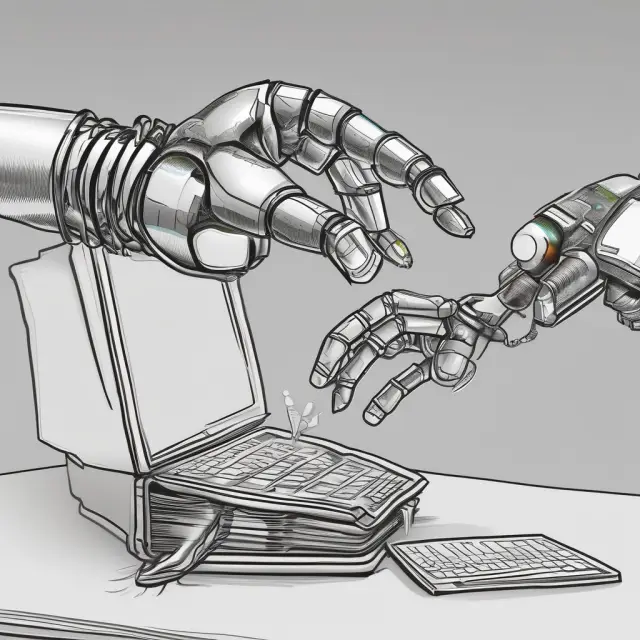
Electronic checks have revolutionized the way we handle transactions and pay bills, especially in the corporate world. One common use case of electronic checks is direct deposit, a service widely used by employers to send salary payments directly into their employees’ bank accounts. This process saves both time and resources for companies while ensuring that their employees receive timely and secure payments.
In a typical direct deposit setup, an employer authorizes their payroll provider or bank to electronically transfer funds directly from the company’s account to each employee’s personal account on payday. This eliminates the need for printing, signing, and mailing paper checks. In turn, employees do not have to go to a bank branch to deposit a check, saving them time and effort.
Direct deposit is also beneficial for taxpayers when they receive refunds from the Internal Revenue Service (IRS). Instead of waiting for a physical paper check to arrive in the mail, which can take several days, taxpayers can opt for an electronic direct deposit instead. This provides them with faster access to their money and reduces the risk of lost or stolen checks.
The cost savings associated with electronic checks extend beyond the elimination of printing and postage expenses. Electronic checks do not require physical check stock or envelopes, which further decreases the costs for businesses. Additionally, direct deposit payments are processed instantly, allowing employees to access their funds immediately. This not only makes managing cash flow more efficient but also helps reduce employee dissatisfaction and turnover rates due to late or missing payments.
The security of electronic checks is another advantage that direct deposit provides. By using electronic payment systems, financial institutions employ multiple layers of encryption and authentication protocols to ensure the safe transmission of funds from one account to another. Furthermore, electronic checks cannot be lost or stolen like paper checks, reducing the risk of fraudulent activities for both employers and employees.
To summarize, direct deposit is a powerful application of electronic checks that provides numerous benefits such as increased security, time savings, cost savings, and enhanced efficiency. The widespread use of this service by employers and tax authorities demonstrates its significance in today’s digital age.
FAQs About Electronic Checks
Electronic checks, also known as e-checks, are a form of digital payment method that replicates the functionality of traditional paper checks. In this section, we address common questions about electronic checks, their usage, and overall implementation.
What is an electronic check?
An electronic check (e-check) is a type of payment made through the internet, which functions similarly to a conventional paper check. It provides enhanced security features such as digital signatures, encryption, and authentication methods to ensure secure transactions.
How does an e-check differ from a standard paper check?
The primary difference between electronic checks and paper checks is that electronic checks are processed digitally, eliminating the need for physical checks and reducing costs associated with printing and postage. Moreover, electronic checks provide advanced security features that help protect against fraud.
What industries use electronic checks frequently?
Electronic checks can be used in various industries such as financial services, payroll, and government sectors, among others. Direct deposit is one of the most popular applications of e-checks for making salary payments, tax refunds, and other recurring transactions.
Are there any security concerns with using electronic checks?
While electronic checks offer numerous advantages over paper checks in terms of efficiency and cost savings, they do come with some potential risks such as hacking and data breaches. However, electronic check processing systems employ multiple layers of authentication, encryption, and digital signatures to safeguard transactions against unauthorized access.
What are the environmental benefits of using electronic checks instead of paper checks?
By reducing the need for printing physical checks and eliminating postage costs, electronic checks contribute significantly to the reduction in paper waste and carbon emissions, making them an eco-friendly alternative to paper checks.
Can businesses issue electronic checks as well?
Yes, electronic checks can be issued by businesses in place of traditional paper checks for paying vendors or suppliers, streamlining payments and reducing the costs associated with check processing.
Is there a limit on the amount I can transfer through an e-check?
The maximum transaction value for an individual electronic check may vary depending on the bank’s policies, regulatory requirements, or specific circumstances involved in the transaction. It is essential to check with your bank to determine their specific limits for e-check transactions.
 Next entry · No. 1,256The Elliott Wave Theory: An In-depth Analysis of Long-term Price Patterns and Investor Psychology
See also
-
 No. 1,251
19 Aug 2024
19 min
Understanding Electronic Bill Payment and Presentment: Streamlining the Process for Institutions and Professionals
Business Finance
No. 1,251
19 Aug 2024
19 min
Understanding Electronic Bill Payment and Presentment: Streamlining the Process for Institutions and Professionals
Business Finance -
 No. 1,258
20 Aug 2024
19 min
A Comprehensive Guide to Email Money Transfers: What It Is, How It Works, Benefits, Risks, and Qualifications
Financial Tools
No. 1,258
20 Aug 2024
19 min
A Comprehensive Guide to Email Money Transfers: What It Is, How It Works, Benefits, Risks, and Qualifications
Financial Tools -
 No. 1,253
19 Aug 2024
22 min
Understanding Electronic Money: Functions, Mechanisms and Implications
Finance Policy
No. 1,253
19 Aug 2024
22 min
Understanding Electronic Money: Functions, Mechanisms and Implications
Finance Policy -
 No. 2,967
18 Feb 2025
13 min
Lockbox Banking: What It Is, How It Works and What It Costs
Business Finance
No. 2,967
18 Feb 2025
13 min
Lockbox Banking: What It Is, How It Works and What It Costs
Business Finance -
 No. 1,260
20 Aug 2024
21 min
Understanding Embezzlement: Prevention, Detection, and Consequences
Business Finance
No. 1,260
20 Aug 2024
21 min
Understanding Embezzlement: Prevention, Detection, and Consequences
Business Finance -
 No. 1,032
18 Jul 2024
21 min
Maximizing Convenience and Efficiency: Understanding Direct Deposit in Finance and Investment
Business Finance
No. 1,032
18 Jul 2024
21 min
Maximizing Convenience and Efficiency: Understanding Direct Deposit in Finance and Investment
Business Finance