Understanding Ghettos: Historical Context, Contemporary Considerations, and Offensiveness

Understanding the historical context and contemporary implications of the term 'ghetto'. Exploring its offensive use and potential solutions for inequality.
Historical Origins of the Term ‘Ghetto’
The term ‘ghetto’ has an intriguing history, originating from medieval Europe and evolving into a derogatory label for underprivileged neighborhoods predominantly inhabited by racial minorities. This term has its roots in the 14th century, where it was used to describe isolated areas set aside for Jewish communities in cities like Venice, Italy (Venetian ghetto). The term’s origins can also be traced back to the Greek word ‘ghetonia,’ which translates to neighborhood or small district, and the Italian term ‘borghetto.’ In contemporary usage, the term ‘ghetto’ has taken on a negative connotation, being synonymous with poverty-stricken areas characterized by high crime rates and low property values.
The historical origins of the term ‘ghetto’ can be traced back to medieval Europe, specifically to Jewish communities that were segregated from the majority population in various cities. The term stems from Venice, where, during the 15th century, the city’s Jewish inhabitants were forced to live in an isolated area known as a ‘ghetto.’ This enclave was established after Pope Pius V issued a decree that required Jews to reside in this district. The term ‘ghetto’ is derived from the Italian word ‘getto,’ meaning foundry or melting pot, symbolizing the ironworking industry present in that area during the Middle Ages.
While the origins of the term ‘ghetto’ are rooted in medieval Europe, its contemporary usage has significantly changed. Today, it is often used as a derogatory label for predominantly Black and Hispanic neighborhoods that are characterized by poverty, crime, and substandard living conditions. The term carries a negative connotation, highlighting the long history of racial segregation and discrimination.
Understanding this historical background is crucial to recognizing the offensive nature and implications of using the term ‘ghetto’ in contemporary society. It is essential to acknowledge that the term has evolved from its original meaning and now serves as a reminder of past injustices and the lingering effects of systemic racism. By refraining from using this term, we can contribute to building more inclusive communities and fostering greater understanding and respect for all people.
In conclusion, the history of the term ‘ghetto’ sheds light on its complex origins and contemporary implications. Its roots in medieval Europe and its transformation into a derogatory label for underprivileged neighborhoods serve as reminders of past discrimination and injustices. Understanding this history can help us navigate contemporary discussions about race, poverty, and inequality while working towards building more inclusive communities that promote respect and dignity for all people.

Characteristics of Ghettos in Contemporary America
The term ‘ghetto’ is a commonly used, yet controversial, descriptor for certain urban neighborhoods in America. Originally coined from the Italian word borghetto meaning small town or quarter, it was later adopted as a derogatory term for minority communities during the late 19th and early 20th centuries. In modern times, ghettos are often associated with areas of concentrated poverty and racial segregation.
Demographics and Economic Conditions
The demographic profile of contemporary American ghettos varies across different regions, but they generally share common socio-economic characteristics. These include high rates of poverty, unemployment, crime, and substandard housing. The residents are predominantly African Americans and Hispanics, with a significant number being immigrants or first-generation Americans.
Historical Context
The origins of contemporary ghettos can be traced back to the late 1800s when urbanization led to rapid population growth in American cities. Racial tensions, fueled by Jim Crow laws and discriminatory housing policies like redlining and mortgage lending discrimination, led to the segregation of racial and ethnic minorities into specific neighborhoods.
The term ‘ghetto’ itself is considered offensive by many due to its association with these historical injustices. It implies that the residents are trapped in their circumstances, unable to lift themselves up from poverty or improve their living conditions despite their efforts.
Gentrification and Urban Renewal
Efforts to revitalize urban areas have led to a growing debate over gentrification and its impact on ghetto communities. Gentrification refers to the process of middle-class individuals moving into previously low-income neighborhoods, leading to increased property values and, often, displacement of longtime residents. While some view gentrification as an opportunity for economic growth and improved living conditions, others argue that it further entrenches inequality and perpetuates segregation.
Government policies, such as urban renewal, have also had a significant impact on ghettos in the past. Initiated in the 1950s, urban renewal programs aimed to “clear” and redevelop blighted areas by demolishing dilapidated housing and replacing it with new developments. However, these programs often disproportionately affected minority communities, displacing large numbers of residents and destroying historic neighborhoods.
Addressing Inequality: Solutions for the Future
To address the root causes of ghettoization in America, it’s essential to address the underlying factors driving poverty and inequality. This includes investing in affordable housing, improving access to quality education and employment opportunities, and addressing systemic racism and discrimination. Additionally, community engagement and empowerment programs can help residents develop skills and resources needed to improve their living conditions and build a stronger future for themselves and their families.
In conclusion, the term ‘ghetto’ holds a complex and controversial history in America. By understanding its origins and exploring contemporary implications, we can begin to address the root causes of inequality and work towards creating more equitable communities.

Controversial Policies: Urban Renewal and Gentrification
The term ghetto, historically speaking, was initially used during the 16th century in Europe to denote specific areas where Jewish communities were confined due to religious persecution. However, its usage evolved in America, particularly following World War II, taking on derogatory connotations associated with areas characterized by poverty, crime, and racial or ethnic minorities. Two controversial government policies—urban renewal and gentrification—have significantly impacted ghetto neighborhoods throughout the United States, leading to heated debates concerning their positive or negative implications.
Urban Renewal: A Double-Edged Sword?
Urban renewal refers to a broad range of policies aimed at improving urban areas through public and private investments. Initiated in the late 1940s, these initiatives sought to address blighted neighborhoods by demolishing old structures, building new infrastructure, and attracting businesses to revitalize urban cores. While the intentions behind urban renewal were well-intentioned, their implementation often led to unintended consequences.
For many ghetto communities, urban renewal projects meant the displacement of long-time residents from their homes due to eminent domain or higher property taxes. The process of “revitalization” resulted in gentrification, where lower-income residents could no longer afford to live in their neighborhoods, and wealthier buyers moved in. This often led to a loss of community culture and history, as well as increased economic and racial segregation.
Gentrification: A Necessary Evil?
The term gentrification was first coined in the 1960s to describe the process where middle-class or affluent people moved into working-class neighborhoods, leading to rising property values and increased development. While some argue that gentrification brings numerous benefits, including improved infrastructure, reduced crime rates, and economic growth, others contend it can have a detrimental impact on existing residents, forcing them out of their homes and communities due to escalating rent prices and displacement.
Critics argue that government policies like urban renewal and gentrification contribute to perpetuating the cycle of poverty in ghetto neighborhoods by displacing long-term residents who lack the resources to afford increased property values or rent. These policies also have a disproportionate effect on racial minorities, who are more likely to reside in these areas and face barriers to accessing affordable housing and economic opportunities.
Moving Forward: Alternatives to Urban Renewal and Gentrification?
In response to the negative consequences of urban renewal and gentrification, several alternatives have emerged that focus on community-led revitalization efforts, preserving affordable housing, and promoting inclusive growth. Some examples include Community Land Trusts, which allow residents to purchase homes with long-term leases at below-market prices; Inclusive Zoning, which requires developers to set aside a percentage of new units for low-income or affordable housing; and Community Benefits Agreements, which negotiate agreements between community organizations and developers to ensure benefits like living wage jobs, affordable housing, and infrastructure improvements are prioritized in development projects.
As the United States grapples with issues of income inequality and racial segregation, it becomes increasingly important for policymakers to consider the long-term consequences of their actions on ghetto neighborhoods, ensuring that revitalization initiatives prioritize the needs of existing residents and contribute to inclusive, thriving communities.
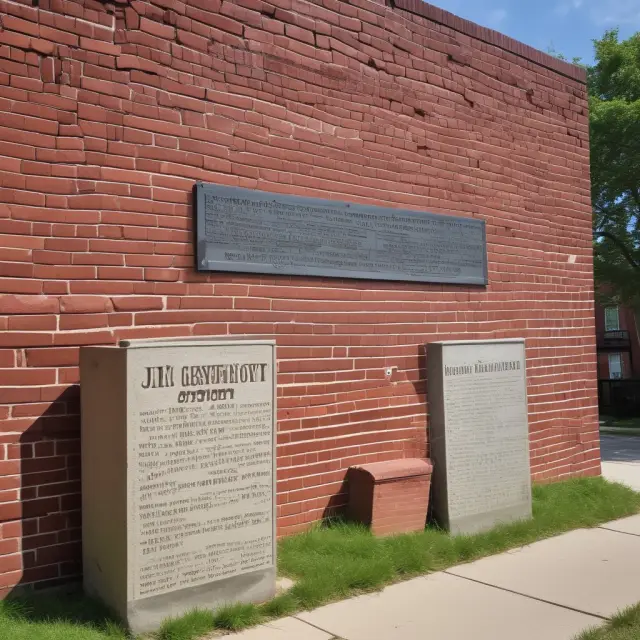
Roots of Inequality: Jim Crow Laws and Income Segregation
The term “ghetto” has a long, complex history that dates back to medieval Europe. Originally meaning a ‘neighborhood’ or ‘district,’ the word has taken on negative connotations and has been used as a derogatory term for communities with predominantly minority populations since the 19th century (American Heritage Dictionary). To understand the origins of this term and its contemporary implications, it is essential to trace its historical roots.
The origins of income inequality and ghettoization can be traced back to Jim Crow laws, a series of state and local statutes that enforced racial segregation in the Southern United States from 1877 to 1965. These laws, named after a fictional character in a minstrel show, institutionalized discrimination against African Americans through various means. Among them were literacy tests, poll taxes, grand juries, and the use of violence to prevent black people from exercising their right to vote.
Jim Crow laws were used to create de facto segregation, which is a form of social separation that occurs without the force of law. De facto segregation was achieved through discriminatory housing practices like redlining, mortgage lending discrimination, and restrictive covenants. Redlining is an illegal practice in which financial institutions deny services to residents based on their ethnicity or nationality. This led to the concentration of African Americans, Latinos, and other racial minorities in impoverished urban areas with limited resources and opportunities.
The impacts of Jim Crow laws are still felt today, as income inequality continues to be a major issue in America. According to a study by the Economic Policy Institute, the top 1% of earners in the U.S. captured nearly 40% of total income growth between 2009 and 2019, while the bottom 60% saw little to no growth (EPI). This income disparity contributes to the formation and maintenance of ghettoized neighborhoods.
Ghettoization, or the physical and social separation of minority communities from the larger society, is a consequence of these historical inequalities. The term “ghetto” carries negative connotations, implying areas with high crime rates, dilapidated housing, lack of resources, and few opportunities for upward mobility. These conditions perpetuate a cycle of poverty, making it difficult for residents to escape the disadvantages that come with living in such neighborhoods.
In conclusion, understanding the historical roots of income inequality and ghettoization is crucial to addressing these issues in contemporary America. By recognizing the impact of Jim Crow laws on residential segregation and their long-term consequences, we can begin to create policies that promote economic opportunity and social integration for all communities.

Offensiveness of the Term ‘Ghetto’
The term ‘ghetto’ carries a negative connotation and is considered offensive due to its historical connection with racial segregation and discrimination. Originating from the Middle Ages, this derogatory label has been used since the 16th century to describe areas where Jewish communities were forced to reside in Europe. In contemporary American society, the term often refers to poor urban neighborhoods predominantly inhabited by ethnic or racial minorities. This usage further perpetuates a harmful stereotype and stigmatizes residents, oversimplifying their experiences and disregarding complex socioeconomic challenges.
The etymology of ‘ghetto’ can be traced back to the Venetian term ‘geto,’ which referred to the foundry district where Jewish communities were required to live. Over time, this label evolved to signify any densely populated, economically disadvantaged area with predominantly minority residents. The historical context of ghettos is rooted in policies that enforced racial segregation through zoning laws and discriminatory housing practices.
Contemporary ghettos continue to face numerous challenges including limited access to resources, lack of investment, high crime rates, and systemic inequality. These areas are often characterized by a lack of quality education, subpar infrastructure, and inadequate municipal services. Moreover, the term’s offensive usage can have detrimental implications for minority communities, perpetuating harmful stereotypes and stigmatizing residents.
One particularly controversial use of the term ‘ghetto’ was Quentin Tarantino’s reference to it at the 2016 Golden Globes awards ceremony. Despite its offensive nature, some continue to employ the term casually or even glorify it in popular culture. However, understanding the historical context and societal implications of the term ‘ghetto’ necessitates a more nuanced conversation that acknowledges the harm caused by using this derogatory label.
Instead, focusing on potential solutions to address inequality, improve access to resources, and foster inclusive communities can help create lasting change and shift the narrative away from stigmatizing language and harmful stereotypes. By recognizing and addressing systemic issues, we can work towards promoting equality, opportunity, and social justice for all residents.

Notable Historical Ghettos: The Warsaw Ghetto
The term ‘ghetto’ has a rich history, with its roots tracing back to medieval Europe where Jews were forced into confined quarters, away from their Christian counterparts. The term comes from the Italian word ‘geto’, meaning ‘foundry’. It is believed that this term was first used in Venice, Italy, when Jewish residents were ordered to live near a foundry or ‘ghetto’ due to its proximity to the city center and ease of monitoring.
One of the most significant historical ghettos was the Warsaw Ghetto in Poland, established in 1516. During this time, the Polish-Lithuanian monarchy enforced residential segregation by confining Jews within a fortified area of the city. This ‘ghetto’ became synonymous with Jewish quarters throughout Europe, and it was a precursor to the ghettos that would later emerge in other parts of Europe and North America.
The Warsaw Ghetto played a crucial role in World War II history as it was the largest and most famous Jewish ghetto during the Holocaust. In November 1940, nearly 500,000 Jews from Warsaw were confined to an area of about 3.4 square miles (8.8 km²), living in overcrowded conditions with limited access to food and basic necessities. The ghetto was liquidated between July 22 and September 12, 1942, resulting in the mass murder of its inhabitants.
The Warsaw Ghetto stands as a poignant reminder of the discrimination, hardships, and suffering endured by Jews during this period. It is essential to acknowledge the historical significance of ghettos and the role they played in shaping Jewish history while also recognizing their negative connotations and the need for understanding the complexities surrounding their usage.
In contemporary America, neighborhoods like Compton, Oakland, Flint, Harlem, and Montgomery have earned the label ‘ghetto’ due to their low property values, minimal development, high crime rates, and demographic makeup. Although the term ‘ghetto’ carries a negative connotation and is often considered derogatory, it is crucial to understand its historical origins and the systemic issues that contribute to the creation of such neighborhoods. By recognizing these complexities, we can work towards finding solutions to address the root causes of inequality and create more equitable communities for all.

Modern Examples of Ghettos in America
Ghettos in the United States, as mentioned previously, are notorious for their economic disparities and racial segregation, often being characterized by low property values, high crime rates, and limited resources. This section will focus on identifying some modern American neighborhoods that fit this definition, including Compton, Oakland, Flint, Harlem, and Montgomery.
Compton, California
A city in Los Angeles County, Compton gained a reputation for high crime rates, poverty, and gang violence throughout the 1980s and 1990s. However, recent initiatives to improve public services, invest in infrastructure, and encourage economic growth have led to a resurgence of interest in this historically black neighborhood.
Oakland, California
Located near San Francisco Bay, Oakland has been plagued by poverty, crime, and unemployment for decades, particularly among its African American population. In recent years, the city has undergone significant gentrification as tech companies and high-income residents have moved in, pushing out longtime low-income residents and raising housing prices beyond their reach.
Flint, Michigan
The city of Flint became infamous for its water crisis, which began in 2014 when lead from the city’s aging water pipes contaminated the municipal water supply. With a majority African American population and high levels of poverty, residents of this once-prosperous industrial city have faced significant health consequences and economic hardships as a result of the crisis.
Harlem, New York
Famous for its cultural significance in music, art, and literature, Harlem is also known for its struggles with poverty, crime, and racial segregation. With a large African American population and a rich history of civil rights activism, this historic neighborhood continues to grapple with economic disparities and social issues.
Montgomery, Alabama
A significant location in the American Civil Rights Movement due to the Montgomery Bus Boycott, Montgomery’s low-income areas are still plagued by high poverty rates, limited resources, and racial segregation. The city has been working on initiatives to improve public transportation, education, and economic development, but progress has been slow in this historically segregated community.
These examples demonstrate the ongoing challenges faced by ghetto communities across America, as well as the complex social, economic, and political issues that contribute to their continued existence. By recognizing and addressing these issues, we can work towards creating more equitable and inclusive communities for all residents.

Addressing Ghettoization: Solutions for Inequality
The term ghetto has long been used derogatively to describe underdeveloped and impoverished neighborhoods, predominantly inhabited by racial minorities. While many areas that fit this description have seen significant changes in recent decades, the issue of inequality and socio-economic disparities persists. Understanding the root causes and exploring potential solutions is crucial in addressing ghettoization and its negative implications.
Historically, discriminatory policies like Jim Crow laws and redlining significantly contributed to the creation and maintenance of these communities. The Fair Housing Act of 1968 prohibited such discrimination, but its impact has been limited due to informal practices and ongoing inequality.
One approach to addressing ghettoization is through community development initiatives that aim to improve infrastructure, housing, education, and access to resources. These efforts can involve the private sector, government funding, or a combination of both. For example, urban renewal programs have been instrumental in revitalizing some neighborhoods by attracting investment and creating jobs. However, these policies are controversial as they often lead to gentrification and displacement of long-term residents (Burkholder & Smith, 1994).
To mitigate the negative impact on minority communities, it is essential that inclusive development strategies are employed. Such initiatives should focus on preserving affordable housing, providing training and education opportunities for local residents, and ensuring equitable access to resources and services. This will not only improve the quality of life for current inhabitants but also create a strong foundation for future generations (Massey & Denton, 1993).
Furthermore, it is crucial to address systemic issues that perpetuate inequality. Addressing education gaps, income disparities, and access to resources in the early stages can significantly reduce the likelihood of ghettoization in the future (Wilson, 1987).
One notable example of successful community development comes from the Meadows at Shallowbrook neighborhood in Atlanta. The Meadows is a revitalized area where community partnerships and comprehensive planning have led to improved infrastructure, housing, and economic opportunities for residents (Burkholder & Smith, 1994).
In conclusion, addressing ghettoization requires understanding the historical context and systemic issues that contribute to socio-economic disparities. By focusing on inclusive development strategies and addressing root causes, communities can move towards lasting change and equitable access to resources and opportunities.
References:
Burkholder, W., & Smith, M. (1994). Community Development in the Urban Core: New Directions for Regional Policy, 8(5), 37-47.
Massey, D. S., & Denton, N. A. (1993). American apartheid: Segregation and the making of the underclass. Harvard University Press.
Wilson, W. J. (1987). The Truly Disadvantaged: The Inner City, the Underclass, and Public Policy. University of Chicago Press.

Controversial Use of ‘Ghetto’: Quentin Tarantino and Beyond
The term ‘ghetto’ has been a source of controversy, especially when used by high-profile individuals like Quentin Tarantino. In 2016, during the Golden Globe Awards ceremony, the renowned filmmaker referred to the Academy Awards as a ‘white ghetto,’ stirring heated debates and discussions about the appropriateness of such language. However, it is essential to understand the historical context and implications of using this term in contemporary society.
Originally, the word ‘ghetto’ comes from medieval Europe, where Jews were confined to specific neighborhoods under the suggestion of Pope Pius V. These areas were called ghettos, derived from the Italian borghetto, meaning small neighborhood or ghetonia, referring to a quarter or district. In contemporary usage, it is often used as a derogatory term for communities with racial and ethnic minorities.
The controversy surrounding Tarantino’s statement highlights the complexities of using this term, especially in today’s society. Some argue that it reinforces negative stereotypes and perpetuates inequality by oversimplifying complex issues affecting minority communities. Others contend that the term has evolved beyond its historical origins to become a shorthand for discussing socio-economic disparities and urban struggles.
The use of ‘ghetto’ as an offensive term is deeply rooted in history. Historically, neighborhoods inhabited by racial and ethnic minorities have been subjected to discriminatory policies such as redlining, mortgage lending discrimination, Jim Crow laws, and segregation. These practices have created communities with low property values, inadequate resources, and limited opportunities for economic advancement.
In the United States, neighborhoods like Compton, Oakland, Flint, Harlem, and Montgomery can be considered ghettos due to their historical roots in discrimination and persistent socio-economic challenges. These communities continue to face issues such as high poverty rates, lack of quality education, and inadequate infrastructure, making them prime examples of areas that have been historically underinvested and neglected.
While some argue that the term ‘ghetto’ is offensive due to its historical connotations, others maintain that it serves an important function in discussing pressing issues affecting minority communities. The term can be a catalyst for dialogue about systemic inequality and the need for policies and interventions aimed at addressing root causes.
However, it is essential to recognize that the term ‘ghetto’ carries negative associations and can reinforce stereotypes when used carelessly or inappropriately. Instead, focusing on solutions and discussing ways to address socio-economic challenges in a respectful, inclusive manner is more productive for meaningful change.
The controversy surrounding Quentin Tarantino’s use of the term ‘ghetto’ highlights the need for ongoing dialogue about language and its implications. It serves as an opportunity for us to reflect on the historical context and contemporary meanings of this term and to engage in respectful, productive discussions about inequality, discrimination, and social justice. By acknowledging the complexities surrounding the use of ‘ghetto,’ we can work towards a more inclusive, equitable society that values every community’s unique strengths and challenges.
In conclusion, it is crucial to understand the historical origins, contemporary implications, and controversies surrounding the term ‘ghetto.’ By recognizing the power of language and engaging in respectful dialogue, we can contribute to creating a more inclusive, equitable society where everyone has access to opportunities for growth and development.

Frequently Asked Questions About Ghettos
The term ‘ghetto’ is a contentious term for neighborhoods characterized by low property values and minimal public or private investment. Its history dates back to medieval Europe when Jewish populations were forced into confined living areas, leading to the term’s etymology from the Italian borghetto (little neighborhood) or ghetonia (neighborhood). In contemporary usage, it is frequently used as a derogatory term for communities with predominantly racial minorities and high poverty rates. Here are some common questions about ghettos, their history, and controversy surrounding the term.
What Is a Ghetto?
A ghetto is a neighborhood that faces income and economic inequality, leading to minimal development and little investment in infrastructure. Historically, areas designated as ghettos were often inhabited by racial minorities. The term is considered offensive due to its association with discrimination and segregation.
Origins of the Term ‘Ghetto’?
The word originates from medieval Europe where Jewish populations were confined into specific neighborhoods such as Venice’s gheto (iron foundry) or the Greek term ghetonia (neighborhood). Its contemporary usage is a derogatory term for economically disadvantaged and racially segregated communities.
Why Is the Term ‘Ghetto’ Offensive?
The term is considered offensive due to its historical association with discrimination, segregation, and racial prejudice. The term has been used as a slur against racial minorities and perpetuates negative stereotypes about their communities.
Which Neighborhoods Are Considered Ghettos Today?
Areas such as Compton, Oakland, Flint, Harlem, and Montgomery have historically had large minority populations and experienced economic inequality, making them ghetto neighborhoods in contemporary America. These areas often lack resources and adequate municipal services, leading to high crime rates and poverty.
What Policies Contribute to Ghettoization?
Historically, discriminatory policies such as Jim Crow laws and redlining contributed significantly to the formation of ghettos by denying access to income, wealth, property rights, and resources for minority communities. Government policies like urban renewal programs and gentrification have also resulted in displacement of low-income residents and businesses.
Why Are Urban Renewal Policies Controversial?
Urban renewal policies are controversial as they often displace minority and low-income residents, exacerbating economic inequality. These policies can lead to rising property values and displacement of long-term residents and businesses, causing social and economic instability in affected communities.
What Is the Impact of Gentrification on Ghettos?
Gentrification is a process where affluent individuals move into low-income neighborhoods, leading to increased property values and investment in infrastructure. This can lead to the displacement of long-term residents and businesses, further perpetuating economic inequality and social instability in affected communities.
Why Are There Controversies Surrounding the Use of the Term ‘Ghetto’?
Controversy arises from the term’s association with discrimination, racial prejudice, and negative stereotypes about racial minorities. The use of the term perpetuates the stigmatization and marginalization of communities experiencing economic inequality and poverty.
What Are Alternatives to Using the Term ‘Ghetto’?
Alternative terms include “disadvantaged neighborhoods,” “low-income communities,” or “underserved areas.” These terms do not carry the negative connotations associated with the term ‘ghetto’ and provide a more inclusive and respectful way to describe communities facing economic inequality.
 Next entry · No. 1,794The Evolution and Impact of the GI Bill: From WWII to Present Day
See also
-
 No. 5,909
17 Oct 2025
20 min
Understanding a Zero Capital Gains Rate: How Tax Exemptions in Enterprise Zones Encourage Economic Development
Business Finance
No. 5,909
17 Oct 2025
20 min
Understanding a Zero Capital Gains Rate: How Tax Exemptions in Enterprise Zones Encourage Economic Development
Business Finance -
 No. 4,256
04 Jun 2025
18 min
Understanding Quintiles: What They Are and How They’re Used in Finance and Economics
Business Finance
No. 4,256
04 Jun 2025
18 min
Understanding Quintiles: What They Are and How They’re Used in Finance and Economics
Business Finance -
 No. 2,036
04 Dec 2024
20 min
Understanding the Hart-Scott-Rodino Antitrust Improvements Act of 1976: A Comprehensive Guide for Institutional Investors
Business Finance
No. 2,036
04 Dec 2024
20 min
Understanding the Hart-Scott-Rodino Antitrust Improvements Act of 1976: A Comprehensive Guide for Institutional Investors
Business Finance -
 No. 2,033
04 Dec 2024
19 min
Understanding the Harmonic Mean: Definition, Calculation, Differences from Arithmetic and Geometric Means, and Use Cases in Finance
Business Finance
No. 2,033
04 Dec 2024
19 min
Understanding the Harmonic Mean: Definition, Calculation, Differences from Arithmetic and Geometric Means, and Use Cases in Finance
Business Finance -
 No. 2,019
03 Dec 2024
19 min
Understanding Hard Call Protection in Bond Investing: Protecting Your Bonds from Early Redemption
Business Finance
No. 2,019
03 Dec 2024
19 min
Understanding Hard Call Protection in Bond Investing: Protecting Your Bonds from Early Redemption
Business Finance -
 No. 1,911
24 Nov 2024
23 min
Green Field Investments: Building Businesses from Scratch Abroad
Business Finance
No. 1,911
24 Nov 2024
23 min
Green Field Investments: Building Businesses from Scratch Abroad
Business Finance