Green Field Investments: Building Businesses from Scratch Abroad
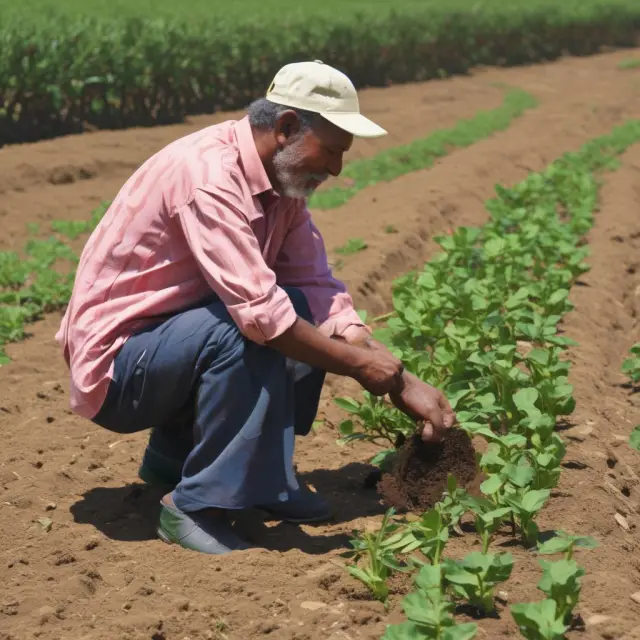
Learn about green field investments - building businesses from scratch abroad. Discover advantages, challenges, & success stories.
Introduction to Green-Field Investments
Green-field investments represent a unique approach to foreign direct investment (FDI). With this strategy, parent companies establish new operations from the ground up in a foreign country. The benefits and drawbacks of green-field investments differentiate them from other types of FDI, such as brownfield projects or indirect investments. This section will provide an introduction to green-field investments, discussing their advantages and disadvantages compared to alternative methods.
What is a Green-Field Investment?
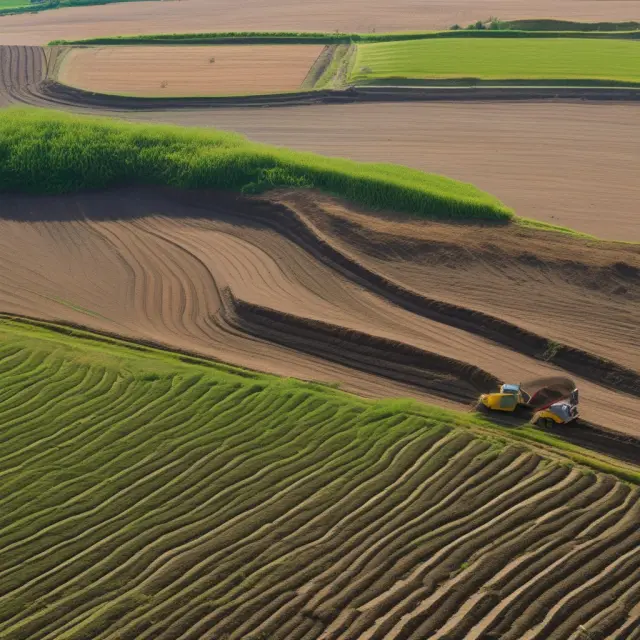
Green-field investments refer to instances where a parent company lays the foundation for a new venture abroad. The term “green field” is derived from the concept of creating new business operations in an unoccupied or undeveloped area, similar to preparing and tilling fresh farmland. In essence, green-field projects involve designing, constructing, and managing every aspect of a company’s operations from scratch in a foreign location.
Advantages and Disadvantages of Green-Field Investments
Green-field investments offer several advantages for the sponsoring companies, including complete control over the business process, customization, and potential tax incentives or financial benefits provided by host countries to attract investment. However, these projects also come with risks and challenges, such as higher costs due to construction, longer planning time, and political instability.
The green-field investment method stands out for several reasons:
- Greater control over the business process: Green-field investments grant parent companies full ownership and control of their operations in a foreign location. The company can make decisions regarding the hiring of local talent, managing supply chains, and implementing its preferred manufacturing processes and quality control standards.
- Customization to fit specific needs: As the business is built from the ground up, it can be tailored to meet the parent company’s exact requirements. This level of customization leads to a higher degree of efficiency in operations and a better match between the host country’s resources and the venture’s goals.
- Favorable tax incentives: Host countries may offer tax breaks or financial incentives for green-field investments, creating a more attractive business environment for foreign companies. By reducing corporate taxes, offering subsidies, or providing other concessions, these governments can encourage companies to invest in their economies and stimulate growth.
- Political stability: Stability is an essential factor for the success of any investment project. Green-field investments can be more challenging in politically unstable countries as they require long-term commitments and large capital outlays. In contrast, indirect investments, such as purchasing foreign securities, offer less control and exposure to political risks.
- Higher costs: The cost of constructing new facilities from scratch is often a significant disadvantage for green-field investments. Not only are there construction expenses but also the need for extensive planning, research, and development. However, the long-term benefits may offset these initial costs if the venture succeeds in tapping into a promising market or accessing cheaper labor and resources compared to the company’s home country.
- Longer planning time: Greenfield projects require more time than other types of investments due to the extensive planning involved. Companies need to carefully research the local business environment, assess risks, secure permits, and assemble a workforce, which can take months or even years.
In conclusion, green-field investments offer several advantages for companies seeking control, customization, financial incentives, and political stability in their foreign operations. However, these projects also come with risks, challenges, and high costs. The decision to pursue a green-field investment depends on various factors, including the country’s economic conditions, political stability, labor force, and the company’s long-term business goals.
In subsequent sections, we will delve deeper into the differences between green-field and brown-field investments, successful examples of green-field projects, and strategies for planning and implementing these ventures. Stay tuned to learn more about this fascinating aspect of foreign direct investment!

The Basics of a Green-Field Investment
Green-field investments, a type of foreign direct investment (FDI), refer to establishing new businesses abroad from scratch, entailing a complete buildup of facilities, infrastructure, and workforce. Unlike acquisitions or mergers where a company purchases an existing enterprise, green-field projects present companies with the highest degree of control.
When starting a green-field project, the sponsoring company is in charge of designing and constructing new production facilities, distribution hubs, offices, and even living quarters for its employees. This level of involvement is the polar opposite of indirect investment, where the owning company holds little to no control over operational aspects such as quality control, sales, or training.
Green-field investments demand a significant commitment in terms of capital and time, which comes with higher risks than other FDI methods. However, these projects offer several advantages, including tax incentives, financial benefits, and the ability to tailor operations according to the company’s unique specifications.
The name “green-field investment” originates from the idea of starting a venture on virgin land or a ‘green field.’ Green fields represent uncharted territories for companies looking to expand overseas and provide opportunities for economic growth for both the parent organization and the host country.
Unlike indirect investment, which involves purchasing foreign securities without controlling operational aspects, green-field investments are characterized by complete control of the newly established venture. Companies can set up their facilities as they desire, hire, train, and manage their workforce to their standards, and customize fabrication processes for optimal efficiency.
Green-field projects carry substantial risks due to the high capital outlay required for constructing new factories or manufacturing plants and the long-term commitment involved in a foreign venture. These investments demand extensive research on feasibility and cost-effectiveness before making any significant commitments.
However, green-field investments can yield several benefits for both the sponsoring company and the host country. Host countries may offer tax breaks, subsidies, or other incentives to attract these projects, which can lead to positive long-term returns through economic growth and human capital development. Despite the initial risks and costs, green-field investments often result in stronger relationships between the parent company and the host nation, fostering mutual benefits for both parties.
For instance, U.S. data from the Bureau of Economic Analysis (BEA) shows that US$259.6 billion was invested in green-field projects in the United States during 2017, with $4.1 billion allocated to establish new businesses. Manufacturing investments accounted for 40% of the total, making it the most popular industry for green-field projects.
In April 2015, Toyota announced a US$1.5 billion green-field investment in Guanajuato, Mexico, to build a new manufacturing plant and provide housing for its employees through a development project called “Toyota City.” This venture is expected to generate initial employment for 3,000 workers and produce 300,000 pickup trucks per year.
Mexico has been an attractive destination for green-field investments due to its low labor and manufacturing costs as well as its proximity to major markets in the United States. The success of this investment showcases how green-field projects can yield long-term benefits for both the sponsoring company and the host country by promoting economic growth, job creation, and fostering stronger international business relationships.
Green Field vs. Brown Field Investments
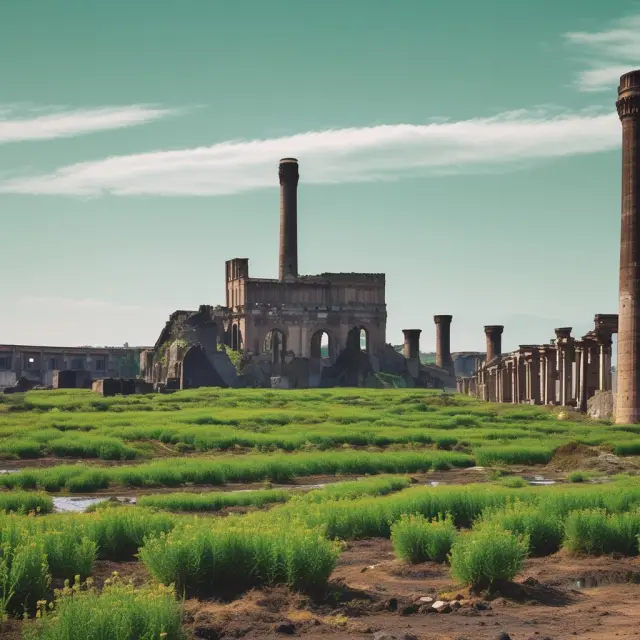
In the realm of foreign direct investment (FDI), companies have multiple options for expansion. Green-field investments represent one such method, where a parent corporation establishes a new business from scratch in a host country. Brown-field investments, on the other hand, involve the acquisition and adaptation of existing infrastructure to meet specific company requirements.
Green-field projects are distinctly different from indirect investments, such as purchasing foreign securities or mergers and acquisitions. With green fields, companies have greater control over the project since they build facilities, train employees, and customize processes according to their standards. Indirect investments, however, provide little control in these areas and come with varying degrees of risk and uncertainty.
When comparing green field to brown field investments, it’s essential to consider their unique features and implications for both companies and host countries.
Green-field investments offer several advantages, including the ability to establish operations according to company specifications, complete control over the venture, and potential access to tax incentives offered by host governments. However, they come with significant risks and costs. The commitment of time, capital, and resources required for green fields is higher than other forms of FDI. Green-field projects can also face challenges during planning and execution stages, such as construction delays, permitting issues, resource availability, and labor constraints.
Brown-field investments, on the other hand, offer lower upfront costs due to the use of existing facilities, infrastructure, and resources. However, these investments may entail higher operational risks since companies have little control over pre-existing structures and processes. Renovating or adapting a brown-field site can also pose logistical challenges.
Green fields are most attractive for multinational corporations seeking to expand into new markets with favorable conditions, such as tax incentives or geographical advantages. These investments create jobs, generate revenue, and contribute to the host country’s economic development. They also foster knowledge transfer and technological advancements. However, green-field projects can be financially risky due to their long-term commitment and potential dependence on the political stability of the host nation.
Brown fields are generally preferred when a company wishes to quickly establish a presence in a new market while minimizing upfront costs. They offer a shorter time-to-market than green-field projects but may require more significant ongoing investment for maintenance, renovations, and adaptations to meet the company’s specific needs.
In conclusion, understanding the differences between green field and brown field investments is crucial for companies seeking to expand abroad. Both methods have their advantages and disadvantages, and careful consideration must be given to factors such as risk tolerance, investment objectives, and market conditions before making a decision. In the next section, we will examine successful case studies of green-field investments and discuss strategies for planning and implementing these projects.

Why Green-Field Projects Are Attractive to Companies
Green-field investments offer numerous advantages over other foreign direct investment methods for companies looking to expand their operations abroad. In green-field projects, a parent company starts a new business operation from scratch in a foreign country. This approach allows for complete control of the venture from design and construction to management and training. One significant factor attracting companies to green-field investments is financial incentives, which can include tax breaks, subsidies, and grants provided by host governments eager to attract foreign investment.
Green-field investments enable a parent company to build its operation according to its specifications and control every aspect of the project, from hiring local workers and designing production processes to setting up logistics and distribution networks. This level of involvement is not possible with indirect investment, such as purchasing shares or securities in a foreign company, where the investor has little to no control over operations or quality standards.
However, green-field investments demand significant capital outlay and require a long-term commitment. Construction projects can be complex, time-consuming endeavors prone to cost overruns, permit delays, and unexpected challenges. The risks associated with these investments include difficulties in accessing resources, dealing with unstable political climates or labor issues that could potentially force a company to abandon the project.
Despite the challenges and risks, green-field projects can yield substantial rewards for companies looking to enter new markets. For instance, they allow businesses to tap into local talent pools and build strong relationships with local communities. By establishing a presence in a host country, a company can expand its customer base and access new markets. Green-field investments also offer the potential for significant cost savings through economies of scale and lower production costs in certain countries compared to developed nations.
Green-field projects have been popular among companies seeking to establish a manufacturing or production presence abroad. For instance, Toyota’s US$1.5 billion investment in a new plant in Guanajuato, Mexico, exemplifies the long-term benefits of green-field investments. The project includes not only the construction of a state-of-the-art manufacturing facility but also urban development for employee housing, creating jobs and stimulating economic growth in the region.
In conclusion, green-field investments offer companies significant control over new foreign ventures, access to financial incentives, and the potential for cost savings and market expansion. While the risks and challenges associated with these projects can be substantial, companies that successfully implement green-field projects can reap long-term rewards in terms of growth, increased production capacity, and improved relationships with host countries.

Risks and Challenges of Green-Field Investments
Green-field investments, a type of foreign direct investment (FDI), offer multinational corporations the highest degree of control by creating new operations from the ground up in a foreign country. While this form of FDI has many advantages such as complete control over operations and specifications, it comes with greater risks and challenges compared to other types of investments.
First and foremost is the financial commitment required for green-field projects, which often involves significant time and capital outlay. Companies investing in new factories or manufacturing plants face various risks, including construction overruns, difficulties in permitting processes, and issues with accessing resources and labor. These challenges can lead to unexpected costs and delays, potentially causing financial losses for the business.
Another risk that comes with green-field investments is political instability in host countries. Political instability can result in companies needing to abandon their projects at any time, leading to devastating financial consequences. To mitigate these risks, investors undertake extensive research and planning before committing to a project.
Green-field investments also require a long-term commitment from the sponsoring company. Developing countries often attract foreign businesses by offering tax breaks or financial incentives to set up operations within their borders. While these concessions may benefit the host nation in the long run, the initial investment required can be substantial.
To build a new business or expand an existing one, companies must determine the feasibility and cost-effectiveness of green-field projects through thorough research and planning. Despite these challenges, many companies choose to invest in green fields due to the numerous benefits, including tax breaks, control over every aspect of their venture, and the potential for long-term growth.
In 2017, green-field investments in the United States totaled US$259.6 billion according to the U.S. Bureau of Economic Analysis (BEA). Of this investment, $4.1 billion was allocated for establishing new businesses. The manufacturing industry accounted for 40% of the total, making it a popular choice for green-field investments. In April 2015, Toyota, one of the world’s leading automakers, made its first green-field investment in Mexico in three years with a $1.5 billion commitment to construct a new manufacturing plant. The Guanajuato factory, which is scheduled to open in December 2019 and employ an eventual workforce of 3,000 employees, will initially hire 1,000 workers and have the capacity to produce 100,000 pickup trucks per year. In addition, Toyota plans to build or improve urban development to accommodate worker housing. Mexico has been a popular choice for green-field investments due to its low labor and manufacturing costs, as well as its proximity to large markets in the United States.
In conclusion, green-field investments provide multinational corporations with the highest degree of control while also posing greater risks and challenges compared to other types of foreign direct investments. Despite these challenges, companies are often attracted to the potential long-term benefits of creating a new operation from the ground up in a foreign country. With extensive research, planning, and careful consideration, green-field investments can lead to significant growth and success for both the company and the host nation.
Benefits of Green-Field Investments for Host Countries
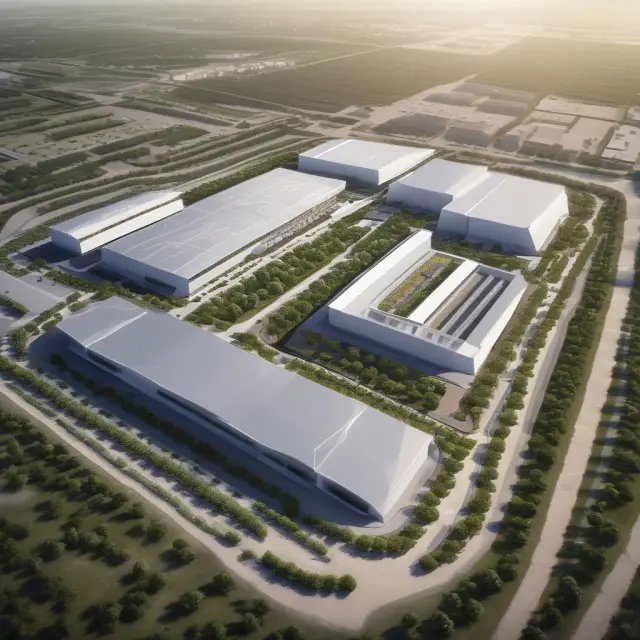
Green-field investments offer numerous benefits not only to the parent companies that carry them out but also to host countries. By establishing new businesses or expanding existing ones from scratch, foreign investors bring fresh capital and technology into a country’s economy, stimulating economic growth. This section discusses the advantages of green-field investments for host countries and how they contribute to local communities.
Tax Incentives and Financial Benefits
One significant advantage of green-field investments for host countries is the financial incentives offered by governments to attract foreign businesses. These incentives include tax breaks, subsidies, and other concessions. While these concessions may lead to a short-term loss of corporate tax revenues, they can result in long-term benefits for the host nation. These benefits include increased foreign exchange earnings, job creation, and the development of local human capital.
Complete Control Over the Venture
When companies invest in green-field projects, they have complete control over all aspects of their operations. This includes design, construction, hiring personnel, training employees to company standards, and implementing quality control measures. This level of involvement allows for the transfer of technology, expertise, and knowledge from the parent company to the host country. In turn, local workers gain valuable skills and experience, which can lead to future opportunities within the company or in other industries.
Job Creation
Green-field investments often lead to significant job creation, both during the construction phase and once operations begin. This employment generation can benefit local communities by providing income for families and contributing to improved living standards. Furthermore, these jobs can represent a long-term commitment from the parent company to the host country.
Stimulating Economic Growth
Green-field investments contribute to the overall economic growth of host countries. As foreign companies set up new operations, they import capital, raw materials, and technology, which increases demand for local goods and services. Additionally, these investments can lead to the development of local industries and businesses that cater to the needs of the new venture. This, in turn, creates a ripple effect throughout the economy, as employment opportunities expand and wages increase.
Urban Development
Green-field projects can also result in urban development initiatives, such as the construction of housing complexes or infrastructure improvements. In some cases, companies may invest in community projects or provide education and training programs for local residents. These investments not only create a positive impact on the immediate environment but can also foster long-term relationships between the company and the host country.
Real-World Examples
An excellent example of green-field investment benefiting both parent companies and host countries is Toyota’s 2015 announcement to build its first new plant in Mexico since 2012. Costing US$1.5 billion, the Guanajuato facility represents a significant investment in both capital and technology for the automaker. In addition to creating jobs for approximately 3,000 employees during production and an expected initial workforce of around 1,000, Toyota also plans to construct housing and other urban development projects in what is being called “Toyota City.” These investments not only contribute to the local economy but will likely lead to long-term partnerships between Toyota and Mexico.
In conclusion, green-field investments offer numerous advantages for host countries. The financial incentives provided by governments attract foreign businesses, which bring capital, technology, and employment opportunities. Companies retain complete control over their operations, allowing them to transfer expertise and knowledge to the host country. Moreover, urban development initiatives can improve living conditions and create lasting relationships between the parent company and the local community.
By understanding these benefits, we can appreciate how green-field investments contribute to economic growth and create positive outcomes for all parties involved.
Green-Field Investment Success Stories: Toyota’s Mexico Plant
Toyota’s Green-Field Investment in Mexico: A Case Study in Success
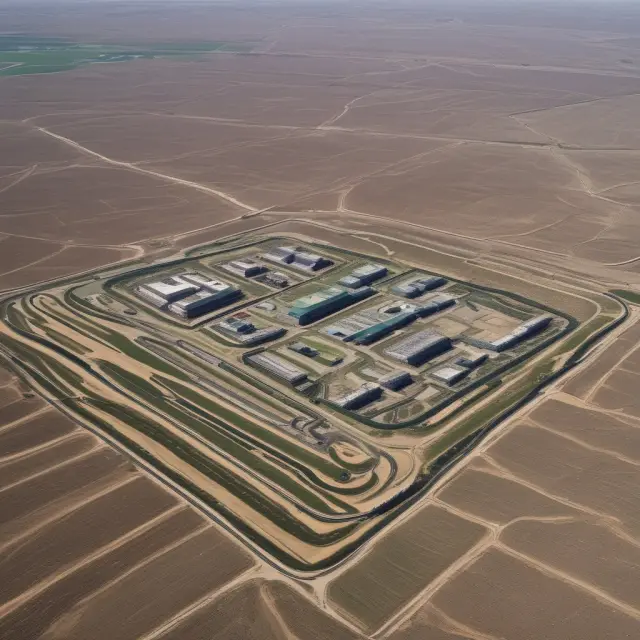
One of the most compelling examples of a successful green-field investment is that of Japanese automobile manufacturer, Toyota, in Mexico. This significant project illustrates several aspects of green-field investments: the benefits offered by host countries, the control afforded to the parent company, and the challenges faced during implementation.
Green-Field Investments and Host Countries: A Winning Combination
The Mexican government has long recognized the advantages that foreign investment brings to its economy. As a result, they offer attractive incentives for green-field projects. Toyota seized this opportunity when it announced plans in April 2015 to build a new manufacturing plant in Guanajuato. The US$1.5 billion venture promised employment for thousands and the capacity to produce 300,000 pickup trucks per year.
Total Control for Toyota
In a green-field investment, the parent company has complete control over every aspect of the operation—from design and construction to hiring employees and setting up supply chains. This level of involvement provides Toyota with numerous advantages, including:
- Tight Quality Control: The automaker’s standards can be implemented from the ground up, ensuring a consistent product that meets its exacting demands.
- Customization: The new plant was built to Toyota’s specifications, allowing for efficient production and minimizing adaptation costs.
- Training: Employees are trained to Toyota’s methods and expectations, securing a skilled workforce that aligns with the company’s culture.
Challenges in Green-Field Investments
Despite the numerous benefits of green-field investments, they come with their unique challenges. In Toyota’s case, some hurdles included:
- Permitting and Construction Delays: Navigating Mexican bureaucracy to acquire permits and licenses took more time than anticipated, pushing back the completion date.
- Access to Resources: The company needed to ensure a steady supply of raw materials for production, which required establishing relationships with local providers or importing from other countries.
- Infrastructure Development: Building new facilities meant investing in housing for the employees and infrastructure improvements within the community, as Toyota’s goal was to create a self-contained community known as Toyota City.
The Power of Green-Field Investments
Toyota’s successful green-field investment in Mexico demonstrates the potential benefits for both the sponsoring company and the host country. With control over every aspect of the operation, Toyota was able to ensure a high-quality product that met its exacting standards while employing thousands of locals and investing billions into the Mexican economy. Although challenges like permitting delays and infrastructure development posed obstacles, the long-term benefits outweighed these issues. Green-field investments offer foreign entities the highest degree of control in their operations, making it an attractive investment method for multinational corporations seeking to expand their reach and tap into new markets.

How to Plan and Implement Green-Field Projects
Green-field projects present multinational corporations (MNCs) with a unique opportunity to establish operations from scratch in foreign countries, offering greater control and customization compared to other foreign direct investment methods such as acquisitions or brownfield investments. However, the process of planning and implementing a green-field project can be complex, requiring substantial time, resources, and expertise. In this section, we will explore strategies for successfully planning and executing these types of investments, from conducting thorough feasibility studies to managing risks and overcoming common challenges.
Green-Field vs. Brown-Field: A Comparison
Before diving into the specifics of planning a green-field project, it is essential to understand the differences between greenfield and brownfield projects. Greenfield investments involve building operations from scratch in a foreign country, providing companies with complete control over every aspect of their venture. In contrast, brownfield investments refer to the acquisition or leasing of existing facilities and land, requiring less capital outlay and a shorter timeframe for implementation but offering less control.
Understanding Feasibility Studies and Due Diligence
One of the crucial initial steps in planning a green-field project is conducting extensive feasibility studies and due diligence to determine whether the investment is economically viable and culturally suitable. This research includes analyzing the political, economic, and social conditions of the target country, as well as identifying potential competitors, customers, and suppliers. Companies often engage third parties such as consultants or law firms to provide expert advice on local regulations, taxation, labor laws, and other crucial factors.
Identifying Financial Incentives and Tax Breaks
Developing countries often extend financial incentives, tax breaks, or subsidies to attract green-field investments. While these concessions can help offset the initial investment costs, it is essential for companies to understand their implications on the long term. It is vital to conduct thorough cost-benefit analyses and consult with local experts to determine whether the incentives will translate into long-term economic benefits and an enhanced local labor force.
Managing Risks: Construction and Political Instability
Green-field projects involve substantial risks, ranging from construction challenges such as permitting difficulties or delays in project execution to political instability that may require companies to abandon their investments entirely. To mitigate these risks, companies must develop contingency plans and risk management strategies. For instance, they can build flexibility into their project timelines, establish relationships with local stakeholders, and employ skilled risk assessment teams.
Case Study: Toyota’s Green-Field Investment in Mexico
Toyota’s green-field investment in Mexico, which began in 2015, serves as an excellent example of a successful green-field project. The automaker chose to establish a new manufacturing plant in Guanajuato, investing US$1.5 billion in the project and eventually hiring 3,000 employees. Toyota’s strategic decision was based on Mexico’s attractive labor costs, proximity to U.S. markets, and favorable investment climate.
Planning for the Future: Green-Field Investment Trends
As green-field investments continue to play a vital role in the global economy, it is essential for companies to stay informed about emerging trends and best practices in this field. Some of the most promising developments include advances in technology, such as automation and AI, which can help streamline operations, reduce costs, and improve overall efficiency. Additionally, collaboration with local partners and governments can lead to mutually beneficial partnerships that foster economic growth and sustainable development.
In conclusion, green-field investments offer multinational corporations the unique opportunity to build their operations from scratch in foreign countries while enjoying greater control over every aspect of their venture. However, these projects also involve significant risks and a substantial time and capital commitment. By conducting thorough feasibility studies, identifying financial incentives, managing risks, and staying informed about emerging trends, companies can maximize their chances of success in the rapidly evolving landscape of green-field investments.

Green-Field Investment Trends and Future Outlook
Green-field investments have been on a steady rise since the 1990s, with multinational corporations (MNCs) increasingly favoring this type of foreign direct investment (FDI) as they strive for more control over their overseas operations. According to data from the U.S. Bureau of Economic Analysis (BEA), green-field expenditures reached a record $259.6 billion in 2017, representing the highest level since records began being kept in 1982. This trend is expected to continue as companies search for new opportunities and seek to expand their businesses into emerging markets.
One significant factor driving the increase in green-field investments is the growing competition from developing countries. As these nations establish more business-friendly regulations, they offer attractive incentives to foreign investors—including tax breaks, subsidies, and infrastructure development. The long-term benefits of a green-field investment can far outweigh the initial costs of setting up a new operation in these markets.
Moreover, political instability remains a concern for companies considering green-field investments. In the face of geopolitical risks, businesses must carefully evaluate the potential risks and rewards of establishing a presence in unfamiliar territories. Nevertheless, many corporations are willing to take on this risk in search of new growth opportunities.
Another factor influencing the trend towards green-field investments is the desire for greater control over operations. Green-field projects allow companies to build their facilities according to their specifications and implement their own quality control measures. This level of control is not always possible with other forms of foreign investment, such as mergers and acquisitions or licensing agreements.
While green-field investments offer numerous advantages, they also come with significant risks and challenges. These projects require a substantial upfront capital investment and a long-term commitment to the host country. The construction phase can be fraught with delays and cost overruns, while accessing local labor and resources can present additional hurdles. Companies must perform extensive research before committing to a green-field project, carefully weighing the potential rewards against the risks.
Despite these challenges, green-field investments have proven successful for numerous companies across various industries. Toyota’s new manufacturing plant in Guanajuato, Mexico—a $1.5 billion green-field investment—is scheduled to open in December 2019 and is expected to hire 3,000 employees upon completion. This project represents a long-term commitment by Toyota to expand its presence in the Mexican market and tap into its lower labor costs and close proximity to U.S. markets.
As green-field investments continue to gain popularity, it remains essential for companies to carefully evaluate their potential partners, target markets, and investment risks. By conducting thorough due diligence and adhering to best practices in project management, businesses can maximize the benefits of this type of foreign direct investment and minimize potential pitfalls.
FAQs About Green Field Investments
What exactly is a green-field investment?
Green-field investments represent a form of foreign direct investment (FDI) where a parent company creates a new subsidiary and builds its operations from scratch in a foreign country. This involves constructing production facilities, distribution hubs, offices, or living quarters on an empty plot—hence the term “green field.”
Green-field investments offer greater control for the sponsoring company compared to other forms of FDI like acquisitions or brown-field investments. However, they carry higher risks and costs as companies are responsible for everything from ground preparation to construction and employee training.
How is a green-field investment different from other foreign direct investments?
Green-field investments involve building new operations in a foreign country from scratch whereas other types of FDI include acquiring existing businesses (brown-field) or purchasing foreign securities (indirect investment). Green field investments provide the highest degree of control as companies can customize their facilities to their specifications, but they entail greater risks and capital outlay.
Why do companies choose green-field projects?
Green-field projects offer several advantages for both parent companies and host countries. Companies may be attracted by financial incentives such as tax breaks or subsidies provided by the host country, which can help offset the high costs of starting a new operation. Furthermore, having complete control over the venture can lead to improved operational efficiency and better alignment with the company’s business strategies.
On the other hand, green-field investments benefit host countries by creating jobs, promoting economic growth, and enhancing local human capital through knowledge transfer and skills development. This can lead to long-term positive effects on the host nation’s economy and workforce.
However, green-field projects come with their own set of challenges. The high risks and costs associated with green-field investments include construction overruns, problems with permitting, difficulties in accessing resources, and issues with local labor. Companies must invest significant time and resources into research and feasibility studies to determine the viability of a potential project.
Despite these challenges, many companies have successfully implemented green-field projects. For instance, Toyota’s $1.5 billion investment in a new manufacturing plant in Mexico demonstrates the benefits of this approach for both parties. The factory, which is expected to employ 3,000 people and produce 300,000 pickup trucks annually, has contributed significantly to the local economy by creating jobs and generating economic growth.
In conclusion, green-field investments provide parent companies with a high degree of control over their foreign subsidiaries but also involve greater risks and costs compared to other forms of FDI. Host countries benefit from job creation, knowledge transfer, and economic development as a result of these projects. While the process of planning and implementing a green-field project is complex and time-consuming, it can lead to long-term positive effects for both parties if executed successfully.
 Next entry · No. 1,912Greenmail: The Controversial Practice of Buying and Selling Corporate Shares for a Premium
See also
-
 No. 3,286
16 Mar 2025
19 min
Mothballing: A Strategic Approach to Preserving Capital Goods for Future Use
Business Finance
No. 3,286
16 Mar 2025
19 min
Mothballing: A Strategic Approach to Preserving Capital Goods for Future Use
Business Finance -
 No. 1,818
10 Nov 2024
22 min
Understanding Glide Paths in Target-Date Funds: A Comprehensive Guide for Professional Investors
Business Finance
No. 1,818
10 Nov 2024
22 min
Understanding Glide Paths in Target-Date Funds: A Comprehensive Guide for Professional Investors
Business Finance -
 No. 1,658
18 Oct 2024
17 min
The Forgotten Fourth World: Understanding Poverty, Exclusion, and Marginalization in Global Development
Global Finance
No. 1,658
18 Oct 2024
17 min
The Forgotten Fourth World: Understanding Poverty, Exclusion, and Marginalization in Global Development
Global Finance -
 No. 1,598
09 Oct 2024
20 min
Maximizing Your Investments Abroad: Understanding the Foreign Tax Credit
Finance Policy
No. 1,598
09 Oct 2024
20 min
Maximizing Your Investments Abroad: Understanding the Foreign Tax Credit
Finance Policy -
 No. 1,554
02 Oct 2024
20 min
Understanding Fixed Assets: Definition, Classification and Importance for Institutional Investors
Corporate Finance
No. 1,554
02 Oct 2024
20 min
Understanding Fixed Assets: Definition, Classification and Importance for Institutional Investors
Corporate Finance -
 No. 5,717
01 Oct 2025
18 min
When Issued: Understanding Pre-Issuance Transactions in Finance and Investment
Business Finance
No. 5,717
01 Oct 2025
18 min
When Issued: Understanding Pre-Issuance Transactions in Finance and Investment
Business Finance