Understanding Greenbacks: History, Characteristics, and Impact on the Economy

Discover the intriguing story behind the term 'greenbacks' and its impact on U.S. economy during the civil war.
Background of Greenbacks
The term “greenback” gained popularity during the mid-1860s, referring to United States paper dollars. This moniker came from their distinctive green ink used for printing on their backs. The origins of these greenbacks can be traced back to the civil war era when the federal government was grappling with limited taxing authority and faced an enormous need for financing its war efforts.
Greenbacks emerged as a response to bank notes, which often traded at less than face value due to banks issuing more notes than they had coins on hand. To bridge this gap, the U.S. Congress resorted to printing paper money to help finance the civil war, with the first greenbacks referred to as demand notes. These initial greenbacks were used for salaries and various government expenses between 1861-1862.
However, demand notes had their limitations: they lacked legal tender status, meaning that private parties could refuse them in exchange for goods or services. The Legal Tender Act of 1862 remedied this issue by authorizing the U.S. government to create and issue paper money as legal tender, effectively replacing demand notes over time.
Greenbacks were initially viewed negatively due to their lack of secure financial backing. Banks were hesitant to accept them in full value because they couldn’t be exchanged for gold or silver. The greenback’s value fluctuated significantly throughout the war period depending on the North’s successes and failures in various battles.
Understanding Greenbacks:
As the United States prepared to experiment with paper money once more, it had been half a century since the country attempted such an endeavor. Bank notes circulated extensively prior to greenbacks, but they were often issued in greater quantities than banks could back with gold or silver coins. This led to their depreciation and inconsistent value.
To finance its civil war, the U.S. government chose to print over $400 million in greenbacks, despite opposition from bankers who feared this decision might lead to bankruptcy if the war did not favorably conclude. Greenbacks gained their name due to the distinct green ink used for printing their reverse side. Although backed by the federal government, they could not be exchanged for gold or silver.
Despite government backing, greenbacks faced significant challenges in terms of value and acceptance. Their value plummeted during the war period against gold, leading to a decline in purchasing power and inflation. This economic instability had profound implications for society, politics, and the economy at large.
Greenbacks served as an essential tool in financing the civil war, covering about 15% of its costs. However, their impact extended beyond just financial matters. In the context of history, greenbacks are a fascinating example of monetary policy and its complex consequences during times of crisis.
Stay tuned for more insights on the role and legacy of greenbacks in U.S. history.
(Upcoming sections: Demand Notes vs. Paper Greenbacks, Value of Greenbacks, Impact on Economy and Society, Greenbacks’ Legacy and Modern Use of the Term, Greenbacks and the Civil War: A Double-Edged Sword, Government’s Role in Managing Greenbacks, and Frequently Asked Questions About Greenbacks.)
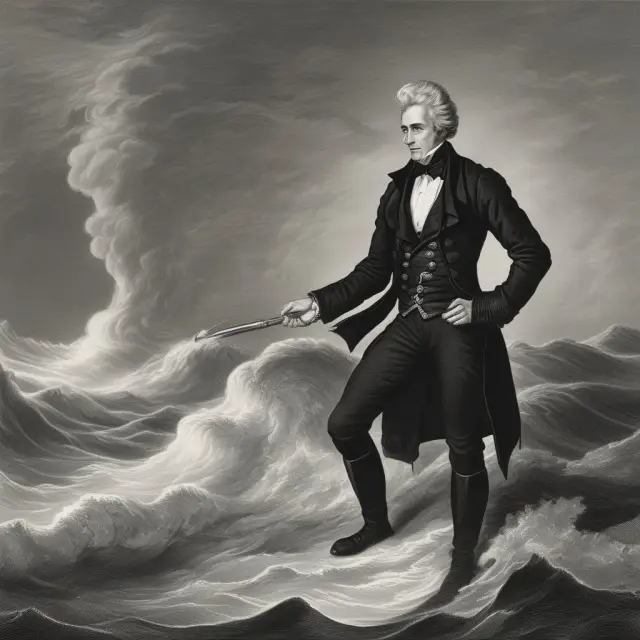
Printing and Issuance of Demand Notes
The onset of the Civil War presented the United States with a formidable challenge, one that demanded an unprecedented financial response to finance the nation’s war efforts. In the absence of significant tax revenue, the U.S. Congress turned to the printing press to issue paper currency called demand notes to meet the government’s mounting expenses.
During the early stages of the civil war in 1861 and 1862, these demand notes served a critical purpose as salaries for troops and payment for various government expenditures. The term ‘demand note’ referred to the fact that they were not legal tender but could be used for settling debts or making purchases if both parties agreed.
The process of printing and issuing these demand notes began at the U.S. Treasury Department, with the Bureau of Engraving and Printing responsible for their production. These notes had distinctive features, such as a portrait of President Andrew Jackson on the front and green ink on the back to distinguish them from other currencies.
The value of demand notes was initially set based on the gold standard; they represented a specific quantity of gold or silver that could be exchanged upon presentation at any bank accepting them. However, with the escalating expenses related to the civil war and limited tax revenue, the government faced a dilemma. To keep the flow of funds for military operations uninterrupted, it was essential to ensure the continued acceptance of demand notes by banks and individuals despite their dwindling gold backing.
The value of greenbacks against gold began to decline, causing economic instability in the North. The uncertainty surrounding these notes led to rampant inflation, with prices rising 14% in 1862 and a staggering 25% in 1863 and 1864. Despite this, demand notes remained an integral part of financing the war, accounting for about 15% of its overall cost.
However, it was becoming increasingly apparent that the limited value of these demand notes was insufficient to meet the financial demands of the ongoing conflict. In February 1862, the U.S. government passed the Legal Tender Act, which authorized the issuance of paper greenbacks as legal tender. These paper greenbacks would eventually replace demand notes and become the official currency in the United States, marking a pivotal moment in American financial history.
As demand notes became less frequent, the value of remaining ones stabilized somewhat, but their impact on inflation was already felt. The government’s decision to issue paper money and its handling of its value during this period offers valuable insights into monetary policy and its role in managing economic uncertainty. The lessons learned from this period continue to shape modern monetary practices and our understanding of the importance of a stable currency in maintaining a strong economy.
Understanding the genesis of greenbacks, the process of their issuance, and their impact on society during the civil war provides invaluable context for those interested in American history, economics, and finance. By examining these historical events, we can better appreciate the challenges faced by our forebears and gain a deeper appreciation for the significance of currency and its role in our everyday lives.

Legal Tender Act of 1862: Birth of Paper Greenbacks
The Legal Tender Act of 1862, enacted on February 25th, played a pivotal role in the history of the U.S. monetary system as it established paper money, known as greenbacks, as a legal tender to pay both public and private debts. This law represented an innovative approach during a critical time when the U.S. government faced significant financial challenges due to the ongoing Civil War.
Background
Before the enactment of the Legal Tender Act, various attempts had been made to finance the war through taxation, bonds, and other means. However, the government’s rapidly depleting finances necessitated an alternative method for funding the military conflict. The concept of issuing paper money was met with resistance from bankers due to concerns about bankruptcy if the war did not turn in favor of the federal government.
Greenbacks: An Alternative Currency
In response, the U.S. Treasury Department issued these greenback notes as a form of legal tender backed by the full faith and credit of the U.S. government. The term “greenback” originated from the ink used to print the backs of these notes in green color. Initially, they were referred to as demand notes due to their use for paying salaries and other government expenses during 1861 and early 1862. However, with the passage of the Legal Tender Act on February 25, 1862, these notes became the official currency.
Significance of the Act
The act of making paper money legal tender significantly impacted the economy during this time. While it initially helped stabilize public finances and facilitate the war effort, its implementation led to economic instability due to inflation caused by the massive increase in the money supply. Inflation peaked at 30% in late 1864, causing hardships for many Americans.
Legacy of Greenbacks
The use of greenbacks during this time proved instrumental in establishing a uniform national currency and centralizing the monetary system in the U.S., as competing state currencies and foreign coins gradually phased out. Today, “greenback” remains an anecdotal term used by foreign exchange traders for the U.S. dollar. The legacy of these historical greenbacks continues to inform modern economic principles and monetary policies.

Demand Notes vs. Paper Greenbacks
In order to better understand the role and significance of greenbacks during the American Civil War, it’s essential to clarify the differences between demand notes and paper greenbacks. These two forms of paper money served distinct purposes in financing the war efforts and shaped the economic landscape of the time.
Demand Notes: Preceding Paper Greenbacks
Demand notes represent an early stage of paper currency during the Civil War, used primarily to fund government expenses and pay for soldiers’ salaries from 1861 to 1862. These demand notes were not legal tender and had no fixed value; instead, they relied on the individual banks issuing them for redemption or exchange. Banks could decide whether to accept these notes in full or at a discounted rate.
As a result, demand notes’ values varied depending on both the bank’s willingness to accept them and the North’s military fortunes throughout the conflict. For instance, their value rose during successful battles such as Gettysburg but plummeted during defeats and military setbacks. The instability of demand notes, combined with the declining war situation, led many to lose confidence in their ability to retain value or be redeemed for specie (gold or silver).
Paper Greenbacks: Legal Tender and Stabilization
To address the limitations of demand notes, the U.S. Congress passed the Legal Tender Act on February 25, 1862. This law made greenback notes a legal tender for all debts, public and private. Greenbacks issued under this act replaced demand notes in circulation. These paper bills were uniformly printed with an orange or green ink background and carried a face value of $1, $5, $10, $20, $50, and $100.
By making these paper bills legal tender, they became a more stable form of currency compared to the demand notes issued earlier. However, unlike gold coins or specie, greenbacks didn’t have fixed value but could only be redeemed for government bonds at a later date. This discrepancy contributed to their depreciation against gold and caused inflation, as the cost of goods and services increased during the war.
Despite these challenges, paper greenbacks were crucial in financing the Civil War and eventually emerged as a precursor to the modern U.S. dollar. With this understanding, we can appreciate how both demand notes and paper greenbacks played essential roles in managing the country’s financial needs during this critical period of American history.

Value of Greenbacks: Fluctuations and Recoveries
The value of greenbacks against gold, its impact on inflation, economic instability during the civil war, and how it affected different stakeholders is an intriguing aspect of American history. When paper currency was introduced to finance the civil war in 1861, it came in two forms: demand notes and paper greenbacks. Demand notes were used initially for government expenses and salaries, while greenbacks emerged with the Legal Tender Act of 1862 and eventually became the official U.S. currency.
Demand notes were issued prior to legal tender greenbacks; they were not exchangeable for gold or silver but could be used for settling public and private debts. However, their acceptance was not mandatory, allowing banks to decline them as payment. During this period, the value of demand notes against gold fluctuated significantly depending on the North’s progress in the civil war. The battle of Gettysburg brought a temporary recovery for demand notes, but it wasn’t long before they reached an all-time low: 258 greenbacks to 100 gold in 1864.
The issuance of legal tender paper greenbacks, backed by the U.S. government, led to a more stable economy initially. However, the sheer size of this printing – over $400 million – resulted in a significant decline in the value of greenbacks against gold. Inflation, which had already been present with demand notes at 14% in 1862, rose further to 25% in 1863 and 1864. The consequences were far-reaching for various stakeholders:
- Soldiers and the public: While greenbacks enabled soldiers to be paid, they also faced the brunt of inflation. Prices for goods and services surged, making it a challenge for soldiers and civilians alike to maintain their purchasing power.
- Southern States: Greenbacks were often refused by Confederate states as legal tender, causing friction between the North and South during the war.
- Banks: The greenback’s unstable value influenced banks’ willingness to accept or refuse them for transactions.
- Government: Despite the financial necessity of issuing greenbacks, their instability added complexity to an already complicated situation – the Civil War.
As the civil war progressed and came to a close in 1865, the value of greenbacks stabilized slightly, recovering to approximately 150 greenbacks for every 100 gold dollars. The impact on inflation and the economy is an essential piece of American history that offers valuable insight into monetary policy during times of war and financial crisis. Understanding this chapter also helps contextualize the enduring influence of greenbacks as a term in finance, serving as a reminder of the power and complexity of paper currency.
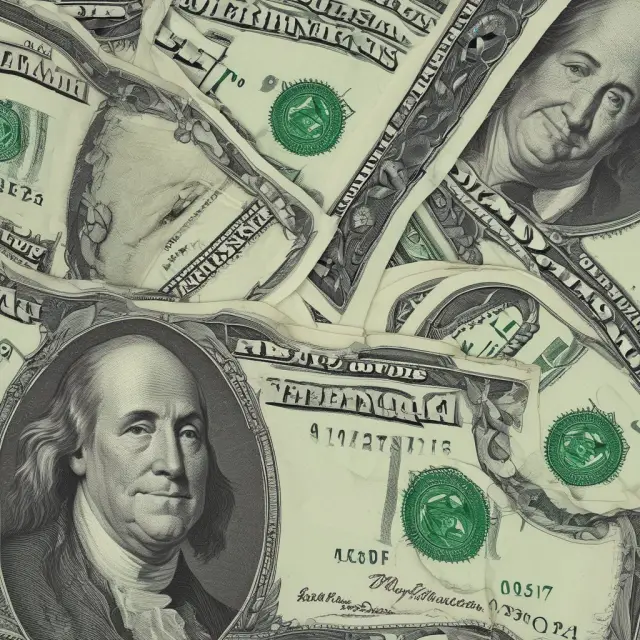
Impact on Economy and Society
The introduction of greenbacks as a form of paper currency had profound implications for the U.S. economy, society, and politics during the civil war. This section will discuss the various effects on these areas and their role in creating a national currency.
Greenbacks and Economic Instability
One of the most immediate impacts of the greenback was the instability it introduced to the economy. The fluctuation in its value against gold caused inflation, particularly during the early stages of the civil war. Prices for goods and services rose steeply, putting additional financial strain on families already struggling with the consequences of a nation at war. Moreover, this economic instability fueled societal unrest and political tension, as different regions of the country grappled with its effects in varying degrees.
Greenbacks and Society
The issuance of greenbacks led to significant changes within American society. As inflation drove up prices for essential goods, families found themselves struggling to make ends meet. In some cases, this hardship forced individuals to relocate in search of employment or resources, leading to widespread population shifts. Additionally, the economic uncertainty exacerbated existing tensions between the North and South, adding a volatile new dimension to the conflict.
Greenbacks and Politics
From a political perspective, the use of greenbacks added an additional layer of complexity to an already fractured nation. The perceived threat that the government’s ability to issue paper money posed to the power and influence of banks fueled significant opposition from financial institutions and their allies in Congress. Moreover, the perception among many that the value of the greenback was a reflection of the war effort’s success or failure only heightened the political tensions between the North and South.
Creating a National Currency
Despite its challenges, the widespread use of greenbacks played an essential role in creating a national currency system for the United States. By the end of the Civil War, more than 95% of all paper notes had been redeemed or were held by the government. Although many Americans initially viewed the paper money as a flawed alternative to gold and silver coins, it proved to be an effective tool in financing the war effort. As such, the greenback paved the way for the U.S. Treasury to eventually assume control over monetary policy.
Legacy of Greenbacks
The greenbacks’ impact on American history can still be felt today. The term ‘greenback’ has evolved from a derogatory term used during the Civil War to an anecdotal one used by foreign exchange traders when discussing the U.S. dollar. Moreover, understanding the historical context behind the issuance and management of greenbacks offers valuable insights into monetary policy and its role in shaping economic stability.
In conclusion, the introduction of greenbacks during the Civil War had far-reaching consequences for the U.S economy, society, and politics. Despite the challenges it presented, this paper currency played a crucial role in financing the war effort and creating a national currency system that remains influential today.

Greenbacks’ Legacy and Modern Use of the Term
The term ‘greenback’ holds historical significance as the name given to U.S. paper dollars that were first printed during the civil war era. This moniker, derived from the green ink used on the reverse side of these notes, marked a pivotal moment in American finance and economic history. The story of greenbacks offers valuable insights into the nation’s financial challenges, the government’s response to those challenges, and their lasting impact on our modern monetary system.
The first greenbacks were born out of necessity during the early stages of the civil war, when Congress struggled with limited taxing authority. Unable to fund military efforts through traditional methods, they turned to the issuance of demand notes as a means to cover government salaries and expenses between 1861 and 1862. However, these paper dollars lacked secure financial backing, leading them to lose value rapidly and causing economic instability in the northern economy.
The Legal Tender Act of 1862 marked a turning point for greenbacks when they were officially declared legal tender and replaced demand notes. This act authorized the U.S. Treasury Department to issue over $400 million in paper dollars, which would eventually become the official currency of the United States. Despite being backed by the government, greenbacks remained distinct from gold and silver currencies due to their lack of fixed value.
As a result, greenbacks became a double-edged sword for the nation. They provided much-needed financing for the war effort but also led to significant inflation, which increased the cost of everyday goods and services. At their lowest point in 1864, the value of a greenback was worth only 258 units against gold. However, they managed to recover some value after the war ended in 1865, with the value stabilizing at around 150 greenbacks for every 100 gold dollars.
The legacy of greenbacks extends beyond their historical significance. Today, the term ‘greenback’ is used as an anecdotal reference by foreign exchange traders for the U.S. dollar. This usage demonstrates the lasting impact these early paper currencies had on shaping our modern monetary system and our understanding of how governments respond to financial crises.
In essence, greenbacks represent a fascinating chapter in American finance history that highlights the government’s willingness to experiment with alternative forms of currency during times of great need. As we continue to navigate our evolving economic landscape, it is essential to learn from this period and recognize the importance of effective monetary policy in ensuring financial stability and prosperity.
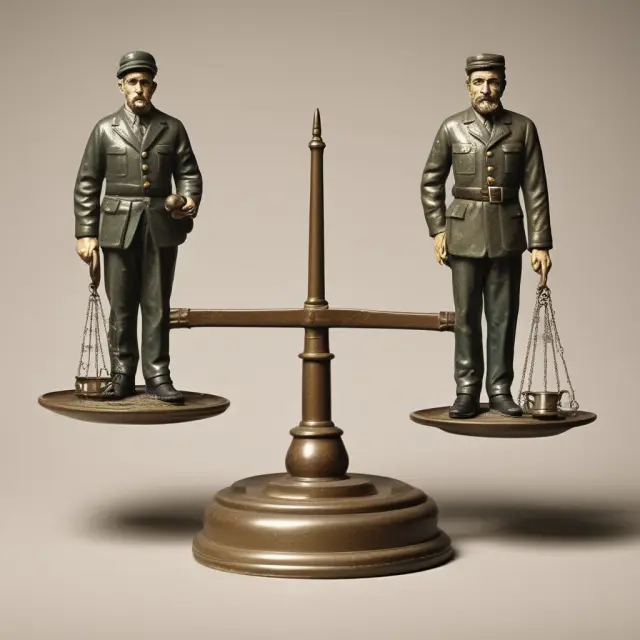
Greenbacks and the Civil War: A Double-Edged Sword
The greenback, a term synonymous with U.S. paper dollars, emerged during the mid-1860s when the country needed a solution for financing the ongoing civil war. With limited taxing authority, Congress resorted to printing paper currency. Initially called demand notes due to their use as instruments of payment for salaries and government expenses from 1861 to 1862, greenbacks gained notoriety for their green ink backs. However, these early notes did not possess a secure financial backing, causing reluctance among banks in honoring their full value. In February 1862, the Legal Tender Act authorized the issuance of paper notes that would eventually become the country’s official currency.
While providing much-needed funding to the Union war effort, greenbacks posed a double-edged sword for the northern economy. Greenbacks did not have a fixed value against gold or silver and were not redeemable at face value. Instead, their worth fluctuated according to the North’s progress in the civil war, leading to inflation and economic instability.
Greenbacks served dual roles during this tumultuous period: they funded around 15% of the war’s expenses while simultaneously driving up prices for everyday goods and supplies by 14% in 1862, 25% in 1863, and 1864.
For many, the greenback was a source of relief in financing the civil war effort. However, its unstable value posed challenges for various stakeholders:
- Soldiers: Greenbacks’ depreciation affected soldiers’ pay. The real purchasing power of their wages diminished as inflation rose, reducing their ability to buy essential supplies and necessities.
- Businesses: Companies had to contend with the instability in the value of greenbacks when setting prices for goods and services. This uncertainty influenced pricing strategies and inventory management.
- Bankers and Investors: The unpredictable worth of greenbacks made it challenging for banks to maintain a stable balance sheet, leading to a decline in confidence in their ability to honor deposits or issue loans.
- Farmers: The agricultural sector faced particular challenges as they needed to sell their produce for depreciating greenbacks while purchasing supplies and equipment in the same currency.
- Consumers: The unstable value of greenbacks affected everyday consumers who saw their purchasing power erode, making it increasingly difficult to afford essential items.
Despite these challenges, greenbacks were necessary to finance the civil war effort. In managing this double-edged sword, the government implemented various measures to ensure their circulation and stability. However, the lessons learned during this time have influenced monetary policy and economic management ever since.
In conclusion, greenbacks played a critical role in financing the U.S. Civil War but presented both benefits and challenges for different stakeholders. Although they enabled the Union war effort to continue, their value instability led to economic challenges such as inflation and eroding purchasing power for various segments of society. Understanding this historical episode offers valuable insights into monetary policy and its impact on individuals and businesses during times of conflict.

Government’s Role in Managing Greenbacks
As the U.S. government turned to greenbacks as a solution to finance the costly Civil War, managing their circulation and value became a significant challenge. Initially issued as demand notes for salaries and government expenses during 1861 and 1862, these paper dollars were not initially considered legal tender. However, with the passage of the Legal Tender Act in February 1862, greenbacks officially became U.S. currency.
Managing Greenbacks: The Early Challenges
The first issue of paper greenbacks led to a wave of inflation and economic instability. As a result, it was crucial for the government to establish control over their circulation and exchangeability. One of the initial measures taken to ensure that greenbacks could be exchanged for goods and services at face value was the passage of the Legal Tender Act in 1862 (13 Stat. 517). This law stipulated that all contracts, debts, and taxes could be paid using U.S. notes, making them a valid currency.
Regulating Greenbacks: Setting Up the Bureau of Engraving and Printing
To ensure the proper issuance and design of greenbacks, Congress established the Bureau of Engraving and Printing in Washington, D.C., on July 17, 1862 (13 Stat. 409). Initially called the “Chief Clerk’s Office for the Printing of Currency,” this bureau was tasked with overseeing the production of all U.S. currency. This move helped standardize the design and appearance of greenbacks, as well as improving the public’s confidence in their value.
Addressing Inflation: The Greenback Redemption Act
Aimed at curbing inflation and restoring stability to the economy, Congress passed the Greenback Redemption Act on August 12, 1863 (12 Stat. 547). This legislation required that every dollar in greenbacks be backed by an equivalent amount of gold or silver held by the Treasury Department.
While this measure helped to restore confidence in paper money and prevent hyperinflation, it also tied the value of greenbacks to the price of precious metals. With the value of gold and silver fluctuating due to market forces, the government had to frequently adjust the amount of greenbacks issued to maintain parity with these metals.
Mitigating Inflation: The Legal Tender Act Amendments
Recognizing the challenges associated with managing a paper currency, Congress passed several amendments to the original Legal Tender Act between 1863 and 1865 to address the issue of inflation. For instance, the Legal Tender Act of 1864 (13 Stat. 220) allowed the U.S. Treasury Secretary to redeem greenbacks for gold or silver on demand, providing greater flexibility in managing the paper currency. Additionally, the Revised Legal Tender Act of March 3, 1865 (13 Stat. 492), required that all taxes be paid using either gold, silver, or legal tender notes, preventing the further devaluation of greenbacks.
The Impact of Greenbacks on the U.S. Economy and Monetary Policy
Despite the challenges associated with managing greenbacks during the Civil War, their usage marked a significant turning point in American monetary history. This episode demonstrated the value and necessity of a centralized national currency, eventually leading to the establishment of the Federal Reserve System in 1913. Greenbacks also laid the groundwork for future experiments in monetary policy and central banking, as well as influencing other countries’ currencies during their own periods of economic turmoil.
As we reflect on the history of greenbacks and their role in U.S. finance and investment, it is clear that this period of paper money brought both challenges and opportunities for the American economy. Understanding the government’s efforts to manage these notes provides essential insights into the development of modern monetary policy and the evolution of the U.S. dollar as a global currency.
Greenbacks: A Study in Monetary Policy
The issuance of greenbacks marked a significant turning point in U.S. monetary policy, with far-reaching consequences for the economy, society, and politics during the civil war era. This section delves into the role of greenbacks in shaping monetary policy, the lessons learned from their use, and their impact on various stakeholders.
First and foremost, it is important to understand the monetary situation before the introduction of greenbacks. Bank notes were prevalent but often traded at less than face value due to banks issuing more notes than they had coins to cover. The U.S. government turned to paper money as an alternative financing method when war-related expenses drained its finances and traditional bond issuance was not enough.
The concept of greenbacks faced opposition from bankers who feared the potential bankruptcy of the federal government if the war did not go in their favor. To mitigate these concerns, Congress enacted the Legal Tender Act of 1862, authorizing the U.S. Treasury to issue paper money. This marked the birth of paper greenbacks as the official currency in the United States, gradually replacing demand notes.
Greenbacks posed a double-edged sword for the economy during this period: they funded essential war expenses and allowed banks to maintain cash reserves while also causing inflation due to their lack of gold or silver backing. The value of greenbacks fluctuated significantly throughout the civil war, impacting various economic sectors and the overall stability of the northern economy.
To manage and stabilize the value of greenbacks, the U.S. government took several measures, including imposing taxes on foreign imports and issuing gold certificates to ensure that gold and silver remained in circulation. The government also implemented a program to buy back greenbacks for gold at par, providing a temporary solution to inflationary pressures during this period.
In terms of monetary policy, the issuance and management of greenbacks brought several lessons that would inform future fiscal and monetary decisions. It highlighted the importance of having a central banking system, maintaining sufficient reserves, and minimizing the reliance on debt financing during periods of crisis.
The history of greenbacks serves as a crucial reminder of the intricacies involved in managing monetary policy and its consequences for various stakeholders. The term “greenback” has lived on in modern finance literature and continues to be used by foreign exchange traders as an anecdotal term for the U.S. dollar.
The issuance, use, and eventual recovery of greenbacks during the civil war era offer valuable insights into the relationship between monetary policy, economic stability, and political developments. This period in American history underscores the importance of understanding the role of currency in shaping the country’s economic landscape and illustrates how monetary policy decisions can influence various aspects of society and politics.
Frequently Asked Questions About Greenbacks
What is a greenback?
Greenbacks refer to U.S. paper dollars issued during the civil war, characterized by their distinct green ink on the back. This term emerged when the government used these notes to finance the war effort.
What caused the term “greenback” to originate?
The term “greenback” came from the green ink used to print the backs of the paper dollars during the mid-1860s, which were issued to fund the American Civil War.
Why did banks not accept greenbacks at face value?
Banks hesitated to accept greenbacks because they were not fully backed by gold or silver and were subject to depreciation. This caused a lack of confidence in their value and led to inflation as sellers demanded more greenbacks for goods and services.
What was the difference between demand notes and paper greenbacks?
Demand notes, issued from 1861-2, were used to pay for government expenses before being replaced by paper greenbacks, which were authorized under the Legal Tender Act of 1862. Demand notes lacked the legal tender status, so they were not an acceptable means of payment for private debts. Paper greenbacks, on the other hand, carried this legal tender status and could be used to pay off both public and private debts.
How did the value of greenbacks fluctuate during the civil war?
The value of greenbacks against gold declined steadily due to the large issue size, which totaled $400 million. The lowest point was in 1864 when 258 greenbacks were needed to buy 100 gold dollars. After the war ended, its value recovered to approximately 150 greenbacks to 100 gold dollars.
What percentage of the civil war’s costs did greenbacks fund?
Greenbacks financed around 15% of the total cost of the American Civil War.
Did greenbacks contribute to inflation during the civil war?
Yes, the issuance of greenbacks significantly increased inflation in the northern economy, with rates peaking at 14%, 25%, and 25% in 1862, 1863, and 1864, respectively. This was a consequence of the war’s large-scale financing needs and the paper money’s instability in value.
What are some implications of greenbacks on society during the civil war?
The use of greenbacks affected various aspects of society, including economics, politics, and public opinion. Many saw them as necessary for the country’s survival, while others condemned their use due to concerns over inflation, debt, and morality. The legacy of greenbacks also influenced the development of U.S. monetary policy and its perception as a global standard for currency.
What is the modern usage of the term “greenback”?
The term “greenback” is still used in the world of foreign exchange markets to denote the U.S. dollar. Its origins lie in the distinct color of the backs of U.S. paper dollars during the civil war, a time when these notes played a significant role in financing the American Civil War.
 Next entry · No. 1,911Green Field Investments: Building Businesses from Scratch Abroad
See also
-
 No. 1,919
24 Nov 2024
23 min
Understanding Gresham’s Law: The Principle of ‘Bad Money Driving Out Good’
Finance History
No. 1,919
24 Nov 2024
23 min
Understanding Gresham’s Law: The Principle of ‘Bad Money Driving Out Good’
Finance History -
 No. 1,797
07 Nov 2024
21 min
Understanding Giffen Goods: Essential Items Defying Supply and Demand Conventions
Finance History
No. 1,797
07 Nov 2024
21 min
Understanding Giffen Goods: Essential Items Defying Supply and Demand Conventions
Finance History -
 No. 1,556
03 Oct 2024
19 min
Fixed Exchange Rates: Understanding Its Advantages, Disadvantages and Real-World Examples
Finance History
No. 1,556
03 Oct 2024
19 min
Fixed Exchange Rates: Understanding Its Advantages, Disadvantages and Real-World Examples
Finance History -
 No. 437
23 Apr 2024
26 min
Black Swans in Finance: Understanding Extreme Rarity and Severe Impact
Finance History
No. 437
23 Apr 2024
26 min
Black Swans in Finance: Understanding Extreme Rarity and Severe Impact
Finance History -
 No. 5,888
16 Oct 2025
19 min
Zero Bound and Negative Rates: Central Banking Beyond the Interest Rate
Business Finance
No. 5,888
16 Oct 2025
19 min
Zero Bound and Negative Rates: Central Banking Beyond the Interest Rate
Business Finance -
 No. 5,642
26 Sep 2025
20 min
Understanding the Weak Dollar: Consequences, Monetary Policy, and Trade
Business Finance
No. 5,642
26 Sep 2025
20 min
Understanding the Weak Dollar: Consequences, Monetary Policy, and Trade
Business Finance