Understanding Good Faith Estimates (GFE): Key Insights for Institutional Investors
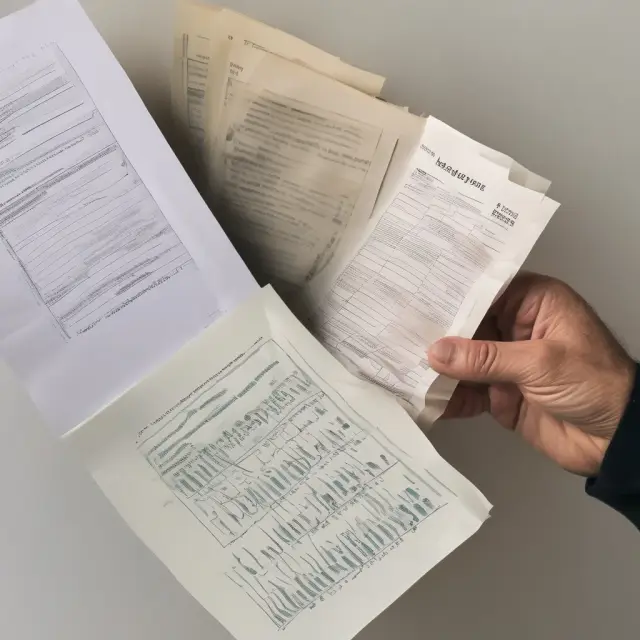
Understanding Good Faith Estimates (GFE) is crucial for Institutional Investors. Learn the key features, benefits, & limitations.
What is a Good Faith Estimate (GFE)?
A Good Faith Estimate (GFE) is an essential tool for institutional investors and homebuyers alike when shopping for mortgage loans or reverse mortgages. The GFE functions as a document that provides an accurate, detailed assessment of the expected costs, terms, and conditions associated with a potential loan offer. By standardizing this information in a clear, accessible format, borrowers can effectively compare offers from various lenders, identify potential discrepancies, and make informed decisions that align with their financial goals.
Originally introduced under the Real Estate Settlement Procedures Act (RESPA) as part of mortgage loan applications, GFEs were mandatory for all mortgage types until 2015. Since then, they have exclusively applied to reverse mortgages, which are loans available for individuals aged 62 and older seeking to convert their home equity into cash through lump sums or fixed payments. This change coincided with the introduction of loan estimate forms for conventional mortgage loans.
Within three business days of receiving a reverse mortgage application, financial institutions must provide potential borrowers with an official GFE. The form includes a comprehensive breakdown of all costs associated with the loan, including estimated taxes, title charges, closing costs, and administrative fees. These details allow borrowers to make side-by-side comparisons between offers from multiple lenders.
Understanding the Importance of Transparency with GFEs
The GFE’s clear language enables borrowers to engage in a more informed mortgage loan application process. By providing consumers with detailed information on the terms, conditions, and costs, they can make well-informed decisions regarding which lender’s offer is most advantageous for their financial situation.
Furthermore, the use of standardized estimate forms ensures that borrowers are not faced with unexpected costs or hidden fees. While discrepancies may arise between GFE estimates and actual closing costs, understanding the reasons behind these variations and the importance of due diligence is crucial in securing a favorable mortgage loan agreement.
The Role of Good Faith Estimates in Reverse Mortgages
When it comes to reverse mortgages, GFEs serve as an essential tool for seniors seeking financial security and independence in their retirement years. This type of mortgage allows older homeowners to tap into their home equity without having to sell their property or relocate. With a GFE, they can compare multiple loan offers from different lenders, ensuring that they receive the best possible terms and conditions for their individual circumstances.
Stay tuned for further insights in upcoming sections where we dive deeper into the key features of a GFE, limitations of these estimates, comparisons with loan estimate forms, and special considerations for borrowers.

Key Features of a GFE
A good faith estimate (GFE) is an essential tool for institutional investors and borrowers alike in the reverse mortgage loan process. It provides valuable information about the expected costs and terms associated with each lender’s offer, enabling borrowers to make informed decisions. The GFE comes into play after a reverse mortgage application has been submitted, and within three business days, borrowers are provided with this document from the lender. Here’s what you’ll find in a typical GFE:
1. Estimated Costs: One of the primary functions of a good faith estimate is to outline the approximate costs associated with a potential reverse mortgage. This includes closing costs, title charges, taxes, and other administrative fees. It’s important to note that these figures are just estimates, which means they may not be entirely accurate when it comes time for closing.
2. Terms and Conditions: The GFE also details the terms and conditions of a reverse mortgage loan offer, providing borrowers with crucial information on how the loan functions and what is expected of them before and after the loan is granted. This includes information about repayment requirements, interest rates, adjustable-rate structures, and any potential fees or penalties.
3. Comparison Shopping: Armed with several GFEs from various lenders, borrowers can effectively comparison shop for the best deal that caters to their unique financial situation. The clear language and standardized format of these documents make it easier to evaluate offers side by side.
While GFEs are crucial components of the reverse mortgage loan process, it’s important to remember that they represent only estimates. Actual closing costs may differ from the figures provided in a GFE for several reasons. Some legitimate discrepancies between the GFE and final closing costs can be attributed to third-party fees or charges that lenders do not initially know when providing an estimate. By staying informed, understanding these potential differences, and conducting thorough research, borrowers can minimize the risk of unexpected expenses when securing a reverse mortgage loan.

The Importance of Transparency with GFEs
A Good Faith Estimate (GFE) is a crucial document in the mortgage application process that provides borrowers with an initial assessment of the fees, terms, and conditions associated with a reverse mortgage loan offer. The transparency of this document enables consumers to effectively shop around among various lenders and compare deals, ensuring they select the most suitable option for their specific needs.
GFEs were once a standard requirement for all mortgage applications, but since October 2015, the Real Estate Settlement Procedures Act (RESPA) has made them exclusive to reverse mortgages. Lenders must provide this document within three business days of receiving an application, offering borrowers ample time to carefully review and compare their options.
The importance of transparency in the mortgage loan application process cannot be overstated. GFEs are written in clear language to help consumers better understand each loan offer’s terms. By evaluating various estimates side by side, homeowners can make informed decisions that align with their financial goals and comfort levels. This transparency also discourages predatory lending practices and fosters a more consumer-centric approach to borrowing.
However, it is essential to note that the information provided in a GFE is an estimate, not an absolute reflection of final closing costs. Actual costs might ultimately be higher or lower when all the details are finalized. There are legitimate reasons for discrepancies between the estimates and actual closing costs: lenders may not know all the costs associated with closing services provided by third parties, which can sometimes result in hidden fees. It is crucial for borrowers to exercise due diligence and engage in open communication with their chosen lender to minimize any potential discrepancies and avoid unexpected expenses.
Understanding this document’s importance is a vital first step toward making well-informed decisions about reverse mortgage loans. By being aware of the role GFEs play, borrowers can navigate the application process with confidence and select the deal that best fits their unique situation.

GFE for Reverse Mortgages
A Good Faith Estimate (GFE) plays a crucial role in the reverse mortgage loan application process by providing borrowers with essential information to compare offers from multiple lenders. As part of the Real Estate Settlement Procedures Act (RESPA), GFEs provide an accurate assessment of the expected costs and terms associated with a reverse mortgage.
This section will discuss what a reverse mortgage is, how it differs from other mortgages, its application requirements, and the timeline for receiving a Good Faith Estimate.
Understanding Reverse Mortgages
A reverse mortgage is a loan that enables senior homeowners aged 62 or older to convert their home equity into lump sums, fixed monthly payments, or lines of credit. It allows homeowners to tap into their home’s value without selling the property, offering financial flexibility in retirement. This type of loan is distinct from traditional mortgages, as the borrower does not make monthly payments during the initial term of the reverse mortgage. Instead, repayment begins when the borrower leaves the home – due to a sale, death, or relocation.
Application Requirements
To apply for a reverse mortgage, you must be at least 62 years old and own your home outright or have substantial equity. The property must be your primary residence, and you must go through mandatory counseling sessions provided by the U.S. Department of Housing and Urban Development (HUD). This counseling ensures that potential borrowers understand the financial implications of a reverse mortgage and the alternatives available to them.
Timeline for Receiving a Good Faith Estimate
After submitting an application, you are entitled to receive a GFE within three business days. It is essential to note that if you’re applying for multiple reverse mortgages from different lenders, each institution must provide their unique estimate within this timeframe. This process allows borrowers the opportunity to evaluate offers side-by-side and choose the one most suitable for their needs.
In conclusion, understanding a Good Faith Estimate (GFE) is vital for anyone considering a reverse mortgage loan. It provides valuable insights into the costs, terms, and conditions associated with various offers and enables you to make informed decisions while shopping around. As always, be vigilant against hidden fees or excessive charges from unscrupulous lenders, ensuring that your GFE accurately reflects the estimated closing costs for a reverse mortgage loan.

Limitations of a GFE
Although Good Faith Estimates (GFE) provide essential information regarding the fees and costs associated with reverse mortgage loans, it’s crucial to understand their limitations. The estimates given are just that—approximations—and there is always room for discrepancies between what appears on the document and the actual closing costs. This disparity can stem from a variety of reasons:
- Third-party fees: GFEs only provide an estimation of certain costs, such as taxes and insurance. However, lenders may not be privy to all third-party fees that will be levied during the closing process. For instance, title charges, appraisal fees, and transfer taxes could add up and ultimately lead to higher actual costs than initially anticipated.
- Negotiable fees: Some fees, such as origination or underwriting fees, may be negotiable among lenders. This variability means that even if the GFE reflects an accurate representation of a specific lender’s fee schedule, another institution might offer more favorable terms or lower fees for the same service.
- Market fluctuations: Interest rates and mortgage market conditions can change rapidly, impacting both the estimated monthly payments and closing costs displayed on the GFE. If interest rates rise significantly between the time of application and loan origination, borrowers could face higher-than-expected costs.
- Location factors: Local regulations and taxes vary from one region to another. These differences can lead to significant disparities in closing costs, even among lenders operating within the same market. For example, property tax rates, title insurance premiums, and recording fees can differ greatly between states or counties.
- Discrepancies between lenders: Lastly, it’s important to remember that every lender may interpret and calculate certain fees differently. As a result, borrowers could face varying GFEs from different institutions despite offering similar loan terms.
Despite these limitations, GFEs remain valuable tools for borrowers when shopping around for reverse mortgage loans. By comparing multiple GFEs from various lenders, consumers can make informed decisions regarding which offer aligns best with their financial situation and needs. Additionally, being aware of the factors that may impact discrepancies between estimates and actual closing costs helps borrowers approach the loan application process more prepared and less susceptible to unexpected expenses.
In conclusion, GFEs provide essential information about the fees and costs associated with reverse mortgage loans but come with their limitations. While the document offers a starting point for comparing offers among different lenders, it is crucial to consider additional factors like third-party fees, negotiable fees, market fluctuations, location factors, and discrepancies between lenders when evaluating various loan offers. By doing so, borrowers can make more informed decisions and minimize the chances of encountering unwelcome surprises during the reverse mortgage application process.

GFE vs. Loan Estimate Forms
When shopping for a mortgage, understanding the differences between Good Faith Estimates (GFE) and loan estimate forms is essential to make well-informed decisions. Both documents provide borrowers with critical information needed to evaluate various loan offers from different lenders or brokers. However, they are distinct in their application and requirements.
Good Faith Estimates (GFEs)
A GFE specifically pertains to reverse mortgages, enabling seniors aged 62 and older to convert their home equity into cash through a lump sum, fixed payments, or lines of credit. The document must be provided by the bank or financial institution within three business days of receiving a reverse mortgage application. The form outlines all anticipated costs associated with obtaining a reverse mortgage, such as taxes, title charges, closing costs, and administrative fees. This information allows borrowers to compare offers from various lenders and make an informed decision that best suits their needs.
Loan Estimate Forms
For anyone seeking traditional home loans, loan estimate forms are the industry standard. These documents must be provided by the lender or broker within three business days of a mortgage application submission. Loan estimates detail the costs, terms, and conditions of each loan offer to enable potential borrowers to make an informed comparison between different lenders. This form is crucial for homebuyers and refinancing applicants, ensuring they have all relevant information at their disposal before making a commitment.
Comparison of GFEs and Loan Estimate Forms
While both documents serve similar purposes – providing essential information to enable borrowers to compare offers from multiple lenders – there are notable differences between them. The primary distinction lies in the loan types they apply to; GFEs are exclusive to reverse mortgages, while loan estimate forms cater to all other mortgage loans, such as home equity loans, jumbo loans, or fixed-rate mortgages.
Shopping Around with Multiple GFEs or Loan Estimate Forms
Borrowers have the flexibility to acquire multiple GFEs or loan estimate forms from various lenders and compare the costs, terms, and conditions of each offer before selecting the one that best meets their financial situation. This process helps ensure that consumers secure the most favorable deal for their specific circumstances.
Lender Responsibilities Regarding GFEs and Loan Estimate Forms
Regardless of whether it’s a GFE or loan estimate form, lenders are obligated to provide these documents promptly and accurately. Misrepresentation, failure to disclose required information, or charging excessive fees for administrative tasks can lead to legal consequences and loss of business reputation. This transparency ensures that borrowers have all the necessary details to make informed decisions and protects them from potential deceptive practices.
In conclusion, understanding the differences between Good Faith Estimates (GFE) and loan estimate forms is vital when shopping for a mortgage. Each document serves unique purposes, with GFEs being specific to reverse mortgages and loan estimate forms applying to all other mortgage loans. By being informed about these documents, borrowers can compare offers from various lenders effectively and make well-informed decisions that cater to their financial situation.

Shopping Around with Multiple GFEs
When it comes to securing the most suitable reverse mortgage for your financial situation and personal needs, shopping around is essential. Receiving multiple good faith estimates (GFEs) from various lenders can be a valuable tool in determining which loan offer aligns best with your goals. Let’s examine why this practice holds significant importance in today’s market.
Firstly, understanding that GFEs provide only an estimation of costs and terms is crucial when considering multiple offers. While the document offers a clear snapshot of potential expenses, it doesn’t guarantee exact figures. Instead, it provides a foundation for comparison shopping between lenders. This practice becomes increasingly important as you may find some discrepancies in fees or terms from one GFE to another.
So, what makes obtaining multiple estimates beneficial? First and foremost, it empowers consumers to make informed decisions based on their unique circumstances. For example, if two offers contain vastly different closing costs, a borrower can evaluate the reasons for those differences and potentially negotiate with the lenders to adjust their terms accordingly. This flexibility helps ensure that the loan selected best fits your financial situation.
Additionally, shopping around enables you to compare not only costs but also lender reputations. You may discover that one lender is more responsive, reliable, or offers additional benefits such as lower fees or a more flexible payment schedule. Ultimately, taking the time to evaluate various GFEs can lead to both financial and emotional peace of mind knowing that you’ve made an informed decision based on accurate information.
Furthermore, with lenders competing for your business, they may be motivated to offer incentives or extra benefits if they recognize the potential value of your business. These advantages could include reduced fees, a more favorable interest rate, or additional services tailored to your specific situation. Shopping around can put you in the driver’s seat when it comes to negotiating favorable loan terms and maximizing your financial resources as a borrower.
In summary, shopping around with multiple GFEs is an effective way to ensure that you secure the most suitable reverse mortgage for your unique needs. By evaluating various offers, you can make informed decisions based on accurate information while potentially negotiating favorable terms and incentives from competing lenders.

Lender Responsibilities Regarding GFEs
A crucial aspect of the good faith estimate (GFE) process involves lenders’ responsibilities in providing accurate and comprehensive information to potential borrowers. The Real Estate Settlement Procedures Act (RESPA), enacted in 1974, outlines specific guidelines for lenders regarding the provision of GFEs to mortgage applicants.
Lenders must offer consumers a GFE within three business days following the submission of their application. This document provides an itemized list of estimated fees, costs, and terms associated with the reverse mortgage loan. By issuing GFEs, lenders enable borrowers to compare various offers from different lenders before making their final decision on which offer to pursue.
Providing clear and detailed information is essential for both lenders and consumers alike. Consumers use the GFE to assess potential loan terms, identify discrepancies among lenders, and make informed choices regarding which offer aligns best with their financial goals. For lenders, adhering to the disclosure requirements ensures transparency in the mortgage application process, fostering trust, and long-term relationships with borrowers.
While GFEs only apply to reverse mortgage loans, it’s important for lenders to maintain consistent accuracy across all loan types. Inconsistent or misleading information can result in negative consequences, such as borrower dissatisfaction, loss of business, legal action, or regulatory sanctions.
In the event that discrepancies exist between a GFE and an actual closing cost, it’s important to remember that they are only estimates. Legitimate reasons for these variations include third-party services with unforeseen charges or lenders being unable to acquire complete cost information at the time of issuance.
The importance of transparency in the mortgage application process cannot be overstated, as it equips borrowers with knowledge and power. The clear language used in GFEs enables consumers to make informed decisions regarding their financial future while reducing the risk of unexpected expenses and unforeseen complications during the loan process.
As a result, lenders have a responsibility to provide accurate, detailed, and easily understandable information on all mortgage loan applications. This commitment to transparency not only builds trust but also sets the foundation for a successful partnership between borrowers and their chosen financial institution.

Special Considerations for Non-GFE Borrowers
Homebuyers and borrowers seeking alternative loan types beyond reverse mortgages face unique requirements when evaluating their mortgage options. Instead of receiving a good faith estimate (GFE), these applicants encounter different disclosures specifically designed to meet their lending needs. This section covers three distinct loan categories: home equity lines of credit, manufactured housing loans, and loans secured through homebuyer assistance programs.
Home Equity Lines of Credit (HELOCs)
Home equity lines of credit enable borrowers to access the available value in their property as needed. While GFEs do not apply to HELOC applications, Truth-in-Lending disclosures provide essential information. These documents include details about loan terms, interest rates, and monthly payments, allowing consumers to assess the costs associated with opening a line of credit on their home equity.
Manufactured Housing Loans
Borrowers applying for loans secured by manufactured housing properties are not covered under the Real Estate Settlement Procedures Act (RESPA). Instead, they receive Manufactured Home Installment Contract Disclosures and Manufactured Home Sales Contracts to guide their decision-making. These documents include essential information on interest rates, monthly payments, and total sales prices, enabling consumers to compare various loan offers before making an informed choice.
Homebuyer Assistance Programs
Homebuyer assistance programs offer unique advantages to specific populations by providing subsidies, grants, or reduced interest rates for qualifying individuals. Applicants seeking loans through these initiatives receive detailed disclosures outlining the program’s terms, eligibility requirements, and any additional conditions that may apply. These documents empower borrowers to determine if a homebuyer assistance loan is an ideal option for their unique circumstances.
Conclusion
Understanding the various mortgage disclosure requirements can seem overwhelming; however, acquiring knowledge of key differences between Good Faith Estimates (GFE) and alternative disclosures enables consumers to make informed decisions when selecting a mortgage offer tailored to their needs. In this section, we explored unique considerations for borrowers applying for home equity lines of credit, manufactured housing loans, and specific homebuyer assistance programs. By familiarizing yourself with the essential documents associated with each loan type, you’ll be well-equipped to navigate the mortgage application process successfully.

FAQs About Good Faith Estimates
When requesting a good faith estimate (GFE), borrowers may have several questions about the document’s purpose, accuracy, and usage. This FAQ section aims to address common concerns regarding the GFE process for reverse mortgages.
**What is a Good Faith Estimate (GFE)?**
A GFE is a document providing an estimate of costs associated with a potential reverse mortgage loan offer. It enables borrowers to compare offers from various lenders and choose the one that aligns best with their needs.
**When do I receive a Good Faith Estimate?**
Lenders must provide a GFE within three business days after receiving your mortgage application for a reverse mortgage.
**Is a Good Faith Estimate legally binding?**
No, the information on a GFE is only an estimate and not a final commitment. The actual loan terms may differ from the document’s estimates.
**Can I shop around with multiple Good Faith Estimates?**
Yes, borrowers are encouraged to request and compare offers from various lenders using their provided GFEs to make informed decisions about their reverse mortgage selection.
**Why might there be discrepancies between the estimated costs and the actual closing costs?**
Discrepancies may arise due to unforeseen circumstances, changes in market conditions, or miscommunications with third-party service providers. While it’s important to compare multiple GFEs for accurate estimates, borrowers should also consider these discrepancies when selecting their preferred loan offer.
**What happens if a lender fails to provide me with a Good Faith Estimate?**
If your lender does not provide you with a GFE within the required three-business day window, they may be subject to fines and other penalties for noncompliance under the Real Estate Settlement Procedures Act (RESPA).
**Are there any hidden fees in a Good Faith Estimate?**
While the document is meant to offer transparency, some lenders might include hidden or excessive fees. It’s essential for borrowers to carefully review all costs mentioned on their GFE and ask questions when necessary to ensure they are aware of every expense associated with the loan.
In summary, a Good Faith Estimate (GFE) is an essential tool for reverse mortgage applicants who want to compare offers from various lenders. It provides a clear breakdown of estimated costs and terms, enabling borrowers to make informed decisions about their mortgage application process. When receiving a GFE, it’s crucial to understand its limitations, such as the potential discrepancies between estimates and actual closing costs, and to use it wisely when comparing multiple loan offers from reputable lenders.
 Next entry · No. 1,862Good This Week (GTW) Orders: Understanding the Middle-Ground between Market Orders and Good ‘Til Canceled Orders
See also
-
 No. 1,702
25 Oct 2024
19 min
Understanding Fully Amortizing Payments: A Guide for Institutional Investors
Business Finance
No. 1,702
25 Oct 2024
19 min
Understanding Fully Amortizing Payments: A Guide for Institutional Investors
Business Finance -
 No. 5,971
05 Oct 2026
18 min
Car Loan Term: 48, 60, 72 or 84 Months - Which to Choose
Personal Finance
No. 5,971
05 Oct 2026
18 min
Car Loan Term: 48, 60, 72 or 84 Months - Which to Choose
Personal Finance -
 No. 5,684
29 Sep 2025
20 min
Understanding Wet Loans: Risks, Benefits, and Differences with Dry Loans
Mortgage
No. 5,684
29 Sep 2025
20 min
Understanding Wet Loans: Risks, Benefits, and Differences with Dry Loans
Mortgage -
 No. 2,070
07 Dec 2024
22 min
Understanding Home Equity Conversion Mortgages (HECMs): A Comprehensive Guide for Institutional Investors
Finance Policy
No. 2,070
07 Dec 2024
22 min
Understanding Home Equity Conversion Mortgages (HECMs): A Comprehensive Guide for Institutional Investors
Finance Policy -
 No. 1,239
17 Aug 2024
22 min
Effective Annual Interest Rate: Understanding True Returns on Loans and Investments
Personal Finance
No. 1,239
17 Aug 2024
22 min
Effective Annual Interest Rate: Understanding True Returns on Loans and Investments
Personal Finance -
 No. 1,878
19 Nov 2024
17 min
Grace Periods: Understanding This Financial Concept for Mortgages, Loans, and Insurance
Business Finance
No. 1,878
19 Nov 2024
17 min
Grace Periods: Understanding This Financial Concept for Mortgages, Loans, and Insurance
Business Finance