Understanding Hazard Insurance: Protecting Against Natural Disasters for Institutional Investors

Learn how hazard insurance safeguards institutional investors from natural disasters' financial impacts, including coverage types and policy differences.
Introduction to Hazard Insurance
Hazard insurance is an essential component for property owners, providing vital protection from potential damage or loss caused by natural events. This type of insurance policy covers various perils such as fires, hailstorms, lightning strikes, and wind or rain damage. By understanding the role hazard insurance plays within a general homeowners policy and how it operates, property investors can ensure that their investments are safeguarded against unforeseen circumstances.
What Is Hazard Insurance?
Hazard insurance is a crucial element in securing a comprehensive insurance coverage for property owners. Essentially, it protects the insured from financial losses due to various natural events or disasters. These perils include:
– Fires: Both structure fires and wildfires can result in significant damage or total loss of property. Hazard insurance typically covers the cost of repairing damages or rebuilding a home if it is destroyed by a fire.
– Severe Storms: Heavy rains, tornadoes, hurricanes, and other severe weather events are common causes for substantial property damage. Hazard insurance policies usually include coverage for windstorms, hailstorms, and other types of extreme weather conditions.
– Lightning strikes: Although relatively uncommon, a direct lightning strike can cause extensive damage to properties and incur considerable costs for repairs. Hazard insurance often includes coverage for damages caused by lightning.
– Other natural events: Depending on the specific terms of a hazard insurance policy, coverage may extend to earthquakes or sinkholes as well.
Understanding Homeowners Policies and Hazard Insurance
Homeowners insurance policies typically consist of several different components, with hazard insurance being one of them. This section of the insurance policy covers the physical structure of the property, including any attached structures such as garages, sheds, or other outbuildings. In some cases, hazard coverage may also extend to personal belongings and furnishings within the home if the policy includes a comprehensive coverage option.
How Does Hazard Insurance Work?
When a natural disaster strikes, property owners with hazard insurance can file a claim for compensation. The insurance company will then assess the damage and determine the amount of reimbursement based on the coverage limits stated in the policy. Depending on the extent of the damage, the homeowner may need to pay a deductible before receiving compensation from the insurance company. Hazard insurance policies are typically renewable annually, and premiums must be paid at the time of purchase or upon policy renewal.
Mortgage Lenders and Hazard Insurance
When taking out a mortgage on a property, lenders will often require homeowners to carry hazard insurance as a condition of the loan. This ensures that their investment is protected against potential losses due to natural disasters. The level of coverage required can vary depending on local regulations and the specifics of the property being mortgaged.
Separate Hazard Insurance Policies
For homeowners residing in areas prone to certain hazards, such as floods or landslides, obtaining a separate hazard insurance policy may be necessary. These events are generally excluded from standard homeowners policies. Consequently, having a separate policy ensures that the property is adequately protected against potential risks. Common examples of natural disasters requiring separate coverage include:
– Earthquakes: In areas prone to earthquakes, separate policies are typically required to cover damages caused by this peril.
– Floods: Homeowners in flood-prone regions may need to purchase a separate flood insurance policy from the National Flood Insurance Program (NFIP) or private insurers to ensure that their properties are protected against potential flooding.
– Sinkholes and landslides: These geological hazards can cause significant property damage, and separate policies may be necessary for adequate protection in high-risk areas.
Hazard Insurance and Catastrophe Insurance: Differences and Similarities
Although the terms “hazard insurance” and “catastrophe insurance” are sometimes used interchangeably, they have distinct meanings within the insurance industry. Hazard insurance is typically a part of a homeowners policy that covers damages caused by specific natural disasters mentioned in the policy. Catastrophe insurance, on the other hand, is a separate policy designed to provide coverage for large-scale events, including both natural and man-made disasters. These policies are usually purchased by governments, corporations, or organizations to protect against major losses that could potentially bankrupt them.
The Future of Hazard Insurance
As climate change continues to impact our world, the frequency and intensity of natural disasters are expected to increase. This trend highlights the importance of adequately protecting properties through hazard insurance. As property values rise in disaster-prone areas and weather events become more frequent, insurers may need to adapt their offerings to meet the evolving needs of homeowners and investors.
Investment Implications of Hazard Insurance
Understanding the role of hazard insurance is crucial for institutional investors looking to protect their real estate assets against potential losses due to natural disasters. By evaluating insurance policies, assessing risk exposure, and factoring in the costs of premiums, investors can make informed decisions regarding property acquisitions and portfolio management strategies.
FAQs about Hazard Insurance
What is hazard insurance?
Hazard insurance covers damages or losses caused by specific natural disasters as outlined in the policy, protecting a property owner’s investment against potential financial loss.
Is hazard insurance mandatory for homeowners with mortgages?
Yes, mortgage lenders often require that homeowners carry hazard insurance as part of their loan agreements. This coverage ensures protection of the property and reduces risk for the lender.
What does a hazard insurance policy typically cover?
A standard hazard insurance policy covers damages caused by natural disasters such as fires, hailstorms, windstorms, lightning strikes, and other specified events mentioned in the policy.
How often do I need to renew my hazard insurance policy?
Most hazard insurance policies are renewable annually. Homeowners can choose to maintain continuous coverage or shop around for better rates at policy renewal times.
Is there a difference between hazard insurance and catastrophe insurance?
Yes, although they share some similarities, these two types of insurance have distinct meanings within the industry. Hazard insurance covers specific perils outlined in the homeowners policy, while catastrophe insurance is designed for large-scale events, both natural and man-made.

What Does Hazard Insurance Cover?
Hazard insurance is a crucial component of comprehensive property protection for individuals, institutions, and mortgage lenders. This insurance covers damage or loss to property due to natural disasters and other perils such as fire, windstorms, hail, lightning strikes, and riots. By providing peace of mind against potential financial losses, hazard insurance is an essential risk management tool for those who own real estate.
Types of Damages Covered
The scope of what hazard insurance covers can vary depending on the specific policy terms and conditions. Generally speaking, it protects the physical structure of a property, including the building’s foundation, walls, roof, and attached structures such as garages and sheds. In some instances, hazard insurance may also cover detached structures like fences or outbuildings.
Natural Disasters
Hazard insurance typically covers damages caused by natural events like storms, hail, wind, snow, and lightning strikes. It is essential to carefully review a policy’s terms to determine which specific weather events are included in the coverage. For instance, flood damage is often excluded from standard hazard insurance policies and may necessitate purchasing separate flood insurance.
Fire Damage
Hazard insurance usually covers losses due to fires, both those that originate outside the property (e.g., wildfires) and those within the property itself. It can help pay for repair or replacement costs following a fire, as well as additional living expenses incurred during the reconstruction process if the property is rendered uninhabitable.
Understanding Homeowners Policies and Hazard Insurance
Homeowners insurance policies typically include hazard insurance to protect the structure of the insured property. As part of these comprehensive packages, homeowners insurance often provides coverage for personal belongings, liability protection, and additional living expenses incurred due to an insurable event. For mortgage lenders, ensuring their security interest is protected is crucial; thus, requiring borrowers to maintain hazard insurance coverage on their properties is a standard practice.
The Role of Mortgages and Hazard Insurance
Mortgage lenders play a significant role in the implementation of hazard insurance for property owners. When granting a mortgage loan, they require homeowners to carry adequate coverage for the structure of the property. This policy typically covers the borrower’s financial obligation to the lender if the home is damaged or destroyed due to a covered event. By mandating this requirement, lenders protect their investment and minimize potential financial losses.
Separate Hazard Insurance Policies
In locations where natural disasters pose a significant risk, property owners may consider acquiring separate hazard insurance policies to cover specific contingencies not included in traditional homeowners insurance. For instance, homeowners living in flood-prone areas would typically need to purchase a separate flood insurance policy since standard hazard insurance rarely covers flood damage. Other situations where separate coverage may be necessary include areas prone to sinkholes, earthquakes, or landslides.
Hazard Insurance vs Catastrophe Insurance: Differences and Similarities
Although hazard insurance and catastrophe insurance both deal with protection against large-scale events, they differ significantly in their scope and purpose. Hazard insurance is a component of homeowners insurance that covers damage to the property structure itself due to various perils. Catastrophe insurance, on the other hand, is a separate policy intended to cover losses caused by major, widespread natural disasters—events that could cause extensive damage to many properties in a given area. While both types of coverage can provide valuable protection, their differences are crucial for homeowners to understand when managing risk and selecting insurance policies.
Conclusion:
Understanding the intricacies of hazard insurance is vital for any property owner seeking adequate protection against potential financial losses. By exploring its scope, how it functions within various insurance policies, and its role in mitigating risks for mortgage lenders, one can make informed decisions about coverage options and securing peace of mind for their investments.

Understanding Homeowners Policies and Hazard Insurance
Homeowners policies typically consist of several distinct sections, with one such crucial aspect being hazard insurance. This type of coverage serves to protect property owners against damage brought about by various perils, including fires, hailstorms, windstorms, or other natural events. In essence, it is the portion of a homeowners insurance policy that safeguards the structure and foundation of your residence.
Homeowners Insurance Components: A Closer Look
A standard homeowners insurance policy usually encompasses several coverage areas, such as personal property protection, liability insurance, loss of use coverage, and hazard insurance. Among these, hazard insurance is critical for homeowners, providing the financial cushion needed in the face of unexpected damages to your property’s structure caused by natural disasters.
Protecting Against Natural Disasters: A Necessity for Property Owners
In an ever-changing world where severe weather conditions and climate change are becoming more prevalent, hazard insurance has become a vital investment for homeowners. With natural events growing increasingly commonplace, having adequate hazard coverage ensures that property owners can rebuild their homes and recover from financial losses resulting from unexpected disasters.
The Importance of Understanding Your Hazard Insurance Coverage
It’s essential to be well-versed in the specific perils covered under your hazard insurance policy. Common hazards include fires, lightning strikes, windstorms, hailstorms, and severe rainstorms. However, it is not unheard of for certain areas to face additional risks, such as floods or earthquakes. In these cases, obtaining separate insurance policies that address specific contingencies can provide an additional layer of protection.
Mortgage Lender Requirements: Ensuring You Meet the Necessary Conditions
Mortgage lenders frequently require homebuyers to secure hazard insurance coverage as part of their loan agreements. By doing so, they safeguard their investment by ensuring that the property remains insured against potential damages. Homeowners are typically required to carry a standard homeowners policy with an adequate level of hazard insurance coverage, although this requirement can vary depending on local regulations and the value and location of the property in question.
Navigating Separate Hazard Insurance Policies
In certain high-risk areas, it might be necessary for homeowners to purchase separate or additional hazard insurance policies to cover potential contingencies that are not included within their existing coverage. For instance, coastal properties may need flood insurance, while those located in earthquake zones will want to secure a policy that addresses the risk of seismic activity. Incorporating these additional coverage options into your overall insurance package can provide greater peace of mind and financial protection against unforeseen disasters.
A Final Thought on Hazard Insurance for Property Owners
Understanding hazard insurance is crucial for homeowners to make informed decisions about their property investments, ensuring they are adequately protected against potential losses due to natural events. By taking the time to learn about your policy’s coverage and making necessary adjustments when required, you can safeguard your residence and financial future.

How Does Hazard Insurance Work?
Hazard insurance is a crucial component of homeowners insurance, serving to shield property owners from financial loss due to unexpected damage caused by natural events or specific perils. This section delves into the intricacies of hazard insurance coverage and its functioning in various aspects of property ownership.
First and foremost, it is essential to understand that hazard insurance is a part of the broader homeowners insurance policy that covers damages to the structure of your house. Covered perils include fires, lightning strikes, hailstorms, windstorms, snow, rainstorms, or other natural events. In essence, hazard coverage insures against losses stemming from any cause outside the owner’s control.
Upon suffering damage to their property, policyholders can file a claim with their insurance provider to receive financial compensation. The amount of coverage and potential reimbursement is contingent on the policy limits defined within the homeowners insurance contract. Policies are typically written for a term of one year but are renewable upon expiration.
Homeowners may opt to increase their hazard coverage beyond standard policy levels, ensuring more extensive protection against potential damages. In high-risk areas or for particularly valuable properties, this added security is an indispensable investment. Climate change and increasingly frequent extreme weather events have emphasized the importance of comprehensive hazard insurance in recent years.
Homeowners are often required to maintain hazard coverage as a condition of their mortgage agreement. This stipulation ensures that lenders’ investments remain secure and protected from potential losses due to unforeseen circumstances. In some instances, the lender may specify additional coverage requirements based on the property’s location or unique risk factors.
In summary, hazard insurance functions as a critical component of homeowners insurance that safeguards property owners against damages inflicted by specific perils and natural events. By understanding the mechanics behind hazard insurance policies, property investors can make informed decisions regarding their coverage needs and potential risks.

The Role of Mortgages and Hazard Insurance
Mortgage lenders require property owners to secure adequate hazard insurance policies as a condition for providing mortgage loans. In essence, mortgages function as loans that finance the purchase or refinancing of real estate properties. As such, mortgage lenders seek to protect their investment from potential financial losses caused by damage to or loss of the property. By mandating hazard insurance coverage, mortgage lenders aim to mitigate financial risks associated with natural disasters or catastrophic events that could impact a borrower’s ability to pay back their mortgage loan.
Mortgage lenders typically require homeowners to carry specific minimum levels of hazard coverage based on the property’s value and location. This requirement is often a stipulation within the mortgage agreement and serves as a safeguard for both parties involved. Homeowners who fail to maintain sufficient hazard insurance coverage may face consequences such as fines, increased interest rates, or even foreclosure proceedings.
When purchasing a property with the intention of securing a mortgage loan, it’s crucial for homeowners-to-be to shop around and carefully consider various hazard insurance policies. The specific level of coverage required by the mortgage lender will vary depending on local regulations and the property’s risk profile. By investing time and effort in researching and comparing different insurance providers, policy features, deductibles, and premiums, homeowners can make a well-informed decision that best serves their financial interests.
It is essential for homeowners to remember that hazard insurance policies are not one-size-fits-all solutions. Homeowners living in areas prone to specific risks may need separate hazard insurance policies to cover potential damage from floods, earthquakes, or other natural events that might not be included in a standard hazard insurance policy.
In summary, understanding the relationship between mortgages and hazard insurance is crucial for homeowners seeking to secure mortgage financing for their properties. By adhering to mortgage lenders’ requirements for adequate coverage, homeowners can protect their investment while simultaneously fulfilling loan obligations.

Separate Hazard Insurance Policies
In some areas prone to natural disasters and specific risks, a separate hazard insurance policy may be necessary to supplement or even replace the hazard coverage found within a standard homeowners insurance policy. These policies offer protection against damages caused by perils excluded in traditional homeowners’ policies, such as floods, earthquakes, sinkholes, landslides, and volcanic eruptions.
Hazard insurance plays an essential role for property owners residing in high-risk areas as it helps mitigate the financial burden associated with recovering from catastrophic losses. In such cases, separate hazard insurance policies are indispensable additions to homeowners’ insurance coverage.
For instance, residents of coastal regions are susceptible to hurricanes, tropical storms, and other flood-related events. A standard homeowner’s insurance policy might not cover these risks adequately. As a result, it becomes crucial for homeowners to secure separate flood insurance policies, as mandated by mortgage lenders in designated flood zones.
Similarly, earthquake-prone areas such as California require separate earthquake insurance policies. These policies protect against damages caused by seismic events and can provide peace of mind to homeowners concerned about the potential consequences of an earthquake on their property.
Understanding the importance of separate hazard insurance policies is especially crucial for institutional investors, who manage multiple properties spread across various risk areas. Institutional investment firms need to ensure comprehensive protection against natural disasters for their portfolios. By implementing a strategic approach to acquiring separate hazard insurance policies, they can reduce potential financial losses and protect the value of their investments.
When purchasing a separate hazard insurance policy, homeowners should carefully consider the scope of coverage and the exclusions to ensure that they are adequately protected against the specific risks present in their area. Additionally, it is essential to shop around for competitive pricing and to compare different policies offered by various insurers.
As climate change increases the frequency and intensity of natural disasters, the need for separate hazard insurance policies becomes more crucial than ever before. Homeowners must take proactive measures to protect their properties against potential hazards and safeguard their investments from unforeseen damages.

Hazard Insurance and Catastrophe Insurance: Differences and Similarities
Understanding Hazard Insurance and Catastrophe Insurance can be confusing due to their similarities, but they serve distinct purposes. While both are related to large-scale natural disasters, hazard insurance is a crucial aspect of homeowners’ insurance policies, addressing specific perils such as fire, windstorms, hail, or other natural events. Conversely, catastrophe insurance is a separate policy that provides coverage for catastrophic events, including hurricanes, earthquakes, and tornadoes.
Hazard Insurance: The Basics
Hazard insurance is an essential component of homeowners insurance. It primarily covers damage to the property’s structure from specific perils outlined in the policy. A homeowner will pay a premium for the coverage, which can be part of a broader homeowners insurance package or as a separate policy. Mortgage lenders often require homeowners to maintain hazard insurance as a prerequisite for issuing mortgages.
What’s Covered Under Hazard Insurance?
Hazard insurance covers damage from various natural perils, such as fire, lightning strikes, hailstorms, windstorms, snowstorms, and rainstorms. It can also include coverage for other structures on the property like garages, sheds, or fences. By securing hazard insurance, homeowners protect themselves against potential financial losses from these specific risks.
Hazard Insurance: Claims Process and Policy Renewal
When damage occurs to a property covered under hazard insurance, the policyholder files a claim with their insurer for compensation. The insurance company evaluates the damages and determines the payout based on the policy’s terms. Policies are usually renewable yearly, allowing homeowners to maintain continuous coverage.
Separate Hazard Insurance Policies
In certain areas prone to specific risks like floods or earthquakes, homeowners may need separate hazard insurance policies. For example, standard homeowners insurance rarely covers flood damage; therefore, residents of flood-prone regions must purchase a separate flood insurance policy through the National Flood Insurance Program (NFIP). Similarly, earthquake-prone areas require separate earthquake insurance to protect their properties from potential damages.
Catastrophe Insurance: Understanding Catastrophes
Catastrophe insurance, on the other hand, is a standalone coverage designed for large-scale events that cause significant damage across a wide area. These events could include natural disasters such as hurricanes, tornadoes, or earthquakes and man-made catastrophes like explosions, nuclear accidents, or cyber-attacks.
Differences Between Hazard Insurance and Catastrophe Insurance
While both hazard insurance and catastrophe insurance protect against damage to property, the main differences lie in their scope, coverage, and application. In summary:
- Scope: Hazard insurance is a part of homeowners insurance that covers specific perils (damages caused by fire, windstorms, hail, or other natural events). Catastrophe insurance, on the other hand, is a standalone policy focusing on large-scale disasters affecting an entire region.
- Coverage: Hazard insurance policies cover damage to a property’s structure and additional structures (garages, sheds, etc.) from specific perils. Catastrophe insurance covers extensive damages resulting from catastrophic events across a broader area, including both commercial and residential properties.
- Application: Homeowners typically purchase hazard insurance as part of their homeowners insurance policy or separately to meet mortgage requirements. Catastrophe insurance is usually purchased by governments, businesses, and other large organizations that face significant financial risks due to widespread damage caused by catastrophic events.
In conclusion, understanding the differences between hazard insurance and catastrophe insurance is essential for homeowners and property investors to ensure adequate coverage and protection against potential damages. By recognizing their unique characteristics, you can make informed decisions regarding your insurance needs and safeguard your investments.

The Future of Hazard Insurance
With increasing frequency, the world has been witnessing extreme weather events caused by climate change. These phenomena have brought into focus the importance of hazard insurance for both individual property owners and institutional investors. In this section, we will discuss how hazard insurance is evolving to accommodate the changing climate, along with its potential investment implications.
Climate Change and Its Impact on Hazard Insurance
As temperatures continue to rise, so does the risk posed by natural disasters. According to the National Oceanic and Atmospheric Administration (NOAA), the number of billion-dollar weather events in the United States has more than tripled since 1980. With these trends on the rise, it is crucial for insurance companies to adapt their hazard insurance offerings accordingly.
A significant shift towards offering separate and more comprehensive coverage for specific climate-related risks will be necessary to provide adequate protection for property owners. For instance, some insurers are already including coverage for wildfires, windstorms, and flooding in their standard policies. Additionally, the industry has begun to introduce products tailored specifically for extreme weather events, such as those related to hurricanes or earthquakes.
Increased Coverage: A Necessity for Institutional Investors
As institutional investors look to expand their real estate portfolios and manage risk, it is crucial that they understand the implications of hazard insurance in a climate-changing world. Property investments in high-risk areas will require more comprehensive coverage—beyond standard homeowners or commercial policies—to mitigate potential losses.
Furthermore, as some insurers pull back from offering certain types of coverage for extreme weather events, others have stepped up to fill the gap. This evolution is creating new opportunities for institutional investors to access attractive risk-adjusted returns by providing protection against specific hazards that may be otherwise challenging to cover.
The Bottom Line
In conclusion, hazard insurance will continue to be an essential aspect of managing property risks, particularly as the frequency and severity of natural disasters increase due to climate change. As investors, it is crucial to remain informed about the latest developments in the hazard insurance market, including new coverage options and the implications for your portfolio. By staying on top of these trends and adjusting your investment strategies accordingly, you can ensure that you are well-positioned to capitalize on opportunities while effectively mitigating risk.
FAQs:
What is hazard insurance?
A: Hazard insurance protects property owners from financial loss due to damage caused by natural events, such as fires, severe storms, hail/sleet, or other perils covered in the policy.
How does hazard insurance differ from catastrophe insurance?
A: While both cover large-scale disasters, hazard insurance is a part of a general homeowners insurance policy that protects the structure of the home against specific events, while catastrophe insurance is a separate, freestanding policy for covering significant natural and man-made events.
What are some common risks covered by hazard insurance?
A: Common perils include fires, lightning strikes, hail-, wind-, snow-, or rainstorms, and other natural disasters listed in the insurance policy.
Is it mandatory to have hazard insurance for a mortgage?
A: Yes, most mortgage lenders require homeowners to have hazard insurance coverage as part of their loan agreement.
What is separate hazard insurance?
A: Separate hazard insurance policies provide coverage for specific perils that are excluded from standard homeowners insurance, such as floods, landslides, or earthquakes.
How do I file a hazard insurance claim?
A: Contact your insurance company as soon as possible after the event to begin the claims process. Provide all necessary documentation and follow their instructions carefully to ensure a smooth resolution of your claim.
Investment Implications of Hazard Insurance
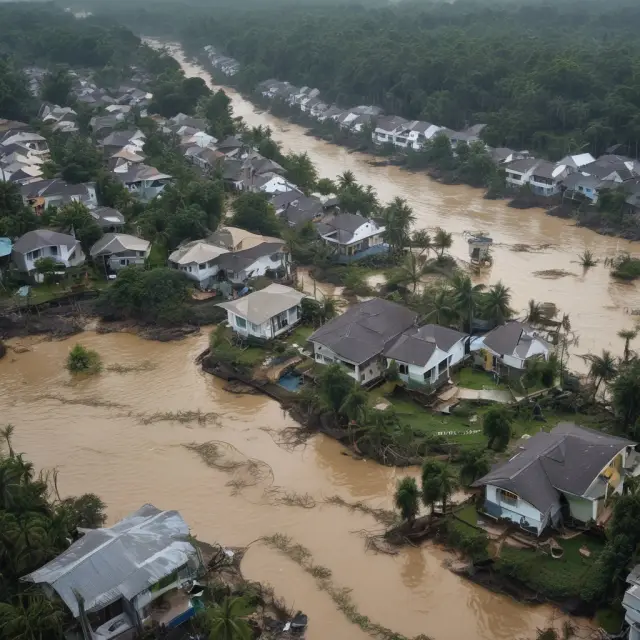
Hazard insurance has substantial implications for investors, particularly those in real estate or property management. For institutional investors, managing risk is a crucial part of their business strategy, and hazard insurance plays an essential role in their risk mitigation efforts. The primary investment implication of hazard insurance lies in its impact on the value and attractiveness of potential investments. When assessing properties for acquisition, investors consider both the immediate costs and long-term risks associated with insurance coverage.
Firstly, the cost of acquiring hazard insurance can vary significantly depending on the location, property condition, and type of insurance required. For instance, purchasing a hazard insurance policy for a property situated in a high-risk flood zone or earthquake area may be more expensive than a policy for a property located in a low-risk region. As such, investors must factor in these insurance costs when determining the overall return on investment.
Secondly, hazard insurance coverage can influence a property’s value and desirability to potential tenants or buyers. In regions susceptible to natural disasters, properties with robust hazard insurance coverage are more attractive because they offer peace of mind and financial protection against unexpected damages. Conversely, properties with inadequate or no hazard insurance can deter investors due to the added risk and uncertainty.
Thirdly, hazard insurance plays a vital role in property management strategies. Effective risk management is crucial for ensuring the longevity of an investment and minimizing potential losses. By implementing appropriate hazard insurance coverage, investors can protect their assets against unforeseen damages, enabling them to mitigate risks and recover from natural disasters more efficiently.
Lastly, climate change poses new challenges for hazard insurance investments. The increasing frequency and severity of extreme weather events have led to rising insurance costs and potential changes in underwriting practices. As a result, investors need to stay informed about the latest developments in hazard insurance and adapt their strategies accordingly to minimize risk and maintain a competitive edge.
In conclusion, hazard insurance plays an essential role in both residential and commercial real estate investment strategies by protecting assets against various natural risks. By understanding the implications of hazard insurance, investors can make informed decisions regarding property acquisitions, management practices, and risk mitigation techniques to maximize their returns while minimizing potential losses.
Frequently Asked Questions about Hazard Insurance
What Is Hazard Insurance?
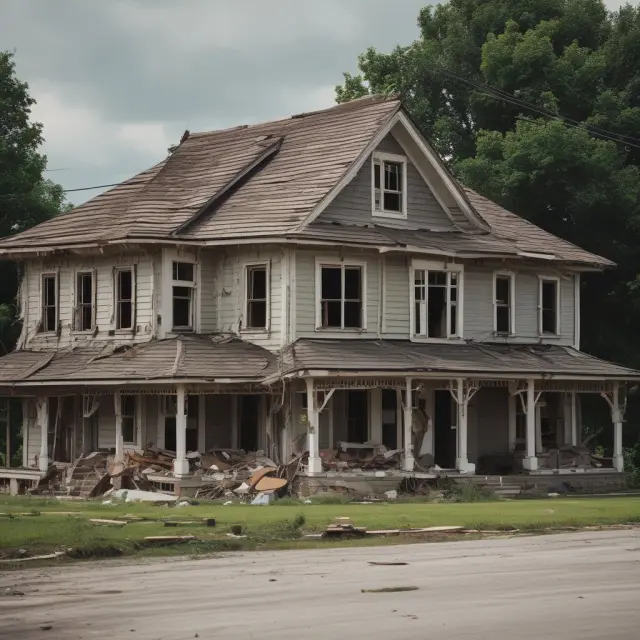
Hazard insurance is a crucial component of any homeowners insurance policy, providing protection against damages caused by certain natural disasters or events, such as fires, lightning strikes, hailstorms, windstorms, and rainstorms. It covers the physical structure and foundation of your property.
What Isn’t Covered Under Hazard Insurance?
While hazard insurance covers various natural perils, it does not cover all types of damage or losses. For example, it typically does not cover damages resulting from floods, earthquakes, or other specific risks. Homeowners living in high-risk areas should consider purchasing separate policies for these events.
How Does Hazard Insurance Differ from Catastrophe Insurance?
Though often used interchangeably, hazard insurance and catastrophe insurance are not the same thing. While both provide coverage for large-scale disasters, hazard insurance refers to a portion of a homeowners policy that covers specific perils (such as windstorms) within the property structure. Catastrophe insurance is a separate policy designed to address larger events, including hurricanes and earthquakes.
Are Homeowners Required to Have Hazard Insurance?
Most mortgage lenders require homebuyers to secure hazard insurance as a condition of receiving financing for their properties. The purpose of this requirement is to ensure that the property remains in good condition and that the mortgage holder has financial protection should damage occur.
What Does Hazard Insurance Cover in Detail?
A standard hazard insurance policy covers damages resulting from perils such as fire, lightning strikes, hailstorms, windstorms, and rainstorms. It protects the physical structure and foundation of the property. In some cases, homeowners can extend their coverage to include personal belongings, loss of use, or additional living expenses.
How Much Does Hazard Insurance Cost?
The cost of hazard insurance depends on several factors, including your location, the size and value of your property, and the level of coverage you choose. Homeowners can shop around for the best rates to find an affordable policy that meets their needs.
Can I Add Additional Coverages to My Hazard Insurance Policy?
Absolutely! Homeowners can customize their hazard insurance policies by adding endorsements or riders to address specific risks, such as floods, earthquakes, and high-value items. These additional coverages may require separate policies in some cases.
How Do I File a Claim for Hazard Insurance?
To file a claim for damages covered under your hazard insurance policy, you should contact your insurance company as soon as possible. Provide detailed information about the damage and cooperate with the adjuster throughout the claims process to ensure prompt resolution.
 Next entry · No. 2,048Understanding Hazardous Activities: Risks, Coverage, and Exclusions for Professional Investors
See also
-
 No. 1,898
22 Nov 2024
22 min
Understanding the Great Moderation: Causes, Failure, and Lessons for Institutional Investors
Finance Policy
No. 1,898
22 Nov 2024
22 min
Understanding the Great Moderation: Causes, Failure, and Lessons for Institutional Investors
Finance Policy -
 No. 3,298
17 Mar 2025
21 min
Maximizing Diversification: Understanding Multi-Asset Class Investing for Institutional Investors
Business Finance
No. 3,298
17 Mar 2025
21 min
Maximizing Diversification: Understanding Multi-Asset Class Investing for Institutional Investors
Business Finance -
 No. 3,098
28 Feb 2025
18 min
Market Value Of Equity: Understanding Market Capitalization and Investor Perspective
Business Finance
No. 3,098
28 Feb 2025
18 min
Market Value Of Equity: Understanding Market Capitalization and Investor Perspective
Business Finance -
 No. 2,997
20 Feb 2025
23 min
Long-Term Growth (LTG) Investment Strategy: Understanding the Long Game for Institutional and Professional Investors
Business Finance
No. 2,997
20 Feb 2025
23 min
Long-Term Growth (LTG) Investment Strategy: Understanding the Long Game for Institutional and Professional Investors
Business Finance -
 No. 2,988
19 Feb 2025
19 min
Understanding Long/Short Funds: A Guide for Institutional Investors
Business Finance
No. 2,988
19 Feb 2025
19 min
Understanding Long/Short Funds: A Guide for Institutional Investors
Business Finance -
 No. 2,893
12 Feb 2025
16 min
Understanding Limited Power of Attorney for Institutional Investors: Types, Forms, and Functions
Business Finance
No. 2,893
12 Feb 2025
16 min
Understanding Limited Power of Attorney for Institutional Investors: Types, Forms, and Functions
Business Finance