Understanding Historic Structures: Definition, Criteria, and Importance
Explore the importance of historic structures through definitions, criteria, examples, and preservation benefits.
What Is a Historic Structure?
Historic structures represent an integral part of our nation’s rich history and cultural heritage. Unlike historic properties, which can include buildings and human shelters, a historic structure specifically refers to structures such as bridges, mines, ships, canals, highways, or locomotives that hold significance due to their association with historical events, people, architectural features, or artistic values. As sub-categories of historic properties, these structures are recognized by the National Register of Historic Places (NRHP).
The National Register designates over 2,600 historic landmarks across the United States, and these structures serve as tangible reminders of our past, offering insights into historical periods, architectural styles, or the lives of significant figures. Understanding what makes a structure historic is crucial in appreciating its value to society and its role in shaping communities.
The NRHP distinguishes a historic structure from other structures by recognizing their unique attributes, such as association with events that have made a significant contribution to history or embodying distinctive characteristics of a particular period, among other criteria. To qualify for National Register designation, the property must meet at least one of four key National Register criteria:
- Association with significant historical events
- Significance to the lives of persons historically important
- Distinctive architectural features or high artistic values
- Yielding valuable information in prehistory or history
These criteria ensure that structures with genuine cultural and historical significance are preserved for future generations. Historic structures not only serve as reminders of our past but also play a role in shaping communities by fostering a sense of continuity, identity, and pride. In some cases, these structures may even be designated as historic districts where multiple properties hold collective significance.
Property owners of historic structures often benefit from grants and tax incentives for their preservation and restoration efforts. Additionally, historic structures can yield educational opportunities for the public, contributing to a greater appreciation for our nation’s history. By recognizing and celebrating these unique structures, we strengthen our connection to our past and the stories they tell.

Historic Structures vs. Historic Properties: Key Differences
The terms ‘historic structure’ and ‘historic property’ are often used interchangeably, but they refer to distinct concepts in the world of historic preservation. A historic structure is a particular type of historic property that is defined by its distinct physical characteristics and historical significance. The National Register of Historic Places (NRHP) identifies and registers properties, including structures, objects, sites, and districts, for their historical, cultural, or architectural importance. In this context, a historic structure specifically refers to an individual building, infrastructure, or other tangible entity that meets the NRHP’s criteria for designation as a historic property.
Let’s delve deeper into the differences between historic structures and historic properties:
Historic Structures: Definition and Significance
A historic structure is a physical entity that holds historical significance. This can be due to its unique architectural features, historical context, or association with significant events or persons from the past. Examples include bridges, lighthouses, industrial sites, ships, and buildings of architectural distinction. Historic structures often become symbols of cultural heritage, contributing to our collective memory and shaping our communities.
Historic Properties: A Broader Category
Historic properties, on the other hand, are a more extensive category that includes historic structures as well as other types of resources such as archaeological sites, cultural landscapes, and even entire districts. The National Register of Historic Places considers a property historic if it meets at least one of the four criteria: association with events or persons significant to history, architectural or artistic importance, context with other resources in a district, or potential to yield information about prehistory or history.
Understanding the Difference: Bridges as an Example
To illustrate the difference, let’s consider bridges. A bridge is an excellent example of a historic structure due to its engineering and architectural significance. The Brooklyn Bridge in New York City is a famous landmark and a prime example of historic bridge preservation. Its unique design, historical importance, and aesthetic appeal have earned it a place on the National Register of Historic Places.
The role of the NRHP is essential to ensuring that such structures are preserved for future generations, as they provide invaluable insights into our past. In contrast, historic properties can include entire districts, such as historic downtown areas or urban neighborhoods, which contain multiple buildings or structures with historical significance. These districts may be designated as historic sites and granted special protections to preserve their collective history and character.
In summary, while a historic property is a broader category that encompasses various resources, a historic structure is an individual entity within this category that holds significant historical importance due to its unique physical characteristics or association with important events and individuals from the past. Bridges, industrial sites, ships, buildings, and other similar structures are all examples of historic structures. Understanding these differences helps us appreciate the rich history embedded in our communities and the role of organizations like the National Register of Historic Places in preserving it for future generations.

National Register of Historic Places: Overview and Eligibility Criteria
A historic structure refers to a unique building or other tangible object, such as a bridge, mine, ship, canal, or locomotive, officially recognized by the National Register of Historic Places (NRHP) as significant due to its historical association with past events or individuals. The NRHP, maintained by the National Park Service (NPS), is responsible for registering historic properties, including structures and objects, sites, and districts that meet at least one of the four criteria outlined below.
The National Register of Historic Places: An Overview
Since its inception in 1966, the NRHP has documented over 2,600 national historic landmarks across the United States, representing a diverse range of architectural, engineering, and cultural achievements from various periods and regions. These designations serve as testaments to our collective heritage and are an essential part of preserving America’s rich historical fabric for future generations.
Eligibility Criteria for Historic Structures
To be considered eligible for the NRHP designation as a historic structure, a property must meet at least one of the following four criteria:
- Associated with significant events: A property is historically significant if it is linked to pivotal moments in our history that have made a considerable contribution to broader historical patterns.
- Connected to notable persons: Properties with close ties to individuals who played vital roles in shaping our society, culture, and the world can be designated as historic structures.
- Distinctive characteristics: Buildings, structures, or objects that showcase exceptional architectural styles, materials, methods of construction, or masterful workmanship can be considered historically significant.
- Yielding historical information: Properties that have potential to reveal valuable insights into prehistoric or historic periods are essential for expanding our understanding of the past and may be eligible for designation as a historic structure.
By meeting one of these criteria, a property gains recognition for its historical significance, enabling owners to potentially access grants, tax credits, and other benefits designed to preserve these important relics. Additionally, clusters of historic structures can be designated as historic districts, which often come with unique rules and regulations regarding maintenance and alterations.
In conclusion, the National Register of Historic Places plays a vital role in preserving America’s past by recognizing and protecting significant properties that have shaped our nation’s history. By understanding the eligibility criteria for designating historic structures, we can appreciate and safeguard these precious pieces of our collective heritage.

Criteria for Designating a Historic Structure
Historic structures, as defined by the National Register of Historic Places (NRHP), are significant buildings or other structures worthy of preservation due to their historical and cultural significance. A historic structure differs from a historic property in that it is just one component of a property that may be officially registered with the NRHP. To understand this concept further, let’s explore the four criteria for designating a historic structure:
1. Association with Significant Events
A historic structure can be designated as historic if it has an association with significant events in our nation’s history. For instance, the Alamo Mission in San Antonio, Texas, is considered a historic structure due to its connection to the famous Battle of the Alamo in 1836. The structure stands as a testament to the pivotal role it played during this defining moment in American history.
2. Association with Persons of Historical Significance
Another way a structure can be considered historic is if it is linked to individuals who have significantly influenced our past. For example, the Wright Brothers National Memorial in Kitty Hawk, North Carolina, marks the site where Orville and Wilbur Wright conducted their pioneering experiments in powered flight in 1903. By preserving this location, we honor the groundbreaking achievements of these visionary brothers.
3. Distinctive Characteristics or Representative Value
Structures with distinctive characteristics or representative value that embody a particular architectural style, period, or method of construction can also be designated as historic. For instance, the Fallingwater House in Pennsylvania is considered a landmark not only because of its stunning modern design but also for its innovative use of materials and integration of architecture with nature.
4. Yielding Information Important to Prehistory or History
Lastly, a structure can be designated as historic if it provides valuable information about our prehistory or history. The Cliff Palace in Mesa Verde National Park, Colorado, is an excellent example of this criterion. This Ancestral Pueblo cliff dwelling complex contains approximately 150 structures built between AD 1200 and 1300, providing critical insights into the lives, culture, and architectural techniques of these ancient civilizations.
In summary, a historic structure must meet at least one of the four criteria outlined by the National Register to be considered for designation. By preserving these structures, we ensure that future generations can learn from and appreciate their historical and cultural significance.
Why Preserve Historic Structures?
Historic structures hold a unique place in our collective heritage, serving as tangible reminders of the past and providing essential links to our historical narrative. These structures may carry significant architectural features or embody political importance that sets them apart from contemporary buildings. In addition, historic districts can be designated to preserve entire areas with a high concentration of historically relevant structures, offering a glimpse into the past as well as contributing to vibrant and distinctive communities.
Preserving historic structures offers several benefits, both for individuals and society at large. Historic structures often possess architectural, historical, or cultural value that sets them apart from modern buildings. By preserving these structures, we can maintain their original character while fostering a sense of community pride and identity.
One tangible benefit is the availability of grants, tax credits, and other financial incentives for property owners restoring historic structures. These programs help revitalize communities by encouraging investment in historic properties and ensuring that they remain a vital part of our urban landscapes. In some cases, preserving a historic structure can be an economically viable alternative to constructing new buildings, as the existing infrastructure can often be repurposed for modern uses, such as offices or residential spaces.
Moreover, historic structures have significant educational and cultural value. They provide essential context to our understanding of historical events, people, and periods, helping to bring history alive for future generations. By preserving these structures, we can ensure that the lessons they hold continue to be shared and appreciated.
The importance of preserving historic structures extends beyond their individual merit. Structures clustered together in a district can provide essential context, illustrating broader patterns and trends within our historical narrative. This collective significance is recognized through the designation of historic districts, which offer protections against demolition or significant alterations to preserve these areas for future generations to enjoy and learn from.
In conclusion, preserving historic structures is an essential aspect of our collective heritage, offering numerous benefits both to individuals and society at large. These structures serve as tangible reminders of the past, provide context for understanding historical events, offer economic incentives for restoration, and contribute to vibrant communities that celebrate their unique history. By prioritizing the preservation of historic structures, we can ensure that our past remains a vital part of our present and future.

Examples of Historic Structures: Bridges, Mines, Ships, and More
Historic structures encompass a wide range of forms, from seemingly mundane objects like bridges to more unusual examples such as mines and ships. Let’s delve deeper into these various categories of historic structures, demonstrating their importance in preserving our collective past.
1. Bridges: Spanning bodies of water or connecting landmasses, bridges have played a crucial role in shaping our infrastructure since ancient times. A prime example is the Brooklyn Bridge, an iconic suspension bridge built between 1869 and 1883, which revolutionized transportation in New York City.
2. Mines: Historic mines are not only essential to understanding the history of industries like mining but also serve as physical reminders of the lives of those who labored within them. The Eureka Mine in Nevada is an excellent example, showcasing the rich silver and gold mining heritage that shaped the western frontier during the late 19th century.
3. Ships: Vessels have long held a significant place in history, symbolizing exploration, commerce, and warfare. The USS Constitution, a wooden-hulled US Navy ship commissioned in 1797, is an excellent example of this historical connection as it stands as a testament to the naval power that helped safeguard the United States during its formative years.
4. Industrial Structures: Historic industrial structures often reflect periods of innovation and progress. For example, the Carnegie Steel Mill in Pennsylvania is an essential part of American history, representing the rise of industrialization during the late 19th century. The mill played a significant role in shaping the steel industry and remains a reminder of this transformative period.
5. Religious Structures: Churches, mosques, temples, and other religious structures can provide valuable insights into their respective cultural histories. The Old St. Peter’s Church in New York City is an example, its roots tracing back to the late 1600s, making it one of the oldest churches in Manhattan.
These examples highlight just a few of the diverse categories that fall under the historic structures umbrella. By understanding their significance, we can appreciate the depth and richness of our past while ensuring these structures endure for future generations to learn from and enjoy.
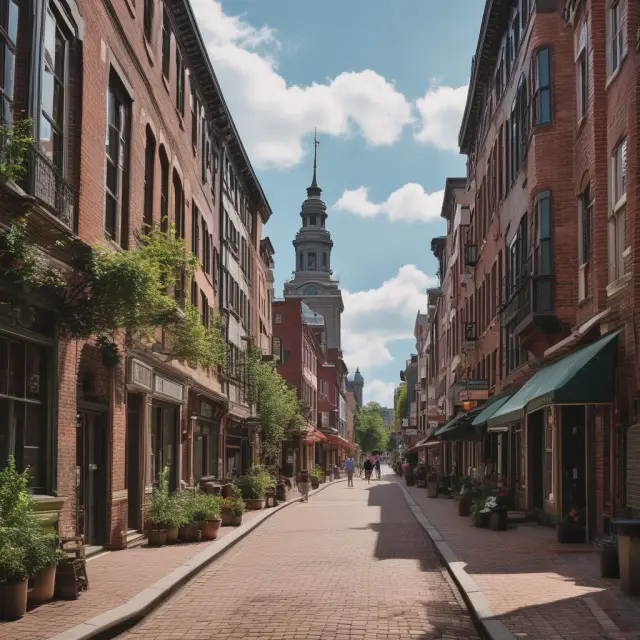
Historic Districts: Preserving Entire Areas of Significance
A historic district can be defined as an area with a significant concentration of historic structures that holds collective historical and cultural importance, often forming the foundation of a community’s identity. Designating a historic district allows for the preservation and protection of an extensive collection of buildings or sites that contribute to our national history. In essence, a historic district represents an intentional effort to preserve a piece of the past in its entirety.
The National Register of Historic Places (National Register) recognizes and documents these districts as significant areas based on their association with notable events from our history, or their connection to individuals who have made a meaningful impact on the community or the nation. Historic districts can also house structures that embody distinctive architectural styles or techniques and represent periods of historical significance.
For example, the Old Town Alexandria Historic District in Virginia showcases 20th-century urban development alongside colonial architecture, illustrating how different eras coexist and contribute to a unique sense of place. The designation not only protects the historic structures but also helps preserve their surrounding landscapes and contexts that add to their significance.
In contrast to individual structures, historic districts often require special considerations for their management and preservation. Property owners within these areas usually face specific regulations concerning maintenance and alterations to ensure that the historical integrity of the district remains intact. In some cases, grants or tax credits may be available to aid in restoration projects and help preserve these precious historic resources.
By fostering an appreciation for our nation’s heritage and cultural identity, historic districts provide a valuable educational resource. They offer visitors and residents alike opportunities for exploration, discovery, and learning about various periods of American history. Furthermore, they contribute significantly to the economic vitality of local communities by attracting tourists and supporting local businesses.
As the preservation of historic structures becomes increasingly important, it’s crucial to understand the role that historic districts play in documenting, interpreting, and celebrating our shared heritage. By designating these areas as historic districts, we can ensure their continued existence for future generations while providing opportunities for community engagement, education, and economic growth.

Benefits and Incentives for Historic Structure Owners
The ownership of a historic structure comes with unique benefits and incentives, encouraging preservation efforts while respecting the historical significance of these treasured assets. The National Register of Historic Places (NRHP) is an essential resource in preserving structures that are associated with significant events or periods, the lives of notable individuals, or possess architectural value. To become officially designated as a historic structure by the NRHP, a property must meet one of the four criteria set by the National Park Service (NPS).
The benefits of owning a historic structure extend beyond preservation and recognition, providing tangible advantages that can impact both personal finances and the local economy. These incentives include:
1. Federal and state tax credits: Owners of historic structures may be eligible for federal and state income tax credits ranging from 20% to 40%. These credits can help offset the costs associated with restoring and maintaining a historic structure, making it a more financially viable option compared to demolition or new construction.
2. Property tax relief: Some states offer property tax abatements or reductions for owners of historic structures, which can significantly decrease the cost of owning and preserving these properties while generating economic growth within local communities.
3. Federal grants: The National Park Service and other government organizations provide funding opportunities to support the preservation of historic structures through grant programs, providing financial assistance in the form of matching grants to owners who seek to preserve their historic assets.
4. Marketing advantages: Owning a historic structure can offer marketing advantages as it appeals to visitors interested in history, culture, and heritage tourism, which can contribute to an increase in revenue for local businesses.
5. Access to resources: Historic structure owners often have access to specialized resources and networks dedicated to the preservation and restoration of these assets, such as technical expertise, research materials, and educational programs.
6. Community impact: Preserving a historic structure can positively influence a community by fostering pride, attracting tourism, and maintaining a connection with the past for future generations. The presence of these structures can also promote economic growth through revitalization efforts and create opportunities for sustainable development.
By acknowledging the benefits and incentives available to historic structure owners, it becomes evident that investing in the preservation of these assets not only enhances their historical significance but also offers tangible advantages both personally and within the local community.
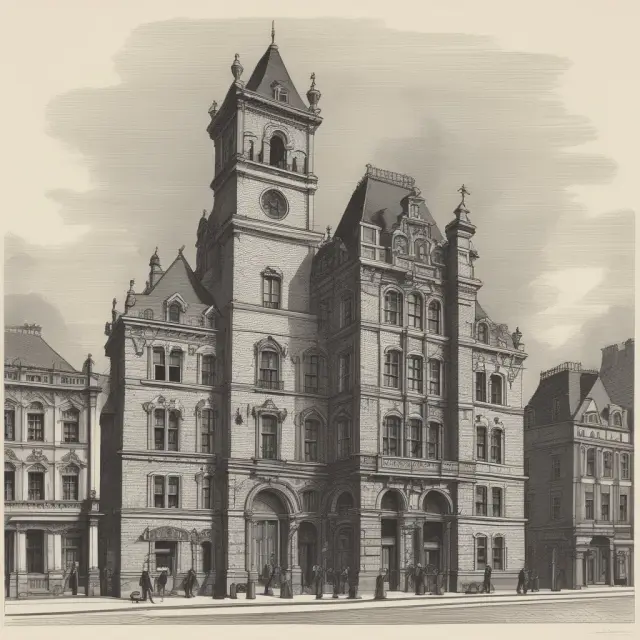
Historic Structures vs. Modern Buildings: Balancing Progress and Preservation
As our communities evolve, it becomes increasingly important to strike a balance between modern development and the preservation of historic structures. Historic structures can tell remarkable stories about our past and contribute significantly to the cultural identity of towns, cities, and regions. However, the quest for progress often calls for new construction projects that may impact or even threaten historic buildings and sites. In this section, we’ll explore the challenges of balancing preservation and development while maintaining the value of historic structures.
First, let us consider the importance of preserving historic structures. These structures are essential relics of our history, often boasting unique architectural features, political meaning, or a link to important figures in our past. Preservation efforts can also create economic opportunities through grants, tax incentives, and tourism revenue. For instance, revitalizing an old industrial area with historic buildings into a vibrant neighborhood or tourist destination can generate significant economic benefits for the community.
However, progress demands new infrastructure and developments. Modern buildings may offer improved functionality, energy efficiency, or aesthetics that older structures cannot provide. In some cases, historic structures may pose safety concerns or require extensive renovations to meet modern codes. These challenges force communities to navigate the complexities of balancing preservation with development.
To address these issues, many communities have established regulations and programs aimed at preserving historic structures while accommodating new developments. For example, some cities have developed adaptive reuse initiatives that repurpose old buildings for modern use, such as converting a historic factory into luxury loft apartments or an abandoned train station into a museum or cultural center.
Historic districts are also popular strategies for preserving entire areas with a significant concentration of historic structures. These districts come with special rules and restrictions on maintenance, alterations, and new construction to ensure the preservation of the unique character of the area. However, these regulations can limit development opportunities, making it crucial for communities to strike a balance that respects both preservation and progress.
One notable example of balancing progress and preservation is the restoration and expansion of the George Washington’s Mount Vernon estate. The project involved sensitive renovations of historic structures while adding modern amenities like a visitor center, education facilities, and a new restaurant. This approach ensured that the site remains an essential piece of American history while offering visitors an enhanced experience.
In conclusion, understanding the importance of historic structures in our communities necessitates balancing their preservation with progress. By implementing thoughtful regulations and initiatives, communities can ensure the survival of historic structures while accommodating new developments. This delicate balance enables us to honor our past while embracing a modern future.
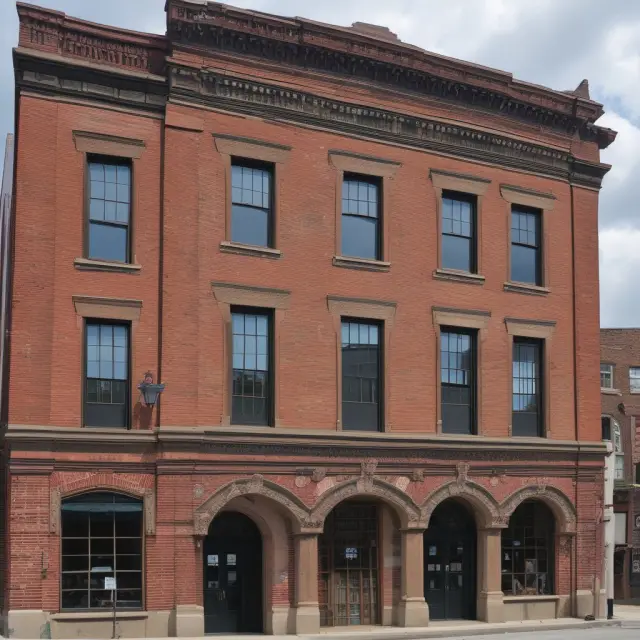
FAQs About Historic Structures and National Register Designation
Historic structures hold immense cultural value, and many are officially designated as such by the National Register of Historic Places. Below, we’ll address common questions about historic structures, their eligibility for designation, and the significance of this recognition.
What is a historic structure?
A historic structure is a subcategory of a historic property as designated by the National Register of Historic Places. It refers to buildings or other structures like bridges, mines, ships, canals, highways, and locomotives that possess significant historical value due to their connection with past periods or notable figures. Historic structures may be registered with the National Park Service as part of a historic property.
How does a structure become eligible for the National Register?
To be listed on the National Register, a structure must meet at least one of four key criteria: association with significant events, association with people who have influenced history, possession of distinctive characteristics or high artistic values, or potential to yield valuable historical information.
What is the purpose of the National Register?
The National Register aims to preserve structures that have cultural and historical relevance while ensuring that the designation process is not overused for buildings with no significant historical significance beyond their age. The registration process involves petitioning the State Historic Preservation Office where the structure is located, providing information about its historic and current functions, architectural classification, materials, and other relevant details.
What benefits can property owners of historic structures enjoy?
Owners of historic properties may be eligible for tax credits or grants to help with restoration projects. The designation can also enhance a property’s value, attract visitors, and provide opportunities for educational programming. Additionally, the designation process ensures that these structures are not lost to development and contribute to a more vibrant cultural landscape.
What happens if a historic structure falls into disrepair?
The National Register does not directly fund restoration projects or provide ongoing maintenance support. However, property owners may be eligible for grants from state or federal agencies, as well as tax incentives, to help cover the costs of restoring and preserving their historic structures. This can include everything from structural repairs to cosmetic improvements like painting or roofing.
Can modern buildings also be designated as historic?
No, a historic structure refers specifically to structures that are significant because of their historical connection. Modern buildings, while important in their own right, do not fit the definition and would typically be considered part of contemporary architecture rather than historic. However, it’s essential to acknowledge the value of modern design and its role in shaping our cultural landscape.
What is a historic district?
Historic districts are areas with a concentration of buildings or structures that possess significant historical value collectively. They can include entire neighborhoods, commercial districts, or specific sites. Property owners in these districts typically face special rules and restrictions on the maintenance of their properties to preserve the area’s cultural heritage.
 Next entry · No. 2,135Historical Cost in Accounting: Understanding its Importance and Differences with Fair Market Value
See also
-
 No. 5,784
07 Oct 2025
18 min
Understanding the Working Class: Defining the Socioeconomic Group and Its Evolution
Economics
No. 5,784
07 Oct 2025
18 min
Understanding the Working Class: Defining the Socioeconomic Group and Its Evolution
Economics -
 No. 5,303
28 Aug 2025
21 min
Understanding Unregistered Shares: Risks, Criteria, and Scams
Business Finance
No. 5,303
28 Aug 2025
21 min
Understanding Unregistered Shares: Risks, Criteria, and Scams
Business Finance -
 No. 5,101
12 Aug 2025
19 min
TSA PreCheck: A Comprehensive Guide for Institutional Investors
Business Strategy
No. 5,101
12 Aug 2025
19 min
TSA PreCheck: A Comprehensive Guide for Institutional Investors
Business Strategy -
 No. 5,092
11 Aug 2025
21 min
Understanding the Teacher Retirement System (TRS): A Comprehensive Guide for Institutional Investors
Retirement
No. 5,092
11 Aug 2025
21 min
Understanding the Teacher Retirement System (TRS): A Comprehensive Guide for Institutional Investors
Retirement -
 No. 4,571
29 Jun 2025
20 min
Understanding Schedule A (Form 1040 or 1040-SR): Itemized Deductions for U.S. Taxpayers
Taxation
No. 4,571
29 Jun 2025
20 min
Understanding Schedule A (Form 1040 or 1040-SR): Itemized Deductions for U.S. Taxpayers
Taxation -
 No. 4,214
31 May 2025
19 min
Understanding Qualifying Relatives: Claiming Dependents and Tax Benefits
Taxation
No. 4,214
31 May 2025
19 min
Understanding Qualifying Relatives: Claiming Dependents and Tax Benefits
Taxation