TSA PreCheck: A Comprehensive Guide for Institutional Investors

Explore the ins and outs of TSA PreCheck for Institutional Investors - benefits, application process, comparison with other programs, costs and more.
Understanding TSA PreCheck: An Overview
TSA PreCheck, a U.S. government program operated by the Transportation Security Administration (TSA), enables eligible travelers to experience expedited security screenings at select airports across the country. By identifying and vetting passengers as low-risk to flight security, this initiative saves valuable time for millions of frequent flyers. This section will provide a comprehensive overview of what TSA PreCheck is, its benefits, and how it works.
What is TSA PreCheck? Launched in December 2013, TSA PreCheck represents an essential component of the U.S. government’s efforts to expedite the passage of pre-approved travelers through airport security checkpoints. With over 10 million enrollees as of 2021, TSA PreCheck allows passengers to keep their shoes, belts, and lightweight jackets on, as well as leave laptops and liquids in their carry-on bags, making the process significantly more convenient and efficient for eligible flyers.
How Does TSA PreCheck Work?
The primary objective of TSA PreCheck is to streamline airport security procedures for trusted travelers by verifying their identities beforehand. The program relies on a two-step application process: applicants initiate the online registration, and then attend an in-person interview for fingerprinting and background checks. Once approved, members receive a Known Traveler Number (KTN) that can be added to their reservations when booking flights, ensuring expedited screening at participating airports.
The Advantages of TSA PreCheck for Institutional Investors
With the increasing frequency of travel requirements in today’s professional landscape, TSA PreCheck offers substantial advantages for institutional investors:
- Enhanced Convenience: Bypassing long lines and extensive security checks at airport checkpoints not only saves time but also reduces stress for business travelers.
- Consistent Security Clearance: Regardless of which airline or airport a traveler uses, TSA PreCheck offers uniform security clearances across participating locations.
- Improved Productivity: A faster airport experience means more time spent on productive activities such as meetings or research instead of waiting in lines.
- Cost Savings: For frequent flyers, the $78 membership fee represents a wise investment, especially when considered against the potential cost savings from avoiding extended wait times at airport security.
In conclusion, TSA PreCheck offers substantial benefits for institutional investors by enabling faster, more convenient, and uniformly secure travel experiences. By understanding the program’s purpose and requirements, businesses can make informed decisions about enrollment to enhance their employees’ overall productivity and travel comfort.
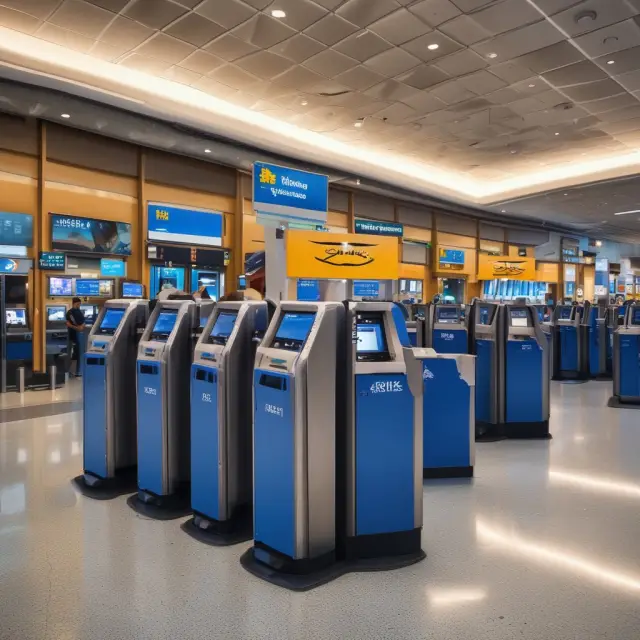
How Does TSA PreCheck Work?
TSA PreCheck, a program initiated by the Transportation Security Administration (TSA), allows low-risk travelers to enjoy expedited screening at U.S. airports. This process significantly reduces wait times and makes airport experiences more convenient for eligible passengers.
The TSA PreCheck system relies on a risk assessment of each applicant, enabling them to pass through security checkpoints with minimal disruptions. Eligible travelers can keep their shoes, belts, lightweight jackets, electronics, and liquids within carry-on luggage while bypassing the standard removal procedures. In 2021, 98% of TSA PreCheck passengers experienced security clearance in less than five minutes.
To become a member, individuals must first apply through the TSA’s website and undergo an in-person appointment for fingerprinting and a background check. Once approved, enrollees receive a Known Traveler Number (KTN) that can be used when booking flights to automatically apply their TSA PreCheck status to their boarding passes.
Eligibility for the program is limited to U.S. citizens, lawful permanent residents, and certain foreign citizens meeting specific residency requirements. Ineligibility factors include incomplete applications or false information, violations of transportation security regulations, and disqualifying criminal offenses.
As of 2021, there are over 380 TSA PreCheck application centers and more than 400 airports offering the service across the United States. Eligible passengers can find enrollment centers by searching for their zip code or address on the TSA website.
For frequent travelers, obtaining TSA PreCheck membership brings substantial benefits. With shorter lines at security checkpoints, increased personal privacy, and time savings, it is an attractive option for professional travelers seeking a more streamlined airport experience. The program’s cost of $78 is a reasonable investment considering the convenience and consistency of its five-year membership duration.
Credit cards can also help offset the cost of TSA PreCheck by offering statement credits or points that cover the application fee. Many popular credit cards, such as the Bank of America Premium Rewards Credit Card and American Express Platinum Card, provide this perk as a membership benefit.
TSA PreCheck is one component of multiple traveler programs aimed at enhancing the airport experience for verified individuals. Other programs include Global Entry, NEXUS, and SENTRI, which cater to international and land travels. Clear, a private program offering biometric identification technology, is also an alternative option to expedite security clearance.
Understanding TSA PreCheck’s intricacies, application process, and benefits equips travelers with the knowledge necessary to make informed decisions regarding their airport experiences. By carefully considering each aspect of this program, potential applicants can optimize their travel routines for both convenience and security.

TSA PreCheck vs. Other Trusted Traveler Programs
When it comes to expedited security screening for travelers, TSA PreCheck isn’t the only game in town. Let’s explore how this program compares to other federal and private trusted traveler programs, including Global Entry, NEXUS, and Clear.
1. TSA PreCheck vs. Global Entry:
TSA PreCheck is an excellent choice for those who frequently fly domestically within the United States. However, if you often travel internationally, especially to Canada or Mexico, consider applying for Global Entry instead. While both programs grant expedited security screening and a five-year membership, Global Entry includes TSA PreCheck benefits plus entry into the United States through automatic kiosks at select airports and land borders. The cost is also more significant: $100 for five years.
2. TSA PreCheck vs. NEXUS:
NEXUS, a program of the U.S. Customs and Border Protection (CBP), targets travelers frequently crossing between the United States and Canada or Mexico by air, land, or sea. The cost is lower than Global Entry at $50 for five years, but it’s important to note that TSA PreCheck privileges are included in the NEXUS program.
3. TSA PreCheck vs. Clear:
Clear stands out as a private alternative to federal programs like TSA PreCheck and Global Entry. Clear’s primary selling point is its speedy identification process, which uses biometric data such as fingerprints or iris scans. However, it doesn’t offer expedited security screening through TSA at airports or customs clearance when traveling internationally. The cost of a Clear membership is $189 per year.
In conclusion, each trusted traveler program serves its purpose for specific types of travelers based on their preferences and requirements. TSA PreCheck offers convenience for U.S. domestic travelers, while Global Entry is the better option for frequent international travelers. NEXUS caters to those crossing the Canadian or Mexican borders. Clear provides an expedited identification process in partnership with some airports and stadiums at a higher annual cost. Make an informed decision based on your travel habits and preferences.
Requirements for TSA PreCheck Eligibility
TSA PreCheck is a valuable program for institutional investors and professional travelers who frequently fly within the U.S., as it allows them to pass through security checkpoints more efficiently at over 200 participating airports across the country. To be eligible for this expedited screening process, applicants must meet certain criteria set forth by the Transportation Security Administration (TSA).
First and foremost, TSA PreCheck is open only to U.S. citizens, U.S. nationals, and lawful permanent residents. Applicants may be denied if they submit incomplete or false application information, violate transportation security regulations, or have a disqualifying criminal record.
To apply for TSA PreCheck, interested parties must complete an online application on the TSA’s website and attend an in-person interview at one of TSA’s enrollment centers. Applicants will need to provide valid proof of identity and U.S. citizenship documents during this appointment, which includes their U.S. birth certificate or passport, along with a government-issued photo ID such as a driver’s license. Foreign citizens seeking PreCheck eligibility must meet specific residency requirements outlined on the TSA website.
The online application process takes approximately five minutes to complete, while the in-person interview lasts around ten minutes. Once approved for TSA PreCheck status, applicants will receive a Known Traveler Number (KTN), which they can then use when booking flights to automatically have their expedited security privileges applied to their boarding passes.
The cost of becoming a traveler with TSA PreCheck status is $78 and lasts for five years, after which it can be renewed. Some credit cards offer reimbursement for the application fee or even cover it as part of their loyalty rewards program, such as Bank of America’s Premium Rewards credit card or Chase Sapphire Reserve Card.
For those seeking a broader traveler program that covers international and domestic flights, along with customs and border checks, TSA offers Global Entry for $100, NEXUS for $50, and SENTRI for $122.50. Membership in these programs includes TSA PreCheck privileges. Alternatively, Clear, a private program offering biometric identification technology to speed up security clearance, costs $189 per year but only provides expedited airport and stadium access within the U.S.

Applying for TSA PreCheck: Online and In-Person Processes
TSA PreCheck, a U.S. government initiative launched in 2013, is designed to expedite the security clearance process at American airports for low-risk travelers. Enrolled passengers can enjoy numerous benefits, such as shorter lines at security checkpoints and fewer items to remove from their carry-on luggage during the screening process. Intrigued by this program, but unsure of how to apply? This section delves into both the online and in-person processes for obtaining TSA PreCheck membership.
To begin your application, visit the TSA PreCheck website and submit a short online form. The digital application typically takes less than five minutes to complete. Be prepared with essential information like personal details, contact information, and proof of U.S. citizenship or lawful permanent residency status.
Once you’ve submitted your online application, it’s time for an in-person interview at one of the TSA PreCheck enrollment centers. To find a convenient location near you, use the search function on the TSA website using your zip code or address. The appointment usually lasts about ten minutes and includes a set of fingerprints and a background check.
After completion of both steps, you will receive a Known Traveler Number (KTN) via mail within two weeks. Use this number when booking future flights to automatically activate TSA PreCheck privileges on your boarding passes. A $78 non-refundable fee covers the five-year membership period.
Some travelers may be lucky enough to have their credit card issuer offer TSA PreCheck as a complimentary perk. Several well-known credit cards, such as Chase Sapphire Reserve, American Express Platinum, and Citi Prestige, grant members automatic access to expedited security screening through the TSA PreCheck program. To confirm eligibility, contact your card issuer or consult their website for details on the benefits included with your membership.
By following these steps, you can efficiently secure your place among the over 10 million passengers already enjoying the convenience and time-saving advantages of the TSA PreCheck program.

Benefits of TSA PreCheck for Professional Travelers
Traveling for business often involves tight schedules, multiple flights, and long hours spent at airports. The TSA PreCheck program is an excellent solution to help professional travelers save time and reduce stress during their journeys. In this section, we’ll discuss the convenience, time savings, and increased security that TSA PreCheck offers to frequent flyers.
Convenience is a Key Factor
With TSA PreCheck, business travelers can bypass the usual hassle of removing shoes, belts, jackets, laptops, and liquids at airport security checkpoints. Instead, they can keep these items on while passing through special lanes reserved for pre-approved passengers. This added convenience makes traveling more efficient, allowing frequent flyers to get to their destinations faster.
Significant Time Savings
Time savings is another significant benefit of TSA PreCheck for professional travelers. On average, it takes less than five minutes for TSA PreCheck passengers to pass through security checkpoints compared to the 20-30 minutes that regular passengers often wait. This time difference can make a substantial impact on a businessperson’s schedule, enabling them to make important meetings or catch flights with ease.
Increased Security
TSA PreCheck not only offers convenience and time savings but also increases security for travelers. By focusing resources on potential threats instead of screening every passenger the same way, TSA can maintain a higher level of safety at airports while allowing lower-risk passengers to pass through more quickly. As of now, over 98% of TSA PreCheck passengers took less than five minutes to pass through security in March 2021 alone.
How to Apply for TSA PreCheck
Applying for a TSA PreCheck membership is a straightforward process. You can start the application online via the TSA’s website, but an in-person appointment for fingerprinting and a background check is also required. The online application takes less than five minutes on average, while the in-person interview usually lasts about 10 minutes. After approval, you will receive a Known Traveler Number (KTN), which can be used when booking flights to automatically add TSA PreCheck status to your boarding pass.
Cost and Membership Duration
The cost of becoming a traveler with TSA PreCheck status is $78, which covers a five-year membership. Some credit cards provide access to the program as a membership benefit, so check if yours is one of them to save on the application fee.
Traveling with Children and TSA PreCheck
Accompanied minors under 13 can travel with a parent or legal guardian who has TSA PreCheck status in the expedited security lanes. To enjoy this benefit, make sure that the child’s name is added to the enrollee’s profile during the application process.
TSA PreCheck vs. Other Trusted Traveler Programs
While TSA PreCheck offers considerable advantages for frequent flyers, it’s important to note that there are other trusted traveler programs available, such as Global Entry and Clear, each with their own unique features, benefits, and costs. When comparing these programs, consider your travel patterns and priorities to determine which one is best suited for you.
In conclusion, TSA PreCheck is a valuable asset for professional travelers seeking greater convenience, time savings, and security at the airport. With its extensive benefits and ease of application, TSA PreCheck can help make every business trip more efficient, allowing travelers to focus on their work rather than airport wait times.

TSA PreCheck: Costs and Fees
TSA PreCheck, a U.S. government program initiated in 2013, allows eligible travelers to enjoy an expedited security screening process at more than 200 participating airports across the country. The TSA grants this privilege to individuals deemed low-risk, ensuring quicker passage through airport checkpoints. As of March 2021, over 98% of PreCheck passengers had waited less than five minutes for security clearance, a significant improvement compared to the standard process.
The cost of gaining TSA PreCheck status is $78 and lasts for a five-year term. However, the convenience and time savings offered by this program can make it an attractive investment for frequent flyers. It’s important to note that the fee is non-refundable once paid.
Some credit card companies offer their members access to TSA PreCheck as part of their benefits package. For instance, select American Express, Chase, Citi, and Delta SkyMiles cards provide this perk, allowing travelers to pay for the program using loyalty points or enjoy periodic statement credits. To find out if your credit card covers TSA PreCheck, consult your card issuer’s website.
By enrolling in TSA PreCheck, you will receive a Known Traveler Number (KTN), which is a unique identifier that you should use whenever booking flights online or at check-in. Your KTN automatically grants you access to expedited screening lines, indicated by the “TSA Pre✓” marking on your boarding pass.
For travelers with families, children under the age of 13 can accompany TSA PreCheck holders in the designated lanes without a separate known traveler number. This perk allows for a more seamless experience when traveling together.
It’s important to remember that TSA PreCheck only applies to air travel and is not a substitute for other trusted traveler programs, such as Global Entry or NEXUS. If you frequently travel internationally, consider applying for these programs instead, which provide similar expedited clearance benefits but cover customs and border security as well.
By understanding the costs and fees associated with TSA PreCheck, you can make an informed decision about whether this program is a valuable investment for your travel needs.

Traveling with Children and TSA PreCheck
TSA PreCheck offers many benefits for institutional investors and professional travelers, but what happens when you’re traveling with children? In this section, we discuss how to navigate the TSA PreCheck program with minors under 13 years old.
Children under 13 years old can accompany their parents or legal guardians through the TSA PreCheck expedited security lines if they are traveling together. This convenience applies regardless of whether the child has a known traveler number (KTN) or not. However, it is important to note that only one parent or legal guardian needs a TSA PreCheck membership for their entire family to pass through the dedicated lanes together.
If a minor traveling alone without an adult does not have a known traveler number, they may still be eligible for expedited screening if they are enrolled in other trusted traveler programs like Global Entry or NEXUS. If the child has no trusted traveler status and is unable to pass through the TSA PreCheck lane with an accompanying adult, they will need to undergo regular security screenings as any other passenger.
In conclusion, traveling with children under 13 years old through TSA PreCheck lanes is straightforward as long as they are accompanied by a parent or legal guardian with a valid KTN. This added convenience can save families time and reduce the overall stress of airport travel.
FAQ: TSA PreCheck and Children
Can my child under 13 enter TSA PreCheck lanes without a known traveler number?
Yes, children under 13 years old can pass through TSA PreCheck lines when accompanied by their parent or legal guardian with a valid KTN.
Does my child need their own KTN to travel through TSA PreCheck lanes?
No, they do not require their own KTN as long as they are traveling with an adult who has one.
What happens if I am traveling alone with a child under 13 and don’t have TSA PreCheck?
If you’re unenrolled in TSA PreCheck and traveling with a minor, your family will need to go through regular security screening processes.
Can my child use their Global Entry or NEXUS status to pass through the TSA PreCheck lane without an accompanying adult?
Yes, children under 13 with a Global Entry or NEXUS trusted traveler number can use it to pass through the TSA PreCheck lane on their own. However, they must be accompanied by an adult with a valid KTN for the family to enter the expedited security lines together.

TSA PreCheck: Safety Concerns and Criticisms
While TSA PreCheck offers significant advantages for travelers, it’s not without its share of controversy. Some critics argue that the program might pose a potential security risk due to perceived weaknesses in its vetting process or questioning its overall necessity given the resources dedicated to airport security. In this section, we delve deeper into these concerns and examine both sides of the argument.
Security Vulnerabilities
The most pressing concern with TSA PreCheck is the possibility that it may create a false sense of security for travelers and potentially leave airports vulnerable to potential threats. Critics argue that the program’s background checks do not go far enough, and the fact that low-risk passengers are identified through their trusted traveler numbers raises concerns regarding potential vulnerabilities in the system.
A 2015 study conducted by the Government Accountability Office (GAO) found that TSA PreCheck applicants undergo a standard criminal background check but do not undergo more intensive security screening, such as interviews or physical exams like those used for Global Entry and other trusted traveler programs. This is due in part to the fact that TSA PreCheck applicants are considered lower risk due to their enrollment in another trusted traveler program or having previously undergone a background check.
In response, the TSA has stated that it continuously monitors its watchlists and conducts ongoing criminal history checks on all enrolled members. The agency also notes that any passenger exhibiting suspicious behavior is subject to additional screening at the airport. However, critics argue that this approach may not be foolproof, given the vast number of travelers in the program and the limitations of existing security measures.
Criticism of the Vetting Process
Another concern surrounding TSA PreCheck is the perceived weaknesses in the vetting process for enrolling members into the program. While applicants must undergo a background check, critics argue that this process does not go far enough to identify potential threats, as some individuals with criminal records or terrorism connections have still been able to join the program.
One high-profile example of this concern came in 2018 when it was discovered that a TSA PreCheck applicant had previously been convicted on charges related to attempting to smuggle weapons and explosives through airport security, highlighting potential weaknesses in the vetting process. The TSA responded by stating that this incident was an isolated one and that all applicants undergo criminal background checks during their application process. However, this instance raised questions about how thorough these background checks truly are and whether additional measures should be taken to ensure the safety of enrolled members and the traveling public.
The Implications
Despite these concerns, it’s important to note that TSA PreCheck remains a widely popular program for frequent travelers due to its time-saving benefits. As of 2021, there are over 10 million active enrollees in the United States. The vast majority of travelers who have undergone background checks and have been granted TSA PreCheck status have not posed a security threat.
Additionally, it’s important to remember that airport security is a complex issue with numerous layers and continuously evolving threats. TSA PreCheck is just one part of the overall security puzzle, and it should be viewed in the context of other measures, such as passenger profiling, random screenings, and intelligence gathering, that are all employed to keep airports safe.
In conclusion, while there are valid concerns regarding the safety and necessity of TSA PreCheck, it’s crucial to consider these issues within the broader context of airport security and the evolving threat landscape. Ultimately, travelers should remain vigilant about their personal security and be aware that no security measure is foolproof. By understanding the benefits and limitations of TSA PreCheck, you can make informed decisions about whether this program is right for you and your travel needs.

FAQ: TSA PreCheck Common Questions Answered
1) **What Is TSA PreCheck?**
TSA PreCheck is a U.S. government program that provides expedited security screening for low-risk travelers at select airports. It allows passengers to keep on certain items like shoes, belts, laptops, and 3-1-1 compliant bags during the screening process. TSA PreCheck was launched in 2013 with the goal of improving airport security and reducing wait times.
2) **How Does TSA PreCheck Work?**
The TSA PreCheck program identifies travelers who are considered low risk to flight security and grants them expedited screening privileges. Eligible passengers can bypass the standard screening lines, making their airport experience more convenient and efficient. The enrollment process involves an online application and a background check that includes a fingerprint scan.
3) **How to Apply for TSA PreCheck?**
To apply for TSA PreCheck, you must first submit an online application at the TSA website. Following this, you will need to attend an in-person interview at one of the TSA PreCheck enrollment centers to provide fingerprints and complete the background check. A non-refundable $78 processing fee is required for a five-year membership.
4) **What are the Benefits of TSA PreCheck?**
The main benefits of TSA PreCheck include faster lines at airport security, no need to remove shoes, belts, or lightweight jackets, and leaving laptops and 3-1-1 compliant bags in carry-on luggage instead of removing them. Additionally, frequent travelers can save significant time and enjoy a more convenient airport experience.
5) **Who is Eligible for TSA PreCheck?**
TSA PreCheck is available to U.S. citizens and lawful permanent residents. Applicants must undergo a background check during the enrollment process, and applicants may be ineligible due to criminal offenses or incomplete application information.
6) **Does TSA PreCheck Cost?**
The cost for TSA PreCheck is $78 for a five-year membership. Some credit cards offer statement credits or loyalty points that can cover the application fee.
7) **What’s the Difference Between TSA PreCheck and Other Programs?**
TSA PreCheck has several counterparts such as Global Entry, NEXUS, SENTRI, and Clear. Each program offers varying levels of security clearance for travelers, with different application requirements, costs, and eligibility criteria.
8) **Is TSA PreCheck Safe?**
The TSA argues that the TSA PreCheck vetting process is safe and secure, as all enrollees undergo thorough background checks. However, critics have expressed concerns about potential vulnerabilities in the system and the risk of insider threats.
9) **Can Children Use TSA PreCheck?**
Yes, children under 13 years old can join their parents or legal guardians in the TSA PreCheck lanes when traveling together, even without their own Known Traveler Number (KTN).
 Next entry · No. 5,102A Comprehensive Guide to Understanding and Utilizing the True Strength Index (TSI) in Finance and Investment
See also
-
 No. 3,635
14 Apr 2025
19 min
Understanding Offer in Compromise: A Solution for Eligible Taxpayers with Unpaid Tax Liabilities
Taxation
No. 3,635
14 Apr 2025
19 min
Understanding Offer in Compromise: A Solution for Eligible Taxpayers with Unpaid Tax Liabilities
Taxation -
 No. 4,756
14 Jul 2025
19 min
Stock Keeping Units (SKUs): Understanding How They Work for Inventory Management
Business Strategy
No. 4,756
14 Jul 2025
19 min
Stock Keeping Units (SKUs): Understanding How They Work for Inventory Management
Business Strategy -
 No. 4,572
29 Jun 2025
19 min
Supply Chain Management (SCM): Maximizing Efficiency and Value from Raw Materials to Consumer
Business Strategy
No. 4,572
29 Jun 2025
19 min
Supply Chain Management (SCM): Maximizing Efficiency and Value from Raw Materials to Consumer
Business Strategy -
 No. 4,447
19 Jun 2025
17 min
Revenue Passenger Miles: Understanding This Crucial Airline Industry Metric
Business Strategy
No. 4,447
19 Jun 2025
17 min
Revenue Passenger Miles: Understanding This Crucial Airline Industry Metric
Business Strategy -
 No. 2,330
28 Dec 2024
17 min
In-App Purchasing: Understanding the Monetization Model Behind Free Mobile Applications
Business Strategy
No. 2,330
28 Dec 2024
17 min
In-App Purchasing: Understanding the Monetization Model Behind Free Mobile Applications
Business Strategy -
 No. 1,880
19 Nov 2024
17 min
A Comprehensive Guide to Understanding the Graduate Management Admission Test (GMAT)
Business Strategy
No. 1,880
19 Nov 2024
17 min
A Comprehensive Guide to Understanding the Graduate Management Admission Test (GMAT)
Business Strategy