Understanding House Poor: Tips to Avoid Becoming a Victim of Excessive Housing Costs

Learn about house poor: definition, causes, and prevention strategies. Understand mortgage affordability, refinancing, emergency funds, and expert tips.
Introduction to Being House Poor: Definition and Overview
House poor, a term used interchangeably with “house rich, cash poor,” refers to individuals who allocate an excessive portion of their income towards housing expenses, leaving limited resources for discretionary items and other financial obligations. This predicament is not uncommon, especially among homeowners, whose total monthly budget is often dominated by mortgage payments, property taxes, maintenance, and utilities.
Being house poor can be a source of concern as it may lead to difficulty meeting essential expenses and potentially impact one’s credit standing. In this section, we will discuss the definition, causes, and consequences of being house poor, along with effective strategies for preventing this situation.
Understanding House Poor: Excessive Housing Costs
The term “house poor” does not have a universally accepted definition, but generally refers to individuals whose housing expenses make up an outsized percentage of their monthly income. The Consumer Financial Protection Bureau recommends that no more than 28% of gross monthly income be spent on housing costs. If this ratio exceeds 36%, it may indicate that one is house poor and struggling financially.
Causes and Consequences: Reasons for House Poor Situations
The reasons for becoming house poor vary, but often stem from underestimating housing costs or unexpected financial changes. For some individuals, the dream of owning a home can overshadow the potential risks involved, including burdensome mortgage payments, property taxes, and maintenance expenses. Others may face unforeseen financial challenges that lead to an unsustainable housing situation.
Managing House Poor: Strategies for Avoiding Excessive Housing Costs
To mitigate the risk of becoming house poor, it is essential to consider effective strategies for managing household budgets and expenses. These include:
- Budgeting: Implement a budget that allows for adequate savings while keeping housing expenses at a manageable level.
- Cutting Discretionary Expenses: Assess spending on non-essential items and make adjustments to free up more cash for housing costs or emergency funds.
- Increasing Income Streams: Explore opportunities for additional income through side hustles, freelance work, or second jobs.
- Refinancing Mortgages: If interest rates have dropped significantly, consider refinancing your mortgage to secure lower monthly payments and save on long-term expenses.
- Maintaining an Emergency Fund: Build up an emergency savings account to cover unexpected expenses or income fluctuations.
- Downsizing or Switching to Rentals: If housing costs become unmanageable, consider selling a home and transitioning into a more affordable living situation.
In conclusion, being house poor can significantly impact one’s financial well-being by limiting resources for discretionary spending and essential obligations. By understanding the causes and consequences of excessive housing expenses and employing effective strategies to manage budgets, individuals can avoid falling into this predicament. Stay tuned for the following sections in our article on house poor prevention best practices and expert insights.

Calculating Mortgage Affordability: Front-End and Back-End DTI Ratios
Understanding Housing Costs and Debt-to-Income Ratio (DTI)
Before diving into strategies for preventing house poverty, it’s essential to comprehend the concept of housing affordability in terms of mortgage payments. Debt-to-income ratio (DTI) is a crucial metric used to evaluate an individual’s ability to manage their debt obligations compared to their income. When assessing housing affordability, lenders primarily focus on two types of DTI ratios: front-end and back-end.
Front-End Ratio vs. Back-End Ratio
The front-end ratio (also known as the housing ratio) measures the proportion of a borrower’s gross monthly income that would go toward housing costs, including mortgage payments, property taxes, and insurance. This calculation is crucial since housing expenses form the foundation of a household budget. The general guideline for a healthy front-end DTI is not to exceed 28%.
Back-End Ratio (or Total Debt Ratio)
The back-end ratio includes all monthly debt obligations, such as housing costs and other debts like credit cards, auto loans, or student loans. The back-end DTI measures the percentage of a borrower’s gross monthly income that goes towards all their monthly debt payments. The widely accepted threshold for the back-end DTI is 36%.
Why DTIs Matter in Preventing House Poor
By calculating these ratios, one can gain a clear understanding of how much housing expense they can comfortably afford without sacrificing other financial obligations or causing undue financial stress. Sticking to these guidelines can help ensure that potential homebuyers avoid becoming house poor and maintain long-term financial stability.
Example: A family with an annual income of $50,000 should not spend more than $1,389 on monthly mortgage payments based on the 28% front-end DTI rule. With a 30-year fixed-rate mortgage at 4% interest, their monthly mortgage payment would be approximately $1,386, which is well within the suggested guideline.
In conclusion, understanding debt-to-income ratios (front-end and back-end) plays a pivotal role in preventing house poverty by enabling potential homebuyers to assess their monthly mortgage payments relative to their overall income and current debt obligations.

House Poor Prevention Strategies: Budgeting and Cutting Expenses
When it comes to preventing house poverty, the importance of budgeting and cutting expenses cannot be overstated. A well-planned budget can help you ensure that your housing costs don’t consume an unrealistic percentage of your income while still allowing you to cover essentials, save for emergencies, and enjoy discretionary spending.
First and foremost, it is crucial to understand the concepts of front-end and back-end debt-to-income ratios (DTI). The front-end DTI measures the percentage of your monthly gross income dedicated to housing costs, whereas the back-end DTI takes into account all monthly obligations, including housing, debts, and other recurring expenses. Aim for a front-end ratio below 28% and a combined ratio no higher than 36%.
To create a budget that supports your long-term financial goals while minimizing the risk of becoming house poor, consider these strategies:
1. Evaluate Housing Affordability
Before making an offer on a property, calculate how much you can realistically afford by considering factors such as income, debts, desired savings rate, and the potential for future changes in your financial situation. Consult resources like mortgage calculators and DTI ratio tools to help determine your price range.
2. Set Realistic Expectations
Remember that homeownership entails more than just monthly mortgage payments. Be prepared for additional expenses like property taxes, homeowners insurance, maintenance costs, utilities, and repairs.
3. Trim Discretionary Spending
Examine your discretionary spending to identify areas where you can cut back. By reducing expenses on dining out, entertainment, travel, or other non-essential items, you’ll have more wiggle room in your budget for housing costs and savings.
4. Increase Your Income
Consider taking on a part-time job, freelance work, or selling unwanted items to bring in additional income that can be allocated toward housing expenses or other financial priorities.
5. Maintain an Emergency Fund
An emergency fund is essential for unexpected costs and financial setbacks. Aim to save at least three to six months’ worth of living expenses to provide a safety net during unforeseen circumstances, such as job loss, health emergencies, or home repairs.
By employing these budgeting strategies and maintaining a solid understanding of your housing affordability, you can effectively mitigate the risk of becoming house poor and ensure long-term financial stability.
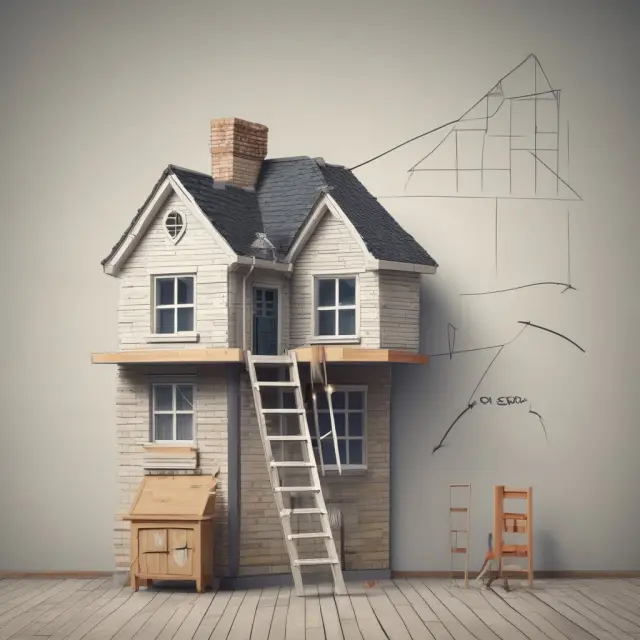
Refinancing Mortgages: A Possible Solution to Affordability Concerns
When house poor individuals find themselves facing a burdensome mortgage payment or other housing expenses, they may consider refinancing their mortgage as an option to improve their financial situation. Refinancing involves replacing an existing mortgage with a new one under different terms, often offering lower monthly payments or interest rates. Households can take advantage of refinancing when interest rates drop significantly and it makes sense for their individual circumstances.
Interest Rates: Lowering Monthly Payments
The primary reason many homeowners consider refinancing is to reduce monthly mortgage payments. Mortgage rates fluctuate over time and can vary greatly depending on the economy, borrower’s credit history, and other factors. When interest rates decrease, refinancing becomes an attractive opportunity for many homeowners. For instance, if a borrower initially obtained a 30-year fixed mortgage with a rate of 5%, but current market conditions allow them to refinance at a 3% interest rate, their monthly mortgage payments would be significantly reduced. Lower monthly payments can free up cash flow in the household budget and provide financial relief for those struggling to make ends meet.
Interest Rates: Lowering the Total Cost of Ownership
While refinancing to lower monthly payments is a common goal, it’s also important to consider the total cost of ownership over the life of the loan. Although a new mortgage with a lower interest rate may have a smaller monthly payment, it’s crucial to evaluate if the long-term savings will outweigh any associated closing costs or other fees. For example, a homeowner might pay $4,000 in closing costs when refinancing but save $12,000 over the life of the loan. In this case, the financial benefit of the refinance would be $8,000 ($12,000 savings – $4,000 closing costs).
Understanding Closing Costs and Other Fees
Closing costs are fees that homeowners pay to their lender when completing a mortgage transaction. These expenses include origination fees, appraisal fees, title services, recording fees, and other third-party charges. The cost of refinancing varies depending on the loan amount and market conditions. On average, refinance closing costs range from 3% to 6% of the loan amount. Homeowners should consider these costs in relation to their potential savings when evaluating a refinance opportunity.
Evaluating the Break-Even Point
When considering a mortgage refinance, it’s essential to determine if the long-term benefits will outweigh the initial costs. To do so, homeowners must calculate the break-even point – the time it takes for savings from lower monthly payments or interest rates to equal the closing cost expenses. For example, if refinancing costs $5,000 and saves $100 per month on mortgage payments, it will take 50 months (approximately four years) to recoup the initial investment. If a homeowner expects to live in their house for longer than that, refinancing could be a financially beneficial decision.
Assessing Eligibility and Preparation
Before applying for a mortgage refinance, homeowners should evaluate their eligibility based on creditworthiness and loan-to-value (LTV) ratio. A good credit score is essential to secure favorable terms, while an LTV ratio below 80% may make it easier for borrowers to qualify for lower interest rates. Additionally, homeowners must provide documentation of their income, debts, and assets when applying for a refinance. Being prepared with all necessary documents can expedite the application process and improve the chances of a successful refinance.
Refinancing Considerations: Risks and Alternatives
While mortgage refinancing offers potential financial benefits, it’s crucial to consider the risks as well. Homeowners should be aware that extended loan terms could result in paying more interest over the life of their loan, even with lower monthly payments. Moreover, refinancing could potentially impact eligibility for home equity loans or lines of credit in the future. As an alternative, some homeowners might consider adjusting their budget to accommodate housing expenses, selling assets, or seeking assistance from financial professionals if they find themselves struggling to make mortgage payments.
In conclusion, understanding the benefits and limitations of mortgage refinancing is essential for house poor individuals looking for ways to alleviate financial burdens. While lower monthly payments or interest rates can bring immediate relief, homeowners must consider the long-term implications of closing costs, loan terms, and eligibility requirements when making this important decision. Proper preparation, understanding of market conditions, and consultation with financial advisors can help ensure a successful mortgage refinance that contributes to improved financial wellbeing.

Emergency Fund Savings and Financial Safety Net
Becoming house poor is a common concern among homeowners who find themselves struggling to make mortgage payments due to excessive housing costs. To avoid such financial instability, it’s essential to build an emergency fund to secure your financial future. In this section, we discuss the importance of setting up an emergency fund and explore some effective methods for establishing a financial safety net against unforeseen events or financial crises.
Firstly, let us understand why an emergency fund is crucial in maintaining financial stability. An emergency fund acts as a safeguard against unexpected expenses such as medical emergencies, job loss, or other financial setbacks that can put a strain on your monthly budget. By having access to readily available cash reserves, you can avoid dipping into savings or taking on debt to cover these costs.
When planning for an emergency fund, it’s essential to determine how much money you need to save. As a general rule of thumb, most financial experts recommend setting aside three to six months’ worth of living expenses in your emergency fund. This figure can help provide a financial cushion during prolonged periods of unemployment or other unforeseen circumstances.
Now that we have established the importance of an emergency fund let us explore some effective methods for building one:
- Set clear savings goals: Start by setting specific, realistic, and achievable savings targets. Create a timeline and allocate a portion of your monthly income to your emergency fund.
- Reduce discretionary spending: Identify areas where you can cut back on non-essential expenses and allocate those funds toward your emergency savings. This might include limiting dining out, entertainment, or other discretionary purchases.
- Increase your income: Seek additional sources of income by taking on a side hustle, freelance work, or selling unwanted items to supplement your monthly earnings and contribute more to your emergency fund.
- Review your budget regularly: Regularly review and adjust your budget to ensure that you’re consistently saving for your emergency fund. Make it a priority and treat it as a non-negotiable expense.
- Automate your savings: Set up automatic transfers from your checking account to your emergency fund savings account. This can help you save money effortlessly and avoid the temptation of dipping into your emergency fund for non-emergency expenses.
- Consider alternative methods: If traditional savings accounts don’t offer competitive interest rates, consider opening a high-yield savings account or investing in low-risk assets to grow your emergency fund over time while maintaining access to the funds when needed.
- Stay disciplined: Maintain your commitment to saving for your emergency fund and avoid dipping into it for non-emergencies. This discipline will help you build a solid financial foundation that can provide peace of mind during uncertain times.
In conclusion, an emergency fund serves as a crucial safety net against unexpected expenses or financial crises, ensuring that house poor individuals maintain their financial stability. By following the methods outlined in this section, you can effectively establish and grow your emergency fund to protect yourself from potential financial hardships and enjoy the peace of mind that comes with being financially prepared.

Selling a Home: Downsizing or Switching to Rentals
When dealing with excessive housing costs that have left you house poor, another viable option to consider is selling your home and transitioning into a more affordable living situation. This may mean downsizing to a smaller property or switching to a rental.
Firstly, it’s crucial to assess whether selling is the most suitable decision for your personal financial circumstances. If the burden of maintaining a mortgage along with escalating costs such as property taxes, insurance, and maintenance fees become unmanageable, then selling could be an effective solution to alleviate these pressures.
In many cases, homeowners may find that unexpected circumstances can drastically change their financial situation. For instance, the loss of a job or the arrival of a new family member can make housing payments challenging to manage. Selling a property might help ease this stress and provide you with the necessary funds to explore alternative housing options.
Before deciding to sell your home, it’s important to evaluate various aspects of downsizing and transitioning to rentals:
1. Market conditions: A thriving real estate market may be favorable for selling a property. Factors like low inventory, high demand, and increased prices could generate substantial profits from the sale. Conversely, a weak housing market might negatively impact your ability to sell your home quickly or at an adequate price.
2. Emotional attachment: Selling a home may be an emotional process, especially if it holds significant sentimental value. Consider weighing the emotional attachment against the financial benefits of selling and downsizing.
3. Potential rental costs: Explore local rental markets to determine whether the cost savings from renting outweigh the benefits of owning a home. Compare monthly mortgage payments, property taxes, maintenance fees, and insurance with potential rental rates in your target areas.
4. Alternative housing options: Research alternative housing solutions such as smaller homes, townhouses, or condominiums to assess whether they offer more favorable living costs than the current home.
5. Future financial stability: A successful sale could provide you with a solid financial foundation for your future housing expenses and emergency funds. Evaluate how much money you will receive from selling the home and determine how best to allocate these proceeds towards future housing, retirement savings, or other long-term goals.
When considering selling a home, it’s important to consult real estate professionals to help navigate the process. Real estate agents can provide valuable insights into local market conditions, pricing trends, and potential buyers. Additionally, they can assist in marketing your property effectively and negotiating with buyers to ensure the best possible sale price.
In conclusion, selling a home is a viable option for those struggling with excessive housing costs and seeking financial relief. By evaluating factors like market conditions, emotional attachment, rental costs, alternative housing options, and future financial stability, you’ll be well-equipped to make an informed decision regarding your next housing move.

House Poor Causes: Underestimating Housing Costs and Unexpected Changes
House poor is a situation where housing expenses consume an overwhelming portion of a person’s monthly income, leaving them with limited resources for other necessities and unexpected costs. Two primary causes of house poverty include underestimation of housing costs and unforeseen financial changes.
Underestimating Housing Costs
One common cause of house poverty is failing to accurately anticipate the true costs associated with homeownership. While purchasing a property can be an investment in the long term, it also comes with numerous expenses beyond the mortgage payment itself. Homeowners must consider factors such as property taxes, insurance, maintenance, and utilities when evaluating their housing affordability.
Unexpected Financial Changes
Another factor that contributes to house poverty is unexpected changes to a household’s financial situation. These changes can be the result of a job loss, reduced income, or increased expenses in other areas. In such cases, individuals may find themselves struggling to meet their mortgage payments and facing the possibility of foreclosure if they are unable to find a solution quickly.
Preventing House Poor
To avoid becoming house poor, it is essential to take steps to ensure that housing costs remain manageable. One effective strategy is to calculate your debt-to-income (DTI) ratio, which can help determine how much of your monthly income should be allocated toward housing expenses. A general guideline suggests that no more than 28% of gross monthly income should go towards housing costs, with a maximum back-end DTI ratio of 36%. Adhering to this rule of thumb can help ensure that housing remains an affordable commitment and prevent unexpected financial burdens.
In summary, underestimating housing costs and experiencing unexpected financial changes are two primary causes of house poverty. Understanding these factors can help individuals make informed decisions about their housing situation and ultimately avoid the pitfalls of being house poor. By following guidelines such as calculating DTI ratios and maintaining a budget, homeowners can effectively manage their housing expenses and secure long-term financial stability.

Becoming House Rich, Cash Poor: The American Dream Turned Nightmare
Homeownership is a dream cherished by many Americans, but it can easily become a financial burden if not approached responsibly. Becoming house rich, cash poor refers to the situation where homeowners spend such a significant portion of their income on housing expenses that they struggle to make ends meet, leaving little to no room for discretionary items or saving for future needs. This phenomenon, also known as being house poor, is an issue worth discussing in detail due to its potential impact on individuals and families alike.
One of the most common reasons people become house poor is by underestimating housing costs. Mortgage payments, property taxes, maintenance, utilities, and other related expenses can quickly add up. Additionally, unexpected changes in income or financial circumstances can make housing expenses overwhelming. For instance, job loss, illness, or even a new baby can lead to significant financial stress.
While homeownership has its benefits, such as building equity and achieving long-term stability, it is essential to avoid letting the allure of owning a property cloud your judgment and potentially put you in a precarious financial position. To prevent becoming house poor, prospective homeowners should consider the following guidelines:
1. Calculate mortgage affordability using debt-to-income ratios
Housing experts suggest that no more than 28% of your gross monthly income should be spent on housing expenses, also known as the front-end debt-to-income ratio (DTI). This includes mortgage payments, property taxes, and insurance. When considering total debts, including credit card payments, car loans, or student loans, the back-end DTI should not exceed 36%.
2. Understand your mortgage options
Choosing the right mortgage type can significantly impact your financial situation. Opting for a fixed interest rate may provide peace of mind by ensuring consistent monthly payments. In contrast, variable-rate mortgages can come with unexpected payment increases and put homeowners at risk of becoming house poor.
3. Establish an emergency fund
Financial experts recommend creating a savings account to cover unexpected housing expenses or life changes. Aim for at least three to six months’ worth of living expenses, including housing costs. This safety net can help cushion the blow when faced with job loss, medical emergencies, or other financial crises.
4. Consider downsizing or renting
If housing expenses have become overwhelming, selling your home and moving into a more affordable option is an alternative to falling deeper into debt. Becoming a renter can provide some relief from the burden of property ownership while allowing you to regroup and save for future buying opportunities.
5. Reevaluate discretionary spending
Limiting non-essential expenses can help ease financial difficulties. For example, reducing travel or dining out costs, canceling subscriptions, or finding cheaper alternatives may help free up some cash for housing expenses or other pressing obligations.
Becoming house poor is an issue that requires careful consideration and planning to avoid the pitfalls of excessive housing expenses. By understanding the risks involved, following sensible financial strategies, and being proactive about managing your budget, you can maintain a stable financial situation and keep your homeownership dreams from turning into a nightmare.

House Poor Prevention Best Practices: Expert Insights and Recommendations
To prevent becoming a house poor individual, financial experts recommend several strategies for managing housing expenses effectively. Here are some best practices from industry professionals to help you navigate the challenges of homeownership and maintain long-term financial stability.
1. Determine mortgage affordability with debt-to-income ratios (DTI):
Calculate your front-end DTI by dividing your housing expenses, such as mortgage payments, property taxes, insurance, and utilities, by your monthly gross income. Aim for no more than 28% of your monthly pre-tax income spent on these costs. For a more comprehensive analysis, take your total monthly debt obligations (including housing) into account to determine your back-end DTI. Ideally, this ratio should not exceed 36% of your gross monthly income.
2. Choose the right mortgage type:
Selecting the appropriate mortgage can significantly impact your financial situation as a homeowner. Opt for a fixed interest rate to avoid unexpected payment increases and maintain consistent monthly payments over the loan term.
3. Establish an emergency fund:
Creating an emergency savings account is essential in covering unforeseen expenses, ensuring long-term financial security, and providing a safety net during difficult times. Financial experts suggest storing enough money for 3-6 months’ worth of living expenses to weather various financial crises or unexpected events.
4. Refinance your mortgage:
If your current mortgage has a high interest rate, consider refinancing it to secure lower monthly payments and reduce the overall cost of homeownership over time. Be aware that refinancing may involve closing costs and other fees.
5. Explore alternative housing options:
Should unforeseen circumstances make housing expenses difficult to manage, downsizing or transitioning into a more affordable living situation (e.g., rentals) might be worth considering. While this can be a challenging decision, it can help ease the financial burden and provide much-needed relief.
6. Practice smart budgeting:
By cutting back on discretionary spending, increasing income streams through side jobs or freelancing, and prioritizing your expenses effectively, you’ll be able to allocate more funds towards housing costs and avoid becoming house poor.
7. Educate yourself about homeownership:
A well-informed decision is the foundation of a successful financial strategy. Familiarize yourself with homeowner responsibilities, maintenance costs, and hidden expenses before making the leap into homeownership. Understanding these aspects will enable you to make informed choices and avoid potential financial pitfalls.

Conclusion and Next Steps for Staying Ahead of House Poor Challenges
Having a solid understanding of house poverty, its causes, and preventive measures can help you avoid falling into this financial predicament. Although owning a home is an essential piece of the American dream, it comes with significant responsibilities that call for careful planning and budgeting. In order to safeguard yourself from the risks associated with being house poor, consider the following recommendations:
1. Determine your monthly mortgage affordability: By calculating both front-end and back-end debt-to-income (DTI) ratios, you can assess how much you should spend on housing costs based on your income and other debts. Remember that most experts recommend keeping these percentages below 28% for the front-end DTI and 36% for the back-end DTI.
2. Choose the right mortgage: Opting for a fixed interest rate mortgage can provide peace of mind, allowing you to avoid unexpected payment increases common with variable rate mortgages like Adjustable Rate Mortgages (ARMs).
3. Maintain an emergency fund: Creating and building an emergency fund will help you prepare for unforeseen circumstances, including maintenance costs, financial emergencies, or changes to your income. Aim for a savings of at least 3-6 months’ worth of living expenses.
4. Adopt a frugal lifestyle: Limiting discretionary spending and increasing income can help you free up more cash for essential housing expenses while ensuring you have adequate funds for other financial obligations.
5. Refinance your mortgage: In some cases, refinancing your mortgage might be an option to reduce monthly payments or interest rates, offering relief during challenging financial times.
6. Consider downsizing or selling: If none of the aforementioned methods prove effective, you may need to explore alternative living situations such as moving to a less expensive neighborhood or renting a property that fits your budget better.
Remember, staying informed and proactively managing your finances is essential for avoiding house poverty and securing a comfortable financial future. By following these recommendations, you’ll be well on your way to achieving a healthy balance between housing expenses and overall financial stability.

FAQs: Common Questions About House Poor and Avoiding the Dangers of Excessive Housing Costs
One common question among homebuyers is how to determine whether they are on the brink of becoming house poor. In this section, we explore frequently asked questions related to understanding the concept of house poverty and effective strategies for managing housing expenses.
What is House Poor?
House poor refers to a person whose housing expenses account for a significant percentage of their monthly budget, leaving them short of cash for discretionary items and other financial obligations.
How do you Calculate Mortgage Affordability?
Mortgage affordability can be assessed using debt-to-income ratios (DTI). The front-end DTI ratio should not exceed 28% of your monthly gross income, while the back-end DTI, which includes all debts, should not exceed 36%.
Why is it Important to Avoid Being House Poor?
Becoming house poor can lead to financial instability and an increased risk of falling behind on other debt payments. It can also limit your ability to save for retirement or emergencies.
What are the Causes of House Poverty?
Common causes include underestimating housing costs, sudden income changes, and unexpected expenses. It’s essential to thoroughly evaluate your budget before making a home purchase commitment.
How Can You Prevent Becoming House Poor?
To prevent house poverty, focus on creating a realistic household budget that accounts for all potential housing costs while leaving enough room for discretionary spending and other financial obligations. This may include cutting expenses, increasing income, or reevaluating your housing choices.
Is Refinancing a Mortgage an Option for House Poor Individuals?
Refinancing your mortgage could potentially lower monthly payments by securing a more favorable interest rate. However, consider the long-term implications of extending the loan term and paying additional interest over time.
What is an Emergency Fund and Why is it Important?
An emergency fund acts as a financial safety net to help cover unexpected expenses or income disruptions. Experts recommend saving 3-6 months’ worth of living expenses in a separate account for such situations.
How Can I Get Out of the House Poor Situation?
If you find yourself unable to manage housing expenses, consider cutting back on discretionary spending, boosting your income through additional employment or side jobs, and reevaluating your housing choices. In extreme cases, selling a home or transitioning into a more affordable living situation may be necessary.
How Can I Calculate My Debt-to-Income Ratio?
To calculate your debt-to-income ratio, divide your monthly debts (mortgage, car loans, credit card payments, etc.) by your monthly income to obtain a percentage. Strive to keep this number below 36%.
What Should be the Ideal Down Payment Amount?
Aim for a down payment of at least 20% of the home’s value to avoid having to pay private mortgage insurance (PMI). A larger down payment can help lower monthly payments and reduce overall borrowing costs.
Can I Use a Calculator to Determine Mortgage Affordability?
Yes, you can use online mortgage affordability calculators or consult with a financial advisor to determine the maximum amount you can comfortably afford in housing expenses while staying within your budget.
 Next entry · No. 2,229The Housing and Economic Recovery Act (HERA): Understanding the Legislation That Shaped Post-Crisis Mortgage Finance
See also
-
 No. 2,440
06 Jan 2025
19 min
Understanding Interest-Only Mortgages: Advantages, Disadvantages, and How They Work
Mortgage
No. 2,440
06 Jan 2025
19 min
Understanding Interest-Only Mortgages: Advantages, Disadvantages, and How They Work
Mortgage -
 No. 3,929
08 May 2025
17 min
Maximizing Your Income: The Power of the ‘Pay Yourself First’ Strategy in Finance
Personal Finance
No. 3,929
08 May 2025
17 min
Maximizing Your Income: The Power of the ‘Pay Yourself First’ Strategy in Finance
Personal Finance -
 No. 3,148
04 Mar 2025
19 min
Maximizing Your Borrowing Power: Understanding Maximum Loan Amounts
Personal Finance
No. 3,148
04 Mar 2025
19 min
Maximizing Your Borrowing Power: Understanding Maximum Loan Amounts
Personal Finance -
 No. 1,262
20 Aug 2024
19 min
Emergency Funds: Building a Financial Safety Net for Unexpected Expenses
Personal Finance
No. 1,262
20 Aug 2024
19 min
Emergency Funds: Building a Financial Safety Net for Unexpected Expenses
Personal Finance -
 No. 5,919
18 Oct 2025
19 min
Understanding Zombie Titles: Financial and Legal Risks for Homeowners and Lenders
Real Estate
No. 5,919
18 Oct 2025
19 min
Understanding Zombie Titles: Financial and Legal Risks for Homeowners and Lenders
Real Estate -
 No. 5,810
09 Oct 2025
21 min
Understanding Wrap-Around Loans: A Comprehensive Guide for Investors
Business Finance
No. 5,810
09 Oct 2025
21 min
Understanding Wrap-Around Loans: A Comprehensive Guide for Investors
Business Finance