Understanding Zombie Titles: Financial and Legal Risks for Homeowners and Lenders

Learn about the financial and legal risks homeowners face with 'Zombie Titles', abandoned properties resulting from foreclosure dismissals.
Introduction to Zombie Titles
A zombie title is a real estate term used when a homeowner mistakenly believes they have lost their property to foreclosure, but the title remains with them. This occurs when a lender unexpectedly dismisses a foreclosure lawsuit without informing the homeowner. The misconception arises due to confusion around foreclosure rules and proceedings, leaving homeowners financially liable for property taxes and maintenance costs. In this article, we delve into zombie titles, their origin, financial implications, legal consequences, and how you can protect yourself from holding a zombie title.
Understanding the Origin of Zombie Titles
Zombie titles are the result of lenders initiating foreclosure proceedings by issuing a notice of foreclosure, only to dismiss it later without notifying the homeowner. Lenders may choose to abandon the process for reasons such as an overwhelming inventory or unjustifiable costs, leaving the homeowner holding a title they believe no longer belongs to them.
Why Lenders Dismiss Foreclosures
Foreclosures can be costly and lengthy processes. To minimize their losses, lenders may dismiss foreclosures when the property requires extensive repairs or has substantial unpaid taxes and liens. These costs may outweigh the potential returns from selling the property. Additionally, if the homeowner is no longer occupying the property, lenders may decide to abandon it rather than pursue legal action further.
Financial Impact on Homeowners
Homeowners holding zombie titles are unknowingly responsible for maintaining and paying property taxes on the property, despite no longer occupying or benefiting from it. The financial burden can lead to significant stress and complications. Furthermore, abandoned properties negatively impact neighborhood values due to potential disrepair and legal disputes over ownership.
Legal Consequences for Homeowners
Zombie titles not only result in financial repercussions but may also bring about various legal issues. For instance, local governments may hold homeowners liable for code violations and maintenance costs associated with abandoned properties. Additionally, credit scores can be negatively affected due to outstanding mortgage debt or unpaid property taxes.
Neighborhood Impact
Abandoned zombie properties can impact the entire neighborhood’s value by creating an unsightly appearance, attracting pests, and potentially serving as a haven for criminal activity. Addressing these issues can be costly, adding to the financial burden for homeowners holding zombie titles.
Protecting Yourself Against Zombie Titles
To avoid falling victim to a zombie title, it is crucial to stay informed throughout the foreclosure process. Continue to communicate with your lender or mortgage servicer to ensure all necessary information and updates are received. Additionally, closely monitor public records for any changes regarding your property title. By staying engaged, you can protect yourself from potential financial and legal issues that may arise if a zombie title goes unnoticed.
Recent Trends in Zombie Titles
Although the prevalence of zombie titles has declined since the 2007-2008 housing crisis, recent trends suggest their return as inflation and interest rates continue to rise. Staying informed on the current state of zombie titles and your rights as a homeowner is essential for safeguarding against potential financial risks.

Zombie Titles: A Result of Foreclosure Dismissals
A zombie title is a term used when a property owner continues to hold the title on a property despite the belief that it has been foreclosed upon. The origin of this financial anomaly can be traced back to lenders dismissing foreclosures, leaving homeowners with an unwitting liability and responsibility for the property.
The reason behind a lender’s decision to dismiss a foreclosure varies; it could be due to a surplus of inventory or the inability to recoup the costs of selling the property with unpaid taxes, liens, and penalties. Regardless of motivation, a dismissed foreclosure results in a homeowner holding onto an unwanted title, which can lead to financial and legal repercussions.
In the process of a foreclosure, a lender assesses a property before initiating the sale. If the property is found to be in disrepair or requires significant repairs and unpaid taxes, the lender may abandon the foreclosure rather than invest further resources into it. By dismissing the foreclosure, the homeowner remains on the title, unaware that their home has not been taken from them.
This situation can lead to various problems for both parties involved. Homeowners who are under the impression they no longer own a property may continue living there and neglect maintenance, causing further damage or even abandoning it altogether. In contrast, lenders may choose to dismiss foreclosures due to financial considerations but still retain the right to recover any unpaid debt through other means.
Unfortunately, homeowners holding zombie titles face various financial and legal risks:
- Financial Liability: They remain responsible for paying property taxes, insurance premiums, and maintaining the property in good condition. Failure to do so can result in penalties, fees, and potential legal action against them.
- Debt Collection: Lenders or debt collectors may still pursue homeowners for any unpaid balances on their mortgage loans, which can cause significant financial stress.
- Legal Action: Homeowners holding zombie titles are still subject to code violations and may face eviction if they continue residing in the property without proper authorization.
- Impact on Neighborhoods: Abandoned properties with zombie titles can negatively affect neighborhood values, leading to decreased property prices and increased crime rates.
Understanding the dynamics behind a zombie title is essential for homeowners and lenders alike. Being aware of the risks and potential consequences can help individuals protect themselves against unforeseen financial and legal issues. Stay tuned as we further explore this complex issue and discuss strategies to prevent, identify, and resolve zombie titles in our next article section.
In conclusion, a zombie title occurs when a lender dismisses a foreclosure without notifying the homeowner, leaving them with the unwanted responsibility of maintaining the property and facing potential financial and legal repercussions. It’s crucial for both homeowners and lenders to be knowledgeable about this issue to avoid any unexpected complications. In our next article section, we will discuss strategies to prevent, identify, and resolve zombie titles in order to safeguard your assets and investments.

Why Lenders Dismiss Foreclosures
Financial institutions have various reasons for choosing to dismiss a foreclosure and abandon the title, leaving homeowners unaware of their status. These reasons can include excessive inventory or financial strain on the part of the lender, leading them to decide not to take ownership of the property through the foreclosure process. Understanding why lenders dismiss foreclosures is crucial for homeowners as it can impact their finances and legal standing significantly.
One of the primary reasons a lender may choose to abandon a foreclosure is an oversupply of inventory. In areas where there is a high volume of distressed properties, lenders might decide that it is not financially viable for them to proceed with the foreclosure process. This is particularly true when properties require extensive repairs or have unpaid taxes, as the costs associated with these issues can be substantial. If a lender determines that the costs of selling such property would outweigh the potential profit, they may dismiss the foreclosure and relinquish their claim to the title.
Lenders might also choose to abandon foreclosures due to financial strain or insolvency. During economic downturns or periods of high inflation, banks and other lending institutions can face significant financial losses. In such instances, they may elect to forfeit their right to the property title in order to minimize their financial liabilities. Dismissing a foreclosure allows them to avoid the costs of selling the property, which can include fees associated with unpaid taxes, code violations, and other expenses.
Another reason why lenders dismiss foreclosures is the potential for liability. In some cases, properties in the foreclosure process may have underlying issues or liens that could pose a risk to the lender. For example, if there are outstanding judgments against the property or contaminated land issues, the lender might decide it’s not worth the potential legal and financial exposure. By dismissing the foreclosure, they can remove themselves from any further involvement with the property and the associated risks.
Despite the reasons for abandoning a foreclosure, homeowners holding zombie titles may face various financial and legal consequences. Homeowners remain liable for property taxes, code violations, and other costs associated with maintaining the property. In some cases, they might also be held responsible for repairs or damages if the property falls into disrepair. Understanding why lenders dismiss foreclosures is essential to help homeowners navigate their situation and protect themselves from unexpected financial burdens.
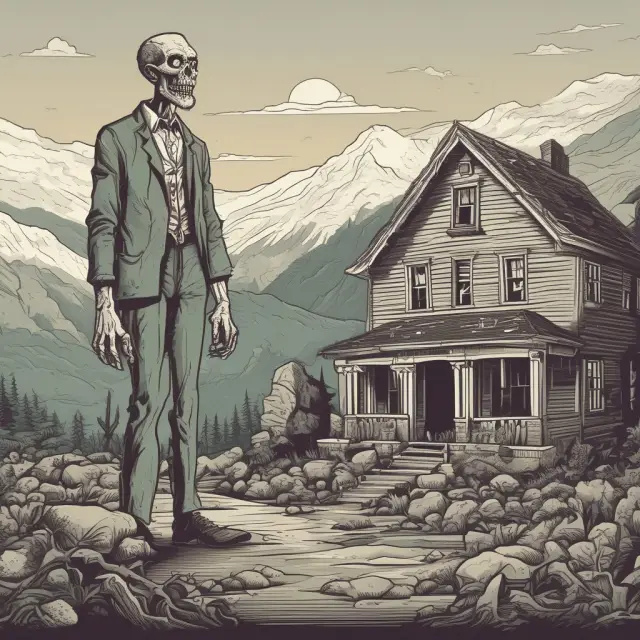
Zombie Titles: Financial Impact on Homeowners
A zombie title is a real estate term used when a homeowner remains in possession of a property despite the lender having dismissed a foreclosure lawsuit without informing them. This situation leaves the homeowner financially responsible for the property, even though they may have believed it to be no longer theirs. Understanding the financial implications for homeowners is crucial.
Financially, holding a zombie title can result in significant costs and responsibilities. The homeowner is still liable for property taxes and maintenance. This includes any outstanding property taxes that might not have been paid during the foreclosure process, as well as ongoing maintenance costs for an unoccupied or poorly maintained property. Such a financial burden can be challenging, especially for homeowners already dealing with financial difficulties.
Moreover, local governments may also pursue legal action against homeowners holding zombie titles due to code violations and public nuisances associated with abandoned properties. The homeowner is ultimately responsible for resolving these issues, even if they were not aware of the property being a ‘zombie title’ in the first place.
Unpaid taxes can also lead to penalties, fines, and potential garnishment of wages or tax refunds. Homeowners might also face damage to their credit score, making it harder for them to secure loans or financial assistance in the future.
In some cases, buyers who unknowingly purchase a property with a zombie title can find themselves in legal limbo, dealing with issues such as liens on the property due to outstanding taxes and penalties. This situation can cause significant stress and uncertainty, especially during the home buying process.
Protecting Yourself from Zombie Titles
To avoid becoming a victim of a zombie title, it’s essential to stay informed about your property’s status throughout the foreclosure process. Homeowners are encouraged to consult legal experts or real estate professionals to ensure that their title is legally transferred to another party once the foreclosure has been completed. By staying engaged and proactive, homeowners can protect themselves from unexpected financial risks associated with zombie titles.

Zombie Titles: Legal Consequences for Homeowners
A zombie title comes with significant legal repercussions for homeowners left holding a property’s title despite being under the impression they have lost it through foreclosure. This situation arises when lenders dismiss their foreclosures without properly notifying homeowners, leading to confusion and potential financial hardship. In this section, we discuss the potential legal implications for homeowners dealing with a zombie title.
One of the most pressing issues is the ongoing liability for property taxes and code violations. Homeowners with a zombie title are still responsible for paying these costs, even if they have moved out or believed their property had been sold through foreclosure. As a result, neglecting or failing to address these expenses can lead to penalties, legal action, and significant financial strain.
Additionally, homeowners may face complications when attempting to sell the property. Although the title should have transferred to the lender following a foreclosure, if the dismissal went unnoticed, potential buyers will still see the original owner’s name on the deed. This ambiguity can hinder the sales process and lead to disputes. Moreover, any outstanding liens or fees that have accumulated while the property was in zombie status may need to be resolved before a sale can take place.
To make matters worse, abandoned properties with zombie titles can negatively impact neighborhood values. The presence of derelict homes can lead to complaints from neighbors and increased municipal involvement for maintenance and code enforcement. These costs may ultimately be passed on to the homeowner, leading to even greater financial hardship. Furthermore, ongoing liabilities such as property taxes, code violations, and potential legal action can impact credit scores and wages, creating further complications.
In some cases, homeowners unknowingly holding a zombie title may receive notices from mortgage servicers, debt collectors or local governments regarding outstanding debts related to the property. This can lead to additional stress and confusion as they navigate the situation and attempt to rectify the issue. In extreme cases, homeowners may even face legal action for failure to pay taxes or code violations that occurred while they were unaware they still held the title.
Protecting yourself from zombie titles requires vigilance throughout the foreclosure process. Homeowners should ensure they receive proper notification of any dismissals or modifications to their mortgage and monitor the public records for updates on the title status. Involving a real estate attorney can also provide an added layer of protection, as they can review documents and offer advice on potential risks or complications. By remaining informed and proactive, homeowners can minimize the chances of being left with a zombie title and the legal consequences that come with it.
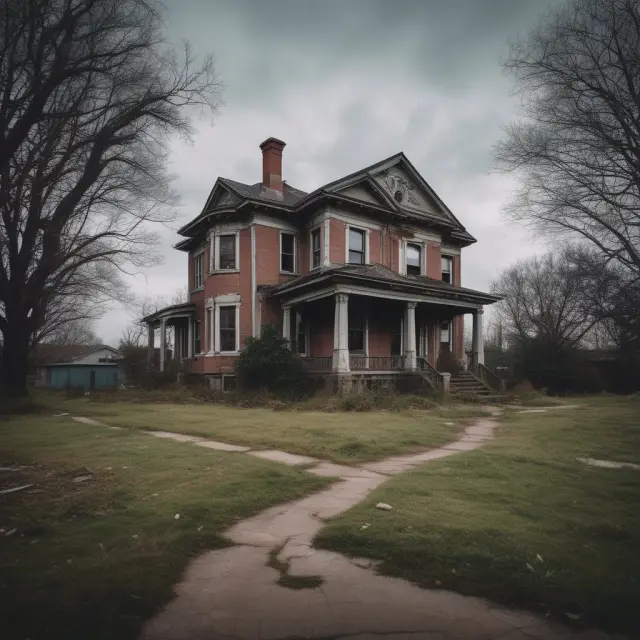
Zombie Titles: Impact on Neighborhoods
Abandoned properties with zombie titles pose significant risks and negative consequences for neighborhoods, which extend beyond the financial implications faced by individual homeowners. The presence of a vacant, neglected property in a neighborhood can lead to a variety of problems that affect not only the homeowner but also their neighbors and the local community.
Firstly, abandoned properties often fall into disrepair. This can result in health and safety hazards for both the surrounding residents and potential buyers, as well as additional burdens for local authorities. Neighbors may be forced to deal with issues such as pest infestations, code violations, and criminal activity stemming from the abandoned property. The costs of addressing these problems can mount up over time and place a significant financial burden on homeowners who live nearby.
Additionally, abandoned properties in a neighborhood can lower property values. When a property falls into disrepair, the value of surrounding homes may decrease due to the negative impact it has on the overall appearance of the neighborhood. This can lead to a decline in desirability and potentially make it more difficult for homeowners to sell their properties or obtain favorable mortgage terms.
Furthermore, abandoned properties with zombie titles can also attract squatters or adverse possession claims. This can result in legal disputes between the rightful property owner and individuals claiming ownership based on their occupation of the property. These disputes can be costly, time-consuming, and emotionally draining for homeowners.
To avoid falling victim to a zombie title and its associated neighborhood consequences, homeowners should take proactive measures. It is essential to stay informed about the status of any foreclosure proceedings against their property and to follow through with the legal requirements for transferring the title to another party once the sale has been completed. Additionally, neighbors can work together to encourage responsible property management within their community by reporting abandoned properties and advocating for local authorities to address the issue.
In recent years, there have been efforts made to combat the problem of zombie titles and the negative neighborhood impacts they cause. For example, some states have passed legislation requiring lenders to more clearly communicate foreclosure dismissals to homeowners or provide a clear process for transferring title following a dismissal. However, these measures are not universally adopted, making it essential for homeowners to remain vigilant and informed about the status of their property and any potential risks associated with zombie titles.
In conclusion, abandoned properties with zombie titles can have far-reaching consequences for neighborhoods. Homeowners and neighbors must work together to stay informed and proactive in addressing these issues, as the impact of a vacant and neglected property extends beyond the financial implications faced by individual homeowners. By staying engaged and advocating for responsible property management within their community, neighborhoods can mitigate the negative effects of zombie titles and protect the value and desirability of their homes.

Identifying and Protecting Yourself Against Zombie Titles
Homeowners can take proactive measures to protect themselves against falling victim to a zombie title. The first step is understanding how they occur: typically, a lender initiates foreclosure proceedings by sending a notice of intent to sell the property. If the homeowner fails to respond to this notice or pay off their debt, the lender will proceed with the sale. However, if the lender determines that selling the property at a foreclosure auction would not be profitable due to significant costs such as unpaid taxes and liens or potential legal liability, it may dismiss the case instead.
If you receive a notice of foreclosure dismissal without your knowledge, you could inadvertently retain ownership of the property and its associated financial responsibilities. To mitigate this risk, follow these steps:
- Monitor your mail: Regularly check your postal mail for notices related to your mortgage or property taxes. If you move or change your address, make sure to update your contact information with your lender and local tax assessor’s office.
- Stay informed about the foreclosure process: Familiarize yourself with the legal procedures in your state regarding foreclosure sales and dismissals. This knowledge will help you better understand what to expect throughout the process.
- Consult a real estate attorney or financial advisor: If you have concerns about your mortgage, contact a professional for guidance. They can offer advice tailored to your specific situation and help ensure that you are taking all necessary steps to protect yourself and your property.
- Attend foreclosure sales or auctions: If your lender schedules a sale or auction, make every effort to attend to confirm the transfer of ownership. This may require hiring an attorney or real estate professional to represent you.
- Verify title transfers: After the foreclosure sale, ensure that the new owner’s name appears on the property title. If your title remains unchanged, contact your lender and local tax assessor’s office to investigate the issue further.
By taking these steps, homeowners can safeguard themselves against the potential financial risks and legal repercussions of holding a zombie title.

Recent Trends in Zombie Titles
Since the 2007-2008 mortgage lending crisis, the occurrence of zombie titles has significantly decreased. However, with inflation and rising interest rates causing a surge in vacancies, the number of abandoned properties is on the rise once again. According to industry data from ATTOM Data Solutions, approximately 1.3% of all residential homes in the U.S. sat empty during Q3 2022, translating to around 1.3 million homes. Of those properties in foreclosure during the same period, roughly 2.85%, or just over 7,700 homes, were considered zombie titles – a clear indication of their persistence despite economic recovery (ATTOM Data Solutions, 2022).
A zombie title is created when a lender dismisses a foreclosure without notifying the homeowner. This leaves the homeowner holding the title with all associated costs and responsibilities. In the aftermath of the financial crisis, millions of homes were left in this precarious position. Although the number of zombie titles has declined since then, their impact remains substantial for both lenders and homeowners alike.
Lenders may benefit from dismissing foreclosures by reaping insurance, tax, and accounting advantages, as well as selling unpaid debts to debt collectors. However, these financial gains come at a significant cost to the unsuspecting homeowner. Holders of zombie titles can face steep fines for back taxes, code violations, and maintenance fees. Unoccupied properties are especially susceptible to decay, further increasing costs for the homeowner. Moreover, abandoned houses negatively impact neighboring property values, compelling municipalities to intervene for third-party maintenance and resulting in additional charges (Barton & Toussaint, 2019).
Recently, there have been efforts to address this issue through legislation. For instance, in California, Assembly Bill 1475 was introduced to prevent lenders from selling or transferring properties with unpaid taxes until the tax owed is paid off. This measure aims to protect consumers by ensuring they do not inherit debts they are not aware of (Legislative Information, 2022). Additionally, some mortgage servicers have implemented new procedures for contacting homeowners when foreclosure dismissals occur. These initiatives, however, do not guarantee a complete resolution as zombie titles can still lead to significant financial and legal consequences for both the affected parties and the broader community.
In conclusion, zombie titles persist despite efforts to mitigate their impact. Homeowners must be vigilant about the foreclosure process and ensure that their title legally transfers to another party upon completion. Lenders can also benefit from implementing transparent communication practices regarding dismissals to prevent homeowners from falling into this financial trap. Ultimately, it is crucial for consumers to remain informed and proactive when navigating the complexities of real estate transactions to protect themselves from unforeseen risks.

Zombie Titles: Impact on Lenders
The implications of a zombie title go beyond individual homeowners; they also affect lenders significantly. The financial consequences for lenders depend on their reason for abandoning the foreclosure process and dismissing the title. This section explores how zombie titles can impact lenders, along with potential strategies they employ to mitigate risks.
When a mortgage goes into default and a lender decides to initiate foreclosure proceedings, it may encounter unexpected costs that ultimately outweigh the potential benefits of taking legal possession of the property. For instance, if the property requires extensive repairs or is overburdened with unpaid taxes, the lender might decide to dismiss the title rather than invest further in a potentially losing endeavor.
By abandoning the foreclosure process, the lender forgoes its right to take possession of the property but may still have recourse to recover losses through insurance, tax benefits, or selling unpaid debt to collection agencies. Though the financial impact on large institutions might not be substantial, it can lead to significant financial difficulties for homeowners who believe they no longer own their property due to a mistaken belief that it has been foreclosed upon.
Homeowners with zombie titles may face unexpected expenses like back taxes and code violations, which can further compound their financial distress. The unoccupied property could also deteriorate if not maintained properly, leading to additional costs for the homeowner. Moreover, neighbors and local governments may become involved, incurring expenses for third-party maintenance and potential penalties for code violations.
To mitigate the risk of holding a zombie title, lenders sometimes engage in strategies such as monitoring foreclosure filings, employing title companies to check property records, or proactively reaching out to homeowners before dismissing the title. These measures can help prevent unwittingly leaving homeowners with unintended financial obligations and ensure that properties are not left abandoned and neglected.
It is important to note that the prevalence of zombie titles has decreased since the 2007-2008 mortgage crisis, as the economy and housing market have stabilized. However, recent trends indicate a potential increase in vacancies and foreclosures, which could result in an uptick in the occurrence of zombie titles. As such, both homeowners and lenders need to remain vigilant and proactive when dealing with mortgage defaults and title dismissals.
In conclusion, while a lender might choose to dismiss a zombie title for various reasons, it can result in significant financial repercussions for the homeowner. Understanding the implications of zombie titles on both parties is crucial to navigate potential risks and protect one’s interests. Lenders must be aware that abandoning a foreclosure does not absolve them of any obligations or liabilities, while homeowners should remain informed about their property status and take steps to safeguard against the possibility of a zombie title.

FAQs about Zombie Titles
What is a zombie title?
A: A zombie title is a real estate title that remains with a homeowner after foreclosure dismissal, leaving them under the mistaken impression that their property has been lost and the title has passed to the lender.
How do zombie titles arise?
A: Zombie titles come about when lenders issue a notice of foreclosure but later dismiss it without informing the homeowner, leading the owner to believe their title has transferred.
Why would a lender dismiss a foreclosure?
A: Lenders may dismiss a foreclosure due to high costs associated with selling the property or potential liability concerns, choosing instead to walk away from the mortgage debt.
What are the financial implications for homeowners holding zombie titles?
A: Homeowners holding a zombie title remain responsible for all associated property taxes, code violations, and other costs, without enjoying the intended benefits of property ownership.
How do zombie titles impact neighborhoods?
A: Abandoned properties with zombie titles can decrease neighborhood values due to public nuisance issues like pest infestations, code violations, and potential legal action against the homeowner.
Can homeowners protect themselves from zombie titles?
A: Homeowners can safeguard themselves by ensuring that the foreclosure process is completed and that their title legally transfers to another party.
What are recent trends in zombie titles?
A: With a strengthening economy and increasing inflation, there has been a resurgence of vacant properties, leading to an estimated 2.85% of homes in foreclosure being sitting empty as zombie foreclosures.
Understanding Zombie Titles: An Overview
Zombie titles represent a complex issue for both homeowners and lenders. This section discusses the origins, implications, and recent trends surrounding these mysterious property titles. In the following sections, we will dive deeper into how zombie titles come about, why they pose financial and legal risks, their impact on neighborhoods, and protective measures homeowners can take to safeguard themselves against them.
Next Section: Zombie Titles: A Result of Foreclosure Dismissals
By exploring the reasons behind foreclosure dismissals and how they contribute to zombie titles, we’ll gain a better understanding of this intricate issue that leaves homeowners in legal limbo.
 Next entry · No. 5,920Zombie Companies: Understanding the Dynamics and Risks
See also
-
 No. 5,918
18 Oct 2025
17 min
Understanding Zombie Foreclosures: The Hidden Dangers for Homeowners and Neighborhoods
Real Estate
No. 5,918
18 Oct 2025
17 min
Understanding Zombie Foreclosures: The Hidden Dangers for Homeowners and Neighborhoods
Real Estate -
 No. 3,394
24 Mar 2025
21 min
Understanding Negative Equity: The Financial Implications for Homeowners and the Economy
Real Estate
No. 3,394
24 Mar 2025
21 min
Understanding Negative Equity: The Financial Implications for Homeowners and the Economy
Real Estate -
 No. 2,797
05 Feb 2025
20 min
Understanding Lease Options: A Flexible Alternative to Traditional Home Buying
Real Estate
No. 2,797
05 Feb 2025
20 min
Understanding Lease Options: A Flexible Alternative to Traditional Home Buying
Real Estate -
 No. 4,791
17 Jul 2025
20 min
Understanding Subordination Agreements: Prioritizing Debts in Finance and Investment
Business Finance
No. 4,791
17 Jul 2025
20 min
Understanding Subordination Agreements: Prioritizing Debts in Finance and Investment
Business Finance -
 No. 4,132
24 May 2025
22 min
Understanding the Property Tax Deduction: What It Is, How to Claim It, and Its Pros & Cons
Taxation
No. 4,132
24 May 2025
22 min
Understanding the Property Tax Deduction: What It Is, How to Claim It, and Its Pros & Cons
Taxation -
 No. 5,925
19 Oct 2025
22 min
Understanding Zoning Ordinances: A Comprehensive Guide for Institutional Investors
Real Estate
No. 5,925
19 Oct 2025
22 min
Understanding Zoning Ordinances: A Comprehensive Guide for Institutional Investors
Real Estate