Understanding Zombie Foreclosures: The Hidden Dangers for Homeowners and Neighborhoods
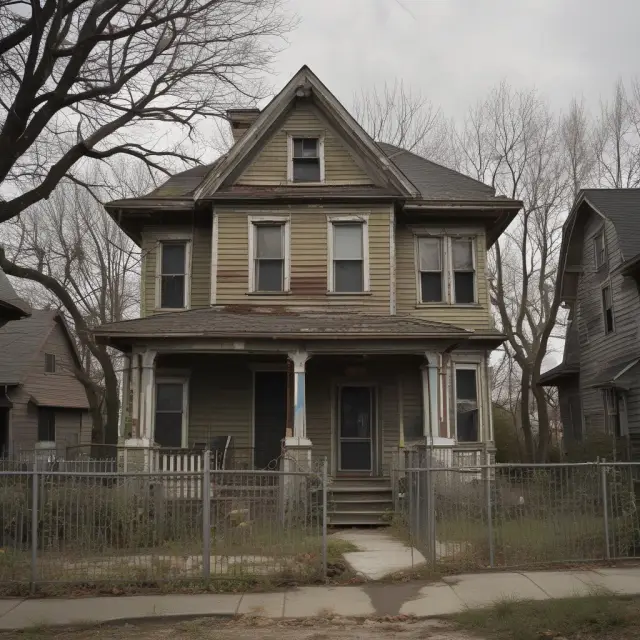
Understanding the hidden dangers of zombie foreclosures, their impact on homeowners and neighborhoods. Learn how to protect yourself.
What is a Zombie Foreclosure?
A zombie foreclosure is an intriguing concept that arises when a homeowner misunderstands their obligations during the foreclosure process, leading to abandonment of their property before legally required. In this scenario, despite vacating their dwelling upon receiving a foreclosure notice, homeowners remain liable for ongoing expenses such as taxes and maintenance until the foreclosure is finalized. This phenomenon can result in an unattended, deteriorating property that negatively impacts not only the homeowner but also the surrounding neighborhood.
During the 2008 housing crisis, countless homes across the US fell into zombie foreclosure limbo. Today, according to ATTOM Data Solutions, approximately 3.8% of all U.S. foreclosures can be classified as zombies (as of Q4 2020). This number has significantly decreased since 2016, with many communities recovering from the aftermath of the housing market’s collapse.
How a Zombie Foreclosure Transpires: A Misunderstood Process
The term “zombie foreclosure” emerges when homeowners mistakenly believe they must vacate their property as soon as a foreclosure notice is issued, unaware that they are still responsible for the property until the legal process has been completed. During a typical foreclosure, the mortgage holder receives a notice of default from the lending institution due to delinquent payments. This announcement sets off a predefined waiting period during which the homeowner can rectify their situation by paying any missed installments. If the borrower fails to pay the outstanding debt, the foreclosure moves forward, and the property title shifts from their possession to that of the lender.
However, it is not uncommon for lenders to abandon the foreclosure process due to cost-related factors such as expenses associated with repairs or back taxes. In this situation, the lender does not acquire title to the house but holds no obligation to notify the homeowner. This leaves the vacant property in the hands of the original owner—who is usually unaware that the foreclosure was abandoned—and thus becomes a “zombie property.”
The Consequences for Homeowners: A Neglected Responsibility
A zombie foreclosure can compound an already challenging situation, making it not only a personal problem but also one for the broader community. By leaving their property before the foreclosure is finalized, homeowners unwittingly assume responsibilities for maintenance, upkeep, homeowners association (HOA) fees, and property taxes until the title transfer occurs. In some instances, local authorities may attempt to recover unpaid taxes or fees or demand reimbursement for necessary repairs. To prevent a zombie foreclosure, homeowners should remain in their residences until they receive an official notice to vacate and ensure that the title is no longer under their name following the completion of the foreclosure process.
How a Zombie Foreclosure Works
A zombie foreclosure arises from a misunderstanding regarding the intricacies of the foreclosure process. In most cases, when homeowners receive a notice stating that their mortgage lender intends to initiate foreclosure proceedings against them, they mistakenly assume they must vacate the premises immediately. Consequently, many homeowners abandon their properties before fully understanding the implications. Although they may believe that their responsibilities for the property have ceased upon leaving, the reality is quite different.
The typical foreclosure process involves a notice of default, a waiting period during which the homeowner can still rectify the situation by making payments to bring their mortgage current, and finally, the legal transfer of ownership from the borrower to the lender following a court order. However, in cases where lenders do not complete the entire foreclosure process, homes may enter a state of limbo referred to as “zombie foreclosures.”
A lender might choose not to finalize a foreclosure due to various reasons, including financial unfeasibility or legal complexities. Despite this decision, they are under no obligation to communicate the status change to the homeowner whose title remains with them. In such circumstances, the property is known as having a “zombie title,” and the former owner may remain responsible for ongoing expenses like property taxes, insurance premiums, and maintenance costs even though they have vacated the premises.
It is essential for homeowners to be aware of their obligations during this period, as failure to maintain the property or pay the necessary fees can lead to further complications. Additionally, abandoned properties in zombie foreclosure create potential safety hazards and negatively impact their surrounding neighborhoods by decreasing property values and attracting criminal activity.
As of Q4 2020, approximately 3.8% of all U.S. foreclosures involved zombies, according to ATTOM Data Solutions. However, the prevalence of such cases has significantly decreased since 2016 when they made up over half of all foreclosures.
Understanding the mechanism behind zombie foreclosures is crucial for homeowners facing financial challenges and for those concerned about their property values within their community. Proactive measures can help mitigate potential risks and protect against unwanted consequences.
Impact on Homeowners
A zombie foreclosure can significantly affect the lives of those who encounter it. For homeowners, this situation arises when they misconstrue the meaning behind receiving a foreclosure notice and leave their property before the legal requirement to vacate. Unbeknownst to them, they continue holding the title to the home until the lender completes the foreclosure process. During this time, homeowners remain responsible for maintaining the property, including paying property taxes, upkeep, and HOA fees.
Homeowners might mistakenly believe that relinquishing possession of their residence resolves their financial obligations. However, this misconception can lead to severe consequences. For instance, if they abandon the house without following due process or making proper arrangements for its transfer, they could face financial ramifications in the future. The legal responsibility to pay back property taxes and other related fees may still apply, even if they have vacated the premises.
Moreover, homeowners might not realize that their credit score can take a hit as a result of a zombie foreclosure. Defaulting on a mortgage leaves a negative mark on one’s credit report, impacting their financial standing for years to come. In some instances, homeowners might consider walking away from their homes during the early stages of financial hardship in hopes of avoiding this damage to their credit score. However, they may ultimately face additional issues that could be even more challenging to manage.
Homeowners in a zombie foreclosure are not only burdened with ongoing property responsibilities but also have an empty house on their hands. If they do not take action to transfer the title or vacate the premises properly, local authorities might intervene and impose additional charges for unpaid taxes or maintenance expenses. To mitigate these risks, it’s crucial that homeowners understand the implications of a foreclosure notice and actively work with their lenders or legal counsel to explore available options.
It is essential for homeowners in this situation to stay informed about the progress of the foreclosure process. By communicating openly with their mortgage servicer, they can learn if they may be eligible for loan modifications, short sales, or other programs designed to help them avoid foreclosure and potentially remain in their homes. Ignoring the situation or assuming that abandoning the property is a viable solution could result in more significant financial hardships down the line.
Legal Consequences for Homeowners in Zombie Foreclosures
A zombie foreclosure’s impact on homeowners extends beyond their initial misunderstanding of the process; it can also carry significant legal consequences. Homeowners who abandon their homes during a zombie foreclosure remain liable for certain financial obligations, potentially leading to further complications and potential eviction.
One of the most immediate and pressing concerns for homeowners in a zombie foreclosure situation is ensuring they continue to pay property taxes and insurance on the home. While the homeowner may have vacated the property, their responsibility for maintaining these expenses does not cease during the pendency of the foreclosure process. Failure to do so could result in the lender taking legal action against them for non-payment.
Furthermore, local authorities might pursue legal remedies against homeowners who leave a property without addressing their financial obligations. They may even place liens on the home to recover unpaid taxes or fees, which would further complicate matters for the homeowner and potentially delay the completion of the foreclosure process.
Moreover, homeowners in zombie foreclosure situations could face eviction if they neglect to vacate the property once it is legally owned by the lender. A judge may grant an eviction order if a lender successfully completes the foreclosure process and the former homeowner remains on the property without legal right.
To avoid these potential legal entanglements, homeowners should remain informed about the status of their mortgage during the foreclosure process. It is essential to understand that while a notice of default might signal the beginning of this process, they are not required to vacate the premises until they receive an official notice to do so from the lender or court. Additionally, staying up-to-date on property taxes and insurance payments can help mitigate complications during this uncertain period.
In conclusion, a zombie foreclosure carries numerous hidden risks for homeowners in addition to its impact on neighborhoods and property values. Homeowners must recognize their continued financial obligations and remain informed about the status of their mortgage during the process. By doing so, they can protect themselves from further legal complications and potentially minimize the negative consequences of a zombie foreclosure.
Zombie Foreclosure vs. Traditional Foreclosure
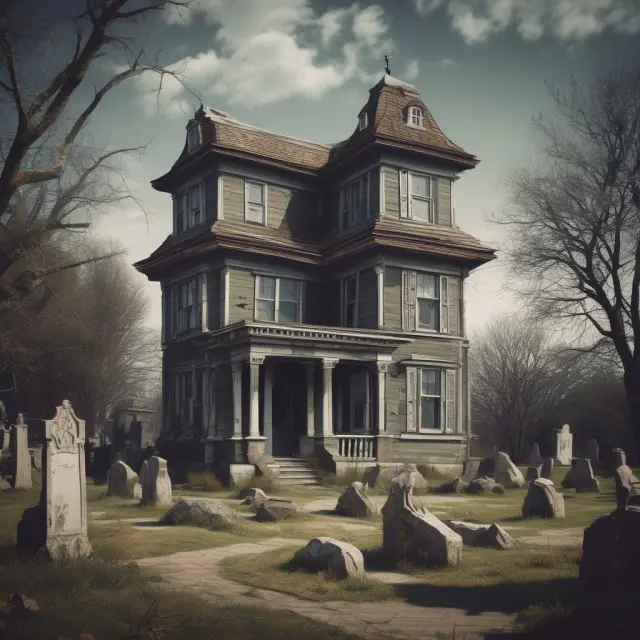
A traditional foreclosure occurs when a lender takes possession of a property due to the borrower’s inability to repay their mortgage. In contrast, a zombie foreclosure is a unique situation where homeowners mistakenly believe that they have lost ownership during the process and abandon the property, leaving it vacant and unattended. The primary difference between these two foreclosure types lies in their legal implications and responsibilities.
In a traditional foreclosure, homeowners receive a notice of default. This formal warning marks the beginning of the foreclosure process, allowing borrowers to explore options like loan modifications or selling the property before the lender initiates the takeover. However, if these attempts are unsuccessful, the lender proceeds with the sale of the house at public auction. The new buyer then assumes all associated responsibilities for taxes, insurance, and upkeep.
Meanwhile, zombie foreclosures stem from homeowners’ misunderstanding that they no longer have title to their property upon receiving a notice of default. In reality, the lender retains ownership until the completion of the formal foreclosure process. Homeowners who leave vacant properties in this state are no longer liable for expenses such as insurance and taxes but may still face eviction proceedings if someone else attempts to occupy the space.
Additionally, abandoned homes in zombie foreclosures can become a significant burden on neighborhoods. The prolonged vacancy contributes to decreased property values due to disrepair and safety concerns. In such cases, local governments or homeowners associations may assume responsibility for maintaining the property. However, they often lack the resources to restore the house to a desirable condition, which further lowers the value of surrounding properties.
As of the fourth quarter of 2020, zombie foreclosures accounted for 3.8% of all foreclosures across the United States. Although the prevalence has dropped from its peak during the 2008 housing market crash, areas with lower income demographics remain disproportionately affected by this issue.
Understanding these differences can help homeowners navigate foreclosure proceedings and protect their rights as well as maintain property values in their communities.
Effects on Surrounding Neighborhoods
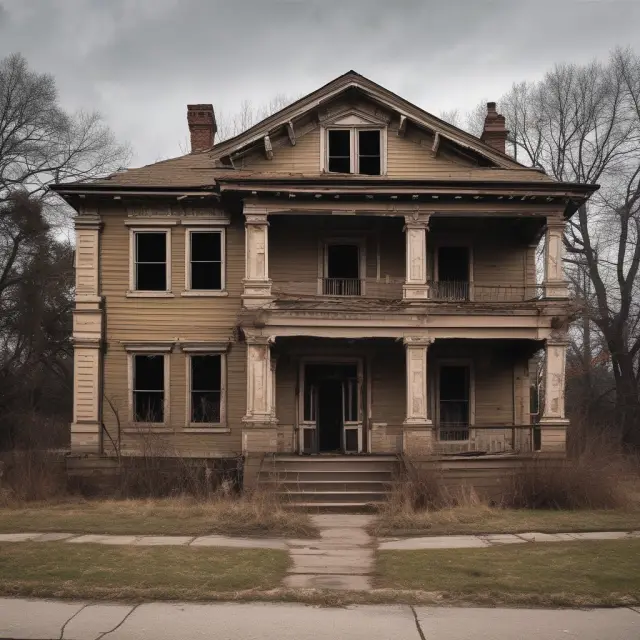
Abandoned homes in zombie foreclosure can significantly impact their neighborhoods by lowering property values and posing potential safety concerns. These once-loved residences now lie vacant, often unattended for extended periods, allowing them to fall into a state of disrepair.
The negative effects are not limited to the properties themselves but extend to neighboring homes as well. Disinvestment in these areas can lead to decreased property values. In some cases, abandoned houses become magnets for crime, contributing further to the decline of the community.
Abandoned buildings also pose safety hazards, such as fire and health risks, which can threaten neighboring residents. The structural instability and deteriorating conditions can create potential hazards to passersby or even the broader public if the property collapses.
In areas with a high concentration of zombie foreclosures, the overall quality of life is diminished. The abandonment of properties contributes to the decline in community pride and creates an environment that discourages new investment and development.
Additionally, local governments can be affected by abandoned homes as they bear the burden of maintaining these properties through increased taxes or other expenses. This diversion of resources away from essential services could exacerbate existing financial challenges for already struggling communities.
During the 2008 housing crisis, zombie foreclosures were prevalent across the United States, with many communities experiencing a surge in abandoned homes and the negative consequences that followed. Since then, efforts have been made to streamline the foreclosure process to minimize instances of zombie foreclosures; however, they remain an ongoing concern for homeowners, neighborhoods, and local governments alike.
The abandonment of properties through zombie foreclosure is a complex issue with far-reaching implications. While it may offer temporary relief for some homeowners facing financial hardship, the consequences for their community can linger long after the property has fallen into disrepair. As such, it’s essential to remain informed about the status of your mortgage and potential foreclosure proceedings in order to protect yourself and your neighborhood.
Prevalence of Zombie Foreclosures
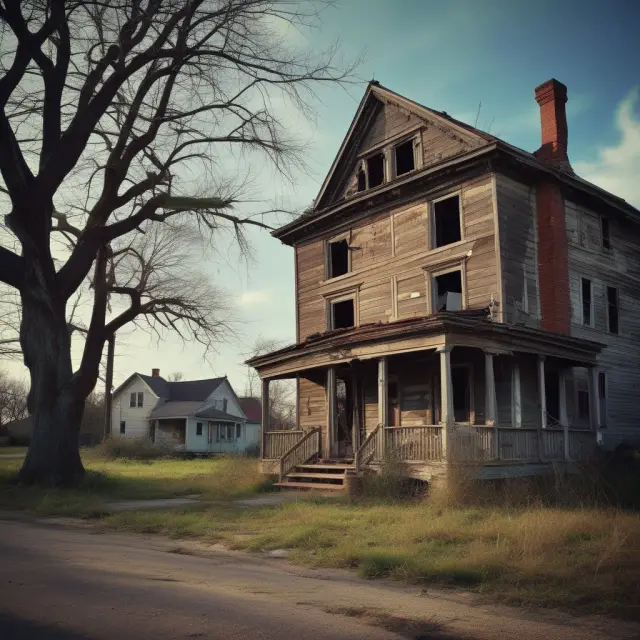
Zombie foreclosures, while not as common as they were during the 2008 housing crisis, still pose risks to homeowners and neighborhoods across the United States. According to ATTOM Data Solutions, in Q4 2020, approximately 3.8% of all foreclosures nationwide could be classified as zombie properties—a significant decrease from the 9.7% reported during the same period in 2016.
Zombie foreclosures are most commonly found in areas with a high concentration of low-income households, and states within the Midwest and Northeast have been identified as having the highest instances. These abandoned properties can lead to a decline in property values and pose safety concerns for their surrounding communities.
The term “zombie foreclosure” refers to a situation where homeowners receive a foreclosure notice but mistakenly believe they must vacate their homes immediately, causing them to abandon their properties prematurely. In reality, the title to the house remains in the original owner’s name until the foreclosure process is complete.
Zombie foreclosures can result from various factors, including lender negligence and homeowner misinformation. For example, a lender might decide not to finish the foreclosure process due to the high cost of repairing the property or paying back owed taxes. In such cases, the lender is under no obligation to notify the homeowner of this situation. The homeowner, unaware that the title remains in their name, may believe they are no longer responsible for maintaining the property, leading to its deterioration.
These abandoned homes can have a profound impact on their communities. Neighbors living near a zombie foreclosure might face decreased property values due to the vacant and neglected property. Additionally, safety concerns arise when these houses fall into disrepair and create hazards for residents. To protect against zombie foreclosures, homeowners facing mortgage difficulties should stay informed about their situation and avoid making hasty decisions based on incorrect information.
As a responsible homeowner, it is crucial to understand the implications of receiving a foreclosure notice. While it may be tempting to abandon your property, doing so could leave you with financial consequences and potential legal issues down the line. Instead, consider working with your lender or seeking professional advice from a real estate attorney to explore alternatives, such as negotiating a payment plan or selling the property before it reaches foreclosure status.
In summary, zombie foreclosures represent a complex issue for homeowners and communities, with potential consequences including ongoing financial obligations, property devaluation, and safety risks. By staying informed about your rights and available resources, you can minimize the negative impact of a foreclosure notice and take steps to protect yourself and your neighborhood.
Causes of Zombie Foreclosures
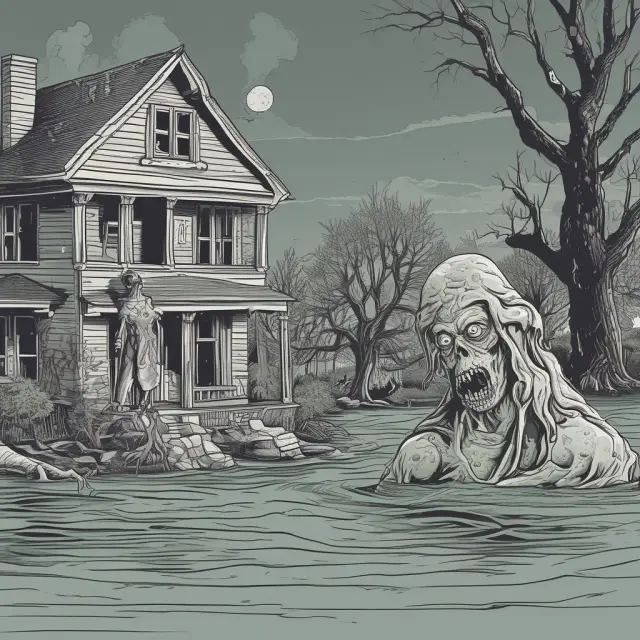
The phenomenon of a zombie foreclosure arises when a homeowner, upon receiving a foreclosure notice, misunderstands their responsibilities and mistakenly vacates the property before legally required. This misconception is at the heart of why thousands of abandoned homes can remain in limbo for years. In reality, until the foreclosure process has been completed, title remains with the homeowner.
Homeowners may not be fully informed about the entirety of the foreclosure process and may believe they must vacate immediately after receiving a notice. This is particularly problematic when it comes to the lengthy timeline for completing foreclosures in some states. For example, in California, the foreclosure process can take up to two years or longer due to complex legal procedures.
Another factor contributing to the persistence of zombie foreclosures is lender negligence. Sometimes, a lender may choose not to finish the foreclosure process due to various reasons such as financial considerations or bureaucratic inefficiencies. In such cases, the title remains with the original homeowner, who often remains unaware that their property has not been transferred to the lender.
Moreover, homeowners might abandon a property assuming they no longer have any legal responsibility for it once the foreclosure process is initiated. However, this is far from the truth. Homeowners are still required to pay property taxes and insurance, as well as maintenance costs, until the title officially transfers to the lender or new owner.
Abandoning a home in zombie foreclosure not only leaves the homeowner at risk for financial repercussions but also negatively impacts their credit score. Additionally, the abandoned property can cause a ripple effect on surrounding neighborhoods by decreasing property values and creating safety hazards. In extreme cases, these issues could lead to blighted areas.
In summary, a zombie foreclosure occurs due to a combination of homeowner misconceptions about their responsibilities during the foreclosure process and lender negligence in completing it. This misunderstanding can result in financial implications for both homeowners and neighborhoods, making it essential that consumers understand the complexities of this situation.
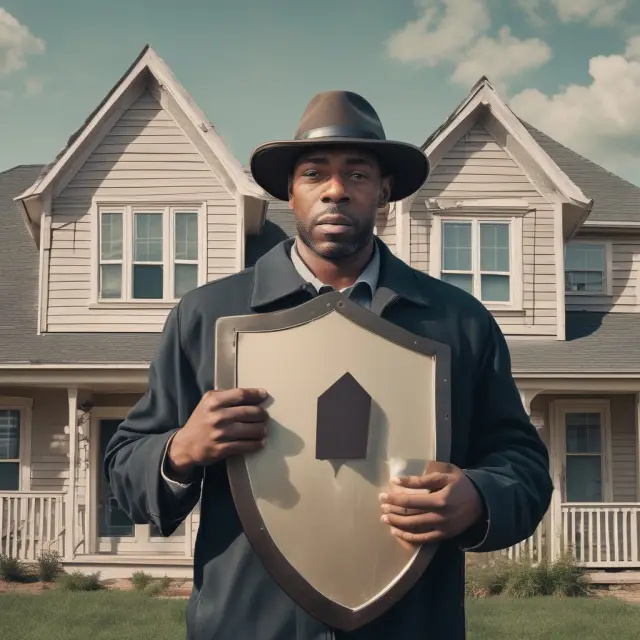
Mitigating the Risks of Zombie Foreclosures
Avoiding a zombie foreclosure can save homeowners from additional financial burdens and preserve their credit score. Homeowners who receive a notice of foreclosure should be aware that this is not an automatic eviction notice; they still hold the title to their property until the legal process has been completed. To mitigate risks, homeowners are encouraged to take the following actions:
1. Contact Lenders and Lawyers: Homeowners must reach out to their lenders or mortgage servicers immediately after receiving a notice of foreclosure to discuss their options for avoiding the foreclosure. It’s essential to understand the terms of the loan, including any missed payments and penalties. Consulting with a qualified lawyer can also help homeowners navigate the process and ensure they are fully aware of their rights and responsibilities.
2. Stay Informed: Homeowners should stay updated on the foreclosure proceedings by contacting their mortgage servicer regularly. By staying informed, they can better understand the timeline for the foreclosure process and make necessary arrangements to prevent the property from falling into a state of disrepair or becoming a zombie foreclosure.
3. Monitor Neighborhood Properties: Homeowners living in communities with high rates of vacant houses should take proactive measures to protect their investments. This includes monitoring neighboring properties, staying informed about local real estate trends, and establishing relationships with community organizations, such as neighborhood watch groups or HOAs. These efforts can help keep the community informed and engaged, reducing the risk of zombie foreclosures.
4. Consider Refinancing: Homeowners who are struggling to make mortgage payments may be able to refinance their loan to lower monthly payments or obtain a more manageable interest rate. This option requires careful consideration, as it may come with added fees and closing costs. Consulting with a financial advisor can help homeowners determine if this is the best course of action for their situation.
5. Work with Credit Counselors: Homeowners in danger of falling behind on mortgage payments can seek assistance from credit counseling agencies, which can provide guidance on managing debt and creating a budget to get back on track. These organizations are typically non-profit and offer free or low-cost services.
By taking these steps, homeowners can protect their assets and minimize the risk of becoming victims of a zombie foreclosure. A proactive approach to navigating the foreclosure process not only safeguards personal finances but also preserves the value of local communities by preventing abandoned homes from falling into disrepair.
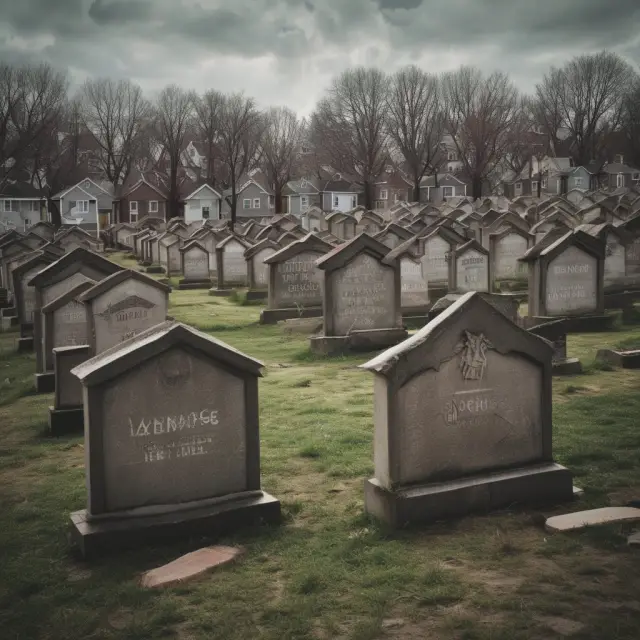
FAQs about Zombie Foreclosures
Understanding the concept of zombie foreclosures can be confusing due to its unique nature and potential impact on homeowners and their communities. Here’s an overview of some frequently asked questions about this phenomenon to help clarify any doubts you might have.
What is a Zombie Foreclosure?
A: A zombie foreclosure occurs when a homeowner, after receiving a foreclosure notice, mistakenly believes they must vacate their property immediately or chooses to abandon it, assuming that the lender now holds title. However, the homeowner remains the legal owner until the foreclosure process is completed. This misunderstanding can lead to numerous issues for the homeowner and potential negative consequences for the surrounding neighborhood.
How does a zombie foreclosure impact homeowners?
A: Homeowners facing a zombie foreclosure may continue to bear responsibilities for maintaining their property, paying taxes, insurance, and other fees, even after abandoning it. Failing to address these obligations could result in significant financial consequences, including eviction and legal action from local authorities or creditors.
What are the legal repercussions of zombie foreclosures for homeowners?
A: Homeowners in a zombie foreclosure situation may face eviction proceedings if they fail to make payments on taxes, insurance, and other obligations. In some cases, lenders may still require the homeowner to pay these expenses even after taking title to the property.
How does a zombie foreclosure differ from traditional foreclosure?
A: A traditional foreclosure follows a specific legal process where homeowners are given time to reinstate their loan or sell the property before the lender takes possession. In contrast, a zombie foreclosure occurs when the homeowner incorrectly believes they have been evicted and thus vacates the property without completing the official foreclosure process.
What is the prevalence of zombie foreclosures?
A: Zombie foreclosures have seen a decline since the 2008 financial crisis, but still affect a significant number of homeowners. In the fourth quarter of 2020, approximately 3.8% of all foreclosures were classified as zombie foreclosures.
What causes a property to become a zombie foreclosure?
A: A property may become a zombie foreclosure due to misinformation or misunderstanding about the foreclosure process. Homeowners might abandon their homes believing they have no further responsibilities, only to find themselves saddled with financial obligations and potential legal consequences later on. Additionally, lender negligence can contribute to this phenomenon as well.
How can homeowners protect themselves from zombie foreclosures?
A: Homeowners facing a foreclosure notice should stay informed about their legal rights and responsibilities. They are encouraged to consult with a real estate attorney or housing counselor to gain clarity on the situation and potential options, such as loan modifications or short sales. Additionally, staying updated on mortgage payments and maintaining open lines of communication with lenders can help prevent a property from becoming a zombie foreclosure.
What impact do zombie foreclosures have on neighborhoods?
A: Zombie foreclosures can lead to numerous negative consequences for neighborhoods, such as decreased property values, blighted properties, and increased crime rates. The abandoned homes may also draw unwanted attention from squatters or vandals, further exacerbating the situation. By understanding the potential impact of zombie foreclosures and taking proactive measures to protect their properties, homeowners can help safeguard their communities as well.
 Next entry · No. 5,919Understanding Zombie Titles: Financial and Legal Risks for Homeowners and Lenders
See also
-
No. 5,919
18 Oct 2025
19 min
Understanding Zombie Titles: Financial and Legal Risks for Homeowners and Lenders
Real Estate
-
 No. 2,144
13 Dec 2024
17 min
Understanding Homeowner Associations (HOAs) and Their Role in Real Estate
Real Estate
No. 2,144
13 Dec 2024
17 min
Understanding Homeowner Associations (HOAs) and Their Role in Real Estate
Real Estate -
 No. 5,155
16 Aug 2025
20 min
Unauthorized Insurers: The Risks of Doing Business with a Fraudulent Insurance Provider
Insurance
No. 5,155
16 Aug 2025
20 min
Unauthorized Insurers: The Risks of Doing Business with a Fraudulent Insurance Provider
Insurance -
 No. 5,938
10 Sep 2026
16 min
Renting vs Buying a Home: The Real Math
Real Estate
No. 5,938
10 Sep 2026
16 min
Renting vs Buying a Home: The Real Math
Real Estate -
 No. 5,925
19 Oct 2025
22 min
Understanding Zoning Ordinances: A Comprehensive Guide for Institutional Investors
Real Estate
No. 5,925
19 Oct 2025
22 min
Understanding Zoning Ordinances: A Comprehensive Guide for Institutional Investors
Real Estate -
 No. 5,619
24 Sep 2025
19 min
Understanding Warranty Deeds: A Comprehensive Guide for Professional Investors
Real Estate
No. 5,619
24 Sep 2025
19 min
Understanding Warranty Deeds: A Comprehensive Guide for Professional Investors
Real Estate