Understanding Housing Units: Definition, Types, and Recording
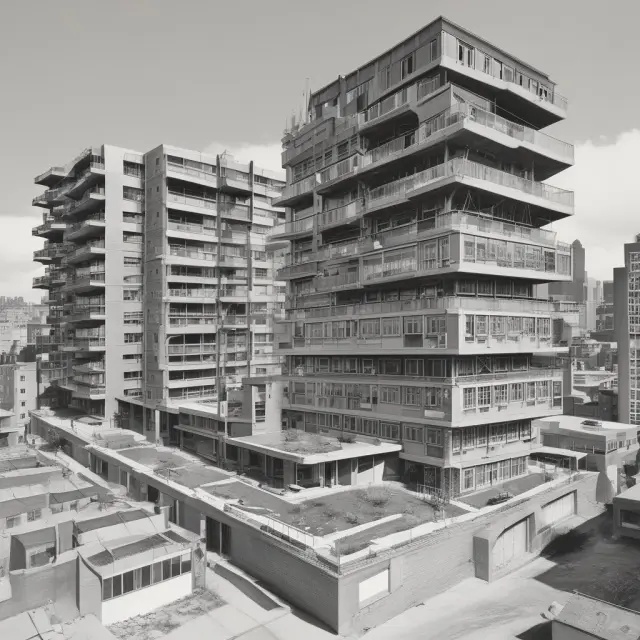
Learn the definition, types, and recording methods for housing units in this comprehensive guide, including natural disasters' impact and new construction.
Definition of Housing Units
What precisely is a housing unit? A housing unit encompasses a single living space within a larger structure that houses an individual or family for the purposes of eating, sleeping, and residing. This can manifest in various forms, including but not limited to, detached houses, apartments, condominiums, mobile homes, and even single rooms within larger structures such as hotels or hospitals. Housing units serve as separate living quarters for their occupants, granting them private access from the exterior of the structure or through a common hallway.
The significance of understanding housing units is noteworthy due to residential construction being the largest contributor to changes in housing unit counts. According to the U.S. Census Bureau, more than 98% of all newly constructed housing units are built on sites with building permits issued.
To clarify, certain living quarters such as dormitories, barracks, transient hotels and motels (excluding those used as primary residences), institutional facilities, hospitals, or military installations do not qualify as housing units according to Census Bureau data. Nonetheless, there are exceptions for instances where the structure’s staff members or resident employees occupy such living quarters.
In 2019, the U.S. Census Bureau reported an estimated total of 139.7 million housing units within its borders. The following factors can lead to a reduction in the number of housing units: interior spaces exposed to the elements, demolished structures, or relocated homes. Natural disasters such as wildfires and hurricanes have been increasingly responsible for significant declines in housing unit numbers, with California’s Butte County experiencing a 13.9% decrease from 2018 to 2019 following the Camp Fire disaster, reducing its total estimated housing units from 100,704 to 86,209.
A housing unit can take various shapes and forms; for example, a homeowner could decide to convert their basement into an apartment suite that is rented out or occupied by extended family members. Similarly, developers may seek permits to construct new multi-unit residential complexes from scratch, contributing to the overall tally of housing units within a given area.

Types of Housing Units
A housing unit is a distinct living space for individuals or families where they can reside, cook, and sleep. These units come in various forms and structures. Let’s explore some common types of housing units:
1. Single-family detached houses: These standalone homes are not connected to any other residential structure. They offer complete privacy and include single-story or multi-story properties.
2. Duplexes and townhouses: A duplex is a structure that has two separate living quarters, usually with shared walls between them. Townhouses share common walls as well but are typically organized in rows with individual entrances for each unit.
3. Apartments: These multi-unit buildings have multiple residential units under one roof, each with its kitchen, bathroom, and living space.
4. Condominiums: Similar to apartments, condominiums consist of individually owned units within a larger building complex. Residents share common areas like parking lots, swimming pools, or gyms.
5. Mobile homes: These prefabricated structures can be installed on rented land and are connected to utility services. They often come with wheels for easy relocation but usually remain at the same site for extended periods.
6. Trailers and houseboats: Both trailers and houseboats are considered temporary residences since they can easily be moved from one location to another. Trailers are placed on land, while houseboats float in water.
7. Group quarters: Group quarters refer to communal living spaces like dormitories, barracks, hospitals, or military installations. These facilities do not qualify as housing units for Census purposes since the residents usually share common areas and have no separate access to a kitchen or bathroom.
Understanding the variety of housing unit types can help us appreciate the versatility in residential options available to individuals and families across different stages of their lives and income levels. Additionally, keeping up with changes in housing unit construction, conversion, and loss is essential for monitoring population growth and economic trends within local communities.
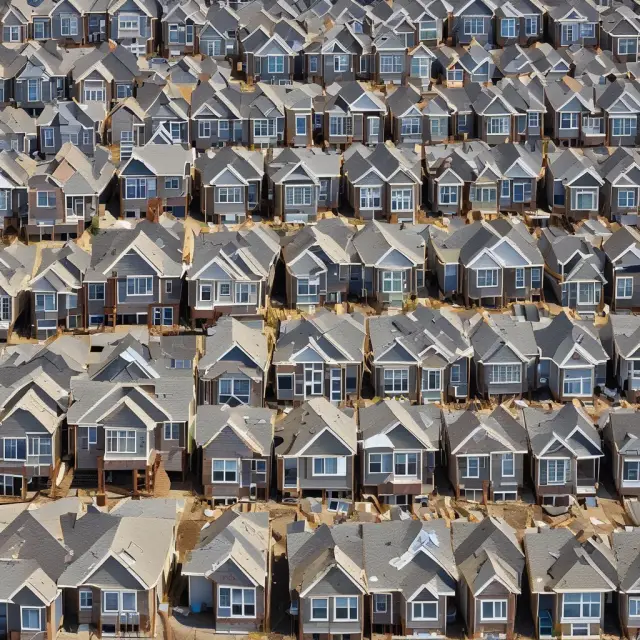
Recording Housing Units: Data and Statistics
Housing units provide essential data for understanding population growth and demographics. The U.S. Census Bureau, a key federal agency responsible for population and housing data collection, records and estimates housing unit information to ensure an accurate representation of the nation’s residential landscape.
Understanding Housing Unit Data
The Census Bureau’s housing unit data is essential in tracking demographic trends, population shifts, and economic growth at various geographical levels. These units provide valuable insight into living conditions, household sizes, and overall housing market dynamics. A housing unit refers to any structure or part of a structure that can function as an independent living space for one family or individual. It may be a single-family house, apartment, condominium, mobile home, or even a hotel room occupied by long-term residents.
Estimating Housing Units
Annually, the Census Bureau generates housing unit estimates at the county and state levels to serve as population control points. The initial estimates are derived from the most recent census data, which is then adjusted based on new residential construction, losses due to natural disasters or demolitions, and other factors. This process allows for accurate tracking of housing market trends and shifts in population distribution.
In 2019, there were approximately 139.7 million housing units across the U.S., representing a growth of roughly 500,000 units from 2018 according to the Census Bureau’s data.
Changes and Losses in Housing Units
Three primary factors result in changes to housing unit counts over time: new residential construction, loss of units due to demolition or natural disasters, and conversion of existing structures into multiple units. The Census Bureau regularly assesses these factors to maintain accurate records and ensure the data remains current and representative.
Significant Losses due to Natural Disasters
Natural disasters, such as wildfires, hurricanes, tornados, and floods, can significantly impact housing unit counts. The devastation left behind by these events can result in a substantial loss of habitable residential structures. For instance, the Camp Fire in Butte County, California, led to the destruction of over 6,000 housing units in 2018, resulting in an approximate 13.9% decline in total county housing units between 2018 and 2019.
New Residential Construction
Permitted residential construction remains a major driver of new housing unit growth. The Census Bureau reports that over 98% of newly constructed housing units are built within areas that issue permits. For example, in 2020, over 1.3 million housing units were estimated to be completed with building permits, representing an increase from the previous year.
The Importance of Housing Unit Data
Housing unit data is critical for policymakers, investors, and researchers alike. It offers valuable insights into economic trends, demographic shifts, and population distribution. By accurately recording housing units and their changes over time, we can better understand the overall health and direction of our communities and economy.
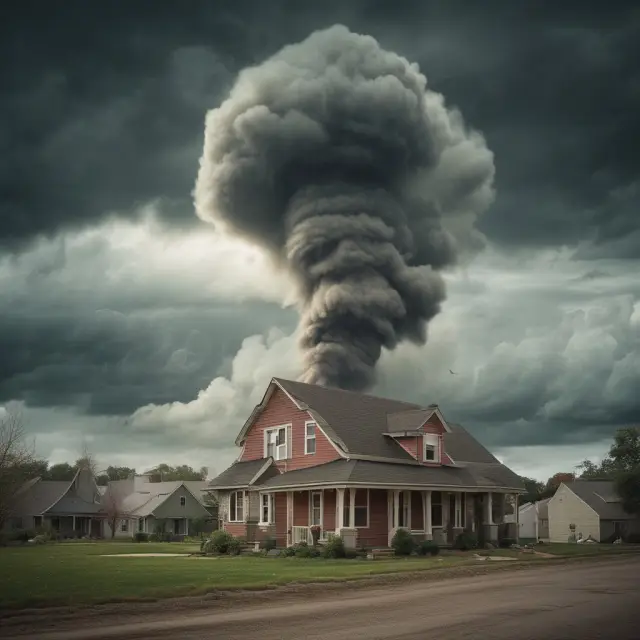
Loss of a Housing Unit: Reasons and Consequences
A housing unit is considered to be the living space occupied by an individual or household, enabling them to eat, sleep, and live separately from others within a larger structure, such as a house, apartment building, or condominium complex. However, certain situations can lead to the loss of a housing unit. In this section, we’ll discuss why housing units are lost and the consequences these losses may have.
Reasons for Loss of Housing Units
1. Exposure to the Elements:
When a housing unit is no longer habitable due to damage caused by natural disasters or extreme weather conditions like floods, hurricanes, tornadoes, or wildfires, it becomes uninhabitable and results in a loss of that unit. For instance, the devastating Camp Fire in Butte County, California, led to an alarming 13.9% decline in housing units from 2018 to 2019.
2. Demolished Units:
Demolition of structures due to various reasons such as structural instability, safety concerns, and urban renewal projects can lead to the loss of housing units. For example, buildings deemed to be a risk due to age or condition are often demolished to make room for new construction.
3. Moved Homes:
A housing unit may also be lost when a house or mobile home is moved from its original location, either within or between states. This situation usually results in the loss of the previous unit and the addition of a new one at the new location.
Implications of Losing Housing Units
Loss of housing units can result in significant consequences for individuals and communities. These implications include:
- Population displacement: When a housing unit is lost, its occupants are forced to find alternative living arrangements, often requiring them to relocate, which may lead to population shifts.
- Economic impact: The loss of housing units can have substantial economic consequences for both individuals and communities. For example, it increases the demand for rental housing and raises the cost of housing due to a shortage of available units.
- Social repercussions: Losing a housing unit may also result in social challenges, such as increased homelessness and displacement, which can contribute to a rise in societal issues like crime and poverty.
- Recovery efforts: In the aftermath of natural disasters that cause significant housing unit losses, communities must work together to help victims rebuild their lives and homes. This may include government initiatives and community organizations providing assistance in the form of financial aid, temporary shelter, and access to essential services.
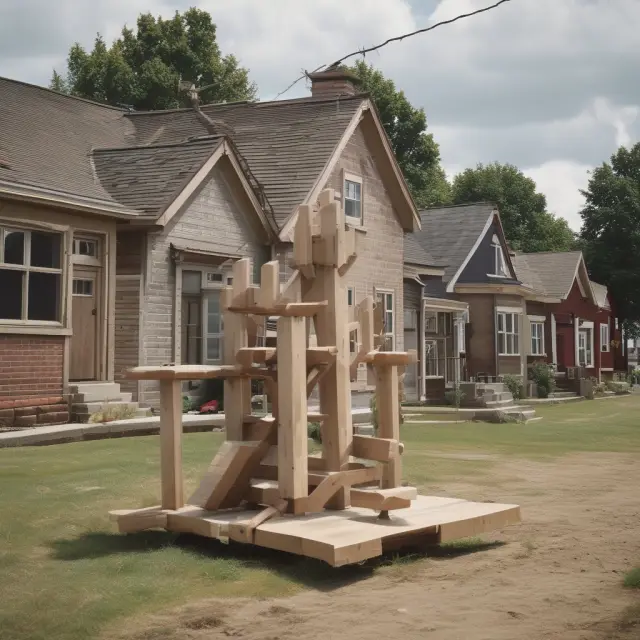
New Residential Construction: Permitted vs. Non-Permitted
New residential construction plays a significant role in shaping the availability of housing units within a community or region. Builders and developers can construct new housing units through permitted or non-permitted methods, leading to unique differences in their characteristics, quality, and potential impact on the local population and economy.
Permitted Housing Units: The Majority
More than 98% of all new housing units are built under permit from the local government or regulatory body. Permitted construction follows strict building codes and regulations to ensure that the resulting structures are safe, durable, and energy-efficient. Builders must submit plans for their proposed development, adhering to specific zoning restrictions, design guidelines, and inspections throughout each phase of construction. In return, homeowners and developers receive a certificate of occupancy (C of O) upon completion, which signifies that the housing unit meets all necessary requirements and is safe for habitation.
Non-Permitted Housing Units: The Minority but Significant
While non-permitted housing units represent a much smaller percentage compared to permitted units, they can still impact the housing market significantly. Non-permitted construction often occurs in informal settlements or areas where local regulations are weak or non-existent. Builders and developers do not obtain permits or adhere to building codes, resulting in structures that may pose safety hazards, lack proper utilities, or have limited accessibility. This type of housing can also be subject to eviction due to demolition or redevelopment efforts if the land is deemed suitable for larger projects.
Comparing Permitted and Non-Permitted Housing Units: Key Differences
1. Building Quality and Safety: Permitted units typically adhere to strict building codes, ensuring better quality and safety standards compared to non-permitted units. Builders are required to follow specific guidelines to create structures that withstand natural disasters and other potential hazards. In contrast, non-permitted units might not have undergone inspections, potentially leading to subpar construction and structural issues.
2. Accessibility: Permitted housing units benefit from public utilities like electricity, water, sewage, and road networks. These utilities can make the housing unit more attractive to potential residents and allow for better access to essential services and amenities. In contrast, non-permitted units might not have easy access to these facilities, which can impact their desirability and functionality.
3. Legal Concerns: Permitted housing units come with the legal assurance of a certificate of occupancy (C of O), ensuring that all necessary regulations were followed during construction. This document is critical for property sales and insurance coverage. Non-permitted housing units, on the other hand, can pose challenges when it comes to legal ownership and transferability.
4. Costs: Permitted housing units usually incur higher costs due to the permitting process, inspections, and adherence to building codes. The additional expenses are a result of the regulatory requirements designed to ensure that the unit is safe, functional, and long-lasting for its occupants. In comparison, non-permitted units are built without these oversights, making them more cost-effective but potentially riskier investments.
5. Impact on Population Growth: New permitted housing units contribute significantly to population growth by providing safe and functional living spaces for residents. They can also drive economic development and community revitalization through increased property values and local commerce. Conversely, non-permitted units may not have the same positive impact since they often lack essential infrastructure and services that support thriving communities.
In conclusion, new residential construction is a crucial factor in shaping the availability and quality of housing units within a community or region. Understanding the differences between permitted and non-permitted methods can help investors, policymakers, and homeowners make informed decisions about their property investments and development efforts. By prioritizing permitted residential construction, governments and developers can ensure that new housing units meet safety standards, offer better access to essential services, and contribute positively to population growth and economic development.

Case Study: Loss of Housing Units due to Natural Disasters
Natural disasters can significantly impact the availability and count of housing units in a region, resulting in a loss of living spaces for those affected. The United States Census Bureau estimates the number of housing units within a country or state each year. These numbers are important because they serve as controls for tracking population growth or decline in cities and towns. When natural disasters strike, they can lead to devastating consequences, including the destruction of housing units.
In recent years, California has experienced an alarming rate of housing unit loss due to wildfires. The Camp Fire, which occurred in Butte County in 2018, resulted in a significant decline in housing units. Specifically, there was a 13.9% decrease in housing units from the previous year, as documented by the U.S. Census Bureau. In 2018, there were an estimated 100,704 housing units in Butte County; however, this number dropped to 86,209 by 2019. This decline represents a substantial loss of living spaces for residents and places additional pressure on the housing market.
Housing units can be lost due to natural disasters in several ways: when an interior is exposed to the elements, when a unit is demolished, or when a home—house or mobile—is moved. The destruction of housing units affects not only those who lose their homes but also local communities and economies. Rebuilding efforts can take time and resources, leaving many individuals displaced and seeking new living arrangements.
Understanding the impact of natural disasters on housing units is crucial to both residents and policymakers. Knowledge about these losses helps allocate resources for recovery efforts and provides insight into potential changes in population growth or decline within affected areas. It also highlights the importance of disaster risk reduction measures to minimize the number of lost housing units and prevent further damage.
In conclusion, housing unit estimates play a critical role in tracking population growth or decline within states and counties. Natural disasters can significantly impact these numbers through the loss of housing units, as demonstrated by the devastating Camp Fire in Butte County, California. Being aware of these losses helps allocate resources for recovery efforts and emphasizes the importance of disaster risk reduction measures to minimize future damages.

Converting Existing Homes into Multiple Housing Units
Homeowners and developers have the opportunity to create new housing units by converting existing homes or buildings into multiple living quarters. This can be an excellent way for homeowners to generate rental income, provide affordable housing options, and expand their community. Moreover, it is a crucial method of accommodating population growth in areas with limited land availability.
One popular approach for homeowners is converting the basement or attic space into separate living quarters. These spaces can be transformed into an additional apartment or suite. Once completed, the homeowner may choose to rent out this new unit to tenants or offer it as a living space for family members. This conversion adds to the overall housing inventory in that locality and helps meet the demand for more affordable living options.
A more significant example of converting existing structures into multiple housing units is seen through apartment complex development. In this scenario, developers acquire empty land parcels and construct multi-unit buildings such as duplexes, triplexes, or large apartment complexes. Obtaining the necessary building permits is a crucial first step in the process. These permits ensure that the construction adheres to local safety codes and zoning regulations. Once approved and built, these new housing units are added to the inventory, contributing positively to the overall population growth of a community.
It’s important to note that converting existing structures into multiple housing units not only adds to the housing inventory but can also play a role in revitalizing neighborhoods. The creation of new living spaces encourages economic activity through increased demand for local amenities, services, and businesses. This can lead to enhanced community development and overall improvement in the quality of life for residents.
The process of converting existing homes into multiple housing units not only benefits homeowners and developers but also helps address pressing societal concerns such as population growth and affordable housing options. Additionally, these conversions contribute significantly to the construction sector by creating jobs, driving economic activity, and increasing property values in local communities.

Apartment Complex Development: New Housing Units from Scratch
When it comes to residential construction, one significant development is the creation of new housing units through apartment complexes. An apartment complex refers to a large structure containing multiple self-contained living spaces designed for different households. These multi-unit buildings offer numerous advantages to developers, investors, and residents alike.
First and foremost, apartment complexes provide an economical solution to the rising demand for housing, enabling property owners to build more units on a single piece of land than would be possible with detached single-family homes. This development strategy has been gaining popularity in urban areas where population growth and space constraints require innovative solutions for addressing housing shortages.
The construction process of an apartment complex typically involves several phases, including planning, design, financing, permitting, and construction. Let’s delve deeper into each stage:
1. Planning: Before embarking on the development of a new apartment complex, extensive research and planning are required to ensure its financial feasibility and success. This includes market analysis to gauge demand, location selection, zoning assessments, and designing the layout of the property. Developers may consult experts such as architects, urban planners, and engineers during this stage.
2. Design: Once the planning phase is complete and the necessary permits are obtained, developers will work with architects and interior designers to create the aesthetic vision for their apartment complex. This could include designing common spaces like pool areas, gyms, and laundry facilities, as well as individual units themselves.
3. Financing: A major challenge for any large-scale development project is securing the necessary financing to cover the costs of construction. Developers may seek out loans from banks or financial institutions, or even turn to private equity firms to help fund their projects. Prospective investors often look closely at factors such as the market potential and feasibility studies before committing their resources.
4. Permitting: Before starting any construction work, developers must secure the necessary permits from local authorities. This process can be time-consuming but is essential for ensuring that the building adheres to all applicable codes and regulations. Failure to obtain proper permits can result in significant delays or even the halting of a project.
5. Construction: Once all permits are acquired, developers can begin construction on their apartment complex. This process involves various phases such as excavation, foundation work, framing, electrical and plumbing installation, insulation, drywall installation, painting, and finishing touches. During this period, the developer will also work with contractors to address any unexpected issues that may arise.
6. Marketing and Management: Once construction is complete, developers must market their apartment complex to attract potential renters or buyers. Effective marketing strategies include social media campaigns, targeted advertising, open houses, and partnerships with local businesses to offer incentives for early sign-ups. After filling the units, property management becomes essential for maintaining a positive living environment for residents through regular maintenance, repairs, and community events.
In conclusion, the development of new housing units in apartment complexes has become an increasingly popular solution to address population growth and space constraints in urban areas. With proper planning, financing, permitting, and construction, developers can create economically viable living spaces that cater to the needs of modern residents while generating strong returns on investment.
Remember to refer back to our earlier sections for a more comprehensive understanding of housing units, their types, and the data behind recording them.
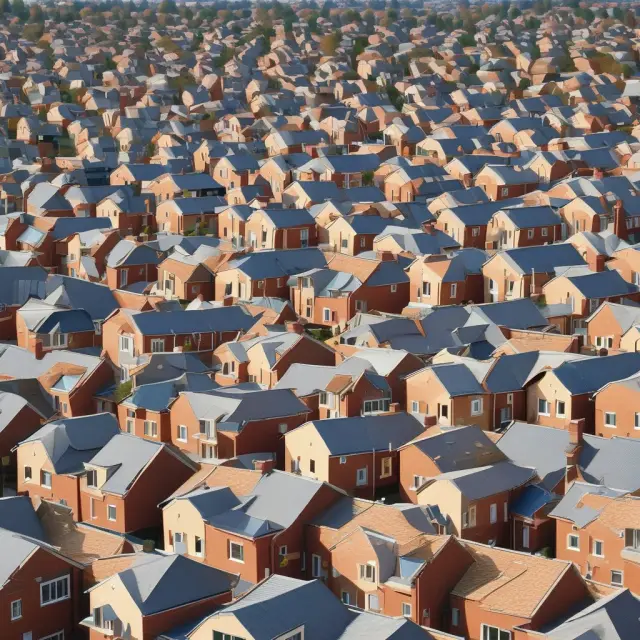
Impact on Local Economies and Population Growth
Understanding the role of housing units in local economies and population growth is vital since residential construction contributes significantly to both. Housing units encompass various types of structures such as houses, apartments, mobile homes, or group rooms that provide an individual or family with the ability to live, eat, and sleep separately from others.
New residential development plays a substantial role in creating additional housing units, particularly through permitted constructions. According to the U.S. Census Bureau, over 98% of new housing units are constructed in areas that issue building permits. These units can significantly contribute to local economies by generating jobs during construction and stimulating demand for goods and services once occupied.
However, natural disasters like wildfires, hurricanes, or floods can lead to a substantial loss of housing units. This loss can have far-reaching consequences on the affected communities’ population and economic growth. For instance, the devastating Camp Fire in Butte County, California, resulted in the destruction of thousands of homes and caused a significant decrease of 13.9% in the county’s housing units from 2018 to 2019. This loss directly impacted the population as many residents were displaced and forced to relocate, which could have long-term consequences on local schools, businesses, and social networks.
The conversion of existing homes into multiple housing units or the development of new apartment complexes also plays a role in altering the landscape of local economies. This growth can result in job opportunities during construction, an increase in demand for goods and services, and attracting new residents to the area. On the other hand, it may lead to increased competition for resources and potential strain on existing infrastructure and services.
The Census Bureau’s annual housing unit estimates are crucial for tracking population growth or loss at the city, town, county, and state levels. These estimates are based on the most recent census data, new residential construction, and subtractions due to demolished units or relocated homes. As of 2019, there were approximately 139.7 million housing units in the U.S., up from an estimated 138.5 million units in 2018.
In conclusion, changes in housing units can have profound effects on local economies and population growth. Understanding this relationship is essential for policymakers, developers, and residents to make informed decisions regarding community development, infrastructure improvements, and resource allocation.

FAQs: Frequently Asked Questions about Housing Units
What exactly is a housing unit?
A housing unit refers to a single, independent living space where individuals or families reside. These can take the form of houses, apartments, condos, mobile homes, and more, offering separate quarters for residents.
How are new housing units created?
New housing units are primarily developed through permitted residential construction, which includes building projects that undergo a formal approval process before beginning. Permitted new construction accounts for over 98% of all new housing units in the U.S.
Can mobile homes be considered housing units?
Yes, mobile and manufactured homes are classified as housing units and are included when calculating total housing inventory.
What determines a loss of housing units?
Housing units can be lost due to various reasons: an interior exposed to the elements, demolished units, or relocated homes. For example, natural disasters like wildfires and hurricanes have led to significant losses in certain areas.
How is the number of housing units estimated and tracked?
The U.S. Census Bureau provides annual estimates for housing units through a combination of census data, estimated residential construction, and subtracting the estimated number of lost units. This information is used as a control for population growth or loss calculations in cities and towns.
What are examples of housing units?
Examples of housing units include standalone houses, apartments within multi-unit buildings, converted basements, secondary suites, and mobile homes.
How does the loss rate of housing units vary across states?
The loss rate of housing units can significantly differ from one state to another. For instance, areas prone to natural disasters like California have experienced notable declines in their housing unit counts due to fires and other calamities.
What structures are not considered housing units according to the Census Bureau?
Dormitories, barracks, transient hotels and motels (except for those considered residents’ primary residences), institutional quarters, and military installations (again, with exceptions) are not considered housing units.
 Next entry · No. 2,235Understanding Housing Bubbles: Causes, Impacts, and Lessons Learned from the U.S. Real Estate Crisis
See also
-
 No. 4,750
14 Jul 2025
21 min
Understanding Stipends: Definition, Types, Rules, Tax Implications, and Real-world Examples
Business Finance
No. 4,750
14 Jul 2025
21 min
Understanding Stipends: Definition, Types, Rules, Tax Implications, and Real-world Examples
Business Finance -
 No. 4,551
28 Jun 2025
20 min
Understanding Safe Harbors in Finance and Investment: Strategies, Types, and Examples
Business Finance
No. 4,551
28 Jun 2025
20 min
Understanding Safe Harbors in Finance and Investment: Strategies, Types, and Examples
Business Finance -
 No. 4,317
09 Jun 2025
19 min
Understanding Receipts: Definition, Types, Importance, and More
Business Finance
No. 4,317
09 Jun 2025
19 min
Understanding Receipts: Definition, Types, Importance, and More
Business Finance -
 No. 3,924
08 May 2025
18 min
Understanding Payouts: Definition, Types, Ratios, and Capital Budgeting
Business Finance
No. 3,924
08 May 2025
18 min
Understanding Payouts: Definition, Types, Ratios, and Capital Budgeting
Business Finance -
 No. 3,649
15 Apr 2025
19 min
Offshore Banking Units: What They Are and How They Operate
Business Finance
No. 3,649
15 Apr 2025
19 min
Offshore Banking Units: What They Are and How They Operate
Business Finance -
 No. 3,537
06 Apr 2025
18 min
Understanding Non-Issuer Transactions: Definition, Types, and Regulations
Business Finance
No. 3,537
06 Apr 2025
18 min
Understanding Non-Issuer Transactions: Definition, Types, and Regulations
Business Finance