Understanding Housing Starts: A Key Economic Indicator in Finance and Investment

Understanding Housing Starts: Definition, economic impact, seasonal adjustments, volatility, historical trends, and FAQs. Key data for finance and investment.
Introduction to Housing Starts: Definition and Importance
What Exactly Are Housing Starts?
The term ‘housing starts’ refers to the initiation of construction on a new residential dwelling unit, marked by groundbreaking for the home’s foundation or footing. As a significant economic indicator, housing starts data are closely monitored by financial market participants and economists to gauge the health of the housing sector. The U.S. Census Bureau publishes monthly estimates based on surveys of homebuilders partially funded by the U.S. Department of Housing and Urban Development (HUD). This report, known as the New Residential Construction report, also includes data for building permits and completions.
Understanding Housing Starts’ Economic Significance
The housing sector is pivotal to the economy, affecting various industries like banking, construction, real estate, employment, and consumer spending. As new housing units represent a significant investment in capital goods, the willingness of builders to commit resources to new projects depends on their assessment of demand. Consequently, trends in housing starts can shed light on overall risk appetite and consumer sentiment.
Seasonally Adjusted Data: Why it Matters
Monthly housing starts data are seasonally adjusted to account for the significant seasonal variations affecting various regions across the United States. The annualized rate is calculated from this seasonally adjusted monthly total, providing a more accurate representation of overall housing market trends.
What Constitutes a Housing Start
A housing start is recorded once groundbreaking begins for a new dwelling unit – be it single-family homes or multi-family buildings with two or more units. Each multi-unit project represents a separate housing start, which adds up to a total number of starts for the given period. The Census Bureau’s New Residential Construction report divides housing data into three categories:
- Single-family homes
- Multi-family housing with 2-4 units
- Multi-family housing with 5 or more units (like apartment complexes)
Regional Data Breakdown
The Census Bureau also publishes housing starts data by region, allowing for a more nuanced understanding of the broader housing market trends: Northeast, Midwest, South, and West. This regional breakdown provides valuable insights into the economic landscape of each area and helps investors assess local economic conditions.
Methodology for Estimating Housing Starts Data
The Census Bureau collects housing starts data by surveying a representative sample of building permit offices nationwide, then tracks these projects from initial groundbreaking to completion and sale. This data collection methodology offers valuable insights into the broader housing market trends while accounting for sampling errors using 90% confidence intervals.
Volatility in Housing Starts Data: What to Expect
Month-to-month changes in housing starts can be quite volatile due to seasonal variations, extreme weather conditions, and other temporary factors. The Census Bureau acknowledges that it takes around six months of data to establish the underlying trend, making long-term perspective an essential part of interpreting housing starts data accurately.
Historical Trends in US Housing Starts
Examining historical trends and cycles of US housing starts can provide valuable insights into the sector’s performance over time and help investors anticipate future market conditions. Understanding how housing starts have evolved can offer important context when evaluating current economic conditions, investment opportunities, and risks.
Implications for Stock Market Investments
The monthly housing starts report can influence stock market performance, particularly in sectors like homebuilders and related industries such as lumber, copper, cement, and various other construction materials. Analyzing trends in housing starts data can provide valuable insights into the broader economic landscape, helping investors assess risk appetite and consumer sentiment, making informed investment decisions, and staying ahead of market trends.
FAQs on Housing Starts: Addressing Common Questions
For those new to housing starts, it’s essential to address some common questions and concerns, such as “What causes a housing bubble?”, “What is the difference between permits, completions, and starts?”, or “How do interest rates impact housing starts?” Additionally, various resources, including reports from organizations like the National Association of Home Builders (NAHB), can offer valuable insights into current trends, forecasts, and data analysis to help investors make informed decisions.

Housing Starts and Economic Impact
The significance of housing starts lies in their role as an essential economic indicator, providing insights into the health of the housing sector and its impact on various industries and consumer spending. A new housing start denotes the commencement of construction on a residential property, including single-family homes and multi-family dwellings. This data is crucial for financial markets participants, banking institutions, and government policymakers as it indicates builders’ willingness to invest in new projects based on their assessment of housing demand.
The U.S. economy benefits from the housing sector in numerous ways. First and foremost, each new housing start sets off a chain reaction of increased consumer spending on appliances, furniture, and other necessities for a new home. Moreover, the construction industry experiences a surge in activity, leading to job growth and stimulating demand for raw materials such as lumber and copper. Additionally, housing starts are essential for the real estate sector, particularly since the value of land and existing homes can be influenced by the construction of new properties.
Understanding seasonal adjustments is crucial when evaluating housing start data. The Census Bureau releases seasonally adjusted annual rates to account for predictable variations in building activity throughout the year. For example, during colder months, fewer starts are expected due to weather conditions and decreased demand. Seasonally adjusted data helps analysts and investors identify trends by comparing each month’s data to a normalized benchmark.
Housing starts are categorized according to their location: Northeast, Midwest, South, and West. Analyzing regional data offers insights into the health of specific housing markets and helps investors gauge potential opportunities for investment within these regions. Furthermore, the Census Bureau employs a sample-based survey methodology to estimate the number of new housing starts. This approach ensures comprehensive coverage while minimizing costs. By using a statistically sound sampling technique, analysts can infer information about the entire U.S. market based on data from a representative sample of local permit offices and construction sites.
Seasonal Adjustments in Housing Starts Data
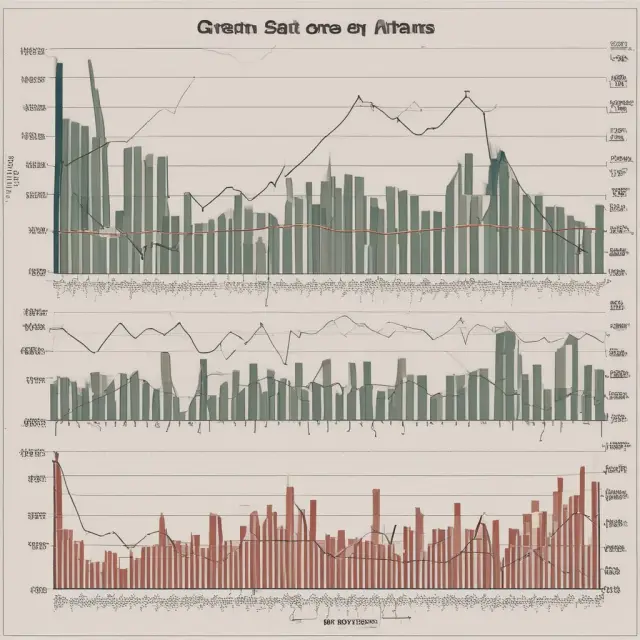
Housing starts data, as reported by the U.S. Census Bureau, is subject to significant seasonal fluctuations due to the impact of weather, holidays, and other factors. To account for these seasonal variations, the data is seasonally adjusted using a statistical method called X-12-ARIMA. This process allows analysts and investors to compare housing starts trends more effectively, particularly when examining month-to-month changes.
Seasonally adjusted data is calculated by applying statistical techniques to historical data to identify and remove regular seasonal patterns. The adjustment results in a more accurate representation of underlying trends in the economy. In the context of housing starts, this adjustment removes the effects of normal seasonal fluctuations caused by factors such as weather or holidays.
Seasonally adjusted rates are reported as annualized figures, meaning they represent what would be expected over a 12-month period if the current month’s trends continued throughout the year. The monthly housing starts data released by the Census Bureau includes both seasonally adjusted and unadjusted figures.
When analyzing seasonally adjusted housing starts data, it is essential to recognize that short-term weather disruptions or other unusual circumstances can cause significant fluctuations in the data. These disruptions, such as a severe winter storm or an unexpected surge in building permits, can lead to irregular monthly changes. However, after several months of data collection, a clearer trend emerges as these temporary factors even out.
Understanding seasonally adjusted housing starts data provides valuable insights into the economy and the housing sector. By focusing on this data, investors and analysts gain a better perspective on long-term trends and can make more informed decisions regarding investments in industries such as homebuilding, construction materials, and related sectors.
It’s important to note that seasonally adjusted data should not be interpreted in isolation but rather in the context of broader economic indicators, market conditions, and industry trends. This holistic approach allows for a more comprehensive assessment of the housing market’s health and its implications for investors.

What Constitutes a Housing Start
A housing start signifies the commencement of construction on a new residential dwelling unit. This measure is critical to investors as it represents an essential factor in determining the health of the economy, particularly with respect to consumer spending and various industries like banking, construction, and real estate. The U.S. Census Bureau is responsible for estimating monthly housing starts based on a survey of homebuilders. It’s crucial to remember that every unit in multi-family projects counts as a separate housing start.
Defining the Moment of a Housing Start
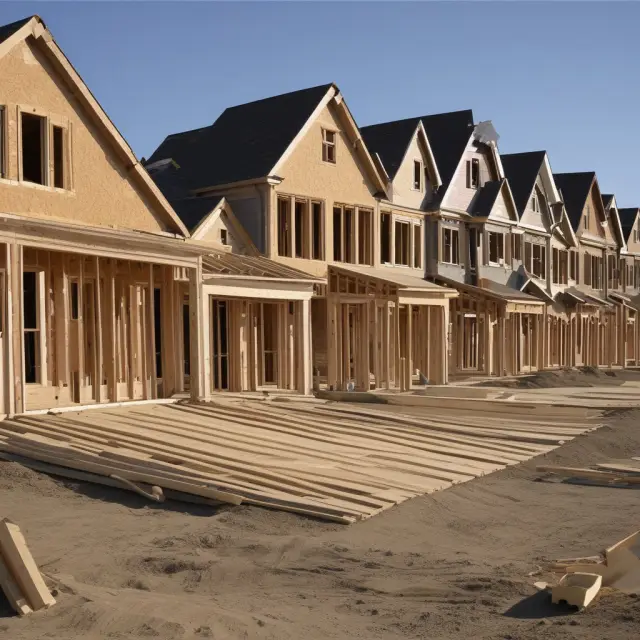
The moment a housing start occurs is when groundbreaking begins, marking the excavation for the home’s foundation or footing. This significant event sets the stage for future consumer spending on appliances and furniture related to this new residential development.
Multi-Family Building Units
In the context of housing starts data, each unit in a multi-family housing project is considered a separate housing start. For example, if an apartment building with 25 units initiates construction, it would register as 25 individual housing starts. The Census Bureau breaks down the national housing starts data into three categories:
- Single-family homes
- Multi-family housing containing two to four units
- Multi-family housing with five or more units (such as apartment buildings)
Single-family homes and multi-family housing with five or more units are reported on a seasonally adjusted basis, while unadjusted data is provided only for multi-family housing with two to four units. The latter category’s data is crucial in assessing trends in smaller residential projects.
Methodology for Tracking Housing Starts
The Census Bureau calculates housing starts using a representative sample of building permits issued by a sample of local permitting offices. It then tracks these projects from initiation through completion and sale to establish the final number of new housing units started within a given month. This robust data collection process ensures investors have access to reliable and comprehensive information on the current state and future trends of residential construction in the United States.

Regional Breakdown of Housing Starts Data
The Census Bureau’s monthly housing starts report offers invaluable insights into the health of the residential construction sector at the national level. However, it is equally essential to examine this data within a regional context. The U.S. housing market experiences significant variations between regions due to various factors such as population growth, economic conditions, and climate patterns. By analyzing housing starts by region, investors can gauge local trends, identify potential investment opportunities, and assess the impact of regional differences on overall economic performance.
The Census Bureau provides housing starts data for four main U.S. regions: Northeast, Midwest, South, and West. The regional breakdown offers a more nuanced understanding of housing demand and supply dynamics, which can help investors make informed decisions based on market conditions within each region. In general, the West region tends to have the highest number of starts due to its large population and robust economic growth, while regions such as the Northeast and Midwest may experience more seasonal fluctuations due to climate conditions.
It’s important to note that regional data is based on unadjusted data for multi-family housing with two to four units, but seasonally adjusted rates are provided for single-family homes and multi-family projects consisting of five or more units. This discrepancy in adjustment levels can impact the comparability of data between regions, as climate conditions and regional economic factors may influence the prevalence of larger residential developments versus smaller ones.
The Census Bureau’s regional breakdown enables investors to monitor trends that could potentially affect home builders and other real estate investment trusts (REITs). For example, a significant increase in housing starts in one region could lead to increased competition among developers or higher demand for building materials in that area, potentially impacting the performance of companies operating within those markets.
Furthermore, regional housing starts data can provide insights into broader economic trends and investment opportunities. For instance, if a particular region experiences high levels of population growth, an increase in housing starts could be an indication of a strong housing market and potential demand for related industries such as homebuilding materials, appliances, or furniture retailers.
Investors should also consider regional variations when interpreting historical trends in housing starts data. For example, the Northeast region experienced significant growth in housing starts during the post-World War II era due to population migration from urban areas and suburbanization. By contrast, the Midwest experienced a boom in housing starts during the 1980s as part of a broader national trend fueled by low mortgage rates and increasing homeownership.
To stay informed about regional housing starts trends, investors can follow monthly reports released by the Census Bureau, as well as other industry-specific reports from organizations such as the National Association of Home Builders or real estate research firms like Zillow and Realtor.com. By combining insights gained from these sources, investors can gain a comprehensive understanding of the housing market’s performance and potential investment opportunities at both the national and regional levels.

Census Bureau’s Methodology for Estimating Housing Starts
To gain an accurate understanding of the new residential construction market in the United States, investors and economists rely on data from the U.S. Census Bureau. The methodology employed by this reputable government agency to estimate housing starts is based primarily on two surveys – one targeting homebuilders and the other targeting building permit offices.
The New Residential Construction report, published monthly on the 12th business day, estimates the number of new privately-owned residential units that have started construction in the past month. This figure includes single-family homes as well as multi-family housing projects containing two or more units. The Census Bureau divides the national data into four geographical regions – Northeast, Midwest, South, and West – to provide a comprehensive analysis of the trends influencing new residential development across the country.
The primary source for the single-family housing data comes from the Survey of Construction (SOC), which collects data on building permits issued by permitting offices for new single-family housing units. The Census Bureau samples 17,000 permitting offices and uses historical data to estimate monthly starts for those offices not surveyed. This sample size results in a margin of error of approximately ±6% for the total national single-family housing starts.
However, the Census Bureau calculates multi-family housing starts differently due to its greater complexity and variability. Here, they employ the Survey of Construction and Financing of Multifamily Primary Market Sales (MulitFamily), which collects data from builders regarding new privately-owned multifamily housing projects with five or more units. Since this survey covers only a sample of these larger projects, the Census Bureau uses historical trends and other data sources to estimate housing starts for multi-family projects containing two to four units.
The estimation of seasonally adjusted monthly housing starts is crucial to identifying underlying trends in the market, as it adjusts for regular seasonal fluctuations. The Census Bureau calculates these adjustments based on historical patterns, allowing accurate comparisons from one month to another.
In conclusion, the U.S. Census Bureau’s methodology for estimating housing starts plays a vital role in providing valuable insights into the new residential construction market and its impact on various industries, employment, and consumer spending. By combining data from multiple surveys and employing seasonal adjustments, the Census Bureau delivers essential information for investors, economists, and policymakers to make informed decisions regarding the housing sector’s future direction.

Understanding the Volatility in Monthly Housing Starts Data
Month-to-month changes in housing starts can be volatile, making it essential to examine the context surrounding these fluctuations. The Census Bureau’s New Residential Construction report provides seasonally adjusted annual rates, adjusting monthly data based on historical seasonality patterns. This adjustment allows for a more accurate comparison between months and trends over time. However, there are still several reasons for volatility in housing starts data:
1) Short-term weather disruptions: Severe weather events such as storms or unusually cold temperatures can temporarily impact construction schedules, leading to lower housing start figures in the affected regions. For instance, a sudden cold snap could halt construction on new homes during winter months when ground conditions are unfavorable for excavation.
2) Building permit approval times: The Census Bureau relies on a survey of building permit offices to estimate housing starts data. Permitting processes and approval times vary significantly across jurisdictions, resulting in fluctuating monthly estimates even if actual construction remains consistent.
3) Sampling error: The Census Bureau uses a sample-based approach to gather data on housing starts for single-family homes and multi-family housing with fewer than five units. This sampling introduces an element of uncertainty, which can contribute to volatility in the monthly report.
Understanding these factors and being aware of their potential impact is crucial when analyzing housing starts data and interpreting trends in the housing sector for investment purposes. By taking a long-term perspective and focusing on underlying trends rather than short-term fluctuations, investors can make more informed decisions regarding real estate investments and other related sectors like homebuilders or construction equipment manufacturers.
Despite these sources of volatility, monthly housing starts data remains an important indicator for understanding the health of the U.S. economy and its housing sector. By keeping abreast of trends and factors that impact housing starts, investors can potentially identify opportunities in various sectors and better position themselves for a strong investment strategy.
Historical Trends in US Housing Starts
A closer look at historical trends in housing starts offers valuable insights for investors and economists alike, as this crucial economic indicator can provide clues about the broader economy’s health. Long-term trends in housing starts can help us identify cyclical shifts, which can influence investment decisions and risk assessments.
Historically, residential construction has experienced several distinct cycles influenced by factors such as demographics, interest rates, and government policies. For instance, the post-WWII baby boom led to a surge in demand for housing, which in turn fueled robust housing starts in the late 1940s and 1950s. Conversely, during the 1980s, housing starts plunged due to double-digit mortgage rates, leaving many new homes unsold or partially completed.
More recently, the U.S. housing market has displayed several recovery patterns following economic downturns. Following the 2007-2009 Great Recession, housing starts took years to regain their pre-crisis levels, with a lag of approximately seven years from trough to recovery peak in some regions.
Another significant factor that influences historical trends in housing starts is government policies, such as tax incentives or regulations. For example, the U.S. Housing Act of 1934, which established the Federal Housing Administration (FHA), led to a rapid increase in single-family housing construction during the post-WWII years.
Understanding the long-term trends and cycles of housing starts is important for investors because these trends can shape broader market movements. For instance, an upswing in housing starts can lead to increased demand for building materials like lumber or steel, potentially boosting stock prices for related companies. Additionally, robust housing construction data might suggest a stronger economy overall, which could positively impact the financial performance of various industry sectors, including banking and consumer discretionary stocks.
In summary, examining historical trends in US housing starts can provide valuable context for understanding this essential economic indicator’s implications for investors. Long-term cycles, shaped by factors like demographics, interest rates, and government policies, have significant impacts on the housing sector and, consequently, the overall economy.

How Housing Starts Data Affects Stock Market Investments
The release of housing starts data can significantly influence stock market performance, particularly in the homebuilders sector. This is because housing starts serve as a leading indicator for future homebuilding activity and broader economic growth. When new residential construction increases, it not only sparks demand for related industries such as lumber, concrete, and steel but also impacts consumer spending on appliances, furniture, and other goods related to the new homes.
Understanding this correlation between housing starts and stock market performance is essential for investors seeking insights into both sectors’ trends. Homebuilders are especially sensitive to housing starts data due to their direct involvement in the residential construction process. For instance, an increase in housing starts usually results in increased sales for homebuilders as they see demand for their products and services.
Investors can use various indices or exchange-traded funds (ETFs) to track homebuilder performance. The S&P 500 Homebuilding Index (XHB) and the iShares U.S. Home Construction ETF (ITB) are popular options for those interested in the sector.
The housing starts report also offers insight into consumer confidence, as it reflects homebuilders’ willingness to invest in new projects based on their assessment of demand. A surge in housing starts could potentially signal a positive outlook on the overall economy and increased investor optimism. Conversely, weak housing starts data may hint at reduced consumer sentiment and lower demand for newly constructed homes.
It’s important to remember that short-term weather disruptions or seasonal fluctuations can impact the monthly housing starts data. Therefore, investors should consider looking at long-term trends instead of focusing solely on individual monthly reports.
When interpreting the housing starts report’s impact on stock market investments, it is also essential to understand that the relationship between these two factors isn’t always straightforward. Various economic and market conditions can influence both housing starts and stock prices. For example, interest rates or changes in monetary policy, government regulations, geopolitical events, and broader economic indicators like Gross Domestic Product (GDP) growth can all impact the relationship between housing starts and the stock market.
In summary, housing starts data is an essential indicator for assessing the health of the residential construction sector and broader economic trends. By understanding how this data influences homebuilders and the stock market, investors can gain valuable insights into both sectors’ performance and make informed decisions accordingly.

FAQs on Housing Starts: Answering Common Questions
Question: What are housing starts?
Answer: Housing starts refer to the beginning of construction on a new residential housing unit. They are a crucial economic indicator because they spur additional consumer spending on appliances, furniture, and related industries such as banking, construction, real estate, employment, and commodities like copper and lumber. The U.S. Census Bureau compiles the data based on a survey of homebuilders, which is partly funded by the Department of Housing and Urban Development.
Question: What counts as a housing start?
Answer: A housing start occurs when groundbreaking begins, or excavation for a home’s foundation or footing starts. Each unit in multi-family housing projects is treated as a separate housing start, so the construction of a building with multiple units would register as several new housing starts. The Census Bureau estimates housing starts from a sample of building permits and tracks those projects through completion and sale.
Question: Why is there volatility in monthly housing starts data?
Answer: Monthly changes in housing starts data can be volatile due to short-term weather disruptions, seasonal adjustments, or other factors. The Census Bureau estimates it takes six months to establish the underlying trend for housing starts and provides error margins with month-to-month and year-over-year changes.
Question: How is regional housing starts data presented?
Answer: The national housing starts data is broken down into four US regions: Northeast, Midwest, South, and West. This allows for a more nuanced understanding of trends and cycles in different areas, which can have implications for investors and industry participants.
Question: What’s the difference between seasonally adjusted and unadjusted housing starts data?
Answer: Seasonally adjusted data is calculated by adjusting monthly totals based on seasonal factors, while unadjusted data represents the raw data as reported. The Census Bureau provides seasonally adjusted data for single-family homes and multi-family housing with five or more units. It only releases unadjusted data for multi-family housing with two to four units but adjusts that data when calculating regional data.
Question: What is the significance of housing starts as an economic indicator?
Answer: Housing starts are important because they measure builders’ willingness to invest resources in new projects, which depends on their estimates of housing demand and risk appetite. The trend in housing starts can offer insights into consumer sentiment, economic growth, and overall market conditions.
 Next entry · No. 2,234Understanding Housing Units: Definition, Types, and Recording
See also
-
 No. 3,459
30 Mar 2025
17 min
Understanding New Home Sales: A Key Economic Indicator for Professional Investors
Business Finance
No. 3,459
30 Mar 2025
17 min
Understanding New Home Sales: A Key Economic Indicator for Professional Investors
Business Finance -
 No. 3,036
23 Feb 2025
25 min
Understanding the Macro Environment: An Essential Factor for Institutional Investors
Business Finance
No. 3,036
23 Feb 2025
25 min
Understanding the Macro Environment: An Essential Factor for Institutional Investors
Business Finance -
 No. 2,753
01 Feb 2025
19 min
Understanding Lagging Indicators in Finance and Investment: Confirming Economic Trends
Business Finance
No. 2,753
01 Feb 2025
19 min
Understanding Lagging Indicators in Finance and Investment: Confirming Economic Trends
Business Finance -
 No. 2,359
31 Dec 2024
21 min
Understanding Indentures: A Comprehensive Guide for Professional Investors
Business Finance
No. 2,359
31 Dec 2024
21 min
Understanding Indentures: A Comprehensive Guide for Professional Investors
Business Finance -
 No. 2,232
20 Dec 2024
18 min
Understanding the NAHB/Wells Fargo Housing Market Index: A Key Indicator for Investors
Business Finance
No. 2,232
20 Dec 2024
18 min
Understanding the NAHB/Wells Fargo Housing Market Index: A Key Indicator for Investors
Business Finance -
 No. 1,065
23 Jul 2024
18 min
Understanding Disposable Income: Net Income After Taxes – A Key Economic Indicator
Business Finance
No. 1,065
23 Jul 2024
18 min
Understanding Disposable Income: Net Income After Taxes – A Key Economic Indicator
Business Finance