Understanding Lean Six Sigma: Combining the Best of Two Worlds for Process Improvement

Understanding the synergy between Lean and Six Sigma for process improvement. Learn principles, tools, real-world successes, and benefits.
Introduction to Lean Six Sigma
Lean Six Sigma is an innovative business methodology that marries the best practices of lean manufacturing and Six Sigma principles. By combining these two powerful approaches, organizations can streamline processes, reduce waste, and improve product quality significantly. This synergy between Lean and Six Sigma offers a more comprehensive solution for businesses seeking to enhance their operations and gain a competitive edge in today’s fast-paced marketplace.
The origins of Lean Six Sigma can be traced back to the 1940s when Toyota, a Japanese automaker, introduced the concept of lean manufacturing. This groundbreaking approach aimed to eliminate non-value-adding activities from the production process and enhance workflow efficiency through continuous improvement (Kanban, Kaizen). In contrast, Six Sigma emerged in the late 1980s as an initiative by Motorola to reduce defects and variability within its manufacturing processes.
The lean and Six Sigma strategies converged in the early 1990s when U.S. manufacturers looked for ways to compete with Japanese companies known for their superior quality products. Michael George and Robert Lawrence Jr.’s influential book, “Lean Six Sigma: Combining Six Sigma with Lean Speed,” introduced this powerful combination strategy to a wider audience in 2002.
At its core, Lean Six Sigma eliminates waste through the systematic identification and removal of non-value-adding activities while maintaining quality by addressing defects within processes. The approach adheres to five fundamental principles: Define, Measure, Analyze, Improve, and Control (DMAIC). In the following sections, we’ll delve deeper into these principles and how they contribute to process improvement using Lean Six Sigma.
Stay tuned for a thorough exploration of each principle in the subsequent sections:
- Define: Understanding customer requirements and establishing clear goals
- Measure: Identifying key performance indicators (KPIs) and collecting relevant data
- Analyze: Examining process data and root cause analysis
- Improve: Implementing countermeasures to address the problem
- Control: Monitoring processes and continuous improvement
By implementing Lean Six Sigma, organizations can achieve significant improvements in operational efficiency, customer satisfaction, employee engagement, and overall business performance.

Lean Methodology: The Foundations of Lean Six Sigma
Understanding the foundational concepts of Lean methodology lays the groundwork for an effective implementation of Lean Six Sigma. The roots of Lean trace back to Japan in the 1940s, where it began as a production process at Toyota called the “Toyota Production System” (TPS). It was designed to eliminate non-value adding activities and streamline processes through continuous improvement efforts.
The primary focus of Lean methodology is to deliver value from the perspective of the end customer while minimizing waste. Key principles include: eliminating overproduction, reducing waiting times, utilizing resources efficiently, ensuring that perfect quality is delivered every time, and focusing on continuous improvement. The aim is to create a culture where each employee plays an active role in identifying areas for improvement within their daily work activities.
The Lean strategy has evolved into a powerful tool for organizations to optimize processes, reduce waste, and increase efficiency. By eliminating unnecessary steps, Lean can result in significant cost savings while improving customer satisfaction. However, it’s important to note that Lean does not necessarily guarantee zero defects – rather, it focuses on continuous improvement by reducing the frequency and impact of errors.
The introduction of Six Sigma into the world of process improvement in the 1980s brought a renewed emphasis on improving quality through statistical analysis and data-driven decision making. It aimed to eliminate defects and minimize process variability, making it a complementary approach to Lean methodology. With the combination of these two methodologies, Lean Six Sigma was born – a powerful business strategy that combines the best of both worlds: continuous improvement through Lean, and data-driven quality improvement through Six Sigma.
The synergy between Lean Six Sigma and its components offers numerous benefits to organizations. By eliminating waste, optimizing processes, and reducing defects, companies can streamline their operations, improve productivity, and enhance the overall customer experience. The result is a more efficient and effective organization with higher levels of employee engagement and improved profitability.
In the following sections, we will explore the various aspects of Lean Six Sigma – from its methodologies and tools to real-world examples of successful implementation and the differences between Lean Six Sigma and other process improvement methodologies.

Six Sigma: The Quality Revolution
Six Sigma is a powerful business strategy that aims to eliminate defects in processes, ensuring high-quality outputs. Originating in the 1980s at Motorola, this data-driven methodology has revolutionized industries worldwide by focusing on reducing variations and enhancing productivity. At its core, Six Sigma identifies, measures, analyzes, improves, and controls processes to deliver excellent quality and customer satisfaction.
In the following sections, we dive deeper into the history, principles, and methodology of Six Sigma, discussing its impact on process improvement and setting the stage for understanding how it interacts with Lean methodology in Lean Six Sigma.
History and Principles of Six Sigma
The origins of Six Sigma date back to 1986 when Motorola launched its Quality Initiative (MQI) program. This pioneering effort aimed to improve product quality by reducing defects through rigorous statistical analysis, training, and team-based problem solving. The term “Six Sigma” comes from the Greek letter sigma representing a standard deviation of 3.4 defects per million opportunities (DPMO), a level Motorola set as its goal for high-quality manufacturing processes.
Central to Six Sigma are three crucial elements:
- Data-driven decision making: Data is essential, as it provides valuable insights into process performance and identifies opportunities for improvement.
- Continuous improvement: An ongoing commitment to refining processes, reducing defects, and enhancing product/service quality is a core principle of Six Sigma.
- Empowerment: Teams collaborate to identify issues, develop solutions, and implement improvements through rigorous training and process-focused efforts.
Identifying Defects and Process Improvement with Six Sigma
The Six Sigma methodology consists of five steps, or phases, known as DMAIC (Define, Measure, Analyze, Improve, Control). Each phase plays a crucial role in improving processes by systematically addressing issues, reducing defects, and enhancing overall performance. This data-driven approach provides an effective framework for managing process improvement projects.
In the next section, we explore how Lean methodology contributes to the power of Lean Six Sigma, as these two powerful strategies come together in a synergistic partnership that delivers unparalleled results in business and organizational processes.

The Synergy between Lean and Six Sigma
Lean and Six Sigma, two powerful methodologies in business and organizational processes improvement, share a common goal – eliminating waste and improving efficiency. While they have different origins and focuses, their combination results in an effective approach that maximizes the benefits of both. This synergy, called Lean Six Sigma, is a game-changer for many organizations looking to streamline their processes, enhance customer satisfaction, and reduce costs.
Origins of Lean and Six Sigma
Lean methodology was first established by Toyota in the 1940s as a philosophy aimed at removing non-value-adding activities from production processes. Its primary goal is to eliminate waste through continuous improvement. On the other hand, Six Sigma originated in the late 1980s and focuses on quality improvement by reducing defects through data-driven methodologies.
The Combination of Lean and Six Sigma
By combining the best aspects of both methodologies, Lean Six Sigma offers a more holistic approach to process improvement. The synergy between Lean’s continuous flow and Six Sigma’s data-driven analysis creates an effective framework for eliminating waste, improving quality, reducing defects, and enhancing overall efficiency.
Key Takeaways
– Lean Six Sigma is a combination of Lean methodology and Six Sigma strategy for process improvement.
– Eliminating the waste of resources and process/product defects is at the core of Lean Six Sigma.
– The synergy between Lean and Six Sigma allows for continuous flow with data-driven analysis, enhancing overall efficiency.
The Power of Lean Six Sigma
Lean Six Sigma offers several benefits for organizations that implement its methodologies:
- Improved Efficiency: By eliminating waste, Lean Six Sigma helps streamline processes and improve productivity.
- Enhanced Customer Satisfaction: Lean Six Sigma focuses on reducing defects, resulting in better product/service quality and higher customer satisfaction.
- Reduced Costs: The elimination of waste and reduction in defects leads to substantial cost savings for organizations.
- Increased Employee Engagement: By engaging employees in the improvement process, Lean Six Sigma fosters a collaborative work environment and opportunities for skills development.
- Data-Driven Decision Making: Lean Six Sigma’s emphasis on data analysis helps inform decisions that drive continuous improvement.
Tools and Techniques of Lean Six Sigma
Some of the most common tools and techniques used in Lean Six Sigma include:
- Kanban: A workflow management practice designed to maximize efficiency, minimize waste, and promote continuous improvement.
- Kaizen: An approach that engages employees, fosters ongoing improvements, and focuses on self-development.
- Value Stream Mapping: A method for analyzing and optimizing processes by identifying the sequence of tasks that adds value from start to finish.
- 5S Tool: A method for organizing the workplace in a systematic manner, ensuring it is efficient, productive, safe, and successful.
- JIT Lean Six Sigma: A training approach aimed at focusing resources on what customers need while reducing inventory and waste.
In conclusion, Lean Six Sigma is a powerful combination of Lean methodology and Six Sigma strategy for process improvement. By eliminating waste and reducing defects through data-driven analysis and continuous flow, organizations can significantly enhance their efficiency, customer satisfaction, and overall performance.

Benefits of Implementing Lean Six Sigma
The implementation of Lean Six Sigma offers numerous advantages for both employees and organizations. By combining the principles of Lean methodology and Six Sigma, companies can improve their processes’ efficiency, customer satisfaction, and cost savings. Let’s take a closer look at these benefits in detail.
Improved Efficiency: Eliminating waste is a primary goal for any organization striving to boost productivity. By reducing unnecessary steps and streamlining processes, Lean Six Sigma helps companies create more value with fewer resources. This increased efficiency not only leads to cost savings but also allows organizations to respond faster to market changes and customer demands.
Customer Satisfaction: An essential component of Lean Six Sigma is ensuring that the end customer receives a quality product or service. By eliminating defects, businesses can deliver products that meet or exceed their clients’ expectations, resulting in higher customer satisfaction and loyalty. This focus on meeting customer needs also contributes to a positive brand image, enhancing a company’s reputation in its industry.
Cost Savings: Lean Six Sigma’s ultimate goal is the elimination of waste—a primary driver for cost savings. By identifying inefficiencies within processes and removing unnecessary steps, companies can reduce their overall operating costs. Additionally, by improving quality, organizations may find that they save money on warranty claims or rework, as fewer defective products are produced.
Skills Development: Lean Six Sigma emphasizes continuous improvement and empowers employees to participate in the process. This collaborative environment provides opportunities for staff members to learn new skills, take ownership of their work, and contribute to problem-solving efforts. As a result, companies can cultivate a more engaged workforce, promoting improved morale and overall job satisfaction.
In conclusion, Lean Six Sigma’s ability to combine the best aspects of both methodologies—continuous improvement from Lean and defect reduction from Six Sigma—makes it an attractive choice for organizations looking to streamline their processes and create more value with fewer resources. By focusing on eliminating waste, improving efficiency, enhancing customer satisfaction, and fostering skills development, companies that implement Lean Six Sigma can set themselves up for long-term success in today’s competitive marketplace.
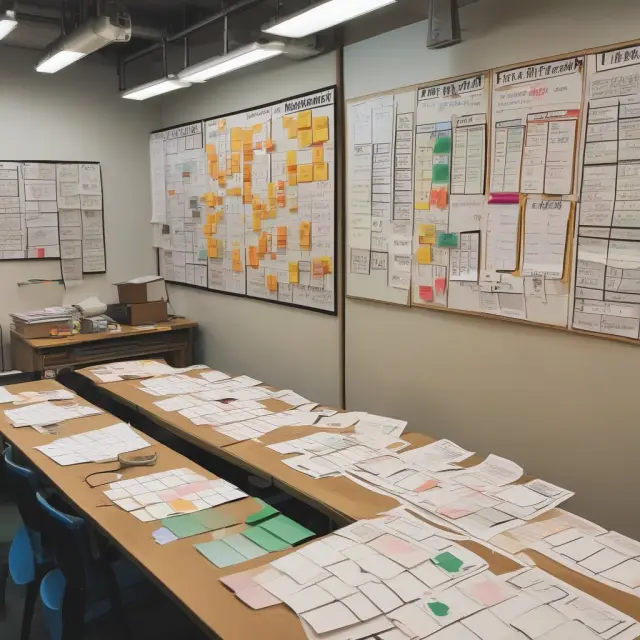
Lean Six Sigma Tools and Techniques
As organizations strive for operational excellence, the synergy between Lean methodology and Six Sigma has become increasingly popular – Lean Six Sigma. This combined approach not only helps in identifying and eliminating waste but also focuses on improving product or service quality by reducing defects. In this section, we will discuss some of the key tools and techniques used in Lean Six Sigma for process improvement.
1. Kanban:
Kanban is a workflow management practice that aims to maximize efficiency and promote continuous improvement by visualizing the flow of work, limiting work in progress, and identifying bottlenecks. Kanban was originally developed for manufacturing processes but has since been adopted across various industries.
2. Kaizen:
Kaizen is another essential Lean Six Sigma tool that focuses on engaging employees to create a continuous improvement culture within an organization. The term “kaizen” comes from the Japanese words “kai,” meaning change, and “zen,” meaning good. Kaizen events involve cross-functional teams working together to identify and implement improvements in their processes.
3. Value Stream Mapping:
Value stream mapping is a powerful tool for analyzing the flow of materials, information, and people involved in creating a product or service. It helps organizations eliminate waste by identifying non-value adding steps in their processes and optimizing them. This Lean Six Sigma technique has been widely adopted by various industries to improve efficiency and reduce costs.
4. 5S Tool:
The 5S tool is a methodology used for organizing the workplace, eliminating waste, and improving safety and productivity. The term “5S” stands for Seiri (Sort), Seiton (Set in Order), Seiso (Shine), Seiketsu (Standardize), and Shitsuke (Sustain). By implementing these principles, organizations can create a clean, tidy, and efficient work environment that contributes to improved processes and increased employee engagement.
5. JIT Lean Six Sigma:
Just-In-Time (JIT) is a production strategy focused on eliminating waste by producing products only when they are needed, based on real customer demand. This approach is an essential part of the Lean Six Sigma methodology and helps organizations improve their lead times, reduce inventory levels, and increase flexibility in their operations.
By implementing these powerful Lean Six Sigma tools and techniques, organizations can achieve significant improvements in efficiency, quality, and overall process performance. In the following sections, we will explore more about the origins and principles of Lean methodology and Six Sigma, as well as their synergy in Lean Six Sigma.

Lean Six Sigma Phases and Process Improvement
Lean Six Sigma is a potent blend of the best practices from both Lean methodology and Six Sigma strategy. To understand this powerful approach, let’s dive deeper into its phases and how they contribute to process improvement. The DMAIC (Define, Measure, Analyze, Improve, Control) cycle is an essential aspect of Lean Six Sigma, derived from the Six Sigma methodology.
1. Define
The first step in the DMAIC cycle is defining the problem at hand. This stage involves understanding the issue from various perspectives: the company’s point of view, that of stakeholders, and most importantly, the customer perspective. By establishing clear quality expectations and the extent of the problem, companies can set the foundation for effective process improvement.
2. Measure
Once the problem has been defined, the next step is measuring the current process to determine how it contributes to the issue. This phase includes determining which process steps align with the previously established quality criteria, as well as collecting and analyzing relevant data to support these measurements.
3. Analyze
With all information gathered, the third stage of DMAIC involves analyzing the data to pinpoint the exact cause of the problem and its scope. This phase is critical in understanding the root causes of the problem and allows for targeted improvement efforts.
4. Improve
The Improve phase focuses on implementing a solution to address the identified problem, including testing and verifying the improvement to ensure it effectively solves the issue. Collaboration between teams is crucial at this stage to structure a sustainable solution.
5. Control
Finally, once the improvements have been made, the process enters the Control phase. Here, acceptable performance criteria are established, and plans are put in place to monitor improvements, deal with variations, and prevent any reoccurrence of the problem.
Data-Driven Improvement: The Key to Lean Six Sigma
One of the unique selling points of Lean Six Sigma is its emphasis on data-driven improvement. By integrating Six Sigma’s statistical analysis tools with Lean methodology, organizations can achieve a more comprehensive approach to process improvement, leading to substantial gains in efficiency and cost savings. The DMAIC phases provide a clear path for implementing this approach, ensuring that all improvements are supported by accurate data and evidence.
By understanding the key principles behind the Lean Six Sigma phases, companies can unlock their full potential and improve processes, boost employee engagement, and create a more efficient, customer-focused organization.

Lean Six Sigma Belt Levels and Certification
One of the most significant aspects of Lean Six Sigma implementation is its certification system, which plays a crucial role in validating an individual’s expertise in this methodology. This section will explore the different belt levels and their responsibilities.
Understanding the Different Belt Levels
Lean Six Sigma offers various belt levels to denote a person’s proficiency in the approach. The belts, from lowest to highest, are White Belt, Yellow Belt, Green Belt, and Black Belt. Each level represents an increasing level of expertise and responsibilities in Lean Six Sigma projects and initiatives.
White Belt – Awareness and Foundations
A White Belt is the entry-level certification for Lean Six Sigma. This individual understands the basic principles, tools, and techniques of Lean Six Sigma. They may not have hands-on experience with the methodology but can contribute by supporting teams working on projects or initiatives.
Yellow Belt – Internal Process Improvement
A Yellow Belt is an individual who has received formal training in Lean Six Sigma tools and methods. They are competent in using essential tools for data collection, measurement, and analysis to support their team’s improvement efforts. A Yellow Belt can lead small projects or process improvement initiatives under the guidance of a Green or Black Belt.
Green Belt – Advanced Improvement Capabilities
A Green Belt is an individual who has completed extensive training in Lean Six Sigma methodologies and tools, enabling them to lead and manage projects with some autonomy. They are responsible for project planning, execution, and ensuring that the project aligns with organizational goals. A Green Belt typically receives mentoring from a Black or Master Black Belt to further develop their skills and gain advanced expertise.
Black Belt – Expert Lean Six Sigma Practitioner
A Black Belt is a certified expert in Lean Six Sigma. They have completed comprehensive training, including leading and managing complex projects independently. A Black Belt possesses a deep understanding of the methodology’s tools, techniques, and principles. They act as mentors or coaches to Green Belts and other team members and play a significant role in the implementation and continuous improvement of Lean Six Sigma processes within an organization.
The Role of Certification
Certification serves multiple purposes: it demonstrates a person’s expertise, validates their knowledge, and signifies that they have successfully completed training programs to become competent Lean Six Sigma practitioners. Additionally, certification enables individuals to advance in their careers by taking on more significant roles within their organizations. It also enhances the reputation of the individual and their company by providing a recognized standard for achieving excellence in process improvement initiatives.

Real-World Examples of Lean Six Sigma Successes
Lean Six Sigma has proven to be a powerful tool in the hands of many organizations, enabling them to streamline their processes and achieve impressive results. Let’s look at some real-world examples of companies that have successfully implemented Lean Six Sigma to gain valuable insights into its potential impact on your organization.
1) General Electric (GE): The legendary American multinational conglomerate was an early adopter of Lean Six Sigma in the late 1990s. By implementing this approach, they were able to reduce their production cycle times by as much as 50%, cut costs, and significantly improve quality.
2) Toyota: The originator of the Lean philosophy embraced Six Sigma’s rigorous data-driven approach for process improvement in the late 1980s. The combination of these two methodologies helped Toyota solidify its position as a global leader in manufacturing and quality, leading to their continuous success.
3) Honeywell: In the early 2000s, Honeywell implemented Lean Six Sigma across all its divisions. Through this transformation, they managed to reduce costs by $1 billion annually and improve operating income by more than 50%.
4) Motorola: The creators of Six Sigma embraced Lean principles in the late 20th century. By combining these methodologies, Motorola was able to cut their defect rate from around 27% to below 1%, significantly increasing customer satisfaction and boosting profits.
5) American Express: In the mid-2000s, American Express implemented Lean Six Sigma across its call centers. This resulted in a massive improvement in customer satisfaction, as response times were reduced by an average of 40%, and over 90% of calls being answered within 30 seconds.
These examples demonstrate that Lean Six Sigma can bring about significant improvements in efficiency, quality, and cost savings for organizations across various industries. By eliminating waste, reducing defects, and streamlining processes, companies can create a culture of continuous improvement and adapt to the evolving needs of their customers.

Lean Six Sigma vs. Other Improvement Methodologies
The world of process improvement methodologies is vast and diverse, with various approaches like Agile, Kaizen, and Lean Six Sigma each offering distinct advantages. In this section, we will compare these three popular methodologies – Lean Six Sigma, Agile, and Kaizen – to help you understand their unique strengths and weaknesses.
First, it’s essential to recognize the origins of each approach. Lean Six Sigma is a synergistic blend of Lean methodology (originated in the 1940s) and Six Sigma strategy (developed in the 1980s). Agile, on the other hand, emerged from the software development industry around 2001. Kaizen, which means “continuous improvement,” has roots dating back to the Toyota Production System of the 1950s.
When it comes to process improvement goals, Lean Six Sigma focuses on eliminating waste in both time and resources while reducing defects. Agile methodologies prioritize adaptability, delivering value in short iterations, and continuously responding to customer feedback. Kaizen emphasizes a collaborative work environment where employees are empowered to make continuous improvements at the grassroots level.
Now let’s dive deeper into each methodology:
1. Lean Six Sigma:
Lean Six Sigma is a powerful combination of two proven methodologies, which results in improved employee and company performance by eliminating resource waste and defects. It uses data-driven tools like DMAIC (Define, Measure, Analyze, Improve, Control) to optimize processes, ultimately ensuring better quality output while reducing costs.
2. Agile:
Agile methodologies, such as Scrum or Kanban, emphasize rapid development and continuous improvement through short iterations, collaboration, and delivering value to the customer. This approach helps organizations adapt to ever-changing requirements, making it particularly popular in software development projects.
3. Kaizen:
Kaizen is a continuous improvement strategy that empowers employees to make small improvements regularly. By focusing on incremental enhancements, Kaizen enables organizations to optimize processes and achieve significant long-term gains while creating a culture of continuous learning and engagement.
Understanding the differences between these methodologies can help you choose the best fit for your organization or project. Each approach offers unique strengths that cater to specific needs and goals. Lean Six Sigma combines the strengths of both Lean and Six Sigma strategies, Agile prioritizes adaptability and quick response, while Kaizen emphasizes employee empowerment and continuous improvement.
In conclusion, the world of process improvement methodologies offers a range of options tailored to various industries, organizations, and projects. By understanding the unique strengths and weaknesses of each approach – Lean Six Sigma, Agile, and Kaizen – you can select the most suitable methodology for your specific needs and goals.
When implementing any process improvement methodology, remember that a successful implementation requires a clear definition of objectives, a solid plan, and the commitment of all stakeholders to achieve continuous improvement.

Conclusion
In today’s highly competitive business landscape, it is crucial for organizations to adopt effective strategies that help them streamline their processes and continuously improve. One such strategy that has gained significant traction in recent times is Lean Six Sigma. By combining the best of both worlds – the efficiency-focused Lean methodology and the data-driven process improvement approach of Six Sigma – Lean Six Sigma offers a powerful solution to eliminate waste, reduce defects, and enhance overall business performance.
The origins of Lean can be traced back to Toyota in the 1940s, which aimed to eliminate non-value-adding activities from their production process. Fast forward to the 1980s, Motorola introduced Six Sigma, focusing on identifying and reducing defects through a methodical data-driven approach. The two strategies were then combined in the late 1990s, giving birth to Lean Six Sigma.
Lean Six Sigma’s unique selling proposition lies in its synergy between the Lean strategy and Six Sigma tools and techniques. By eliminating waste through Lean principles and improving output quality with Six Sigma methodologies, organizations can establish a clear path to achieving improvement objectives. Key benefits of Lean Six Sigma include improved efficiency, customer satisfaction, cost savings, employee engagement, and skills development.
Some of the popular tools used in Lean Six Sigma include Kanban, Kaizen, value stream mapping, 5S tool, and JIT Lean Six Sigma. Each tool plays a crucial role in identifying and eliminating waste, optimizing processes, and enhancing overall performance. By following the DMAIC phases (Define, Measure, Analyze, Improve, Control), organizations can effectively address process problems and continuously improve their operations.
In conclusion, Lean Six Sigma is an essential strategy for companies seeking to thrive in today’s business environment. By combining the efficiency-focused approach of Lean and the data-driven methodology of Six Sigma, Lean Six Sigma offers a comprehensive solution to eliminate waste, reduce defects, and enhance overall performance. With its numerous benefits, including improved efficiency, customer satisfaction, cost savings, employee engagement, and skills development, it’s no wonder that Lean Six Sigma is a go-to strategy for organizations looking to gain a competitive edge in their industry.
 Next entry · No. 2,793Lean Startup Method: Innovative Approach to Founding New Businesses and Developing Products
See also
-
 No. 4,669
07 Jul 2025
19 min
Understanding Six Sigma: A Comprehensive Guide for Institutional Investors
Business Strategy
No. 4,669
07 Jul 2025
19 min
Understanding Six Sigma: A Comprehensive Guide for Institutional Investors
Business Strategy -
 No. 4,221
01 Jun 2025
19 min
Understanding Quality Management: History, Implementation and Real-World Examples
Business Strategy
No. 4,221
01 Jun 2025
19 min
Understanding Quality Management: History, Implementation and Real-World Examples
Business Strategy -
 No. 5,924
19 Oct 2025
19 min
Understanding the Zone of Possible Agreement (ZOPA) in Negotiations: Bridging the Gap Between Parties
Business Strategy
No. 5,924
19 Oct 2025
19 min
Understanding the Zone of Possible Agreement (ZOPA) in Negotiations: Bridging the Gap Between Parties
Business Strategy -
 No. 5,853
13 Oct 2025
21 min
Understanding Yellow Knights: From Hostile Takeover Attempts to Mergers of Equals
Business Strategy
No. 5,853
13 Oct 2025
21 min
Understanding Yellow Knights: From Hostile Takeover Attempts to Mergers of Equals
Business Strategy -
 No. 5,613
23 Sep 2025
19 min
Maximizing Opportunities: A Strategic Approach to Warm Calling in Finance and Investment
Business Strategy
No. 5,613
23 Sep 2025
19 min
Maximizing Opportunities: A Strategic Approach to Warm Calling in Finance and Investment
Business Strategy -
 No. 5,474
12 Sep 2025
20 min
Understanding Versioning: How Companies Create Value through Different Product Versions
Business Strategy
No. 5,474
12 Sep 2025
20 min
Understanding Versioning: How Companies Create Value through Different Product Versions
Business Strategy