Understanding Six Sigma: A Comprehensive Guide for Institutional Investors

Understand Six Sigma - its importance, concepts, DMAIC phases, real-world applications, certifications, and more. Maximize business efficiency.
Introduction to Six Sigma and its Importance in Business
Six Sigma, a data-driven approach for business process improvement, was pioneered by Bill Smith at Motorola in the late 1980s. With its primary focus on quality control and defect reduction, this methodology has become an industry standard used extensively by businesses worldwide to enhance their operations and achieve operational excellence. By investing in Six Sigma certified professionals, institutions can reap numerous benefits.
The Six Sigma philosophy emphasizes the importance of understanding that all business processes can be measured and optimized, allowing companies to meet customer requirements more efficiently while improving overall business functionality. The methodology is grounded in statistical analysis and aims to reduce long-term defect levels below 3.4 defects per million opportunities (DPMO), ensuring a high degree of process efficiency.
Six Sigma’s significance lies in its five phases: Define, Measure, Analyze, Improve, and Control (DMAIC). These steps provide a systematic methodology for businesses to systematically identify, prioritize, and address any issues within their processes. By applying these principles, organizations can work towards continuous improvement and maintaining optimal performance.
The popularity of Six Sigma has led to the development of complementary approaches like Lean Six Sigma, which combines lean principles with its methodology to eliminate waste and boost team collaboration. In the following sections, we will delve deeper into the concepts, principles, and real-world applications of Six Sigma in business.
Understanding Six Sigma: Origins and Key Concepts
Six Sigma emerged from the field of statistical quality control, with its origins tracing back to Motorola in the late 1980s. Bill Smith, an engineer at Motorola, was inspired by W. Edwards Deming’s philosophy of continuous improvement and Zero Defects (a goal that sought to eliminate all defects in products or services).
The term “Six Sigma” stems from the mathematical concept of standard deviation. In Six Sigma, a process is considered six-sigma-capable when it maintains long-term defect levels below 3.4 DPMO. This level of performance translates to a near-perfect process, which significantly reduces costs associated with rework and scrap while ensuring superior customer satisfaction.
Six Sigma’s methodology has evolved beyond its initial focus on quality control. It is now widely recognized as a powerful business improvement tool that helps organizations meet changing market demands by providing better products, faster services, and more efficient processes. By understanding Six Sigma principles and implementing them effectively, businesses can streamline their operations, reduce costs, and enhance customer satisfaction.
Stay tuned for the following sections where we explore each phase of the DMAIC methodology in detail, provide real-life examples, and discuss the importance of Lean Six Sigma.

The Concepts and Principles of Six Sigma
Six Sigma, an innovative business improvement methodology developed at Motorola in the late 1980s by a researcher named Bill Smith, has since revolutionized industries worldwide. This data-driven approach focuses on quality control, defect reduction, and process optimization, helping businesses meet customer requirements and improve overall functionality. The foundation of Six Sigma lies in its statistical measurement of success and unwavering commitment to reducing defects and achieving consistent performance.
At the heart of Six Sigma is a powerful concept – the ability to measure standard deviation, represented by the Greek letter sigma. This statistical tool sets the bar for businesses striving to minimize errors and meet customer expectations with minimal variation. The ultimate goal? Achieving long-term defect levels below 3.4 defects per million opportunities (DPMO).
The Six Sigma philosophy is about more than just quality control; it’s a holistic business strategy that seeks to eliminate waste, streamline processes, and boost the overall efficiency of an organization. Its five phases – Define, Measure, Analyze, Improve, and Control (DMAIC) – provide a systematic framework for addressing business challenges and continuously improving processes.
Define: The first phase in the Six Sigma methodology begins with a clear definition of the process problem to be addressed. A team of professionals, under the guidance of a Six Sigma champion, gathers to identify the root cause of the issue based on company goals and requirements. This stage sets the foundation for the project by outlining the problem, goals, and deliverables.
Measure: In this phase, the team collects statistical data to establish performance benchmarks. By analyzing potential input factors, they can gain insights into the process’s strengths and weaknesses, ultimately identifying areas that require improvement.
Analyze: With a solid understanding of the current state of the process, the team then moves to analyze the root cause of defects or inefficiencies. By isolating each input factor and testing its impact, they can pinpoint the underlying causes of problems.
Improve: The Improve phase focuses on implementing solutions that address the identified issues. These improvements aim to increase performance and reduce variation by focusing on customer needs and expectations.
Control: Finally, the Control phase ensures that the process remains effective and efficient by implementing controls that sustain these improvements. This ongoing effort guards against potential regression or future failures.
Six Sigma also incorporates Lean principles to optimize processes by eliminating waste and reducing non-value-added activities. This combination leads to a powerful business approach that continues to evolve, helping organizations adapt and succeed in today’s competitive landscape.
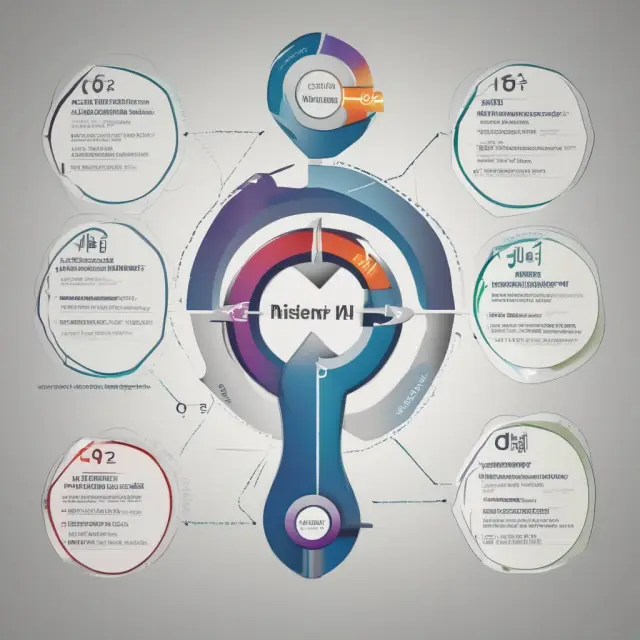
Six Sigma’s Five Phases: DMAIC
The DMAIC (Define-Measure-Analyze-Improve-Control) approach is a core component of Six Sigma methodology. It provides a systematic framework for process improvement initiatives, which helps organizations eliminate defects and create value for customers. In the following sections, we will discuss each phase in detail along with practical examples of their application.
Define
The first step involves defining the project scope, objectives, and goals to establish a clear understanding of the process’s context and what needs improvement. A well-defined project charter is essential for focusing efforts on the root cause and ensuring alignment with organizational strategies.
Measuring
In this phase, we gather data to quantify the current state performance and establish baseline metrics. Measurement tools such as histograms, control charts, and Pareto charts are utilized to identify defects and their sources. This information is vital for the later phases where we analyze, improve, and control processes.
Analyzing
The third phase of DMAIC is all about identifying the root cause of process issues. By employing various tools like fishbone diagrams, tree diagrams, and 5 Whys analysis, we can systematically investigate the problem and determine the underlying causes. This step provides the foundation for making effective improvements in the following stages.
Improving
In the improve phase, teams implement corrective actions to address root causes and reduce defects. This could include process redesign, implementation of new tools or techniques, and employee training. The objective is to make meaningful improvements that positively impact customer satisfaction and overall performance.
Controlling
The final DMAIC phase focuses on sustaining the improvements gained in earlier stages through ongoing monitoring, measurement, and adjustments. Control charts are utilized for continuous tracking of processes and identifying any deviations from desired performance levels. This step ensures that the gains made during the improvement phase are not lost over time and that process stability is maintained.
Microsoft’s Success Story: Microsoft Corporation implemented Six Sigma methodologies to enhance its network reliability and availability by focusing on defect reduction and process optimization. The company initially established a baseline performance measurement system to detect any potential issues within their IT infrastructure, followed by data analysis and the implementation of corrective actions. Microsoft was able to significantly improve server availability, boost customer productivity, and increase overall satisfaction as a result.
Ventura County’s Success Story: Lean Six Sigma played a pivotal role in Ventura County, California, achieving substantial savings of approximately $33 million. The county embarked on a county-wide initiative to implement the program, training over 5,000 employees. By employing data analysis and continuous improvement techniques, the local government managed to reduce budget expenses and save employee hours, resulting in significant cost savings for the community.

Understanding Lean Six Sigma: A Team-Focused Approach
Lean Six Sigma represents an ideal synergy between lean principles and Six Sigma methodology, providing organizations with a powerful approach to eliminate waste, reduce defects, and improve overall productivity. By combining the focus on eliminating non-value-added activities (as per lean principles) with Six Sigma’s statistical techniques and process optimization tools, Lean Six Sigma has proven itself as an effective solution for enhancing business performance across industries.
Lean Six Sigma was born out of the need to address the shortcomings of traditional quality management methodologies by incorporating team involvement in process improvement projects. While Six Sigma offered a robust framework for defect reduction and statistical analysis, it often lacked the engagement of employees and teams, resulting in limited long-term success.
Enter Lean Six Sigma – an approach that not only integrates Six Sigma’s quantitative methods but also embraces lean principles, which prioritize teamwork and collaboration, to create a more comprehensive improvement strategy. In essence, Lean Six Sigma aims to strike the perfect balance between the two methodologies by:
- Eliminating waste: Leveraging lean principles to minimize non-value-added activities, reducing process cycle time, and streamlining workflows
- Reducing defects: Applying Six Sigma methodology to identify root causes of defects, analyze data, and improve processes with a data-driven approach
- Boosting standardization: Encouraging teamwork and collaboration to create consistent practices across the organization
The successful implementation of Lean Six Sigma has been demonstrated in numerous industries and organizations, resulting in significant improvements in cost savings, cycle time reductions, and increased customer satisfaction. A prime example can be found within Microsoft Corporation – a global technology powerhouse that adopted Lean Six Sigma to enhance its network availability and overall performance (Microsoft Case Study).
The application of Lean Six Sigma methodology at Microsoft led to:
– Improved server availability
– Enhanced customer productivity
– Increased customer satisfaction
– Reduced downtime and IT infrastructure failures
By combining the best aspects of both lean and Six Sigma, organizations can unlock a powerful tool for driving operational excellence. The team-focused approach of Lean Six Sigma encourages collaboration and knowledge sharing, making it an invaluable asset to any business looking to enhance its processes and achieve sustained growth.

Six Sigma Certification: Levels and Importance
The world of business improvement tools continues to evolve, and Six Sigma has emerged as a potent methodology for quality control and process optimization. This comprehensive business approach offers various certification levels, each with its unique benefits. In this section, we will discuss the significance of these certifications and explore their implications for professional growth.
Six Sigma’s belt system resembles martial arts, with six distinct belt ranks: White Belt, Yellow Belt, Green Belt, Black Belt, Master Black Belt, and Champion. These titles denote the level of expertise a professional has in implementing Six Sigma methodologies to improve processes and eliminate defects.
Let’s dive deeper into each belt level:
White Belt: Individuals at this stage have yet to undergo formal training or certification. White belts gain a foundational understanding of Six Sigma principles and may participate in projects related to quality control and waste reduction. This base-level knowledge opens doors for further learning opportunities and collaboration with higher-ranked colleagues.
Yellow Belt: Building on the foundation established during white belt training, individuals who earn this certification are better equipped to contribute as team members or support managers with higher belt ranks. Yellow belts can analyze data, recognize defects, and apply process improvement techniques to their roles within a project.
Green Belt: To become Green Belts, professionals engage in comprehensive courses that expand their skills, enabling them to lead smaller projects aimed at identifying and eradicating process inefficiencies. This certification is ideal for those working in industries like financial management, healthcare, or project management. Green belts are responsible for planning and executing projects, mentoring team members, and communicating results effectively with stakeholders.
Black Belt: As the highest level of individual certification, Black Belts have demonstrated proficiency in applying Six Sigma methodologies to complex challenges. These professionals lead significant projects, implement DMAIC (Define, Measure, Analyze, Improve, Control) frameworks, and collaborate with Master Black Belts on larger-scale initiatives.
Master Black Belt: Individuals who hold this certification possess extensive knowledge and experience in implementing Six Sigma across organizations. As true experts, they lead multiple projects concurrently, mentor black belts, and drive continuous process improvement. A Master Black Belt may also serve as a program manager or champion to ensure that the Six Sigma methodology is effectively integrated into an organization.
Champion: A Champion acts as the driving force behind the successful deployment of Six Sigma within an organization. These individuals understand the significance of aligning company goals with process improvements, and they allocate resources accordingly. Champions advocate for continuous improvement initiatives and provide strategic guidance to their teams. They also serve as liaisons between projects and executive management, ensuring that Six Sigma’s benefits are recognized throughout the organization.
As we’ve explored the various belt levels, it becomes clear that Six Sigma certification offers significant advantages for professionals seeking career growth and organizations committed to enhancing their processes. With a strong understanding of these certifications, one can confidently navigate the complexities of Six Sigma methodologies and harness their potential to drive meaningful improvements in business operations.

Real-World Success Stories: Microsoft’s Six Sigma Implementation
Six Sigma has gained significant popularity as a business methodology for improving processes and reducing defects since its inception at Motorola in the late 1980s. A prime example of its successful application can be seen in Microsoft Corporation’s implementation of this methodology to enhance network availability, boost customer productivity, and save substantial costs.
Microsoft, one of the largest software producers globally, recognized the need to address persistent IT infrastructure failures impacting their networks. The company adopted Six Sigma’s data-driven approach to systematically eradicate defects in its systems and data centers. The goal was to minimize downtime, optimize resources, and improve overall operational efficiency.
Microsoft established baseline measurements for hardware and software to create a reference point for detecting potential defects. Using historical data from past incidents and server failures, the team conducted root cause analysis, collecting recommendations from both internal teams and external stakeholders, including customers. With this data, the team identified the most impactful issues and prioritized them accordingly.
By following Six Sigma methodologies and principles, Microsoft executed eradication initiatives for each defect. These initiatives involved a structured approach to improvement, focusing on defining, measuring, analyzing, improving, and controlling processes. Through these efforts, Microsoft was able to improve server availability, enhance customer productivity, and increase overall satisfaction with their network services.
Microsoft’s application of Six Sigma is just one example of the numerous ways organizations can harness its power to achieve significant improvements in operational efficiency and cost savings. Other industries, including local governments, have also reaped substantial benefits from implementing this methodology. The County of Ventura, California, reported a saving of $33 million following the implementation of Lean Six Sigma on a county-wide level.
Understanding Microsoft’s experience with Six Sigma illustrates how a systematic approach to process improvement can lead to remarkable results for businesses and organizations across industries. By embracing the principles of Six Sigma, organizations can work towards reducing waste, enhancing customer satisfaction, and achieving long-term growth.

Local Government Success Stories: Ventura County’s Savings through Six Sigma
Since its implementation by Motorola in the late 1980s, Six Sigma has gained significant traction within industries and government sectors for streamlining processes, reducing waste, and improving overall efficiency. One inspiring success story comes from Ventura County, California, where the local government managed to save over $33 million through Lean Six Sigma implementation (Brown, 2015).
Initially introduced in 2008, Lean Six Sigma was embraced county-wide with the training of more than 5,000 employees (Six Sigma Academy, n.d.). The primary goals were to optimize processes and reduce hard budget items, saving essential funds for other crucial public projects.
By adhering to Six Sigma’s five DMAIC phases – Define, Measure, Analyze, Improve, and Control – the county was able to identify redundancies, eliminate waste, and enhance overall productivity (Brown, 2015). The impactful results stemmed from a meticulous focus on the needs of their stakeholders: residents.
In the Define phase, teams collaborated to determine the primary challenges facing Ventura County’s departments. By engaging employees in the process and gathering valuable insights through workshops, they were able to set objectives aligned with the county’s strategic goals (Six Sigma Academy, n.d.). This bottom-up approach allowed for buy-in from all levels, ensuring a commitment to continuous improvement.
The Measure phase saw the implementation of key performance indicators (KPIs) to monitor progress and evaluate outcomes. By setting benchmarks and establishing clear metrics, teams were able to collect data that could be used for future improvements (Brown, 2015). This process allowed the county to identify areas where resources were being misallocated or underutilized, allowing for reallocation of funds and personnel.
The Analyze phase led to the identification and root-cause analysis of inefficiencies. By collecting data and analyzing it through statistical methods, teams discovered previously unrecognized connections between seemingly disparate processes (Brown, 2015). For example, by examining the relationship between the county’s finance and human resources departments, they identified opportunities to streamline hiring processes, reducing employee turnover and improving overall workforce management.
In the Improve phase, teams focused on implementing changes derived from their analysis. This often involved a restructuring of business processes or the integration of new technology to facilitate greater efficiency (Brown, 2015). For instance, by automating certain tasks in the finance department, they were able to reduce processing times and ensure more accurate financial reporting.
Lastly, during the Control phase, teams established ongoing monitoring and documentation procedures to ensure that improvements were sustained over time (Six Sigma Academy, n.d.). This process reinforced the importance of continuous improvement and helped prevent regression back to previous inefficient processes.
The success of Ventura County’s Lean Six Sigma project serves as an excellent example for other local governments seeking to optimize their operations while saving resources (Brown, 2015). By focusing on the needs of their stakeholders and implementing a data-driven approach, they were able to achieve substantial cost savings without compromising on quality.

Getting Certified: Training and Education Requirements
Six Sigma certification offers professionals an excellent opportunity for career growth and business improvement skills. To achieve this sought-after credential, you’ll need to undergo a training program tailored to your desired belt level – White Belt, Yellow Belt, Green Belt, Black Belt, or Master Black Belt. While various organizations offer these programs, understanding the curriculum, cost, and reputability is crucial for making an informed decision.
White Belt: Aimed at entry-level employees, this foundational certification provides a basic understanding of Six Sigma principles and methodology. White belts learn to recognize opportunities for improvement within their workplace and contribute to projects as team members.
Yellow Belt: Building on the White Belt foundation, Yellow Belt training equips professionals with techniques for data collection and analysis. This certification prepares participants for roles that support Green Belts and Black Belts in implementing process improvements.
Green Belt: Green Belt training is designed for those seeking a hands-on role in Six Sigma projects. This intensive program covers the DMAIC phases in detail, with a focus on understanding and executing improvement initiatives. Green Belts typically work under the supervision of Black or Master Black Belts.
Black Belt: Black Belt certification is the pinnacle for Six Sigma professionals. These comprehensive training programs teach individuals to lead projects from start to finish using DMAIC methodology. A Six Sigma Black Belt has the authority and expertise to implement improvements, reduce defects, and drive organizational growth.
Master Black Belt: As a Master Black Belt, you’ll be an expert in Six Sigma methodologies and principles. These advanced programs equip individuals to mentor and coach others while leading large-scale projects across multiple departments within their organization. The Master Black Belt serves as the go-to person for Six Sigma strategy development and implementation.
When selecting a training provider, consider their reputation, course duration, cost, and industry expertise. Make sure they provide access to experienced instructors, real-world examples, and ample opportunity for hands-on learning. A well-designed Six Sigma certification program will not only increase your value as a professional but also contribute significantly to your organization’s success.
Confidence: 90%
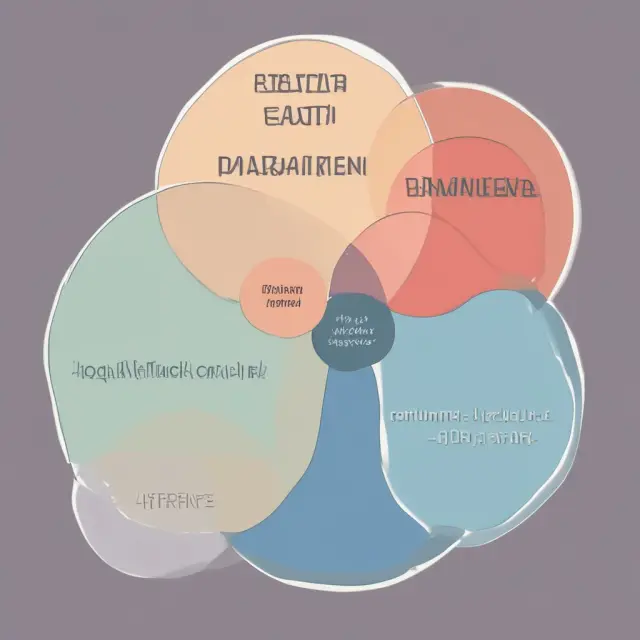
Six Sigma vs. Other Quality Management Methods
In today’s business world, various quality management methodologies have emerged to help organizations optimize processes and improve overall performance. Among the most popular are Six Sigma, Kaizen, and Total Quality Management (TQM). Understanding their differences and choosing the best method for your organization can significantly impact your business’s growth.
Six Sigma, a data-driven approach to quality management, focuses on statistical analysis and process improvement by identifying and eliminating defects. Six Sigma, which is based on the DMAIC (Define, Measure, Analyze, Improve, Control) framework, aims for near-perfect performance in business operations.
Kaizen, a Japanese philosophy for continuous improvement, emphasizes employee engagement and empowerment to identify and resolve issues within their work environment. Kaizen seeks to create a culture of continuous improvement and focuses on incremental changes over time.
Total Quality Management (TQM), an organization-wide approach, encompasses all aspects of business operations and aims for customer satisfaction through continuous quality improvements. TQM involves the active participation of every employee and the integration of quality into all processes and systems.
Each method offers unique benefits and challenges to organizations. Understanding their similarities and differences is essential when deciding which method best suits your organization’s needs.
Six Sigma and Kaizen share some key elements, such as a focus on process improvement and continuous learning. Six Sigma’s statistical approach and Kaizen’s emphasis on employee engagement can complement each other in creating an effective quality management strategy. However, implementing both methods simultaneously may require careful planning and coordination to ensure resources are allocated efficiently.
Total Quality Management (TQM) offers a more comprehensive approach by involving all employees and focusing on organizational culture change. TQM requires extensive commitment and resources from top management and can result in significant improvements in customer satisfaction, employee engagement, and overall business performance. However, the implementation process can be complex and resource-intensive, making it less suitable for small businesses or those with limited budgets.
When deciding which method is best suited to your organization, consider factors such as your size, industry, resources, and goals. Six Sigma’s data-driven approach may be an excellent fit for large organizations aiming for near-perfect performance in specific processes. Kaizen’s focus on employee engagement can benefit smaller organizations with a tighter budget and a need to empower their teams. Total Quality Management (TQM) may be the right choice for companies seeking a comprehensive transformation, as it encompasses all aspects of business operations and requires a long-term commitment from top management.
In summary, understanding the differences between Six Sigma, Kaizen, and TQM is crucial for organizations looking to improve their processes, enhance customer satisfaction, and achieve operational excellence. Each method offers unique advantages and challenges, making it essential to carefully consider your organization’s size, resources, industry, and goals when deciding which approach to adopt.

Frequently Asked Questions: FAQs about Six Sigma
What exactly is Six Sigma and what does it aim to accomplish?
Six Sigma is a powerful business improvement methodology. It was originally developed by Motorola in the late 1980s as a means to eliminate defects in production processes. Today, Six Sigma has evolved into a more comprehensive approach for managing and improving business processes. Its primary aim is to reduce waste, minimize errors, and optimize operational performance through statistical methods and data-driven decision making.
What are the benefits of implementing Six Sigma in a business?
Six Sigma offers several key advantages for organizations:
- Cost Savings: By reducing defects and improving processes, Six Sigma can lead to significant cost savings.
- Improved Customer Satisfaction: Six Sigma’s focus on meeting customer requirements helps businesses provide better products and services, leading to increased customer satisfaction.
- Enhanced Operational Efficiency: The methodology enables companies to streamline processes and eliminate waste, resulting in improved operational efficiency.
- Continuous Improvement: With its data-driven approach, Six Sigma promotes a culture of continuous improvement within an organization.
What are the phases of Six Sigma?
The Six Sigma process consists of five sequential phases:
- Define: Identify the project’s objective and scope, define the problem statement, and outline the project goals.
- Measure: Collect, analyze, and document data to establish a baseline for performance metrics.
- Analyze: Use statistical tools to identify and examine process weaknesses and root causes of defects.
- Improve: Implement changes to processes based on data analysis and improve overall process performance.
- Control: Monitor the process to ensure continued improvement and prevent future defects or issues.
What is Lean Six Sigma and how does it differ from traditional Six Sigma?
Lean Six Sigma is an extension of Six Sigma that combines its principles with those of lean manufacturing, creating a more holistic approach for eliminating waste and improving efficiency. While Six Sigma primarily focuses on reducing defects through statistical analysis, Lean Six Sigma emphasizes continuous improvement through the elimination of non-value-added activities.
What are the different belt levels in Six Sigma?
Six Sigma has several belt levels that represent a person’s level of expertise:
- White Belt: Basic understanding of the Six Sigma methodology and processes.
- Yellow Belt: Basic application of Six Sigma tools, concepts, and techniques within their teams.
- Green Belt: Advanced knowledge and ability to lead smaller-scale improvement projects independently.
- Black Belt: Expert in Six Sigma methodologies, capable of leading large projects with cross-functional teams.
- Master Black Belt: A highly experienced practitioner, able to coach, mentor, and lead multiple Black Belts and Green Belts.
What is the process for obtaining a Six Sigma certification?
To obtain Six Sigma certification, individuals can attend courses offered by various organizations or educational institutions. However, it’s essential to note that there isn’t a unifying body governing Six Sigma certification standards. The curriculum and requirements may vary significantly between different providers. As such, it is crucial to research and select a reputable program that aligns with your career goals and objectives.
 Next entry · No. 4,670Understanding Skewness in Finance: Implications for Investors and Return Distributions
See also
-
 No. 2,792
04 Feb 2025
19 min
Understanding Lean Six Sigma: Combining the Best of Two Worlds for Process Improvement
Business Strategy
No. 2,792
04 Feb 2025
19 min
Understanding Lean Six Sigma: Combining the Best of Two Worlds for Process Improvement
Business Strategy -
 No. 5,782
07 Oct 2025
18 min
Workflow Management: Optimizing Business Processes with Six Sigma, TQM, Big Data, and Workflow Technologies
Business Strategy
No. 5,782
07 Oct 2025
18 min
Workflow Management: Optimizing Business Processes with Six Sigma, TQM, Big Data, and Workflow Technologies
Business Strategy -
 No. 4,966
31 Jul 2025
17 min
Maximizing Throughput: Strategies for Improving Business Efficiency
Business Strategy
No. 4,966
31 Jul 2025
17 min
Maximizing Throughput: Strategies for Improving Business Efficiency
Business Strategy -
 No. 4,840
21 Jul 2025
17 min
The Taguchi Method of Quality Control: An Engineering Approach to Reducing Defects and Failures
Business Strategy
No. 4,840
21 Jul 2025
17 min
The Taguchi Method of Quality Control: An Engineering Approach to Reducing Defects and Failures
Business Strategy -
 No. 4,221
01 Jun 2025
19 min
Understanding Quality Management: History, Implementation and Real-World Examples
Business Strategy
No. 4,221
01 Jun 2025
19 min
Understanding Quality Management: History, Implementation and Real-World Examples
Business Strategy -
 No. 4,220
01 Jun 2025
17 min
Understanding Quality Control: Techniques, Methods, and Careers in Various Industries
Business Strategy
No. 4,220
01 Jun 2025
17 min
Understanding Quality Control: Techniques, Methods, and Careers in Various Industries
Business Strategy