Understanding Multinational Corporations: Definition, Characteristics, and Advantages & Disadvantages

A multinational corporation (MNC) is a company that owns or controls business operations, such as subsidiaries or plants, in at least one country besides its home country. The US Bureau of Economic Analysis treats a US company as a multinational parent when it owns or controls at least 10% of a foreign business's voting securities.
What Is a Multinational Corporation?
A multinational corporation (MNC) is a company that conducts business in at least one country beyond its home nation, with significant revenue generated outside of it. Multinational corporations have a global reach and presence, with headquarters and facilities located in multiple countries. The definition of MNC can differ, with some considering it a company generating 25% or more of its revenue from foreign sources.
MNCs offer several advantages for businesses and consumers alike. They create jobs and technological advancements in host countries, generate economic benefits through investment and trade, and provide international exposure to investors. However, they also face challenges such as regulatory compliance across jurisdictions, potential negative impacts on local workforces, and ethical concerns.
Understanding the evolution, types, advantages, and disadvantages of multinational corporations is essential for both investors and consumers seeking to navigate this complex and dynamic business landscape.
History: The earliest multinational corporations were established during Europe’s colonial era, with companies such as the Dutch East India Company playing a significant role in international trade and exploration. Since then, MNCs have grown and transformed, adapting to various economic, political, and technological changes. Today, numerous global giants dominate industries ranging from technology to finance, demonstrating the immense power and influence these corporations hold.
Characteristics: Multinational corporations share several common features. They have a global presence, operate in multiple languages, possess complex business models, invest directly in foreign markets, create jobs abroad, navigate the regulatory landscape of various countries, report financial information under IFRS standards, and can face both positive and negative economic and environmental impacts.
Types: Four primary types of multinational corporations include decentralized, centralized global, international division within a corporation, and transnational corporations. Each has its unique advantages and challenges, with the choice of organizational structure depending on various factors such as company size, strategic goals, and market conditions.
Advantages & Disadvantages: Multinational corporations offer several benefits, including access to new markets, lower production costs, increased efficiency, and the ability to create jobs abroad. However, they also face challenges such as ethical concerns, regulatory compliance, potential negative environmental impacts, and job displacement in home countries.
Examples: Apple, Microsoft, IBM, Berkshire Hathaway, Amazon, Walmart, Nestlé S.A., and Nespresso are just a few of the many multinational corporations that have shaped the global economy and influenced various industries. Understanding their strategies, impacts, and challenges can provide valuable insights for investors and consumers alike.
FAQs: Commonly asked questions about multinational corporations cover topics such as their definition, history, advantages and disadvantages, types, examples, and impact on the workforce and environment. Answering these queries in a clear and engaging way can help readers better understand this complex business phenomenon.

Characteristics of a Multinational Corporation
A multinational corporation (MNC) is an entity that conducts its operations across multiple countries, typically generating significant revenue outside of its home country. Some of the most prominent features and characteristics of MNCs include:
1. Global Presence: A worldwide business presence is a hallmark trait for MNCs. They have a strategic advantage by being present in various markets and regions around the world, enabling them to expand their customer base and achieve economies of scale.
2. Complex Business Model: MNCs have complex organizational structures that require sophisticated management and coordination among different subsidiaries, divisions, and operational units spread across multiple countries. This complexity can present challenges in terms of language barriers, cultural differences, legal frameworks, and compliance regulations.
3. Direct Investments: MNCs typically make direct investments abroad by establishing wholly-owned subsidiaries or joint ventures with local partners to gain a foothold in foreign markets. These investments often result in significant capital expenditures, creating jobs and stimulating economic growth in the host countries.
4. Diversified Workforce: MNCs employ a diverse workforce made up of individuals from various ethnicities, cultures, religions, and educational backgrounds, providing valuable insights into local markets and fostering cross-cultural collaboration.
5. Seeking Improved Efficiencies: To remain competitive in global markets, MNCs seek to improve operational efficiencies by leveraging advanced technologies, adopting best practices from different regions, and optimizing production processes. This drive for efficiency can lead to lower costs, higher quality, and better customer experiences.
6. Multilingual Business: MNCs must operate in multiple languages as they cater to diverse customer bases and collaborate with partners across the world. Effective communication is essential for fostering strong relationships and managing complex projects.
7. Compliance with Foreign Regulations: Navigating various rules and regulations in foreign countries can be a significant challenge for MNCs, requiring substantial investments in legal expertise and resources to ensure compliance with local laws and international treaties.
8. Financial Reporting: MNCs report their financial information according to International Financial Reporting Standards (IFRS), ensuring transparency, consistency, and comparability across borders. This enables investors to make informed decisions based on reliable and accurate financial data.
9. Ethical Concerns: MNCs may face ethical challenges when dealing with issues like labor rights, environmental sustainability, tax evasion, and bribery in foreign countries. Balancing the desire for profitability and corporate social responsibility can be a delicate task, often requiring collaboration with stakeholders and regulatory bodies to mitigate risks and maintain a positive public image.
10. Global Market Share: MNCs strive to increase their market share by expanding into new territories and capturing larger customer bases. This global reach allows them to leverage economies of scale, reduce production costs, and benefit from synergies between different business units and subsidiaries.
Understanding these characteristics is crucial for investors, policymakers, and students of international business who wish to stay informed about the latest trends, challenges, and opportunities associated with multinational corporations. By recognizing the unique features that define MNCs and their impact on economies, consumers, and workforces around the world, we can better appreciate the significance of this vital economic force.

History of Multinational Corporations
Multinational corporations (MNCs) have been a part of the global business landscape for centuries, and their presence has significantly evolved over time. A multinational corporation is an enterprise that carries out business activities in multiple countries. These organizations can take various forms and possess distinct characteristics, but they all share one common thread—an international presence.
The roots of multinational corporations can be traced back to the colonial era when European powers established trading companies to explore and exploit foreign territories. The East India Company, founded in 1600, is considered one of history’s earliest multinational enterprises. This British company played a pivotal role in international trade and exploration, setting up trading posts across India.
As the world became more interconnected through improved transportation and communication technologies, other multinational corporations emerged, including the Swedish Africa Company (established in 1649) and the Hudson’s Bay Company (founded in 1670). These early MNCs expanded global trade, contributing to a growing interdependence between nations.
During the late 19th and early 20th centuries, multinational corporations evolved from trading companies into industrial giants with extensive operations across various sectors, such as mining, manufacturing, and finance. They played a critical role in the globalization process, facilitating increased economic interconnectedness between countries through cross-border investments and trade.
The post-World War II period marked a turning point for multinational corporations as they transformed into modern, transnational organizations with an increasingly complex business model. Multinationals began to decentralize their operations by granting greater autonomy to foreign subsidiaries, which allowed them to adapt more effectively to local market conditions and maintain a competitive edge.
Despite their numerous benefits, multinational corporations have faced criticism for their impact on various aspects of society, including the economy, workforce, environment, and ethical standards. As such, it is essential to understand both the advantages and disadvantages of these organizations. In the following sections, we will explore the characteristics of multinational corporations, as well as their benefits and drawbacks in detail.
In conclusion, understanding the history of multinational corporations sheds light on their significant role in shaping the global business landscape. From early trading companies to modern-day transnational organizations, these entities have demonstrated an incredible ability to adapt to changing circumstances while driving economic growth and creating opportunities for people around the world.
In the next sections, we will delve into the characteristics of multinational corporations and the advantages and disadvantages they bring to the table. Stay tuned to learn more!

Types of Multinational Corporations
Multinational corporations (MNCs) can be categorized into different types based on how they manage and control their foreign operations. Understanding these various organizational structures is crucial in evaluating the implications for businesses, economies, and societies. In this section, we will explore four major types of multinational corporations: decentralized, centralized, international division within a corporation, and transnational.
A Decentralized Corporation
In a decentralized MNC, each subsidiary or branch operates independently with significant autonomy. Local offices make their own decisions and manage the business without constant oversight from headquarters. This organizational structure offers several advantages, such as increased flexibility and faster decision-making processes. However, it may lead to inconsistencies in branding, operations, and management practices.
A Centralized Global Corporation
In a centralized global MNC, all major decisions are made at the corporate headquarters. Subsidiaries and branches follow these directives and report their activities back to headquarters. While this structure ensures uniformity in business strategies, it can result in slower response times due to communication delays between local offices and headquarters.
An International Division Within a Corporation
In an international division within a corporation, a specific department or subsidiary handles all international operations. This setup offers the benefits of specialized expertise and centralized decision-making, but it may also lead to potential challenges in coordinating efforts across various markets and managing cultural differences.
A Transnational Corporation
Transnational corporations (TNCs) are multinational corporations that operate as a network of interconnected subsidiaries, each with unique roles and responsibilities. These corporations have a global presence and coordinate their operations through a parent-subsidiary relationship. This organizational structure provides the advantages of resource pooling, strategic flexibility, and local adaptation while maintaining a consistent brand image and control over business activities.
Examples of Multinational Corporations
Some well-known multinational corporations include IBM, Berkshire Hathaway, Apple, Microsoft, Amazon, and Walmart. Nestlé S.A., for instance, is a transnational corporation with various subsidiaries such as Nespresso, Gerber, and Perrier, to name a few. These companies illustrate the diverse organizational structures and business practices that make up multinational corporations.
In conclusion, understanding the different types of multinational corporations helps investors, businesses, and policymakers make informed decisions regarding their involvement in this global economic phenomenon. Whether it’s through investment opportunities or collaborations with these organizations, staying informed is crucial for navigating the complex world of international business.

Advantages of Multinational Corporations
Multinational corporations (MNCs) offer numerous benefits for businesses, consumers, and the global economy. By conducting operations in multiple countries, multinationals can expand their reach, leverage resources more efficiently, and provide opportunities for growth not available through domestic business alone. Here are some advantages of MNCs:
- Access to New Markets: MNCs open up access to new markets, allowing businesses to tap into customer bases beyond their home country. This is particularly beneficial for companies looking to expand into emerging economies where demand for goods and services is growing rapidly.
- Cost Savings: By setting up production facilities in countries with lower labor costs or more favorable business conditions, multinationals can reduce production expenses and offer competitive prices to consumers. Furthermore, MNCs can take advantage of tax incentives and other benefits offered by foreign governments to improve their bottom line.
- Diversification: Operating in multiple countries provides a level of diversification that protects businesses from economic instability or political risks in any one country. This not only helps secure long-term growth but also minimizes the impact of downturns in specific markets.
- Technological Innovation and Knowledge Sharing: MNCs can leverage advanced technologies, research, and development capabilities in various parts of their global operations. This knowledge sharing fosters innovation and allows companies to stay competitive in rapidly changing industries.
- Improved Sustainability: Multinationals can contribute to sustainable economic growth by investing in local communities and creating jobs. They can also implement environmentally friendly practices across their global operations, ensuring long-term sustainability for both their business and the planet.
- Compliance with Regulations: Operating internationally requires adherence to a complex web of regulations in multiple jurisdictions. MNCs are often well-equipped to navigate these challenges, allowing them to expand into new markets more efficiently while minimizing risk.
While multinationals offer significant advantages for businesses and consumers alike, it’s essential to recognize their potential downsides as well. These include cultural insensitivity, exploitation of labor and resources, and ethical concerns. In the following sections, we will explore some notable disadvantages of MNCs and provide examples to shed light on these issues.
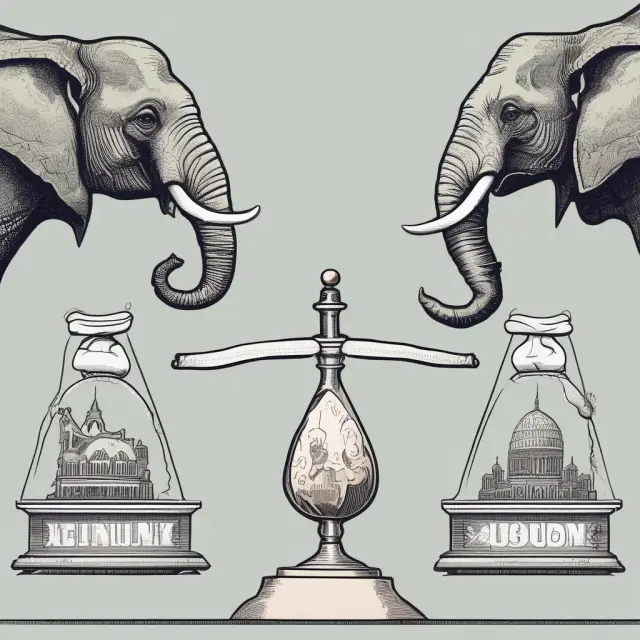
Disadvantages of Multinational Corporations
The rapid growth and expansion of multinational corporations (MNCs) have brought numerous benefits, including increased economic opportunities and access to new markets for both businesses and consumers alike. However, MNCs also present certain challenges and negative impacts on various aspects, including the economy, workforce, environment, and ethical standards.
Economic Concerns
One of the primary criticisms leveled against MNCs is their potential to negatively impact local economies in various ways. For instance, MNCs may exert substantial political influence over foreign governments, leading to unfair trade practices, regulatory capture, or tax avoidance schemes. Furthermore, outsourcing manufacturing and production to countries with lower labor costs can contribute to the loss of jobs in the home country. This phenomenon is often referred to as “job polarization,” where high-skilled and low-skilled jobs are concentrated in different regions while mid-level jobs disappear.
Environmental Concerns
Another concern regarding MNCs is their impact on the environment, particularly when they engage in resource extraction or production processes that may cause significant environmental damage or contribute to climate change. For instance, multinationals operating in developing countries may disregard environmental regulations due to lax enforcement or weak governance structures, leading to issues like deforestation, water pollution, and soil degradation.
Ethical Concerns
MNCs have also faced numerous ethical concerns related to their business practices, such as human rights abuses, bribery, and labor exploitation. For example, some MNCs have been accused of using sweatshop labor in developing countries or employing child laborers, leading to calls for increased transparency and accountability from consumers and advocacy groups.
Workforce Concerns
Finally, MNCs may also impact the workforce negatively in certain ways. For instance, they may offer wages and working conditions that are below the standards set by local regulations or international labor agreements. Furthermore, MNCs may engage in “brain drain,” where talented workers from developing countries are poached by multinationals for better pay and opportunities, leaving a skills gap in their home countries.
It is essential to acknowledge these challenges while recognizing that multinational corporations can also bring substantial economic benefits to the countries they operate in, like creating jobs, fostering technological innovation, and stimulating economic growth. As such, it’s crucial for MNCs to balance their profit motives with responsible business practices, ethical standards, and a commitment to sustainable development.
Examples of MNCs that have faced criticism for their impact on the workforce include companies like Foxconn, which manufactures products for Apple and other technology firms, and Nike, known for its labor practices in developing countries. However, it is important to note that not all multinationals engage in unethical or detrimental practices. Companies like Patagonia, known for their commitment to sustainability and ethical business practices, serve as a positive example of how MNCs can contribute to social and environmental change.

Examples of Multinational Corporations
Prominent multinational corporations, or MNCs, span industries and have a significant global presence. IBM, Berkshire Hathaway, Apple, Microsoft, Amazon, Walmart, and Nestlé S.A. are among the well-known enterprises that operate in multiple countries around the world. These corporations demonstrate various organizational structures and business models to expand their reach and maximize their potential for growth.
IBM is an American multinational technology company headquartered in Armonk, New York, with operations in over 170 countries. Founded in 1911, IBM’s centralized global corporation model has a headquarters that oversees its worldwide offices and operations. The company employs approximately 350,000 individuals, offering IT consulting services, infrastructure systems, and technology hardware.
Berkshire Hathaway is an American multinational conglomerate controlled by Warren Buffett. Although Berkshire Hathaway maintains its headquarters in Omaha, Nebraska, the company’s subsidiaries operate businesses across diverse industries, including insurance, manufacturing, retail, and energy. This multinational enterprise, which employs over 620,000 people worldwide, is an example of a decentralized corporation that allows each subsidiary to manage its local operations autonomously.
Apple Inc., a leading American technology company, has its headquarters in Cupertino, California. Apple is another multinational corporation that embodies the transnational model through its global presence and international subsidiaries. For instance, its subsidiary Nespresso, based in Switzerland, operates as an independent brand under the umbrella of the parent company while maintaining a distinct identity in foreign markets. Apple’s decentralized corporate structure allows for the localization of products to meet consumer preferences and demands.
Microsoft Corporation is another prominent American multinational technology company with headquarters in Redmond, Washington. Microsoft operates in over 120 countries, employing more than 160,000 people worldwide. The organization’s international division within a corporation model enables it to adapt its offerings to diverse markets while maintaining overall strategic control.
Amazon, an American multinational technology company headquartered in Seattle, Washington, is a global e-commerce giant that sells various products and provides services such as cloud computing, advertising, and digital streaming. Amazon’s decentralized corporation structure allows it to cater to the unique needs of various markets by offering localized offerings through its subsidiaries.
Walmart Inc. is an American multinational retail corporation with a global presence in over 27 countries. With headquarters in Bentonville, Arkansas, Walmart operates as a centralized global corporation that oversees its international operations from its U.S.-based headquarters. The company employs approximately 2.3 million people worldwide and has a significant impact on the economies of various countries through its investment in local communities and job creation.
Nestlé S.A., headquartered in Vevey, Switzerland, is an international food and beverage processing conglomerate that operates globally under the transnational corporation model. With subsidiaries like Nespresso, Gerber, and Perrier, Nestlé’s decentralized structure enables it to cater to diverse consumer preferences while maintaining a strong corporate brand identity.
In conclusion, multinational corporations such as IBM, Berkshire Hathaway, Apple, Microsoft, Amazon, Walmart, and Nestlé are prominent examples of companies that have successfully expanded their reach into multiple countries around the world. These organizations demonstrate various organizational structures, including centralized, decentralized, international division within a corporation, and transnational corporations to achieve growth and adapt to the diverse needs of global markets.

Multinational Corporations in the News
Multinational corporations (MNCs) have been making headlines for decades, with numerous controversies and debates surrounding their operations. From allegations of exploiting developing nations to accusations of circumventing tax laws, MNCs face a complex web of issues that can significantly impact economies, workers, and ethical standards worldwide.
One recent example that stirred up controversy was Amazon’s treatment of workers in its Indian warehouses during the pandemic. Critics claimed that the company put profits over employees’ safety by maintaining unrealistic delivery targets during lockdowns, leading to numerous cases of COVID-19 among its workers. In response, Amazon stated that it provided all necessary protective equipment and followed local health guidelines.
Another hot topic is tax havens, with multinational corporations like Google, Apple, and Starbucks being accused of using offshore subsidiaries to minimize their tax liabilities. While some argue this practice benefits shareholders and consumers by reducing costs and increasing profits, others believe it creates an unfair advantage for these companies over local competitors and exacerbates the wealth gap between developed and developing nations.
Another issue is environmental impact. Companies like Shell, ExxonMobil, and Chevron have faced criticism for their role in climate change, as well as their operations that contribute to habitat destruction and other environmental harms. Activists argue that MNCs should be held accountable for their entire value chain, not just the parts they directly control.
Despite these controversies, multinational corporations continue to play a significant role in our global economy, offering advantages such as job creation, access to new markets, and technological innovation. It remains essential for governments, consumers, and investors to engage with MNCs, pushing them towards responsible business practices that contribute to a fairer, more sustainable world.
Investing in Multinational Corporations: Opportunities & Considerations
As multinational corporations expand their operations internationally, they provide opportunities for investors seeking diversification and potential high returns. Investors can access various investment vehicles such as stocks, bonds, mutual funds, or exchange-traded funds (ETFs) to invest in MNCs. However, it’s crucial to consider factors like economic conditions, regulatory environments, and political risks before making an investment decision.
For instance, investing in a multinational corporation operating in a politically unstable country may involve higher risks, as its profits could be affected by instability or government instability. To mitigate these risks, investors can consider diversifying their portfolio across various industries and regions, as well as monitoring global news and events closely.
Furthermore, investing in multinational corporations with strong environmental, social, and governance (ESG) practices may provide long-term value for shareholders. By focusing on companies that prioritize the health of their workforce, protect the environment, and maintain ethical business practices, investors can contribute to a more sustainable and equitable world while also potentially generating attractive returns.

Investing in Multinational Corporations
Multinational corporations (MNCs) can present an attractive opportunity for investors seeking international diversification, exposure to foreign markets, and potential growth. As multinationals typically conduct business across borders and have operations in multiple countries, they allow individuals to invest not only in domestic companies but also in those from around the world.
Multinational corporations offer several advantages that can make them an appealing choice for investors:
- Diversification: By investing in a multinational corporation, you can gain exposure to various industries and markets, potentially reducing overall portfolio risk. For instance, if one sector or economy experiences a downturn, other sectors or economies might be performing well, thus offsetting any losses.
- Global Market Reach: Investing in an MNC opens the door to participating in global economic growth. As multinationals often have operations in diverse regions and industries, they can benefit from expanding markets and evolving consumer trends. This can lead to increased revenue potential and potentially higher returns on investment (ROI).
- Currency Hedging: By investing in a multinational corporation that operates in different countries, you indirectly gain exposure to various currencies. When the value of your home currency decreases against the currencies of the countries where the MNC does business, it can lead to gains in the value of your investment if the stock performs well. Conversely, when the value of your home currency strengthens against foreign currencies, potential losses could occur if the stock underperforms.
- Economic Stability: Investing in a multinational corporation can provide some degree of economic stability as these companies often have a diversified revenue base that spread across several industries and markets. This means they may be less susceptible to downturns in a single economy or sector, making them potentially less risky compared to investing in a domestic company with limited exposure to foreign markets.
- Tax Efficiencies: Multinational corporations can take advantage of tax incentives and lower corporate tax rates offered by various countries where they have operations. This can lead to increased profitability, which could translate into higher dividends or share buybacks for investors.
Despite these advantages, investing in multinationals also comes with certain risks that should be considered:
- Economic Instability: Political instability, economic volatility, and regulatory changes in the countries where multinationals operate can negatively impact their business operations and, subsequently, the value of your investment. For example, changes to tax laws or political instability could lead to decreased profits for the MNC and potential losses for investors.
- Currency Risk: Fluctuations in exchange rates between your home currency and the currencies of countries where multinationals have operations can impact the value of your investment. If the exchange rate moves against your favor, the value of your shares could decrease even if the MNC itself is performing well.
- Regulatory Risk: Multinational corporations face complex regulatory environments as they operate in multiple jurisdictions. This includes compliance with various accounting standards and tax laws, as well as potential political interference and pressure to adhere to local regulations that might not align with those of their home country.
- Ethical Concerns: Some multinationals have faced criticism for unethical business practices such as exploiting labor or natural resources in developing countries, bribing foreign officials, or evading taxes. These issues can negatively impact their reputation and potentially lead to financial losses for investors.
- Competition: Multinational corporations face intense competition from both local and international companies operating in the same industries and markets. This competition can result in lower profit margins and slower growth compared to smaller, more nimble companies, which might present a potential risk for investors seeking high returns.
When investing in multinationals, it’s important to do thorough research on the company’s financial performance, management team, business strategy, and risks associated with operating in various countries. Additionally, staying informed about geopolitical events and economic trends can help investors make more informed decisions and manage risk effectively.

FAQs about Multinational Corporations
What is the definition of a multinational corporation (MNC)?
A multinational corporation is an enterprise that conducts its operations in more than one country, with significant business activities taking place outside its home country. Generally, it derives at least 25% of its revenue from foreign sources.
How does a multinational corporation work?
Multinational corporations have a centralized headquarters managing global operations, and they conduct business in various countries while reporting financial information according to International Financial Reporting Standards (IFRS). They can be decentralized, with autonomous offices worldwide, or centralized, with a parent company controlling subsidiaries.
What are some characteristics of multinational corporations?
Multinationals have a global presence, often large and powerful organizations, conduct business in various languages, follow complicated structures, make direct foreign investments, provide jobs abroad (often at higher wages), navigate complex regulations, pay taxes in multiple countries, and can be accused of negative economic or environmental impacts.
What is the history of multinational corporations?
Multinationals have existed since colonial times, with companies like The East India Company being founded in 1600. Early multinationals operated at the request of European monarchs for international trade and exploration. Today’s multinationals are more focused on efficiency, lower production costs, and larger market share.
What are the advantages of multinational corporations?
Multinationals can expand their reach into new markets and sales opportunities, produce goods more efficiently, take advantage of favorable tax rates, and invest in foreign economies. They create jobs abroad and stimulate local economic growth.
What are the disadvantages of multinational corporations?
Multinationals may be accused of causing job losses in their home countries due to outsourcing, creating monopolies that stifle competition, exploiting resources and labor, ignoring ethical standards, and having a negative impact on the environment.
What are some examples of multinational corporations?
Examples include IBM, Berkshire Hathaway, Apple, Microsoft, Amazon, and Walmart, as well as Nestlé S.A. and its subsidiary Nespresso. These companies illustrate various organizational structures (decentralized, centralized, international division within a corporation, or transnational).
 Next entry · No. 3,305Understanding Multiple Listing Services (MLS) in Real Estate: A Comprehensive Guide for Investors and Professionals
See also
-
 No. 5,109
12 Aug 2025
19 min
Understanding Turnkey Solutions: Definition, Pros, Cons, and Examples
Business Strategy
No. 5,109
12 Aug 2025
19 min
Understanding Turnkey Solutions: Definition, Pros, Cons, and Examples
Business Strategy -
 No. 4,697
09 Jul 2025
25 min
Understanding Software as a Service (SaaS) – Advantages, Disadvantages, History and Characteristics
Business Strategy
No. 4,697
09 Jul 2025
25 min
Understanding Software as a Service (SaaS) – Advantages, Disadvantages, History and Characteristics
Business Strategy -
 No. 5,695
30 Sep 2025
21 min
White Collar: Understanding the Higher Echelon of Non-Manual Labor
Business Finance
No. 5,695
30 Sep 2025
21 min
White Collar: Understanding the Higher Echelon of Non-Manual Labor
Business Finance -
 No. 4,551
28 Jun 2025
20 min
Understanding Safe Harbors in Finance and Investment: Strategies, Types, and Examples
Business Finance
No. 4,551
28 Jun 2025
20 min
Understanding Safe Harbors in Finance and Investment: Strategies, Types, and Examples
Business Finance -
 No. 2,927
15 Feb 2025
20 min
Understanding Liquid Markets: Definition, Characteristics, and Advantages
Finance Policy
No. 2,927
15 Feb 2025
20 min
Understanding Liquid Markets: Definition, Characteristics, and Advantages
Finance Policy -
 No. 5,693
30 Sep 2025
24 min
Understanding White Label Products: Benefits, Types, and Real-life Examples
Business Strategy
No. 5,693
30 Sep 2025
24 min
Understanding White Label Products: Benefits, Types, and Real-life Examples
Business Strategy