Understanding White Label Products: Benefits, Types, and Real-life Examples

Discover the ins and outs of white label products: from benefits to types and real-life examples across industries.
Introduction to White Label Products
White label products are a crucial aspect of the business world, offering significant advantages for manufacturers, retailers, and consumers alike. These products are created by one company but sold under another entity’s branding or label, allowing businesses to expand their offerings without the time and costs associated with production and marketing. White labeling is prevalent across various industries, from electronics and services to supermarkets and retail chains.
The definition of a white label product is straightforward: it’s an item manufactured by one company that gets sold under another company’s brand or label. The manufacturer does not sell the product directly to consumers; instead, they produce it for another business to use as its own, often at a lower cost than creating the item in-house.
White label products are not new to the market. They have been around since the late 1990s and have grown increasingly popular due to their numerous advantages. One major benefit is that they save businesses time, energy, and resources by eliminating the need for them to produce the product themselves. Instead, companies can focus on marketing and selling the white label items under their branding while benefiting from lower production costs.
Another significant advantage of white label products is the ability to expand a company’s offerings without investing in additional resources or expertise. For instance, retailers like Walmart and Target have capitalized on this trend by creating private labels catering to various consumer groups. These private label brands not only help these retailers differentiate themselves from competitors but also allow them to reach new customer segments.
Understanding White Label Products: A Deep Dive
To better comprehend white label products, it’s essential to explore how they are manufactured and the role of various businesses involved in this process.
Manufacturing White Label Products
Manufacturers play a crucial role in creating white label items by producing the goods based on specifications provided by the brand or retailer. They focus on quality production, ensuring that the final product meets the desired standards set by the company buying their services. The manufacturer’s role is to create high-quality products at competitive prices, making it an attractive proposition for businesses looking to expand their offerings without investing heavily in production capabilities.
Retailers and White Label Products
Retailers benefit significantly from white label products as they allow them to sell items under their branding while minimizing production costs and risk. By contracting with manufacturers, retailers can create exclusive product lines that cater to various consumer groups and preferences. Moreover, private labels help retailers differentiate themselves in a crowded market by offering unique products at competitive prices, giving consumers an incentive to shop at their stores instead of competitors.
One interesting aspect of white label products is that they are not limited to tangible items; services can also be offered as white label solutions. For example, banks and financial institutions use third-party service providers to offer branded credit cards and financial services to their customers. This partnership benefits both parties—the bank gains a valuable offering for its clients without investing in costly infrastructure, while the provider enjoys increased exposure by partnering with established financial institutions.
In conclusion, white label products offer significant advantages for businesses across various industries by allowing them to expand their offerings and reach new customers without investing heavily in production capabilities or marketing efforts. Understanding how these products are manufactured, the role of retailers, and the benefits they provide can help companies make informed decisions when considering adopting a white label strategy.
In the next section, we will delve deeper into the advantages of private label branding and explore real-life examples from different industries to further illustrate the potential impact on businesses and consumers alike.

Manufacturing White Label Products
White label products are manufactured by a third party with the intention of being sold under another company’s brand or label. This practice allows businesses to expand their product lines and save on production costs without having to create products from scratch. The process involves several steps, including sourcing manufacturers, negotiating terms, managing quality control, and coordinating logistics.
First and foremost, companies must find a reliable manufacturer that can meet their specific requirements. This might include factors such as cost, delivery timelines, product customization, and certifications. Once a suitable manufacturer is identified, the next step is to negotiate terms for the production of white label items. These negotiations may cover aspects like pricing structures, minimum order quantities, intellectual property rights, and contract duration.
Quality control is crucial in ensuring that the end product meets the retailer’s brand standards. This might involve sending a team on-site to oversee manufacturing processes or implementing regular inspections and audits. Effective communication between the retailer and manufacturer can help maintain quality throughout the production cycle.
Logistics play an essential role in timely delivery of white label products to store shelves. A well-organized and efficient supply chain is necessary for meeting demand, minimizing inventory costs, and maximizing sales opportunities. Retailers may choose to work with a third-party logistics provider or establish their own in-house logistics operations.
White labeling has become increasingly popular due to its numerous advantages. One major advantage is the cost savings that come from outsourcing production to specialized manufacturers. Additionally, private label branding allows companies to expand their product lines and cater to specific consumer segments more effectively. Retailers can differentiate themselves in a crowded market by offering unique products with competitive pricing and high-quality standards.
Understanding White Label Products: A Deep Dive
White label products are manufactured for one company and then rebranded, packaged, and sold under another company’s name or label. This is not a new concept but has been gaining significant popularity in recent years due to its numerous benefits. The term ‘white label’ comes from the early days of music recording, where artists would record their songs on blank ‘white label’ vinyl records that could be later customized with the artist’s branding.
In today’s business world, white label products are prevalent in various industries, including retail, electronics, and services. The trend is particularly strong among large retailers like Walmart, Costco, and Target, which use private label brands to expand their offerings and cater to specific consumer segments. Some multinationals also manufacture top-tier products under their own brand while outsourcing the production of cheaper alternatives as white label products.
One significant advantage of white labeling is cost savings. By outsourcing production to specialized manufacturers, companies can save on production costs without having to invest in infrastructure and personnel. Additionally, private label brands allow retailers to sell products at competitive prices while maintaining a healthy profit margin. Another benefit is the ability to quickly respond to changing market demands by introducing new private label offerings.
However, white labeling also comes with challenges such as intellectual property protection, quality control, and potential competition from the original manufacturers or other retailers selling similar white label products. Retailers must ensure that their branding is distinct enough to avoid confusion among consumers and maintain customer trust. They should also implement rigorous quality control measures to ensure that white label products meet the same standards as their own brands.
Real-life Examples of White Label Products in Action
White label products can be found across industries, from groceries and electronics to services like credit card processing and insurance. One notable example is Walmart’s Great Value brand, which offers a wide range of private label products in various categories such as food, household essentials, and health and beauty. The success of this strategy has allowed Walmart to compete effectively against other retailers while keeping prices low for consumers.
Another prominent example is Costco’s Kirkland Signature line, which includes high-quality private label products across multiple categories. By offering premium items at competitive prices, Costco has successfully differentiated itself from competitors and attracted a loyal customer base. In some cases, the quality of Kirkland Signature products even surpasses that of national brands, making it a winning strategy for both retailers and consumers.
In conclusion, white label products offer numerous benefits to businesses looking to expand their offerings while saving on production costs. By outsourcing manufacturing to specialized third parties and implementing rigorous quality control measures, retailers can produce high-quality private label products that cater to specific consumer segments and remain competitive in an ever-changing marketplace.
FAQs:
- What are white label products? White label products are manufactured by a third party but sold under another company’s brand or label.
- How does the process of manufacturing white label products work? The process involves sourcing a manufacturer, negotiating terms, managing quality control, and coordinating logistics.
- What are some advantages of white labeling for businesses? Cost savings, expanded product lines, and catering to specific consumer segments are some benefits.
- How does private label branding impact consumer trust? Retailers must ensure that their branding is distinct enough to avoid confusion among consumers and maintain customer trust.
- Can white label products be found in various industries? Yes, they can be found across industries, from retail and electronics to services like credit card processing and insurance.

Benefits of White Labeling
White label products represent an attractive alternative for businesses seeking to expand their offerings while saving on production and marketing costs. White labeling refers to the manufacturing of goods or services by one company that’s then branded, marketed, and sold under another company’s label. In other words, white label products allow businesses to tap into a third party’s expertise in production or service delivery, which can be particularly valuable for new entrants or those looking to diversify their offerings.
One of the most significant benefits of white labeling is the cost savings associated with it. By outsourcing the manufacturing process and branding, businesses can focus on their core competencies while avoiding the high upfront costs of product development, manufacturing facilities, and marketing campaigns. This arrangement enables companies to bring new products to market more quickly and efficiently than if they were to build these capabilities in-house.
Moreover, white labeling provides a means for companies to expand their offerings beyond their current product lines or enter new markets where they might not have the necessary resources or expertise. For instance, retailers looking to sell electronics can partner with manufacturers to produce and brand their own line of gadgets under a private label agreement. This approach allows the retailer to leverage the manufacturer’s production capabilities and economies of scale while offering a unique selling proposition that differentiates them from competitors.
Additionally, white labeling offers businesses the opportunity to enter niche markets or cater to specific consumer segments by partnering with manufacturers who specialize in those areas. By collaborating with experts in various industries, businesses can create high-quality, targeted products that cater to under-served market demands while maintaining a competitive edge.
White labeling also provides flexibility for businesses as they can terminate agreements with their partners at any time if the partnership is not yielding desired results or if there are better opportunities in the market. Furthermore, white label partnerships can be easily scaled up or down depending on demand, making it an adaptive solution for businesses facing fluctuating customer needs and market conditions.
The growing dominance of private label brands has been a major concern for national brands as they face increased competition from retailers and other manufacturers offering similar products at more affordable prices. In recent years, the trend towards white labeling has gained significant momentum, particularly in industries such as electronics, food, and clothing, where economies of scale and high manufacturing costs make it challenging for small businesses to compete.
Overall, white labeling offers businesses numerous advantages, including cost savings, expanded offerings, and increased flexibility. By partnering with third-party manufacturers or service providers, companies can focus on their core competencies while leveraging the expertise of others to deliver high-quality products and services under their own brand name. This approach has proven successful for large retailers like Walmart, Target, and Costco, which have built robust private label brands that compete directly with national brands in various industries. However, it’s essential for businesses considering white labeling to carefully evaluate the pros and cons and establish a solid partnership framework to maximize benefits while minimizing risks.

Types of Businesses Using White Label Products
White label products have been adopted by various industries, but large businesses, particularly retailers, have seen remarkable success with private label branding. Below we’ll look at real-life examples of businesses from different sectors that have embraced white labeling to their advantage.
Retailers: From Groceries to Big Box Stores
The popularity of white label products can be traced back to the late 1990s, when Tesco, a British multinational grocery and general merchandiser, started segmenting its customers and developing brands catering to each group. In the United States, retail giants like Walmart followed suit, with at least ten different brands targeting distinct consumer groups and product lines (combined revenue of over $1 billion per year).
Multinationals and Mass Merchandisers: Expanding Offerings
White labeling has also proven successful for multinationals and mass merchandisers in the electronics sector. Top-tier mobile phone and computer manufacturers often produce white label products for their own brands, allowing them to expand their offerings without investing significant resources into marketing or branding efforts.
Electronics Industry: A Growing Trend
The adoption of private labeling is not exclusive to the supermarket industry. In the electronics sector, major manufacturers of high-end mobile phones and computers often create white label versions for other brands to sell under their own labels. This trend has been gaining momentum due to increased competition and consumer demand for affordable alternatives.
Services: Credit Card Processing and More
White label products don’t always take the form of physical goods; they can also refer to services. Banks, for instance, use white label services like credit card processing when they don’t have these capabilities in-house. Additionally, businesses that don’t offer banking operations often extend branded credit cards to their customers, effectively creating a co-branded relationship between the two entities.
A notable example of this is L.L. Bean Inc., which offers its consumers a branded credit card provided by Barclays Bank. Similarly, Macy’s offers its customers a branded credit card supplied by American Express.
Advantages and Disadvantages: A Double-Edged Sword
The implementation of white label products comes with several advantages and disadvantages. For instance, expanded product lines can help companies target specific customer groups and boost competitive advantage. Large contracts can lead to guaranteed sales and revenue for producers. Additionally, stores can sell white label products at discounted prices relative to national brands. On the downside, private label branding may result in copycatting or monopolistic market conditions. Barriers to entry for new firms could also be a concern as the dominance of white label brands reduces overall competition.
Real-Life Example: Costco’s Kirkland Signature
Costco, a US-based warehouse club operator, has been creative with its branding strategy by embracing white label products. While not all Kirkland products are manufactured in-house, the retailer contracts with various producers to put their items into Kirkland packaging. This approach allows Costco to offer identical products at lower prices compared to national brands. For instance, Costco sells Saran Wrap (a trademarked name owned by S.C. Johnson & Son), but it also offers its own Kirkland Signature stretch-tite plastic food wrap. The retailer’s co-branding strategies with established brands like Starbucks, Quaker Oats, PepsiCo, and Tyson Foods have further blurred the line between private labels and national brands in the minds of consumers.
In conclusion, white label products offer a range of benefits for businesses across various industries, from cost savings to expanded product lines. Understanding how different types of companies use these products can help businesses make informed decisions about implementing their own white label strategies.

Retailers’ Role in White Labeling
White label products have significantly impacted the retail industry, especially for large players like Walmart and Target. Retailing white label products allows businesses to expand their product offerings without bearing the production costs or taking on the risks involved. In essence, white labeling is a collaborative effort between two entities: the manufacturer producing the items and the retailer marketing and selling them under its brand name.
For instance, Walmart (WMT) and Target Corporation (TGT) have capitalized on white label products to cater to their respective customer segments effectively. These retailers work with manufacturers to create exclusive brands that cater to specific consumer preferences while maintaining a competitive edge in the market. By doing so, they save significant costs compared to developing in-house brands or constantly relying on third-party brands for their offerings.
The practice of white labeling is not limited to retailers; it extends to other industries as well. In the electronics sector, tech giants like Samsung and Apple collaborate with various manufacturers to create white label products under their brand names. This approach enables them to diversify their product lines without having to invest in research and development or manufacturing facilities.
A notable example of successful retailer white labeling is Costco (COST), which has built its Kirkland Signature line into a powerhouse brand. Although Costco doesn’t manufacture all the Kirkland products, they negotiate exclusive deals with various manufacturers to sell their items under the Kirkland label. This strategy allows Costco to offer consumers high-quality and competitively priced alternatives to national brands while maintaining a strong market presence.
The emergence of white labeling has led to several benefits for retailers. By creating their own branded products, they can differentiate themselves from competitors and target specific consumer segments more effectively. Moreover, white labeling offers significant cost savings by avoiding the expenses associated with developing in-house brands or relying solely on third-party brands.
However, it is essential to acknowledge the challenges of white labeling, such as potential copycat issues and monopolistic market structures that could stifle competition. Retailers must ensure they differentiate their private label offerings from competitors sufficiently and provide value to consumers beyond just low prices.
As white label products continue to gain popularity among consumers and retailers alike, it is essential for businesses to understand the role of white labeling in the retail industry, its advantages, and the potential challenges it presents. By embracing white labeling strategies, companies can expand their product offerings, enhance customer satisfaction, and maintain a competitive edge in an evolving market.

White Label Products in Electronics Industry
The trend of white label branding has extended beyond the supermarket segment and permeated the electronics industry, with major players embracing the private label strategy to offer a more diverse range of products to their customers. White label electronics are manufactured by one company but sold under another’s brand name. This arrangement provides benefits for both manufacturers and retailers.
Manufacturers gain access to new markets through white label agreements, which allows them to expand their customer base and increase revenue streams. They can also benefit from economies of scale by producing large quantities for various retailers at lower costs. For instance, a single manufacturer might supply private label tablets to multiple retailers, such as Walmart, Best Buy, and Costco.
Retailers gain an edge in the market by offering a wider variety of products under their brand names. White labeling electronics also allows them to compete effectively against larger competitors and national brands by providing comparable or even superior quality at lower prices. Additionally, private label deals provide retailers with greater control over product specifications, ensuring that the products align with their unique selling points and target demographics.
Examples of White Label Electronics in the Industry
Many well-known electronics manufacturers have embraced white labeling as a strategy to expand their offerings. In 2017, Amazon’s private label brand, AmazonBasics, launched an impressive range of electronics, including power banks, cables, and home security cameras. These products are produced by various manufacturers but sold under the AmazonBasics label.
Another prominent example is Foxconn Technology Group, a leading Taiwanese electronics contract manufacturer. They produce devices for numerous brands, like Apple, Google, and Huawei. In addition to their work with major companies, they also create and sell their own white label products under various brand names, such as NexQ and Jeda.
Advantages of White Labeling in Electronics Industry
Private label electronics offer several advantages for retailers and manufacturers alike:
- Diversification: By producing and selling a wider range of private label products, manufacturers can expand their market share and cater to various customer segments. Retailers benefit from offering exclusive branded items that differentiate them from competitors.
- Competitive pricing: White labeling enables retailers to offer competitive prices by leveraging economies of scale and direct sourcing. Manufacturers can produce larger quantities at lower costs due to the absence of marketing expenses and brand recognition fees.
- Flexibility: Private label agreements provide both parties with greater flexibility in terms of product specifications, pricing, and marketing strategies. This allows for quicker response times to evolving market demands and consumer preferences.
- Improved brand perception: White label products offer a unique opportunity for retailers to build their brands and gain consumer trust by providing high-quality and competitively priced electronics that meet or exceed the expectations of national brands.
- Enhanced customer loyalty: Private label initiatives can boost customer loyalty by offering exclusive deals, rewards, and personalized experiences. This helps retailers create a strong bond with their customers and retain them over the long term.
Despite the numerous advantages associated with white labeling electronics, there are also challenges that need to be addressed. Retailers must ensure that their private label products maintain a high level of quality and consistency to build consumer trust and avoid damaging their reputation. Additionally, they must invest in marketing and branding efforts to effectively position and promote their private label offerings.
In conclusion, the electronics industry has seen a surge in white label initiatives as retailers seek to differentiate themselves from competitors and offer consumers high-quality, competitively priced alternatives to national brands. By embracing this strategy, manufacturers and retailers can expand their product offerings, build customer loyalty, and stay competitive in an ever-evolving market.

White Label Services
White label products are not limited to physical goods; services can also be offered as white label solutions. A credit card processing service, for example, could be rebranded by banks or other financial institutions and sold under their own brand name. This arrangement is called white labeling in the context of services.
The concept of white label services allows businesses to expand their offerings without having to invest time and resources into creating a new product or service. By partnering with an external provider, they can offer a customized solution that aligns with their brand and meets the specific needs of their customers.
For instance, banks often use white label credit card processing services provided by third parties like Mastercard (MA) or Visa (V). These providers handle all aspects of processing transactions for various financial institutions under their own name, while the banks resell these services to their clients with their own branding. This partnership benefits both parties: the provider gains access to a wider customer base, and the bank can offer its customers a convenient and reliable solution without having to manage the underlying infrastructure themselves.
Moreover, businesses that do not have an in-house capability for providing a particular service may opt to use white label services instead of building their own solutions from scratch. For example, L.L. Bean Inc. offers branded credit cards to its customers through a partnership with Barclays Bank. Similarly, Macy’s credit card is provided by American Express. In such cases, the bank or financial institution acts as a white label provider for the brand that sells and markets the product to end consumers.
The advantages of white label services are similar to those of physical goods: cost savings, expanded offerings, and improved customer satisfaction through tailored solutions. However, there are unique challenges as well, such as ensuring data security and maintaining a consistent user experience across multiple platforms or channels. To address these issues, it’s essential for businesses to carefully evaluate potential white label partners and establish clear communication channels and service level agreements.
In conclusion, white labeling is not just about private label branding for physical goods; services can also be offered as white label solutions to help businesses expand their offerings and cater to the specific needs of their customers. By partnering with external providers, they can benefit from economies of scale, cost savings, and improved customer satisfaction while maintaining their unique brand identity.

Advantages and Disadvantages of White Label Products
White label products bring about various advantages and disadvantages for both businesses and consumers. Let’s explore these aspects in detail to fully understand the implications of private label branding.
Cost savings is a significant advantage of white labeling. For businesses, it means not having to invest in production or marketing costs since those responsibilities lie with the manufacturer creating the product. This cost reduction can then translate into lower prices for consumers and larger profits for retailers.
Private labeling also allows companies to expand their offerings without putting time and resources into developing new products from scratch. By sourcing white label items, businesses can cater to diverse customer segments and provide them with a wider range of choices.
However, white labeling is not devoid of disadvantages. One potential downside includes the lack of brand loyalty among consumers who might opt for cheaper alternatives rather than well-known national brands. Additionally, competition could intensify as more businesses enter the marketplace with their private labels, which may lead to price wars and reduced profit margins.
The impact on consumer trust is a contentious issue when it comes to white label products. On the one hand, they can offer high quality and value for the money just like national brands, given that many manufacturers produce both. Conversely, consumers might be skeptical of lesser-known labels and could view them as inferior or even counterfeit. This skepticism may prevent them from purchasing private label products despite their potential advantages.
The copycatting issue is another consideration when it comes to white labeling. Retailers risk creating confusion and potential legal troubles if they use packaging that too closely resembles national brands. Private labels must find a way to differentiate themselves without misleading consumers or infringing on intellectual property rights.
Lastly, the monopolistic implications of white labeling should be considered. A powerful retailer could potentially push smaller competitors out of the market by offering private label alternatives that undercut their prices and capture significant market share. This could result in a lack of competition and reduced innovation as fewer firms enter the space.
In conclusion, while white label products present various benefits such as cost savings and expanded offerings for businesses, they also come with disadvantages like consumer skepticism, copycatting, and potential monopolistic tendencies. Understanding these factors can help businesses navigate the complexities of private label branding and make informed decisions about whether it’s an appropriate strategy for their organization.
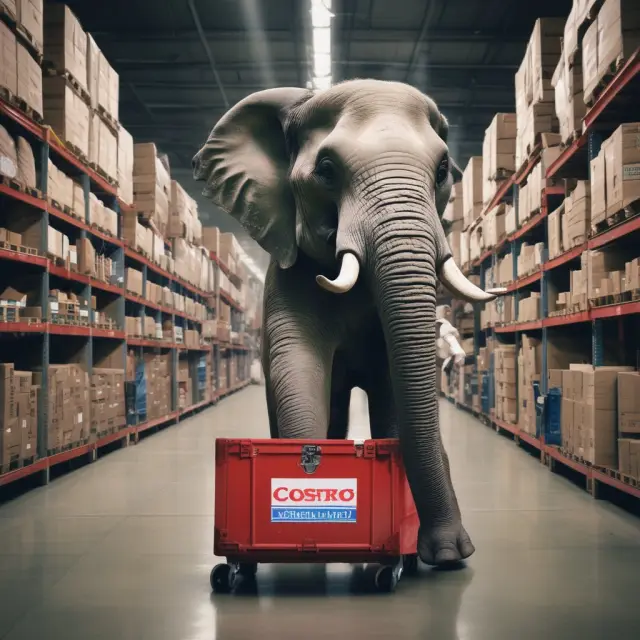
Real-life Example: Costco and Kirkland Signature
Costco Wholesale Corporation, an American multinational corporation, has achieved significant success with its private label brand, Kirkland Signature. While it might seem that Costco produces all Kirkland products in-house, this isn’t the case. Instead, Costco contracts third-party manufacturers to create and produce items under their Kirkland Signature label.
The white labeling strategy adopted by Costco offers various benefits:
- **Expanded product lines**: By offering a wide range of private label products, Costco caters to diverse consumer groups and preferences, which can lead to increased sales and customer loyalty.
- **Cost savings**: Private label brands often offer competitive pricing due to economies of scale and reduced marketing costs, making it an attractive option for consumers seeking affordable alternatives to national brands.
- **Quality assurance**: White label manufacturers often produce goods under the same conditions as national brands, ensuring high-quality products that meet or even surpass consumer expectations.
- **Co-branding opportunities**: By collaborating with well-known brands, Costco can leverage their reputation and create a unique selling proposition for its private label offerings (e.g., Kirkland Signature Starbucks coffee).
Costco’s approach to white label branding is not exclusive to the retail industry. Electronics manufacturers such as Foxconn Technology Group, which manufactures goods for tech giants like Apple and Samsung, have also embraced private labeling by producing devices under their own brands or sub-brands (e.g., Hon Hai’s InFocus smartphones).
While there are several advantages to white label branding, there are also challenges:
- **Copycatting**: Retailers may face legal repercussions for misrepresenting the origin of a product or using packaging that is too similar to an existing brand.
- **Market dominance**: The rise in popularity of private label brands could lead to monopolistic practices, resulting in decreased competition and higher prices for consumers.
- **Barriers to entry**: Established retailers with successful private labels could make it challenging for new entrants to compete effectively in the market.
- **Quality perception**: Consumers may associate private label brands with lower quality and be hesitant to try them, despite their actual quality being on par or even superior to national brands.
Costco’s Kirkland Signature has demonstrated success in navigating these challenges by offering high-quality products at competitive prices and partnering with reputable brands for co-branding initiatives. As white label branding continues to grow in popularity, it will be interesting to observe how retailers and manufacturers adapt to the evolving market dynamics.

FAQ
Question 1: What exactly is a white label product?
Answer: White label products are items produced by one company but sold by another business under its brand name. The manufacturer doesn’t market or sell the product directly; instead, they create and manufacture it for another company to sell as their own.
Question 2: Who typically uses white label products?
Answer: White labeling is popular across a wide range of industries, with large retailers like Costco, Walmart, and Target being some of the most notable users due to their significant market presence and extensive brand reach. In addition, multinationals and mass merchandisers have embraced white label products as a strategy for expanding offerings and catering to various consumer groups.
Question 3: Can services be offered as white label products?
Answer: Absolutely! White label services refer to offerings provided by one business that can be branded and sold as another company’s product. Examples include credit card processing, IT services, or even financial consulting. These businesses benefit from the trusted brand name of their partner while expanding their service portfolio without having to develop the offerings in-house.
Question 4: Why do companies choose white label products?
Answer: White labeling offers numerous advantages for companies, such as cost savings by outsourcing production and marketing costs, faster time-to-market with ready-made solutions from established manufacturers, and the opportunity to expand product offerings without investing resources in research and development.
Question 5: What are some potential disadvantages of white label products?
Answer: While private label branding comes with significant benefits, it also poses challenges such as competition from established brands, potential for consumer confusion due to similar packaging or offerings, and the requirement for companies to build their own brand equity and differentiate themselves in the market.
Question 6: How does white labeling impact consumers?
Answer: Consumers can benefit from white label products in various ways, including access to high-quality items at lower prices due to reduced marketing costs, a wider range of product options, and potentially improved customer service since the retailer focuses on selling and supporting their branded offerings. However, some consumers may be concerned about the lack of transparency regarding the origin of the products or potential quality differences between national brands and private label alternatives.
Question 7: Can white labeling impact competition in an industry?
Answer: Yes, white labeling can significantly impact competition in an industry by allowing large retailers to offer competitive pricing and a diverse product line while smaller businesses struggle to keep up. This could lead to reduced competition and potential barriers to entry for new firms looking to enter the market.
Question 8: Can private label brands ever surpass national brands?
Answer: While it’s possible for private label brands to gain significant market share and even surpass national brands in certain categories, it depends on factors like the quality of the product, consumer perception, and the marketing efforts behind the private label brand. National brands often have established customer loyalty and a strong reputation that can be challenging to replicate overnight.
 Next entry · No. 5,694Understanding White List States and the Role of Surplus Lines Insurance
See also
-
 No. 5,396
05 Sep 2025
17 min
Understanding the Role and Benefits of Value-Added Networks (VAN) in Modern Finance and Investment
Business Finance
No. 5,396
05 Sep 2025
17 min
Understanding the Role and Benefits of Value-Added Networks (VAN) in Modern Finance and Investment
Business Finance -
 No. 4,551
28 Jun 2025
20 min
Understanding Safe Harbors in Finance and Investment: Strategies, Types, and Examples
Business Finance
No. 4,551
28 Jun 2025
20 min
Understanding Safe Harbors in Finance and Investment: Strategies, Types, and Examples
Business Finance -
 No. 5,422
07 Sep 2025
21 min
Understanding Vanilla Strategies: Simple, Effective Approaches to Investing and Business
Business Strategy
No. 5,422
07 Sep 2025
21 min
Understanding Vanilla Strategies: Simple, Effective Approaches to Investing and Business
Business Strategy -
 No. 4,119
23 May 2025
21 min
Mastering Project Management: Techniques, Types, and Examples
Business Strategy
No. 4,119
23 May 2025
21 min
Mastering Project Management: Techniques, Types, and Examples
Business Strategy -
 No. 3,304
17 Mar 2025
20 min
Understanding Multinational Corporations: Definition, Characteristics, and Advantages & Disadvantages
Business Strategy
No. 3,304
17 Mar 2025
20 min
Understanding Multinational Corporations: Definition, Characteristics, and Advantages & Disadvantages
Business Strategy -
 No. 2,862
10 Feb 2025
18 min
A Comprehensive Guide to Understanding Licensing Agreements: Advantages, Disadvantages, and Examples
Business Strategy
No. 2,862
10 Feb 2025
18 min
A Comprehensive Guide to Understanding Licensing Agreements: Advantages, Disadvantages, and Examples
Business Strategy