Understanding Ocean Bills of Lading: A Comprehensive Guide for Professional Investors
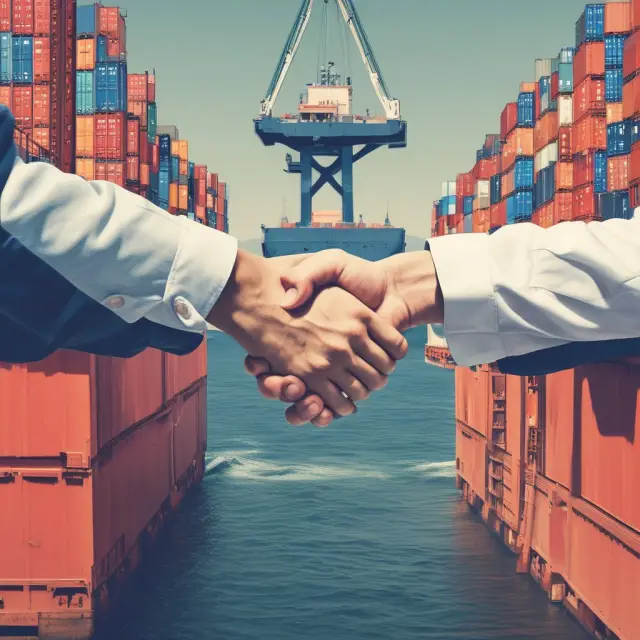
Understanding Ocean Bills of Lading: Comprehensive Guide for Investors. Learn the function, structure, types, advantages/disadvantages, and more.
Introduction to Ocean Bills of Lading
An ocean bill of lading, often abbreviated as ‘OBOL,’ serves as a vital document in the global trade industry, especially for professional investors. This contract plays an essential role in facilitating international maritime transportation by providing a legal framework between the shipper and the carrier (Carrier). A bill of lading acts as both a receipt and collection document; it is issued upon loading the cargo onto the vessel and confirms that the goods have been received by the carrier. The following discussion explores the function, purpose, structure, and advantages/disadvantages of ocean bills of lading, focusing on their significance in international trade.
Function and Purpose of an Ocean Bill of Lading
An ocean bill of lading functions as a legal document that binds both the shipper and the carrier in a contract. The primary role is to serve as:
- A receipt from the shipper to the carrier for the cargo shipped, ensuring that the goods have been received in good condition.
- A collection document or invoice, enabling the carrier to collect payment from the buyer (importer) upon delivery of the goods.
- Proof that the carrier has assumed responsibility for the cargo during transit, as well as proof of ownership for the shipper and the carrier.
- Evidence that the shipment is insured under marine insurance policies.
- A document required to release cargo from the port and customs.
- The primary evidence needed to initiate a claim process in case of cargo damage or loss during transportation.
The legal binding nature of an ocean bill of lading ensures that any terms and conditions agreed upon by both parties are adhered to throughout the shipping process. This helps maintain trust between the shipper and the carrier, while reducing disputes and potential misunderstandings.
Stay tuned for more detailed information on the structure, advantages, and disadvantages of ocean bills of lading in future sections!

Function and Purpose of an Ocean Bill of Lading
An ocean bill of lading is a critical document that plays a significant role in international maritime transportation. It serves as a legally binding agreement between the shipper and the carrier, outlining the terms and conditions of shipping goods overseas via sea. This contract functions as both the receipt of shipment for the carrier and as a collection document or invoice from the shipper.
The primary purpose of an ocean bill of lading is to facilitate the transfer of ownership and responsibility for goods during maritime transportation. It provides essential information about the nature of the shipment, including what is being transported, in what quantities, and where it will be delivered. Furthermore, the value of the goods and type of packing used are also detailed within this document.
When a shipper transports goods via ocean, they issue an ocean bill of lading to the carrier once the cargo has been loaded onto the vessel. Both the shipper and the carrier sign the contract before the vessel departs. After the shipment arrives at its destination, the receiver signs the ocean bill of lading as acknowledgement of receipt.
It is important to note that there are various forms of bills of lading based on their negotiation status: non-negotiable and negotiable. Non-negotiables are suitable for shipments where the parties involved have established open accounts, meaning that the shipper doesn’t require immediate payment from the receiver. This type of bill allows the buyer to obtain ownership of the goods only when they arrive at the destination port and present valid identification. In contrast, negotiable bills of lading grant the right to transfer ownership before arrival through a third party or factor, making it an essential document for international trade based on letters of credit.
In conclusion, understanding the function and purpose of an ocean bill of lading is essential when engaging in overseas transportation of goods. This contract plays a crucial role in facilitating communication between parties involved, ensuring that responsibilities are clearly defined, and promoting the secure transfer of ownership during international shipping.

The Structure of an Ocean Bill of Lading
An ocean bill of lading (B/L) is a contractual document that outlines essential details pertaining to the international transportation of goods via maritime routes. This document plays a crucial role in facilitating the financial settlements between shippers, carriers, receivers, and banks involved in international trade transactions.
The B/L’s structure includes several components:
1. Parties Involved: The document identifies the three parties concerned with the shipment:
– Shipper: The person or entity that owns or consigns the cargo.
– Carrier: The company responsible for transporting the goods via ocean vessels to the destination port.
– Receiver: The individual or organization that accepts and pays for the delivery of the cargo from the carrier.
2. Description of Goods: This section includes a comprehensive list of the type, quantity, and condition of items being shipped, along with their respective package marks and numbers.
3. Port of Loading and Discharge: The B/L specifies the origin port (loading) where the goods are picked up by the carrier and the destination port (discharge), where the receiver will take possession of the cargo.
4. Transportation Charges: This section outlines various charges, including freight and other costs involved in moving the consignment from one country to another.
5. Insurance Clause: An optional clause can be included for the coverage of goods during transit through marine insurance.
6. Payment Terms: The B/L contains payment terms between the shipper and receiver, including invoice details and agreed-upon delivery dates.
7. Notices and Disclaimers: This section includes various notices and disclaimers that protect the carrier from potential claims, as well as any other contractual obligations.
Upon signing the B/L, both the shipper and carrier are bound to fulfill their respective responsibilities as outlined in the agreement. The document becomes an essential tool for facilitating financial transactions between the parties, enabling them to settle payment and complete the delivery of goods successfully.
Ocean vs. Inland Bills of Lading: A Comparative Analysis
When it comes to shipping goods, understanding the difference between ocean bills of lading and inland bills of lading is crucial for professional investors and business owners. Both documents serve unique purposes within the logistics industry; while an ocean bill of lading focuses on international water transportation, an inland bill of lading deals with land-based movement.
Firstly, let us examine when to use each document in different shipping scenarios. An ocean bill of lading is necessary for moving goods across international waters. This document details the specifics of a shipment, including its nature and destination. It acts as a carrier’s receipt to the shipper and serves as a collection document or invoice once the cargo has reached its intended port.
Conversely, an inland bill of lading is required if goods need to be transported further within a country after arriving at the dock. This document, also referred to as a waybill, covers land transportation only. The key difference between these two types of bills lies in their jurisdiction; while an ocean bill governs international sea trade, an inland bill applies to internal land transports.
Moreover, it is important to understand the roles and functions of both documents:
– Ocean bills enable the shipper to transport goods across international waters. They outline crucial details about the nature of the shipment, such as its type and quantity, as well as its intended destination. Additionally, they provide a legal framework for financial transactions between the involved parties.
– Inland bills serve to facilitate land transportation within a country. This document is necessary when goods need to be moved from one place to another domestically once they have arrived at their port of entry. Inland bills do not cover sea transportation but help ensure a smooth transfer of ownership and payment for inland freight services.
In conclusion, an ocean bill of lading and an inland bill of lading serve different purposes within the shipping process. Ocean bills enable international maritime transport, while inland bills facilitate land transportation only. Familiarity with these documents is essential for any business involved in importing or exporting goods to manage logistical complexities effectively and make informed investment decisions.

Types of Ocean Bills of Lading
Understanding the various types of ocean bills of lading is essential for professional investors involved in international shipping and logistics. The two primary categories are non-negotiable and negotiable bills of lading. Both offer unique features, stipulations, and benefits that cater to different shipping requirements.
Non-Negotiable Ocean Bills of Lading
A non-negotiable ocean bill of lading is not transferrable or exchangeable without the involvement of the original shipper. This type of bill specifies that the goods are to be received only by the consignee listed on the document. The main advantage of a non-negotiable ocean bill of lading is its simplicity, as it eliminates the need for extensive paperwork or intermediaries when transferring ownership and title of the goods.
The non-negotiable bill functions well in situations where there is an established business relationship between the shipper and the consignee, with both parties trusting one another to fulfill their contractual obligations. It also allows the buyer to receive the goods upon showing identification, providing convenience for transactions involving open accounts where payments are not required up front.
Negotiable Ocean Bills of Lading
On the other hand, a negotiable ocean bill of lading is transferrable and exchangeable between parties. This type of document allows the holder to sell or transfer ownership of the goods in transit by endorsing the bill to another party. A negotiable ocean bill of lading serves as evidence of ownership, providing greater flexibility for investors involved in complex shipping transactions.
The use of a negotiable ocean bill of lading is typically necessary when the terms and conditions outlined in the contract need to be secured before releasing the goods to the receiver. This type of document becomes particularly beneficial in situations where the payment is backed by a letter of credit. In such cases, the negotiable ocean bill of lading acts as proof that the shipper has complied with all necessary requirements and conditions, allowing the receiver to release payment upon receiving the endorsed document.
Understanding the differences between non-negotiable and negotiable ocean bills of lading is crucial for investors involved in international shipping. While both types serve essential purposes within maritime logistics, they cater to varying requirements and offer distinct advantages that can significantly impact the success of a shipping transaction.
Advantages and Disadvantages of Ocean Bills of Lading
Ocean bills of lading offer numerous benefits for professional investors engaged in international trade, but they also come with certain risks and drawbacks that must be considered. In this section, we will explore the advantages and disadvantages of using ocean bills of lading compared to other shipping options.
Benefits of Using Ocean Bills of Lading
- Efficient Shipping: Ocean bills of lading provide an efficient solution for transporting large quantities of goods internationally. This is because they can accommodate multiple containers or bulk cargos, making it a cost-effective option for shipping significant volumes.
- Legal Protection: Ocean bills of lading serve as legal contracts between shippers and carriers. This contractual relationship offers protection to both parties throughout the shipping process. It provides shippers with the security that their goods will be transported safely and delivered at their intended destination, while carriers are protected against any potential damages or losses claimed by the shipper.
- Financial Security: For investors who rely on international trade, an ocean bill of lading offers a level of financial security. It enables secure payment terms through various financing methods like letters of credit, which can be crucial in ensuring that funds are only released upon completion of the shipping process.
- Standardized Contracts: Ocean bills of lading adhere to internationally recognized formats and standards, such as the International Chamber of Commerce (ICC) Uniform Customs and Practice for Documentary Credits (UCP 600). This consistency helps minimize confusion and streamlines the shipping process, making it easier for businesses to engage in international trade.
Drawbacks of Using Ocean Bills of Lading
- Longer Shipping Times: Compared to other shipping methods, such as air freight or express courier services, ocean bills of lading take longer to transport goods from one country to another. This can be a disadvantage for companies that need their goods delivered quickly or have tight deadlines.
- Higher Risk of Damage: Oceans are notorious for creating risks such as storms, piracy, and other hazards that can potentially lead to damages during the shipping process. While insurance can help mitigate these risks, it adds an additional cost for investors.
- Complexity: Ocean bills of lading come with a certain level of complexity due to international regulations, paperwork requirements, and potential communication barriers between multiple parties involved in the shipping process (such as freight forwarders, shippers, carriers, and receivers). This complexity can lead to additional time and cost for investors.
- Environmental Impact: Shipping goods via ocean bills of lading contributes significantly to greenhouse gas emissions due to the large-scale transportation of goods. The environmental impact is a growing concern that investors must consider when deciding whether or not to engage in international trade using this method.
In conclusion, ocean bills of lading offer numerous benefits for professional investors involved in international trade, including legal protection, financial security, and efficient shipping. However, they also come with risks and drawbacks such as longer shipping times, higher risk of damage, complexity, and environmental impact. By understanding these advantages and disadvantages, investors can make informed decisions when choosing the best shipping method for their business needs.
Understanding Legal Requirements and Compliance
Navigating International Regulations and Standards
An ocean bill of lading plays a pivotal role in international maritime trade. It ensures the safe transportation of goods across oceans while offering protection to both parties involved—the shipper and carrier. With various international regulations, standards, and legal requirements associated with this document, it’s crucial for professional investors and business owners to be well-versed in these aspects.
The International Maritime Organization (IMO) sets forth the guidelines for creating an ocean bill of lading via its International Ship and Port Facility Security (ISPS) Code. This code ensures that adequate security measures are implemented throughout the supply chain, from origin to destination. One such requirement is the verification of the shipper’s identity to ensure they are authorized to ship the goods in question.
Additionally, the United States Customs and Border Protection (CBP) mandates certain regulations for ocean bills of lading that facilitate smooth customs clearance at US ports. These include specific details like harmonized tariff codes, country of origin, and commercial invoice information. Failure to comply with these requirements may result in extended delays or even the refusal of entry into the United States.
Best Practices for Ensuring Compliance and Avoiding Legal Issues
To ensure compliance and avoid potential legal issues when dealing with ocean bills of lading, it’s essential to familiarize yourself with the specific regulations and requirements imposed by both the IMO and CBP. Here are some best practices that can help:
- Verify the authenticity and completeness of the bill of lading before accepting it from the carrier. Ensure all necessary information is present and accurate.
- Understand the implications of various clauses mentioned in the contract, such as the Hague-Visby Rules or the Hamburg Rules, which govern liability for cargo damage or loss during transportation.
- Clearly outline your terms and conditions for payment and delivery when drafting the bill of lading to minimize misunderstandings and potential disputes.
- Ensure all parties involved understand their roles and responsibilities in accordance with international regulations.
- Utilize digital solutions that simplify the management, tracking, and verification of ocean bills of lading to avoid errors and expedite the process.
Conclusion:
In conclusion, understanding the legal requirements and compliance aspects related to ocean bills of lading is essential for professional investors and business owners involved in maritime transportation. Familiarizing yourself with international regulations like those set forth by the IMO and the CBP, as well as best practices for ensuring compliance, can help streamline your operations while minimizing potential legal issues and disputes.

Using Technology to Simplify Ocean Bill of Lading Management
The advancement of technology has drastically changed various aspects of business operations, and logistics is no exception. The traditional process of managing ocean bills of lading involved significant manual effort, with multiple parties interacting to ensure a smooth workflow. However, the introduction of digital solutions has streamlined the process, making it more efficient and cost-effective.
Digital Solutions for Ocean Bill of Lading Management
One of the most popular digital solutions is electronic bills of lading (eB/Ls), which have gained widespread adoption in recent years. Instead of relying on paper documents, eB/Ls are issued electronically and can be easily accessed by all parties involved—shippers, carriers, freight forwarders, consignees, and banks. This digitalization eliminates the need to physically transport documents, reducing transactional time, minimizing errors and improving security.
Benefits of Digital Solutions for Ocean Bill of Lading Management
The implementation of digital solutions in ocean bill of lading management offers several advantages:
- Improved Efficiency: Electronic bills of lading facilitate faster transactions as they eliminate the need to transport documents physically between different parties and reduce manual processing times.
- Enhanced Security: eB/Ls are more secure than their paper counterparts, minimizing the risk of document loss or theft during transportation.
- Real-time Visibility: Digital solutions provide real-time visibility into the status and location of shipments, ensuring greater transparency in logistics operations.
- Streamlined Compliance: With regulations and compliance requirements continuously evolving, digital solutions simplify tracking and adherence to these rules.
- Cost Savings: Electronic bills of lading significantly reduce the costs associated with handling paper documents—from printing to transportation and storage.
Examples of Digital Solutions in Ocean Bill of Lading Management
Several companies have successfully implemented digital solutions for ocean bill of lading management, streamlining their logistics operations and reaping the benefits. For instance, Maersk’s TradeLens is a blockchain-based platform that enables the secure exchange of shipping documents electronically between multiple parties involved in global trade. This solution significantly reduces document handling time and enhances transparency throughout the supply chain.
Another example is Hapag-Lloyd’s CargoSmart platform, which offers an online booking system for container shipping, allowing shippers to easily manage their shipments and access real-time information on their containers’ status and location. By implementing digital solutions in ocean bill of lading management, businesses can save time, improve efficiency, increase transparency, and stay ahead of the competition.
In conclusion, ocean bills of lading play a crucial role in international trade by facilitating the transportation of goods across seas. The implementation of digital solutions has revolutionized the process, making it more efficient, cost-effective, secure, and compliant. By embracing technology, businesses can streamline their logistics operations and stay competitive in today’s global marketplace.
Examples of Ocean Bill of Lading in Action
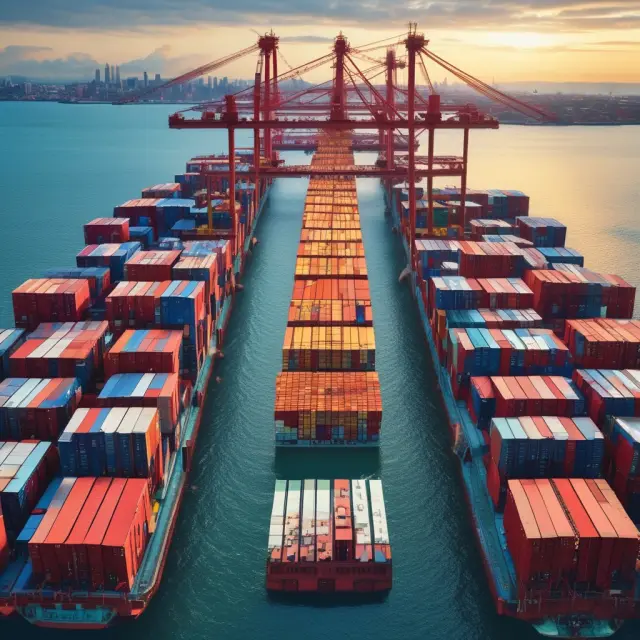
An ocean bill of lading plays a critical role in facilitating international maritime transactions. Let us explore how it functions through real-life examples and gain valuable insights from its successful implementations.
Consider the scenario where a multinational corporation, XYZ Inc., exports machinery components to an electronics manufacturer based in Asia. To begin, the exporter (XYZ Inc.) creates a bill of lading detailing the specifics of the shipment: the type and quantity of goods being transported, their origin, and destination. Once the shipment is picked up by the carrier, the contract is signed by both parties—XYZ Inc. as the shipper and the shipping company as the carrier.
Upon completion of the sea voyage, XYZ Inc. forwards this ocean bill of lading to the recipient—the Asian electronics manufacturer—for them to sign upon receipt. This act signifies the official transfer of ownership from the exporter to the importer. The shipping company then releases the cargo to the Asian firm, allowing them to use or sell their newly acquired machinery components.
The ocean bill of lading serves as a crucial piece of documentation in this transaction. It records and confirms that the goods have been shipped from their origin to their destination and are now under the control of the rightful buyer. Additionally, it provides evidence that the terms of sale have been met, ensuring that both parties fulfill their contractual obligations.
Now let us look at another example involving an ocean bill of lading in use for a negotiable document scenario. Suppose a coffee bean exporter from South America sells its green coffee beans to a European roaster using a shipper’s order (a type of negotiable ocean bill of lading). The roaster then arranges for the freight forwarder to transport these beans to their roastery.
The shipper’s order includes a clause requiring the importer to pay the freight charges before receiving the coffee beans. To secure payment, the European roaster provides a letter of credit to the shipping line. Upon receiving this letter, the shipping company is assured that the funds will be released upon presentation of the original shipper’s order and the ocean bill of lading.
The freight forwarder, upon completing the sea voyage and obtaining the signed ocean bill of lading from the coffee exporter, presents it to the shipping line along with the letter of credit to release the cargo for transport to the importer’s location. This process ensures that all parties involved follow through on their contractual obligations, minimizing risk and maintaining a smooth transaction.
In conclusion, ocean bills of lading serve as essential documentation in international maritime trade, facilitating the transfer of goods and ensuring adherence to agreed-upon terms. Through real-life examples, we have seen the importance of this document in enabling successful transactions and minimizing risk for all parties involved.

Frequently Asked Questions (FAQ)
Question 1: What exactly is an ocean bill of lading and why is it important?
Answer: An ocean bill of lading is an essential document for the international transportation of goods over water. It serves as both a receipt from the shipper to the carrier and as a collection document for the carrier or invoice. The ocean bill of lading’s legal binding nature ensures that both parties meet their contractual obligations, providing protection and security throughout the shipping process.
Question 2: What information is typically included in an ocean bill of lading?
Answer: An ocean bill of lading contains essential details such as the type, quantity, and destination of goods being transported, the value of the shipment, and the method of packing used during transport. Additionally, it lists the parties involved—shipper, carrier, and consignee—and their respective responsibilities and contact information.
Question 3: How does an ocean bill of lading differ from an inland bill of lading?
Answer: An ocean bill of lading is used when transporting goods overseas through international waters, while an inland bill of lading is required for overland transportation after the shipment arrives at its destination port. The primary difference lies in their jurisdiction and function; ocean bills cover international transport while inland bills manage domestic shipping.
Question 4: What are the advantages of using an ocean bill of lading?
Answer: Ocean bills offer several benefits, including a legally binding contract between all parties involved, simplified customs clearance processes through standardized documentation, and efficient financial transactions with the option to use letters of credit for payment security. Additionally, ocean bills provide a clear chain of responsibility, making it easier to hold parties accountable for any potential damages or issues during shipping.
Question 5: What are the potential disadvantages of using an ocean bill of lading?
Answer: Despite their numerous advantages, there are some downsides to using an ocean bill of lading. These include higher costs due to document preparation fees and longer transit times compared to alternative shipping methods. Additionally, dealing with various customs agencies and regulations can be time-consuming and complex, leading to potential delays in the delivery process.
Question 6: How has technology impacted the handling of ocean bills of lading?
Answer: The advent of digital solutions, such as electronic data interchange (EDI) and blockchain-based systems, has revolutionized the management of ocean bills of lading. These technologies streamline processes, reduce manual labor, minimize errors, and enhance security, allowing for seamless document transfers between parties and real-time tracking of shipments.
Question 7: What are some examples of situations where an ocean bill of lading might be required?
Answer: An ocean bill of lading is essential when transporting goods from one country to another via international waters, such as when a U.S.-based dealership ships vehicles from Japan or when a European manufacturer exports heavy machinery to Australia. In these scenarios, an ocean bill of lading ensures the safe and legal transfer of goods across jurisdictions.
 Next entry · No. 3,621Understanding Operating Cash Flow Demand (OCFD): A Critical Concept for Strategic Investments
See also
-
 No. 4,746
13 Jul 2025
18 min
Understanding the Statute of Frauds: Key Elements, History, Exceptions, and Requirements
Business Finance
No. 4,746
13 Jul 2025
18 min
Understanding the Statute of Frauds: Key Elements, History, Exceptions, and Requirements
Business Finance -
 No. 5,242
23 Aug 2025
22 min
Understanding the Uniform Bill of Lading: A Comprehensive Guide for Institutional Investors
International Trade
No. 5,242
23 Aug 2025
22 min
Understanding the Uniform Bill of Lading: A Comprehensive Guide for Institutional Investors
International Trade -
 No. 415
22 Apr 2024
17 min
Understanding Bilateral Contracts: Definition, Differences from Unilateral Agreements, and Examples
Business Strategy
No. 415
22 Apr 2024
17 min
Understanding Bilateral Contracts: Definition, Differences from Unilateral Agreements, and Examples
Business Strategy -
 No. 5,905
17 Oct 2025
21 min
Zero-Rated Goods: Understanding the Tax Exemptions for Various Products and Services
Business Finance
No. 5,905
17 Oct 2025
21 min
Zero-Rated Goods: Understanding the Tax Exemptions for Various Products and Services
Business Finance -
 No. 5,759
05 Oct 2025
22 min
Understanding ‘With Benefit of Survivorship’: Joint Tenancy, Probate Process & Estate Planning Alternatives
Business Finance
No. 5,759
05 Oct 2025
22 min
Understanding ‘With Benefit of Survivorship’: Joint Tenancy, Probate Process & Estate Planning Alternatives
Business Finance -
 No. 5,362
02 Sep 2025
18 min
Understanding the US Dollar Index (USDX): A Comprehensive Guide
Business Finance
No. 5,362
02 Sep 2025
18 min
Understanding the US Dollar Index (USDX): A Comprehensive Guide
Business Finance