Understanding the Uniform Bill of Lading: A Comprehensive Guide for Institutional Investors
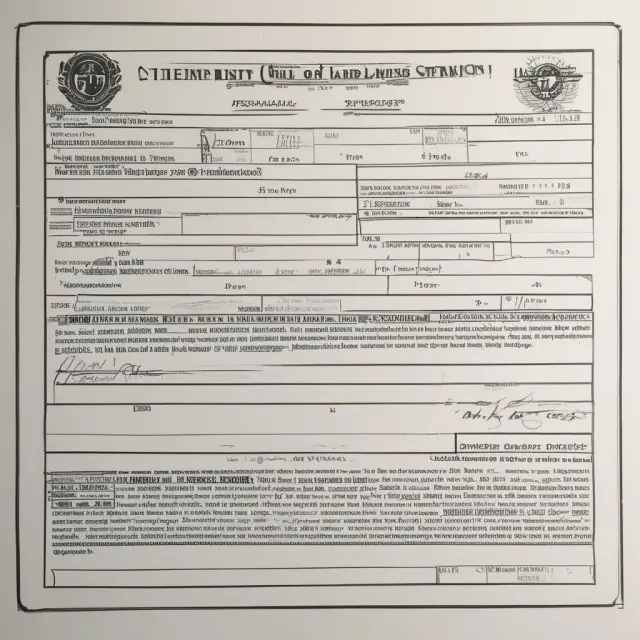
A comprehensive guide for institutional investors on the Uniform Bill of Lading, its components, legal implications, and updates.
Introduction to the Uniform Bill of Lading
A uniform bill of lading is a critical document in international trade that functions as both a contract between a shipper and a carrier and evidence of ownership, title, and the condition of goods during transportation. The term “uniform” signifies its standardized nature, which ensures consistency across different modes of transportation, such as ocean, air, or rail. This article provides a comprehensive understanding of the uniform bill of lading’s components, functions, and legal implications for institutional investors involved in international trade.
Definition and Importance of a Uniform Bill of Lading
A uniform bill of lading represents a binding agreement between shippers (exporters) and carriers (transporters or freight forwarders) regarding the transport of goods from the origin to the destination. It sets out the essential terms of the contract, including the parties involved, the descriptions and quantities of the goods, and the carrier’s liability for loss or damage during transit. Moreover, it serves as proof of title and ownership of the consignments while in transit, granting the holder the right to possess and dispose of the goods until they reach their intended destination.
Understanding the Uniform Bill of Lading: Components, Functions, and Legal Implications
1. Components of the Uniform Bill of Lading
The uniform bill of lading typically includes the following sections:
– Part I: It provides identification information, including the names of the parties involved in the transaction, the description and quantity of goods being shipped, and the shipping details such as the origin and destination.
– Part II: This section outlines the terms and conditions of the contract between the shipper and the carrier.
– Part III: It represents a record of the condition of the goods at the time of loading onto the vessel or aircraft, which is important in determining liability for any potential damages during transportation.
2. Carrier Liability and Insurance under a Uniform Bill of Lading
The uniform bill of lading sets forth the carrier’s obligation to exercise due diligence, care, and skill when transporting goods. In the event of loss or damage, the carrier is liable for the full actual loss or damage sustained by the goods, unless otherwise excluded or limited in the contract. Additionally, carriers may carry insurance or require shippers to obtain insurance coverage for their consignments, as per the terms outlined in the uniform bill of lading.
3. Types of Uniform Bills of Lading
There are several types of uniform bills of lading depending on the mode of transportation, such as:
– Ocean Bill of Lading
– Inland Bill of Lading
– Air Waybill
– Multimodal Transport Bill of Lading
The specific terms and conditions applicable to each type vary.
4. Understanding Claused or Fouled Bills of Lading
If the goods or their packaging are damaged during transit, a bill of lading may be marked as “claused” or “fouled” to indicate that they have arrived in an unsatisfactory condition. The clauses contained within these bills specify the nature and extent of damage or defects.
5. Legal Implications of a Uniform Bill of Lading
The uniform bill of lading is an essential document for legal purposes, as it establishes the contractual terms between shippers and carriers and serves as proof of ownership and title during transportation. In case of disputes, it can be used to resolve issues related to loss, damage, or non-delivery of goods in accordance with relevant international treaties and local regulations.
6. Changes in the Uniform Bill of Lading: 2016 Update
In August 2016, significant changes were made to the uniform bill of lading, primarily affecting carrier liability for damages. The new rules imposed liability only on carriers explicitly identified as transporting the goods and removed the requirement for carriers to provide a reasoned explanation for loss or damage cases. Additionally, the time requirements for completing deliveries have been relaxed, allowing more flexibility in the shipping process.
7. Best Practices for Drafting and Reviewing Uniform Bills of Lading
To ensure compliance with the terms of the uniform bill of lading and minimize the risk of disputes or potential claims, shippers should carefully review and consider the following best practices:
– Ensure accurate and complete information is provided in each section.
– Clearly identify the goods being shipped, including their description, quantity, and packaging details.
– Understand the carrier’s liability and insurance coverage as outlined in the contract.
– Review the bill of lading carefully before signing, particularly the condition report and any clauses that may limit or exclude liability.
8. The Role of Technology in Managing Uniform Bills of Lading
Emerging technology solutions like blockchain, smart contracts, and digital platforms have been introduced to streamline the process of creating, tracking, and managing uniform bills of lading, making it more efficient, secure, and transparent for all parties involved.
Conclusion:
Understanding the intricacies of a uniform bill of lading is essential for institutional investors involved in international trade. This comprehensive guide provides a deep dive into its definition, components, functions, legal implications, and the recent updates that have shaped this critical document in today’s global marketplace.

Components of the Uniform Bill of Lading
A uniform bill of lading is a standardized agreement between an exporter and a carrier that details the items or property to be transported internationally. This critical document consists of several essential components that establish the terms of the shipment, including:
- Shipper Information: The name and address of the person or entity responsible for preparing and sending the goods.
- Consignee Information: The name and address of the intended recipient of the shipment.
- Description of Goods: A detailed list of the items being transported, including their quantity, weight, and nature.
- Port of Loading and Discharge: The ports or locations where the shipment will be picked up and delivered.
- Freight Charges: The cost for moving the goods from one place to another.
- Carrier’s Liability: The terms of the carrier’s liability for loss, damage, delay, and other damages during transportation.
- Insurance: Information about insurance coverage for the shipment and how claims will be handled.
- Shipment Timeline: Details on the time frame for transporting the goods from the point of origin to the destination.
- Claims Process: Procedures for filing a claim in case of loss or damage during transit.
- Special Instructions: Any specific requirements or instructions related to the shipment, such as handling instructions or customs regulations.
It is crucial for both shippers and carriers to thoroughly review each component of a uniform bill of lading to ensure its accuracy, as any discrepancies could lead to unnecessary complications or disputes. For instance, if the description of the goods on the bill of lading does not match the actual contents, the carrier may refuse transportation, resulting in potential delays and increased costs for the shipper.
Additionally, understanding the terms of carrier liability and insurance is essential. Carrier liability determines the financial responsibility of the shipping company if any damages or losses occur during transit. This can vary depending on the specific bill of lading and jurisdiction. In some cases, carriers may limit their liability to a certain amount per pound or value of the goods. It is vital for shippers to be aware of these limits when negotiating transportation contracts to ensure adequate protection for their cargo.
In conclusion, a well-prepared uniform bill of lading can help facilitate smooth international transactions by clearly defining the terms of the shipment and establishing the respective rights and obligations of all parties involved. By carefully examining each component, shippers and carriers can minimize risks, avoid potential disputes, and ensure that their cargo arrives safely and efficiently at its destination.

Carrier Liability and Insurance under a Uniform Bill of Lading
A uniform bill of lading is an essential document in international trade as it outlines the terms between shippers and carriers. Among its crucial elements, carrier liability, insurance, and indemnity clauses hold significant importance for both parties. These clauses define responsibilities regarding loss or damage during transportation and the financial implications should such events occur.
Carrier Liability
The uniform bill of lading establishes the carrier’s liability for damages to the shipment. This liability covers losses, damages, delays, or any other liabilities arising from the carrier’s negligence during transportation. The carrier is responsible for compensating the shipper if it fails to exercise due diligence and care in handling the goods. In the event of loss, damage, or delay, the carrier has an obligation to pay the shipper the value of the merchandise or its market value at the destination.
Insurance:
A uniform bill of lading typically includes provisions regarding insurance. The document might state that the goods are insured against specific risks such as fire, theft, and other perils. If no insurance clause is mentioned in the bill of lading, it implies that the shipment is uninsured, leaving the shipper solely responsible for any losses or damages during transportation. In some cases, the carrier might offer additional coverage for an extra charge.
Indemnity:
The uniform bill of lading also includes indemnification clauses, which protect carriers against legal claims made by third parties related to the goods being transported. The shipper is required to indemnify the carrier and hold it harmless from any liability arising from their goods’ illegal or hazardous nature, improper packaging, or misdeclaration of contents.
It is essential for institutional investors and traders to be aware of these terms when dealing with a uniform bill of lading. Understanding the carrier liability, insurance, and indemnity clauses can help ensure that proper risk management strategies are in place and that potential losses are minimized. The next section will explore different types of uniform bills of lading and their implications for shippers and carriers.

Types of Uniform Bills of Lading
A uniform bill of lading is a crucial document in international trade that provides essential details about goods being transported between countries. While there’s a standard version used by most shippers and carriers, various types of uniform bills of lading cater to different cargo categories and transportation modes. Understanding these distinctions can help institutional investors make informed decisions about their investments in freight forwarding companies or shipping lines.
1. Ocean Bill of Lading: An ocean bill of lading is used specifically for sea freight transportations. It outlines the details of the cargo, including its origin, destination, and the type of goods being shipped. This document is vital because it serves as proof that a shipment has been loaded onto a specific vessel.
2. Inland Bill of Lading: The inland bill of lading refers to the transportation of goods over land. When cargo moves from one mode of transportation, such as from sea freight to rail or trucking, an inland bill is issued to reflect that change. This document allows for the transfer of ownership and control to another carrier for the remaining leg of the journey.
3. Negotiable Bill of Lading: A negotiable bill of lading is a type of document that can be transferred from one party to another by endorsement. This feature enables parties like banks or other financial institutions to use this document as collateral, making it essential in international trade finance.
4. Through Bill of Lading: When cargo moves through multiple modes of transportation, a through bill of lading is used to account for all the legs of the journey. The document serves as a single contract between the shipper and the ultimate carrier, ensuring continuity throughout the entire transportation process.
5. Special Type Uniform Bills of Lading: Some uniform bills of lading have specific purposes tailored to unique cargo types. For example, a bill of lading for documents or items of extraordinary value might include additional terms related to insurance and handling requirements. Similarly, hazardous materials or explosives necessitate specialized conditions in the bill of lading to ensure their safe transportation.
The uniform bills of lading play an essential role in protecting investors’ interests by providing clear expectations, reducing potential disputes between shippers and carriers, and facilitating international trade. Understanding these types can help institutional investors evaluate freight forwarders, shipping companies, and logistics providers, enabling them to make informed investment decisions in this critical sector of the global economy.

Understanding Claused or Fouled Bills of Lading
A claused or fouled bill of lading refers to a document that indicates the goods, or sometimes their packaging, have been damaged during transit. This is an important distinction for institutional investors involved in international trade because it can significantly impact their potential losses and liabilities. A clean bill of lading signifies that the goods were received in good condition upon arrival and are ready for delivery to the consignee. However, a claused or fouled bill of lading indicates that some aspect of the shipment was damaged during transit or failed to meet specified requirements at the time it was loaded onto the transport vehicle.
The significance of this document lies in its role as evidence of damage during transport and potential implications for liability. The uniform bill of lading includes a clause, known as the Carrier’s Liability and Indemnity Clause, which outlines the carrier’s responsibility for loss or damage to goods during transportation. If a claused or fouled bill of lading is presented, it may result in claims against the carrier for damages to the shipment.
The bill of lading is also an important document in the context of insurance. Insurance policies often include provisions that cover losses incurred due to damage during transport. A claused or fouled bill of lading indicates a potential claim and serves as evidence in insurance disputes. Understanding the implications of these documents is essential for investors involved in international trade, as it can impact their bottom line.
The types of damages that could result in a claused or fouled bill of lading are numerous. Damage to packaging or contents may include broken items, contamination, or spoilage due to exposure to extreme temperatures. It’s important for shippers to document the condition of their goods before shipping and to retain copies of the bill of ladings to assess any potential damages that may occur during transit.
When dealing with a claused or fouled bill of lading, it’s crucial to take appropriate actions to mitigate losses and minimize disputes. Documenting the extent and cause of damage, reporting it promptly, and working cooperatively with the carrier can help ensure the best possible outcome.
In conclusion, understanding claused or fouled bills of lading is essential for investors involved in international trade. This document plays a critical role in assessing liability, managing insurance claims, and mitigating potential losses. As with any aspect of international business operations, awareness and effective communication can help ensure the smoothest possible process for all parties involved.

The Legal Implications of a Uniform Bill of Lading
A uniform bill of lading is more than just a document that facilitates international trade; it plays a crucial role in defining and enforcing the contractual obligations between a shipper and a carrier. Understanding the legal implications of this document is essential for institutional investors involved in logistics, finance, or supply chain management.
Carrier Liability and Insurance
The terms outlined in a uniform bill of lading define the extent of liability that carriers bear for the safe delivery of goods. The contract stipulates various conditions under which the carrier may be liable for damages or losses. Carriers are typically responsible for loss, damage, delay, and liability while transporting shipments from the time they accept the cargo until its final delivery. This obligation extends to both the goods and any accompanying documents.
However, a shipper must note that carriers usually limit their liability based on certain provisions in the bill of lading. For example, the carrier might not be liable for damages caused during loading or unloading, or damages resulting from acts of God or war. Additionally, carriers may include clauses limiting their financial responsibility per package or container.
The uniform bill of lading also outlines the insurance provisions to protect both parties in case of losses. In general, carriers have a standard insurance policy that covers losses up to a specific amount. Shippers can opt for higher coverage by purchasing additional insurance or requesting the carrier to do so at an additional cost.
Types of Uniform Bills of Lading and their Legal Implications
There are various types of uniform bills of lading, each with unique legal implications:
- Inland Bill of Lading – Governs transportation within a single country, state, or region.
- Ocean Bill of Lading – Regulates the transport of goods by sea.
- Negotiable Bill of Lading – Allows the transfer of ownership rights to the goods.
- Through Bill of Lading – Applies when multiple carriers are involved in a single shipment.
In each case, the legal implications differ depending on the specific terms and conditions outlined in the bill of lading. For instance, the carrier’s liability, the types of damages covered, and the dispute resolution process can vary significantly between these different forms.
Understanding Claused or Fouled Bills of Lading
If a shipment arrives with damage to goods or packaging, the receiving party may document this condition by issuing a claused or fouled bill of lading. This document acknowledges that the goods were received in an imperfect state but does not necessarily mean that the carrier is liable for damages. Instead, it serves as evidence for any claims that the shipper or receiver may have against the carrier.
The legal implications of a claused or fouled bill of lading can be complex, depending on the specific terms of the contract between the parties. In general, if the carrier has agreed to be liable for certain types of damages, then they will bear the responsibility for the losses documented in the claused or fouled bill of lading. However, if the carrier is not responsible for the damage under the contract, the shipper or receiver may have limited options for recourse.
Legal Disputes and Resolution
Disputes arising from a uniform bill of lading can be complex, requiring extensive legal expertise to resolve. These disputes may stem from various issues, including:
– Misrepresentation of the type or quantity of goods being transported.
– Failure to adhere to the agreed delivery schedule.
– Damages or loss during transportation.
– Claims regarding carrier liability or insurance coverage.
Institutional investors must be aware that resolving these disputes can take significant time and resources, involving extensive negotiations or litigation. Moreover, the outcomes of such disputes are not always predictable, making it vital to thoroughly review all relevant aspects of a uniform bill of lading before engaging in any logistics or investment activities related to international trade.

Changes in the Uniform Bill of Lading: 2016 Update
The uniform bill of lading, a fundamental document for international trade, has undergone significant changes that came into effect on August 20, 2016. These modifications substantially impact shippers and carriers alike. In this section, we’ll discuss the essential updates to the uniform bill of lading and their implications.
Carrier Liability: One of the most substantial alterations was in carrier liability. Previously, a uniform bill of lading placed liability on both the carrier and the shipper for loss or damage during transportation. However, the 2016 update stipulated that the carrier is only liable for damages if they are listed as the transporting party on the document.
Delivery Requirements: Another critical change concerns delivery requirements. The new bill of lading extended the delivery time from “reasonable periods” to being completed within “the regular course of providing transportation services.” This alteration allows more flexibility in delivery timelines but may require shippers and carriers to clarify their expectations in contracts.
The 2016 update also introduced new reporting requirements for damage or loss claims. Carriers must now provide written notice to shippers within ten days of receiving a claim and respond to it within thirty days. This change aims to streamline the resolution process for disputes.
Understanding these changes is crucial for maintaining effective logistical operations and minimizing risk in international trade. By being aware of these updates, shippers and carriers can adapt their contracts and procedures accordingly. Additionally, utilizing technology solutions can help manage uniform bills of lading more efficiently and ensure compliance with the new regulations. Stay informed about future changes to maintain a competitive edge in your industry.
In conclusion, the uniform bill of lading is an essential document for international trade that outlines terms regarding carrier liability, insurance, and delivery requirements. The 2016 updates to this document significantly impacted shippers and carriers by altering these factors. Understanding these changes and their implications can help optimize your logistics processes and ensure compliance with the latest regulations.

Best Practices for Drafting and Reviewing Uniform Bills of Lading
When it comes to international trade, a uniform bill of lading is an essential document that bridges the gap between shippers and carriers. A well-drafted and carefully reviewed uniform bill of lading can minimize risk, reduce errors, and ensure compliance with relevant regulations. In this section, we outline some best practices for creating and assessing a uniform bill of lading to help protect your investment and facilitate smooth transactions.
1. Understand the components: A uniform bill of lading is a legal document that serves as proof of shipment between exporters and carriers. Familiarize yourself with essential elements like the shipper’s and carrier’s names, origin and destination ports or places, details about the cargo being transported, and contract terms for liability, insurance, and indemnity.
2. Verify information: Double-check all data points in the uniform bill of lading to ensure accuracy, including shipping addresses, shipment weights and dimensions, freight class, and special handling instructions. Inaccurate or inconsistent information can result in delays, claims, and potential disputes.
3. Consider carrier liability: The terms of carrier liability outlined in a uniform bill of lading determine the level of risk and compensation for potential damages during transport. Understanding these terms, including limitations on coverage and exceptions to liability, is essential when assessing the carrier’s capabilities and overall value proposition.
4. Address special situations: Unique commodities like documents, coin money, items of extraordinary value, or explosives require specific provisions within a uniform bill of lading. Make sure these terms are clearly defined and included in the document to prevent misunderstandings and potential disputes.
5. Utilize technology: Streamlining the process of creating, tracking, and managing uniform bills of lading can help minimize errors and save time. Implementing technology solutions like TMS (Transportation Management Systems) or automation software can make it easier to manage large volumes of international shipments and improve communication between parties involved in the transportation process.
6. Stay updated on regulations: Familiarize yourself with the latest updates and revisions to uniform bill of lading regulations, such as those related to liability limitations and delivery timeframes. Adjusting your practices accordingly can help ensure compliance with applicable laws and prevent potential legal disputes or claims.
7. Engage legal counsel: When drafting or reviewing complex uniform bills of lading, consider consulting a legal advisor to help navigate the intricacies of international trade regulations and contractual obligations. A qualified professional can provide valuable insight into best practices for drafting and implementing effective, legally sound uniform bills of lading that minimize risk and maximize investment returns.

The Role of Technology in Managing Uniform Bills of Lading
In today’s rapidly digitizing world, technology plays a crucial role in streamlining and optimizing various business processes. The uniform bill of lading (UBL) is no exception. While the UBL remains a critical document for international trade transactions, its management can be time-consuming and error-prone. Managing, tracking, and processing uniform bills of lading manually involves considerable resources – paperwork, personnel, and storage space. Furthermore, errors in handling UBLs may lead to significant financial consequences for shippers, carriers, and freight forwarders alike.
To address these challenges, technology solutions have emerged to help manage uniform bills of lading more efficiently. The digital transformation of the logistics industry has led to the development of various solutions designed to simplify UBL management. In this section, we explore the different ways technology is revolutionizing the process and highlight its benefits for all stakeholders involved in international trade.
Digital Bill of Lading
A digital bill of lading (DBL) is a secure electronic document that serves the same purpose as a paper bill of lading while avoiding many of its inherent disadvantages. A DBL can be easily created, transmitted, and shared among all parties involved in the international shipping process. The use of this technology offers several advantages, such as reduced manual work, faster communication, lower paper usage, and improved accuracy.
Blockchain Technology
Another groundbreaking innovation that has the potential to revolutionize UBL management is blockchain technology. This distributed ledger system ensures that all relevant information on a shipment is secured, transparent, and immutable. A digital bill of lading created using blockchain technology offers several benefits, including increased security, real-time tracking, reduced fraud risk, improved data accuracy, and seamless transfer of ownership.
Cloud-Based Platforms
Cloud-based platforms are another technology solution that can help simplify UBL management. These solutions enable shippers to store, manage, and access all their uniform bills of lading in one centralized location. This eliminates the need for physical storage and manual processes, making it easier to search, retrieve, and share documents with relevant parties. Additionally, cloud-based platforms offer real-time collaboration features that allow multiple users to edit and approve UBLs simultaneously, reducing processing times and ensuring accuracy.
Optical Character Recognition (OCR) Technology
Optical character recognition technology (OCR) plays a vital role in digitalizing the bill of lading process. OCR technology enables the automated extraction of data from paper bills of lading and their conversion into digital format. This information can then be easily integrated with other systems, such as transportation management or accounting software, making it easier to access, analyze, and use for various purposes.
The Future of Uniform Bills of Lading
As technology continues to evolve, the way we manage uniform bills of lading is expected to change dramatically. While paper bills of lading will likely remain in use for some time, digital solutions are increasingly becoming the preferred choice for many shippers and carriers. The benefits of digital bill of ladings include reduced processing times, lower costs, increased accuracy, and improved security. By embracing technology in UBL management, businesses can streamline their international trade operations, reduce errors, and stay competitive in today’s fast-paced global economy.

Frequently Asked Questions about Uniform Bills of Lading
What exactly is a uniform bill of lading? A uniform bill of lading is an essential document in international trade that acts as a contract between a shipper and a carrier. It outlines the terms and conditions of the transportation of goods, including the carrier’s liability for loss or damage during transit. This document is crucial because it establishes the responsibilities and obligations of both parties involved in the transaction.
What information does a uniform bill of lading contain? A uniform bill of lading includes the shipper’s name and address, the consignee’s name and address, the description of goods being shipped (including quantity and weight), the shipping terms, the date of issue, and important transportation details such as the mode of transport, ports of loading and discharge, and the bill of lading number.
What is a clean bill of lading? A clean bill of lading signifies that no damages or discrepancies were reported by either the shipper or the carrier during the inspection process. This document allows the goods to be released for delivery without any issues.
Why is a uniform bill of lading important for institutional investors? Institutional investors should pay close attention to this document because it plays an essential role in determining the timely delivery and condition of their investments, such as commodities or raw materials. A well-drafted uniform bill of lading helps protect the interests of both the shipper and investor by clearly outlining the terms of the contract and providing a mechanism for addressing potential claims or disputes that may arise during transportation.
What types of goods are covered under the carrier’s liability as per the uniform bill of lading? The uniform bill of lading covers most types of goods, including documents, coin money, and items of extraordinary value, with some exceptions like explosives and hazardous materials. It’s important to note that the specific coverage for each type of good may vary depending on the terms negotiated between the shipper and carrier.
Can a uniform bill of lading be amended or modified? Yes, it can be amended or modified under certain circumstances. The most common modifications include changes to the destination, the description of goods being transported, and the shipping charges. However, any amendments must be agreed upon by both parties and clearly documented on the original document or in a separate agreement.
What should I do if there’s an issue with my uniform bill of lading? If you encounter any issues with your uniform bill of lading, it is essential to address them as soon as possible. You should reach out to the carrier or freight forwarder responsible for preparing and issuing the document to discuss the matter and seek resolution. If a mutually agreeable solution cannot be reached, legal action may be required to protect your interests.
What are some best practices for drafting and reviewing a uniform bill of lading? To ensure that your uniform bill of lading is accurate and legally binding, follow these best practices: (1) carefully review all the information provided on the document, (2) pay close attention to the terms and conditions of the carrier’s liability, (3) make sure that the shipping charges are clearly stated, and (4) ensure that the document is properly signed and stamped by both parties.
What changes have been made to the uniform bill of lading recently? In August 2016, changes were made to the standard uniform bill of lading, limiting carrier liability for damages to those shown as transporting the property on the bill of lading at the time of damage. Additionally, the document now allows a longer delivery window within the “regular course of providing transportation services.”
 Next entry · No. 5,243Understanding the Uniform Commercial Code (UCC): Regulations for Business Transactions
See also
-
 No. 1,424
13 Sep 2024
19 min
Export Credit Agencies: Facilitating International Trade and Investment
International Trade
No. 1,424
13 Sep 2024
19 min
Export Credit Agencies: Facilitating International Trade and Investment
International Trade -
 No. 5,146
15 Aug 2025
19 min
Understanding Umpire Clauses in Insurance Policies: The Role of Third-Party Arbitration
Insurance
No. 5,146
15 Aug 2025
19 min
Understanding Umpire Clauses in Insurance Policies: The Role of Third-Party Arbitration
Insurance -
 No. 4,791
17 Jul 2025
20 min
Understanding Subordination Agreements: Prioritizing Debts in Finance and Investment
Business Finance
No. 4,791
17 Jul 2025
20 min
Understanding Subordination Agreements: Prioritizing Debts in Finance and Investment
Business Finance -
 No. 3,620
13 Apr 2025
18 min
Understanding Ocean Bills of Lading: A Comprehensive Guide for Professional Investors
Business Finance
No. 3,620
13 Apr 2025
18 min
Understanding Ocean Bills of Lading: A Comprehensive Guide for Professional Investors
Business Finance -
 No. 3,287
16 Mar 2025
18 min
Memorandum of Understanding (MOU) – Definition, Process, Advantages, Disadvantages, and More
Business Strategy
No. 3,287
16 Mar 2025
18 min
Memorandum of Understanding (MOU) – Definition, Process, Advantages, Disadvantages, and More
Business Strategy -
 No. 5,542
17 Sep 2025
19 min
Understanding Voluntary Export Restraints (VERs): What They Are, How They Work, Advantages, Disadvantages and Notable Examples
International Trade
No. 5,542
17 Sep 2025
19 min
Understanding Voluntary Export Restraints (VERs): What They Are, How They Work, Advantages, Disadvantages and Notable Examples
International Trade