Understanding Oligopsonies: A Market Dominant by Few Large Buyers

Understanding the power dynamics of an oligopsony - a market dominated by few large buyers. Explore real-world examples, impacts, and ethical concerns.
What is an Oligopsony?
An oligopsony, a lesser-known economic term, describes a market dominated by a limited number of large buyers, as opposed to the more popularly discussed oligopolies which are characterized by a small group of sellers. The significance of this market dynamic lies in its potential impact on prices and power distribution within various industries.
In an oligopsony, a select few entities control the demand side of the market, leaving suppliers at their mercy. As such, these buyers can dictate terms to sellers, keeping prices low while exercising considerable influence over the industry. This dynamic is most evident in industries where there are numerous sellers but only a small number of significant buyers.
A prime example of an oligopsony in action can be found within the fast-food sector. Large players like McDonald’s, Burger King, and Wendy’s procure substantial quantities of meat from American ranchers. With the power to dictate prices based on their market dominance, they effectively shape the industry landscape.
Another unexpected example of an oligopsony can be traced back to the cocoa industry. Three major companies – Cargill, Archer Daniels Midland, and Barry Callebaut – account for most of the world’s cocoa bean production. The vast majority of this production stems from small farmers in developing countries, making these large buyers a significant force with considerable market power.
The tobacco industry is yet another long-standing oligopsony. In the US alone, American tobacco growers supply three dominant companies – Altria, Brown & Williamson, and Lorillard Tobacco Company – accounting for nearly 90% of all US-grown tobacco. This small group of buyers maintains immense control over the industry and its pricing dynamics.
More recently, the publishing industry has experienced consolidation leading to the emergence of an oligopsony. The ‘Big Five’ publishers – Penguin Random House, HarperCollins Publishers, Hachette Book Group, Simon & Schuster, and Macmillan – collectively account for about two-thirds of all books published. This market dominance gives these publishing giants considerable power to influence prices, advance payments to authors, and industry trends.
The implications of oligopsonies can be far-reaching, potentially forcing suppliers into a vicious cycle where they are pressured to lower their prices and reduce quality to remain competitive. As more industries become dominated by a select few buyers, understanding the nature and consequences of this market dynamic is essential for maintaining a level playing field and ensuring fair competition.
While oligopsonies can offer advantages in terms of efficiency and scale, it’s crucial to acknowledge their potential drawbacks. In many instances, this market structure can result in an unequal power distribution between buyers and sellers. As the buying power shifts further towards the former, it is essential to address any unintended consequences or ethical concerns that arise from such dynamics.
In conclusion, an oligopsony represents a significant market dynamic where a small number of large buyers dominate the industry landscape. By understanding its underlying principles and implications, we can better navigate the complexities of modern business environments and ensure fair competition for all stakeholders involved.

Example: Fast-Food Industry
An oligopsony is characterized by a market where a few large buyers dominate the industry, exerting significant influence over sellers and prices. The fast-food sector serves as an excellent example of this economic concept. A small number of major players, such as McDonald’s, Burger King, and Wendy’s, control a considerable portion of the meat supply in the US. This concentration of demand places these buyers in a powerful position to dictate market prices and terms.
The fast-food industry’s oligopsonic structure has significant implications for those involved in agriculture production. American ranchers are subject to the price whims of these dominant buyers, who can force down prices by threatening to switch suppliers or even import meat from other countries if domestic suppliers do not meet their demands. This dynamic is particularly relevant in industries where there are few substitutes for the primary raw material, such as meat for the fast-food industry.
As a result, farmers and agricultural producers find themselves locked into a continuous cycle of competing to offer lower prices to these buyers while trying to maintain profitability. The power dynamics shift further towards the oligopsonists when considering the global nature of food production. For instance, some large meatpacking companies have started operating on an international scale, acquiring and merging with competitors in various countries to expand their influence over the supply chain.
The implications for small-scale producers are particularly pronounced. The concentration of demand in the hands of a few major buyers can make it challenging for smaller producers to compete, often resulting in consolidation or even exit from the market entirely. In many cases, these larger buyers also benefit from economies of scale and operational efficiencies that smaller players cannot match, further exacerbating the disparity.
In conclusion, the fast-food industry’s oligopsonic nature highlights the importance of understanding the dynamics between buyers and sellers in various industries. The power imbalance created by a few dominant buyers can have far-reaching consequences for producers and the overall market. This example also underscores the need for policymakers, regulators, and industry participants to consider the potential implications of market concentration on small businesses, farmers, and consumers as they navigate their roles in the global economy.

Cocoa Production: An Unexpected Oligopsony
An oligopsony, a market structure where only a few large buyers dominate, is not commonly associated with the cocoa industry. However, this sector, which predominantly relies on small farmers in developing countries for its supply, is increasingly being influenced by these powerful market players.
The cocoa production process begins on farms where approximately 6 million farmers grow cocoa beans, mostly located in West Africa and the Caribbean. These smallholders contribute about 70% of the world’s total production (Source: FAO). Despite their significant role, they have little bargaining power when selling to large-scale buyers.
The three major cocoa traders – Cargill, Archer Daniels Midland, and Barry Callebaut – control approximately 65% of the global cocoa trade (Source: Statista). These firms act as intermediaries between producers and manufacturers, buying beans from farmers at a raw price. This significant market concentration gives these buyers immense power to influence prices and production practices, which can have detrimental consequences for small-scale farmers.
As oligopsonies, cocoa traders dictate the terms of their contracts with farmers. Prices are set based on the global cocoa market situation rather than local costs or fair wages. This leaves farmers vulnerable to price fluctuations and price volatility, making it difficult for them to maintain stable livelihoods (Source: World Development).
The power dynamic between large buyers and small producers is further complicated by the fact that these traders also act as processors, transforming raw cocoa beans into finished products like chocolate. This integration of different stages in the value chain gives these players significant control over the entire supply chain.
The emergence of powerful oligopsonies has led to a concentration of market power and decreased competition. It is crucial for stakeholders, including governments, NGOs, and consumers, to advocate for policies that promote fair pricing, improve farmers’ livelihoods, and ensure ethical trading practices in the cocoa industry.
Understanding how oligopsonies operate within industries like cocoa production can help shed light on the impact of market dynamics on the lives and livelihoods of those involved. By addressing this imbalance in power relations, we can work towards ensuring a more equitable and sustainable agricultural sector for all participants.

Tobacco Industry: A Long-Standing Oligopsony
The tobacco industry is a classic example of an oligopsony, which refers to a market dominated by a small number of large buyers. This concept can be traced back to the 19th century when a few companies began buying most of the tobacco production from farmers. The buyers held significant power in the industry and were able to dictate prices, leaving small farmers at their mercy.
The US Tobacco Market: An Unequal Balance of Power
In the United States, three major tobacco companies – Altria, Brown & Williamson, and Lorillard Tobacco Company – control nearly 90% of all US-grown tobacco. These oligopsonies set the prices for their suppliers, and their influence extends beyond domestic borders as they import tobacco from countries like Brazil, Malawi, and Zambia to supplement their supplies.
Impact on Farmers: A Vicious Cycle
The oligopsonic nature of the tobacco industry puts farmers in a vicious cycle, forcing them to produce more at lower prices to remain competitive or risk losing their buyers. This situation leaves many farmers unable to make a profit and ultimately results in smaller farms going out of business, consolidating power further among the large buyers.
The Ethical Implications: Unintended Consequences
This concentration of power among a few large buyers has raised concerns about ethical issues, including allegations of unethical and illegal conduct. For instance, human rights organizations have criticized companies for using child labor or exploiting workers in countries where tobacco is grown. Additionally, some farmers struggle to make ends meet despite supplying these global giants.
Comparing Oligopolies and Oligopsonies: The Power Dynamics
It’s essential to understand the differences between oligopolies and oligopsonies when evaluating industries. In an oligopoly, there are a few large sellers who control the market. However, in an oligopsony like the tobacco industry, a small number of buyers hold the power over producers. This power dynamic has far-reaching consequences for industries and markets worldwide.
Conclusion: A Wake-Up Call for Farmers and Policymakers
As the tobacco industry continues to evolve, it highlights the need for farmers and policymakers to understand the implications of oligopsonies on their livelihoods and industries. By recognizing these power dynamics, they can begin to advocate for fairer markets and negotiate more favorable terms with buyers. This is crucial to ensuring that the industry remains sustainable for all stakeholders involved.
In summary, the tobacco industry serves as a powerful reminder of how oligopsonies function and their potential impact on various industries and the people behind them. By shedding light on this market dynamic, we can create awareness and initiate discussions around fairer practices for farmers and more ethical business models for buyers.

Publishing Industry: The Emerging Oligopsony
Oligopsonies are markets where a few significant buyers dominate the scene, exerting considerable influence over sellers by controlling the market price. In the publishing industry, consolidation has led to an emerging oligopsony, with just five dominant publishers – often referred to as the ‘Big Five’ – accounting for approximately two-thirds of all books published. This is not immediately apparent to readers, as these giants have absorbed or created numerous imprints that cater to various market segments. Each of these publishing behemoths works in harmony to prevent internal competition among themselves for popular authors’ manuscripts. The impact on authors can be profound; the oligopsony pressures them to comply with the publishers’ preferences and drives down advances, creating a ‘race to the bottom.’
Understanding this publishing oligopsony requires delving deeper into its structure and how it operates. In the United States, the Big Five consist of Penguin Random House, HarperCollins, Simon & Schuster, Hachette Book Group, and Macmillan Publishers. The dominance of these publishers is not a recent phenomenon; however, their influence has intensified with each acquisition of smaller publishing houses. This consolidation has created an illusion of many publishers, as the imprints maintain separate identities while coordinating internally to minimize competition for popular works and avoid bidding wars amongst themselves.
The emergence of this oligopsony in the publishing industry raises concerns about its impact on authors’ advances and creative freedom. The power dynamics between these publishers and their authors have shifted, with publishers dictating terms that may not always be favorable to the creators. The publishers’ influence extends beyond just the publishing process, as they exert control over book distribution, marketing, and even pricing in certain cases.
The implications of this oligopsony on the literary community can be far-reaching. It is essential for authors, agents, and readers to remain aware of the power dynamics within the industry. This knowledge can help foster transparency and lead to a more balanced negotiation landscape between authors and publishers. By understanding these trends and advocating for fairer business practices, the literary community can work towards ensuring that the publishing industry remains vibrant and innovative while preserving the creative freedom of its authors.
Impact: ‘Racing to the Bottom’
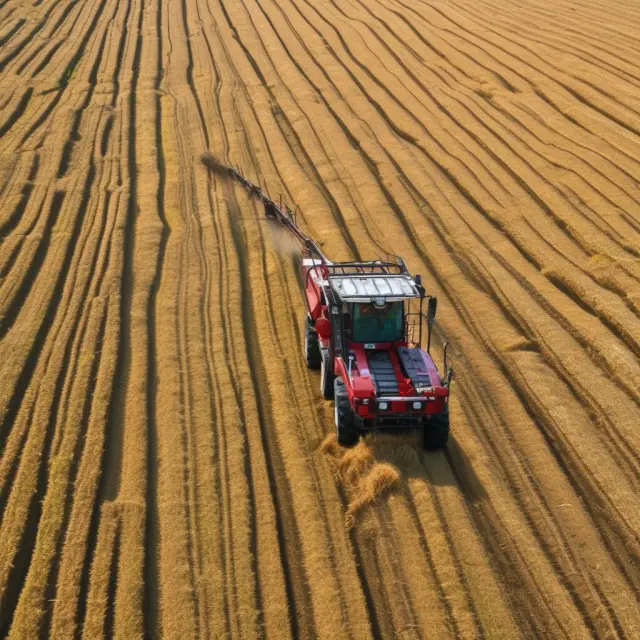
An oligopsony market, which is characterized by a few dominant large buyers, can lead to a vicious cycle of price erosion and quality deterioration for suppliers. This phenomenon, referred to as “racing to the bottom,” occurs when these powerful buyers exert significant pressure on sellers in terms of pricing. This leaves suppliers with little room to maneuver, ultimately resulting in reduced profitability and potentially degraded product or service quality.
In the case of the fast-food industry, for example, a small number of large buyers like McDonald’s, Burger King, and Wendy’s hold substantial control over the market, influencing prices to their favor. Similarly, in cocoa production, just three firms – Cargill, Archer Daniels Midland, and Barry Callebaut – purchase an overwhelming majority of cocoa beans produced worldwide, primarily sourced from small farmers in third-world countries. The power dynamics between these oligopsonies and their respective supplier bases can result in downward pressure on prices and may even lead to questionable business practices, including underpaying or exploiting farmers for their labor (Rajan 2014).
In the publishing industry, consolidation has led to a handful of dominant publishers – often referred to as the ‘Big Five’ – accounting for around two-thirds of all books published. This oligopsony in book publishing can lead authors to accept lower advances and feel compelled to cater to the tastes of these powerful buyers. The tobacco industry provides another example, with three companies – Altria, Brown & Williamson, and Lorillard Tobacco Company – buying almost 90% of US-grown tobacco and supplementing it from other countries.
The emergence of oligopsonies in the supermarket sector is a more recent development that has gained significant traction, particularly with global players like Kroger’s (Dillons, Pay-Less Super Markets, Ralphs, City Market) and Aldi Nord (Aldi’s, Trader Joe’s). These supermarkets have an extensive reach, influencing not only prices but also the crops grown, processing methods, and packaging. This oligopsony can lead to substantial changes in agricultural practices and livelihoods for suppliers, with some being forced out of business due to their inability to compete (McCulloch 2015).
It is crucial to recognize that while an oligopoly grants power to a few sellers, an oligopsony shifts the control dynamics to the buyers. As such, understanding the implications and potential consequences of oligopsonies in various industries can help businesses and consumers alike make more informed decisions and advocate for fair market conditions.
FAQs:
What is an oligopsony?
An oligopsony is a market characterized by a few dominant large buyers that have significant power over the prices and conditions for the sellers.
How does the fast-food industry serve as an example of an oligopsony?
The concentration of demand among a few major buyers (McDonald’s, Burger King, Wendy’s) in the fast-food industry allows them to dictate prices and influence market conditions.
What industries are most likely to exhibit oligopsonies?
Industries with significant economies of scale or high barriers to entry can be more susceptible to forming oligopsonies, such as agriculture, publishing, tobacco, and food retailing.
How does the emergence of large supermarkets contribute to the formation of an oligopsony?
Supermarkets like Kroger’s, Dillons, Pay-Less Super Markets, Ralphs, City Market, and Aldi Nord have significant power over agricultural producers due to their extensive reach and purchasing power.
What are some potential consequences of an oligopsony for suppliers?
Suppliers can experience downward pressure on prices, reduced profitability, and potentially degraded product or service quality when caught in an oligopsony.

Oligopoly vs. Oligopsony
An oligopoly and oligopsony are two distinct market structures in economics, each presenting unique dynamics for buyers and sellers. While an oligopoly refers to a market dominated by a few sellers, an oligopsony is defined as a market where the demand for goods or services is controlled by a small number of large buyers. Understanding the fundamental differences between these two market structures provides essential insights into their implications for pricing, power dynamics, and industry structure.
An oligopoly, characterized by a handful of dominant sellers, can create an atmosphere of mutual interdependence among them, as each seller influences the others’ pricing decisions. In contrast, an oligopsony is dominated by a few large buyers who have substantial power in determining prices and setting market conditions.
To illustrate the concept of an oligopsony, let us examine its characteristics and consequences through various industries:
1. Fast-food Industry: The fast-food industry serves as a textbook example of an oligopsony. A small number of large buyers such as McDonald’s, Burger King, Wendy’s, and others control the demand for meat and other agricultural commodities from producers. As major players in the market, these buyers hold significant power to dictate prices and conditions that can impact suppliers.
2. Cocoa Production: The cocoa industry is another example of an oligopsony where three main firms – Cargill, Archer Daniels Midland, and Barry Callebaut – purchase most of the global cocoa bean production. These companies’ influence on prices and conditions can significantly impact the livelihoods of small farmers in developing countries who are often at the mercy of these large buyers.
3. Tobacco Industry: The tobacco industry also operates as an oligopsony, with just a few dominant buyers controlling the demand for tobacco leaves from producers. For instance, three major companies – Altria, Brown & Williamson, and Lorillard Tobacco Company – buy nearly 90% of all US-grown tobacco, giving them substantial control over the industry’s market conditions.
In summary, an oligopsony occurs when a few large buyers have significant power in dictating market prices and conditions for sellers. This dynamic can result in a “race to the bottom” scenario where prices and quality are driven down to meet the demands of these powerful buyers. Comparing oligopolies and oligopsonies highlights the critical differences between control dynamics for both buyers and sellers in various market structures, underscoring their far-reaching implications for industries and their stakeholders.
Globalization: Oligopsonies on the Rise
An oligopsony refers to a market characterized by a small number of large buyers, who collectively hold significant purchasing power and dictate market prices to their suppliers. Unlike an oligopoly, where a few sellers dominate, oligopsonies shift the balance towards a concentrated demand side.
The fast-food industry provides an illustrative example of how oligopsonies function. A small group of buyers, such as McDonald’s, Burger King, and Wendy’s, account for a substantial portion of meat purchases from American ranchers, giving them immense influence over the market.
Another less obvious instance of an oligopsony can be found in the cocoa industry. Approximately 70% of the world’s cocoa production originates with small farmers predominantly located in third-world countries. However, just three firms—Cargill, Archer Daniels Midland, and Barry Callebaut—buy most of this global cocoa bean supply.
In the tobacco industry, an oligopsony has emerged due to consolidation amongst a few large buyers such as Altria, Brown & Williamson, and Lorillard Tobacco Company, who purchase nearly 90% of all US-grown tobacco. This trend extends beyond domestic markets with international acquisitions further strengthening their market control.
The publishing industry is another sector that has seen an oligopsony emerge as a result of consolidation. The Big Five publishing companies—Penguin Random House, HarperCollins, Hachette Book Group, Simon & Schuster, and Macmillan—account for around two-thirds of all books published. This consolidation not only influences pricing but also pressures authors to cater to the publishers’ preferences.
In recent years, supermarkets have emerged as a powerful oligopsony. The largest supermarket chain in this industry is Kroger, which operates various chains including Dillons, Pay-Less Super Markets, Ralphs, and City Market among many others. German company Aldi Nord also owns both Aldi’s and Trader Joe’s. This expanding oligopsony influences not only prices but the crops grown, processing methods, and packaging practices across various countries. The impact on agricultural producers can be significant, as they may face increased competition or even be forced out of business due to the dominance of these large buyers.
When compared to an oligopoly, where control resides with a few sellers, the power dynamics within an oligopsony result in frequent price wars and intense competition among buyers. This creates downward pressure on prices and quantity. Producers risk falling into what’s known as a ‘race to the bottom,’ losing the ability to determine supply and demand.
In summary, understanding the concept of an oligopsony is crucial in recognizing its impact on various industries. The increasing dominance of supermarkets in particular has far-reaching consequences for agricultural producers worldwide.

Ethical Concerns: Unintended Consequences of Oligopsony Power
An oligopsony, where a market is dominated by a few large buyers, can lead to unintended consequences, particularly from an ethical standpoint. This power dynamic can result in allegations of unethical and illegal conduct, as the larger buyers exert immense influence over the industry. Let’s examine some cases and potential implications.
1. Agricultural Oligopsonies
One striking example is the fast-food industry, which, while evidently an oligopoly in terms of sellers (McDonald’s, Burger King, Wendy’s, etc.), also represents a powerful oligopsony for agricultural commodities. In this case, a few large buyers can dictate prices paid to farmers and processors. This arrangement has been linked to ethical concerns regarding labor practices, environmental sustainability, and animal welfare, as the pressure from oligopsonies drives suppliers to cut costs to remain competitive.
2. Cocoa Production: An Unexpected Oligopsony
Another example is the cocoa industry, where a small number of large buyers dominate the market. These buyers, including Cargill, Archer Daniels Midland, and Barry Callebaut, purchase most of the world’s cocoa bean production, primarily from small farmers in developing countries. The power imbalance can result in farmers being paid low prices for their produce, which often does not cover their costs, forcing them into debt, and potentially leading to exploitative labor practices.
3. Tobacco Industry: A Long-Standing Oligopsony
In the tobacco industry, large buyers hold significant control over the market by purchasing tobacco from farmers and growers. Three major US companies, Altria, Brown & Williamson, and Lorillard Tobacco Company, buy nearly 90% of all US-grown tobacco. This power imbalance can result in unfair contract terms that put farmers at a disadvantage.
4. Publishing Industry: The Emerging Oligopsony
In the publishing industry, the emergence of oligopsonies has resulted in significant consolidation and price wars among publishers. The power shift towards a few large buyers can lead to a decrease in advances paid to authors and create pressure for them to cater to publisher tastes, potentially leading to a lack of diversity in published works.
The power dynamics within oligopsonies can result in unintended consequences that go beyond price wars. Ethical concerns arise when these large buyers exert significant influence over their industries and the people involved, which includes farmers, workers, authors, and more. By understanding these dynamics, we can begin to explore potential solutions for a more equitable market structure.
FAQs: Commonly Asked Questions About Oligopsonies
Q1. What is an oligopsony?
A1. An oligopsony is a market in which there are only a few large buyers, providing them with significant influence over the prices and terms of supply.
Q2. How does an oligopsony differ from an oligopoly?
A2. In an oligopoly, the control lies with a few sellers, while in an oligopsony, power is held by a few buyers. The presence of an oligopsony can result in price wars and potentially lead to unintended consequences.
Q3. Which industries are known to exhibit oligopsonic market structures?
A3. Industries such as fast food, agriculture, cocoa production, tobacco, and publishing have shown signs of oligopsonic power dynamics.
Q4. What are the ethical concerns associated with oligopsonies?
A4. Ethical concerns arise when large buyers exert significant influence over prices and terms of supply, potentially leading to unethical conduct and unfair practices towards suppliers.
FAQs: Commonly Asked Questions About Oligopsonies
Question: What exactly is an oligopsony, and how does it differ from an oligopoly?
Answer: An oligopsony refers to a market that’s dominated by a few large buyers. On the other hand, an oligopoly describes a market controlled by a few sellers. While both concepts involve market concentration, the role and power dynamics between buyers and sellers differ significantly.
Question: What industries are typically characterized as oligopsonies?
Answer: Various industries can exhibit oligopsonic tendencies, including but not limited to fast food, cocoa production, tobacco, publishing, and agriculture. In each of these industries, a few large buyers have significant control over prices, often putting pressure on sellers and shaping market conditions.
Question: How does the emergence of supermarkets as oligopsonies impact agricultural producers?
Answer: The increasing power and reach of supermarket chains like Kroger and Aldi Nord can significantly influence global agricultural markets. These oligopsonies exert significant control over prices, production methods, and quality standards, often forcing suppliers to compete fiercely for their business and adapt to their demands.
Question: What are some ethical concerns associated with oligopsonic power dynamics?
Answer: Oligopsonies can create ethical dilemmas when the few large buyers hold significant influence over sellers, particularly in developing countries or industries where small-scale producers dominate. These concerns often revolve around exploitative labor practices, unfair pricing, and lack of transparency throughout the supply chain.
Question: Can oligopsonies lead to a “racing to the bottom” scenario?
Answer: Yes, an oligopsony can create a vicious cycle where sellers feel compelled to lower their prices or offer inferior products in order to secure business from the dominant buyers. This dynamic is commonly referred to as “racing to the bottom,” and it can have serious implications for both the sellers and the quality of the goods or services involved.
Question: How does consolidation within industries contribute to oligopsonic power?
Answer: Consolidation in industries, such as publishing, can lead to a small number of dominant players controlling the majority of demand. This concentration of buying power can significantly impact prices and market conditions, with far-reaching implications for suppliers, consumers, and the overall industry landscape.
 Next entry · No. 3,669Understanding the Role and Types of Ombudsmen in Finance and Investment
See also
-
 No. 4,807
18 Jul 2025
18 min
Supply Chain Management 101: Understanding the Key Concepts and Best Practices
Business Strategy
No. 4,807
18 Jul 2025
18 min
Supply Chain Management 101: Understanding the Key Concepts and Best Practices
Business Strategy -
 No. 4,783
16 Jul 2025
27 min
Understanding Structural Unemployment and its Impact on Modern Economies
Business Strategy
No. 4,783
16 Jul 2025
27 min
Understanding Structural Unemployment and its Impact on Modern Economies
Business Strategy -
 No. 4,572
29 Jun 2025
19 min
Supply Chain Management (SCM): Maximizing Efficiency and Value from Raw Materials to Consumer
Business Strategy
No. 4,572
29 Jun 2025
19 min
Supply Chain Management (SCM): Maximizing Efficiency and Value from Raw Materials to Consumer
Business Strategy -
 No. 4,392
15 Jun 2025
24 min
Understanding Reputational Risk in Finance and Investment
Business Strategy
No. 4,392
15 Jun 2025
24 min
Understanding Reputational Risk in Finance and Investment
Business Strategy -
 No. 3,617
13 Apr 2025
22 min
Understanding Occupational Labor Mobility: Unlocking the Potential for Economic Growth
Business Strategy
No. 3,617
13 Apr 2025
22 min
Understanding Occupational Labor Mobility: Unlocking the Potential for Economic Growth
Business Strategy -
 No. 3,359
22 Mar 2025
24 min
Understanding Natural Monopolies: Efficient Market Dominance and Regulation
Business Strategy
No. 3,359
22 Mar 2025
24 min
Understanding Natural Monopolies: Efficient Market Dominance and Regulation
Business Strategy