Understanding Store of Value: Gold, Currency and Other Assets as Long-Term Investments

Learn about the concept of a store of value, its importance in finance, and discover why gold is considered an ultimate safe-haven investment.
What Is A Store Of Value?
A store of value refers to an asset, commodity, or currency that maintains its worth over time without depreciating. Gold and other precious metals are renowned for their ability to function as effective stores of value due to their perpetual shelf lives. In the realm of finance and investments, understanding the concept of a store of value holds significant importance.
The Value Proposition
A store of value is an asset or commodity that retains its worth in the future. It can be saved, stored, and exchanged for goods or services at a later time without any loss in value. This characteristic makes it a desirable option for investors looking to preserve their wealth and protect against inflation.
Historical Significance
Throughout history, various currencies, primarily gold and silver, have been used as stores of value due to their longevity and ease of exchange. In fact, many economies relied on precious metals for monetary transactions before the advent of fiat currencies.
Gold’s Reputation
With its ability to store value over extended periods, gold has earned a reputation as an ultimate safe-haven asset. Its appeal lies in its finite supply and resistance to oxidization, which ensures that it maintains its worth even during times of economic turmoil or uncertainty.
Currency vs. Stores Of Value
While currency is considered a store of value for most transactions, it is not always the best option. A currency’s stability is crucial for the smooth functioning of an economy. If a currency serves poorly as a store of value, all incentives to save and engage in labor and trade are erased, making it challenging for citizens to conduct business effectively.
Additional Stores Of Value
Gold is not the only asset that can function as a store of value; other assets such as real estate, fine art, and certain collectibles may also serve this purpose under specific circumstances or when demand remains high.
Investor Considerations
When deciding which assets to use as stores of value, investors should consider factors like supply and demand, stability, and ease of exchange. Additionally, they must weigh the potential risks and rewards associated with each asset class. For instance, while gold maintains its value well during economic uncertainty, it may not generate an income stream. In contrast, interest-bearing assets such as bonds offer both value preservation and a steady income.
In conclusion, understanding the concept of a store of value is essential for investors seeking to preserve their wealth and protect against inflation. By familiarizing yourself with various stores of value like gold, currency, and other assets, you can make informed decisions about your investment portfolio.
Characteristics Of A Good Store Of Value
Understanding the fundamental attributes that contribute to an asset’s ability to function effectively as a store of value is essential for both individuals and investors seeking long-term financial stability. A good store of value retains its purchasing power over time, allowing people to save and transfer wealth efficiently without experiencing significant depreciation or loss.
There are several key features that define an asset as a reliable store of value:
**Durable:** A desirable store of value should be able to withstand the test of time, maintaining its integrity and resistance to deterioration. Physical assets such as gold, silver, and other precious metals have been long-standing examples of durable stores of value due to their inherent strength and longevity.
**Scarcity:** A limited supply of an asset enhances its potential to maintain or even increase its value over time, making it a valuable store of wealth. Gold is a prime example, as the Earth’s finite amount of gold continues to underpin its status as a reliable and enduring store of value.
**Transportable:** An excellent store of value should be easily transported from one location to another. This attribute was historically critical for ancient civilizations that relied on physical assets like precious metals to facilitate trade and establish economic relationships.
**Divisible:** A good store of value must be able to be divided into smaller units, enabling people to engage in transactions and exchanges with ease. Divisibility is a crucial feature that facilitates the use of an asset as a medium of exchange.
**Fungible:** Fungibility refers to the ability of an asset to be interchanged with other identical items. This trait enables smooth transactions and allows buyers and sellers to transact confidently without worrying about the authenticity or uniqueness of what’s being exchanged.
Currency, particularly gold and silver, has been used as a store of value throughout history due to its inherent qualities. In contrast, fiat currency (money that is not backed by a physical commodity) derives its value from the issuing government and the faith people have in it. While many nations’ currencies maintain their value effectively, others face challenges, making it crucial for investors to consider alternative stores of value when necessary.
Additionally, there are various other assets that have served as stores of value during different time periods or contexts. Real estate, fine art, and collectibles can provide excellent store of value opportunities depending on the circumstances. As an investor, understanding these features of a good store of value will empower you to make informed decisions regarding long-term investment strategies and protect your wealth against potential economic downturns.
Stay tuned for our next section where we delve deeper into the reasons why gold, in particular, has been regarded as the ultimate safe haven investment and store of value throughout history.
Historical Perspective: Currency as A Store Of Value
Throughout history, currencies have served as stores of value for various civilizations and economies. Among the most prominent examples are gold and silver coins. Precious metals were chosen for their durability, ease of transport, and ability to be exchanged for different denominations. In fact, many ancient economies used precious metals exclusively as currency or adopted a bimetallic standard where both gold and silver were used interchangeably.
The United States is a prime example of an economy that utilized gold as a store of value. Prior to 1971, the U.S. dollar was redeemable for a specific weight of gold through the “gold exchange standard.” This system allowed citizens to convert their dollars into gold and ensured that the currency maintained its value. The U.S. abandoned this system when President Richard Nixon ended dollar convertibility in 1971, shifting towards a fiat currency.
Since then, currencies have continued to serve as stores of value, but they are no longer backed by physical assets like gold or silver. Instead, their value is based on the credibility and stability of the issuing government and its economy. A stable currency provides confidence for citizens to engage in labor and trade, save money, and spend it with assurance that it will maintain or increase in value over time.
However, during times of economic instability or financial shocks, currencies can lose their status as a store of value. In such cases, alternative assets, like gold, silver, real estate, or fine art, may be sought after as stores of value due to their finite supply or perceived value. Gold, in particular, has gained a reputation as a “safe haven” asset that investors turn to during times of uncertainty. Despite fluctuations in its relative value over time, gold retains its worth and can serve as a store of value in most scenarios.
In conclusion, currencies have historically served as stores of value due to their ability to maintain their value or exchangeability for other goods and services. However, with the shift towards fiat currencies, their continued usefulness as a store of value relies on the credibility and stability of the issuing government and economy.

Why Is Gold A Good Store Of Value?
Gold, a precious metal that has long been esteemed for its beauty and rarity, has also earned a reputation as an ultimate safe haven investment and store of value for various reasons. In this section, we will explore why gold stands out as a preferred asset class for investors seeking to protect their wealth during periods of economic uncertainty or market volatility.
First and foremost, gold possesses the unique property of maintaining its value over time. Gold does not depreciate; instead, it retains its worth and has been used as a store of value throughout history. Its enduring value is one of the primary reasons why central banks around the world continue to hold substantial reserves of this precious metal.
Gold’s intrinsic value is also unaffected by inflation. Unlike fiat currencies, which can lose purchasing power due to inflation, gold remains a consistent store of value. In times of high inflation or economic instability, investors often turn to gold as a hedge against their currency losing value. For instance, during the 1970s, when there was double-digit inflation in the United States, the price of gold increased by almost 2,500%.
Moreover, gold is finite and cannot be produced at will; it is a scarce resource that has been mined for thousands of years. This scarcity factor contributes to its allure as a store of value since its supply is limited, making it a desirable commodity in the eyes of investors. As of 2021, approximately 197,576 metric tons (MT) of gold have been discovered, with annual global production hovering around 3,400 MT.
Additionally, gold has a stable and long-term value. When compared to other assets such as stocks or bonds, its value does not fluctuate as wildly, making it a more dependable store of value for the long term. Furthermore, gold does not require ongoing maintenance like real estate or infrastructure. These characteristics make gold an attractive investment option for those seeking to protect their wealth from economic uncertainties and preserve purchasing power.
Gold’s value is also globally recognized and easily transferrable, making it a versatile store of value. It can be bought, sold, and transported with relative ease, allowing investors to move their wealth across borders if needed. This portability factor adds an additional layer of security for those seeking to diversify their investment portfolio or protect themselves from the potential risks associated with holding large amounts of their home currency.
In summary, gold is considered a good store of value due to its ability to maintain its worth over time, its scarcity, and its global recognition as a desirable asset class. By investing in gold, investors can protect their purchasing power during times of economic instability or market volatility while diversifying their portfolio and adding an element of stability to their investment strategy.
Store Of Value vs. Fiat Currency
A store of value is an asset that holds its worth without deteriorating, and this concept has significant implications when it comes to money and investing. The terms ‘store of value’ and ‘fiat currency’ are often used interchangeably but represent distinct concepts. Let’s explore their differences.
Fiat Currency
A fiat currency is a legal tender issued by a government with no intrinsic value. It is declared as money due to its backing by the government, which holds the power to control its supply and enforce it as a means of payment for debts and taxes. The primary difference between fiat currency and a store of value lies in their inherent qualities.
Store Of Value
A good store of value maintains or increases its purchasing power over time. Physical assets, such as gold, silver, real estate, and fine art, are typical examples. These tangible commodities hold value because they can be easily stored, transported, and exchanged. Store of values can serve as a hedge against the potential devaluation of fiat currency due to inflation.
Historically, currencies like gold and silver were used as stores of value and even as media of exchange. The U.S. was on the gold standard until 1971 when President Nixon ended dollar convertibility into gold. Since then, the U.S. has employed a fiat currency system. This transition gave central banks more control over monetary policy without the constraints of backing the currency with physical gold.
Comparing Store of Value and Fiat Currency
While fiat currencies can function effectively as mediums of exchange and units of account, they lack the ability to maintain their purchasing power indefinitely. Inflation, which reduces the value of a currency over time, is one significant concern. When a government prints more money, it dilutes the value of each unit already in circulation.
Store of values, like gold and silver, can act as a hedge against inflation because their purchasing power tends to remain stable over long periods. Gold, for instance, has been used as a store of value throughout history due to its scarcity, durability, and resistance to corrosion. The yellow metal’s value has remained relatively constant when measured in other currencies, even though the purchasing power of individual currencies has fluctuated significantly.
Conclusion:
Understanding the differences between store of value and fiat currency is crucial for making informed financial decisions. Fiat currencies are legal tenders backed by governments while stores of value maintain or increase their worth without depreciating. Although most modern economies rely on fiat currency, investors can utilize precious metals like gold as a hedge against inflation and potential currency instability.
In the next section, we will discuss the historical perspective on currencies as stores of value by examining the role that gold and silver have played throughout history.

Examples of Other Stores Of Value
Besides currency and precious metals like gold and silver, various other assets have served as valuable stores of value throughout history or in specific contexts. These alternative stores of value include real estate, art, and certain commodities such as oil.
Real Estate: Real estate can serve as an excellent long-term store of value, particularly for those who buy wisely and hold for decades. Inflation-adjusted data shows that property values have historically appreciated at a rate higher than the overall inflation rate. For instance, according to data from the Federal Housing Finance Agency (FHFA), U.S. house prices increased by an average of 3.5% per year between 1975 and 2020. Real estate provides both tangibility and a finite supply—two key traits that make for a strong store of value. However, investing in real estate can come with added responsibilities, such as property management and maintenance, which some investors may find unappealing or costly.
Art: Fine art has long been recognized as a valuable store of value due to its intrinsic beauty, historical significance, and rarity. The art market is notoriously cyclical, with certain styles and artists seeing their prices skyrocket before experiencing prolonged periods of stagnation. For example, in the mid-19th century, Impressionist paintings were considered avant-garde and were often dismissed by critics and collectors alike. Today, they are among the most expensive artworks ever sold. Art also has the unique advantage of potentially increasing in value even when other assets decline, making it an attractive alternative to traditional stores of value. However, investing in fine art can be challenging due to its lack of liquidity, high transaction costs, and difficulty in valuing individual pieces.
Oil: Oil is a finite resource with significant industrial importance that has served as both an investment asset and a store of value. Its scarcity lends it inherent worth and, since the 1970s, oil has been used as a benchmark for commodities prices due to its ubiquitous use in industries like transportation, heating, and electricity generation. Oil’s status as a global commodity allows it to be traded on various exchanges worldwide, providing investors with a relatively liquid alternative store of value. However, the price volatility associated with oil is substantial, making it a riskier investment compared to other stores of value.
In conclusion, gold and currency are not the only assets that can serve as long-term stores of value. By expanding our understanding beyond these traditional options, we explore real estate, fine art, and commodities such as oil, which can provide alternative avenues for preserving wealth over time. Each store of value has its unique advantages and challenges—real estate offers stability and appreciation potential, while fine art can outperform other assets during market downturns; oil provides a liquid alternative tied to industrial demand. The most prudent course of action may be to diversify one’s portfolio by investing in multiple stores of value, ensuring long-term financial security.
Special Considerations For Investors
When determining which assets to use as stores of value, investors should consider several factors. In most developed economies, the local currency can be counted on as a store of value in normal situations. However, the economic stability and political climate of a country play crucial roles in its currency’s ability to maintain its value over the long term.
Investors seeking alternative stores of value should look for assets with finite supplies that have historically held their value. One such asset is gold. Gold has been used as a store of value for centuries due to its inherent properties, including its durability and scarcity. While the price of gold may fluctuate in response to various factors, it generally maintains its purchasing power over time.
Another factor to consider is liquidity. Liquid assets can be easily bought or sold without significantly impacting their market price. Investors should ensure that the stores of value they choose can be readily converted into other assets or currencies when needed. Real estate, for example, is often considered a store of value due to its historically stable pricing and potential appreciation over time. However, it may not be as easily liquidated as gold or cash.
Investors should also consider the opportunity cost of holding a particular asset as a store of value. Opportunity cost refers to the potential benefits that could have been gained from an alternative investment or opportunity that was forgone. For example, investing in an interest-bearing account may offer a higher return over time than storing value in gold or silver, but it comes with added risk.
Investors should carefully evaluate their individual circumstances and goals before deciding on the most suitable store of value for their needs. The ultimate goal is to find assets that maintain their value during periods of economic instability while offering the desired level of liquidity and diversification within an investment portfolio.
Investing In Gold As A Store Of Value
Gold’s reputation as the ultimate safe haven investment and store of value has persisted for centuries. The precious metal, known for its ability to maintain its value over extended periods, has historically served as a hedge against economic instability, political upheaval, and currency depreciation. Gold holds significant appeal for investors seeking long-term security and diversification in their portfolios. In this section, we will discuss how investors can buy and hold gold as a store of value.
Gold’s Appeal As A Store Of Value:
- Inflation Protection: Gold is an effective hedge against inflation, as its value tends to rise during periods of rising prices due to the finite supply of the metal.
- Diversification: Gold adds diversification benefits by not being directly correlated with stocks, bonds, or other asset classes.
- Safe Haven Asset: Gold’s reputation for stability makes it a popular safe haven investment in times of market volatility or economic uncertainty.
- Historical Precedent: Throughout history, gold has been used as a store of value by various civilizations, including the ancient Egyptians and Greeks.
Buying Gold As A Store Of Value:
Investors have several options for buying and holding gold as a long-term store of value:
- Physical Gold: This includes purchasing gold bars or coins from reputable dealers or mints.
- Gold ETFs (Exchange-Traded Funds): These investment funds track the price of gold, offering investors indirect exposure to the precious metal.
- Gold Mining Stocks: Investing in the stocks of gold mining companies can provide exposure to the metal, but comes with additional risks associated with company performance and management.
- Gold Futures Contracts: These contracts allow investors to buy or sell a specified amount of gold at a future date for a fixed price.
Benefits And Considerations:
- Liquidity: Gold is easily bought, sold, and traded in various markets around the world.
- Storage: Secure storage is crucial when owning physical gold to protect against theft or loss.
- Costs: The costs associated with buying, storing, and selling gold can impact overall returns.
- Volatility: Gold’s price can fluctuate significantly in the short term. Long-term investors should be prepared for periodic market fluctuations and remain patient.
- Diversification: Including gold as part of a well-diversified investment portfolio can help reduce overall risk.
Conclusion:
Gold’s role as a store of value has been established through centuries of use by various civilizations and continues to be relevant today for investors seeking long-term security and diversification in their portfolios. By understanding the appeal, buying options, benefits, and considerations, investors can confidently buy and hold gold as part of their stores of value.
Alternatives To Traditional Stores Of Value
While gold, silver, and other precious metals are widely known stores of value, they aren’t the only options available for investors looking to preserve their wealth over time. Several alternative assets have shown remarkable resilience as stores of value in various contexts. In this section, we delve deeper into a few noteworthy examples.
Real Estate
Real estate has long been considered an effective store of value due to its inherent scarcity and finite nature. Land is limited, which makes it a highly sought-after commodity across the globe. Additionally, property prices tend to appreciate over time, making real estate an appealing alternative to traditional fiat currencies for those seeking long-term value preservation. The stability of housing markets and their resistance to inflation have made real estate a popular choice among investors looking to safeguard their wealth.
Art:
Another intriguing store of value lies within the art world. Fine art, particularly pieces by renowned artists, has proven to maintain or even increase its value over extended periods. The allure and prestige associated with owning a masterpiece often result in its worth being preserved, if not enhanced, through the generations. Art can also serve as an emotional investment – a connection to history and culture that cannot be measured solely by financial metrics.
Cryptocurrencies:
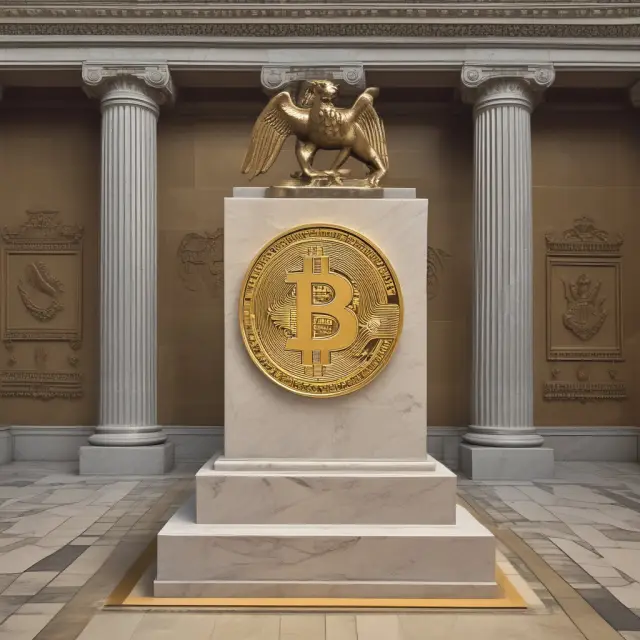
Cryptocurrencies have emerged as a relatively new store of value on the global stage. Blockchain technology underpins these digital currencies, enabling secure transactions without intermediaries or a centralized authority. Bitcoin (BTC) – the most popular and widely known cryptocurrency – has gained considerable attention due to its decentralization and scarcity characteristics. The total supply of Bitcoin is capped at 21 million units, making it an appealing alternative store of value for those seeking to diversify away from traditional assets like gold or fiat currencies. However, given their volatility, cryptocurrencies should only be considered as a part of a broader investment strategy and not as the sole store of value.
Treasuries:
Investing in interest-bearing assets such as U.S. Treasury bonds (T-bonds) can also serve as a store of value, particularly during periods of economic uncertainty or inflationary pressures. As safe-haven investments, T-bonds generate income while retaining their value, providing investors with the dual benefits of capital preservation and interest payments. However, it is crucial to remember that bond yields are subject to changes in prevailing market conditions and interest rates, which can impact their overall value over time.
In conclusion, various alternatives to traditional stores of value, such as real estate, art, cryptocurrencies, or Treasuries, offer investors unique ways to preserve wealth while potentially generating returns. It is essential to conduct thorough research and consider individual circumstances before making an investment decision. As always, diversification and a well-balanced portfolio remain the cornerstone of successful long-term investing.

FAQ: Store of Value Frequently Asked Questions
What makes an asset a good store of value?
A good store of value retains its worth, regardless of the passage of time or economic conditions. Gold and other precious metals have long been valued for their ability to maintain their value over extended periods. Currencies can also function as stores of value, provided they are reasonably stable.
Why is gold considered a good store of value?
Gold has long held the reputation of being the ultimate safe haven investment due to its role as an effective store of value. Gold’s shelf life is essentially perpetual; it neither depreciates nor decays. Additionally, gold is easy to transport and can be exchanged for various denominations.
What is the difference between a store of value and fiat currency?
A store of value is an asset or commodity that maintains its worth over time. Fiat currency is declared as legal tender by a government but is not tied to any underlying commodity, such as gold. Although fiat currency functions as a medium of exchange, its value depends on the faith and credit of the issuing authority.
What are some examples of stores of value aside from gold?
Other potential stores of value include real estate, precious metals like silver and platinum, fine art, and other collectibles. The choice of which store to employ depends largely on the investor’s individual circumstances and preferences.
How can investors invest in gold as a store of value?
Investors can purchase physical gold coins or bullion, gold-backed exchange-traded funds (ETFs), or buy shares in companies that mine and produce gold. Each method carries varying degrees of risk, cost structures, and liquidity considerations.
What are some alternatives to traditional stores of value?
In certain contexts, cryptocurrencies like Bitcoin can act as alternative stores of value due to their decentralized nature and limited supply. However, it’s essential for investors to carefully assess the risks associated with these newer asset classes before making an investment decision.
 Next entry · No. 4,773Understanding the Long Straddle Options Strategy: Maximizing Profits in Volatile Markets
See also
-
 No. 5,803
08 Oct 2025
19 min
Understanding the World Gold Council: Its Role in Gold Mining, Investment, and Consumption
Business Finance
No. 5,803
08 Oct 2025
19 min
Understanding the World Gold Council: Its Role in Gold Mining, Investment, and Consumption
Business Finance -
 No. 3,163
06 Mar 2025
21 min
Understanding Mediums of Exchange: Currency, Gold and Beyond
Economics
No. 3,163
06 Mar 2025
21 min
Understanding Mediums of Exchange: Currency, Gold and Beyond
Economics -
 No. 1,061
22 Jul 2024
21 min
Understanding Disinflation: Causes, Impacts and Differences from Deflation
Economics
No. 1,061
22 Jul 2024
21 min
Understanding Disinflation: Causes, Impacts and Differences from Deflation
Economics -
 No. 5,876
15 Oct 2025
17 min
Understanding Z-Shares: A Valuable Investment Option for Employees
Business Finance
No. 5,876
15 Oct 2025
17 min
Understanding Z-Shares: A Valuable Investment Option for Employees
Business Finance -
 No. 5,797
08 Oct 2025
19 min
Understanding the Role and Impact of the World Bank Group: A Comprehensive Guide for Institutional Investors
Business Finance
No. 5,797
08 Oct 2025
19 min
Understanding the Role and Impact of the World Bank Group: A Comprehensive Guide for Institutional Investors
Business Finance -
 No. 5,700
30 Sep 2025
23 min
Understanding the Prestige and Significance of White Shoe Firms in Finance and Investment
Business Finance
No. 5,700
30 Sep 2025
23 min
Understanding the Prestige and Significance of White Shoe Firms in Finance and Investment
Business Finance