Understanding Mediums of Exchange: Currency, Gold and Beyond
Explore the evolution and significance of mediums of exchange from currency to gold, barter systems, and cryptocurrencies.
Introduction to Mediums of Exchange
A medium of exchange is an essential component of every economy, facilitating the purchase and sale of goods and services between parties. Its primary role is to enable trade by serving as a universally acceptable unit of account, a reliable store of value, and a widely accepted means of payment. Understanding this critical aspect of finance and economics can lead to insights into various economic systems, historical trends, and contemporary financial instruments. In this article, we delve deeper into mediums of exchange, their history, characteristics, and significance.
What is a Medium of Exchange?
A medium of exchange is an intermediary instrument or system used to facilitate the purchase and sale of goods and services between parties. In economic terms, a medium of exchange represents a standard of value accepted by all parties involved in a transaction. Currency is the most widely known and utilized medium of exchange in modern economies.
Gold as a Medium of Exchange: A Historical Perspective
Throughout history, gold has functioned as an essential medium of exchange due to its scarcity, durability, and universal desirability. Its use predates recorded history, with ancient civilizations using it for trading purposes long before the advent of formal currency systems. Gold’s unique properties made it an efficient means of exchange and storage, contributing significantly to economic growth and development.
The Functioning of a Medium of Exchange: Money
Money serves several functions in modern economies as a medium of exchange. It enables anyone who possesses it to participate as an equal market player by acting as a bid in response to an asking price. This interaction creates order, predictability, and stability in the marketplace for both producers and consumers.
Alternative Currencies as Mediums of Exchange: From Local to Emergency Currency Systems
As economies evolve, alternative currencies have emerged during periods of economic instability to facilitate commerce or support a national currency. Examples include local currencies designed to foster regional growth and emergency currencies that spur commerce during times of financial distress. Understanding these alternative mediums of exchange can provide valuable insights into the functioning of diverse economic systems.
The Role of Governments in Regulating a Medium of Exchange: Currency Issuance, Stability, and Availability
Governments play an essential role in regulating a medium of exchange by issuing currency, ensuring its stability, and making it widely available to the public. This oversight is crucial for maintaining confidence in the value and reliability of a country’s currency and fostering economic growth and stability.
Future of Mediums of Exchange: Cryptocurrencies and Beyond
As technology advances, new mediums of exchange like cryptocurrencies have emerged. While they share some characteristics with traditional currencies, their unique properties and implications for the financial system require further examination to fully understand their potential role in the global economy. In this section, we will discuss the emergence and potential impact of cryptocurrencies on mediums of exchange and their significance for investors and economies at large.
In conclusion, understanding mediums of exchange is essential for anyone interested in economics, finance, or investing. As this article has explored, mediums of exchange have evolved significantly throughout history, from barter systems to gold, currency, alternative currencies, and cryptocurrencies. By examining their characteristics, functions, and implications, we can gain valuable insights into the dynamics of various economic systems and the role that effective mediums of exchange play in facilitating trade and fostering economic growth.

What is a Medium of Exchange?
A Medium of Exchange refers to any widely accepted instrument that enables parties to conduct business transactions without requiring the direct exchange of goods or services. It serves as an intermediary, simplifying the process and promoting efficiency in economic activities. In modern economies, currencies such as dollars, euros, yen, and pounds are common mediums of exchange.
The importance of a Medium of Exchange lies in its role in providing a standard of value and facilitating transactions between parties. By acting as an intermediary, it enables the buying and selling of goods and services without the need for both parties to possess what the other requires or agree on the value of their offerings.
A well-functioning Medium of Exchange should possess certain characteristics. It must have a widely recognized and reasonably stable value, be divisible into smaller units, and be available in sufficient quantities. Additionally, it should be easily transferable between parties and secure against counterfeiting.
Historically, various mediums of exchange, such as gold and silver, have been used throughout the ages for their inherent properties that make them suitable for this role. Gold, for instance, has maintained its value over time, making it a popular choice for long-term storage and a medium of exchange in times of economic instability or uncertainty.
In today’s world, money – in the form of currency – is the most widely used Medium of Exchange. It enables anyone who possesses it to participate as an equal market player and facilitates order and predictability in the marketplace. However, alternative mediums of exchange like local currencies or cryptocurrencies are gaining popularity and could potentially challenge the dominance of traditional currency in various contexts.
Understanding Mediums of Exchange: Currency, Gold, and Beyond will further delve into the historical background, characteristics, functions, and implications of mediums of exchange, shedding light on their significance in economic systems and providing valuable insights for both investors and consumers alike.
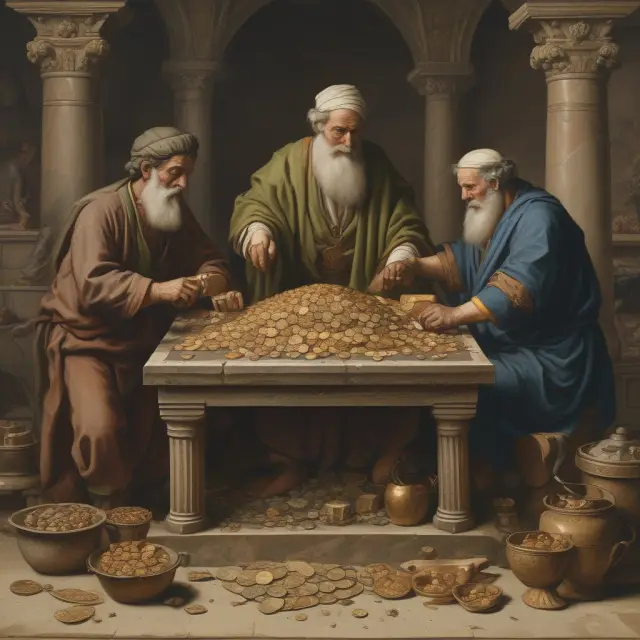
History of Mediums of Exchange: From Barter to Currency
The history of mediums of exchange dates back to ancient civilizations where people used various methods to facilitate trade between parties. The concept of a medium of exchange has evolved significantly over time, from barter systems to currency, with gold serving as a crucial intermediary during various periods.
Barter Systems and Their Limitations:
In the earliest days of commerce, transactions were conducted through the direct exchange of goods or services—a system known as bartering. This approach had significant drawbacks; for instance, both parties involved in the trade must possess something that the other wants and agree on the value of the goods being exchanged. These challenges created inefficiencies within the trading process, limiting its overall potential and making it difficult to establish a standard means of exchange.
Gold: An Ancient Medium of Exchange:
As civilizations grew more complex, so did their need for a medium of exchange that was easily transferable and had a stable value. Gold emerged as an ideal solution due to its scarcity, divisibility, and recognizable value. Gold coins were minted and traded widely, making transactions more efficient and enabling the expansion of global commerce.
The Transition from Gold to Currency:
However, relying solely on gold as a medium of exchange presented challenges, particularly in terms of transportation costs and the difficulty of assessing its purity or weight during each transaction. In response, governments issued paper currencies backed by gold reserves, which proved to be more practical for daily transactions. As economies grew, the use of currency as a medium of exchange became more widespread and efficient.
The Role of Governments in Regulating Currency:
Governments play an essential role in issuing and regulating currency to ensure its stability and availability. They maintain control over the money supply through various monetary policies, such as interest rates and quantitative easing, which help maintain economic balance. The introduction of central banks like the Federal Reserve System in the United States further strengthened the regulatory framework for currencies.
Conclusion:
The evolution of mediums of exchange—from barter systems to gold and currency—has significantly impacted how commerce is conducted in modern economies. Understanding this history provides essential context for examining current monetary systems and considering potential future developments, such as digital currencies like cryptocurrencies.
FAQ:
What is a medium of exchange?
A: A medium of exchange refers to an instrument or system used to facilitate transactions between parties in the form of goods, services, or currency.
Why did gold serve as a popular medium of exchange throughout history?
Gold’s scarcity, divisibility, and recognizable value made it a desirable choice for conducting transactions before the widespread use of paper currencies.
What role does the government play in regulating currency?
Governments are responsible for issuing and regulating currency to ensure its stability, availability, and control over the money supply through various monetary policies.

Gold as a Medium of Exchange
Historically, gold has been an influential medium of exchange and a symbol of wealth since ancient civilizations. Gold’s malleability and scarcity made it the preferred choice for exchanging goods and services in various societies across the globe. In this section, we delve deeper into understanding the significance of gold as a medium of exchange and its role within the economy.
Gold’s Role in Economies: Gold has served multiple purposes throughout history – as currency, a standard for measuring value, and a store of wealth. This versatility contributed to its widespread adoption as a medium of exchange. Ancient civilizations in Egypt, Greece, and Rome used gold coins for transactions due to its durability, divisibility, and scarcity. Gold’s stable value made it an ideal choice to facilitate long-distance trade and accumulate wealth over time.
The Properties of Gold: Gold’s unique properties as a medium of exchange include its high value density, divisibility, and transportability. Gold can be easily divided into smaller units, which facilitated transactions at various price points. Its transportability allowed traders to carry large sums of wealth in portable form without worrying about spoilage or damage during long voyages.
Comparing Gold and Currency: While gold has been an important medium of exchange throughout history, it has been gradually replaced by currency as the dominant form of exchange due to several advantages that modern currencies offer over gold. Currencies can be created in unlimited quantities, allowing for flexibility and responsiveness to changing economic conditions. Central banks can control the supply of currency, regulate its value, and respond to fluctuations in the economy through monetary policy.
Modern Economies and Gold: Today, gold plays a lesser role as a medium of exchange but still maintains significance as an investment asset class and a store of value. The shift towards electronic payments further reduced the reliance on physical mediums of exchange such as gold or paper money in daily transactions. However, investors continue to buy and hold gold due to its historical importance, perceived safety during times of economic uncertainty, and potential hedging against inflation.
In conclusion, understanding the significance of gold as a medium of exchange provides valuable insight into the evolution of economies and their monetary systems. Its unique properties enabled ancient civilizations to facilitate trade and accumulate wealth, while its role in modern economies has transformed into an investment asset and store of value. Gold’s historical importance as a medium of exchange continues to resonate with investors and historians alike, offering a fascinating glimpse into the economic developments that shaped our world.

The Functioning of a Medium of Exchange: Money
Money acts as an efficient medium of exchange that plays a crucial role in facilitating trade between parties within economies. It helps to create order and predictability, enabling producers and consumers to plan their transactions with confidence (KEYWORDS: efficient medium, economic exchange, facilitates trade, creates order). When a consumer purchases an item or service using money, they essentially make a bid that the market accepts. The role of money as a medium of exchange is essential because it serves as a standard of value, ensuring all parties involved recognize and accept its worth (KEYWORDS: standard of value, recognizes, accepted).
In modern economies, currency is the most widely used form of money, serving as the primary means for conducting transactions. Money’s ability to be divided into smaller units enables greater convenience and flexibility in daily economic interactions. The governments issuing a currency bear responsibility for maintaining its stability and availability (KEYWORDS: responsibility, stability, availability).
The efficiency of money as an exchange medium is rooted in its inherent properties. A stable currency allows businesses and individuals to plan their production and consumption over long periods. Additionally, money provides a convenient, portable means to store value for future use. This facilitates long-term savings and investment practices (KEYWORDS: stable currency, long-term savings, investment).
Money’s importance as an economic tool is evident in historical contexts. For example, barter systems, which existed before the emergence of monetary economies, suffered from significant limitations. In a barter system, parties could only trade goods if they held items that the counterparty desired, creating a need for a medium of exchange to facilitate more efficient transactions (KEYWORDS: barter systems, historical contexts, efficiency).
Money’s role in economic stability and development can be seen through its impact on reducing market volatility. During periods of instability, such as hyperinflation, the value of a currency can fluctuate wildly, disrupting daily economic activities and making long-term planning virtually impossible (KEYWORDS: economic stability, inflation, value).
In conclusion, money acts as an essential medium of exchange in modern economies by providing a stable, portable, and easily divisible standard of value. This allows for more efficient transactions, predictability, and long-term savings and investment practices. Understanding the function of money as a medium of exchange is crucial to comprehending its role in the economy and its impact on various economic systems throughout history.

Alternative Currencies as Mediums of Exchange
In times of economic instability or scarcity, alternative currencies may arise to facilitate trade and commerce. These alternative currency systems can come in various forms, including local currencies, company scrip, and emergency currencies.
Local Currencies
Local currencies are alternative mediums of exchange designed to foster economic growth and sustainability within a specific region. A well-known example is the BerkShares, first launched in 2006 in the Berkshires region of Massachusetts. The value of these locally issued currencies is pegged to the U.S. dollar but can be obtained at a discount, offering an incentive for their use within the local economy.
Company Scrip
Company scrip served as a medium of exchange during periods of economic uncertainty or cash shortages. For instance, in 1907, a series of bank failures caused widespread cash shortages across the United States. In response, companies had to issue their own company scrip or other forms of emergency currency to pay their employees. Workers could then use these alternative currencies to purchase food and services from local businesses, providing some measure of economic stability until U.S. dollars became widely available once more.
Emergency Currencies
During periods of extreme economic duress or crisis, governments may issue emergency currencies as a last resort. One famous example is the WWI British Slingerland Pte Ltd. £1 note issued in 1942 during World War II to help combat inflation. The notes were denominated in Malaysian dollars but could only be spent within certain areas of British Malaya, making them an effective emergency currency for those regions.
The Value and Stability of Alternative Currencies
Alternative currencies depend on the reputation of their issuer and the acceptance of the market for their value and stability as a medium of exchange. Local currencies like BerkShares can thrive when there is a strong sense of community and a shared commitment to economic growth within a region. However, emergency currencies may not be widely accepted during times of extreme instability or uncertainty due to the risks associated with their issuance by governments or companies.
An Effective Alternative Medium of Exchange
An effective alternative medium of exchange should meet certain characteristics, such as a recognizable value, stability, and portability. While local currencies and emergency currencies can serve their purpose as intermediaries for the exchange of goods or services between parties in specific circumstances, they may not be able to fully replace traditional currencies due to their inherent limitations and risks.
In conclusion, alternative currencies have played significant roles throughout history in facilitating trade and commerce during periods of economic instability or scarcity. Local currencies, company scrip, and emergency currencies are just a few examples of alternative mediums of exchange that can help maintain economic stability and spur growth within specific regions or industries.
However, these alternative currencies have their limitations and risks. They may not be widely accepted outside of their designated region, and their value and stability can fluctuate based on various factors such as the reputation of their issuer, market acceptance, and economic conditions. Ultimately, understanding the role of alternative currencies in the economy can provide valuable insights into the history and evolution of mediums of exchange, helping us better appreciate the importance of currency in our modern-day financial systems.
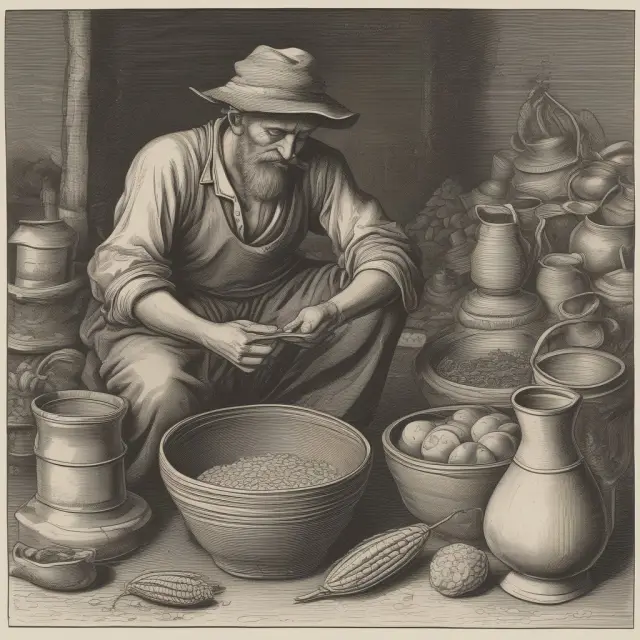
Goods as a Medium of Exchange: A Look at Barter Systems
Understanding the limitations of goods as mediums of exchange in comparison to currencies is essential for grasping the significance of an efficient monetary system. In barter systems, two parties could only engage in transactions when they possessed desired commodities that each other wanted. While this system might have worked for simple exchanges, it posed numerous limitations and challenges as economies grew more complex.
Goods as mediums of exchange lacked the divisibility and portability necessary to facilitate large-scale trade efficiently. For instance, a farmer who wished to sell his wheat crop could not easily divide it into smaller units to purchase other goods or services. Conversely, someone owning a small quantity of goods, such as a loaf of bread, could hardly use it to buy an oxen.
Barter systems also created problems regarding the establishment and determination of value since different goods had varying desirabilities for various consumers. This challenge led to extensive negotiations over the exchange ratio between goods, which ultimately resulted in lengthy and complicated transactions. In contrast, currencies, as mediums of exchange, provided a more uniform standard for evaluating the worth of goods and services.
The introduction of currency as an efficient medium of exchange significantly boosted economic growth by enabling parties to engage in more frequent and diverse transactions, thereby leading to increased specialization and productivity. With currency, traders could easily buy and sell goods without worrying about having specific desired commodities on hand. Moreover, it provided a common unit for measuring value that allowed for easier price comparisons, simplifying the exchange process between parties with various wants and needs.
In conclusion, although barter systems served as early methods of exchanging goods and services, their inherent limitations, such as divisibility, portability, and determination of fair value, ultimately paved the way for more efficient mediums of exchange like currencies to emerge and thrive in modern economies.

The Role of Governments in Regulating a Medium of Exchange
Governments have long played a crucial role in regulating the issuance, availability, and stability of currencies as mediums of exchange within their jurisdictions. Currencies must possess certain characteristics to serve effectively as mediums of exchange, including stability, divisibility, portability, and acceptability. As the primary issuer of a currency, governments are responsible for ensuring its maintenance and availability.
Currency Stability: A stable currency is vital for economic predictability and stability. If a currency’s value becomes volatile or uncertain, it could undermine confidence in the economy and disrupt business operations. Central banks employ various tools to maintain currency stability, such as interest rates and foreign exchange interventions.
Divisibility: Currencies must be easily divisible into smaller units that can facilitate transactions of any size. The government’s role includes ensuring that small denominations are available, making it easier for consumers to engage in daily purchases or transactions.
Portability: Portability is a crucial characteristic as people and businesses need to transport their currency from one location to another. Governments must ensure the security and durability of banknotes and coins to facilitate efficient circulation.
Acceptability: For a medium of exchange to function effectively, it must be widely accepted by all parties involved in transactions. In turn, governments must take measures to promote the acceptance and confidence in their currency among citizens and businesses, both domestically and internationally.
Currency Availability: To maintain the smooth functioning of an economy, currencies need to be readily available in sufficient quantities for transactions. This requires governments to establish a secure and efficient banking system that can distribute currency effectively, ensuring its availability when needed.
Monetary Policy: Monetary policy is a critical tool used by central banks and governments to regulate the supply of money within an economy. Effective monetary policy helps maintain price stability, manage inflation, and ensure a stable economic environment. In turn, these conditions support a currency’s value, acceptability, and role as a medium of exchange.
In conclusion, governments play a pivotal role in regulating mediums of exchange by ensuring their stability, divisibility, portability, and acceptability within their jurisdictions. By maintaining an effective monetary policy and banking system, governments can promote confidence in their currency and support the smooth functioning of their economy.
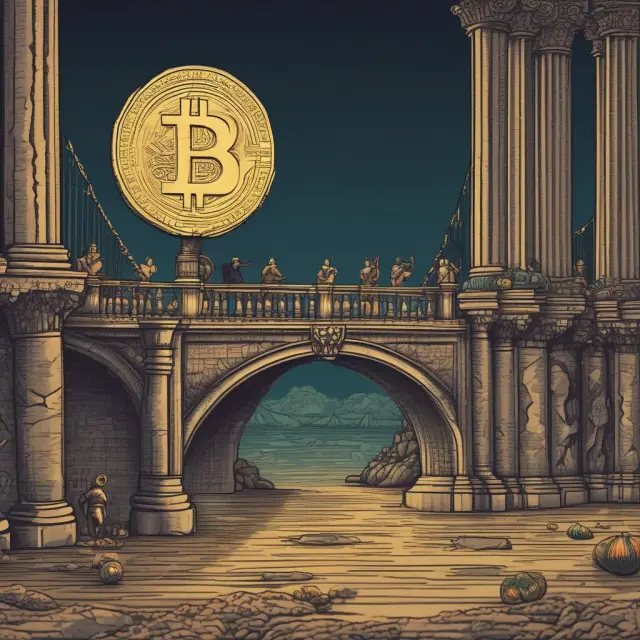
Future of Mediums of Exchange: Cryptocurrencies
Cryptocurrencies have emerged as a promising alternative to traditional mediums of exchange in recent years. As digital currencies based on complex cryptographic algorithms, they allow for transactions between parties without the need for intermediaries such as banks or governments. This innovation has sparked curiosity and excitement among investors, tech enthusiasts, and financial institutions alike. However, it also raises questions about their long-term viability as a medium of exchange.
One significant advantage of cryptocurrencies is their decentralized nature. Unlike fiat currency issued by governments, which can be subject to inflationary pressures or political instability, cryptocurrencies rely on the collective consensus and security of their network participants. This decentralization could potentially lead to increased stability and reliability as a medium of exchange.
Another advantage is their borderless nature, enabling seamless transactions across borders without the need for foreign currency conversions or high transaction fees. This feature has attracted users in developing countries and regions where traditional banking infrastructure may be limited.
However, cryptocurrencies face significant challenges as a medium of exchange. Their extreme volatility poses a major obstacle to their widespread adoption. The value of popular cryptocurrencies like Bitcoin and Ethereum can fluctuate wildly within hours or even minutes, making it difficult for businesses to plan or consumers to make reliable purchase decisions. Moreover, the lack of regulation and oversight in the market introduces risks, such as potential scams, frauds, and market manipulation.
Despite these challenges, some countries and industries have begun experimenting with cryptocurrencies as a medium of exchange. El Salvador became the first country to adopt Bitcoin as legal tender in 2021, while firms like Microsoft, Starbucks, and PayPal have integrated various cryptocurrencies into their payment systems. The future of cryptocurrencies as a medium of exchange remains uncertain, but their potential benefits may eventually outweigh the risks, making them an intriguing development to watch.
FAQs about Cryptocurrencies as Mediums of Exchange:
What are cryptocurrencies?
Cryptocurrencies are digital currencies based on complex mathematical algorithms that allow for secure and decentralized transactions between parties without the need for intermediaries.
How do cryptocurrencies work?
Transactions between users in a cryptocurrency network are recorded on a decentralized public ledger called a blockchain. This record is maintained by a network of computers, ensuring the security and integrity of transactions.
What are the advantages of using cryptocurrencies as a medium of exchange?
Some advantages include their borderless nature, potential for increased stability and reliability due to decentralization, and the ability to facilitate seamless transactions without intermediaries.
What are the challenges faced by cryptocurrencies as a medium of exchange?
Challenges include extreme volatility, lack of regulation and oversight, and potential risks such as frauds, scams, and market manipulation.
Are cryptocurrencies widely adopted as a medium of exchange?
While some countries and industries have experimented with using cryptocurrencies as a medium of exchange, their widespread adoption remains limited due to the challenges outlined above. However, this may change as technology improves and regulatory frameworks evolve.
In conclusion, understanding the role of mediums of exchange is crucial for making informed decisions in today’s global economy. From ancient barter systems to modern-day currencies, each medium of exchange has played a significant role in facilitating trade between parties. The emergence of cryptocurrencies as a potential future medium of exchange adds an intriguing dimension to this topic. By exploring the history, characteristics, and implications of various mediums of exchange, readers can deepen their understanding of the financial systems that drive our world.
FAQ – Frequently Asked Questions About Mediums of Exchange
A medium of exchange is a crucial component of any economy. It serves as a means for facilitating transactions between parties, allowing for the efficient trading of goods and services. In this section, we’ll address some common questions about mediums of exchange, including their importance, history, and characteristics.
1. **What is a medium of exchange?** A medium of exchange refers to a portable instrument or system that functions as an intermediary in the sale and purchase of goods between parties. In modern economies, currency acts as the most commonly used medium of exchange, enabling anyone who possesses it to participate equally in market interactions. For a system to function effectively, it must have a widely recognized and reasonably stable value.
2. **What is the history of mediums of exchange?** The evolution of mediums of exchange has seen significant changes from barter systems to currency. Early economies relied on a direct exchange of goods and services, but as trade networks expanded, a need for a more standardized system emerged. Gold was one of the first materials to serve as a medium of exchange due to its recognizable value and portability.
3. **What role does gold play as a medium of exchange?** Throughout history, gold has served an essential role as a medium of exchange due to its recognizably stable value and the fact that it can be easily divided and standardized. Gold’s value remains relatively stable, which makes it an efficient means for storing wealth and facilitating transactions.
4. **What is money as a medium of exchange?** Money serves a critical role in modern economies as an effective medium of exchange by allowing parties to buy and sell goods and services using a widely recognized standard of value, making market interactions more efficient. It also provides stability, enabling individuals to save and plan for future purchases or investments.
5. **What are alternative currencies and how can they act as mediums of exchange?** Alternative currencies have emerged throughout history to facilitate trade during periods of economic instability or scarcity. These currencies can take various forms, including local or company scrip, or even cryptocurrencies like Bitcoin. While these alternative currencies may not always function as efficiently as traditional fiat currency, they provide value by allowing trade to continue in the absence of a stable medium of exchange.
6. **How does a good serve as a medium of exchange?** Goods can act as mediums of exchange through barter systems, where the exchange of one good for another occurs directly between parties without using currency. However, the limitations of goods as a medium of exchange include their perishability, divisibility, and transportability, making them less effective than fiat currency in most cases.
7. **What is the role of governments in regulating mediums of exchange?** Governments have a significant impact on the mediums of exchange used within their borders through issuing currency, setting monetary policies, and maintaining its value through various means, including interest rates and controlling the money supply. Effective management of a medium of exchange by governments promotes economic stability and growth while mitigating inflation.
8. **What is cryptocurrency as a potential future medium of exchange?** Cryptocurrencies like Bitcoin have gained significant attention due to their potential as a future medium of exchange. Their decentralized nature, combined with blockchain technology, offers advantages over traditional fiat currencies in terms of security and efficiency. However, challenges such as volatility and regulatory uncertainty remain major hurdles for widespread adoption as a means of payment.
9. **What makes a good medium of exchange?** A good medium of exchange is widely recognized, reasonably stable, and portable. Its value should be universally accepted, making it an efficient intermediary for the exchange of goods or services between parties.
10. **What makes a bad medium of exchange?** A medium of exchange can fail if its issuing government lacks stability or experiences significant inflation, causing uncertainty in its value. This instability hinders economic activity and market interactions.
By answering these frequently asked questions, we gain a better understanding of the importance and role that mediums of exchange play in our economy.
 Next entry · No. 3,164Understanding Melt-Ups: Navigating Sudden Market Rises for Institutional Investors
See also
-
 No. 4,772
15 Jul 2025
19 min
Understanding Store of Value: Gold, Currency and Other Assets as Long-Term Investments
Business Finance
No. 4,772
15 Jul 2025
19 min
Understanding Store of Value: Gold, Currency and Other Assets as Long-Term Investments
Business Finance -
 No. 4,170
28 May 2025
22 min
Understanding the Qatari Riyal: The Offical Currency of Qatar
Finance Policy
No. 4,170
28 May 2025
22 min
Understanding the Qatari Riyal: The Offical Currency of Qatar
Finance Policy -
 No. 3,581
10 Apr 2025
22 min
Understanding the Nepalese Rupee (NPR): A Comprehensive Guide
Finance Policy
No. 3,581
10 Apr 2025
22 min
Understanding the Nepalese Rupee (NPR): A Comprehensive Guide
Finance Policy -
 No. 2,775
03 Feb 2025
21 min
Understanding Lawful Money: A Comprehensive Guide for Institutional Investors
Finance Policy
No. 2,775
03 Feb 2025
21 min
Understanding Lawful Money: A Comprehensive Guide for Institutional Investors
Finance Policy -
 No. 3,031
23 Feb 2025
19 min
Understanding M1 Money Supply and Its Role in Economics: Definition, Calculation, and Impact on Inflation
Economics
No. 3,031
23 Feb 2025
19 min
Understanding M1 Money Supply and Its Role in Economics: Definition, Calculation, and Impact on Inflation
Economics -
 No. 1,158
05 Aug 2024
17 min
Understanding Dutch Disease: Consequences of a Rising Currency on a Nation’s Economy
Economics
No. 1,158
05 Aug 2024
17 min
Understanding Dutch Disease: Consequences of a Rising Currency on a Nation’s Economy
Economics