Understanding Subprime Mortgages: A Detailed Guide for Institutional and Professional Investors

Understanding the world of Subprime Mortgages with in-depth analysis on its factors, risks, benefits, history, and current state for institutional and…
What is a Subprime Mortgage?
A subprime mortgage refers to a home loan issued to borrowers with below-average credit scores or unfavorable credit histories. This type of mortgage comes with significantly higher interest rates than prime mortgages due to the increased risk associated with the lender’s investment. The term ‘subprime’ is derived from the creditworthiness of the individual, as these borrowers typically have FICO scores below 640.
Understanding Subprime Mortgages
Subprime mortgages are not simply about high interest rates. They differ significantly from prime mortgages in various aspects. This section will discuss how the credit score, down payment size, late payments, and delinquencies contribute to the determination of subprime mortgage rates.
Credit Score: Borrowers with poor or limited credit histories are more likely to receive subprime mortgage offers. The interest rate for such borrowers is higher as lenders assess a greater risk of default.
Down Payment: The down payment size plays a significant role in determining whether an applicant qualifies for a prime or subprime mortgage. Typically, those with smaller down payments are considered to be at a higher risk, making them eligible for subprime loans.
Late Payments and Delinquencies: Late payments and delinquencies on a borrower’s credit report indicate potential financial instability, leading lenders to view these individuals as high-risk candidates for mortgage loans. As a result, they are often offered subprime mortgages with higher interest rates.
Subprime Mortgage vs. Prime Mortgages: In the world of mortgages, borrowers are typically graded from A to F based on their creditworthiness. While prime mortgages go to A and B candidates, lower-rated individuals must generally settle for subprime loans if they wish to obtain financing at all. It is crucial for potential borrowers to apply for a prime mortgage first before exploring the option of a subprime mortgage to determine whether they qualify for more favorable terms.
The Effects of Subprime Mortgages on the Housing Market: The 2008 financial crisis highlighted the devastating impact of widespread defaults on subprime mortgages. Many lenders offered ‘NINJA’ loans (No Income, No Job, or Assets) with no income verification and teaser interest rates that ballooned over time, leaving many homeowners unable to pay their mortgages when the adjustable rate reset. This resulted in a massive wave of defaults and foreclosures that triggered an economic downturn.
COVID-19 Mortgage Relief: In response to the pandemic, the U.S. government offered temporary mortgage relief for struggling homeowners, including forbearance plans, loan modifications, and other assistance programs. This help was crucial in preventing widespread defaults during a time of unprecedented economic uncertainty.
FAQs on Subprime Mortgages:
What is a subprime mortgage? A subprime mortgage is a type of home loan offered to borrowers with lower credit ratings or unfavorable credit histories, featuring higher interest rates than prime mortgages to compensate the lender for the increased risk.
How does the credit score affect subprime mortgages? Lenders assess creditworthiness using FICO scores. Applicants with scores below 640 are considered high-risk and may only qualify for a subprime mortgage.
What is the difference between prime and subprime mortgages? The main difference lies in the borrower’s creditworthiness and corresponding interest rates: prime mortgages carry lower rates and go to individuals with strong credit histories, while subprime loans come with higher interest rates for those with poor credit.

Factors Affecting Subprime Mortgage Rates
Subprime mortgages come with higher interest rates than their prime counterparts due to increased risk for lenders. To fully understand why this is the case, it’s essential to examine the factors influencing these mortgage rates, including a borrower’s credit score, down payment size, late payments, and delinquencies.
Credit Score
Your credit score plays a significant role in determining whether you qualify for a subprime or prime mortgage. Generally, if your FICO credit score falls below 640, you may be classified as a subprime borrower. Your creditworthiness can directly impact the interest rate on your loan, with lower scores corresponding to higher rates. According to Equifax, a leading global data analytics and digital identity company, an individual with a credit score below 580 would typically pay an average of 3.4 percentage points more in interest than someone with a prime score (720 or above).
Down Payment
The amount you pay upfront as a down payment can also impact the interest rate offered on a subprime mortgage. Typically, larger down payments reduce the risk to the lender and may result in lower interest rates. However, borrowers with poor credit histories might not have significant funds available for a down payment. In this case, they could still qualify for a subprime loan but will likely face higher interest rates as compensation for the increased risk to the lender.
Late Payments and Delinquencies
A history of late payments or delinquencies on other debts can raise red flags for lenders, potentially leading to higher mortgage rates. Late payments on credit cards, loans, or rent can signal a borrower’s inability to meet financial obligations in the past, making it more challenging for them to qualify for prime mortgages and pushing them towards subprime offerings. Furthermore, delinquencies can accumulate additional fees, damage your credit score, and result in higher interest rates when you do find a lender willing to work with you.
Comparison of Prime vs. Subprime Mortgages
The main difference between prime and subprime mortgages lies in the borrower’s creditworthiness and associated interest rates. A prime mortgage is typically issued to individuals with excellent or good credit scores, whereas a subprime mortgage goes to those with lower credit scores. The interest rates for subprime loans are generally higher than those of prime loans due to the increased risk to lenders.
In conclusion, understanding the factors affecting subprime mortgage rates – such as credit score, down payment, late payments, and delinquencies – is crucial for anyone considering this type of loan. With a solid grasp of these elements, potential borrowers can make informed decisions that minimize their financial risks and help them achieve long-term stability in their homeownership journey.

Subprime vs. Prime Mortgages
Subprime and prime mortgages represent two distinct categories of home loans, with key differences that arise from the creditworthiness of the borrower. A prime mortgage is offered to individuals with high credit scores and a solid financial history, while a subprime mortgage caters to those with below-average credit scores or other risk factors.
The disparity in lending standards between the two mortgage types is reflected in their interest rates. Prime mortgages typically come with lower interest rates due to borrowers’ strong credit profiles and reduced risk for the lender. Conversely, subprime loans carry significantly higher interest rates as they are considered riskier investments.
A borrower’s creditworthiness plays a pivotal role in determining whether they qualify for a prime or subprime mortgage. A prime mortgage applicant is typically evaluated based on their FICO score, debt-to-income ratio (DTI), employment history, and other financial factors. Prime lenders are more inclined to approve loans with favorable terms for applicants who demonstrate strong credit profiles and a low likelihood of defaulting on the loan.
On the other hand, subprime mortgage applicants often face stricter qualification requirements due to their lower credit scores or other risk factors. Mortgage lenders offering subprime loans may require higher down payments, greater documentation of income, or additional collateral to mitigate the increased risk associated with these loans. Subprime mortgages are typically adjustable-rate mortgages (ARMs), and interest rates can potentially increase at specified points in time.
Historically, subprime borrowers have had FICO scores below 640, though lenders may define subprime differently. Before the financial crisis of 2008, 620 or even 600 were considered cut-off points for subprime mortgages. However, following the crisis, regulations have been put in place to ensure that only properly underwritten loans are issued to borrowers with lower credit scores.
The impact of subprime mortgages on the housing market was significant, with the widespread availability and issuance of risky loans contributing to the 2008 financial crisis. The proliferation of NINJA (no income, no job, or assets) loans, which required little verification of a borrower’s ability to repay their mortgage, resulted in widespread defaults once housing values declined and interest rates increased.
However, in recent years, some relief has been provided to homeowners struggling with mortgage payments due to the COVID-19 pandemic. The CARES Act offered temporary protection against foreclosures and forbearance for eligible borrowers, while subsequent legislation continued to provide assistance for those falling behind on their mortgages or facing eviction.
Understanding subprime loans and how they compare to prime loans is essential for institutional and professional investors as well as individual borrowers seeking to navigate the complex world of mortgage lending. By recognizing the risks associated with these loans, potential pitfalls can be avoided, and informed decisions can be made when evaluating investment opportunities in this sector.

Impact of Subprime Mortgages on the Housing Market
The widespread availability and issuance of subprime mortgages played a significant role in triggering the 2008 financial crisis. These loans were typically offered to borrowers with low credit scores, high debt-to-income ratios, or other factors that signaled an increased risk of defaulting on their loan obligations. This proliferation of subprime lending in the years leading up to the crisis contributed to a housing bubble and subsequent burst in 2008.
One notable example of risky lending practices during this period were NINJA loans – No Income, No Job, or Assets Required – which allowed borrowers to qualify for mortgages without providing proof of income or assets. This led many individuals to take on debt they could not afford, as their financial situation was not thoroughly assessed by lenders. These NINJA loans contributed significantly to the high number of defaults when housing values began declining.
The interest rates associated with subprime mortgages were often adjustable, leading to a sharp increase in monthly payments once these rates reset. This phenomenon, coupled with the collapse of the housing market and subsequent rise in unemployment during the crisis, resulted in massive numbers of borrowers being unable to keep up with their mortgage payments. The resulting wave of defaults led to widespread losses for financial institutions that had invested heavily in mortgage-backed securities (MBS).
The subprime mortgage crisis also had far-reaching implications on the economy as a whole, affecting various industries and contributing to the global financial downturn. As many banks and lenders faced insolvency or bankruptcy due to their exposure to these risky loans, governments around the world stepped in with bailouts and stimulus packages aimed at stabilizing the financial system.
Since then, regulations have been put in place to prevent the reckless lending practices that led to the crisis. For example, the Dodd-Frank Wall Street Reform and Consumer Protection Act was passed in 2010 to strengthen consumer protections, improve transparency, and regulate risky financial instruments like mortgage-backed securities. The Act also established the Consumer Financial Protection Bureau (CFPB), a government agency responsible for enforcing federal consumer financial laws and protecting consumers from unfair, deceptive, or abusive practices in the financial services industry.
Today, subprime lending continues to exist but is subject to stricter regulations and underwriting standards than before the crisis. However, some worry that these restrictions could limit access to credit for borrowers who truly need it. It remains a topic of ongoing debate among policymakers, financial experts, and economists.
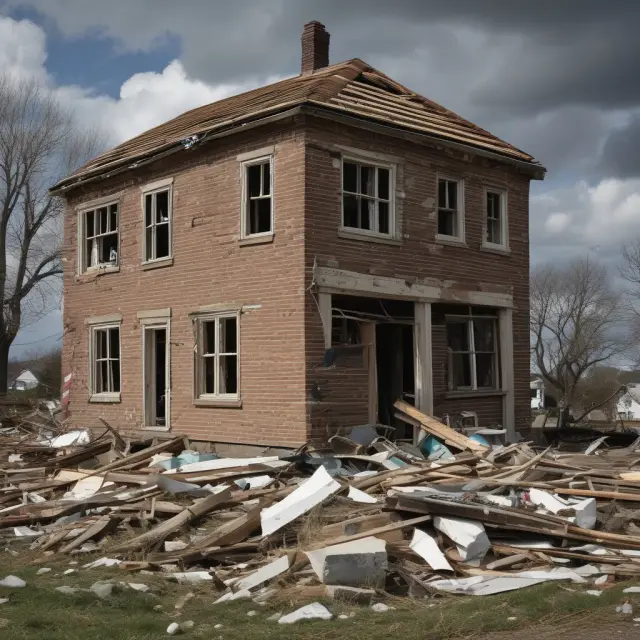
Subprime Mortgage Relief during COVID-19
The unprecedented global pandemic caused by the novel coronavirus has significantly impacted many individuals and families, including those with mortgage payments. Fortunately, federal initiatives have been put in place to provide relief for homeowners who found themselves struggling to keep up with their mortgage payments due to the economic fallout of COVID-19. Two major pieces of legislation, the Coronavirus Aid, Relief, and Economic Security (CARES) Act and the American Rescue Plan (ARP) Act of 2021, offered critical assistance to those in need.
The CARES Act, enacted on March 27, 2020, implemented a moratorium on foreclosures for mortgages backed by federal agencies like the Federal Housing Administration (FHA) or the Federal National Mortgage Association (Fannie Mae) and the Federal Home Loan Mortgage Corporation (Freddie Mac). This protection from foreclosure remained in effect until July 31, 2021. Additionally, borrowers affected by the pandemic were able to request a forbearance of up to 180 days without penalties.
The ARP Act, signed into law on March 11, 2021, provided further assistance with an additional $25 billion allocated to the U.S. Treasury Emergency Rental Assistance program. Homeowners in need of mortgage payment relief should consult their specific programs for available resources and application procedures.
While the Supreme Court denied the latest extension of the Centers for Disease Control and Prevention’s (CDC) moratorium on evictions and foreclosures, homeowners facing financial challenges still have options through state and local housing agencies, as well as nonprofit organizations that offer mortgage assistance programs. For a comprehensive list of available resources, visit the National Low Income Housing Coalition’s website.
The COVID-19 pandemic has created unparalleled uncertainty for millions of families across the United States. The relief measures put in place by the federal government have been crucial in helping homeowners facing financial hardships during these challenging times. These initiatives offer a lifeline to those in need, enabling them to keep their homes and maintain their financial stability.

Understanding Subprime Loans: Risks and Benefits
A subprime loan is a type of mortgage offered at higher interest rates than prime mortgages to borrowers who do not qualify for conventional loans based on their creditworthiness. The term “subprime” refers to the borrower’s lower-than-average credit score, signaling a higher risk of defaulting on the loan. Subprime mortgage loans often come with variable interest rates that can fluctuate over time, making it crucial for homeowners to understand the associated risks and benefits before committing to one.
One significant advantage of a subprime mortgage is the potential for borrowers with below-average credit scores to secure financing when other options are limited. This could provide an opportunity for individuals to invest in real estate, build equity, or improve their credit score over time by making consistent payments. However, there are also substantial drawbacks associated with these loans:
1) Higher interest rates: The increased risk of default translates into higher interest rates for subprime borrowers. According to a 2020 report from the Consumer Financial Protection Bureau, the average annual percentage rate (APR) for a subprime mortgage loan was approximately three percentage points higher than prime loans. This could equate to tens of thousands of dollars in additional interest payments over the life of the loan.
2) Increased risk of foreclosure: With higher monthly payments and interest rates, homeowners may struggle to keep up with their mortgage obligations, especially during times of economic instability or unexpected financial hardships. As a result, the risk of foreclosure is significantly higher for subprime borrowers.
3) Predatory lending practices: In some cases, predatory lenders may target vulnerable individuals by offering them loans with hidden fees, balloon payments, and adjustable rates that can skyrocket over time. These loans, often referred to as “NINJA loans” (No Income, No Job, or Assets), contributed significantly to the 2008 financial crisis when borrowers were unable to pay their mortgages and defaults increased in large numbers.
To mitigate these risks, it is essential for subprime mortgage borrowers to carefully evaluate their financial situation and fully understand the terms of their loans before signing. In addition, they should consider working with a reputable lender and seeking counseling from organizations like the Consumer Financial Protection Bureau or the National Foundation for Credit Counseling to develop a solid financial plan.
Despite the risks, some subprime mortgage borrowers may still find these loans beneficial, particularly during times when interest rates are historically low. In such cases, homeowners can use a subprime loan as a stepping stone to gradually improve their creditworthiness and transition to a prime mortgage with lower interest rates in the future.
Understanding the risks and benefits of subprime mortgages is crucial for institutional and professional investors who want to stay informed about market trends and the potential implications for borrowers and lenders alike. By staying up-to-date on the latest regulatory measures, economic indicators, and lending practices, they can make well-informed investment decisions and navigate the ever-changing financial landscape more effectively.

Regulation of Subprime Lending Post-Financial Crisis
Since the 2008 financial crisis, which was largely fueled by risky lending practices and the widespread distribution of subprime mortgages to unqualified borrowers, regulations have been put in place to protect consumers from similar situations. These regulatory measures aim to minimize risks for both investors and homeowners.
The Dodd-Frank Wall Street Reform and Consumer Protection Act of 2010 introduced significant changes to the mortgage lending landscape. Among its provisions were requirements that lenders verify a borrower’s ability to repay a loan before issuing it, as well as regulations on mortgage servicing practices. These rules aimed to prevent the predatory lending tactics that fueled the crisis in the first place.
One of the most significant changes came with Ability-to-Repay (ATR) and Qualified Mortgage (QM) rules. The ATR rule mandates that a lender must determine a borrower’s ability to repay a mortgage loan based on their financial situation, credit history, and debt obligations. This assessment is done using a set of criteria established by the Consumer Financial Protection Bureau (CFPB).
A Qualified Mortgage (QM) is defined as a loan that meets the ATR rule and follows certain limitations regarding points and fees. The CFPB’s definition of a QM ensures that lenders cannot offer high-risk loans with unsustainable payments to consumers. This helps safeguard homeowners from defaulting on their mortgages due to unaffordable loan terms.
The Financial Institutions Examination Council (FIEC) has also updated its appraisal guidelines, making it mandatory for lenders to consider local housing market conditions when valuing a property during the mortgage application process. This change reduces the likelihood of inflated appraisals and over-leveraging, which were significant factors in the financial crisis.
The Securities and Exchange Commission (SEC) introduced regulations on securitization, requiring that the underlying assets of mortgage-backed securities (MBS) have sufficient documentation to prove their value. This requirement ensures a more transparent process for investors, as they can now analyze the quality of the securities they are purchasing.
These post-financial crisis regulatory changes have significantly improved the lending landscape for consumers and the overall financial system. However, it is crucial for borrowers to continue educating themselves about their mortgage options and understanding the terms and conditions before signing on the dotted line.
Apart from these regulatory measures, some lenders have adopted more conservative underwriting standards since the crisis, ensuring that borrowers meet stricter qualifications before being approved for a mortgage. This shift has helped minimize risky lending practices, as fewer high-risk loans are being issued.
The consequences of the financial crisis have been far-reaching and long-lasting, but these regulatory changes have set a new standard for lending that prioritizes consumer protection and reduces systemic risks to the financial system. By implementing stricter regulations and encouraging responsible lending practices, policymakers have helped create a more stable housing market for generations to come.

Subprime Mortgage Case Study: NINJA Loans
NINJA loans, or “No Income, No Job, or Assets,” are infamous for their role in leading to widespread defaults and contributing to the 2008 financial crisis. These loans were issued to borrowers who provided little to no evidence of income or employment, yet still received substantial mortgage loans. The risky lending practices surrounding NINJA loans had disastrous consequences.
NINJA Loans: A Prevalent Issue Before the Financial Crisis
Before the housing market crash in 2008, lenders offered NINJA loans to a substantial number of borrowers with subprime credit ratings. These loans, often adjustable-rate mortgages (ARMs) without verifiable income documentation or employment history, carried high interest rates and variable payment schedules.
The allure for homebuyers was that they could purchase properties they might not have been able to otherwise. Lenders believed that the real estate market would continue its upward trajectory indefinitely. However, many of these loans were structured as “teaser rates,” with initial interest rates lower than the eventual, much higher rates upon renewal or adjustment.
Lack of Proper Documentation and Regulation
The prevalence of NINJA loans was a result of loose lending standards at the time. Lenders were under pressure to issue as many mortgages as possible due to competition, with little concern for the borrowers’ ability to repay their debts. The federal government, state governments, and regulatory bodies, such as the Federal National Mortgage Association (Fannie Mae) and the Federal Housing Administration (FHA), played a role in permitting these loans, often acquiring them through mortgage-backed securities (MBS).
The Unavoidable Consequences of NINJA Loans
When the housing market began to decline in 2006, many homeowners with NINJA loans found themselves unable to make their monthly mortgage payments. As adjustments to interest rates took place, monthly payments became much higher than what borrowers could afford, resulting in widespread defaults. The collapse of subprime lending institutions and the subsequent domino effect on the financial sector intensified the crisis.
Learning from Past Mistakes: Current Subprime Lending Regulations
In response to the 2008 crisis, regulations were put in place to control risky lending practices and protect consumers. Some of these regulations include:
- Dodd-Frank Wall Street Reform and Consumer Protection Act (Dodd-Frank) – Passed in 2010, this law established the Consumer Financial Protection Bureau (CFPB), which enforces federal consumer financial laws and regulates financial institutions.
- The Homeowner Affordability and Stability Plan (HAMP) – Implemented by the U.S. Department of the Treasury in March 2009, HAMP aimed to help struggling homeowners avoid foreclosure by reducing their monthly mortgage payments.
- Truth in Lending Act (TILA) – This law, updated as Regulation Z, requires clear and conspicuous disclosures about loan terms, including APRs and fees, so consumers can make informed decisions.
- Real Estate Settlement Procedures Act (RESPA) – RESPA ensures that borrowers receive accurate settlement statements and disclosures during the home buying process, preventing unexpected fees or charges.
- The Ability-to-Repay Rule – This rule requires lenders to ensure borrowers have the ability to repay a mortgage before extending credit. This includes assessing their income, debts, and other financial obligations.
In conclusion, NINJA loans played a significant role in the 2008 housing market crisis. The financial repercussions of these risky lending practices prompted stricter regulations to protect consumers and ensure that mortgage lenders are held accountable for their actions. By learning from past mistakes, we can work toward preventing a similar crisis from occurring again.

Subprime Mortgage Lending Today: Trends and Statistics
After the 2008 housing market crash, subprime lending faced significant changes due to new regulations that were put in place. Despite this, understanding the current state of subprime mortgage lending is crucial for institutional and professional investors. In recent years, there have been shifts in trends and statistics, which differ significantly from those seen before the financial crisis.
One notable change is the strict regulation of risky lending practices to protect consumers and prevent another housing market collapse. The Consumer Financial Protection Bureau (CFPB) has taken a more active role in overseeing lending standards and ensuring that borrowers are not being subjected to predatory loan terms. This has led to fewer subprime mortgage originations as lenders have focused on prime mortgages instead, given the stricter regulations and increased risk.
Another significant change is the use of automated underwriting systems (AUS) for assessing borrower creditworthiness. These systems provide lenders with a more comprehensive evaluation of a borrower’s financial profile, making it easier to identify potential risks and adjust interest rates accordingly. Additionally, lenders have become more reliant on credit scoring models that go beyond FICO scores, such as VantageScore or Experian Boost, to assess the creditworthiness of applicants.
A third trend is the shift towards fixed-rate mortgages rather than adjustable-rate mortgages (ARMs), which were a major factor in the subprime mortgage crisis. The popularity of ARMs has decreased significantly since the financial crisis due to their inherent risks and volatility. Instead, borrowers have opted for the stability provided by fixed-rate mortgages, which offer consistent monthly payments and minimize the risk of sudden rate increases.
Regarding statistics, subprime mortgage origination volume has been steadily declining since the crisis. According to the Mortgage Bankers Association (MBA), the share of subprime loans in total originations dropped from 24% in 2006 to just 1% in 2019. This decrease can be attributed to the regulatory changes, stricter lending standards, and the shift toward fixed-rate mortgages.
The average credit score for subprime borrowers has also improved over the years, with many now having scores above the once common cutoff of 620. According to a report by Experian, the average FICO score for subprime mortgage borrowers in 2019 was 675, up from 636 in 2010. This improvement reflects the increasing focus on responsible lending practices and the availability of resources aimed at helping consumers improve their credit scores.
However, it’s important to note that while the subprime mortgage market has changed significantly since the financial crisis, it still presents risks for both borrowers and lenders. Despite stricter regulations and improved underwriting standards, there remains a potential for predatory practices and unsustainable loan terms for some borrowers, particularly those with low credit scores or limited financial resources. As such, ongoing vigilance is required to ensure that consumers are not being taken advantage of and the risk of another housing market crisis is minimized.

FAQs on Subprime Mortgages: Common Questions Answered
Subprime mortgages are a type of loan offered at higher interest rates than prime loans due to borrowers not qualifying for the latter. These borrowers often have low credit ratings and other factors that suggest a risk of defaulting on debt repayment.
Q: What is a Subprime Loan?
A subprime loan refers to a type of loan issued at rates above prime to individuals who do not qualify for prime-rate loans. Lenders view these borrowers as carrying a higher risk due to their credit history, and thus charge a premium interest rate to compensate.
Q: How is a Subprime Loan Different from a Prime Loan?
The primary difference between the two lies in the interest rates. While prime loans come with lower interest rates for those who qualify, subprime loans carry higher rates due to the perceived risk of default. It’s essential for borrowers seeking mortgages to understand the distinction and shop around for the best terms they can secure.
Q: Who Offers Subprime Mortgages?
Financial institutions can provide subprime mortgages, but some focus specifically on these loans due to their high-interest rates. This avenue provides access to capital for those who may not qualify for traditional prime loans. However, the higher interest rates associated with these loans translate into additional thousands in interest payments over the loan’s life, making it crucial that borrowers consider their financial situation carefully before opting for a subprime loan.
Q: What Are the Drawbacks of Subprime Loans?
Borrowers face several disadvantages when taking out a subprime loan. The increased interest rates mean a more expensive loan overall, which can be harder to repay, particularly if the borrower already faces financial difficulties. Additionally, defaults on subprime loans were identified as a major cause of the 2008-09 financial crisis, with both lenders and borrowers contributing factors in its occurrence.
Q: Did Subprime Lending Contribute to the 2008-09 Financial Crisis?
Subprime mortgages played a significant role in the 2008-09 financial crisis. The lenders, who freely granted loans to borrowers that could not afford them based on the free-flowing capital following the dot-com bubble, and the borrowers who bought houses they couldn’t afford both contributed factors to the crisis.
 Next entry · No. 4,794Understanding Subrogation: A Legal Right for Insurance Companies
See also
-
 No. 5,100
11 Aug 2025
20 min
Understanding Trust Receipts: A Comprehensive Guide for Institutional Investors
Business Finance
No. 5,100
11 Aug 2025
20 min
Understanding Trust Receipts: A Comprehensive Guide for Institutional Investors
Business Finance -
 No. 4,656
06 Jul 2025
22 min
Understanding Short Squeezes: Risks and Opportunities for Institutional Investors
Business Finance
No. 4,656
06 Jul 2025
22 min
Understanding Short Squeezes: Risks and Opportunities for Institutional Investors
Business Finance -
 No. 4,543
27 Jun 2025
23 min
Understanding the Rule of 78 in Loan Interest Calculation
Business Finance
No. 4,543
27 Jun 2025
23 min
Understanding the Rule of 78 in Loan Interest Calculation
Business Finance -
 No. 1,475
21 Sep 2024
21 min
Understanding Federal Funds: Essential Insights for Institutional Investors
Business Finance
No. 1,475
21 Sep 2024
21 min
Understanding Federal Funds: Essential Insights for Institutional Investors
Business Finance -
 No. 5,438
08 Sep 2025
19 min
Variable Rate Mortgages: Understanding the Risks and Rewards
Mortgage
No. 5,438
08 Sep 2025
19 min
Variable Rate Mortgages: Understanding the Risks and Rewards
Mortgage -
 No. 4,035
16 May 2025
24 min
Understanding Predatory Pricing: Definition, Effects, and Implications for Institutional Investors
Business Strategy
No. 4,035
16 May 2025
24 min
Understanding Predatory Pricing: Definition, Effects, and Implications for Institutional Investors
Business Strategy