Understanding Federal Funds: Essential Insights for Institutional Investors

Unravel essential insights on federal funds for institutional investors. Understand definitions, role, market, and economic impact. Learn from experts.
What Are Federal Funds?
The term “federal funds” refers to excess reserves that commercial banks and other financial institutions hold with their regional Federal Reserve banks, which can be lent on an overnight basis to other market participants facing a shortfall in their cash reserves. The federal funds rate, also known as the overnight rate or interbank lending rate, is the interest rate charged for these transactions between banks. Federal funds play a crucial role in the financial system by allowing banks to meet their reserve requirements and maintain liquidity.
Understanding Federal Funds and Their Role in the Financial System
Federal funds are excess reserves that exceed the minimum amounts banks are required to hold against their customer deposits, known as required reserves. These funds enable commercial banks to lend or borrow from each other on an overnight basis to meet daily reserve requirements set by central banking authorities. The Federal Reserve sets a target for the federal funds rate and adjusts it periodically in response to economic conditions.
The Federal Funds Market and Its Role in the Economy
The fed funds market operates alongside the eurodollar deposit market, which functions in a similar manner but is located offshore. Both markets provide essential liquidity for global financial institutions. The interest rate in these overnight markets is primarily influenced by the federal funds rate, making it an influential economic indicator for broad market conditions and monetary policy.
The Fed Funds Rate: Setting Monetary Policy and Its Impact on Financial Instruments
The Federal Reserve influences short-term interest rates by engaging in open market operations to manage the money supply. Through these transactions, the Fed can adjust the fed funds rate, which affects not only federal funds but also eurodollar, LIBOR, and other short-term interest rates. The federal funds rate is a critical component of U.S. monetary policy and has implications for inflation, growth, employment, and various financial instruments.
Participants in the Fed Funds Market: Who Engages in Federal Fund Transactions?
The fed funds market includes commercial banks, branches of foreign banks, savings and loan organizations, government-sponsored enterprises (such as Fannie Mae and Freddie Mac), securities firms, and federal agencies. These entities engage in federal funds transactions to maintain liquidity, meet reserve requirements, or profit from interest rate arbitrage opportunities.
Historical Significance and Importance of the Fed Funds Rate
The historical significance of the fed funds rate lies in its influence on economic conditions, particularly during times of recession, inflation, or monetary policy changes. The rate serves as a benchmark for short-term interest rates and impacts the broader economy’s growth, inflation, and employment trends.
Fed Funds vs. Eurodollars: Comparing Two Wholesale Markets
Though fed funds and eurodollar markets serve similar purposes, they differ in their geographical locations; fed funds operate within the United States, while eurodollars are traded offshore. Both markets impact various short-term interest rates and are crucial to maintaining financial stability for banks and other market participants.
How the Fed Manages Short-Term Rates: Tools and Techniques
The Federal Reserve uses open market operations, discount rates, forward guidance, and the fed funds rate as primary tools to manage short-term interest rates and maintain economic stability. Understanding how these instruments work together is essential for investors seeking insights into monetary policy and its implications for financial markets.

Reserve Requirements and Excess Reserves
Understanding Reserve Requirements Set by Central Banks
Central banks, including the Federal Reserve, establish reserve requirements for commercial banks to ensure financial stability within their respective economies. These requirements represent the minimum amount of funds that each bank must maintain on hand as a percentage of their total deposits. The Federal Reserve sets minimum reserve ratios for commercial banks, requiring them to have a certain proportion of their total deposits available in reserves at all times.
Explanation of Excess Reserves and Their Management
Excess reserves refer to any amount of money that commercial banks hold above the minimum requirements set by central banks. These funds can be used for various purposes, such as meeting unexpected customer demands or participating in open market operations conducted by their respective central bank. The Federal Reserve, via its New York branch, manages excess reserves through open market operations. It purchases and sells government securities to influence the amount of money that commercial banks hold, thereby controlling the amount of available funds for lending within the fed funds market.
The Role of Excess Reserves in the Fed Funds Market
Excess reserves play a crucial role in the functioning of the fed funds market. They enable participating banks to meet their reserve requirements while simultaneously allowing them to generate income through inter-bank lending when they have surplus cash available. In an overnight transaction, banks with excess reserves will lend these funds to those facing shortages at the prevailing federal funds rate. This interest rate is determined by the supply and demand dynamics in the fed funds market, which can fluctuate based on changes in reserve requirements or other factors. The interplay between reserve requirements, excess reserves, and the fed funds market ensures that commercial banks have sufficient liquidity to meet their obligations while also providing a mechanism for short-term lending within the financial system.

The Fed Funds Market and Its Role in the Economy
Federal funds, also known as fed funds or the fed funds rate, are an essential component of the financial system that facilitates short-term lending between banks and other financial institutions to help them meet their daily reserve requirements. The federal funds market is a critical tool used by the Federal Reserve to regulate short-term interest rates, which in turn impact broader economic conditions in the country.
In the context of the United States economy, commercial banks are required by the Federal Reserve to maintain reserves in an amount determined by regulatory requirements or set credit and internal control thresholds. Excess funds, or reserves above and beyond these requirements, can be lent or borrowed between banks on an overnight basis through the fed funds market. The interest rate charged for such loans is known as the federal funds rate.
The Federal Reserve sets a target range for the federal funds rate in response to economic conditions and changes in monetary policy. Banks may engage in the inter-bank lending market if they find themselves with excess reserves or facing a shortage of cash. When there’s a surplus, banks offer their reserves for lending; conversely, they borrow when they fall short. This overnight inter-bank lending market helps ensure that commercial banks have the liquidity to meet their reserve requirements and continue operating efficiently.
The federal funds rate plays a significant role in shaping broader economic conditions. As a key benchmark interest rate for short-term borrowing, it influences various financial markets and securities like Treasury bonds, mortgage-backed securities, and other financial instruments. The Federal Reserve uses open market operations to manage the supply of money and adjust short-term interest rates. This involves buying or selling government bonds and bills, increasing or decreasing the money supply, and thereby affecting the fed funds rate.
The federal funds market is parallel to the eurodollar deposit market, which operates offshore in various countries with transactions occurring outside of the United States. Eurodollars are also traded overnight and the interest rate mirrors that of the federal funds rate. Multinational banks use branches in foreign locations such as Panama or the Caribbean to facilitate these transactions while carrying out negotiations within U.S. trading rooms.
In summary, the fed funds market is a crucial aspect of the financial system as it enables inter-bank lending and borrowing to help institutions meet their daily reserve requirements. The federal funds rate, set by the Federal Reserve, influences short-term interest rates, which in turn impact broader economic conditions, such as inflation, growth, and employment.

Open Market Operations and Interest Rates
Understanding Open Market Operations by the Federal Reserve
Open market operations (OMOs) refer to a monetary policy tool employed by central banks, including the U.S. Federal Reserve, to manage the supply of money in an economy and adjust short-term interest rates. The Fed carries out open market operations through the Federal Reserve Bank of New York by buying or selling government securities in the open market. These transactions impact the money supply and ultimately influence short-term interest rates, including the fed funds rate.
Impact on Interest Rates: The Fed Funds Rate, Eurodollars, and LIBOR
The federal funds rate is a target set by the Federal Reserve, but it’s the market forces that determine the actual overnight rate for inter-bank lending, or the federal funds rate. Open market operations play a crucial role in setting the fed funds rate, as they influence the supply of excess reserves available for inter-bank lending.
When the Fed purchases securities from banks and other financial institutions through open market operations, it injects cash into the economy, thereby increasing the money supply and reducing the need for overnight borrowing between banks. Conversely, when the Fed sells securities to these institutions, it removes liquidity and makes borrowing more expensive.
The fed funds rate is closely related to other short-term interest rates such as eurodollar rates and London Interbank Offered Rate (LIBOR). Eurodollars are dollars held outside of the United States and traded in the eurodollar market. The fed funds rate significantly impacts eurodollar rates because transactions between banks in the eurodollar market often use the fed funds rate as a benchmark for setting their interest rates. Similarly, LIBOR is the inter-bank offered rate for borrowing pounds sterling, but it’s also widely used as an indicator of interest rates in other currencies, including the U.S. dollar.
The federal funds rate has a direct influence on eurodollar and LIBOR rates due to their close relationship with overnight inter-bank lending transactions. When the fed funds rate rises or falls, it influences borrowing costs between banks in both domestic and offshore markets, ultimately impacting the cost of capital for consumers and businesses.
Stay tuned for more in-depth coverage on federal funds, their role in the economy, historical significance, and comparison with eurodollars in the following sections.

Participants in the Fed Funds Market
The fed funds market is a crucial component of short-term financing for various financial institutions, including commercial banks, foreign banks, savings and loan organizations, government-sponsored enterprises, securities firms, and agencies of the federal government. This section provides an overview of these participants in the context of the fed funds market.
Commercial Banks: In the United States, commercial banks hold a significant portion of excess reserves, making them major players in the fed funds market. These institutions lend or borrow their surplus reserves to meet daily cash needs, ensuring they maintain the required reserve balance with their respective Federal Reserve Bank.
Foreign Banks: U.S. branches of foreign banks also engage in the fed funds market as they often deal extensively with dollars due to their international transactions. They participate in this market by either lending or borrowing excess reserves from other institutions, helping maintain liquidity and meet reserve requirements.
Savings and Loan Organizations: Savings and loan associations (S&Ls) are financial institutions that primarily focus on mortgage financing and savings deposits. Similar to commercial banks, S&Ls must manage their excess reserves in the fed funds market. By lending or borrowing their surplus cash to other market participants, they ensure they maintain the appropriate reserve balance while optimizing their short-term investments.
Government-Sponsored Enterprises: The Federal National Mortgage Association (Fannie Mae) and the Federal Home Loan Mortgage Corporation (Freddie Mac), two significant government-sponsored enterprises, also participate in the fed funds market. These entities provide liquidity to the mortgage market, allowing them to buy or sell securities to maintain sufficient cash reserves in the short term.
Securities Firms: Securities firms frequently participate in the fed funds market to meet their short-term financing requirements. Given that these institutions deal with a large volume of securities transactions, they often rely on excess reserves to finance temporary positions or manage their liquidity needs effectively.
Agencies of the Federal Government: Agencies of the federal government, such as the Federal Deposit Insurance Corporation (FDIC), the Securities and Exchange Commission (SEC), and the National Credit Union Administration (NCUA), are significant players in the fed funds market. They utilize excess reserves to lend or borrow from other participants to manage their cash flows effectively and ensure they maintain sufficient reserves with their respective Federal Reserve Bank.

Historical Significance and Importance of the Fed Funds Rate
The historical significance of the federal funds rate lies in its crucial role as a key indicator of the U.S. monetary policy stance, which in turn significantly influences economic conditions such as inflation, growth, and employment. Established in 1951, the federal funds rate has served as the benchmark short-term interest rate that directly impacts borrowing costs for various financial institutions, ultimately shaping the broader lending landscape within the U.S. economy.
The Federal Reserve uses the fed funds rate to manage the country’s monetary policy, aiming to achieve its dual mandate of maximum employment and price stability. By setting a target federal funds rate, the Fed is able to adjust the supply of money in the economy through open market operations – buying or selling securities. When the Fed purchases securities, it injects cash into the system, thereby lowering short-term interest rates, including the fed funds rate. Conversely, when the Fed sells securities, it removes cash from the system, leading to an increase in short-term interest rates. These actions influence broader market conditions, affecting interest rates on Treasury bonds and notes, mortgage-backed securities, and other financial instruments.
During times of economic downturn, the Fed may lower the federal funds rate to encourage borrowing and stimulate demand for loans, in turn leading to increased spending and economic growth. For instance, during the 2008 Global Financial Crisis, the Federal Reserve reduced the fed funds rate to near zero to support the struggling economy. In contrast, when inflation threatens or becomes a concern, the Fed raises the federal funds rate to help combat price increases.
It is essential to recognize that the target fed funds rate set by the Federal Reserve does not always equal the effective fed funds rate in the market. This discrepancy arises due to the supply and demand dynamics in the fed funds market. The effective fed funds rate can, at times, deviate significantly from the target rate depending on factors such as bank reserves, liquidity conditions, and market expectations.
The importance of the federal funds rate is further underscored by its impact on other critical short-term interest rates, including Eurodollar deposits and London Interbank Offered Rates (LIBOR). As previously discussed, these rates have a direct relationship with the fed funds rate, making it an influential figure in the broader financial landscape.
Historical examples demonstrate the far-reaching consequences of federal funds rate adjustments on various aspects of the economy. For instance, the 1987 stock market crash is attributed to the Fed’s attempt to combat inflation by raising interest rates; this increase in borrowing costs led investors to reduce their holdings in stocks and shift their investments toward less volatile assets, causing a significant market downturn. On the other hand, during the early 2000s, the Federal Reserve reduced interest rates to stimulate economic growth following the dot-com bubble burst. This lowering of short-term borrowing costs contributed to increased spending, housing demand, and ultimately, the subsequent housing bubble and eventual financial crisis in 2008.
In conclusion, the federal funds rate holds immense historical significance as it plays a critical role in shaping U.S. monetary policy and, subsequently, influencing economic conditions such as inflation, growth, and employment. By understanding the relationship between the target fed funds rate and its real-world impact on various financial markets, institutional investors can make informed decisions regarding their investments and capital allocation strategies.

Fed Funds vs. Eurodollars: A Comparison
In the realm of short-term financing, two essential markets dominate the financial landscape: the fed funds market and the eurodollar market. These two markets serve different purposes and have unique characteristics, yet they are intertwined due to their connection to one another and to the role of central banks like the Federal Reserve (Fed).
Federal Funds Market Overview
The federal funds market is an essential part of the US financial system as it facilitates short-term lending between banks, allowing them to meet their daily reserve requirements. The fed funds rate, or overnight rate, is the interest rate at which these transactions occur, and it sets the tone for broader monetary policy in the country. The Federal Reserve Bank acts as a clearinghouse for these loans and manages the supply of money through open market operations.
Eurodollar Market Overview
The eurodollar market, on the other hand, is an offshore or foreign exchange market that operates outside the United States. It focuses on transactions made in U.S. dollars but outside the country’s borders. Eurodollars can be deposited, borrowed, and traded just like traditional US dollars; however, they do not come with the same regulatory oversight as regular domestic dollar transactions. The interest rate on eurodollar transactions is typically similar to the fed funds rate since both markets reflect short-term lending activity.
Differences Between Fed Funds and Eurodollars
One primary difference between the two markets lies in their geographical location – one operates within the United States, while the other operates outside of it. In terms of regulation, the Fed has more control over the fed funds market due to its domestic nature, whereas eurodollar transactions are subject to different regulatory frameworks depending on where they take place.
Another essential difference is that the fed funds market is based on actual US dollar deposits held at Federal Reserve Banks, while the eurodollar market deals with U.S. dollars held in demand deposit accounts outside the country. This means that transactions in the eurodollar market can be executed anonymously and without the involvement of a central bank.
Interconnectedness Between Fed Funds and Eurodollars
Both markets are interconnected due to their relationship to central banks like the Federal Reserve. The fed funds rate is often the benchmark for short-term interest rates, setting a standard for borrowing costs in various financial markets. As such, eurodollar transactions’ interest rates tend to mirror the fed funds rate, reflecting market sentiment on overall monetary conditions.
Furthermore, open market operations conducted by central banks can indirectly impact both markets through their effects on liquidity and short-term interest rates. These actions influence not only domestic but also foreign financial institutions’ lending behavior, potentially leading to ripples in both the fed funds and eurodollar markets.
The Role of Offshore Transactions in Global Finance
Offshore transactions, such as those taking place in the eurodollar market, play a significant role in global finance by providing an alternative avenue for financial institutions to access foreign exchange markets and manage risk, while also offering potential regulatory advantages. Additionally, they can serve as a means to circumvent capital controls or other restrictions that may exist in certain countries.
In summary, both the fed funds and eurodollar markets are essential components of short-term financing in their respective ways. While the fed funds market is a domestic US dollar lending market with close ties to central banks like the Federal Reserve, the eurodollar market is an offshore market dealing with U.S. dollars held outside the country. The two markets interact closely due to the influence of central bank actions and the role of offshore transactions in global finance.

How the Fed Manages Short-Term Rates: Tools and Techniques
The Federal Reserve’s primary role is to regulate the supply of money in the economy through managing short-term interest rates. The most significant tool the Federal Reserve uses for this purpose is setting the federal funds rate, also known as the overnight rate. This rate influences other short-term interest rates such as eurodollars and LIBOR.
The Fed sets a target range for the federal funds rate through open market operations (OMOs). The Federal Reserve Bank of New York executes these purchases or sales of government securities to adjust the amount of money in circulation, thereby affecting short-term interest rates. When the Fed buys securities, it injects more money into the economy and lowers short-term rates, while selling securities reduces the supply of money and raises rates.
In addition to open market operations, the Federal Reserve has other tools at its disposal for managing short-term interest rates:
- Discount Rates: The discount rate is the interest rate charged on loans made by the Federal Reserve to banks against collateral of eligible securities. Changes in the discount rate can influence short-term borrowing costs and, consequently, impact other short-term interest rates like the fed funds rate. However, it’s less commonly used as a monetary policy tool nowadays compared to open market operations.
- Forward Guidance: Forward guidance is an approach where the Federal Reserve communicates its intentions regarding future changes in interest rates through speeches and statements. By signaling its plans for future rate adjustments, the Fed can influence expectations and market behavior, impacting short-term rates without altering its current policy stance or engaging in open market operations.
The federal funds rate, set by the Federal Reserve, is crucial because it impacts economic conditions directly and influences longer-term interest rates. The fed funds rate primarily affects borrowing costs for financial institutions but has far-reaching implications on the broader economy through various channels:
– Inflation: Higher short-term interest rates can help curb inflation by reducing the availability of credit, thus limiting borrowing and spending. Conversely, lower rates can stimulate inflation by encouraging more borrowing and economic activity.
– Growth: Lower short-term interest rates can fuel economic expansion as it makes borrowing cheaper for businesses, resulting in increased investment and hiring. Higher interest rates can slow down growth as it increases the cost of capital and reduces spending on investments and consumer goods.
– Employment: Low short-term interest rates can contribute to job creation by making borrowing affordable for businesses and governments, allowing them to invest in projects and expand their workforce. Conversely, higher rates can lead to job losses as businesses curb investment due to increased capital costs and consumers save rather than spend.
The Federal Reserve uses various tools to manage short-term interest rates to ensure economic stability and achieve specific goals such as maintaining price stability and full employment. The flexibility and precision of these monetary policy instruments allow the Fed to respond effectively to changes in economic conditions and make informed decisions based on evolving circumstances.
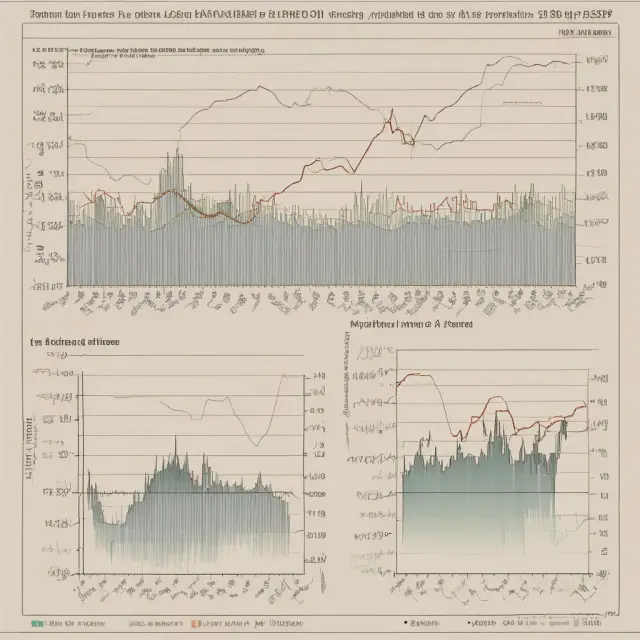
Impact of Fed Funds Rates on Financial Instruments
Understanding how fed funds rates influence various financial instruments is crucial for institutional investors. The Federal Reserve sets a target rate or range for the fed funds rate, which significantly affects several securities such as Treasury bonds and notes, mortgage-backed securities, and others.
The Fed Funds Rate’s Impact on U.S. Treasuries
Fed funds rates have an indirect impact on U.S. Treasury bonds and notes through the open market operations executed by the Federal Reserve. When the Fed purchases government bonds in the open market to inject liquidity, it lowers short-term interest rates and causes long-term yields to decline, making Treasuries more attractive. Conversely, selling government bonds withdraws liquidity, raising short-term interest rates and causing long-term yields to increase, decreasing demand for these securities.
Mortgage-Backed Securities (MBS)
The fed funds rate also influences mortgage-backed securities through the bond market’s relationship with mortgage rates. Since MBS are priced off of interest rates on 10-year U.S. Treasury bonds, changes in treasury yields can impact mortgage-backed securities significantly. When the fed funds rate decreases, long-term treasury yields typically follow suit, causing mortgage rates to fall, which, in turn, increases demand for mortgage-backed securities and raises their prices.
Other Financial Instruments
Beyond U.S. Treasuries and MBS, various financial instruments are sensitive to fed funds rates, including commercial paper, certificates of deposit (CDs), and floating rate notes. For instance, changes in the fed funds rate can impact commercial paper rates since they are often tied to short-term treasury yields. Similarly, adjustable-rate mortgage products and other types of variable interest rate securities may be affected by fluctuations in short-term rates.
Fed Funds vs. Eurodollars
One essential comparison when examining the impact of federal funds on financial instruments is between fed funds and eurodollars. As mentioned earlier, both markets operate overnight and have a close relationship with each other due to their sensitivity to monetary policy actions by central banks. Since treasury yields and mortgage-backed securities are influenced by short-term interest rates like the fed funds rate, they also indirectly impact eurodollar rates through this connection.
In conclusion, the federal funds rate plays a significant role in shaping the landscape of various financial instruments. Understanding its relationship with U.S. Treasuries, mortgage-backed securities, and other financial instruments is essential for institutional investors seeking to make informed decisions based on interest rate expectations and the broader economic conditions.

FAQ: Frequently Asked Questions about Federal Funds
What exactly are federal funds?
Federal funds, often referred to as fed funds, represent excess reserves that banks and other financial institutions deposit at regional Federal Reserve Banks. These funds can be lent to other market participants with insufficient cash for meeting their daily reserve needs or requirements. The interest rate for these overnight loans is called the federal funds rate or overnight rate.
How do commercial banks use federal funds?
Commercial banks employ fed funds as a tool to meet their daily reserve requirements, which are the minimum amounts of liquid deposits (like cash) they must maintain at the Federal Reserve based on their total customer deposit volumes. Excess reserves are any funds that a bank has above these mandated reserve ratios. Banks with excess reserves can lend them to banks short on reserves through an overnight inter-bank lending market, essentially acting as a source of liquidity for the latter party.
What is the difference between the Federal Reserve’s target fed funds rate and the actual market rate?
The Federal Reserve sets a target rate or range for the fed funds rate, which is adjusted based on economic conditions. However, the actual market rate for federal fund reserves is determined by the overnight inter-bank lending market. The difference between the two rates can be influenced by factors such as market expectations, liquidity injections and withdrawals, and changes in the supply of excess reserves.
Why is the fed funds rate essential?
The fed funds rate is crucial because it influences broad economic conditions within the United States, including inflation, growth, and employment. As part of monetary policy, the Federal Reserve uses open market operations to manage the supply of money in the economy and adjust short-term interest rates by buying or selling government bonds and bills. These actions directly impact other short-term interest rates, such as eurodollar and LIBOR rates.
Who are the primary participants in the fed funds market?
Market participants include U.S. commercial banks, U.S. branches of foreign banks, savings and loan organizations, government-sponsored enterprises (such as Fannie Mae and Freddie Mac), securities firms, and agencies of the federal government. These entities participate in the fed funds market to meet their reserve requirements or generate overnight interest income.
What is the relationship between the Eurodollar market and the fed funds market?
The fed funds market operates parallel to the offshore eurodollar deposit market; both are wholesale markets with transactions ranging from $2 million to well over $1 billion, and they operate on an overnight basis. Eurodollars are traded outside of the United States, while transactions can be executed in U.S. trading rooms by multinational banks. The fed funds rate and eurodollar interest rates are closely related because both influence short-term market conditions. However, as offshore transactions, eurodollar transactions can also impact exchange rates and global liquidity.
By understanding the fundamentals of federal funds and their role in the economy, investors and financial professionals can make more informed decisions regarding their investment strategies and portfolio management.
 Next entry · No. 1,476Understanding the Federal Funds Rate: Impact, Determination and Difference
See also
-
 No. 1,379
07 Sep 2024
23 min
Exploring Excess Reserves: Capital Cushions, Monetary Policy, and Banking System Safety
Finance Policy
No. 1,379
07 Sep 2024
23 min
Exploring Excess Reserves: Capital Cushions, Monetary Policy, and Banking System Safety
Finance Policy -
 No. 4,793
17 Jul 2025
20 min
Understanding Subprime Mortgages: A Detailed Guide for Institutional and Professional Investors
Business Finance
No. 4,793
17 Jul 2025
20 min
Understanding Subprime Mortgages: A Detailed Guide for Institutional and Professional Investors
Business Finance -
 No. 4,078
20 May 2025
13 min
Prime Rate: What It Is, Who Sets It, and How It Changes
Business Finance
No. 4,078
20 May 2025
13 min
Prime Rate: What It Is, Who Sets It, and How It Changes
Business Finance -
 No. 3,033
23 Feb 2025
22 min
The Maastricht Treaty: Creating the European Union and Its Single Currency
Business Finance
No. 3,033
23 Feb 2025
22 min
The Maastricht Treaty: Creating the European Union and Its Single Currency
Business Finance -
 No. 1,755
02 Nov 2024
17 min
Understanding the Concept of a GDP Gap: Its Implications for Investors
Finance Policy
No. 1,755
02 Nov 2024
17 min
Understanding the Concept of a GDP Gap: Its Implications for Investors
Finance Policy -
 No. 1,406
11 Sep 2024
22 min
Expansionary Policy: Understanding the Macroeconomic Tool for Economic Growth
Finance Policy
No. 1,406
11 Sep 2024
22 min
Expansionary Policy: Understanding the Macroeconomic Tool for Economic Growth
Finance Policy