Understanding Key Rates: The Discount Rate vs. the Federal Funds Rate

Understand the role of key rates (Federal Funds and Discount) in banking and consumer lending. Learn how they're set and impact mortgage & credit card rates.
What is a Key Rate?
Key rates play a crucial role in the world of finance and banking. The term “key rate” refers to the interest rates that influence banks’ lending rates and ultimately determine the cost of credit for borrowers. In the United States, there are two primary key rates: the discount rate and the federal funds rate. These rates serve as important indicators of monetary policy and can significantly impact the economy by influencing the supply of money and credit.
Understanding Key Rates
A key rate represents the interest rate at which banks can borrow when they lack sufficient reserves to meet their reserve requirements. In such cases, banks may turn to other financial institutions or directly to the Federal Reserve for very short-term loans. The rate that banks charge each other for these transactions is called the federal funds rate. Alternatively, when banks borrow from the Federal Reserve, they pay the discount rate. Set by the Federal Reserve, the discount rate influences a bank’s decision to borrow money from it or lend to other financial institutions.
Key rates are essential tools used by the Federal Reserve System in implementing monetary policy. When the Fed aims to expand the economy by increasing the money supply, it typically purchases bonds on the open market using newly created funds and the federal funds rate as a gauge for the volume and speed of these transactions. Conversely, during contractionary phases, the Fed raises rates to increase borrowing costs, decreasing the demand for loans and ultimately shrinking the economy.
The relationship between key rates and the prime rate is significant. The prime rate functions as the benchmark lending rate offered by banks to consumers. Historically, the national prime rate is usually around 3 percentage points above the federal funds rate. If the federal funds rate rises after an increase in the discount rate, banks adjust their prime rates accordingly. Consequently, mortgage and credit card rates follow suit, impacting consumer borrowing costs.
Types of Key Rates: Federal Funds Rate vs. Discount Rate
The federal funds rate is the interest rate at which banks lend to each other for overnight loans to cover reserve requirements. It sets the standard for short-term interbank lending and influences banks’ expectations regarding the future direction of short-term interest rates.
The discount rate, on the other hand, is the rate that banks pay when they borrow directly from the Federal Reserve. Set by the Federal Reserve, changes in the discount rate can influence a bank’s decision to borrow or lend and ultimately impact the availability of credit within the economy. When the discount rate increases, banks are less likely to borrow funds, leading them to reduce their lending capacity towards individuals and businesses. Conversely, lowering the discount rate encourages banks to borrow more funds from the Federal Reserve and expand their lending activities.
In conclusion, key rates—specifically, the federal funds rate and the discount rate—serve as vital tools for the Federal Reserve in implementing monetary policy and managing the overall economy. These rates shape borrowing costs and influence the supply of money and credit within the financial system. Understanding their intricacies can help investors, consumers, and policymakers alike make informed decisions regarding their investments, savings, and economic strategies.

The Federal Funds Rate: Interbank Lending
In the world of finance, key rates play a significant role in determining bank lending rates and the cost of credit for consumers and businesses. Among these vital interest rates are the discount rate and the federal funds rate. Both rates influence the interbank lending market and, subsequently, the money supply and economy as a whole. In this section, we will delve into the intricacies of the federal funds rate as the interest rate at which banks lend to each other for overnight loans to meet reserve requirements.
In order to maintain their required reserves, banks can borrow from one another or from the Federal Reserve itself. The rate at which banks borrow from one another in the interbank market is referred to as the federal funds rate. When banks are unable to cover their reserve shortfalls within their network, they will turn to the Federal Reserve for assistance. However, borrowing directly from the Fed comes with a different interest rate: the discount rate.
When banks cannot obtain adequate financing from other financial institutions, they may seek loans from the Federal Reserve’s Discount Window to meet their reserve requirements. The discount rate is the interest rate that banks are charged for these loans. The Federal Reserve sets the discount rate as a tool to influence the money supply and economy. By raising or lowering this key rate, the Fed can alter borrowing costs and, subsequently, adjust lending rates throughout the financial system.
The federal funds rate is the cornerstone of short-term interest rates in the United States. Its significance extends beyond the interbank market as it sets the foundation for a cascade effect on other interest rates, including the prime rate and consumer loans such as mortgages and credit cards.
In an expanding economy, the Federal Reserve may reduce the federal funds rate to encourage borrowing and boost economic activity. Conversely, in a contracting economy, it can increase the federal funds rate to curb inflation and prevent the money supply from growing too rapidly. The federal funds rate is indeed a powerful tool wielded by the Federal Reserve as it strives to maintain price stability and promote sustainable economic growth.
In summary, the federal funds rate represents the interest rate banks charge each other for overnight loans to cover their reserve requirements. It is an essential component of monetary policy, allowing the Federal Reserve to control the money supply and influence economic conditions through borrowing costs. Stay tuned as we explore further aspects of key rates in our upcoming sections.

The Discount Rate: Borrowing from the Federal Reserve
The discount rate is a vital interest rate that holds significance in the banking industry as it represents the rate at which banks borrow directly from the Federal Reserve, also known as the central bank of the United States. This rate plays a crucial role in determining the money supply and economic conditions by influencing commercial banks’ behavior when they decide to borrow from the Fed.
The discount rate is established by the Federal Open Market Committee (FOMC), which is responsible for setting monetary policy within the U.S. economy. The FOMC, composed of the twelve members of the Federal Reserve Board and the President of the Federal Reserve Bank of New York, determines the optimal level of inflation and sets interest rates accordingly.
By adjusting the discount rate, the Federal Reserve can influence banks to either expand or contract their lending activity. When banks need additional funds, they may choose to borrow from the Fed at the prevailing discount rate. Conversely, when banks have an excess amount of liquidity, they may opt not to borrow from the Federal Reserve.
It is important to note that the discount rate should not be confused with the federal funds rate – another significant key rate. The federal funds rate is the interest rate at which banks lend and borrow money in the interbank market to meet their daily reserve requirements. While the Federal Open Market Committee sets the target for the federal funds rate, it does not directly control this rate but rather influences its movements by buying or selling government securities in open market operations.
The discount rate, on the other hand, is a more direct instrument of monetary policy used to influence banks’ behavior when they need short-term loans from the Federal Reserve. This rate acts as an important signal for the entire financial system regarding the stance of monetary policy. When the discount rate rises, commercial banks become less inclined to borrow and lend, leading to a contraction in economic activity. Conversely, lowering the discount rate encourages more borrowing and lending, expanding the economy.
In conclusion, understanding key rates such as the discount rate and federal funds rate is essential for individuals, businesses, and investors to comprehend how monetary policy impacts their financial decisions and economic conditions. By following the actions of the Federal Reserve and closely monitoring adjustments in these interest rates, one can make informed decisions regarding borrowing, investing, or saving accordingly.

Setting Key Rates: The Role of the Federal Reserve
The Federal Reserve (Fed) plays a critical role in shaping the economic landscape through adjustments to the key rates, including the discount rate and the federal funds rate. These key rates are essential tools used by the Fed to influence the money supply and the economy at large.
The Discount Rate: Borrowing from the Federal Reserve
In the U.S., when banks face a shortage of liquidity or insufficient reserves, they can borrow directly from the Federal Reserve by paying the discount rate for this service. This rate is set by the Federal Reserve and influences the cost of borrowing for these financial institutions. By adjusting the discount rate, the Fed can manage the amount of funds in circulation and, subsequently, alter the economy’s expansion or contraction.
The Federal Funds Rate: Interbank Lending
When banks cannot meet their reserve requirements through their own resources, they must borrow from other banks to make up the difference. The interest rate at which these overnight loans occur is called the federal funds rate. The federal funds rate significantly impacts the prime rate—the benchmark rate offered by banks to consumers. The prime rate usually sits around 3 percentage points above the fed funds rate. As a result, fluctuations in the fed funds rate can have a cascading effect on consumer borrowing costs, including mortgage rates and credit card rates.
The Fed’s Monetary Policy and Key Rates
As a key player in monetary policy, the Federal Reserve adjusts key interest rates to influence the money supply, stabilize prices, and maintain full employment. When the economy calls for expansion, the Fed may reduce key interest rates to lower borrowing costs and increase consumer spending. Conversely, during economic contractions, the Fed raises key interest rates to help rein in inflation and restore economic balance.
For instance, when the Federal Reserve lowers the discount rate or federal funds rate, banks are more inclined to borrow and lend freely, resulting in increased liquidity, lower borrowing costs, and an expansionary monetary policy. Conversely, raising key interest rates can limit bank lending and cause borrowing costs to rise, making it harder for consumers and businesses to access credit, leading to a contractionary monetary policy.
In conclusion, the Federal Reserve’s manipulation of key interest rates plays an integral role in shaping economic conditions by controlling the money supply and influencing borrowing costs for both banks and consumers.

Understanding Prime Rates
Prime rates are a significant concept in finance and investment that plays a substantial role in shaping the interest rates charged by financial institutions for loans to consumers and businesses. Essentially, prime rates represent the benchmark lending rate offered by banks to their most creditworthy clients—generally large corporations or wealthy individuals. These rates serve as an indicator of broader trends in credit markets, influencing a range of borrowing costs, from mortgages to credit cards.
The connection between key rates and prime rates comes down to the Federal Reserve’s influence on the economy through adjustments to key interest rates like the discount rate and federal funds rate. As previously mentioned, these rates serve as critical tools for the Federal Reserve in managing monetary policy. The relationship between the federal funds rate and the prime rate is well-established: typically, the national prime rate is about three percentage points above the fed funds rate.
Now let’s delve deeper into prime rates and how they are influenced by key rates. Prime rates serve as an essential link between the Federal Reserve’s monetary policy actions and borrowing costs for consumers and businesses. When the Federal Reserve sets a new target interest rate, this decision ultimately filters down to prime rates via various mechanisms, including the federal funds rate and the discount rate.
For instance, if the Federal Reserve raises the federal funds rate due to inflation concerns or other economic factors, banks will typically adjust their prime rates accordingly to reflect the increase in borrowing costs. As a result, consumers and businesses seeking credit will face higher interest rates on various types of loans—including mortgages, car loans, and credit cards. Conversely, when the Federal Reserve lowers key rates, prime rates also decrease, making it easier for consumers and businesses to access affordable financing options.
In summary, prime rates play a vital role in the financial world as they are an essential component of monetary policy and borrowing costs. By understanding how prime rates interact with key interest rates like the federal funds rate and discount rate, we can gain valuable insights into the economic landscape and anticipate future trends in lending and borrowing costs.

Impact on Consumer Lending: Mortgage Rates and Credit Cards
Understanding how key rates influence consumer lending is vital since these rates can significantly affect mortgage rates, credit cards, and overall consumer borrowing costs. Key rates play an integral role in determining the prime rate—the benchmark rate that banks offer their most creditworthy customers for short-term loans. The prime rate usually sits around three percentage points above the federal funds rate (FFR).
When the Federal Reserve changes the FFR, banks adjust their prime lending rate accordingly, impacting various types of borrowing. Let’s explore how this plays out with mortgage rates and credit cards:
Impact on Mortgage Rates
The primary method through which the Federal Reserve influences mortgage rates is by changing the target federal funds rate, as mentioned previously. Mortgage interest rates have a direct relationship with Treasury yields, specifically the 10-year Treasury yield. Since the FFR influences the direction of short-term Treasury yields (3-month and 6-month Treasuries), it ultimately sets the tone for mortgage rates.
When the Federal Reserve lowers the federal funds rate, long-term interest rates, such as those for mortgages, tend to decrease as well. Conversely, when the Fed increases short-term rates, mortgage rates also rise due to an increase in Treasury yields. The correlation between changes in the FFR and mortgage rates is not a perfect one; however, it can be seen in historical data:
1980s: During this time, the Federal Reserve was actively fighting inflation, which led to high interest rates across the board, including mortgages. As the prime rate rose from 14% to over 20%, mortgage rates followed suit.
1990s: After a recession in 1990-1991, the Federal Reserve cut short-term rates to encourage borrowing and spur economic growth. Mortgage rates decreased accordingly, contributing to the housing market boom during this period.
2003: The Federal Reserve lowered rates after the bursting of the tech bubble in 2001 to stimulate the economy. This move led to a decrease in mortgage rates, making it easier for homeowners to refinance and buyers to enter the housing market.
Impact on Credit Cards
Another way key rates affect consumers is through credit card interest rates. Since credit cards are typically unsecured loans with variable rates that can change at any time, lenders rely on benchmark rates like the prime rate. When the Federal Reserve raises or lowers the FFR, banks adjust their prime rates and subsequently revise credit card interest rates accordingly.
During periods of low key rates, credit card issuers may offer teaser rates to attract customers with promotional introductory offers. Conversely, during times of high inflation and rising key rates, credit card companies may increase borrowing costs, making it more expensive for consumers to carry a balance on their cards.
In conclusion, understanding how the discount rate and the federal funds rate impact mortgage rates and credit cards is essential to comprehending the full scope of their role in the financial system. By recognizing the relationships between these key rates and consumer borrowing costs, you can make informed decisions when it comes to managing your debt and navigating the economic landscape.
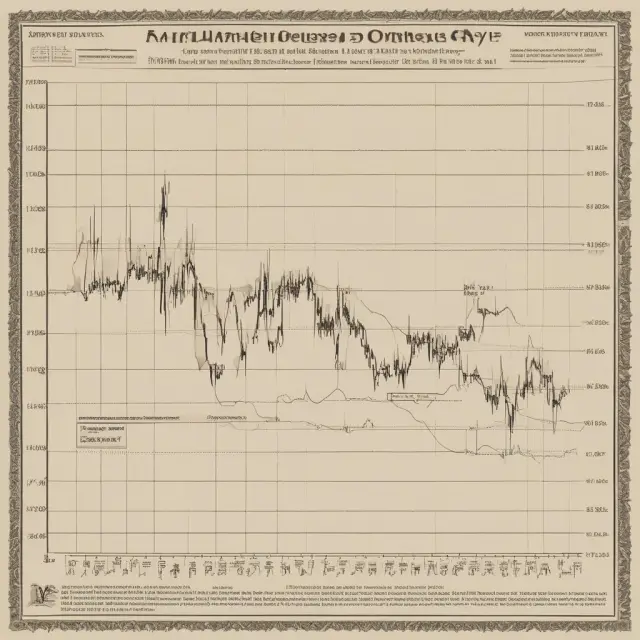
History of Key Rates: A Look at the Fed’s Monetary Policy
Key rates have been instrumental in shaping the economic landscape since the Federal Reserve System was established in 1913. By manipulating these benchmark interest rates, the Federal Reserve can control the money supply and influence borrowing costs for both consumers and businesses. This section provides a brief overview of historical trends in key rates and their impact on economic expansion and contraction.
The Discount Rate: Borrowing from the Fed
The discount rate is the interest rate that banks pay when they borrow directly from the Federal Reserve. Historically, it has served as one of the primary tools used by the Fed to adjust monetary policy. For instance, during economic downturns or periods of high unemployment, the Fed would lower the discount rate to encourage banks to borrow and lend more money. Conversely, in times of economic booms, the Fed would raise the discount rate to curb inflation and prevent excessive borrowing.
The Federal Funds Rate: Interbank Lending
Another key interest rate is the federal funds rate, which represents the interest rate at which banks lend to one another on an overnight basis for reserve balances. This rate influences short-term market interest rates, making it a crucial indicator of monetary policy shifts. The Fed sets the target range for the federal funds rate at its Federal Open Market Committee (FOMC) meetings, and changes in this rate can affect the broader economy. For example, during the 2008 financial crisis, the Fed lowered interest rates to near zero to stimulate borrowing and stabilize the economy.
Setting Key Rates: The Role of the Federal Reserve
Throughout history, the Federal Reserve has played a pivotal role in adjusting key interest rates to maintain economic stability or respond to specific challenges. By controlling the money supply and setting interest rate expectations, the Fed can influence borrowing costs for consumers and businesses, impacting inflation, employment, and overall economic growth.
Understanding Prime Rates
The prime rate is a benchmark rate that banks use when lending to their best customers. This rate is typically based on the federal funds rate, with a spread of 3 percentage points added. The Fed’s actions in adjusting the federal funds rate can have significant repercussions for consumer borrowing costs—affecting mortgage rates and credit card interest rates as a result.
Implications for Consumers and Businesses
Understanding key rates and their historical trends is essential for both consumers and businesses. Lower key rates can lead to more favorable borrowing conditions, increased spending, and economic growth. In contrast, higher rates can curtail borrowing, decrease consumer spending, and slow down the economy. By remaining informed about key rates, individuals and organizations can effectively navigate their financial decisions, plan for future investments, and adapt to economic shifts.

Advantages of Low Key Rates for Consumers and Businesses
Lower key rates can bring several benefits to both consumers and businesses. When the federal funds rate or discount rate is reduced, the cost of borrowing decreases significantly. This reduction in borrowing costs translates into increased borrowing capacity for consumers and businesses, allowing them to take on larger loans, expand operations, invest in new projects, and make larger purchases, such as real estate properties or heavy machinery.
For individuals, this can mean lower mortgage rates, reducing the cost of homeownership. Lower interest rates also mean lower credit card rates, making it more affordable for consumers to carry a balance on their credit cards. This increased borrowing power can lead to an increase in consumer spending, contributing to economic expansion.
Lower key rates can also benefit businesses by allowing them to invest in new projects or expand operations through the acquisition of larger loans at lower interest rates. A reduced cost of capital for businesses results in greater profitability and improved financial performance, which may translate into increased wages for employees, higher dividends for shareholders, and better returns on investments.
Additionally, when key rates are low, it is more affordable for companies to issue bonds and securities, attracting a larger pool of investors due to the lower borrowing costs. This can result in additional revenue streams for businesses while also providing opportunities for individual investors to earn higher yields.
Furthermore, reduced interest rates make it easier for both consumers and businesses to repay their debt, as their monthly loan payments decrease. This allows them to manage their debts more effectively, reducing the stress on household budgets or corporate finances.
However, while lower key rates can bring about numerous benefits, there are also potential disadvantages that must be considered, such as inflationary pressures and decreased savings. The next section will discuss these implications in detail.
Historically, low-interest rate periods have contributed to robust economic growth and expansion. However, it is important for individuals and businesses to understand both the advantages and disadvantages of low key rates when making financial decisions. By remaining informed about the current state of the economy and how it may affect their borrowing costs, consumers and businesses can make wise choices that align with their long-term financial goals.

Disadvantages of High Key Rates for Consumers and Businesses
The consequences that high key rates have on consumers and businesses can be significant. High key rates, as a result, will increase the cost of borrowing for both individuals and corporations. This increased cost of borrowing may lead to decreased consumer spending, reduced business investment, and an overall contraction of economic activity.
When the Federal Reserve raises the fed funds rate or the discount rate, banks are less likely to lend money because the cost of borrowing from the Federal Reserve has become more expensive. As a result, businesses that rely on loans to invest in their operations, expand, or maintain inventory may face challenges. For example, if a business is planning to invest in new machinery, but cannot secure a loan due to high key rates, they will likely postpone or cancel the investment. This can lead to decreased productivity and growth for the business.
Additionally, individuals may also be affected by high key rates when applying for mortgage loans or credit cards. Mortgage rates are closely tied to the fed funds rate, with a typical spread of around 3 percentage points. As a result, if the fed funds rate rises, mortgage rates will follow suit. Higher mortgage rates mean that homebuyers will need to pay more each month for their mortgages or face larger down payments, making it more difficult for them to purchase homes. Similarly, credit cards may see an increase in interest rates as a result of high key rates, making it more expensive for consumers to carry balances on their cards and potentially discouraging some from using them.
Moreover, the Federal Reserve’s use of high key rates can lead to a reduction in economic activity as borrowing costs become prohibitively expensive, causing consumers to save instead of spend, and businesses to delay or cancel investments. This decrease in spending and investment can ultimately result in an overall contraction of the economy. In turn, unemployment may rise as businesses are forced to lay off workers due to decreased demand for their products or services.
On a larger scale, high key rates can impact the government’s fiscal policy. Higher borrowing costs make it more expensive for governments to issue debt and finance deficits. This could potentially lead to cuts in spending on vital public services or an increase in taxes to balance the budget. These measures may further decrease economic activity and exacerbate the negative effects of high key rates.
In conclusion, high key rates can have significant disadvantages for both consumers and businesses. They make it more expensive to borrow, discourage investment and spending, and potentially lead to a contraction in the economy. The Federal Reserve uses key rates as one of its primary tools to implement monetary policy, meaning that the consequences of high key rates will depend on the Fed’s intentions and goals for managing the national economy.

FAQs about Key Rates: Answering Common Questions
Key rates are an essential component of banking and monetary policy. In the U.S., the two most significant key rates are the federal funds rate and the discount rate. These interest rates significantly influence borrowing costs for consumers and businesses. In this section, we will answer common questions about these rates and their role in the economy.
Question: What is the definition of a key rate?
Answer: A key rate refers to an important interest rate that banks use as a benchmark to set lending rates for consumers and businesses. The two primary key rates in the U.S. are the federal funds rate and the discount rate, which are used by the Federal Reserve to influence borrowing costs and the supply of money and credit within the economy.
Question: What is the difference between the federal funds rate and the discount rate?
Answer: The federal funds rate is the interest rate at which banks lend to each other overnight for the purpose of meeting their reserve requirements. It sets the benchmark for interbank lending rates, ultimately influencing borrowing costs for consumers and businesses. Conversely, the discount rate is the interest rate charged by the Federal Reserve when banks borrow directly from it. This rate influences the availability of funds within the banking system and can indirectly impact consumer and business borrowing costs through the prime rate.
Question: How does the Federal Reserve use key rates to influence the economy?
Answer: The Federal Reserve uses key rates to manage the money supply in the economy. When it wants to expand the economy, it buys bonds on the open market using the federal funds rate as a guide for the volume and speed of purchases needed. In a contractionary phase, it raises interest rates to increase borrowing costs, thereby causing consumers to save more and spend less, which leads to a contracting economy. Lowering key rates reduces borrowing costs, leading to an expansion of economic activity.
Question: How does the prime rate relate to key rates?
Answer: The prime rate is the benchmark interest rate that banks offer to their most creditworthy customers. It is typically set at around three percentage points above the fed funds rate. If the Fed changes the federal funds rate, banks adjust their prime rates accordingly, which can impact mortgage rates, credit card rates, and other consumer loans.
Question: How does the Federal Reserve influence borrowing costs through key rates?
Answer: The Federal Reserve influences borrowing costs indirectly through key rates by managing the money supply. By expanding or contracting the money supply using key rates like the federal funds rate or discount rate, it affects the cost of borrowing for consumers and businesses. When interest rates are low, borrowers face lower costs, leading them to take out more loans and spend more, stimulating economic growth. Conversely, high interest rates discourage borrowing and spending, which can result in a slowdown or contraction of the economy.
 Next entry · No. 2,696Key Ratios: Measuring and Analyzing a Company’s Financial Performance
See also
-
 No. 3,235
12 Mar 2025
22 min
Monetarist Theory: Understanding Its Impact on Economic Growth, Inflation, and Central Banking
Economics
No. 3,235
12 Mar 2025
22 min
Monetarist Theory: Understanding Its Impact on Economic Growth, Inflation, and Central Banking
Economics -
 No. 5,642
26 Sep 2025
20 min
Understanding the Weak Dollar: Consequences, Monetary Policy, and Trade
Business Finance
No. 5,642
26 Sep 2025
20 min
Understanding the Weak Dollar: Consequences, Monetary Policy, and Trade
Business Finance -
 No. 5,589
21 Sep 2025
20 min
Understanding The Wall Street Journal Prime Rate: A Comprehensive Guide for Institutional Investors
Business Finance
No. 5,589
21 Sep 2025
20 min
Understanding The Wall Street Journal Prime Rate: A Comprehensive Guide for Institutional Investors
Business Finance -
 No. 5,062
08 Aug 2025
20 min
Understanding Treasury Yields: Influence on Investors, Consumers, and the Economy
Business Finance
No. 5,062
08 Aug 2025
20 min
Understanding Treasury Yields: Influence on Investors, Consumers, and the Economy
Business Finance -
 No. 4,225
01 Jun 2025
22 min
Understanding Quantitative Easing 2: The Federal Reserve’s $600 Billion Economic Stimulus
Business Finance
No. 4,225
01 Jun 2025
22 min
Understanding Quantitative Easing 2: The Federal Reserve’s $600 Billion Economic Stimulus
Business Finance -
 No. 3,454
30 Mar 2025
23 min
Understanding the Neutrality of Money: A Comprehensive Guide for Institutional Investors
Business Finance
No. 3,454
30 Mar 2025
23 min
Understanding the Neutrality of Money: A Comprehensive Guide for Institutional Investors
Business Finance