Understanding the Ratchet Effect in Finance and Investment: An Economic Process That Moves Only One Way

Discover the significance of the Ratchet Effect in finance, politics, business, consumer behavior, labor markets, and economic policy.
What Is the Ratchet Effect?
The term “ratchet effect” describes a powerful economic concept that mirrors a mechanical device’s ability to move only in one direction. In economics, a ratchet effect refers to an escalating process with self-reinforcing factors that can be challenging to reverse once established. This economic phenomenon shares similarities with positive feedback loops but is characterized by the difficulty of reversing its progress.
Understanding this concept is crucial for investors, business leaders, and policymakers, as it influences various aspects of finance, production, consumer behavior, labor markets, and more. In this section, we dive into the origins and mechanics of the ratchet effect, its impact on political economy, business applications, and consumer behavior, and strategies to manage its consequences.
The Ratchet Effect Origins and Mechanics:
At the heart of a ratchet effect is a positive feedback loop, where an action or event causes a reaction that further intensifies the initial force. Comparatively, a mechanical ratchet operates on the principle of unidirectional movement, only spinning in one direction but not the other. The ratchet effect borrows this concept, describing processes that exhibit one-way momentum and create self-reinforcing dynamics.
The ratchet effect is often likened to a ratchet mechanism, a simple mechanical tool consisting of a pivoting pawl that allows turning in one direction but not the other. In economics, the ratchet effect can be observed when economic processes generate side effects that amplify or solidify the primary force, creating conditions that make it increasingly difficult to reverse the process.
Stay tuned for the following sections as we delve deeper into the consequences and applications of the ratchet effect in various aspects of finance, economics, and markets. In the next sections, we will explore how this economic concept influences political economy, business strategies, consumer behavior, labor markets, and managing its impact on businesses and markets.
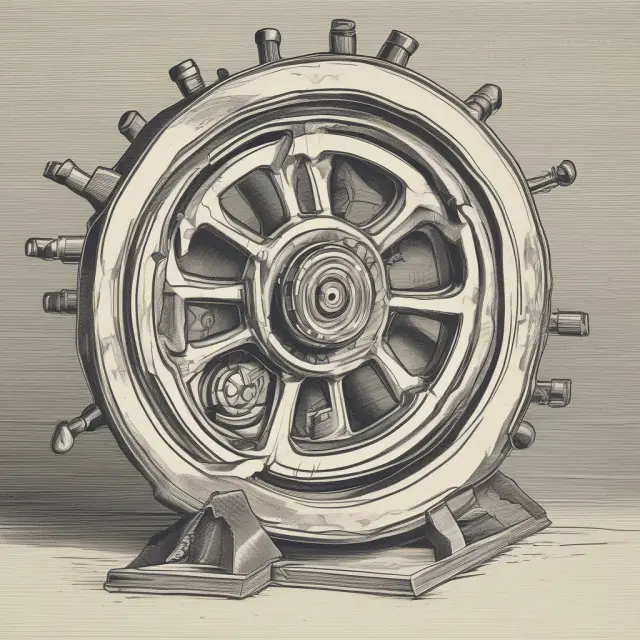
Origins and Mechanics of the Ratchet Effect
The ratchet effect is an essential economic concept that describes a process that moves easily in one direction but not the other, often leading to self-reinforcing outcomes. It’s named after the mechanical ratchet, which can spin only one way without slipping or stopping. The ratchet effect shares similarities with a positive feedback loop, a pattern that reinforces itself through the interaction of its components.
Positive feedback loops arise when small changes in a system result in amplified responses, creating a cycle where each change reinforces the next. For instance, consider the simple example of population growth in an ecosystem: as population grows, resources become scarce, and individuals face increased competition for those resources. This competition can lead to more significant behavioral shifts, such as earlier maturation, larger family sizes, or even cannibalism, further increasing resource demand and competition. The resulting changes then reinforce the initial population growth, creating a cycle that amplifies the initial change.
The ratchet effect takes this concept one step further by introducing an element of inertia, making the process more difficult to reverse. This inertia arises when a change in a system creates new incentives or expectations that in turn reinforce the original change. In this way, the ratchet effect can create self-perpetuating processes that are challenging to reverse, as the new equilibrium becomes the new normal.
Understanding the Mechanical Ratchet
To better grasp the economic concept of a ratchet effect, it’s helpful first to consider its mechanical namesake. A mechanical ratchet is an essential component in various tools and machines designed to transmit motion from one part to another, allowing movement only in one direction. It consists of a round gear with pivoting teeth or pawls that prevent the gear from rotating backward once it has turned a certain angle.
In essence, a mechanical ratchet functions as a valve for motion, allowing it to flow easily in one direction but not the other. This unidirectional property is what makes it a useful analogy for economic concepts like positive feedback loops and ratcheting processes.
How Ratchets Create Self-Reinforcing Processes?
Ratchets can create self-reinforcing processes because they alter the underlying conditions that drive them. For example, consider a production process where increasing efficiency leads to lower costs and higher profitability for a firm. As a result of this increased profitability, the company may choose to invest in further improvements or expansion, reinforcing the initial change. The new, more efficient processes then become the norm, making it difficult for other firms without similar improvements to compete.
This self-reinforcing process can create significant barriers to entry and limit competition, ultimately resulting in long-term market dominance for the firm that initiated the ratcheting process. Additionally, the new, more efficient processes may change consumer expectations, making it challenging for other firms to offer products or services at a lower price point.
Furthermore, self-reinforcing processes can create significant challenges when trying to reverse the underlying changes. For example, if market conditions shift and the cost structure no longer supports the previously efficient production processes, the firm may face substantial resistance in changing its operations, as doing so would involve abandoning investments that were once crucial for success.
In conclusion, ratchet effects represent powerful self-reinforcing economic processes that can create significant barriers to reversal. Understanding how they form and operate can help investors, policymakers, and businesses anticipate and adapt to the potential consequences of these processes in various markets and industries.
Ratchet Effect in Political Economy
The ratchet effect has significant implications for political economy. A classic example of this economic phenomenon comes from Alan Peacock and Jack Wiseman’s work on public expenditures in the United Kingdom. They discovered that public spending increases, similar to a ratchet, following periods of crisis. Moreover, it is challenging for governments to roll back large bureaucracies created initially for temporary needs, such as during times of armed conflict or economic crises. The bureaucrats managing these agencies often have incentives to maintain and improve their positions within the organization, making them a concentrated interest group that lobbies policymakers and influences public opinion to sustain, expand, and increase the power of these organizations.
Robert Higgs further explored this concept in his analysis of how crises and emergencies are often used to expand government agencies’ powers. Once the crisis has passed, these expansions can become permanent fixtures of government intervention into the economy. Economist Sanford Ikeda later noted that reversing this process is not characterized by incremental ratcheting but by dramatic or revolutionary swings toward smaller, less interventionist governments, often accompanied by significant turmoil.
Beyond political economy, ratchet effects can be observed in various business applications. For instance, the auto industry illustrates how competition drives firms to continually create new features for their vehicles, leading to increased investment in machinery and human capital. Once these investments have been made, it becomes difficult for a firm to scale back production due to sunk costs or the unwillingness to waste resources on underutilized equipment or workers with specialized skills. This dynamic is reminiscent of the ratchet effect experienced in government bureaucracies, where agents (in this case, managers) are incentivized to support a larger, more complex array of products, services, and infrastructure that they manage.
In conclusion, understanding the implications of the ratchet effect on political economy is essential for policymakers and economists alike. By recognizing the self-reinforcing nature of certain processes, one can better anticipate the consequences of policy actions and adapt to the changing conditions of the economy. This awareness offers valuable insights into managing economic transformations and maintaining a balance between growth and sustainability.

Business Applications: The Ratchet Effect in Operations and Investments
The ratchet effect, a term derived from the mechanical device known as a ratchet, can be seen in many aspects of economics, particularly in operations and investments. This economic concept describes a one-way process that tends to perpetuate itself by altering the underlying conditions driving it, resulting in self-reinforcing incentives and expectations among participants.
At its core, the ratchet effect is similar to a positive feedback loop, where the process reinforces itself as it moves forward. However, unlike a typical feedback loop, ratcheting processes can build up countervailing forces over time, leading to rapid and potentially disruptive reversals once conditions that produced the ratchet effect are relaxed.
In business contexts, ratchet effects can lead to escalating production, investments, costs, or organizational structures. This can be detrimental for businesses, as it may make scaling back difficult due to sunk costs, relationship-specific assets, and path dependencies.
One notable example comes from the auto industry. Competition in the market drives firms to constantly add new features to their vehicles, necessitating additional investment in new machinery and skilled labor. Once a company has made these investments, it becomes challenging to scale back production due to the capital costs already incurred or the human resources invested in the workforce.
Another example can be observed in retail businesses. A store that experiences stagnant sales may undergo changes such as new managerial strategies, staff overhauls, or better incentive programs and subsequently earns greater revenues than before. However, once these improvements are implemented, it becomes difficult for the business to justify producing less. The constant drive for growth and profit maximization makes it challenging for firms to scale back production in line with demand fluctuations.
The ratchet effect in businesses can also resemble the dynamics observed in government bureaucracies. Agents within organizations, such as managers, have incentives to support larger, more complex systems to maintain their positions and the size and status of their organization. These concentrated interest groups lobby policymakers and influence public opinion to sustain and expand these organizations, making it challenging for governments to reverse the process.
When examining labor markets, we find that ratchet effects play a significant role in wages and wage increases. Workers generally resist decreases in wages but may also be dissatisfied with wage increases they perceive as insufficient. The situation presents itself as a multi-period principal-agent problem where workers restrict their output, anticipating that the company will respond by increasing demands for worker output once productivity is revealed. The ratchet effect in labor markets can be largely eliminated when competition is introduced, regardless of market conditions favoring either firms or workers.
In summary, the ratchet effect plays an essential role in various aspects of business operations and investments. Understanding this economic concept is crucial for managers and policymakers to recognize its potential impact on production, costs, and organizational structures and develop strategies to manage it effectively.

Ratchet Effect on Consumer Behavior
The ratchet effect not only influences production and costs but also plays a significant role in consumer behavior. When it comes to consumption, the ratchet effect often relates to consumer expectations and psychological factors that escalate over time. Consumers’ perceptions of their needs and wants can evolve based on external cues, creating an upward spiral of demand.
For instance, when a new generation of smartphones with larger screens or advanced features hits the market, consumers may feel compelled to upgrade to meet their perceived expectations for having the latest technology. This not only drives up demand for the newest models but also sets the stage for future iterative improvements and escalating consumer expectations.
Another example of the ratchet effect in consumer behavior can be observed when it comes to pricing. Consumers may grow accustomed to specific price points, leading them to expect certain deals or discounts. Once they have come to expect a lower price, it can be challenging to raise it without facing backlash from consumers.
This phenomenon is not just limited to consumers but also influences the expectations of producers and marketers. In the process, everyone involved gets locked into an escalating cycle of increasing demands, prices, and expectations, which creates further challenges for companies as they try to meet these demands while remaining competitive in their respective markets.
Psychological factors can exacerbate this effect, leading consumers to feel that they are missing out on something if they do not keep up with the latest trends or products. This fear of missing out (FOMO) can result in consumers purchasing more than they need, adding to the overall economic impact of the ratchet effect on consumption behavior.
In conclusion, understanding how the ratchet effect influences consumer behavior is crucial for businesses and marketers aiming to create effective strategies for managing their offerings and meeting customer expectations. Recognizing the underlying psychological factors that contribute to the ratchet effect can help organizations stay ahead of the curve by anticipating and addressing shifting demands while also ensuring they remain competitive and profitable in their respective markets.

Labor Markets and the Ratchet Effect
The ratchet effect can significantly impact the dynamics of wages, wage increases, and labor productivity within labor markets. It arises due to a self-perpetuating process that changes underlying conditions and reinforces incentives for various actors involved in the labor market. This is closely related to the concept of a positive feedback loop.
When workers receive a pay increase or wage hike, they may be dissatisfied with subsequent, seemingly smaller increases if their expectations have been set by previous raises. For instance, imagine that an employee has experienced annual salary growth of 3% for several years. If the company decides to implement a 2% raise for the following year, the worker might feel undercompensated and even demotivated due to what they perceive as a lower increase than expected. This could potentially lead to decreased productivity or an intentional restriction in output to demonstrate dissatisfaction with their wage growth.
This issue is further complicated by the fact that workers generally do not accept decreases in wages, making it difficult for companies to adjust wages downward in response to changing market conditions or business situations. Conversely, workers may feel entitled to higher wages if they have been performing well or delivering increased productivity. This can result in a ratcheting process where wage levels and expectations are continually pushed upward.
In turn, employers face challenges when it comes to managing labor costs and maintaining competitiveness in their respective industries. In an effort to retain workers, employers may feel compelled to increase wages, even during times of economic downturns or when market conditions make such decisions difficult. This creates a challenging environment for businesses that must balance competing demands for higher wages and the need to maintain profitability.
The ratchet effect also has implications for labor productivity growth, as workers who receive wage increases may become complacent or less motivated if they do not see corresponding improvements in their work environment or productivity levels. This can result in stagnant or even declining productivity growth over time, which ultimately reduces the long-term competitiveness and profitability of businesses.
The ratchet effect in labor markets is particularly relevant to understanding wage dynamics within organizations and industries, as well as the challenges that companies face when navigating the complexities of wage negotiations and labor market conditions. By acknowledging this self-perpetuating process, businesses can take steps to manage their labor costs effectively while maintaining a strong and motivated workforce.
Understanding the ratchet effect is essential for policymakers, business leaders, and labor market participants seeking to navigate the complexities of wage negotiations and setting realistic expectations around wages and productivity growth. Employers must consider the long-term implications of their wage decisions on worker morale, incentives, and productivity while also balancing the need to remain competitive in their industries. Ultimately, recognizing the ratchet effect can help facilitate more informed decision making within labor markets and contribute to a more stable and productive economic environment.
In the next section, we will delve deeper into strategies for managing the impact of ratchet effects on businesses and markets, providing practical insights for navigating this complex dynamic in various industries and contexts.

The Reversal of the Ratchet Effect: A Forceful Backlash
Understanding why reversing a ratcheting process can be difficult
The ratchet effect in economics refers to processes that create self-reinforcing dynamics and escalations, making it challenging for these conditions or processes to reverse. The ratchet effect is related to the concept of a positive feedback loop but also encompasses processes with the potential for dramatic reversals. As mentioned earlier, this analogy stems from the mechanical device known as a ratchet, which can only turn in one direction without causing damage. In economics, understanding how and why ratcheting effects occur and sometimes reverse is crucial to navigate various markets and economic conditions.
Difficulties in reversing ratcheting processes originate from several factors:
1. Increasing expectations: Ratchet effects often create increasing expectations for the continuation of a trend. Once these expectations are established, they become self-reinforcing and contribute to the process’s persistence. For instance, in political economy, public expenditures tend to rise following crises due to heightened expectations from various stakeholders, such as bureaucrats, interest groups, or citizens.
2. Incentives: Ratcheting processes often create incentive structures that reinforce the continuation of a trend. For example, government agencies can expand their scope and size due to bureaucrats’ incentives to maintain and improve their positions within the organization. This results in concentrated interest groups lobbying policymakers and influencing public opinion, making it difficult for governments to roll back these expansions even when conditions change.
3. Sunk costs: In business applications, investments in physical capital or human resources create sunk costs, making it challenging for firms to scale back production. Once a company has made the investment, they may be reluctant to abandon it, further perpetuating the trend.
4. Path dependencies: Ratchet effects can lead to path dependencies, as organizations and markets become locked into specific technologies, strategies, or business models that are difficult to change. For instance, in the auto industry, competition drives firms to constantly add new features to their vehicles, making it challenging to scale back production.
Examples of dramatic reversals:
Despite the challenges associated with reversing ratcheting processes, there have been instances where significant shifts occurred, often characterized by rapid and forceful changes:
1. Technological advancements: The advent of disruptive technologies can lead to a reversal of established economic trends. For example, the rise of the internet led to the decline of traditional media industries like print newspapers and magazines.
2. Regulatory shifts: Changes in government policies or regulatory frameworks can reverse economic trends. For instance, deregulation efforts have been observed in various industries, such as telecommunications and energy.
3. Economic crises: Economic downturns and crises can result in dramatic shifts that reverse ratcheting processes. For example, the 1970s oil crisis led to a reversal of the post-WWII economic consensus that prioritized growth at any cost.
In conclusion, understanding the mechanics behind the ratchet effect is essential for navigating various markets and economic conditions. While the persistence of ratcheting processes can create challenges, it’s important to remember that dramatic shifts have occurred throughout history, often driven by technological advancements, regulatory changes, or economic crises.

Managing the Impact of Ratchet Effects on Businesses and Markets
Ratcheting processes can be a powerful force in shaping business strategies and economic dynamics, but they can also create challenges for decision-makers trying to navigate an ever-changing environment. Once a ratchet effect is established, it may be difficult to reverse or even slow down its impact without incurring significant costs or disrupting the status quo. This section will explore some strategies for managing the consequences of ratcheting processes on businesses and markets, as well as the importance of adapting to changing market conditions.
Strategies for Managing Ratchet Effects
1. Anticipate Ratcheting Processes: One strategy for dealing with ratcheting processes is to anticipate them before they occur or become entrenched. This can involve staying informed about industry trends, monitoring competitor actions, and adopting proactive measures to mitigate potential risks. For example, a company that notices a trend towards larger product sizes in its market may choose to preemptively invest in the necessary equipment to produce larger products while keeping the option of offering smaller sizes for cost-conscious consumers.
2. Build Flexibility into Business Plans: Another strategy is to build flexibility into business plans and strategies, which can help minimize the negative consequences of ratcheting processes. This could include maintaining a diversified product line, offering customers options, or investing in technologies that enable quick adaptation to changing market conditions. For example, a company may choose to invest in automation technology to reduce its reliance on labor in order to better manage fluctuating labor costs and wages.
3. Foster a Culture of Continuous Improvement: Encouraging a culture of continuous improvement within an organization can help mitigate the impact of ratcheting processes by promoting innovation, agility, and adaptability. This could involve setting goals for incremental improvements in productivity, quality, or other key performance indicators. By focusing on small, consistent gains over time, organizations can avoid being trapped in the all-or-nothing mindset that often accompanies ratcheting processes.
4. Monitor Market Conditions and Competitor Actions: Keeping a close eye on market conditions and competitor actions is essential for managing the impact of ratcheting processes. This may involve regularly analyzing market research, monitoring industry trends, and tracking competitors’ moves to anticipate potential changes or threats. By staying informed and responsive, businesses can position themselves to capitalize on new opportunities and mitigate risks associated with changing market dynamics.
5. Build Slack into Business Operations: Building slack into business operations refers to maintaining some capacity or flexibility within the organization that can be leveraged to absorb unexpected shocks or changes without causing significant disruption. This could involve holding inventories of raw materials or finished goods, maintaining excess production capacity, or investing in financial reserves. By building slack into operations, businesses can better manage the impact of ratcheting processes and respond more effectively to changing market conditions.
Adapting to Changing Market Conditions
In today’s rapidly evolving business landscape, adapting to changing market conditions is essential for long-term success. This may involve embracing new technologies, shifting product offerings, or reorganizing operations in response to changing consumer preferences, competitive pressures, or regulatory requirements. By remaining agile and adaptive, businesses can stay ahead of the curve and avoid being caught up in ratcheting processes that could limit their growth potential or hinder their ability to innovate.
One important consideration when adapting to changing market conditions is ensuring that any changes align with the organization’s long-term strategic goals and values. This might involve developing a clear understanding of the underlying drivers of change in the market, assessing the implications for the business, and identifying potential opportunities or risks. By taking a strategic approach to adaptation, businesses can position themselves for success in the face of uncertain market conditions while avoiding the pitfalls that often accompany ratcheting processes.
In conclusion, managing the impact of ratchet effects on businesses and markets requires a thoughtful and proactive approach. By anticipating potential ratcheting processes, building flexibility into business plans, fostering a culture of continuous improvement, monitoring market conditions, and adapting to changing circumstances, businesses can position themselves for long-term success in an ever-changing economic environment. Whether it’s navigating the challenges posed by technological disruption or capitalizing on new opportunities in emerging markets, understanding the dynamics of ratchet effects is essential for any organization looking to thrive in today’s global economy.

Economic Policy Implications of the Ratchet Effect
Understanding the far-reaching consequences of the ratchet effect on economic policy is vital for policymakers, economists, and businesses. The ramifications of this self-perpetuating process can be seen in various aspects of economics, including monetary policy, fiscal policy, and trade policies. In some instances, the ratchet effect may reinforce desired policy goals or provide opportunities to create long-lasting change, while in others, it can lead to unintended consequences that are challenging to reverse.
Monetary Policy
In the context of monetary policy, the ratchet effect can influence inflation expectations and interest rates. For instance, if a central bank consistently maintains an accommodative monetary policy for extended periods, it may create expectations among market participants that future interest rates will remain low. Consequently, investors might be less inclined to save and more likely to borrow, leading to increased demand and potential price inflation. On the other hand, if the central bank attempts to reverse this trend by increasing interest rates too aggressively or abruptly, it could lead to a backlash in financial markets, potentially triggering instability and market disruption.
Fiscal Policy
The ratchet effect’s impact on fiscal policy can be significant in terms of government spending and deficits. For example, governments that resort to large-scale spending programs or tax cuts during economic downturns may find it challenging to reverse these policies once the economy has recovered. This is due to the powerful vested interests that arise from such policies. Special interest groups, bureaucracies, and politicians may lobby for continued funding, creating a difficult political environment for those advocating for reductions or reforms. In turn, this can lead to persistent budget deficits and long-term debt burdens.
Trade Policies
The ratchet effect also has implications for trade policies, such as tariffs and subsidies. Once a country implements tariff barriers or grants subsidies to specific industries, it may find it challenging to reverse these measures without facing significant economic consequences, including job losses and political unrest. In this context, the ratchet effect can exacerbate trade tensions between countries, making it difficult for them to reach mutually beneficial agreements on trade policies that could enhance international cooperation and economic growth.
Considerations for Policymakers
Given the ratchet effect’s impact on various economic policies, policymakers should carefully consider both the potential benefits and risks when implementing new policies or making adjustments to existing ones. In particular, they must weigh the long-term implications against the short-term gains. For instance, if a central bank aims to tackle inflation, it might gradually raise interest rates over an extended period instead of attempting an abrupt reversal to avoid market instability. Similarly, governments could consider phasing out spending programs or subsidies to minimize the political and economic fallout.
In conclusion, understanding the ratchet effect’s complexities and its far-reaching implications on various aspects of economics is crucial for policymakers, economists, and businesses alike. By recognizing this self-perpetuating process, they can better anticipate the consequences of their decisions and take steps to mitigate potential challenges in a rapidly changing economic landscape.

FAQ: Common Questions About the Ratchet Effect
What exactly is a ratchet effect?
The ratchet effect, named after a mechanical device called a ratchet that only allows motion in one direction, refers to economic processes that exhibit similar behavior. These processes tend to move in one direction but not the other and can create self-reinforcing cycles of change. The ratchet effect is closely related to positive feedback loops but may also involve a build-up of countervailing forces leading to sudden, forceful reversals.
Where does the ratchet effect appear most often?
The ratchet effect can be observed in various economic contexts. It was first noted in relation to government spending and bureaucracy, where it is challenging to reverse expansionary policies or roll back large organizations once created for temporary purposes. In business, ratcheting processes affect investments, production, and wages, creating difficulties in reversing the initial changes. The ratchet effect also applies to consumer behavior, where raised expectations lead to escalating consumption patterns.
Can the ratchet effect be reversed?
Reversing a ratchet effect can be challenging since the process itself often reinforces the conditions that initially caused it. However, dramatic or revolutionary changes can sometimes occur when the underlying conditions shift significantly.
How does the ratchet effect impact public spending and government agencies?
The ratchet effect in politics is characterized by the expansion of government programs and bureaucracies, which are difficult to reverse due to entrenched interests within these organizations. The process begins with a temporary need or crisis that results in increased expenditures, followed by ongoing efforts to maintain and expand the program. This creates a vicious cycle where budgets grow, and it becomes increasingly challenging to reduce spending without facing significant opposition from those benefiting from the programs.
What are examples of ratcheting processes in businesses?
Ratchet effects can manifest themselves in various business contexts, such as in industries with constant competition that requires firms to add features or upgrade their products. Once an investment is made, it becomes difficult for companies to scale back production due to sunk costs and the human capital invested in new workers or machinery. In retail businesses, for example, a store might find it challenging to decrease product offerings once they have been introduced. The ratchet effect can lead to the creation of complex organizational structures that make reversal even more difficult.
How does the ratchet effect affect consumer behavior?
Consumer expectations play a significant role in the ratchet effect. Once consumers are accustomed to a certain level of service or product quality, they may resist changes that lower their perceived value, even if prices decrease proportionally. This can lead to companies feeling trapped between maintaining customer satisfaction and reducing costs, making it difficult for them to adjust their offerings without negative consequences.
What is the role of positive feedback loops in the ratchet effect?
The ratchet effect shares similarities with positive feedback loops as both processes create self-reinforcing cycles of change. In a positive feedback loop, an initial input leads to an amplified response, which in turn increases the input further. The ratchet effect also exhibits this characteristic but may involve additional countervailing forces that can result in sudden, forceful reversals when the conditions allowing for ratcheting no longer hold.
What are some potential strategies for managing or dealing with ratchet effects?
To manage a ratchet effect, businesses and organizations should consider implementing flexible strategies that allow for adaptation to changing market conditions. This could include regularly reviewing organizational structures and costs, maintaining open communication channels between stakeholders, and being proactive in addressing potential issues before they escalate. Policymakers can also focus on designing policies that incentivize ongoing evaluation and adjustment of spending and regulations, promoting a more agile approach to managing economic processes prone to ratcheting effects.
 Next entry · No. 4,279Understanding the Concept and Application of Rate of Change in Finance and Investment
See also
-
 No. 5,346
01 Sep 2025
19 min
Understanding Upticks in Finance: Meaning, Types, Importance, and Rules
Business Finance
No. 5,346
01 Sep 2025
19 min
Understanding Upticks in Finance: Meaning, Types, Importance, and Rules
Business Finance -
 No. 4,728
12 Jul 2025
21 min
Understanding Self-Regulatory Organizations (SROs) in Finance: Role, Functions, and Key Players
Business Finance
No. 4,728
12 Jul 2025
21 min
Understanding Self-Regulatory Organizations (SROs) in Finance: Role, Functions, and Key Players
Business Finance -
 No. 4,225
01 Jun 2025
22 min
Understanding Quantitative Easing 2: The Federal Reserve’s $600 Billion Economic Stimulus
Business Finance
No. 4,225
01 Jun 2025
22 min
Understanding Quantitative Easing 2: The Federal Reserve’s $600 Billion Economic Stimulus
Business Finance -
 No. 4,187
29 May 2025
16 min
Understanding the Qualified Special Representative Agreement (QSR) for Professional Investors
Business Finance
No. 4,187
29 May 2025
16 min
Understanding the Qualified Special Representative Agreement (QSR) for Professional Investors
Business Finance -
 No. 4,749
14 Jul 2025
21 min
Understanding Sticky Wage Theory: Implications for Employment and Macroeconomics
Economics
No. 4,749
14 Jul 2025
21 min
Understanding Sticky Wage Theory: Implications for Employment and Macroeconomics
Economics -
 No. 4,446
19 Jun 2025
17 min
Understanding Revenue Cap Regulation: Balancing Monopolies’ Revenue with Consumer Interests
Regulations
No. 4,446
19 Jun 2025
17 min
Understanding Revenue Cap Regulation: Balancing Monopolies’ Revenue with Consumer Interests
Regulations