Understanding the Triple Bottom Line: Profit, People, and the Planet

The triple bottom line is a framework, coined by John Elkington in 1994, that asks companies to measure performance on three fronts rather than profit alone: financial results, social impact on people, and environmental impact on the planet. Elkington later popularized it as people, planet, profit.
What is the Triple Bottom Line (TBL)?
The triple bottom line (TBL) refers to a holistic approach to business that balances profit, people, and planet. Coined by British management consultant John Elkington in 1994, this concept posits that companies should prioritize not only their financial success but also their social responsibility and environmental impact. The triple bottom line theory suggests businesses must consider the full cost of their operations beyond just profits to achieve long-term sustainability and stakeholder satisfaction.
Origin of Triple Bottom Line
Elkington’s groundbreaking idea introduced a new perspective in which corporations could focus on more than just profits, recognizing the importance of addressing social and environmental concerns. By expanding the definition of success for businesses beyond financial performance alone, TBL aims to create a better future for all stakeholders involved – employees, customers, investors, and the environment itself.
The Three Elements of Triple Bottom Line
At its core, the triple bottom line comprises three main components: profit, people, and planet. While profit represents a company’s financial success, people signify its social responsibility, and planet refers to its environmental sustainability. Balancing these three aspects will enable organizations to create long-term value, fostering growth that benefits all stakeholders involved.
Profit: Measuring Financial Success (To be continued…)
In the context of the triple bottom line, profit is not merely about how much money a company makes but rather how it generates revenue in an ethical and responsible manner. This includes fair treatment of business partners and vendors, as well as community involvement and investment. By focusing on creating value for everyone involved in the organization’s operations, TBL can lead to increased employee engagement, customer loyalty, and operational efficiencies.
People: Social Responsibility (To be continued…)
The ‘people’ component of the triple bottom line emphasizes a company’s commitment to social responsibility. This means treating employees fairly and considering their well-being through fair wages, safe working conditions, and opportunities for professional development. Additionally, vendors are important stakeholders under TBL, as companies must ensure they prioritize diverse suppliers, small businesses, and minority-owned enterprises. The goal is not only to create value for investors but also for the community, ensuring a positive impact on people’s lives beyond financial gains.
Planet: Environmental Considerations (To be continued…)
The ‘planet’ aspect of the triple bottom line focuses on a company’s environmental responsibility and its impact on the natural world. This includes minimizing waste production, reducing greenhouse gas emissions, and promoting sustainable practices throughout the organization. Adopting this perspective not only reduces the negative consequences of business operations but also helps companies develop more resilient and adaptive strategies to mitigate potential risks and capitalize on opportunities for innovation.
(To be continued with sections: Benefits of Triple Bottom Line, Implementing the Triple Bottom Line, Measuring Triple Bottom Line, and Triple Bottom Line vs. Traditional Financial Reporting)
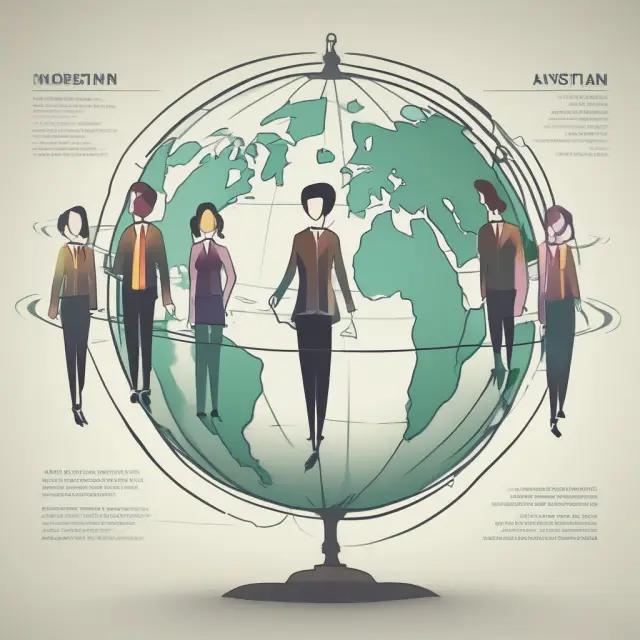
The Three Elements of Triple Bottom Line
John Elkington’s triple bottom line (TBL) theory proposes a shift from focusing solely on profits to considering social and environmental impact. This concept, introduced in 1994, suggests that companies should consider three bottom lines: profit, people, and the planet. By examining how a company interacts with these elements, TBL provides a more comprehensive understanding of its overall performance.
Profit, as traditionally defined, is the financial success a company achieves through sales revenue minus expenses. However, within the context of TBL, profit extends beyond these figures. Companies are encouraged to ensure they earn income ethically and responsibly, maintaining fair relationships with business partners, vendors, customers, and their communities. This approach fosters trust, improves reputations, and ultimately contributes to long-term financial success.
People is the social component of TBL. It encompasses employees, vendors, and customers. By focusing on people beyond profit, companies can create value in various ways, such as:
- Fair wages and safe working environments for employees
- Diversifying suppliers to support small businesses and minority-owned organizations
- Engaging with customers through open communication and feedback processes
Moreover, prioritizing people fosters loyalty, encourages volunteerism, and strengthens community partnerships. By recognizing the importance of social connections within their operations, companies can build stronger relationships that lead to long-term success.
Planet is the environmental component of TBL. It represents a company’s commitment to reducing its carbon footprint and minimizing negative impact on the environment. Companies adhering to TBL principles consider the consequences of their actions and strive for eco-friendly alternatives, even if they come with additional costs. This approach not only helps protect the planet but also attracts socially conscious consumers and investors.
In conclusion, profit, people, and the planet are the three essential elements of TBL that companies must consider when measuring their overall performance. By focusing on these areas, organizations can build a strong foundation for long-term success and contribute positively to society and the environment.
Incorporating examples, real-world applications, and data throughout the article will further enhance its depth and value for readers.

Profit: Measuring Financial Success
The concept of profit in business has long been associated with a company’s bottom line – its revenues minus expenses, reflecting financial success. However, the traditional definition of profit narrowly focuses on the financial performance of a corporation without considering the social and environmental implications. The Triple Bottom Line (TBL) approach shifts the perspective on measuring profit by embracing the three essential components: Profit, People, and the Planet.
The origins of TBL can be traced back to 1994 when John Elkington introduced the term as a means for companies to assess their sustainability beyond profits. The idea was that corporations could prioritize financial success alongside social responsibility and environmental stewardship. By integrating people and planet into the business model, TBL enables businesses not only to create value but also contribute positively to society and the environment.
Profit in TBL is defined as a corporation’s ability to generate income while adhering to ethical business practices. This includes sourcing suppliers that align with corporate values and engaging in mutually beneficial relationships, such as fostering economic wealth within local communities by supporting small businesses or investing in community projects. Profit also extends beyond the company itself, recognizing that stakeholders like employees, vendors, and customers contribute significantly to its overall success.
The concept of profit under TBL goes beyond merely generating financial returns; it’s about ensuring fairness, transparency, and accountability throughout a corporation’s operations. By focusing on the social and environmental aspects alongside financial performance, businesses can create long-term value not only for themselves but also for their stakeholders and the communities in which they operate.
The triple bottom line approach to measuring profit offers various advantages: attracting socially conscious investors, retaining employees through ethical working practices, boosting sales from environmentally and socially responsible customers, and enhancing operational efficiency by implementing sustainable business strategies. However, transitioning to TBL may also present challenges for companies, such as increased costs due to investment in new technologies and processes or the need to measure complex social and environmental indicators.
In conclusion, profit in the context of TBL is more than just a financial figure. It represents a company’s commitment to ethical business practices, social responsibility, and environmental stewardship. By focusing on all three bottom lines – Profit, People, and Planet – businesses can create sustainable value that benefits not only their stakeholders but also the world at large.
People: Social Responsibility and Impact on Triple Bottom Line
The third component of TBL is People, focusing on social responsibility and community impact. In a traditional business model, profit was the sole bottom line. However, TBL recognizes that people – from employees to vendors to customers – are crucial components of a company’s overall success and sustainability. By incorporating social responsibility into financial considerations, businesses can create long-term value for all stakeholders.
Employees: A committed workforce is essential for any organization’s growth. Focusing on employee welfare beyond just wages means fostering an inclusive environment where individuals feel valued and motivated. This leads to higher retention rates, increased productivity, and better morale. Employee well-being can be measured through metrics such as turnover rate, employee satisfaction surveys, or benefits packages that prioritize mental health, work-life balance, and professional development opportunities.
Vendors: Building strong relationships with vendors is crucial for a company’s supply chain. By focusing on ethical sourcing and fair business practices, organizations can reduce risk, ensure consistent quality, and strengthen supplier partnerships. A socially responsible vendor policy considers factors such as labor practices, environmental impact, and community engagement. This can lead to improved brand image, reduced operational costs through long-term relationships, and a more sustainable supply chain.
Customers: Satisfied customers are the foundation of any business’s success. By prioritizing customer experience, companies can build loyalty, increase repeat business, and generate positive word-of-mouth referrals. In the context of TBL, this includes considering the social and environmental impact of products or services on consumers. For example, a company might create initiatives to reduce waste, improve accessibility for individuals with disabilities, or offer eco-friendly alternatives.
One challenge in focusing on people is balancing social responsibility with profitability. By investing time and resources into employee well-being and ethical business practices, companies may face higher costs initially. However, long-term benefits such as increased retention, stronger relationships with suppliers, and satisfied customers can lead to a strong return on investment.
Another challenge is the potential for competing priorities within TBL’s three components. For instance, optimizing for social or environmental impact may conflict with profitability goals. Companies must navigate these complexities while maintaining transparency and accountability to all stakeholders.
In conclusion, People is a critical component of TBL that goes beyond financial considerations. By focusing on employee welfare, ethical vendor relationships, and customer satisfaction, organizations can create long-term value for all stakeholders, fostering a more sustainable business model.
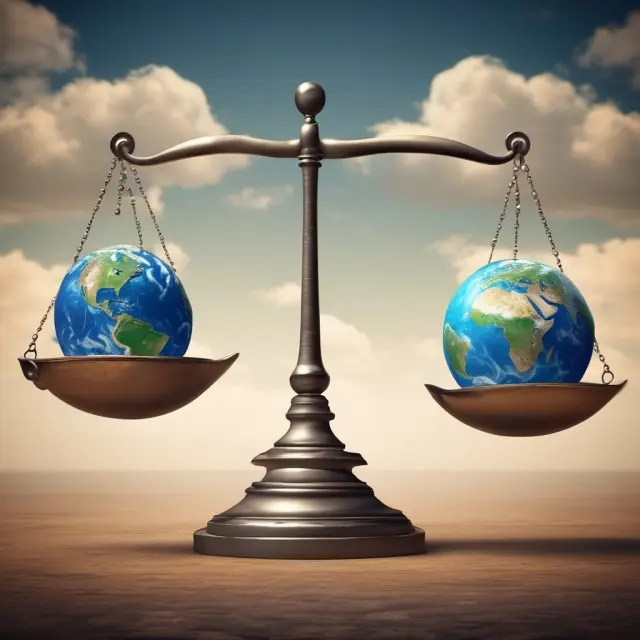
Planet: Environmental Considerations
The third bottom line of the Triple Bottom Line (TBL) framework is the environmental impact, referred to as ‘planet’. The concept behind TBL posits that a company’s role extends beyond generating profits and reaching social targets. Instead, it also requires responsibility towards the environment.
John Elkington, a renowned British management consultant and sustainability expert, coined the term “triple bottom line” in 1994 to emphasize the importance of environmental considerations in business practices. The triple bottom line consists of three core components: profit, people, and the planet.
Profit represents the financial performance of a company, while people signify its social impact on employees, customers, suppliers, and communities. Planet encompasses a corporation’s commitment to minimizing its footprint on the environment.
Measuring the Environmental Impact: Metrics and Reporting
To effectively evaluate a company’s environmental performance, various metrics can be employed. These may include greenhouse gas emissions, water usage, waste reduction, energy efficiency, and resource conservation. Additionally, companies can utilize certifications such as ISO 14001 for Environmental Management Systems to demonstrate their commitment to continuous improvement.
One of the most widely used environmental reporting frameworks is the Global Reporting Initiative (GRI). GRI provides a standardized set of guidelines for measuring, reporting, and communicating a company’s sustainability performance. This allows stakeholders, such as investors, customers, and regulators, to compare and contrast companies on their environmental performance.
Case Studies: Companies Adopting Triple Bottom Line Approaches
Several notable companies have adopted the triple bottom line approach and integrated it into their business strategies. Patagonia, an outdoor clothing retailer, is a leading example of a company committed to reducing its carbon footprint while maintaining social responsibility. Their “Worn Wear” program encourages customers to repair, reuse, or recycle their old clothes instead of buying new ones. This not only reduces the environmental impact but also fosters customer loyalty and long-term revenue growth.
Another example is Interface, a global manufacturer of modular carpets, which aims to become climate positive by 2030. They have already reduced their carbon footprint by 94% since 1997 through various initiatives like recycling, renewable energy, and circular design principles. These efforts not only contribute positively to the planet but also attract customers who value sustainable business practices.
Challenges: Balancing Profit with Planet
Implementing a triple bottom line approach comes with challenges. Companies must find a balance between profit and environmental sustainability. For instance, investing in eco-friendly technologies might initially be more expensive than traditional alternatives, but these investments can lead to long-term cost savings and revenue opportunities. Similarly, companies must navigate the complexities of various regulatory frameworks and stakeholder expectations while maintaining transparency and accountability.
Conclusion: Embracing Triple Bottom Line for a Sustainable Future
In conclusion, the planet component of TBL emphasizes the importance of businesses taking responsibility for their environmental impact beyond merely complying with regulations. By integrating sustainability targets into their overall strategies, companies can create value not only for themselves but also for future generations and the world at large. As more consumers become increasingly conscious of a company’s commitment to sustainability and the environment, embracing TBL can lead to competitive advantages, improved stakeholder relations, and long-term profitability.

Benefits of Triple Bottom Line for Companies
The triple bottom line (TBL) offers numerous advantages to companies embracing its principles and practices. The primary benefits include increased stakeholder engagement, improved sustainability efforts, and long-term profitability.
Firstly, focusing on TBL can lead to more extensive engagement with various stakeholders – employees, vendors, customers, investors, and the community. This not only fosters stronger relationships but also instills a sense of shared responsibility for the company’s success and impact on people and the planet. In today’s business environment, transparency and accountability have become essential components for building trust among stakeholders. By adopting TBL practices, companies demonstrate their commitment to ethical business operations and social responsibility, which can result in increased loyalty, positive publicity, and a more robust reputation.
Secondly, sustainability efforts are a critical component of the triple bottom line framework. Companies that focus on reducing their environmental footprint can realize significant cost savings through operational efficiencies, energy conservation, and waste reduction. Furthermore, many consumers increasingly demand eco-friendly products and services from businesses. As a result, prioritizing sustainable practices may lead to increased sales, attracting new customers, and maintaining existing ones.
Lastly, long-term profitability is another compelling reason for companies to embrace TBL. By focusing on the long-term impact of their business decisions, organizations can create a more resilient and adaptive enterprise that remains competitive in an ever-changing business landscape. This approach also minimizes the risk of future costs associated with potential regulatory changes, resource scarcity, or changing societal values.
However, implementing TBL may present challenges such as increased complexity, cost, and conflicting priorities between the three bottom lines. Nonetheless, the benefits of aligning a company’s mission, vision, and values with TBL principles can lead to significant long-term rewards for both businesses and society as a whole.
In conclusion, by embracing the triple bottom line framework, companies not only gain a more comprehensive understanding of their overall performance but also position themselves as leaders in ethical business practices, sustainability initiatives, and stakeholder engagement. This not only benefits the organization’s bottom line but also contributes to building a better world for future generations.

Implementing the Triple Bottom Line: Strategies and Challenges
One of the biggest challenges companies face when adopting a triple bottom line (TBL) approach is implementation. TBL requires businesses to focus not just on profits but also on people and the planet, which can be difficult to measure and manage alongside financial performance. In this section, we’ll discuss practical strategies for implementing TBL and some of the challenges that businesses may encounter in their journey towards sustainable business practices.
Strategies for Implementing Triple Bottom Line
1. Establish a clear vision: The first step in implementing TBL is to establish a clear vision and commitment to corporate social responsibility (CSR) and sustainability. This means setting ambitious goals for improving environmental performance, labor conditions, and community engagement. Companies such as Patagonia, Interface, and Microsoft have been successful in this regard by weaving CSR into their core mission and values.
2. Set measurable targets: To effectively monitor progress towards your TBL objectives, it’s crucial to set specific, measurable targets for each of the three components. For instance, you might aim to reduce greenhouse gas emissions by a certain percentage within a specified timeframe or commit to increasing employee diversity and inclusion.
3. Engage stakeholders: Communicate openly with employees, investors, customers, and other stakeholders about your TBL strategy and progress. This will help foster transparency and build trust while encouraging collaboration towards common goals. For example, Ben & Jerry’s has been successful in engaging consumers through its “Fairtrade Certified” initiative, which ensures fair wages for farmers who supply their ingredients.
4. Use metrics and reporting: Establish clear metrics to measure progress against your TBL targets, such as key performance indicators (KPIs) and sustainability reports. These will help you track your progress towards your goals and communicate your successes to stakeholders. For example, Unilever has been using its “Sustainable Living Plan” since 2010 to measure and report on its environmental impact, social responsibility, and financial performance.
5. Collaborate with partners: Partnering with suppliers, customers, and other organizations can help you extend the reach of your TBL initiatives beyond your own operations. For example, IKEA has collaborated with forestry organizations to ensure that all of its wood products come from responsibly managed forests. This not only benefits the environment but also builds goodwill among stakeholders.
Challenges in Implementing Triple Bottom Line
1. Cost: Integrating TBL into business operations can be costly, particularly when it comes to implementing new technologies or processes that improve environmental performance. However, many companies have found that the long-term savings from increased efficiency and reduced waste outweigh these upfront costs. For example, Walmart’s investment in energy-efficient store design and logistics has resulted in significant cost savings while reducing its carbon footprint.
2. Complexity: Implementing TBL requires a more comprehensive understanding of your business operations and the impact on people and the planet. This can be complex to measure and manage alongside financial performance, particularly for large organizations with multiple departments or global supply chains. To address this challenge, companies can invest in tools and resources that help them track their progress towards TBL objectives, such as sustainability reporting software or consulting services.
3. Competing priorities: Balancing the three components of TBL (profit, people, and planet) can be challenging when there are competing priorities within your organization. For example, a decision to invest in renewable energy may come at the expense of short-term profits, but it could also lead to long-term savings and increased stakeholder loyalty. To navigate these challenges, it’s essential to engage stakeholders and communicate openly about the rationale behind your decisions.
In conclusion, implementing a triple bottom line approach can be a challenging but rewarding journey for businesses seeking to create value for people and the planet while maintaining financial success. By setting clear goals, engaging stakeholders, using metrics and reporting, collaborating with partners, and addressing potential challenges, companies can successfully integrate TBL into their operations and build a more sustainable future.

Measuring Triple Bottom Line: Metrics and Reporting
The triple bottom line (TBL) concept extends beyond financial performance to social and environmental considerations. However, measuring these aspects of a company’s success can be a challenge. In this section, we explore various metrics for evaluating the social and environmental components of TBL and discuss best practices for reporting these findings to stakeholders.
Profit: Measuring Financial Success
Although profit is traditionally defined as a company’s earnings or net income, TBL encourages businesses to adopt ethical and community-focused financial success. To measure profit within the context of TBL, companies may consider the following metrics:
- Gross margin by geographical region: This metric allows firms to ensure consistent pricing across various demographics, demonstrating financial responsibility and commitment to fair practices.
- Historical federal income tax payments: Companies can report their effective tax rates, which helps stakeholders assess a firm’s compliance with local and national regulations.
- Late payment record: A company’s timely payment of debts and adherence to financial obligations is crucial in maintaining positive relationships with lenders, creditors, and employees.
People: Social Responsibility and Reporting
The social component of TBL involves measuring a company’s impact on people, including its interactions with employees, vendors, and the community. Metrics for assessing people-related performance include:
- Average employee payroll: Calculating the average payroll figure demonstrates a firm’s commitment to offering livable wages that exceed local expectations.
- Employee benefits: Companies can report the average value of benefits provided per employee, illustrating their dedication to promoting overall well-being and financial stability.
- Vacation hours: By calculating the number of vacation hours earned and used per employee, businesses demonstrate their support for work-life balance and employee satisfaction.
- Employment demographics: Providing diversity statistics related to age, race, sexual orientation, or religious groups allows stakeholders to evaluate a company’s commitment to fostering an inclusive workplace.
- Vendor demographics: Companies can report the proportion of suppliers that are small businesses, LGBTQ-owned, veteran-owned, or minority-owned, highlighting efforts to support and empower local communities.
- Product returns by region: Analyzing product returns across different geographical regions helps companies address disparities in product quality, ensuring fairness for all consumers.
Planet: Environmental Considerations
Environmental impact is a crucial aspect of the triple bottom line, requiring careful measurement and reporting to assess a company’s sustainability efforts. Metrics for environmental performance include:
- Greenhouse gas emissions: Companies can report their total greenhouse gas emissions or reductions in emissions, demonstrating their commitment to addressing climate change.
- Water usage: Assessing water consumption both in production processes and from a community perspective helps firms evaluate their water stewardship practices.
- Waste management: Reporting on waste generation and disposal methods can showcase a company’s efforts to minimize its environmental footprint.
- Energy efficiency: Companies can measure energy efficiency through metrics such as kWh consumed per unit produced, demonstrating ongoing improvements in energy usage and sustainability practices.
Best Practices for Reporting Triple Bottom Line Metrics
To effectively communicate TBL performance to stakeholders, companies should adopt the following reporting best practices:
- Transparency: Be open about all aspects of your triple bottom line metrics to build trust with investors, consumers, and regulatory bodies.
- Consistency: Provide regular updates on your TBL performance to demonstrate a commitment to ongoing improvement and sustainability efforts.
- Standardization: Use industry-standard metrics wherever possible to facilitate meaningful comparisons between companies and promote accountability.
- Continuous improvement: Regularly assess and update TBL strategies to adapt to changing social, environmental, and financial landscapes.
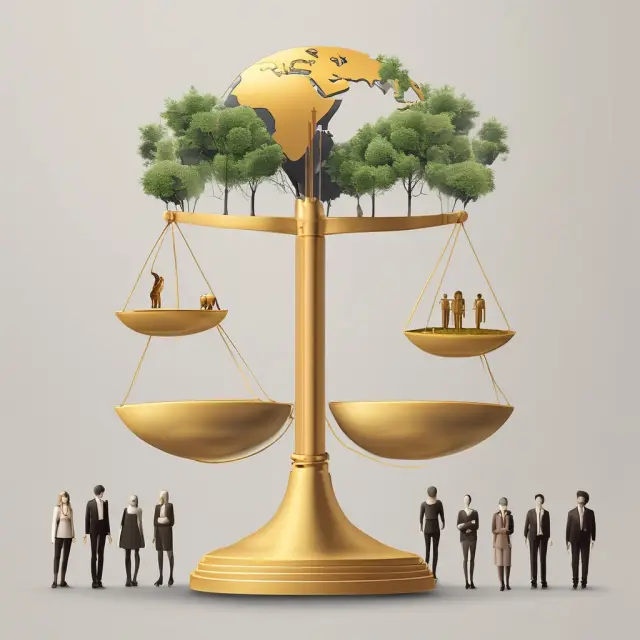
Triple Bottom Line vs. Traditional Financial Reporting
The triple bottom line (TBL) theory goes beyond traditional financial reporting by expanding a company’s focus to encompass social and environmental concerns alongside financial performance. Understanding how TBL compares to conventional financial reporting helps highlight the benefits and challenges of adopting this approach.
Traditional Financial Reporting: A Narrow Perspective
In traditional financial reporting, companies primarily focus on their profitability – a bottom line represented by their net income or loss. This perspective leaves out essential information about a company’s social and environmental impact, creating an incomplete picture of its overall performance.
Triple Bottom Line: A Holistic View
Triple bottom line reporting, on the other hand, considers three bottom lines: profit (people), planet, and prosperity (profit). By examining these three components together, a company can create sustainable value for all stakeholders while minimizing its negative impacts.
Profit – More Than Just Numbers
When discussing profits in the context of TBL, it goes beyond mere monetary gains. A company must ensure ethical and fair business practices while considering its financial responsibilities. This includes not only paying employees, lenders, and creditors but also fostering economic prosperity within its local community through partnerships, developments, or sponsorships.
People – Beyond Stakeholders to Society
The ‘people’ element in TBL expands the focus beyond traditional stakeholders like investors and shareholders to include employees, vendors, and the wider community. This shift encourages companies to be socially responsible, ensuring fair wages, safe work environments, ethical business practices, and a positive impact on local communities.
Planet – Environmental Concerns
Environmental concerns have become increasingly important in today’s world, making it essential for businesses to consider their carbon footprint and other environmental impacts. Triple bottom line reporting requires companies to measure their environmental performance alongside financial and social indicators. This assessment can lead to improvements in resource efficiency, reduced waste, and a more sustainable business model.
Benefits of TBL over Traditional Financial Reporting
Adopting the triple bottom line approach provides several advantages for companies, including:
- Enhanced stakeholder engagement
- Long-term sustainability efforts
- Improved reputation among consumers and investors
- Increased transparency
- Attraction of ESG (Environmental, Social, Governance)-focused investors
- Potential for regulatory compliance and risk reduction
- Better alignment with stakeholder expectations
- Competitive advantage in the marketplace.
In conclusion, triple bottom line reporting offers a more holistic perspective on a company’s overall performance by integrating social and environmental considerations alongside financial metrics. This approach not only benefits businesses but also creates value for their stakeholders and contributes to a more sustainable future. By understanding the differences between traditional financial reporting and TBL, companies can make informed decisions about which reporting framework best suits their needs.
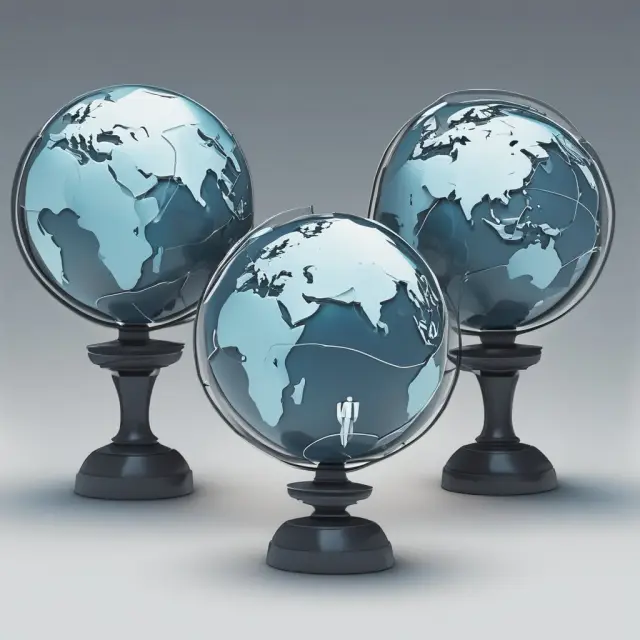
Triple Bottom Line: A Global Perspective
As the concept of the Triple Bottom Line (TBL) gains traction worldwide, it’s essential to explore its application across various industries and countries. In this section, we discuss how organizations in different sectors have adopted TBL principles, and we examine international initiatives that promote sustainable business practices.
In Europe, for instance, the European Union has embraced TBL through numerous initiatives like the European Sustainable Development Strategy, the CSR Europe Network, and the European Foundation for the Improvement of Living and Working Conditions. These initiatives encourage companies to integrate environmental, social, and governance (ESG) factors into their reporting.
The financial sector has also seen a significant shift towards TBL practices. Banks like UBS and ING have started incorporating ESG criteria in their investment strategies, recognizing the long-term value of companies that focus on people and planet alongside profit.
Meanwhile, in developing countries, initiatives such as the Sustainable Business Network in South Africa and the Microfinance Institution Network in India provide training, resources, and support to help businesses adopt sustainable practices. By focusing on both financial viability and social responsibility, these organizations are fostering economic growth that benefits local communities while minimizing environmental harm.
International standards like the Global Reporting Initiative (GRI) and the United Nations Global Compact further promote TBL practices by setting guidelines for sustainability reporting. Companies following these standards can demonstrate their commitment to transparency, accountability, and continuous improvement in their financial, social, and environmental performance.
However, implementing the triple bottom line is not without challenges. For small businesses, especially those in developing countries, measuring and reporting on TBL metrics can be expensive and time-consuming. Moreover, prioritizing people and planet alongside profit may require trade-offs that could impact a company’s short-term financial goals.
Despite these challenges, the long-term benefits of adopting TBL practices are significant. By fostering transparency and accountability, companies can attract socially responsible investors and build stronger relationships with stakeholders. Moreover, sustainable business practices often lead to operational efficiencies, reduced risks, and long-term financial sustainability.
In conclusion, the adoption of Triple Bottom Line principles is a global trend that reflects growing recognition of the importance of balancing profit, people, and planet in modern business practices. As more organizations embrace TBL, we can expect to see a positive impact on communities, the environment, and ultimately, the bottom line itself.

FAQ: Triple Bottom Line
What exactly is the triple bottom line (TBL)?
The triple bottom line (TBL) is a business concept that focuses on three main aspects of performance: profit, people, and planet. It suggests companies should consider not only their financial success but also the social impact they have on employees, communities, and the environment. The term was first introduced by John Elkington in 1994 as a means to measure the full cost of doing business.
Why is profit one of the three components of TBL?
Profit has traditionally been the primary focus for businesses; however, profit within the triple bottom line context goes beyond just financial gains. It involves ethical practices towards employees, vendors, and the community in which the company operates. By considering the social and environmental aspects, a company’s overall sustainability and long-term success can be improved.
What role does ‘people’ play in TBL?
The ‘people’ component of TBL refers to every individual who is connected with a company, including employees, vendors, and customers. The focus on people goes beyond financial considerations, emphasizing the importance of social responsibility and fostering positive relationships. Companies implementing TBL principles aim to create value not only for their investors but also for the local community and its individuals.
How does TBL approach environmental concerns?
The ‘planet’ aspect of TBL addresses a company’s impact on the environment, acknowledging the importance of reducing carbon footprints and minimizing waste. Companies adhering to TBL principles consider the long-term consequences of their actions on the planet and take steps towards sustainability. This may involve redesigning distribution channels, promoting eco-friendly initiatives, or investing in green technology to minimize negative environmental impact.
What are some benefits of using the triple bottom line approach?
Implementing TBL can lead to numerous advantages for companies. It may result in increased stakeholder engagement and long-term profitability by encouraging ethical practices, fostering positive relationships with employees and the community, and promoting sustainability efforts. Additionally, businesses that adopt the TBL approach are more likely to attract ESG-interested investors and retain top talent who value corporate social responsibility.
What challenges come with implementing the triple bottom line?
Despite its benefits, the triple bottom line approach can present various challenges for companies. Measuring the financial, social, and environmental performance may be difficult, particularly since there are no specific reporting requirements. The cost of implementation can also be significant, especially when it comes to investing in sustainability initiatives or providing fair wages and benefits to employees. Furthermore, there may be conflicting priorities between profit and people or profit and planet components, making it essential for companies to strike a balance among the three aspects.
 Next entry · No. 5,084Understanding and Utilizing the Triple Exponential Moving Average (TEMA) in Finance and Investment
See also
-
 No. 5,375
03 Sep 2025
20 min
Understanding Utilitarianism: A Modern Approach to Morality, Ethics, and Decision Making
Business Strategy
No. 5,375
03 Sep 2025
20 min
Understanding Utilitarianism: A Modern Approach to Morality, Ethics, and Decision Making
Business Strategy -
 No. 5,147
15 Aug 2025
21 min
Understanding the United Nations Global Compact: Principles, Benefits, and Member Company Responsibilities
Business Strategy
No. 5,147
15 Aug 2025
21 min
Understanding the United Nations Global Compact: Principles, Benefits, and Member Company Responsibilities
Business Strategy -
 No. 4,816
19 Jul 2025
18 min
The Three Pillars of Sustainability: Economic, Environmental, and Social
Business Strategy
No. 4,816
19 Jul 2025
18 min
The Three Pillars of Sustainability: Economic, Environmental, and Social
Business Strategy -
 No. 4,693
09 Jul 2025
24 min
Maximizing Shareholder Value and Social Responsibility: A Balancing Act for Businesses
Business Strategy
No. 4,693
09 Jul 2025
24 min
Maximizing Shareholder Value and Social Responsibility: A Balancing Act for Businesses
Business Strategy -
 No. 4,454
20 Jun 2025
19 min
Maximizing Productivity: Understanding the Importance and Factors of Revenue per Employee
Business Strategy
No. 4,454
20 Jun 2025
19 min
Maximizing Productivity: Understanding the Importance and Factors of Revenue per Employee
Business Strategy -
 No. 4,392
15 Jun 2025
24 min
Understanding Reputational Risk in Finance and Investment
Business Strategy
No. 4,392
15 Jun 2025
24 min
Understanding Reputational Risk in Finance and Investment
Business Strategy