Understanding Tombstones: The Role, Importance and Process of this Financial Advertisement

Learn the role, importance, and process of creating tombstone advertisements in capital markets. Understand components, comparison to prospectuses, and the…
Introduction to Tombstones
A tombstone is an integral part of the financial industry and plays a crucial role in the process of underwriting securities offerings. It refers to the advertisement created by investment bankers who facilitate these transactions on behalf of issuing companies. In essence, a tombstone functions as a public announcement for investors, providing essential information regarding upcoming offerings, as well as the key players involved in underwriting and distributing the securities.
Historically, tombstones originated from disclosure requirements set by the Securities and Exchange Commission (SEC), which mandates companies to publish advertisements before issuing new shares of stock to the public. The term “tombstone” derives from the unique visual appearance of these ads: a black border, heavy black print that resembles a gravestone marker.
Section Title: Components of a Tombstone Ad
A typical tombstone advertisement includes essential details about the securities offering, making it informative and useful for potential investors. Some key components include the following:
- Description of Securities Offered: The tombstone discloses the type of security being offered, such as common or preferred stocks, bonds, or other debt instruments. It also indicates the number and price per share (or par value) of the securities available for purchase.
- Availability Date: The advertisement specifies the date when investors can begin purchasing the securities – usually referred to as the availability date. This information is crucial, as it helps potential buyers gauge their interest and prepare accordingly.
- Credit Rating: If the security being offered has undergone evaluation by a credit rating agency like Moody’s or Standard & Poor’s, its credit rating can be displayed on the tombstone ad. This important piece of information helps investors assess the financial health and reliability of the issuing company.
- Syndicate Members: The tombstone lists the underwriting groups and individual syndicate members involved in the transaction. These entities are responsible for selling the securities to the public, and their names provide transparency regarding the deal’s structure.
Section Title: Understanding Tombstones vs. Prospectus
Although related, tombstones and prospectuses serve different purposes within a security offering. A prospectus is a comprehensive document containing detailed information about the issuer, its business operations, financial history, and the specific securities being offered for sale. It is distributed to potential investors as part of the SEC disclosure requirements.
A tombstone, on the other hand, is a concise advertisement that provides basic details about the upcoming offering and its underwriters. While it may include the securities’ type, availability date, and syndicate members, the prospectus is necessary for those who are serious about investing to make an informed decision.
Section Title: The Process of Creating a Tombstone Ad
The creation of a tombstone advertisement involves collaboration between the issuer, underwriters, and other parties involved in the securities offering. The following steps outline the typical process:
- Drafting the Tomstone Text: Underwriters draft the text for the tombstone ad based on information provided by the issuer, such as security details, availability date, and credit rating.
- Design and Layout: Once the text is finalized, designers create a visually appealing layout that fits within the tombstone’s standard format – black border, heavy black print, and syndicate member listings.
- Approval and Distribution: Both the issuer and underwriters review and approve the tombstone before it is distributed to various media outlets for publication. This often includes financial newspapers, magazines, and industry websites.
In conclusion, tombstones are an essential tool in the world of finance and investment, providing investors with valuable information about upcoming securities offerings and the key players involved in facilitating these transactions. By understanding their purpose, components, and creation process, we can better appreciate their significance within the financial industry.

Background and Origin of Tombstones
A tombstone, in its most literal sense, can be traced back to its origin as an advertisement for public offerings in the late 1800s. The term “tombstone” is believed to have derived from the ominous black border and heavy black type found on these early advertisements, which some compared to the appearance of a gravestone marker. However, despite its somber name, this financial instrument has proven to be anything but morbid in its significance within the realm of capital markets.
Historically, tombstones served as a means for investment banks and underwriters to disseminate basic information about an upcoming public offering to potential investors. In the United States, tombstone advertisements have been subject to regulatory oversight since 1934 when the Securities Act was enacted. The Securities Act, also known as the Securities Act of 1933, required companies to disclose certain information about securities offerings to the public before they could lawfully sell these securities. This legislation, which marked a significant milestone in investor protection and financial transparency, paved the way for the widespread use and evolution of tombstones as an essential tool for raising capital in the modern era.
Throughout the ensuing decades, tombstones have undergone numerous transformations to keep pace with changing market conditions and regulatory requirements. Today, tombstone advertisements serve as a crucial aspect of a public offering process, providing investors with vital details about the securities being offered while complying with the Securities Exchange Commission (SEC) regulations. These advertisements typically include essential information such as the type and number of securities available for purchase, their respective availability dates, and any relevant credit ratings assigned by reputable rating agencies.
By shedding light on this fascinating piece of financial history, we hope to further illuminate the significance of tombstones in the broader context of capital markets and public offerings. In the following sections, we will delve deeper into the specifics of tombstone composition, the differences between tombstones and prospectuses, and the vital role underwriters and syndicate members play in creating and distributing these essential financial documents. Stay tuned!
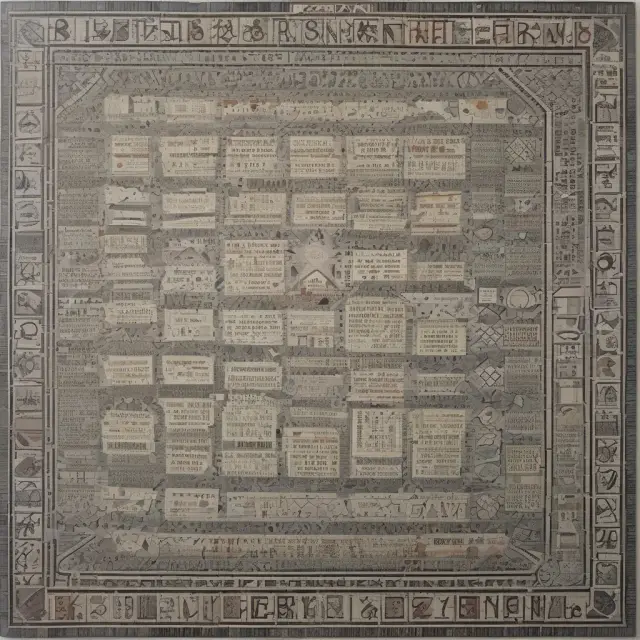
Components of a Tombstone Ad
A tombstone advertisement plays a vital role in showcasing the essential details about an upcoming public offering. This section delves deeper into the various components included in a tombstone advertisement, such as types of securities offered, availability date, and credit rating.
1. Types of Securities Offered: A tombstone ad provides investors with information on the specific types of securities being offered through the public offering. These can range from common or preferred stocks, to bonds or debentures. By revealing this information upfront, potential investors can determine their interest levels based on the nature of securities involved.
2. Availability Date: A tombstone advertisement includes the availability date for purchasing the offered securities. This crucial piece of information enables prospective investors to plan accordingly and be prepared to act once the securities become available in the market. The date is usually a specific day or an estimated window, providing transparency around the timing of the offering.
3. Credit Rating: A tombstone advertisement may also display the credit rating assigned to the securities being offered. This information helps investors gauge the level of risk associated with the investment and makes it easier for them to compare various offerings. Credit ratings are typically provided by reputable agencies, such as Moody’s or Standard & Poor’s.
4. Underwriter Information: The tombstone ad features the list of underwriting firms involved in the offering. This information is essential because investors want to know the credibility and expertise of the organizations that facilitate the securities issuance process. A strong presence of reputed underwriters can increase confidence in the offering and attract more potential investors.
5. Syndicate Members: The tombstone advertisement also lists the syndicate members involved in the underwriting process. These firms work together to sell the securities to their respective customer bases, broadening the distribution network of the offering.
In conclusion, a tombstone advertisement is an integral part of the public offering process, providing investors with essential details about the security being offered and helping them make informed investment decisions. By focusing on the key components of a tombstone advertisement, prospective investors can evaluate opportunities and allocate their resources accordingly.

Tombstone vs. Prospectus
When discussing financial advertisements in connection with public securities offerings, two terms often come up – tombstones and prospectuses. Both serve essential functions in capital markets but cater to different aspects of the transaction. Understanding their roles, content, and differences can help investors make informed decisions.
A tombstone is an advertisement that serves as a notice for a public offering. It typically appears in print media or online platforms with a black border and heavy black text, hence its name. Tombstones contain basic information about the securities being offered, such as types, availability dates, credit ratings, and syndicate members involved in the deal. They direct potential investors to access the prospectus for more comprehensive details.
On the other hand, a prospectus is an extensive document that companies must provide to investors when selling securities to the public. A prospectus goes beyond providing basic information about the offering and includes detailed financial statements, risk factors, management’s discussion and analysis, and legal opinions. Prospectuses are meant to give potential investors all the necessary information required to make informed decisions before investing in a security.
The tombstone serves as an initial advertisement that alerts the investment community to a forthcoming public offering. It provides some basic details about the securities being offered and the issuer, encouraging potential investors to explore further. The prospectus, on the other hand, is a detailed document containing all essential information for making informed investment decisions.
Another key difference between tombstones and prospectuses lies in their distribution. While tombstone advertisements are publicly distributed through various media outlets, prospectuses are directly distributed to potential investors either electronically or physically. The SEC requires issuers to deliver the final version of the prospectus before an investor can purchase securities from them.
In summary, tombstones and prospectuses play complementary roles in public securities offerings. Tombstones act as initial advertisements that alert the investment community to a new offering and provide some basic information, while prospectuses contain all necessary details for potential investors to make informed decisions before investing in the security.

The Role and Process of Underwriters in a Tombstone
Underwriters play an integral role in the creation and distribution of tombstone advertisements when a company plans to sell securities through public offerings. As intermediaries between issuers and investors, underwriters are responsible for managing the legal and financial aspects of the offering process. In return, they receive compensation for their services in the form of fees, which can be deducted from the proceeds raised during the offering.
Underwriting involves various steps to ensure a successful offering:
1. Market assessment: Before launching an underwritten public offering, underwriters conduct thorough market research and analysis to determine the demand for securities. They assess the economic climate, industry trends, competition, and investor preferences to estimate the price range and number of shares or bonds that can be sold. Underwriters’ insights are critical in setting a competitive price for the offering and maximizing its appeal to potential investors.
2. Due diligence: To mitigate risk and ensure transparency, underwriters conduct rigorous due diligence on the issuer’s financial statements, business operations, regulatory compliance, and management team. This process involves reviewing historical financial data, legal documentation, and market intelligence to identify any material risks or concerns that may impact investor interest in the offering.
3. Securing commitments: Underwriters approach potential syndicate members to join the underwriting team and help distribute securities to a wider audience. They negotiate terms of participation, including fees, marketing arrangements, and sales targets for each member. This collective effort builds a broad distribution network, increasing the likelihood of successful placements and ensuring fair access to investors.
4. Pricing: Based on their research and assessment, underwriters propose a pricing range for securities in the offering. The price ultimately agreed upon between the issuer and underwriters is determined by market conditions and the level of investor demand. Underwriters’ expertise is essential in setting an attractive yet competitive price that balances the interests of both the issuer and potential investors.
5. Regulatory compliance: As intermediaries, underwriters must adhere to strict regulatory requirements set forth by the Securities and Exchange Commission (SEC) when creating tombstone advertisements. They ensure all information disclosed is accurate, fair, and transparent. Underwriters are also responsible for filing relevant documents with the SEC, such as preliminary and final prospectuses, that provide comprehensive details about the offering and the issuer.
Underwriters’ role extends beyond just managing the tombstone advertisement process; they act as advisors, marketing agents, and intermediaries throughout the entire securities offering lifecycle. Their expertise and experience are crucial in ensuring a successful public offering and generating strong demand for the issuer’s securities.

How Syndicate Members are Involved in Tombstones
A syndicate is a group of underwriting firms or individual dealers involved in selling securities in a public offering. Each syndicate member plays an essential role in the creation, distribution, and sale of the securities. The tombstone advertisement, as mentioned earlier, lists all of these members that are authorized to sell the security. In this section, we’ll discuss how syndicate members contribute to the process of creating a tombstone advertisement.
The underwriter, typically led by an investment bank, is responsible for managing the overall transaction and creating the prospectus. However, multiple syndicate members may join the deal as selling group participants. These firms collaborate with the lead underwriter to distribute the securities to their respective clients and investors.
Each participating member’s level of involvement in a security offering depends on its role within the syndicate. For instance, some syndicate members may play an active role in marketing the securities and selling them to their clientele, whereas others may solely focus on distributing the securities to their specific customer base.
In the context of a tombstone advertisement, the primary syndicate members are listed at the top with larger fonts, followed by secondary members further down the list. The positioning reflects each participant’s level of involvement and the importance they bring to the deal. In some cases, the leading members’ names can significantly influence their reputation, making it an attractive marketing tool for future business opportunities.
In summary, a tombstone advertisement is crucial in the financial industry as it offers investors essential information about an upcoming public offering while listing all syndicate members authorized to sell the security. Syndicate members play an integral role in this process by collaborating with underwriters and selling securities to their respective clients and investors. Understanding their contributions helps investors make informed decisions and provides insight into the intricacies of a public offering.

Understanding Credit Rating in Tombstones
Credit rating agencies play an indispensable role in evaluating securities and assessing their risk levels for investors. This crucial assessment is often reflected in the credit ratings included in tombstone advertisements. In essence, a credit rating is a measure of the creditworthiness of an issuer or an obligation, which is used to assign a level of credit quality to the debt securities offered in public markets.
The primary function of a credit rating agency is to assess the creditworthiness of various issuers and their respective debt instruments. They evaluate factors such as the issuer’s financial performance, industry conditions, economic trends, and other relevant factors to determine the issuer’s ability to meet its financial obligations over time. The agencies then assign credit ratings based on their evaluation, which can range from AAA (highest) to D (lowest). These ratings help investors assess the risk associated with investing in a particular security, providing them with valuable insight into the potential return on investment and the level of risk involved.
The inclusion of credit ratings in tombstones is essential because it offers transparency and additional information for potential investors. Investors can quickly identify the credit rating assigned to an offering, which can help inform their decision-making process. Moreover, this information is easily accessible through the tombstone advertisement, allowing investors to make informed decisions without having to search extensively for it.
It is important to note that the credit rating is just one factor among many that investors should consider when evaluating an investment opportunity. While a high credit rating can provide some level of comfort and confidence in the issuer’s ability to meet its obligations, other factors such as market conditions, company fundamentals, and personal investment goals must also be considered.
In summary, credit ratings play a vital role in providing investors with crucial information about the risk associated with a security offering, helping them make more informed decisions when investing in public markets. The inclusion of credit ratings in tombstone advertisements allows investors to quickly access this essential data and enables them to assess the potential risks and rewards of a particular investment opportunity.

Tombstone Ad Examples: Understanding the Visual Layout
A tombstone advertisement is an integral part of a public offering process and can provide valuable insights into the components of the securities issue. The visual layout of a tombstone consists of distinct elements that reveal essential information about the securities, underwriters, and syndicate members involved in the transaction. Let’s delve deeper into understanding the various aspects of a tombstone advertisement by examining its appearance and structure.
Black Border: The black border encircling the tombstone ad serves as a traditional marker for this financial document. The black border, coupled with heavy black print, gives a formal and authoritative look to the advertisement.
Heavy Black Print: The use of bold, heavy black text is another distinguishing feature of tombstones. This visually striking design ensures that important information about the securities offering stands out and catches investors’ attention.
Securities Offered: Key information about the securities being offered, such as the number of shares or bonds available, their type (common stock or preferred stock), and the class, is prominently displayed in the tombstone ad.
Availability Date: The date from which investors can purchase the securities is clearly stated on the tombstone advertisement, providing a sense of urgency for potential investors to take action and make their investment decisions.
Credit Rating: If a security receives a credit rating from a reputable agency such as Moody’s or Standard & Poor’s, that rating is typically included in the tombstone ad. The presence of a credit rating can help investors evaluate the risk level associated with the securities being offered and make more informed investment decisions.
Syndicate Members: The listing of syndicate members involved in underwriting and selling the securities is a critical component of a tombstone advertisement. This information enables potential investors to learn about the firms that will help facilitate their purchase of the securities, fostering trust and confidence in the transaction process.
Underwriter’s Role: An underwriter plays a crucial role in managing the legal and accounting aspects of creating and issuing a prospectus for the securities offering. Underwriters’ involvement is typically indicated on the tombstone advertisement to help potential investors understand the expertise and resources available to support the successful completion of the public offering.
In conclusion, the visual layout of a tombstone advertisement provides investors with essential information about a securities offering, making it an indispensable tool for understanding the transaction process. The distinct features of a tombstone ad, including its black border, heavy black print, and clear presentation of securities details, help investors make informed decisions when considering investment opportunities in public offerings.

The Importance of Tombstones in Capital Markets
A tombstone is an essential tool utilized by capital markets as it facilitates communication between investors and issuers during public offerings. By providing basic information about the upcoming offering, a tombstone acts as a roadmap for interested investors while ensuring compliance with Securities and Exchange Commission (SEC) disclosure requirements.
The Role of Tombstones in Public Offerings
In the process of raising capital through a public offering, companies rely on investment bankers to underwrite and manage the distribution of securities to potential investors. The tombstone serves as a first point of contact for investors, disseminating relevant information about the security, its issuer, and the syndicate members involved in the deal.
Key Information Contained within Tombstones
The content of a tombstone includes essential details such as the type and number of securities being offered, how they can be purchased, availability dates, credit ratings, and the names of the syndicate members authorized to sell the security. This information empowers potential investors to make informed decisions about their investment interest in the offering.
Comparison with Prospectuses
Although similar in purpose, tombstones differ significantly from prospectuses. While a tombstone provides basic information about an upcoming public offering, a prospectus delves deeper into the details, giving investors a comprehensive understanding of the securities and the issuing company. Prospectuses are legally binding documents that companies are required to deliver to all potential investors before the sale of any securities.
Underwriters’ Involvement in Tombstones
Underwriters play a crucial role in the creation and dissemination of tombstones. They manage the legal and accounting process of preparing a prospectus, ensuring compliance with SEC regulations while providing potential investors with accurate information about the securities being offered. Underwriters are also responsible for coordinating communication between issuers, syndicate members, and regulatory agencies to ensure a successful offering.
Credit Rating and Tombstones
A credit rating is an evaluation of a debt security’s creditworthiness by a recognized rating agency. If a security receives a credit rating prior to its public offering, the rating can be included in the tombstone advertisement. This information not only adds credibility to the offering but also enables potential investors to assess risk and return expectations before making their investment decisions.
In conclusion, tombstones serve as an essential communication tool between issuers and potential investors during the public offering process. By providing basic yet crucial information, tombstones promote transparency and informed decision-making while ensuring regulatory compliance.

FAQs on Tombstones
What exactly is a tombstone?
A tombstone is an advertisement placed by investment bankers who are underwriting the issue, providing essential details about the upcoming public offering and listing the names of the syndicate members involved.
What is the origin of tombstones in finance?
The term ‘tombstone’ comes from the black border and heavy black print that resembles a gravestone marker, as per some sources. However, its connection with the Securities and Exchange Commission (SEC) regulations for disclosure requirements during public offerings is more significant.
What are the key components of a tombstone advertisement?
The tombstone contains information such as types of securities offered, availability date, credit rating, and the names of syndicate members authorized to sell the securities.
How does a tombstone differ from a prospectus?
A tombstone is an announcement that securities are available for sale, while a prospectus provides detailed information for investors to make informed investing decisions. A company is required to provide a prospectus when issuing new shares of stock for the first time or in a secondary offering, and the tombstone acts as an advertisement directing potential investors to the prospectus.
What is the role of underwriters in creating a tombstone?
Underwriters manage the legal and accounting processes involved in creating a prospectus, which includes preparing the issuer’s financial statements and obtaining a legal opinion on any pending legal matters. They are also responsible for managing the sales process of the newly issued securities.
How do syndicate members contribute to tombstone creation?
Syndicate members may join forces with underwriters in selling the securities, often working together in underwriting groups. The syndicate members’ level of involvement is determined by their share of the total issue sold to the public and their expertise in marketing to potential investors.
What is a credit rating mentioned in a tombstone advertisement?
A credit rating is an evaluation of an issuer’s creditworthiness from independent credit rating agencies, allowing investors to gauge the risk level of investing in the securities. A tombstone may include this information if the security receives a credit rating before offering it to the public.
 Next entry · No. 4,994Understanding Tomorrow Next (Tom Next) Transactions in Forex and Commodities Markets
See also
-
 No. 5,202
19 Aug 2025
22 min
Understanding Underwriter Syndicates: A Temporary Group of Investment Banks and Broker-Dealers
Business Finance
No. 5,202
19 Aug 2025
22 min
Understanding Underwriter Syndicates: A Temporary Group of Investment Banks and Broker-Dealers
Business Finance -
 No. 5,197
19 Aug 2025
18 min
Understanding Undersubscribed: Factors and Implications for Institutional Investors
Business Finance
No. 5,197
19 Aug 2025
18 min
Understanding Undersubscribed: Factors and Implications for Institutional Investors
Business Finance -
 No. 5,099
11 Aug 2025
16 min
Understanding Trust Indentures: Protecting Bondholder Interests
Business Finance
No. 5,099
11 Aug 2025
16 min
Understanding Trust Indentures: Protecting Bondholder Interests
Business Finance -
 No. 5,055
08 Aug 2025
25 min
The Importance of Transparency in Finance and Investment: Understanding Financial Statements and Disclosures
Business Finance
No. 5,055
08 Aug 2025
25 min
The Importance of Transparency in Finance and Investment: Understanding Financial Statements and Disclosures
Business Finance -
 No. 5,017
05 Aug 2025
20 min
Understanding Trade Credit: An Essential Tool in Business Financing
Business Finance
No. 5,017
05 Aug 2025
20 min
Understanding Trade Credit: An Essential Tool in Business Financing
Business Finance -
 No. 4,804
18 Jul 2025
21 min
Maximizing Working Capital with Supply Chain Finance: A Comprehensive Guide for Professional Investors
Business Finance
No. 4,804
18 Jul 2025
21 min
Maximizing Working Capital with Supply Chain Finance: A Comprehensive Guide for Professional Investors
Business Finance