Understanding Tomorrow Next (Tom Next) Transactions in Forex and Commodities Markets

Tomorrow next (tom next) is a short-dated foreign exchange swap: two currencies are exchanged for settlement the next business day and swapped back on the following business day, the usual T+2 spot date, shifting a position's settlement by a day. Its price adjusts the spot rate for the two currencies' one-day interest rate differential.
Introduction to Tomorrow Next (Tom Next) Transactions
The financial world can be complex, especially when it comes to currency trading and investment strategies. Tomorrow next, or tom-next for short, is a critical concept that many traders and investors employ to maintain their positions without having to physically take delivery of the underlying asset. In this section, we will explore tom-next transactions in detail: what they are, how they’re executed, and why they matter to forex and commodities markets alike.
Tomorrow next refers to a short-term foreign exchange transaction where one buys and sells a currency simultaneously over two separate business days, with the selling day being ‘tomorrow’ (the next business day) and the buying day being ‘next’ (two business days from today). This arrangement allows traders and investors to postpone delivery and keep their positions open, eliminating the need for physical possession of the currency.
In most currency trades, delivery is scheduled two days after the transaction date (T+2). However, not all traders intend to hold the currency until that point. Instead, they need their positions “rolled over” on a daily basis to continue trading. This simultaneous buying and selling action is an FX swap, with interest rates playing a significant role in determining the cost of carrying this position over to the next day.
Tom-next transactions are especially crucial for high-yielding currencies, where traders can roll them over at favorable rates due to interest rate differentials. In contrast, when two currencies have identical interest rates, they will be swapped at the same rate. These transactions are typically executed through a broker’s forex or STIR (short-term interest rate) desk.
Understanding Tomorrow Next (Tom Next) Transactions
In essence, tomorrow next transactions function as an extension of a trader’s position by rolling it over from one day to the next. This practice is essential in the forex market, where traders rarely intend to take physical delivery of currencies. In fact, commodities markets depend even more on this principle because not rolling over positions would require taking delivery of the underlying commodity at expiration – an outcome most traders aim to avoid.
Let’s dive deeper into a real-life example of a tom-next transaction in the context of trading the EUR/USD pair:
Suppose you are long on the EUR/USD pair, which is currently priced at $1.53 (meaning 1 euro buys $1.53). Upon reaching expiration day, you issue a tom-next instruction to maintain your position and avoid taking physical delivery. The swap interest rates for the pair are within a range of 0.010 to 0.015. After all trades have been executed at the end of the trading day, you’re offered an interest rate of 0.010. Your new position price is then adjusted to $1.52 for the following business day.
As we continue exploring tom-next transactions in our upcoming sections, we will discuss how they are executed, their impact on trading strategies, and real-life examples demonstrating their importance in forex and commodities markets. Stay tuned!

The Basics of Tomorrow Next (Tom Next)
Tomorrow next (tom next), also known as a roll-over, is a crucial concept for traders and investors in foreign exchange (forex) markets and commodity derivatives. This short-term transaction involves the simultaneous buying and selling of a currency or commodity over two separate business days: tomorrow’s (T+1) and the following day’s (T+2).
The primary objective of tom next transactions is to enable traders and investors to extend their positions without being compelled to take physical delivery of the underlying asset. Tom next deals are particularly important in forex markets, as most currency trades do not involve the intention of taking actual delivery. Instead, they aim to keep the position open for a limited period and roll it over when necessary.
Tomorrow next transactions can be likened to an interest rate swap, where two parties agree to exchange the interest payments on their respective cash flows over a specific time frame. In tom next transactions, one currency is bought and sold simultaneously in two separate trades. Traders or investors holding currencies with higher yields will roll them over at more favorable rates due to the interest rate differential, known as the cost of carry.
Interestingly, when two currencies have identical interest rates, they are swapped at the same rate, making tom next transactions an essential part of foreign exchange markets and commodity derivatives. By understanding the concept of tom next transactions, traders can effectively manage their positions and capitalize on interest rate differentials between currencies.
The process of executing a tom next transaction typically involves working with interbank market dealers or trading desks, such as the forwards desk or the short-term interest rate (STIR) team. These financial institutions facilitate the roll-over of positions from one business day to another, allowing traders to maintain their positions and avoid taking physical delivery.
In the context of commodity derivatives, tom next transactions play a significant role in avoiding mandatory taking of delivery at expiration. By rolling over their positions, investors can continue holding their contracts without having to acquire or dispose of the underlying commodity. This flexibility is crucial for managing risk and maintaining market exposure.
In summary, tomorrow next (tom next) transactions are essential tools for traders and investors in foreign exchange markets and commodity derivatives. By understanding this concept and how it works, they can effectively manage their positions, capitalize on interest rate differentials, and maintain a competitive edge in the financial markets.

How Tomorrow Next (Tom Next) Transactions are Executed
The process of executing a tom-next transaction is relatively straightforward, but it does require collaboration between traders and interbank market dealers or trading desks. This section will provide you with an in-depth understanding of how tom next transactions take place within the forex and commodities markets.
Tomorrow next trades involve the buying and selling of a currency or commodity simultaneously over two separate business days. Traders may choose to execute a tom next transaction instead of taking physical delivery of the underlying asset when their initial position reaches its expiration date. This approach offers flexibility, enabling traders to maintain their positions indefinitely while avoiding the burden of physically holding an asset.
To illustrate this concept further, let us discuss how a trader might execute a tom-next transaction in the forex market:
- Identify your position: The first step is to identify that you have an expiring currency position. For example, suppose you are long on EUR/USD and it is approaching its expiration date.
- Contact your broker: Reach out to your forex or STIR (short-term interest rate) trading desk at your brokerage firm. They will assist you in executing the tom next transaction.
- Specify the swap rate: The swap rate refers to the interest differential between the two currencies involved in the trade. In our example, the trader will provide the broker with the EUR/USD exchange rate at which they entered their long position ($1.53). Additionally, the trader needs to inform the broker about the current interest rates for each currency (0.010 for EUR and 0.015 for USD).
- Tomorrow next transaction execution: The broker will execute a buy and sell order on your behalf at the specified exchange rate ($1.53) for an amount equal to the size of your position. This action ensures that you maintain your long position while entering into a new transaction to offset it with a reverse transaction.
- Tomorrow’s exchange rate: The following day, the trader will check the exchange rate, which may have changed due to market fluctuations (e.g., $1.52). This adjusted exchange rate is used to calculate the interest paid or earned in the tom-next swap.
- Interest calculation: Depending on whether the interest rates for each currency are favorable or unfavorable, the trader will be charged or credited with interest based on the swap rate differential and the size of their position. For our example, since the EUR has a lower interest rate (0.010) than USD (0.015), the trader would pay a premium.
- Rolling over your position: The final step is to roll over the position by repeating the process for yet another business day, maintaining your long position indefinitely while avoiding physical delivery of the currency.
The commodities markets follow a similar process when it comes to tom-next transactions. However, instead of currencies, traders deal with the underlying commodity or futures contracts.
Understanding how tomorrow next transactions are executed is crucial for traders and investors in the forex and commodities markets. This knowledge empowers them to make informed decisions regarding their positions and manage risk effectively while avoiding physical delivery requirements.

Interest Rates in Tomorrow Next (Tom Next) Transactions
Tomorrow next transactions, or “tom-next,” is a crucial concept for traders and investors involved in short-term foreign exchange (FX) and commodities markets. The main objective of a tom-next transaction is to maintain an existing position without taking physical delivery, typically by simultaneously buying and selling a currency or a contract over two consecutive business days. A proper understanding of interest rates and their impact on tom-next transactions is vital for optimizing trading strategies and making informed decisions in the financial markets.
The Role of Interest Rates in Tomorrow Next Transactions
Tom next transactions can be regarded as FX swaps, where traders effectively borrow and lend currencies, with interest rates playing a significant role in determining the swap’s terms. In an FX swap transaction, two parties exchange principal amounts in one currency (typically denoted as ‘A’) for another currency (‘B’), with an agreement to reverse the transaction after a specified period. During a tom-next transaction, the swap period is only one day, and interest rates impact this short-term lending or borrowing arrangement.
The interest rate differential between the two currencies involved in a tom-next trade influences traders’ choices when deciding which currency to hold and how long they will hold it. High-yielding currencies offer more favorable swap rates due to the interest rate advantage, making them attractive options for holding during the rollover process. This differential is called the cost of carry.
For instance, if a trader holds the Japanese yen (JPY) and the U.S. dollar (USD), they will typically roll over their JPY position at a more favorable rate because the Japanese interest rates tend to be higher than those in the United States. Conversely, the trader would pay a premium when rolling over their USD position if U.S. interest rates exceed Japanese ones.
The actual execution of tom-next transactions takes place through dealers in the interbank market. Depending on their trade direction, traders may either sell and buy (swap) the currency they are rolling over or buy and sell it. Tomorrow next trades can be handled by a forwards trading desk or a short-term interest rate (STIR) team within a financial institution.
Understanding the Cost of Carry
The cost of carry refers to the additional costs incurred while holding an asset or position over time, such as storage and financing costs. In forex markets, the cost of carry is determined by the interest rates differential between the two currencies. For tom-next transactions, it is essential to consider both the cost of carry and the potential opportunity cost (the potential loss from an alternative investment).
For example, if a trader is long on EUR/USD and wishes to roll over their position, they would compare the interest rates offered for both currencies. If the European Central Bank’s (ECB) interest rate is higher than that of the U.S. Federal Reserve (Fed), then the trader will likely benefit from rolling over their EUR position with a more favorable swap rate.
The cost of carry concept also plays a significant role in commodities markets, where traders must ensure they roll over positions to avoid taking physical delivery at expiration. In these cases, failure to roll over can lead to substantial losses due to the need for storage, transportation costs, and potential deterioration or spoilage of the underlying commodity.
In conclusion, tom-next transactions are a crucial aspect of short-term foreign exchange and commodities trading that enable traders and investors to maintain positions without taking physical delivery. A thorough understanding of interest rates and their role in tom-next transactions is essential for optimizing trading strategies and making informed decisions in the ever-changing financial markets.

The Importance of Tomorrow Next (Tom Next) Transactions
Understanding tom-next transactions is essential for traders and investors in both forex and commodities markets. By using a tom next transaction, market participants can extend their positions beyond the delivery date without taking physical delivery. This flexibility offers numerous advantages that significantly impact the trading landscape. In particular, it allows for more effective risk management and execution of various strategies.
In most currency trades, delivery is typically set to T+2 (two business days after the transaction date). However, many traders have no intention of taking physical possession of the currency being traded. Instead, they require their positions to be rolled over on a daily basis. This process is known as an FX swap, which involves exchanging one currency for another on a temporary basis and subsequently reversing the exchange at a later date (T+1). The interest rate differential between the two currencies plays a crucial role in these transactions, with high-yielding currencies rolled over at more favorable rates due to their increased return. This interest rate differential is called the cost of carry.
If the two currencies involved have identical interest rates, they will be swapped at the same rate. The execution of tom next trades relies on interbank market dealers and trading desks (forwards or STIR). By selling the currency that needs to be rolled over while simultaneously buying it back in the next business day, traders can effectively maintain their position without having to take delivery.
The principle of rolling a position over is vital in commodities trading as well. Failure to roll over a position would result in taking physical delivery at expiration, which is rarely the desired outcome for most market participants. Instead, tom-next transactions enable traders to extend their positions indefinitely while avoiding the need for taking delivery.
A successful example of a tom next transaction involves a trader being long on the EUR/USD pair with an exchange rate of $1.53 (one euro buys 1.53 US dollars) on its expiration date. The trader, wishing to extend their position, issues a tom-next instruction to roll over their contract for another two business days. Assuming swap interest rates for the pair are in the range of 0.010 to 0.015, the new price of the trader’s position becomes $1.52 upon completion of the tom next transaction.
In conclusion, tom-next transactions offer valuable flexibility and convenience to traders and investors in both forex and commodities markets. By understanding the process and its significance, market participants can effectively manage risk and execute strategies while avoiding physical delivery.

How to Execute a Tomorrow Next (Tom Next) Transaction
Tomorrow next transactions, also known as roll-overs or FX swaps, are crucial for managing currency positions in the forex market. By executing a tom next transaction, you can maintain your current position while avoiding the need to take physical delivery of the currency. Here’s a simple step-by-step guide on how to execute a tom-next transaction:
1. Identify your Position: Determine if you have an existing currency position that needs to be rolled over. This could be a long or short position in any given pair. For instance, if you are currently holding a long position on the EUR/USD pair and don’t intend to close it, you might consider executing a tom next transaction instead.
2. Contact Your Broker: Reach out to your forex broker and request to roll over your current currency position for two additional business days. You can usually contact them via phone or through their trading platform. Remember, this process is typically carried out through a broker’s forex or STIR (Short-Term Interest Rate) desk.
3. Specifying the Swap Rate: The swap rate is an essential component of a tom next transaction as it determines the cost of carrying your position for another day. Your broker will provide you with this information, which reflects the interest differential between the two currencies in your position. If one currency has a higher yield compared to the other, then that currency will be rolled over at a more favorable rate. For example, if the EUR has a higher interest rate than the USD in your long EUR/USD position, you would receive a lower swap fee.
In conclusion, executing a tom-next transaction is a valuable tool for traders and investors seeking to maintain their currency positions while avoiding physical delivery. By following these steps, you can seamlessly roll over your current positions, allowing you to continue capitalizing on market movements without incurring unnecessary costs or taking the risk of taking delivery.

Impact of Tomorrow Next (Tom Next) Transactions on Trading Strategies
Tomorrow next transactions, or tom-next for short, have a significant impact on trading strategies in both forex and commodities markets. For traders looking to maintain a long or short position without taking physical delivery, tom-next transactions provide an essential tool to extend their positions. In this section, we’ll explore how tom-next transactions influence various trading strategies like hedging and speculation.
First, let’s discuss hedging. Hedging is a risk management strategy used by traders and investors to offset potential losses on an existing or anticipated position in the market. Tom-next transactions can be an effective tool for hedgers looking to lock in rates for future contracts. By rolling over their positions, they can avoid taking physical delivery of the underlying asset while maintaining their exposure to currency movements.
In contrast, speculative trading strategies aim to profit from price fluctuations without any underlying economic need for the asset itself. Tom-next transactions offer greater flexibility and convenience for such traders. For instance, a trader anticipating an interest rate change may use tom-next transactions to enter or exit their positions before the expected shift occurs. This strategy allows them to capitalize on market movements while avoiding the need to hold the currency until maturity.
Interestingly, tom-next transactions also offer an edge for arbitrage opportunities. Arbitrage is a trading strategy that seeks to exploit price discrepancies across different markets or assets. Tom-next transactions enable traders to take advantage of short-term pricing differences between two related currencies or commodities in various markets. By quickly executing tom-next trades on both sides, they can lock in profits before the price difference disappears.
Another significant aspect of tom-next transactions is their role in managing counterparty risk. In commodity markets, for example, a trader may enter into a forward contract to buy or sell an underlying asset at a future date. If the counterparty fails to fulfill their obligations, the tom-next transaction provides a way to roll over the position and avoid potential losses.
In summary, tom-next transactions play a vital role in various trading strategies across forex and commodities markets. They offer flexibility, convenience, and risk management tools for hedgers, speculators, and arbitrage traders alike. By understanding the impact of these transactions on your investment or trading strategy, you can better navigate market conditions and potentially capitalize on opportunities that arise.

Examples of Tomorrow Next (Tom Next) Transactions in Forex and Commodities Markets
Tomorrow next transactions are an essential aspect of currency trading, as they enable investors to maintain their positions without having to take physical delivery of a currency or commodity. By understanding real-life examples, we can gain insight into the practical applications and significance of tom next transactions in both forex and commodities markets. Let’s examine two instances where tom next transactions have been successfully executed.
Forex Example: Consider a trader with a long position on the EUR/USD pair. As the expiration date approaches, the trader has no intention of taking delivery of euros or holding them for two business days. Instead, they decide to roll over their position using a tom next transaction. On the day the trader executes the tom-next instruction, the current exchange rate is $1.53 per euro (1 euro = $1.53). Tomorrow’s swap interest rate for this pair is quoted at 0.015%.
At the end of the trading day, the trader will receive the following new price and net cash position:
EUR/USD New Price: $1.52 (0.015% decrease)
Net Cash Position: Initial position value + Interest payment from the swap
This tom-next transaction allows the investor to maintain their long EUR/USD position and avoid taking physical delivery of euros. The interest rate differential plays a crucial role in determining the cost of carry for this trader. If the two currencies have identical interest rates, the swap rate is equal for both parties, ensuring no difference in net cash positions after rolling over the transaction.
Commodities Example: In commodity markets, tom next transactions are equally important as they help investors to avoid taking physical delivery of the underlying asset at expiration. Let’s consider a farmer who has sold gold futures contracts, expecting a price increase in the coming months. When the contract is about to expire, he doesn’t have any intention of taking delivery of the precious metal. Instead, he decides to roll over his position using tom next transactions.
The swap rate for this commodity futures contract might be -0.02% because gold typically carries a cost to store and insure it. In this situation, when executing the tom-next instruction, the farmer will receive the following net cash position:
Net Cash Position: Initial position value + Interest payment from the swap
The negative interest rate indicates that the farmer pays the counterparty for the opportunity to hold onto their short gold position. This tom next transaction enables the investor to maintain the short gold position without having to take delivery of the underlying asset at expiration, which can be a significant advantage in managing risk and maintaining market exposure.
Understanding these examples illustrates the practical applications and benefits of tomorrow next transactions for both forex and commodity markets. By learning from real-life instances, traders and investors alike can effectively use tom next transactions to maintain their positions, manage risk, and take full advantage of market opportunities.
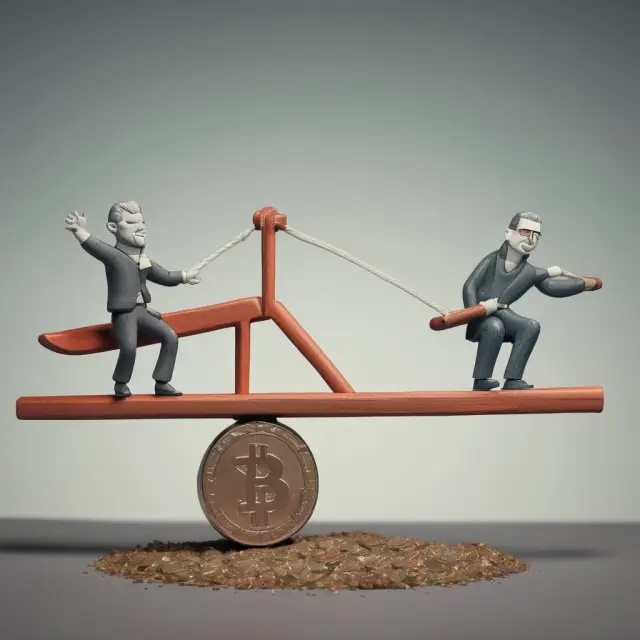
Advantages and Disadvantages of Tomorrow Next (Tom Next) Transactions
Tom next transactions offer significant benefits for traders and investors in the forex and commodities markets, including:
1. Flexibility: By rolling over a currency position to the following business day with a tom-next transaction, traders and investors can maintain their exposure to the market without having to worry about taking physical delivery. This flexibility is crucial for those who wish to keep their positions open for extended periods or are engaged in hedging strategies.
2. Interest Rate Differentials: The interest rate differential between two currencies plays a significant role in tom-next transactions. In situations where one currency has a higher yield than the other, traders can take advantage of this difference by earning more on their positions while waiting for favorable market conditions to exit or enter new trades.
3. Cost of Carry: The cost of carry refers to the cost associated with holding an asset over time, such as storage and financing costs. In the context of tom-next transactions, the interest rate differential covers these costs. For example, a trader holding a high-yielding currency would roll it over at a more favorable rate due to the interest rate differential.
4. Avoiding Physical Delivery: Tomorrow next transactions enable traders and investors to avoid taking physical delivery of the underlying commodity or currency. This is particularly important in commodities markets, where holding the actual commodity can lead to significant storage costs or logistical challenges.
However, there are also potential drawbacks associated with tom-next transactions:
1. Counterparty Risk: As in any financial transaction, counterparty risk plays a role in tom-next trades. When entering into a tom-next agreement, both parties agree to exchange currencies at a future date. If one party fails to meet their obligations, the other may suffer losses.
2. Lack of Standardization: There is no standardized contract for tom-next transactions, which can make it difficult for traders and investors to compare terms and negotiate favorable rates with counterparties. This lack of standardization can lead to potential discrepancies and miscommunications between parties.
3. Increased Complexity: Tomorrow next transactions involve more steps than traditional forex trades, which can increase the complexity for traders and investors. This may require additional resources and expertise in order to execute these transactions effectively.
4. Market Volatility: The potential for market volatility can impact tom-next transactions, particularly those involving commodities. Large price movements can significantly alter the cost of carry, making it important for traders and investors to closely monitor market conditions when engaging in these trades.

Common Misconceptions About Tomorrow Next (Tom Next) Transactions
Tomorrow next, or tom next for short, is a term that often confuses those unfamiliar with forex and commodities trading. Many newcomers believe it to be an exotic derivative product or a complex transaction type that only seasoned professionals can execute. However, the reality couldn’t be further from the truth: Tomorrow Next is simply a method to maintain open positions without taking physical delivery.
Tom next transactions are especially important in forex and commodities markets. In both cases, traders can avoid being forced into taking delivery of currencies or underlying commodities by rolling over their positions for a short period of time. This article aims to dispel common misconceptions surrounding tom-next transactions.
Misconception 1: Tomorrow Next Transactions are Derivatives
Many individuals mistakenly think that tom-next transactions involve trading derivatives like options, futures or swaps. In reality, these trades represent an FX swap between two parties for a short period of time, usually just one business day. During this transaction, one party borrows the currency from another while simultaneously selling and buying it back on the following day. The primary reason for this exchange is to keep their open position in place without having to take physical delivery.
Misconception 2: Tomorrow Next Transactions Require Advanced Knowledge
Tom next transactions might sound complex, but they’re actually quite simple once you understand the basics. Traders execute these types of deals through dealers in the interbank market or their broker’s forex or STIR (Short-Term Interest Rate) trading desk. The trader specifies the swap rate for the transaction and rolls over their position to the next business day, thus extending it for a short period.
Misconception 3: Tomorrow Next Transactions are High-Risk
A common misconception is that tom-next transactions carry significant risks, especially for new traders. However, they’re actually quite low risk if executed correctly and understood properly. By using an FX swap, a trader can effectively maintain their position without having to worry about the underlying currency or commodity. As long as the trader understands the interest rate differential, also known as the cost of carry, they should be able to execute tom-next transactions with ease.
In conclusion, tomorrow next transactions are an essential part of forex and commodities trading that help traders maintain open positions without taking delivery. They’re not complex derivative products or high-risk transactions; instead, they’re a simple FX swap executed by traders through their broker or in the interbank market. By understanding this fundamental concept, traders can make more informed decisions, execute trades with confidence, and effectively manage their positions in the ever-changing financial markets.

FAQ on Tomorrow Next (Tom Next) Transactions
What sets tomorrow next transactions apart from forward contracts?
The primary difference between a tom-next transaction and a forward contract lies in the length of their tenure. Tomorrow next trades are executed over two consecutive business days, while forward contracts span several days or months. Both instruments serve the purpose of offsetting risk by establishing a future exchange rate; however, the specifics and intricacies vary.
Is a tom-next transaction considered a derivative product?
Yes, a tom-next transaction can be categorized as a type of currency derivative, specifically an FX swap. This derivative product is used to mitigate interest rate risk by swapping the principal amount and the difference in interest accrued between two currencies for a predefined period.
How does a tom-next transaction impact my trading strategy?
Tomorrow next transactions offer several benefits for traders, including:
- Flexibility: Tom-next trades allow you to maintain your position while avoiding physical delivery requirements and interest rate exposures.
- Cost savings: You can potentially save money through favorable interest rate differentials in high-yielding currencies.
- Market neutrality: This transaction enables traders to hedge against short-term interest rate movements between two currencies.
- Convenience: Tomorrow next transactions simplify the process of extending your position, allowing for quicker trade execution and less administrative hassle compared to forward contracts.
- Efficient risk management: By employing tom-next trades as part of a larger trading strategy, you can effectively manage currency risk while optimizing returns.
How do I execute a tom-next transaction?
To execute a tom-next transaction, follow these steps:
- Identify your position: Evaluate your existing currency holdings and determine if it’s suitable for a rollover.
- Contact your broker: Connect with your forex or STIR desk to discuss the specifics of your tom-next transaction, such as the currencies involved and the swap rate.
- Specify the swap rate: Set the exchange rate that you want to use for the new position based on prevailing market conditions and interest rates.
By understanding tomorrow next transactions and their implications, traders can navigate currency markets more effectively and make informed decisions that contribute to successful investment outcomes.
 Next entry · No. 4,995The Curious History and Modern Revival of Tontines: A 500-Year Old Capital Raising System
See also
-
 No. 5,893
16 Oct 2025
21 min
Understanding Zero-Coupon Convertibles: Marrying Zero-Coupons and Convertibles
Finance Policy
No. 5,893
16 Oct 2025
21 min
Understanding Zero-Coupon Convertibles: Marrying Zero-Coupons and Convertibles
Finance Policy -
 No. 5,522
16 Sep 2025
20 min
Understanding Volatility Swaps: A Pure Play on Asset Volatility
Finance Policy
No. 5,522
16 Sep 2025
20 min
Understanding Volatility Swaps: A Pure Play on Asset Volatility
Finance Policy -
 No. 5,191
19 Aug 2025
20 min
Understanding the Role of Underlying Securities in Derivatives
Finance Policy
No. 5,191
19 Aug 2025
20 min
Understanding the Role of Underlying Securities in Derivatives
Finance Policy -
 No. 4,831
20 Jul 2025
21 min
Understanding Synthetic Positions and Products in Finance: Simulating Gains, Mitigating Risk
Business Finance
No. 4,831
20 Jul 2025
21 min
Understanding Synthetic Positions and Products in Finance: Simulating Gains, Mitigating Risk
Business Finance -
 No. 4,712
11 Jul 2025
21 min
Understanding Speculation: Separating the Line between Investment and Risk
Finance Policy
No. 4,712
11 Jul 2025
21 min
Understanding Speculation: Separating the Line between Investment and Risk
Finance Policy -
 No. 4,646
05 Jul 2025
23 min
Understanding Short Calls: A Bearish Options Trading Strategy
Finance Policy
No. 4,646
05 Jul 2025
23 min
Understanding Short Calls: A Bearish Options Trading Strategy
Finance Policy