Understanding Vis Major: An Overview of Superior Forces and Their Impact on Contracts and Insurance
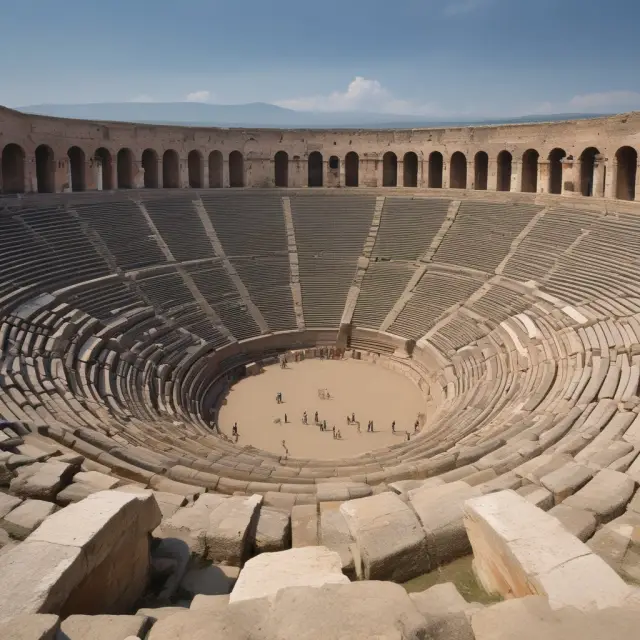
Understanding Vis Major: Learn about superior forces' impact on contracts & insurance, definitions, types & coverage.
Introduction to Vis Major
Vis major is a Latin term that holds significant importance in contracts and insurance, representing an irresistible natural force beyond human control. This term has its origins rooted in Roman law and translates directly to “greater power.” In modern contractual agreements, vis major is frequently invoked as a clause to protect both parties from liability when unexpected, uncontrollable events occur. Acts of nature such as hurricanes, tornadoes, floods, and earthquakes are quintessential examples of vis major events. Additionally, in some instances, human actions like wars or riots can also be considered under this term, depending on the jurisdiction.
Understanding Vis Major: Definition and Significance
Vis major, a Latin phrase, signifies “superior force” or an unavoidable event that neither party involved could have prevented, despite their utmost care and diligence. When such events disrupt contractual obligations or cause damage, the contracting parties may be released from liabilities due to vis major’s application. By recognizing the presence of this superior force, contracts can avoid assigning blame or fault when it comes to nonperformance during unpredictable circumstances.
Vis Major in Contracts
In a commercial context, vis major is frequently incorporated into contracts as a clause that alleviates both parties from liability for any contractual obligations not fulfilled due to events beyond their control. This relief extends to third-party actions such as failure by a supplier or subcontractor to perform under their respective obligations.
Varieties of Vis Major Events
The umbrella term vis major encompasses numerous natural disasters and other unforeseen circumstances. Some common examples include:
– Hurricanes, typhoons, and cyclones
– Tornadoes, thunderstorms, and hailstorms
– Floods, tsunamis, and landslides
– Earthquakes, volcanic eruptions, and blizzards
– Wars, riots, strikes, and terrorist attacks
In essence, vis major is a category of events that neither party involved could have anticipated or prevented, and the consequences of which are unavoidable.
Vis Major vs Insurance Coverage
When it comes to insurance, understanding the relationship between vis major and coverage can be crucial for policyholders. While most insurance policies may exclude coverage for damages arising from vis major events like hurricanes, tornadoes, earthquakes, or floods, a separate, specialized policy for these occurrences is available in some cases.
The significance of vis major in the context of contracts and insurance highlights the importance of comprehensively reviewing the terms and conditions of agreements and policies to ensure that all contingencies are adequately addressed and protected.

What Is Vis Major?
Vis major, derived from Latin, translates to ‘superior force’ or an ‘overwhelming power.’ It is a term used in contracts and insurance to denote irresistible natural occurrences that cause damage or disruption beyond human control. Synonyms for vis major include ‘act of God,’ ‘natural disaster,’ and ‘force majeure.’ Examples encompass hurricanes, tornadoes, floods, earthquakes, war, riots, and strikes. Vis major serves to protect contracting parties from liability and nonperformance when events beyond their control materialize, even with the utmost caution and care.
Vis Major in Contract Law:
Contractual clauses known as vis major clauses or force majeure clauses safeguard parties when they encounter unforeseen circumstances that are beyond their influence. These situations can prevent one or both parties from fulfilling contractual obligations. The invocation of a vis major clause can halt performance temporarily and allow affected parties to regroup without being held liable for breach of contract.
Understanding the Variety of Vis Major Events:
Vis major is a diverse category that includes natural occurrences, such as tornadoes, hurricanes, earthquakes, and volcanic eruptions, along with human-induced events like strikes, war, or riots. Insurers and contracting parties must carefully evaluate whether specific risks fall under the umbrella term vis major to determine coverage and potential liability.
Impact on Insurance Coverage:
Vis major is a common exclusion in insurance contracts that provide protection against property damage and loss. When insurers issue policies, they often exclude coverage for damages resulting from events categorized as acts of God or natural disasters. Vis major is typically not included in standard policies unless the policyholder specifically requests it and pays an additional premium.
In contrast to common misconceptions, insurance companies are not obligated to provide coverage for damages caused by vis major incidents even if a policy exists. Instead, policyholders are left to bear the costs of repair or replacement themselves, despite having insurance coverage in place.
The Importance of Understanding Vis Major:
Gaining an understanding of what falls under the umbrella term vis major is essential for both contracting parties and insurers to mitigate potential losses and liabilities. By comprehending this concept, they can effectively manage their risks and develop strategies to deal with unforeseen circumstances when they arise.

Vis Major in Contracts
The concept of vis major has significant implications for contracts, influencing their structure and the liability of contracting parties when faced with events that are beyond their control. In a contractual context, vis major refers to an unforeseeable event that makes it impossible for one or both parties to fulfill their obligations under the agreement.
The presence of vis major clauses in contracts can exempt the involved parties from liability and the obligation to deliver on their commitments during the duration of the event. While these clauses can provide relief, they may also create ambiguity as there are various interpretations regarding what constitutes a valid vis major event. This uncertainty makes it crucial for contracting parties to understand the implications of vis major in their agreements and assess the potential risks and remedies.
When evaluating contracts involving vis major, it’s essential to consider that these clauses apply to events that cannot be anticipated or prevented by exercising due diligence, skill, care, or prudence. Common examples include natural disasters like hurricanes, tornadoes, earthquakes, and floods. However, events caused by human error or malfeasance do not fall under the definition of vis major and are generally excluded from its coverage.
Insurance policies may cover certain types of damages resulting from vis major events. The specific terms and conditions depend on the policy, so it’s crucial for individuals and organizations to thoroughly review their insurance contracts before engaging in any activities that may be susceptible to such risks.
The significance of vis major clauses extends beyond individual contracts as they are commonly included in commercial agreements, particularly those involving multiple parties. In these cases, vis major can affect the entire supply chain, potentially disrupting critical business processes and causing significant financial consequences. The impact of vis major events on contracts can lead to disputes and the need for legal remedies, emphasizing the importance of a clear understanding of this concept in contract drafting, negotiation, and execution.

Types of Vis Major Events
Vis major events can significantly impact contracts and insurance coverage. Understanding various types of occurrences that fall under this category is crucial for effectively managing risk and ensuring proper protection. Here are some common examples of vis major events, also known as acts of God or natural disasters:
- Hurricanes: A large storm system characterized by heavy rainfall and destructive winds.
- Tornadoes: Rapidly rotating columns of air extending from the base of a thunderstorm to the ground, resulting in extensive wind damage and potential destruction.
- Floods: An overflow of water that submerges land or property, often due to heavy rainfall, storm surges, or the failure of a dam or levee.
- Earthquakes: A seismic event causing the ground to shake and potentially resulting in significant structural damage.
- Volcanic eruptions: The sudden release of molten rock, ash, and gas from a volcano, which can cause widespread destruction through pyroclastic flows, lava flows, and lahars (volcanic mudflows).
- Lightning strikes: An electrical discharge between the ground and a cloud, or within a cloud, producing intense heat, bright light, and potentially damaging impacts.
- Tsunamis: A series of large ocean waves caused by a seismic event or volcanic eruption, which can lead to significant destruction upon reaching shore.
- Winter storms: Severe weather events characterized by heavy snowfall, ice storms, blizzards, and extreme cold temperatures, potentially leading to power outages, transportation disruptions, and property damage.
- Meteorite impacts: The collision of a meteoroid (a small rock or particle from space) with the Earth’s surface, which can cause significant damage depending on its size and composition.
- Solar flares: Intense bursts of energy released from the Sun that can impact communication systems and power grids on Earth through electromagnetic interference.
Understanding the various types of vis major events helps individuals and organizations assess their risk exposure and take appropriate measures to mitigate potential damage. Proper planning, such as securing insurance coverage or establishing contingency plans, can significantly minimize the impact of unforeseen natural occurrences on businesses and communities.

Vis Major vs. Insurance Coverage
Understanding whether or not vis major is covered under an insurance contract can be crucial. Vis major refers to superior forces such as natural disasters that cause damage or disruption and are beyond human control, regardless of how much care or diligence is exercised. Examples include hurricanes, tornadoes, earthquakes, floods, war, riots, or strikes (collectively called acts of God). In many insurance policies, these events may not be covered, leaving the policyholder responsible for the costs of repairing or replacing damaged property.
However, there are also specialized insurance policies designed to provide coverage specifically for vis major events. These policies typically come with additional premiums and can include riders that extend coverage beyond standard insurance offerings. For instance, a homeowner’s insurance policy may exclude damage caused by flooding, but a separate flood insurance policy could be purchased to cover potential losses due to such an event.
It is vital for property owners to carefully review their policies to determine what types of coverage they have and to what extent damages resulting from vis major will be covered. Failure to do so could result in significant financial consequences if an unexpected natural disaster occurs, leaving the policyholder liable for costs that insurance may not cover.
The interpretation of which events qualify as acts of God can vary depending on jurisdictional laws and contractual agreements. For instance, some contracts might consider war or riots as falling under vis major, while others do not. Additionally, a finding that an event was caused by vis major could potentially absolve a defendant from liability in a lawsuit, further emphasizing the importance of understanding these events and their potential impact on insurance coverage.
In summary, vis major refers to superior forces beyond human control that cause damage or disruption. While some standard insurance policies may exclude coverage for such events, specialized policies can be purchased to mitigate the financial risks associated with them. Careful review of policies is necessary to ensure adequate protection from the potential financial consequences of unexpected natural disasters.

Specializing in Vis Major Coverage
While many insurance policies exclude coverage for damages resulting from vis major events such as hurricanes, tornadoes, and earthquakes, some insurance companies offer specialized coverage for such occurrences. This can be crucial for those living or operating businesses in areas prone to natural disasters or other unforeseen events. A separate policy or rider can provide protection against the financial impact of damage caused by vis major events, alleviating the burden on property owners and businesses. These specialized policies, however, come with higher premiums due to the increased risk involved. Insurers may offer such coverage for relatively reasonable rates in areas where the likelihood of an act like a flood or earthquake is unlikely, ensuring that policyholders are protected even in the face of the most catastrophic events.
Vis Major Coverage and Automobile Insurance
Even automobile insurance policies can include protection against certain vis major events, with comprehensive coverage often extending to cover damages resulting from falling trees, collisions with large animals such as moose or deer, or other acts beyond a driver’s control. When filing a claim with their insurer, policyholders can be assured that they will receive financial assistance for the cost of repairs or replacement, providing a sense of security and peace of mind.
Insurers and Vis Major Coverage
When purchasing insurance coverage, it is essential to understand whether or not vis major events are included in the policy. By evaluating the specific terms and conditions outlined by insurers, individuals and businesses can ensure that they are adequately protected against potential risks and financial losses due to unforeseen circumstances. Insurers may provide coverage for various vis major events depending on the location of the property or business in question, making it crucial for policyholders to consult their insurance providers for more information about the extent of their protection.
Vis Major Coverage: A Wise Investment
The financial implications of vis major events can be substantial, and the potential losses may be overwhelming for individuals and businesses alike. By investing in specialized coverage designed specifically to address these risks, policyholders can mitigate the financial burden associated with damages caused by hurricanes, tornadoes, earthquakes, or other unforeseen circumstances. Though the premiums for such coverage may be higher than those for more standard policies, the peace of mind and financial protection provided by vis major coverage make it a wise investment for anyone seeking to safeguard their assets against potential risks.
In conclusion, vis major is an important concept in insurance and contract law that describes events beyond human control causing damage or disruption. Insurers may provide coverage for vis major events as part of standard policies or through specialized riders and separate policies. By understanding the role and significance of vis major in the context of insurance, property owners and businesses can make informed decisions about their coverage options and safeguard themselves against potential financial losses due to unforeseen circumstances.

Vis Major vs. Negligence and Malfeasance
When discussing vis major, it’s crucial to clarify its distinction from human error or intentional misconduct, also known as negligence or malfeasance. Vis major, which means superior force, refers to events that are unforeseeable and beyond human control. Negligence, on the other hand, is the failure to use reasonable care in the performance of a duty. Malfeasance denotes intentional wrongdoing.
While vis major events such as natural disasters or acts of nature are beyond our influence, negligence occurs when someone fails to act appropriately under the circumstances to prevent an unwanted outcome. For example, if a company does not maintain adequate security measures and its property is damaged due to theft, that can be considered an instance of negligence.
The significance of understanding this difference lies in insurance coverage. Insurers typically do not cover damages resulting from human error or intentional actions, but they may provide coverage for vis major events as outlined in the policy terms and conditions.
It is essential to analyze your contractual obligations carefully to determine whether an event falls under the category of vis major or negligence/malfeasance. Vis major typically involves external forces beyond our control, such as hurricanes, tornadoes, floods, or earthquakes. Negligence, however, usually pertains to situations where parties fail to act responsibly or in accordance with their duty of care, resulting in damage, loss, or harm to themselves or others.
In the realm of business contracts, understanding this distinction is essential for mitigating potential risks and managing financial implications effectively. By examining specific scenarios, it becomes clear that vis major events are inherently different from human errors and intentional wrongdoing, with far-reaching consequences for various industries, from construction to transportation to insurance.
In conclusion, being aware of the differences between vis major, negligence, and malfeasance is essential when dealing with contracts and insurance policies. While vis major refers to unforeseeable and uncontrollable events, negligence involves a failure to exercise due care, and malfeasance involves intentional wrongdoing. This knowledge enables individuals and businesses to navigate various obligations more effectively and mitigate risks associated with contractual agreements.

Impact on Insurance Rates for Vis Major Coverage
Having a clear understanding of vis major and its potential impact can save you money and mitigate risk when it comes to insurance coverage. Although many natural disasters and acts of God are beyond our control, some forms of insurance may offer protection from their damaging consequences. However, this coverage often comes with an added cost in the form of increased premiums or deductibles.
Vis Major Insurance Rates
When purchasing an insurance policy, it is essential to be aware that certain risks fall under the vis major umbrella, resulting in higher rates for coverage. Insurance companies calculate their risk exposure by analyzing statistical data and historical occurrences of events, such as hurricanes, tornadoes, earthquakes, and floods. Based on this assessment, they determine the likelihood and potential financial impact of an insured event and set premiums accordingly. For instance, areas prone to frequent hurricanes or earthquakes will generally have higher insurance rates compared to regions with a lower risk profile.
Why Pay More for Vis Major Coverage?
Some individuals may wonder why they should pay more for coverage that is beyond their control. While it may seem unfair, the reality is that insurers must maintain financial solvency and be able to fulfill their obligations to policyholders in the event of a claim. By factoring in the increased risk associated with vis major events, insurers can adjust premiums and maintain a balanced portfolio of risks. Moreover, by providing coverage for unforeseen circumstances, insurance companies enable individuals and businesses to manage financial risks more effectively, allowing them to focus on their core operations or personal goals without worrying about catastrophic losses.
Separate Policies for Vis Major Coverage
In some cases, insurers offer separate policies or riders specifically designed to cover damages caused by vis major events. These specialized insurance products cater to individuals and businesses that require additional protection beyond standard coverage. Although they may come with higher premiums, these policies can provide peace of mind, especially for those living in areas prone to natural disasters. It is essential to carefully consider the potential risks and evaluate the added cost against the benefits of having comprehensive coverage for vis major events.
Conclusion:
Understanding the concept of vis major is crucial when dealing with contracts and insurance. This Latin term refers to a superior force beyond human control, which can result in significant financial losses or contractual issues. While it may be impossible to prevent these events from happening, being informed about their impact on insurance rates and coverage can help you make more informed decisions and protect yourself financially. By considering the various aspects of vis major, you’ll be better prepared for potential risks and able to navigate the complexities of contracts and insurance policies with confidence.

Vis Major in Different Jurisdictions
Jurisdiction plays an essential role when interpreting and applying vis major events in contracts and insurance policies. Vis major clauses can differ significantly depending on the legal system governing the contract. This section delves into the variations and implications of vis major across jurisdictions, with a specific focus on common law and civil law systems.
Common Law Jurisdiction
In common law jurisdictions, such as the United States, Canada, and England, courts typically take a broad view when defining what constitutes a vis major event. This approach reflects the legal principle “the anticipation of every contingency would require an impractically long and detailed contract.” As such, under common law, vis major events are generally categorized as exceptional, unforeseeable, and beyond human control—examples being natural disasters like earthquakes, hurricanes, tornadoes, floods, or war.
Civil Law Jurisdiction
In contrast, civil law jurisdictions follow a more rigid and comprehensive approach to defining vis major events. In civil law systems, vis major is considered any unforeseeable event that prevents the obligor from performing their obligations, as long as it is outside of their control. This definition may include both natural disasters and human actions. However, it’s essential to note that each jurisdiction within this category can have variations and nuances when interpreting what constitutes vis major.
The Impact on Insurance
As mentioned earlier, insurance policies may or may not cover damages caused by events considered vis major in a contract. The same applies to different jurisdictions. In some areas, such as the United States and Canada, insurers are usually more willing to provide coverage for vis major events, even if they occur frequently. However, in civil law systems like France or Germany, insurance companies may be less inclined to offer coverage, given their narrow definition of vis major and the high potential for losses due to frequent exposure to certain risks.
In conclusion, understanding how jurisdiction impacts vis major can help parties involved in contracts and insurance policies make more informed decisions regarding risk management, coverage, and potential liabilities.

Conclusion and Key Takeaways
Understanding vis major is crucial when dealing with contracts and insurance matters. Vis major, also known as an act of God or force majeure, represents an unforeseen and unpreventable natural occurrence that cannot be controlled by humans even with the utmost care and diligence. Examples include hurricanes, tornadoes, floods, earthquakes, wars, riots, or strikes.
Vis major is a common concept in contractual agreements, which exempt parties from fulfilling their obligations due to factors beyond their control. A vis major event can result in the suspension of performance if it has a finite duration and does not permanently affect the ability to deliver on the contract. In contrast, normal seasonal rainfall or expected natural events would not be considered a vis major event.
Insurance policies may or may not cover damages resulting from vis major events, so it’s essential for policyholders to thoroughly review their coverage to understand what is and isn’t included. If desired, specialized coverage can be purchased for events that fall under the vis major umbrella; however, it usually comes with a higher premium due to the infrequency of such occurrences.
The concept of vis major plays an important role in various aspects of life, including contracts and insurance. Recognizing its significance and understanding how it applies can save individuals and businesses from unexpected financial burdens. Key takeaways include:
– Vis major refers to a superior force beyond human control that causes damage or disruption, such as hurricanes, tornadoes, floods, earthquakes, wars, riots, or strikes.
– Events not covered by vis major include negligence and malfeasance, along with normal or expected natural occurrences.
– Contractual clauses may invoke vis major to excuse parties from fulfilling obligations due to unforeseen circumstances beyond their control.
– Insurance policies might cover or exclude damages related to events classified as vis major; reviewing insurance coverage is essential to know what’s included and what isn’t.
– Specialized coverage can be purchased for events that fall under the vis major umbrella, but it usually comes at a higher premium.

FAQs about Vis Major
What exactly is vis major?
Vis major, also known as an act of God, force majeure, or superior force, refers to unforeseen and irresistible natural occurrences that cause damage or disruption beyond the control of humans. Examples include hurricanes, tornadoes, earthquakes, and floods. These events are typically not covered under standard insurance contracts due to their inherent unpredictability.
Is vis major an event that excuses contractual obligations?
Yes, in many cases a force majeure clause may be invoked when vis major occurs, releasing both parties from their obligations under a contract. However, the specifics of these clauses can vary greatly depending on the jurisdiction and terms agreed upon by the contracting parties.
Can vis major events affect insurance coverage?
Yes, they can. Whether or not an insurance policy covers damages resulting from vis major depends on the specifics of the policy. Some policies may exclude coverage for such events while others offer additional coverage through a rider or separate policy. It is essential to read and understand the terms of one’s insurance policy carefully to determine what is covered and what is not.
What types of events are typically considered vis major?
Vis major includes natural disasters like hurricanes, tornadoes, earthquakes, and floods that cannot be anticipated or prevented by human beings, even when exercising the utmost care, diligence, or prudence. In some cases, wars, riots, or strikes may also fall under the definition of vis major depending on the jurisdiction.
Are human actions covered under vis major?
No, vis major refers specifically to natural occurrences beyond human control. Events resulting from negligence, malfeasance, or intentional actions are not typically considered vis major.
How can I determine if my insurance covers damages caused by vis major?
To understand what is covered under your insurance policy regarding vis major, carefully read and review the terms of your policy. Be sure to pay close attention to any exclusions or limitations related to force majeure events. If you have questions about specific coverage, consult with your insurance provider for clarification.
What are the consequences if a contract includes a force majeure clause that does not cover vis major?
In such cases, parties may still be liable for damages or other obligations under the contract. It’s always advisable to have a thorough understanding of the specific terms in any contract you enter into and consider seeking legal advice if necessary.
 Next entry · No. 5,505Understanding Visa Cards: Types, Features and Services
See also
-
 No. 1,329
31 Aug 2024
19 min
Understanding Errors and Omissions (E&O) Insurance: What it is and Who Needs it
Insurance
No. 1,329
31 Aug 2024
19 min
Understanding Errors and Omissions (E&O) Insurance: What it is and Who Needs it
Insurance -
 No. 2,357
30 Dec 2024
19 min
Understanding Indemnity: Its Meaning, How It Works and Common Forms
Business Finance
No. 2,357
30 Dec 2024
19 min
Understanding Indemnity: Its Meaning, How It Works and Common Forms
Business Finance -
 No. 5,607
23 Sep 2025
22 min
Understanding Warehouse-to-Warehouse Clauses in Insurance Policies: Protecting Goods from Warehouse to Destination
Insurance
No. 5,607
23 Sep 2025
22 min
Understanding Warehouse-to-Warehouse Clauses in Insurance Policies: Protecting Goods from Warehouse to Destination
Insurance -
 No. 5,207
20 Aug 2025
18 min
Navigating the Underwriting Cycle in Insurance: A Comprehensive Guide for Investors
Insurance
No. 5,207
20 Aug 2025
18 min
Navigating the Underwriting Cycle in Insurance: A Comprehensive Guide for Investors
Insurance -
 No. 5,123
13 Aug 2025
22 min
Uberrimae Fidei Contracts: The Principle of Utmost Good Faith in Insurance
Insurance
No. 5,123
13 Aug 2025
22 min
Uberrimae Fidei Contracts: The Principle of Utmost Good Faith in Insurance
Insurance -
 No. 4,794
17 Jul 2025
24 min
Understanding Subrogation: A Legal Right for Insurance Companies
Insurance
No. 4,794
17 Jul 2025
24 min
Understanding Subrogation: A Legal Right for Insurance Companies
Insurance