Understanding Warehouse-to-Warehouse Clauses in Insurance Policies: Protecting Goods from Warehouse to Destination
Explore the importance of Warehouse-to-Warehouse clauses in insurance policies, their benefits, types, history, real-world examples, terms, exclusions & FAQs.
Definition of a Warehouse-to-Warehouse Clause
A warehouse-to-warehouse clause is an essential provision in insurance policies that covers the risk of loss or damage to cargo during transit from one warehouse to another. This type of coverage is commonly found in commercial shipping and logistics industries, where goods are often moved between different locations for storage, processing, or distribution. By understanding the definition and purpose of a warehouse-to-warehouse clause, businesses can protect their valuable inventory and mitigate potential risks during transportation.
Warehouse-to-Warehouse Clause: A Key Provision in Commercial Insurance Policies
A warehouse-to-warehouse clause is an essential component of commercial insurance policies that protect businesses against the risk of loss or damage to cargo while it’s being transported between two warehouses. This provision is vital for companies that frequently move goods from one location to another, as it provides coverage during the critical transitional phase from one warehouse to another.
The Importance of Warehouse-to-Warehouse Clauses in Commercial Shipping
Warehouse-to-warehouse clauses play a crucial role in commercial shipping by offering protection against losses or damages that might occur during transportation. For businesses heavily reliant on logistics and supply chain management, this coverage is indispensable as it ensures their inventory remains safe while being moved between warehouses.
Different Types of Insurance Policies Covering Goods in Transit
There are various types of insurance policies designed to cover goods during transportation. Depending on the specific needs and requirements of a business, they may choose different coverage options that best fit their operations. Some common examples include:
- Ocean Marine Cargo Insurance – This type of policy covers losses or damages incurred while transporting goods by sea. It offers comprehensive coverage for cargo during loading, transit, and unloading.
- Inland Marine Insurance – This type of insurance policy covers the transportation of goods over land, including coverage for warehouse-to-warehouse shipments.
- Aircraft Cargo Insurance – For businesses that frequently transport goods via air, this coverage offers protection against losses or damages during transit by aircraft.
The Role and Significance of Warehouse-to-Warehouse Clauses in Each Policy Type
Each type of insurance policy mentioned above may include a warehouse-to-warehouse clause to provide additional coverage for cargo during transportation. For instance, an Ocean Marine Cargo Insurance policy might have a warehouse-to-warehouse clause that covers losses or damages from the time the cargo leaves the origin warehouse until it arrives at the destination warehouse. Similarly, Inland Marine Insurance and Aircraft Cargo Insurance policies may also include this provision for comprehensive coverage during transportation.
Historical Context: Origins and Development of Warehouse-to-Warehouse Clauses
The history of warehouse-to-warehouse clauses dates back to the late 19th century, when maritime shipping was the primary mode of transporting goods between continents. Initially, insurance policies did not specify a time limit on sea passages or on the journey to the loading port. To encourage cargo owners to take delivery of their goods promptly, an imposed time limit after discharge was introduced. During World War II, initial time limits were found to be impractical and later extended to 60 days. Since then, insurance companies have developed more comprehensive offerings for commercial cargo insurance, providing uniformity in terms and conditions through Institute Cargo Clauses.
Warehouse-to-Warehouse Clause: A Real-World Example – Tire Manufacturing Company
A tire manufacturing company is an excellent example of a business that would benefit greatly from having warehouse-to-warehouse coverage. The company’s operations may involve shipping tires from their China manufacturing facilities to various buyers around the world, which necessitates extensive logistics and transportation management. With a warehouse-to-warehouse insurance policy, the company can ensure that their inventory is protected during transit between warehouses. This includes trucking from the manufacturer to the port, sea freight shipping, and train transport to the buyer’s warehouse.
Understanding the various types of insurance policies available for goods in transit, along with the significance of a warehouse-to-warehouse clause, empowers businesses to make informed decisions about which coverage best suits their needs. By protecting their inventory during transportation, they can mitigate risks and focus on running their core operations effectively and efficiently.

Why is a Warehouse-to-Warehouse Clause Important?
A crucial component for any commercial business that involves shipping goods from one warehouse to another is having adequate insurance coverage. A warehouse-to-warehouse clause is an essential provision found in such insurance policies that aims to protect against the risks of loss or damage during transit. In today’s complex and globalized economy, a warehouse-to-warehouse clause plays a vital role in managing risk and ensuring cargo security, making it crucial for businesses to understand its importance.
A warehouse-to-warehouse clause offers coverage to goods in transit between two warehouses, thereby safeguarding the value of merchandise during shipping. The clause covers risks that may arise during the transportation process, including theft or damage to goods due to various perils such as fire, water, collision, or pilferage. It’s important to note that separate coverage is needed for protecting goods before and after the transit period; warehouse-to-warehouse insurance only provides protection for the time when cargo is being transported.
For large manufacturers with extensive supply chains, having a well-structured insurance policy that includes this clause can significantly reduce risk and minimize losses, ultimately ensuring peace of mind and financial security. Consider the example of a tire manufacturing company that exports tires to buyers around the world. The company would partner with an insurer to provide commercial insurance coverage for its tires during transit from the Chinese factory warehouse to the buyers’ warehouses. By having a warehouse-to-warehouse clause in their policy, they can mitigate the risk of loss or damage to their merchandise while it is being shipped across different modes of transport – trucks, boats, and trains.
In practice, sellers often take responsibility for shipping costs and insurance coverage, as seen in this example. However, this may not always be the case, and the terms and conditions regarding insurance ownership can vary depending on commercial business partnerships. Regardless of who bears the cost of insurance, it’s essential to understand the importance of a warehouse-to-warehouse clause when negotiating contracts or reviewing existing ones.
The history of warehouse-to-warehouse clauses dates back to the late 19th century when land transport was the primary mode of transportation for goods. At that time, there were no time limits on sea passage or transit journeys to loading ports. To encourage prompt cargo delivery, a time limit was imposed after discharge. However, during the Second World War, initial time limits proved impractical and were later extended to 60 days. As commercial supply chains evolved and became more integrated with the insurance industry, standardized terms emerged to help establish consistency within insurance policies, including warehouse-to-warehouse clauses. Institute Cargo Clauses are a common example of these standardized terms, providing a framework for various classes of goods coverage and ensuring uniformity across different policies.
In summary, understanding the importance of a warehouse-to-warehouse clause is crucial for any commercial business involved in shipping goods from one warehouse to another. It helps protect against risks during transit, safeguards valuable merchandise, and ultimately provides financial security and peace of mind. By recognizing this essential provision’s significance, businesses can make informed decisions when negotiating contracts or reviewing insurance policies.
Types of Insurance Policies Covering Goods in Transit
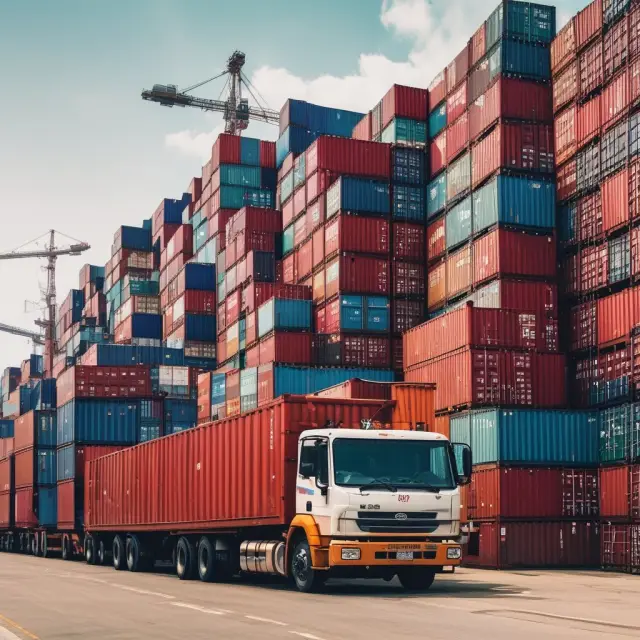
In the business world, it’s common for companies to produce goods in one location and distribute them to various buyers or customers located elsewhere. This process often involves transporting these goods through different modes of transportation—land, sea, and air—from the point of origin to their final destination. Protecting these goods from potential risks during transit is essential for businesses to ensure smooth supply chain operations and minimize financial losses due to damages or theft. Several types of insurance policies can be employed to cover goods in transit, with warehouse-to-warehouse clauses playing a significant role in certain policies.
First, it’s important to understand what warehouse-to-warehouse (WTW) clauses are. These clauses define the coverage period for cargo from one warehouse to another—from the moment it leaves the origin warehouse until it arrives at the destination warehouse. This insurance policy provision is particularly relevant to commercial businesses that transport large quantities of goods over long distances.
Now, let’s dive into the various types of insurance policies that can cover goods during transit:
1. Ocean marine insurance: As the name suggests, this type of insurance coverage primarily applies to goods being transported via sea or water. WTW clauses are typically included in ocean marine insurance policies to protect against risks such as collision, overturning, sinking, and other perils faced by cargo while at sea.
2. Inland marine insurance: This type of policy covers land-based transportation and storage risks. It is commonly used for goods that are not easily transported via ocean or truck, such as fine art, jewelry, and construction equipment. WTW clauses can also be included in inland marine insurance policies to provide coverage for goods while they’re being moved from one warehouse to another.
3. Air cargo insurance: As the name suggests, this type of policy is designed for goods that are transported through the air. It covers risks like loss, damage, or destruction due to aircraft accidents, theft, and other potential hazards during air transportation. WTW clauses can be incorporated into air cargo insurance policies to provide coverage from the origin airport to the destination airport.
4. Multimodal transport insurance: This type of comprehensive policy covers goods that are being transported using multiple modes of transportation—rail, sea, and road—during a single shipping transaction. WTW clauses can be included in multimodal transport insurance policies to ensure continuous coverage for cargo during each mode change.
5. Project cargo insurance: This type of specialized policy is designed for oversized or unusual cargo that requires unique handling and transportation methods. It covers risks associated with construction projects, engineering works, and other complex logistics operations. WTW clauses can be incorporated into project cargo insurance policies to ensure seamless coverage from the beginning to end of a project’s lifecycle.
In conclusion, warehouse-to-warehouse clauses play an essential role in various types of insurance policies designed to cover goods during transportation. These clauses help safeguard businesses against potential losses and damages that may occur while their cargo is being transported from one warehouse to another. Understanding the different types of policies available and how they apply to your specific business needs can help you make informed decisions about protecting your valuable assets and ensuring a successful supply chain operation.
History of Warehouse-to-Warehouse Clauses
The origin of warehouse-to-warehouse clauses can be traced back to the late 19th century when the need for insuring goods during transit became increasingly essential. These clauses emerged as a response to the challenges associated with transportation at that time, providing coverage from one warehouse to another until the goods reached their intended destination.
Initially, insurance policies covering land transport did not have specified time limits, which posed issues when it came to encouraging cargo owners to claim their goods promptly upon arrival. To address this issue, a time limit was imposed after discharge for an initial period of 30 days. However, during World War II, these early policies proved impractical and were extended to 60 days (Miller, 2012).
As the commercial insurance industry evolved, warehouse-to-warehouse clauses became more widely adopted and integrated into broader cargo insurance offerings. Institute Cargo Clauses emerged as a standardized set of terms that helped provide clarity for insurance policies involving transportation by land and sea. These classes of A, B, or C are widely used in the industry and are essential for understanding warehouse-to-warehouse clauses.
Institute Cargo Clauses include provisions related to insurance coverage from the time goods leave a specified warehouse until they reach a termination point such as delivery to a client, final warehouse, or place of storage at a specified destination. In certain instances, an alternative or secondary warehouse or place of storage may also be designated for this purpose (Institute Cargo Clauses, 2019).
By providing insurance coverage between warehouses, these clauses offer essential protection for businesses involved in the transportation and distribution of goods. The 60-day limit after completion of shipment is common but can vary depending on the specifics of each transaction (Miller, 2012). Understanding this historical context offers valuable insight into the importance and evolution of warehouse-to-warehouse clauses in commercial insurance policies.
Real World Example: Tire Manufacturing Company
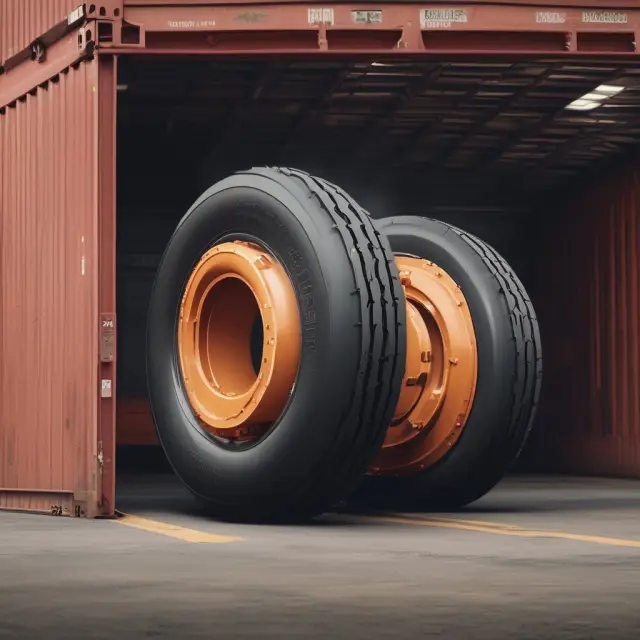
A tire manufacturing company relies on shipping its products efficiently and effectively to ensure business continuity. The company, based in China, exports tires worldwide to various customers. The importance of insurance coverage for the cargo during transit cannot be overstated, as a single loss can lead to significant financial consequences. A warehouse-to-warehouse clause plays a crucial role in protecting the company’s interests.
A warehouse-to-warehouse clause is an essential provision in shipping insurance policies. It covers goods from one warehouse to another during transit, ensuring protection against potential losses due to damage or theft. In this case study, we examine how the tire manufacturing company benefits from implementing a warehouse-to-warehouse clause in their commercial insurance policy.
The tire manufacturer’s supply chain involves various modes of transportation – trucking, shipping via container vessels, and rail transport. Each mode entails specific risks and requires tailored coverage to mitigate losses during transit. Warehouse-to-warehouse coverage provides peace of mind for the company by protecting their goods from theft or damage while in transit between warehouses.
The tire manufacturing company’s insurance policy covers cargo from the moment it leaves their origin warehouse until it reaches the destination warehouse. This comprehensive coverage ensures that any losses during transportation are covered, offering protection against potential financial losses due to damages or theft. In the context of the tire manufacturing company, the value of their cargo can be substantial, so having this level of coverage is crucial.
The company pays a premium for the insurance policy, which is relatively small compared to the cost of the goods being shipped. This cost-effective solution allows the company to mitigate risks associated with shipping and protect its bottom line, while focusing on their core business activities – manufacturing tires. In this competitive industry, having reliable insurance coverage can be a significant differentiator for businesses, as it ensures that production schedules remain unaffected by unexpected losses during transportation.
In summary, the tire manufacturing company benefits from warehouse-to-warehouse coverage in several ways:
- Protection against damage or theft during transit between warehouses
- Cost-effective solution to mitigate risks associated with shipping cargo
- Enables uninterrupted business operations and supply chain continuity
- Provides peace of mind for the company knowing that their goods are covered throughout the entire transportation process
- Offers a competitive advantage in the marketplace by ensuring reliable insurance coverage for their customers.
By securing warehouse-to-warehouse coverage, the tire manufacturing company is able to protect its valuable cargo and maintain business continuity during the shipping process. This investment not only mitigates potential risks but also instills confidence in the company’s ability to meet customer demands effectively and efficiently.

Standardized Insurance Terms and Institute Cargo Clauses
Understanding insurance policies and clauses related to goods in transit is essential for businesses engaged in international commerce. The warehouse-to-warehouse clause, a key provision in many commercial shipping insurance policies, plays an essential role in protecting products while they are being shipped between warehouses. This section provides a deeper exploration of the term and its significance in the context of Institute Cargo Clauses.
A warehouse-to-warehouse clause is a critical addition to commercial insurance coverage for businesses that involve moving goods from one warehouse or location to another. It covers the cargo during the entire transit period, starting when it leaves the origin warehouse until it reaches the destination warehouse. Insurance policies without this provision might only offer coverage during certain stages of transportation or before/after the actual shipping process.
Institute Cargo Clauses are a standardized set of terms created by the Institute of London Underwriters to ensure uniformity and clarity in commercial insurance policy language related to goods in transit. Classes A, B, and C categorize various aspects of cargo coverage under these clauses. In particular, the warehouse-to-warehouse clause falls under class A for sea and inland waterways or class C for land transportation.
This standardization helps businesses and insurance companies better understand the scope of each policy and makes it easier to compare different insurance providers. The Institute Cargo Clauses provide a clear framework for determining coverage, including requirements tied to:
- Insurance attached from the time goods leave a specified warehouse until they are delivered or reach the destination warehouse.
- Alternative warehouses or secondary locations for storing the cargo if the primary warehouse is unavailable.
- A 60-day period after completion of shipment to account for undelivered cargo at a specified location or locations.
When reading insurance policies, it’s important to familiarize yourself with terms such as “warehouse” and “in transit.” A warehouse can refer to any facility used for storing goods, whether owned or rented by the business. In the context of this clause, a warehouse could be a storage facility at a port or an intermediate location along the transportation route.
In summary, understanding warehouse-to-warehouse clauses and their role within Institute Cargo Clauses is crucial for businesses dealing with international commerce and shipping goods from one location to another. Properly evaluating insurance coverage ensures that your business is adequately protected during each phase of the supply chain, giving you peace of mind and financial security.
Key Considerations for Obtaining Warehouse-to-Warehouse Insurance Coverage
Understanding warehouse-to-warehouse (WTW) clauses and their importance in insurance policies can be crucial for commercial businesses involved in shipping goods from one place to another. This section will discuss essential factors to consider when seeking warehouse-to-warehouse coverage.
1. Types of Goods Covered: Be aware of the specific types of goods your business is transporting, as certain commodities might require additional coverage or have unique risks. For instance, perishable goods such as food items or pharmaceuticals may need specialized handling and insurance policies to maintain their quality during transit.
2. Transit Risks: Identify potential transit risks associated with your industry or shipping routes. These can include theft, vandalism, accidental damage, or extreme weather conditions. Being informed about these risks will help you choose the right coverage level for your business.
3. Contractual Obligations: Understand any contractual obligations between you and your buyers or sellers regarding insurance responsibilities during the shipping process. Familiarize yourself with any relevant clauses in sales agreements that might impact your need for warehouse-to-warehouse coverage.
4. Policy Limits: Decide on appropriate policy limits based on the value of goods being shipped. Adequate coverage can protect your business against potential financial losses in case of damages or loss during transit.
5. Deductibles and Premiums: Consider the deductibles (the amount you pay out-of-pocket before insurance kicks in) and premiums associated with warehouse-to-warehouse policies. Balancing affordability and sufficient coverage can be crucial for long-term business planning.
6. Claims Process: Research the claims process and requirements of the insurer to ensure a smooth and efficient settlement process, should an unfortunate event occur during transit. Clear communication with your insurer is essential to minimize any delays in claim processing or potential disputes.
7. Policy Terms and Conditions: Carefully review and understand all terms, conditions, and exclusions outlined in the warehouse-to-warehouse clause of your insurance policy. This will help you avoid potential gaps in coverage and unexpected costs.
By considering these factors before seeking warehouse-to-warehouse insurance coverage, businesses can make informed decisions that effectively protect their goods from the moment they leave an origin warehouse until they reach their destination warehouse.
Comparison: Warehouse-to-Warehouse vs. All Risk Insurance Policies
When it comes to insuring commercial cargo during transportation, two primary types of insurance policies are commonly used: warehouse-to-warehouse (WTW) and all risk policies. Understanding the differences between these two options can be crucial for businesses looking to protect their goods as they travel from one location to another. In this section, we will delve deeper into each type of policy, examining their key features, benefits, and limitations.
Warehouse-to-Warehouse Insurance Policies: Defined and Explained
A warehouse-to-warehouse (WTW) insurance policy is a coverage option that protects goods from the moment they leave an origin warehouse until they reach their final destination warehouse. This type of insurance policy specifically addresses risks associated with the transportation process, ensuring that any losses or damages incurred during transit are covered.
The importance of WTW insurance lies in its ability to address a common pain point for commercial businesses: the potential for loss or damage during shipping. With warehouses acting as crucial points in the supply chain, insuring cargo between these locations can help minimize risk and provide peace of mind.
All Risk Insurance Policies: What Sets Them Apart?
An all-risk insurance policy, on the other hand, provides more extensive coverage by protecting against damages resulting from a wide range of perils. Unlike WTW policies that focus solely on risks incurred during transit, all risk policies cover losses caused by virtually any cause except those explicitly excluded.
While all risk policies offer comprehensive protection for goods, they typically come with higher premiums due to their broad coverage scope. These policies can be particularly appealing to businesses with valuable or unique cargo, as the peace of mind offered by a more extensive insurance policy may outweigh the added cost.
Understanding Key Differences: Comparing WTW and All Risk Policies
To further illustrate the differences between these two types of commercial shipping insurance policies, let’s take a closer look at their features, benefits, and limitations:
WTW Insurance Policy Features
– Covers losses or damages incurred during the transportation process from an origin warehouse to a destination warehouse
– Specifically designed for addressing risks associated with shipping and handling
– Premiums are generally lower than all risk policies due to limited coverage scope
All Risk Insurance Policy Features
– Comprehensively covers losses caused by virtually any peril, excluding those explicitly excluded in the policy
– Offers a more extensive level of protection for valuable or unique cargo
– Typically comes with higher premiums due to broader coverage scope
Making an Informed Decision: Which Insurance Policy Is Right for Your Business?
Choosing between warehouse-to-warehouse and all risk insurance policies ultimately depends on the specific needs of your business. Factors such as the nature of the goods being transported, their value, and the risks associated with different modes of transportation can influence your decision.
For example, a tire manufacturing company may find a WTW policy suitable for their needs due to the relatively low-risk nature of tires during shipping. On the other hand, an electronics manufacturer, dealing with high-value and fragile goods, might opt for the added security offered by an all risk policy.
When it comes to making an informed decision on insurance policies, consultation with a trusted insurance professional can be invaluable. Their expertise and understanding of your industry and supply chain risks can help guide you towards the policy best suited for your business needs.
In summary, both warehouse-to-warehouse and all risk insurance policies serve as essential tools for businesses looking to mitigate the risks associated with transporting goods from one location to another. Understanding the key differences between these two options can help you make an informed decision when choosing the coverage that best fits your specific requirements.
In the next section, we will discuss some of the most common exclusions found in warehouse-to-warehouse insurance policies and their potential impact on your coverage. Stay tuned!

Exclusions in a Warehouse-to-Warehouse Clause
A warehouse-to-warehouse clause is a crucial provision in insurance policies that covers cargo from one warehouse to another. However, it’s essential for policyholders to be aware of the exclusions contained within these clauses to fully understand their coverage. In this section, we will delve into some common exclusions found in warehouse-to-warehouse clauses and how they impact insurance coverage.
First, let’s clarify that not all warehouse-to-warehouse clauses are identical. Policy terms can vary significantly from one insurer to another, so it is vital for businesses to carefully review their specific policy documents. That being said, some common exclusions often include:
1. Consequential Damage: While a standard warehouse-to-warehouse clause may cover damages directly related to the transportation of goods, it may exclude coverage for consequential damage. Consequential damage refers to losses resulting from an event other than the primary loss – for instance, business interruption or lost profits due to delayed delivery. Insurers typically exclude this coverage as they consider the risks associated with assessing these losses too difficult and costly.
2. Wear and Tear: A warehouse-to-warehouse clause may not cover the wear and tear of goods that naturally occurs during transportation, particularly in industries like agriculture or construction where damages are commonplace. This is because the insurer deems such damages as expected and part of the business risk. Insurers usually provide separate coverage for wear and tear under different clauses.
3. Inherent Vice: An inherent vice exclusion denies coverage for losses due to natural deterioration or spontaneous combustion of goods during transportation, such as when transporting fruits or flammable materials. The reason behind this is that insurers consider these risks to be unavoidable and a part of the normal risks associated with shipping.
4. Nuclear Risks: A warehouse-to-warehouse clause may exclude coverage for damages resulting from nuclear accidents or contamination, which can be quite extensive in terms of property damage and liability. This exclusion is due to the high level of risk and uncertainty involved in dealing with such incidents.
5. War and Terrorism: In certain regions where war or terrorism risks are prevalent, a warehouse-to-warehouse clause may exclude coverage for damages resulting from these events. While insurers recognize the potential devastating impact such incidents can have on cargo and property, the unpredictability of such events makes them difficult to price and manage effectively.
6. Strikes or Civil Commotion: A warehouse-to-warehouse clause may not cover damages caused by strikes or civil commotion during transportation. This exclusion is often included in insurance policies due to the unpredictability and potential severity of these events, which can lead to significant disruptions to logistics networks and supply chains.
7. Quarantine Restrictions: In case of goods being subjected to quarantine restrictions or detention by customs during transportation, the insurer may not provide coverage for the losses resulting from these actions. This exclusion is due to the uncertainty surrounding the duration of such actions and the potential costs involved in resolving the issue.
In conclusion, a warehouse-to-warehouse clause plays a critical role in protecting cargo during transportation between warehouses. However, it’s essential for policyholders to be aware of common exclusions within these clauses to fully understand their coverage and potential gaps. By doing so, businesses can make informed decisions regarding the types of risks they are willing to self-insure and the appropriate level of insurance coverage needed to protect their assets during transit.
FAQs: Warehouse-to-Warehouse Insurance Policies
**What is a warehouse-to-warehouse clause?**
A warehouse-to-warehouse clause (WTW) is an insurance provision that covers the risks of shipping goods between two warehouses. The coverage typically starts from when cargo leaves an origin warehouse and continues until it arrives at the destination warehouse. WTW insurance policies provide protection against theft, loss, or damage during transit, safeguarding businesses’ inventory and financial interests.
**Why is a warehouse-to-warehouse clause important?**
WTW clauses are crucial for commercial businesses that frequently ship goods between locations, such as warehouses. These clauses help to mitigate the risks associated with the transportation of merchandise. By providing comprehensive coverage throughout the entire shipping process, businesses can protect their inventory and minimize potential financial losses from damage or theft.
**What types of insurance policies cover goods in transit?**
There are several types of insurance policies that can cover goods during transit, including:
- Warehouse-to-Warehouse Insurance
- Inland Marine Insurance
- Ocean Cargo Insurance
- Air Cargo Insurance
- Multi-Peril Policies
Each type of policy has its unique coverage scope and requirements. A warehouse-to-warehouse clause is a common feature in many of these policies.
**What is the origin of warehouse-to-warehouse clauses?**
The roots of warehouse-to-warehouse clauses can be traced back to the late 19th century, when warehouses were used as loading and unloading points for goods being transported via land. Since there was no specific time limit for sea passage or journey to the loading port, a time limit was imposed after discharge to encourage cargo owners to take delivery of their goods quickly. Over time, these early supply chain management practices evolved into standardized insurance offerings for commercial cargo transportation.
**What are the key considerations for obtaining warehouse-to-warehouse insurance coverage?**
When seeking warehouse-to-warehouse insurance coverage, businesses should keep in mind several factors:
- The type and value of the goods being shipped.
- The distance between the origin and destination warehouses.
- The method of transportation (rail, truck, air, or sea).
- Any additional coverage needs, such as customs clearance or excess weight.
- Compliance with industry regulations and insurance company requirements.
Understanding these factors can help businesses choose the most suitable warehouse-to-warehouse insurance policy for their specific shipping needs.
**How does a warehouse-to-warehouse clause differ from an all risk insurance policy?**
A warehouse-to-warehouse clause specifically covers cargo during transit, while an all risk insurance policy provides broader coverage that includes damage or loss due to various causes, both in transit and at origin and destination warehouses. A warehouse-to-warehouse clause can be considered a subset of an all risk insurance policy, focusing exclusively on the risks of shipping goods between two points.
**What are common exclusions in a warehouse-to-warehouse clause?**
Exclusions typically include:
- War and acts of terrorism
- Losses due to improperly packed or stowed cargo
- Natural disasters (e.g., floods, earthquakes)
- Radioactive contamination or ionizing radiation
- Intentional loss or damage
Understanding these exclusions is essential for businesses to determine the extent of their coverage and manage potential risks accordingly.
 Next entry · No. 5,608Understanding Warehouse Receipts in Commodity Futures Markets: An Essential Component of the Inventory Management Process
See also
-
 No. 5,504
14 Sep 2025
18 min
Understanding Vis Major: An Overview of Superior Forces and Their Impact on Contracts and Insurance
Insurance
No. 5,504
14 Sep 2025
18 min
Understanding Vis Major: An Overview of Superior Forces and Their Impact on Contracts and Insurance
Insurance -
 No. 5,489
13 Sep 2025
18 min
Viatical Settlements: Understanding the Risks and Rewards for Professional Investors
Insurance
No. 5,489
13 Sep 2025
18 min
Viatical Settlements: Understanding the Risks and Rewards for Professional Investors
Insurance -
 No. 4,475
21 Jun 2025
22 min
Understanding Insurance Riders: Enhancing Your Policy’s Coverage
Insurance
No. 4,475
21 Jun 2025
22 min
Understanding Insurance Riders: Enhancing Your Policy’s Coverage
Insurance -
 No. 3,963
11 May 2025
19 min
Understanding Personal Lines Insurance: A Comprehensive Overview
Insurance
No. 3,963
11 May 2025
19 min
Understanding Personal Lines Insurance: A Comprehensive Overview
Insurance -
 No. 3,864
02 May 2025
19 min
Understanding Over-Lines: Examining Insurance Companies’ Unusual Coverage
Insurance
No. 3,864
02 May 2025
19 min
Understanding Over-Lines: Examining Insurance Companies’ Unusual Coverage
Insurance -
 No. 1,329
31 Aug 2024
19 min
Understanding Errors and Omissions (E&O) Insurance: What it is and Who Needs it
Insurance
No. 1,329
31 Aug 2024
19 min
Understanding Errors and Omissions (E&O) Insurance: What it is and Who Needs it
Insurance