Understanding Warehouse Bonds: Protection for Storage Facility Clients
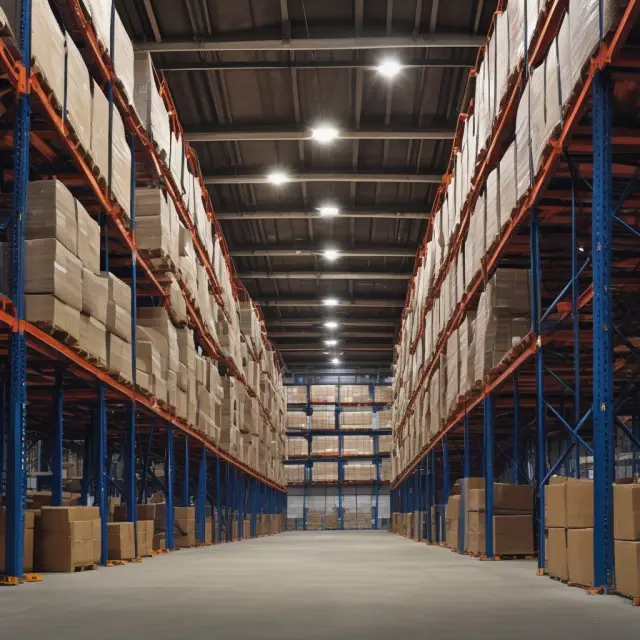
Understanding Warehouse Bonds: Protection for Storage Facility Clients explores types, parties involved, requirements, and claims.
Overview of Warehouse Bonds
A warehouse bond functions as a safety net for individuals or businesses that trust their goods to storage facilities. This type of bond ensures compensation for any losses resulting from the warehouse operator’s failure to adhere to the agreed terms within the contract. Essentially, a third-party surety company acts as an intermediary and will pay out damages to clients if the storage facility fails in its obligations.
Key Takeaways
- Warehouse bonds protect individuals or businesses from loss due to a warehouse operator’s failure to meet contract terms.
- If the warehouse owner breaches their agreement, the client is compensated by a third-party surety company.
- Common causes of warehouse bond claims include fire, theft, water damage, and other damages that occur during storage.
Understanding Warehouse Bonds
The bonding process for warehouse operators involves three key parties: the principal (the warehouse operator), the obligee (the state authority that provides licensing), and the surety company (the bond underwriter). Warehouse bond claims can result from various reasons, such as fire, theft, water damage, insufficient maintenance, or damages during handling. These bonds typically last for a year and need to be renewed annually.
Warehouse bonds are mandatory in several states for warehouse owners, aiming to ensure compliance with local laws and regulations governing the storage and handling of goods. Each state sets specific bond amount requirements based on factors like the number of warehouses owned and the value of the stored items. The cost of a warehouse bond may also depend on the applicant’s credit score and business finances.
For instance, Massachusetts mandates that all public warehouse owners secure a $10,000 surety bond for each warehouse, while New York requires a $5,000 bond amount. Depending on the type of warehouses, such as grain, eviction, or public warehouses, bond requirements may differ.
Special Considerations and Acts of God
There are limitations to recoveries in warehouse bond agreements, with certain exclusions applying to Acts of God. Although a warehouse operator cannot control natural disasters, they can be held liable for negligence if there is a warning of an impending loss that could have been prevented by taking appropriate measures. For instance, if a warehouse facility located near a flood-prone river fails to heed warnings and move cargo to higher ground or alternate locations during flooding, the operator may face potential liability for damages incurred.

Warehouse Bond Parties Involved
A warehouse bond is a crucial agreement between three primary entities: the warehouse owner (principal), the state authority that issues licenses and regulations (obligee), and the surety company (surety). As the principal, the storage facility operator must secure a bond to ensure compliance with state laws and regulations regarding the storage and handling of clients’ goods.
The obligee, or state authority, mandates the bond as a condition for licensing warehouse operations. This requirement ensures that warehouse owners provide adequate financial security for potential claims arising from breaches of their contractual obligations. The surety company acts as an intermediary in this arrangement and guarantees the obligee that the principal (warehouse owner) will fulfill its agreed-upon responsibilities.
By having a third party, like a surety company, backing the agreement, warehouse clients receive increased protection against losses due to noncompliance or negligence on the part of the warehouse owner. The surety bond provides financial coverage for losses resulting from various issues, such as fire, theft, water damage, roof collapse, insufficient facility maintenance, and damaged goods during handling.
Warehouse bonds generally remain in effect for one-year terms, requiring annual renewals to maintain their validity. Bond requirements may vary between states and even within specific types of warehouses. Factors influencing bond amounts include the number of warehouses owned by an operator and the value of stored goods. The credit score and financial health of the warehouse owner can also impact bond costs in some jurisdictions.
States like Massachusetts require a $10,000 bond for all public warehouse owners to ensure compliance with state regulations. New York State mandates a $5,000 bond minimum, while New York City requires a higher $10,000 bond amount. Different types of warehouses, such as grain and eviction facilities, may require unique bond requirements based on the specific risks they present.
Understanding the parties involved in a warehouse bond provides insight into its importance as a protective measure for clients storing their goods in warehouses. By ensuring that warehouse owners secure proper bonds, state authorities can maintain regulatory oversight and help mitigate potential financial losses for clients while maintaining confidence in the industry.

Warehouse Bond Claims
A significant risk that storage facilities face is potential damage to clients’ goods while in their care. Warehouse bond claims are financial safety nets for clients when warehouses fail to provide the expected level of service as outlined in their contractual agreement. These claims can arise from various reasons, such as:
- Fire: Damage caused by a warehouse fire poses a significant risk to the stored goods. Warehouse bond claims may cover damages due to an unintended fire originating from within or outside of the facility.
- Theft: Unfortunately, theft remains a common concern for many businesses and individuals when storing their valuable items in warehouses. A warehouse bond claim could be filed if the warehouse fails to prevent or mitigate such losses.
- Water Damage: Warehouses may face water damage due to leaks, heavy rainfall, or flooding. Proper drainage and climate control systems are necessary to prevent this type of loss, but in cases where these measures fail, a bond claim could be initiated.
- Roof Collapse: A warehouse’s roof is an essential structural component that safeguards the stored goods from external elements. If it collapses due to deterioration or other reasons, clients could file claims for damages caused by the collapse.
- Insufficient Facility Maintenance: A poorly maintained warehouse can lead to various types of damage. Clients may file bond claims against warehouse owners if their goods are not adequately protected due to inadequate maintenance.
- Damage during Handling: While loading and unloading goods, accidents can happen that cause damage or loss. Warehouse bond claims can be filed if the damages were a result of careless handling by the warehouse staff.
- Climate Control Failure: Some warehouses require specific temperature or humidity conditions to maintain their inventory’s quality. If climate control systems fail, clients could potentially file claims for damages resulting from spoilage or deterioration.
Understanding common reasons for warehouse bond claims is essential as it helps both warehouse owners and clients prepare for potential risks and protect themselves against losses.

Bond Requirements
A warehouse bond acts as a safety net for customers when placing their goods in the care of a storage facility. The financial instrument is designed to protect against potential losses if the warehouse operator breaches its contractual obligations. If such an event occurs, the surety company will compensate the client for any resulting damages up to the bond amount.
Warehouse bonds typically involve three main parties: the principal (warehouse owner), obligee (licensing state authority), and the surety (bond underwriter). The obligee sets state-specific requirements, which include bond amounts and renewals. These rules ensure that warehouse operators comply with local laws and regulations regarding storage and handling of goods.
The bond amount varies depending on the number and value of warehouses a business operates. For example, Massachusetts mandates all public warehouse owners to obtain a $10,000 surety bond for every warehouse. New York State requires a $5,000 bond, while New York City sets the requirement at $10,000. The cost of these bonds might also depend on the owner’s credit score and business financials.
Bond requirements may vary depending on the type of warehouses as well. Grain storage facilities, for instance, may be subject to different regulations compared to general public or eviction warehouses. These distinctions reflect the unique risks associated with each warehouse type.
It is essential to note that recovery limitations can apply to warehouse bond agreements. In certain cases, Acts of God are excluded from coverage. However, if a warehouse operator fails to act on known warnings of potential damage and subsequently causes loss, they may be held liable for negligence.
In summary, understanding the specific requirements and nuances surrounding warehouse bonds is crucial for both warehouse operators and clients. Adhering to state regulations and maintaining proper insurance coverage will ensure the protection of goods while minimizing risks for all parties involved.

Massachusetts Warehouse Bond Requirement
The state of Massachusetts mandates a $10,000 bond requirement for all public warehouse owners in the state. This bond ensures that warehouses maintain compliance with relevant state laws and regulations regarding the storage and handling of goods. By obtaining a warehouse bond, Massachusetts warehouse operators receive financial protection, as well as the confidence that their clients have an added layer of security for their stored items.
The warehouse bond functions as a contract between three main parties: the principal (the warehouse operator), the obligee (Massachusetts), and the surety (the underwriter). In the event that the warehouse fails to comply with state regulations or breaches the contract terms, the surety company will cover the financial loss incurred by the client.
This bond remains valid for one-year periods and must be renewed annually to continue providing coverage. The Massachusetts Bond Board sets bond requirements based on the value of goods stored within warehouses. Other factors include the number of warehouses operated, credit score, business financials, and state regulations. This $10,000 bond requirement is a standard amount in Massachusetts for public warehouse operators.
This requirement aims to safeguard clients against potential losses due to various causes. These can include fire, theft, water damage, roof collapse, insufficient facility maintenance, damaged handling, climate control failure, and lost inventory. Although it is impossible for warehouses to control natural disasters like hurricanes or earthquakes, they may be liable for damages if a warning of impending loss was received, yet no action was taken. In such cases, the bond would provide compensation to the client.
In conclusion, Massachusetts warehouse owners are legally required to secure a $10,000 bond as part of their licensing process. This bond provides clients with an added layer of security and financial protection against potential losses caused by breaches in contractual obligations or state regulations.
New York State and City Warehouse Bond Requirements
In New York state, public warehouse owners are required to be bonded by law to protect their clients from potential losses due to the warehouse operator’s negligence or noncompliance with contractual obligations. The amount of the bond required is $5,000 for individual warehouses and $10,000 for multiple warehouses or central bonding locations.
The New York City Department of Consumer Affairs sets forth this requirement under the Administrative Code of the City of New York (Chapter 2) to ensure that warehouse operators in the city abide by legal and regulatory standards governing the storage, handling, and transportation of goods. The statewide New York State Education Law also imposes similar bonding requirements for all public warehouses, except those owned or operated by the United States government.
The warehouse bond is a contract between three parties: the principal (the warehouse owner), the obligee (the state authority or licensing body), and the surety (the insurance company backing the bond). The bond ensures that warehouse operators meet their legal obligations, protect clients’ goods against theft, fire damage, water damage, and other potential risks.
If a warehouse operator fails to adhere to these obligations, the client can file a claim with the surety company, which will compensate the client for any losses sustained. The amount of compensation is covered by the bond’s value, ensuring clients are made whole.
However, it’s important to note that there are limitations on recovery in warehouse bond agreements. Acts of God or natural disasters, such as earthquakes and hurricanes, may not be covered under a warehouse bond agreement. In these cases, the warehouse owner may have no control over damages caused by forces beyond their control. However, they may still be liable for any negligence in handling or storing goods prior to the event.
By understanding the ins and outs of New York’s warehouse bond requirements, warehouse owners and clients alike can rest assured that their investments are protected against losses due to the operator’s noncompliance or negligence.

Bond Requirements for Special Warehouses
Apart from standard warehouse bonds, there are bond requirements specific to certain types of warehouses such as grain and eviction warehouses. The bond amount and the terms can change depending on the nature of the facility.
For instance, Grain Warehouses
Grain warehouses require a higher bond amount due to the unique risks involved in storing agricultural products. As commodities like wheat or corn are prone to spoilage or deterioration under certain conditions, the loss can significantly impact not only the warehouse owner but also the farmers and traders dealing with the grain. For this reason, many states require a substantial bond amount for grain warehouses.
Eviction Warehouses
An eviction warehouse bond is required when a warehouse operates as both a storage facility and a place where tenants can store their belongings. In such cases, the bond covers potential losses due to tenant disputes that may result in an eviction. The bond ensures that damages resulting from the eviction are covered by the insurance company.
State Specifics
The specific bond requirements vary from state to state. For example, Massachusetts requires all public warehouse owners to secure a $10,000 surety bond for every warehouse location, while in New York State, the requirement is just $5,000 per warehouse. New York City, however, mandates a higher $10,000 bond amount per warehouse.
Other Considerations
Besides varying bond requirements based on warehouse types, it’s essential to note that some states may have additional conditions or exceptions to the bond coverage. It is crucial for operators of warehouses to be well-versed in their state regulations and requirements to avoid potential legal complications. Additionally, understanding the limitations of a warehouse bond agreement is vital, such as Acts of God exclusions, which can impact recovery options in the event of losses.
In conclusion, it’s essential for warehouse owners to be familiar with the specific bond requirements for their facilities and understand the potential risks and liabilities associated with their unique business operations. Ensuring proper coverage through a well-crafted warehouse bond will help protect clients, safeguard their goods, and mitigate any losses that might arise from unforeseen circumstances.

Acts of God and Warehouse Bond Liability
A warehouse bond is essential financial protection for individuals and businesses that store their goods in warehouses. The bond acts as a safety net, ensuring that if a storage facility breaches the contract terms, the third-party surety company covers any losses. However, understanding warehouse bonds’ liability implications during natural disasters or Acts of God requires further discussion.
Warehouse Bond Basics: Three Parties Involved
To understand acts of God and their impact on warehouse bond liabilities, it is crucial to first review the three primary parties involved in a warehouse bond agreement: the principal (warehouse owner), obligee (state authority requiring the bond), and the surety (bond underwriter).
Warehouse Bond Claims and Acts of God
Warehouse bonds typically cover common reasons for claims, including fire, theft, water damage, roof collapse, insufficient facility maintenance, damage during handling, climate control failure, lost inventory, and other causes. However, it is essential to recognize that Acts of God are often excluded from bond agreements. For example, if a hurricane damages the goods in a warehouse, the bond may not cover the losses since natural disasters are considered Acts of God.
Understanding Liability Considerations During Acts of God
Though warehouse owners cannot control forces of nature, they may still face liability during an Act of God event if they failed to take necessary preventative measures. For instance, a storage facility located near a river prone to flooding that has previously sustained damage might face negligence claims if the operator did not move cargo from ground-level areas when a flood warning was issued. By implementing proactive measures, warehouse owners can minimize the potential for losses and help protect themselves against liability during Acts of God events.
The Importance of Proper Preparation for Warehouse Owners
Though Acts of God are excluded from most warehouse bond agreements, it is still vital for warehouse owners to prepare their facilities and implement preventative measures. For example, ensuring proper drainage systems, installing flood barriers, or using raised platforms can help reduce the risk of damage during a natural disaster. Furthermore, having contingency plans and clear communication channels with clients and insurance providers can help mitigate potential losses and minimize any disruption to their business operations.
Conclusion: Balancing Risk Management and Client Protection
In summary, warehouse bonds provide valuable financial protection for individuals and businesses storing goods in warehouses. However, it is essential to understand the implications of Acts of God on bond liabilities and the importance of proper risk management strategies. By being well-informed about the limitations of warehouse bond agreements and taking proactive measures, warehouse owners can minimize potential losses and protect their clients’ goods against a range of risks.

Recovery Limitations in Warehouse Bonds
A warehouse bond offers essential financial protection for individuals and businesses storing their goods in storage facilities. When warehouse owners fail to honor contractual obligations, the third-party surety company assumes responsibility for compensating the aggrieved clients. However, it’s important to understand that warehouse bonds come with certain limitations regarding recovery.
The three main parties involved in a warehouse bond agreement are:
- Principal: The warehouse operator needing bonding.
- Obligee: The state authority granting the license.
- Surety: The underwriter providing the bond.
Despite offering valuable protection against losses, there are limitations on recovery under warehouse bond agreements. One of these limitations is the exclusion of Acts of God from coverage. Acts of God, such as hurricanes, earthquakes, or floods, cannot be controlled by warehouse operators, and the law typically doesn’t hold them liable for damages resulting from such occurrences.
However, there are specific circumstances where a warehouse operator could still be held liable for losses during an Act of God event:
- Known risks: If a warehouse owner is aware of impending dangers and does not take sufficient measures to protect stored goods, they may be found negligent. For instance, a warehouse located in a flood-prone area with a history of flooding should have taken steps to safeguard goods from the risk.
- Failure to comply with regulations: If the operator fails to meet state regulations and requirements, they might still face liability for damages.
- Lack of due diligence: Should a warehouse owner neglect proper maintenance or fail to ensure appropriate climate control conditions, they could be held responsible for resulting damages.
In summary, while Acts of God are generally excluded from coverage under warehouse bond agreements, there may still be situations where the operator can be held accountable for client losses due to negligence, failure to comply with regulations, or insufficient diligence. Understanding these limitations and obligations is crucial for both warehouse operators and their clients.

Case Study: Negligence and Warehouse Bond Liability
Negligence can lead to significant financial losses when it comes to warehouse operations. Warehouse bond liability arises when a warehouse owner fails to exercise reasonable care in the handling of goods, leading to damages or loss. Understanding negligence and how it pertains to warehouse bonds is crucial for warehousing businesses and their clients.
Let us explore a hypothetical scenario to better understand this concept. Imagine that a third-party logistics (3PL) provider operates several warehouses and offers temperature-controlled storage services. One of these facilities, located in a region prone to heavy snowfall, handles perishable items like fruit and vegetables. Unfortunately, the warehouse’s management neglected to ensure proper winterization preparations for this facility, including insufficient roof reinforcement and insulation.
As winter approaches, a severe snowstorm strikes the area, causing significant damage to the warehouse’s roof. The resulting water leakage enters the temperature-controlled storage areas, exposing stored perishable goods to freezing temperatures. Despite being informed of the impending storm warning, the 3PL provider does not take any preventative measures, such as moving affected inventory or implementing temporary heating solutions. Consequently, a large quantity of goods spoils, resulting in substantial financial losses for their clients.
In this situation, the warehouse owner could be held liable for negligence under the terms of their warehouse bond agreement. The surety company issuing the bond would compensate affected parties for their losses under these circumstances since the warehouse operator did not provide reasonable care and protection for the stored goods.
This case study illustrates several key points regarding warehouse bonds, negligence, and liability:
- Proper maintenance and winterization are crucial aspects of warehouse operations to ensure inventory’s safety and quality.
- Negligence on behalf of the warehouse owner can lead to bond claims and financial losses for affected parties.
- Warehouse bond agreements often cover situations where a warehouse owner fails to exercise reasonable care in handling goods, leading to damage or loss.
- The surety company issuing the bond will compensate claimants if the warehouse operator is found negligent under the terms of their bond agreement.

FAQs About Warehouse Bonds
What is a Warehouse Bond? A Warehouse Bond functions as a type of insurance policy that offers financial protection for individuals and businesses using warehouse facilities to store their goods. The bond acts as a guarantee, ensuring that storage facility owners comply with their contractual obligations or face the consequences—compensation to the client through the bond issuer (surety company) in case of breach.
Who Are the Three Parties Involved in a Warehouse Bond? A warehouse bond involves three entities: the principal is the warehouse owner, obligee is the state licensing authority, and surety is the underwriter who issues the bond on behalf of the principal to meet regulatory requirements and offer protection for clients.
What Happens During a Warehouse Bond Claim? Clients may file claims due to various reasons such as fire, theft, water damage, or insufficient facility maintenance. If a warehouse breaches the contract, the surety company compensates the client for damages up to the bond amount. The warehouse owner is then obligated to reimburse the surety for any paid-out claims.
How Long Do Warehouse Bonds Stay in Effect? Typically, warehouse bonds remain valid for one year and must be renewed annually.
What States Require Warehouse Bonds? Many states mandate a bond for public warehouses to comply with their licensing requirements. For example, Massachusetts requires a $10,000 surety bond per warehouse, while New York State asks for a $5,000 bond and New York City demands $10,000.
What Types of Warehouses Have Different Bond Requirements? Depending on the type of warehouse, bond amounts may vary, such as eviction warehouses requiring higher bonding due to increased risk factors.
Can Acts of God Exempt Warehouse Owners from Liability? Although it is impossible for a warehouse operator to control natural disasters like hurricanes or earthquakes, there are circumstances where liability applies. For instance, if a warning is received and the warehouse owner fails to take preventative measures, such as moving cargo to higher floors, they may be considered negligent and responsible for damages.
In conclusion, Warehouse Bonds offer essential protection for clients storing their goods in warehouses by ensuring that facility owners comply with their contractual obligations or face the consequences. The bond’s three entities—the principal, obligee, and surety—work together to ensure financial security during storage. Clients can file claims if damage occurs due to various reasons, and warehouse operators must reimburse the surety for any covered losses. Understanding Warehouse Bonds helps protect your assets from potential risks while navigating regulatory requirements.
 Next entry · No. 5,606Understanding Warehouse Financing: Key Benefits, Process, and Advantages for Institutional Investors
See also
-
 No. 1,329
31 Aug 2024
19 min
Understanding Errors and Omissions (E&O) Insurance: What it is and Who Needs it
Insurance
No. 1,329
31 Aug 2024
19 min
Understanding Errors and Omissions (E&O) Insurance: What it is and Who Needs it
Insurance -
 No. 5,598
22 Sep 2025
21 min
Wanton Disregard in Finance: Understanding the Implications for Institutional Investors
Business Finance
No. 5,598
22 Sep 2025
21 min
Wanton Disregard in Finance: Understanding the Implications for Institutional Investors
Business Finance -
 No. 5,226
22 Aug 2025
20 min
Understanding the Basics of Unemployment Claims: A Comprehensive Guide for Institutional Investors
Business Finance
No. 5,226
22 Aug 2025
20 min
Understanding the Basics of Unemployment Claims: A Comprehensive Guide for Institutional Investors
Business Finance -
 No. 5,221
21 Aug 2025
18 min
Unearned Interest: Recognizing and Amortizing Prepaid Interest for Financial Institutions
Business Finance
No. 5,221
21 Aug 2025
18 min
Unearned Interest: Recognizing and Amortizing Prepaid Interest for Financial Institutions
Business Finance -
 No. 3,909
06 May 2025
24 min
Understanding Partnerships: Types, Tax Implications, and Advantages for Investors
Business Finance
No. 3,909
06 May 2025
24 min
Understanding Partnerships: Types, Tax Implications, and Advantages for Investors
Business Finance -
 No. 3,601
11 Apr 2025
19 min
The New York Stock Exchange (NYSE): History, Operation, and Significance
Business Finance
No. 3,601
11 Apr 2025
19 min
The New York Stock Exchange (NYSE): History, Operation, and Significance
Business Finance