Understanding General Orders (GO): Merchandise Left Behind at U.S. Customs
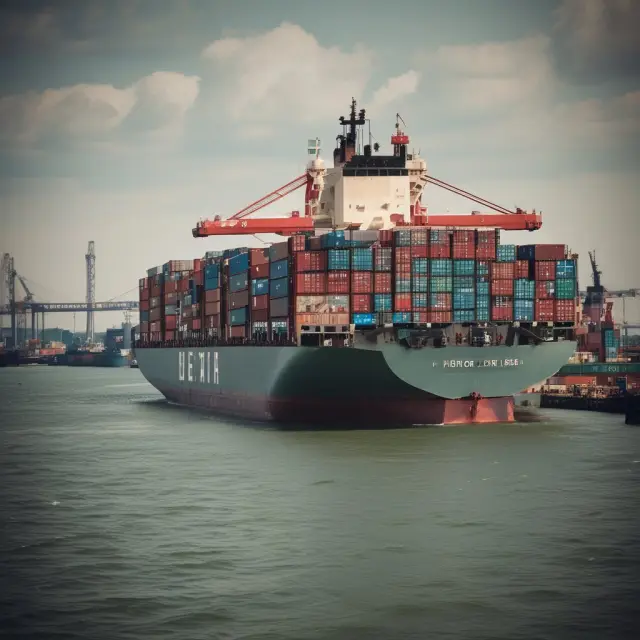
General order (GO) merchandise is imported cargo that U.S. Customs and Border Protection holds in a bonded general order warehouse, at the consignee's risk and expense, for example because no entry was filed within 15 calendar days of landing. Goods still unclaimed 6 months after importation are treated as abandoned and can be sold.
Introduction to General Orders
In the world of international trade, the term “General Order” (GO) can be a confusing concept for those unfamiliar with the process. Essentially, it represents merchandise that is detained by U.S. Customs due to missing documentation, improper paperwork, or other reasons. If imported goods remain in this status for over 15 days, they become subject to General Orders (GO). This comprehensive section will provide you with a clear understanding of what GO merchandise is and the implications it has on the owners.
When merchandise enters the United States via customs, it must meet specific requirements set by U.S. Customs and Border Protection (CBP) regulations. If this documentation is either missing or incorrectly provided, the goods will be held under General Orders until the necessary information is obtained. For instance, proper duties, fees, or interest might not have been paid. Alternatively, the importer may fail to submit complete customs paperwork or the invoices might not comply with the law. When such situations occur, merchandise stays in a limbo state called “General Order,” waiting for resolution.
Key Takeaways
- General Orders are used when imported goods have missing documentation, incorrectly submitted paperwork, or other issues that cause them to remain under customs detention for more than 15 days.
- These items get moved to Class 11 bonded warehouses if they stay beyond the initial 15-day holding period.
- If General Order merchandise remains in the warehouse for over six months, it can be confiscated by the government or put up for an auction organized by CBP.
- Understanding the implications of General Orders is crucial for individuals and businesses involved in international trade to avoid potential financial and legal risks.
In the following sections, we will explore various aspects of General Orders, including their transferal to Class 11 bonded warehouses, risks and responsibilities for merchandise owners, outcomes for goods left under GO status for six months or more, and CBP’s role in managing such cases. We will also provide a real-world example of a U.S. Customs General Order Auction and discuss the necessary steps to reclaim abandoned merchandise from customs.

Merchandise Transferred to Class 11 Bonded Warehouses
The term “General Order” (GO) refers to customs inventory where imported goods are held when they lack the necessary documentation or payment of required duties and taxes. These items may also be referred to as “abandoned merchandise.” When goods remain unclaimed for over 15 days, U.S. Customs will move them from the port of entry to a Class 11 bonded warehouse. This process occurs under Title 19, United States Code (U.S.C.), section 1555.
Once relocated to a Class 11 bonded warehouse, the responsibility for handling and storage remains with the merchandise’s original owner. If the items stay in the warehouse for more than six months, they can be confiscated by the government or donated/auctioned off by U.S. Customs and Border Protection (CBP) to recover storage and handling fees. The CBP manages these events through monthly online auctions accessible nationwide or at local auctions held in public spaces like hotels situated near ports of entry.
It is essential for port facilities and companies handling incoming international shipments to inform U.S. Customs within 20 days if they have unclaimed items or incorrectly documented merchandise, subject to a fine not exceeding $1,000. Failure to comply with this regulation may result in additional penalties and complications.
In a real-world example, the U.S. Customs and Border Protection held an extensive online auction on February 16-17, 2017. The auction showcased a diverse range of items that had remained unclaimed in bonded warehouses for over six months, including luxury vehicles like a 2011 Mercedes Benz ML350, everyday cars such as the 2011 Ford Fusion and a 2010 Chevrolet Camaro, women’s and men’s clothing, quilts, framed mirrors, bathroom vanities, a table with a glass top, toy cars, lamps, lighting accessories, carbon steel pipes, backpacks, and more.
Understanding the implications of general orders for merchandise is crucial for international traders to minimize potential losses or complications resulting from delayed clearance or missing documentation.

The Risks and Responsibilities of General Order Merchandise Owners
Once merchandise is classified as general order, the risks and responsibilities for owners shift significantly. The longer merchandise remains in this status, the greater the potential financial, legal, and logistical burdens on the owner.
First, the risk of transportation and storage rests solely with the owner of the goods. This is important to note because owners must bear the costs for both moving their merchandise into a bonded warehouse if it remains under general order, as well as maintaining the inventory in storage until it can be claimed or auctioned off by CBP. These expenses include shipping fees, insurance, and warehouse rental charges.
Second, legal implications loom large for owners who fail to address their goods within 15 days of them being placed on general order. In accordance with Title 19, U.S. Code (U.S.C.), section 1555, the port or company responsible for first receiving the merchandise into the United States is obligated to notify CBP within 20 days of arrival that unclaimed or incorrectly documented items are being held. Failure to do so may result in fines of up to $1,000 per violation.
Lastly, if merchandise remains under general order for more than six months, there are three possible outcomes: confiscation by the government, donations to charity, or auctioning off the items through CBP. Once merchandise is confiscated, it becomes property of the U.S. government and may be disposed of as they see fit. In the case of donations, the proceeds from selling these goods can be used for charitable purposes in accordance with federal regulations. Lastly, auctions provide an opportunity for merchants and individuals to purchase the items at fair market value while generating revenue for the government. These events take place monthly online on a nationwide basis or locally at public venues like hotels near ports.
In conclusion, understanding the risks and responsibilities involved with general order merchandise is vital for anyone importing goods into the U.S. It’s crucial to ensure that all documentation is complete and submitted promptly to prevent unnecessary delays or potential financial losses due to extended storage periods and penalties.
Confiscation, Donations, or Auctions: What Happens When GO Merchandise Reaches Six Months
Merchandise held under general order (GO) for over six months can face three possible outcomes. The first is confiscation by the government, the second involves donating the items to charities, and thirdly, they can be put up for auction by the U.S. Customs and Border Protection (CBP).
Once merchandise remains in a Class 11 bonded warehouse for more than six months, CBP has the authority to dispose of the goods as per Title 19, United States Code (U.S.C.), section 1555. The decision on disposal is not made lightly and depends on various factors, including the condition of the merchandise, the potential value it might hold in the marketplace, and available storage space in the bonded warehouse.
If the items’ worth is deemed to be minimal, CBP can choose to donate them to charitable organizations. The donations provide an excellent opportunity for nonprofits to receive valuable resources while reducing the burden of storing potentially abandoned merchandise on scarce governmental resources.
When the value of the goods is substantial and can generate significant revenue, CBP auctions them off to interested parties. These nationwide live and online monthly events are open to anyone except current or former employees of the CBP or their immediate families. Participants must place a $5,000 deposit to enter the bidding process, with purchases being non-refundable. The winning bidder assumes responsibility for picking up the merchandise from the designated location.
It’s important to note that the port of entry or company responsible for bringing the unclaimed or incorrectly documented items into the United States is required to notify U.S. Customs within 20 days of arrival about the undeclared merchandise held under general order. Failure to do so can result in fines up to $1,000.
A real-world example of a CBP’s General Order auction occurred on February 16-17, 2017. The auctioned items included:
– A 2011 Mercedes Benz ML350
– A 2011 Ford Fusion
– A 2010 Chevrolet Camaro
– Various women’s and men’s clothing
– Quilts
– Framed mirrors, a bathroom vanity with mirrors, and a table with a glass top
– Toy cars
– Lamps and lighting accessories
– Carbon steel pipe
– Backpacks.
By understanding the various outcomes that can occur for merchandise under general order, importers and exporters can take measures to ensure their goods are properly documented and promptly claimed when entering the United States. This not only saves time but also reduces the risk of potential losses due to confiscation or auctioned off merchandise.
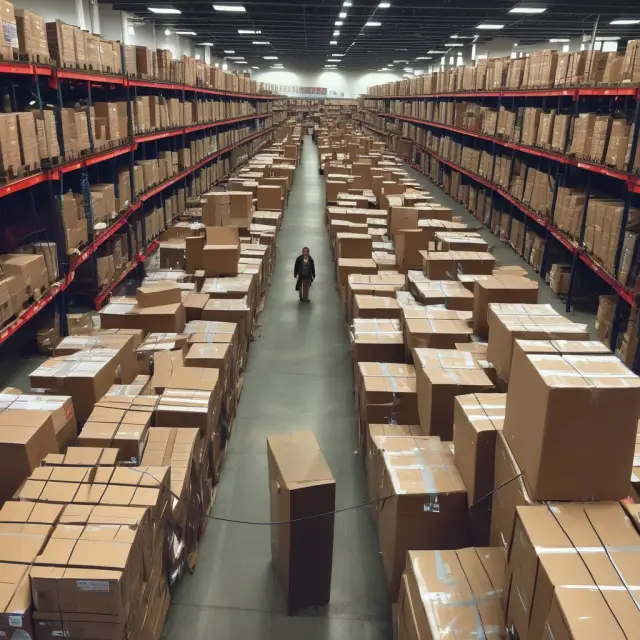
U.S. Customs and Border Protection’s Role in General Order Merchandise Management
Once merchandise is placed under general order due to missing documentation or unpaid fees, it falls into the purview of U.S. Customs and Border Protection (CBP). CBP manages these situations by storing the goods in Class 11 bonded warehouses if they remain unclaimed for more than fifteen days.
The Class 11 bonded warehouse is a type of government-regulated, privately operated facility designed to store and secure imported merchandise until it is cleared by U.S. Customs. It also provides a legal means for the owners to reclaim their items without incurring additional fees or fines from CBP. However, it’s important to note that the financial and logistical risks associated with this merchandise are assumed by the owner until their property is claimed.
If the merchandise remains under general order for six months or longer, CBP has several options:
- Seizure: The government can seize abandoned goods. This action happens when no effort to claim them is made or if the necessary documentation isn’t provided within a reasonable time.
- Donation: In cases where the merchandise remains unclaimed for an extended period, it may be donated to charity organizations.
- Auction: Lastly, CBP can auction off general order merchandise that remains under its control for over six months. These auctions occur monthly online on a nationwide basis or locally at public spaces such as hotels near ports.
To participate in these auctions, interested parties must put down a deposit of $5,000 to enter the bidding process. It’s crucial to note that all purchases made through these sales are nonrefundable and that buyers are responsible for retrieving the merchandise from the designated warehouse or port of entry.
Once a general order item is held for more than six months, it becomes the responsibility of the importer, broker, or owner to notify CBP within 20 days. Failure to do so can result in fines up to $1,000.
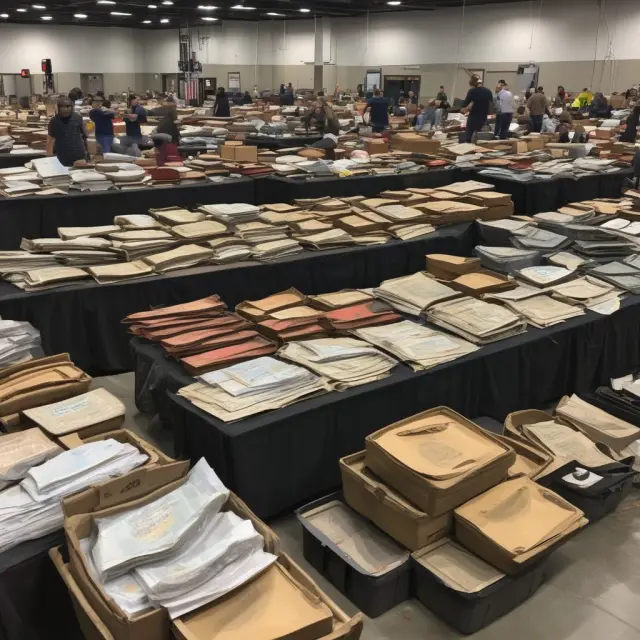
A Real-World Example of a U.S. Customs General Order Auction
When goods under general order (GO) remain unclaimed or improperly documented for six months, the U.S. Customs and Border Protection Agency takes action by auctioning off these items to recover storage fees and cover any potential costs associated with their disposal. One such event took place on February 16-17, 2017. During this nationwide online auction, the CBP offered a wide range of merchandise that had been held under GO status at various ports for over half a year.
The list of items included:
– A 2011 Mercedes Benz ML350
– A 2011 Ford Fusion
– A 2010 Chevrolet Camaro
– An assortment of women’s and men’s clothing
– Quilts
– Framed mirrors, bathroom vanity with mirrors, and a table with a glass top
– Toy cars
– Lamps and lighting accessories
– Carbon steel pipe
– Backpacks
The bidding process was open to anyone except CBP employees and their immediate family members. Bidders were required to place a nonrefundable $5,000 deposit before participating in the auction. The purchase of any item was final, and buyers were responsible for picking up the merchandise at the specified port of entry.
This auction not only served as an effective means for CBP to recover storage fees but also offered interested parties an opportunity to acquire unique items at significantly reduced prices. By providing a platform for these sales, U.S. Customs and Border Protection ensured that taxpayer funds were used responsibly while minimizing the environmental impact of disposing of unclaimed merchandise.
This real-world example illustrates the importance of understanding the implications of leaving merchandise under general order for an extended period. In addition to monetary losses, owners may face legal consequences if their property is not collected within six months. By being aware of these potential outcomes, importers can take proactive measures to ensure timely clearance and avoid unnecessary complications.
How to Claim Your Abandoned Merchandise from U.S. Customs
Once merchandise falls under the General Order (GO) status due to missing documentation or unpaid fees, owners have 15 days to rectify their issues and clear their goods through customs. Failure to do so will result in the relocation of the items to a Class 11 bonded warehouse. If the merchandise remains under GO for more than six months, it may be seized by the government or auctioned off by U.S. Customs and Border Protection (CBP). In order to reclaim your abandoned property, follow these steps:
1. Obtain Corrective Action Documentation: If your merchandise is under General Order due to missing paperwork, gather all required documents needed for customs clearance. This can include but isn’t limited to invoices, packing lists, commercial invoices, and bills of sale.
2. Pay Outstanding Fees or Fines: If there are any unpaid fees, including duties, taxes, or interest, make sure you remit the amount owed before trying to reclaim your items.
3. Contact U.S. Customs: Once the required documentation and outstanding fees have been addressed, contact the nearest U.S. Customs office handling the abandoned merchandise. They will provide instructions on how to proceed with reclaiming your goods.
4. Prepare for Inspection: Be prepared for a customs inspection when retrieving your items from the bonded warehouse. This can include providing additional documentation or having your merchandise physically inspected.
5. Pay Re-entry Fees and Additional Charges: Depending on the circumstances, you may be subject to re-entry fees or other charges when bringing your goods back into the country. Make sure to factor these costs into your budget.
6. Reclaiming Your Merchandise: Finally, follow the instructions provided by U.S. Customs to retrieve your merchandise from the bonded warehouse. Keep in mind that there may be additional fees associated with retrieval and storage.
Remember, timely communication and addressing any issues promptly will increase your chances of successfully reclaiming your abandoned merchandise from U.S. Customs.
FAQ: Common Questions Regarding General Orders
What is the duration that merchandise can remain under general order before it gets moved to a bonded warehouse?
Goods held under general order for more than 15 days will be transferred to a Class 11 bonded warehouse, which is a type of bonded warehouse.
Why are goods classified as General Order (GO)?
Merchandise is classified as GO when it is missing proper documentation, incorrectly documented, or the payment of duties, fees, or interest has not been made within the required timeframe.
What happens to General Order merchandise after 6 months?
If the merchandise remains under general order for over six months, it will be either seized by the government, donated to charity, or auctioned off.
Who conducts these auctions?
The U.S. Customs and Border Protection (CBP) agency is responsible for organizing and conducting these General Order auctions.
Where do General Order auctions take place?
These auctions can occur online on a national basis or at public venues such as hotels near ports. They are open to anyone except CBP employees and their immediate family members.
What are the bidding requirements for participating in a General Order auction?
Participants need to submit a $5,000 deposit before being allowed to participate in these auctions. Purchases made during the auction are nonrefundable.
Can I retrieve my abandoned merchandise from the bonded warehouse if it has been held under general order for more than six months?
No. If your merchandise remains under general order for over six months, it will be either confiscated by the government or put up for auction.
Who is responsible for notifying U.S. Customs about unclaimed or incorrectly documented goods under General Order status?
The port of entry or company that initially receives and holds the merchandise is required to notify U.S. Customs within 20 days of its arrival if it remains uncleared after 15 days, with a fine of up to $1,000 for non-compliance.

Conclusion: The Impact of General Orders on International Trade
Understanding the implications of general orders in international trade is crucial for all involved parties. By delving deeper into this topic, we can appreciate the processes that guide U.S. Customs and Border Protection in managing unclaimed or improperly documented merchandise. These rules safeguard fair trade practices while ensuring efficient movement of goods through the country’s ports.
A general order (GO) is a status assigned to imported items that do not meet the necessary requirements for entry into the United States due to insufficient documentation, nonpayment of duties, or other reasons. Once merchandise has been held under general order for 15 days, it is transferred to a Class 11 bonded warehouse—a secure storage facility authorized by Title 19, U.S. Code (U.S.C.), section 1555. This transfer does not absolve the owner of the merchandise from any financial or legal responsibilities.
It is essential to note that if items remain under general order for more than six months, they will either be seized by the government, donated to charity, or put up for auction by U.S. Customs and Border Protection (CBP). Live auctions take place monthly online or at public venues such as hotels near ports, giving interested parties an opportunity to purchase these items at a competitive price.
The significance of general orders extends beyond individual merchants, reaching broader implications for international trade. The process ensures the following:
- Encourages proper documentation and timely clearance of goods through customs.
- Protects consumers and businesses from importation of illegal or counterfeit items.
- Facilitates fair competition among importers by preventing unscrupulous practices that may distort the market.
- Enhances revenue collection for the U.S. government through the auctioning of seized merchandise.
- Encourages responsible ownership and efficient handling of imported items by shifting the risk and responsibility to those who own or transport the goods.
As international trade continues to evolve, understanding general orders remains crucial for importers, exporters, logistics providers, and regulatory authorities alike. This knowledge enables stakeholders to make informed decisions regarding their operations while ensuring a fair and orderly exchange of goods between countries.

References and Resources for Further Reading on General Orders
If you wish to delve deeper into the topic of general orders (GO), consider consulting the following references and resources. These sources offer valuable insights, detailed information, and expert analysis that will enhance your understanding of GOs in the context of U.S. customs and international trade.
1. U.S. Customs and Border Protection: Title 19 Code of Federal Regulations (CFR) – Part 145 – Customs Bonded Warehouses, Duty-Free Shops, and Free Trade Zones:
This comprehensive set of regulations provides a detailed explanation of how U.S. Customs manages abandoned or improperly documented merchandise under the status of general order (GO). It includes information on the responsibilities of owners, bonded warehouses, and customs agencies.
2. U.S. Customs and Border Protection: General Order Information:
This official CBP webpage offers an in-depth explanation of the various aspects of general orders, including how long merchandise can remain under GO status, what happens when it does, and how auctions are conducted.
3. U.S. Customs and Border Protection: Frequently Asked Questions about General Orders:
This FAQ resource from CBP addresses common questions about the general order process, such as who is responsible for abandoned merchandise, how long items can remain under GO status, and what happens at auction events.
4. U.S. Customs and Border Protection: Form 5106-21 (CBP Declaration for Seized and Relinquished Merchandise):
If you are interested in reclaiming your abandoned merchandise from the CBP, this form will be essential. The instructions on the back of the declaration form provide a detailed overview of the process, including required documentation and fees.
5. American Association of Exporters and Importers (AAEI): U.S. Customs Procedures for Abandoned Merchandise:
This comprehensive guide from AAEI covers everything you need to know about abandoned merchandise under the status of general order, including an overview of the process, tips on minimizing risks, and advice from industry professionals.
6. U.S. Customs and Border Protection: Live Auctions for Abandoned Merchandise:
The CBP’s official page on live auctions provides a detailed overview of the process, including how to participate, required documentation, and pickup procedures. The page also lists upcoming auction dates and locations.
7. U.S. Department of State: International Trade Administration:
This comprehensive resource from the U.S. Department of State offers a wide range of information on international trade regulations, customs procedures, and trade policies. It covers topics such as customs clearance procedures, import and export documentation, and trade agreements.
 Next entry · No. 1,769Understanding GARCH Process: An Effective Approach to Estimate Financial Volatility
See also
-
 No. 4,715
11 Jul 2025
19 min
Understanding the Spillover Effect: How Global Events Impact Investment Opportunities
Global Finance
No. 4,715
11 Jul 2025
19 min
Understanding the Spillover Effect: How Global Events Impact Investment Opportunities
Global Finance -
 No. 2,463
08 Jan 2025
20 min
Understanding International Finance: Key Concepts, Institutions, and Challenges
Global Finance
No. 2,463
08 Jan 2025
20 min
Understanding International Finance: Key Concepts, Institutions, and Challenges
Global Finance -
 No. 1,951
27 Nov 2024
21 min
Understanding the Role and Significance of Group of 11 (G-11) in Global Finance and Investment
Global Finance
No. 1,951
27 Nov 2024
21 min
Understanding the Role and Significance of Group of 11 (G-11) in Global Finance and Investment
Global Finance -
 No. 1,719
27 Oct 2024
18 min
The Group of 20 (G-20): An Overview of Its History, Membership, Agenda, and Criticisms
Global Finance
No. 1,719
27 Oct 2024
18 min
The Group of 20 (G-20): An Overview of Its History, Membership, Agenda, and Criticisms
Global Finance -
 No. 665
17 May 2024
23 min
Understanding Cost and Freight (CFR): A Comprehensive Guide for Institutional Investors
Global Finance
No. 665
17 May 2024
23 min
Understanding Cost and Freight (CFR): A Comprehensive Guide for Institutional Investors
Global Finance -
 No. 516
27 Apr 2024
19 min
The Bretton Woods Agreement and System: Understanding Its Significance in Global Finance and Investment
Global Finance
No. 516
27 Apr 2024
19 min
The Bretton Woods Agreement and System: Understanding Its Significance in Global Finance and Investment
Global Finance