Merchandising: Understanding the Art of Promoting and Selling Goods for Retail and Wholesale Sales

Explore the art of merchandising - from definition and history to strategies and technology. Boost retail sales & brand loyalty with effective merchandising.
What is Merchandising?
Merchandising is a critical aspect of business operations for both wholesale and retail establishments. It refers to the art of promoting and selling goods effectively. A merchandiser’s goal is to create an appealing shopping environment that drives sales and builds brand loyalty. Merchandising encompasses various activities, including product selection, pricing strategy, marketing tactics, inventory management, and visual presentation.
The origin of merchandising can be traced back to the Old French term “marchandise,” meaning ‘merchant.’ As businesses evolved over centuries, so did merchandising practices. Today, merchandising is a dynamic discipline that requires an understanding of consumer behavior, marketing trends, and technological advancements.
Merchandising plays a crucial role in retail sales. Retailers rely on it to attract customers, engage them with compelling displays, and convert browsing into purchases. Effective merchandising strategies can lead to increased revenue, stronger customer relationships, and a competitive edge over competitors.
Types of Merchandising Companies:
Merchandising businesses can be categorized based on their primary functions – retail or wholesale. Retailers engage directly with consumers, selling goods at a markup for profit. They may specialize in specific merchandise categories such as apparel, general merchandise, food and beverages, or specialty stores.
On the other hand, wholesalers purchase products from manufacturers and sell them to retailers at lower prices. These businesses focus on large-scale transactions and volume sales.
Understanding the Differences Between Merchandising Companies and Service Companies:
Merchandising companies are unique in that they deal with tangible goods for sale, whereas service companies offer intangible services to clients. Retailers and wholesalers fall under the merchandising category, while consultants, accountants, financial planners, and insurance providers represent service companies.
Retailing vs. Service Companies: A Comparative Analysis:
Merchandising companies focus on selling products for profit, whereas service companies provide specialized expertise to clients in exchange for fees or commissions. Merchandising can be further broken down into retail and wholesale sectors, each with distinct business models and offerings.
Retailers engage directly with consumers, offering a selection of goods at competitive prices to attract shoppers. They invest in merchandise displays, advertising, and promotional activities to differentiate themselves from competitors.
Wholesalers, on the other hand, act as intermediaries between manufacturers and retailers. They purchase merchandise in large quantities, often at lower prices, and sell it to retailers at a markup. Wholesaling allows retailers to access a wider range of products and take advantage of economies of scale.
Retail Merchandise Categories:
Merchandising can be divided into four primary categories based on the types of goods sold: apparel, general merchandise, food and beverages, and specialty stores. Each category caters to specific consumer needs and preferences.
Apparel merchandise includes clothing, footwear, and accessories for both men and women. Retailers in this sector may focus on a particular target market, such as teenagers or professionals, to cater to their unique shopping habits and trends.
General merchandise encompasses a wide range of non-food items, from electronics and household appliances to stationery and toys. Retailers in this category aim to provide a one-stop shop for consumers looking for various goods under one roof.
Food and beverages merchandising involves selling prepared or packaged meals, snacks, and drinks. Supermarkets and grocery stores dominate this sector, while specialized retailers like coffee shops and bakeries cater to specific niches.
Specialty stores offer niche products or services, targeting consumers with unique preferences or needs. Examples include bookstores, pet supply shops, and electronics stores. These retailers often differentiate themselves from competitors by focusing on a particular market segment or offering customized solutions.
Retail merchandising strategies are essential for attracting customers, boosting sales, and retaining their loyalty. Successful strategies may include creative window displays, in-store promotions, personalized shopping experiences, and strategic pricing. Technological advancements have also opened new opportunities for retailers to engage customers through mobile advertising, virtual try-on features, and data analytics.
In conclusion, merchandising is a vital aspect of business operations for both retail and wholesale sectors. By understanding its definition, history, and various categories, businesses can effectively promote and sell their goods while catering to evolving consumer needs and preferences.
Types of Merchandising Companies
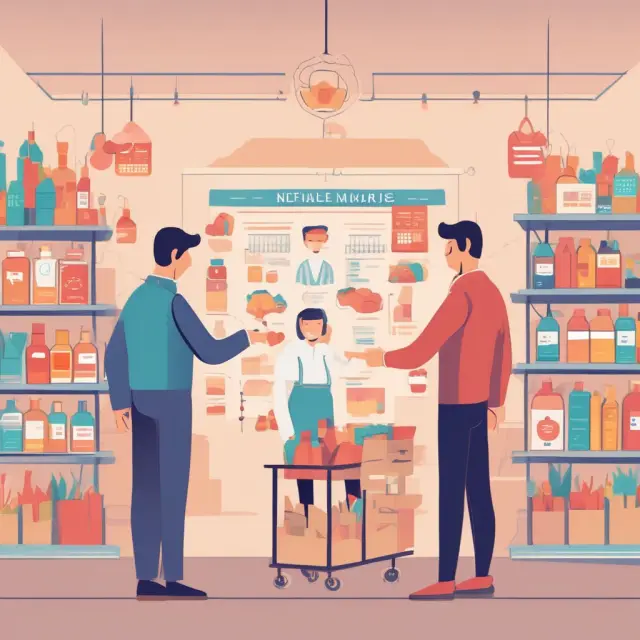
Merchandising is a crucial aspect of business operations for both retailers and wholesalers. Understanding the fundamentals of merchandising and its various types is essential to navigating this dynamic industry. In essence, merchandising refers to the presentation and promotion of goods available for sale through effective marketing strategies, pricing, display designs, and advertising techniques. This section focuses on the two primary forms of merchandising companies: retail and wholesale.
Retail Merchandising: Retailers are businesses that sell products directly to consumers at their brick-and-mortar locations or online stores. They often invest significant resources in creating appealing store layouts, inventory management, and marketing strategies to attract customers and make sales. Retail merchandising includes product placement, pricing, promotions, and customer engagement tactics. A retailer’s success depends on its ability to identify consumer demands, adapt to changing trends, and build a loyal customer base.
Wholesale Merchandising: In contrast, wholesalers are intermediaries that purchase merchandise from manufacturers or producers and sell it to retailers or other resellers at a markup. Wholesalers provide an essential role in the supply chain by connecting manufacturers with a broader market and facilitating larger transactions. They specialize in managing large inventories, negotiating favorable contracts, and ensuring efficient logistics to maximize profits.
Retail vs. Service Companies: It’s important to differentiate between merchandising companies and service companies. Merchandising companies sell tangible goods through various sales channels, whereas service companies offer intangible services like consulting, accounting, or financial planning. The primary goal for merchandisers is to generate revenue from the sale of products, while service providers aim to create value through their expertise and knowledge.
In conclusion, understanding the different types of merchandising companies – retail and wholesale – is essential in appreciating their unique contributions to the economy and consumer market. Both retailers and wholesalers play vital roles in delivering goods to consumers and ensuring businesses remain competitive and profitable. By mastering the art of merchandising, businesses can effectively attract customers, build brand loyalty, and compete with industry peers.

Merchandising vs. Service Company
The difference between a merchandising company and a service company can be understood through their business models and offerings. Merchandising companies engage in the sale of tangible goods to consumers, whereas, service companies provide services to clients based on their expertise. Let’s delve deeper into both types.
Merchandising Companies:
A merchandising company operates by selling products to consumers. These businesses bear costs such as labor and materials to present and eventually sell their offerings. Merchandisers utilize a range of strategies to attract customers, including window displays, in-store demonstrations, strategic grouping, and well-stocked shelves with clear signage.
Retail merchandising is the most common type, where retailers sell directly to consumers. Retailers often have a physical storefront and an online presence, offering a variety of products for sale. They incur costs associated with stocking inventory, employee wages, rent, and maintenance expenses. For instance, clothing stores purchase inventory from manufacturers or designers, and they pay for the space where their store is located to sell their clothes to customers.
Wholesale merchandising functions as an intermediary between manufacturers and retailers. Wholesalers buy goods from manufacturers in bulk quantities and sell them to retailers at a markup. Wholesalers often operate out of large warehouses, and they employ staff to manage their inventory and fulfill orders for retailers.
Service Companies:
On the other hand, service companies do not sell tangible products but instead provide services based on their expertise to clients. Service companies generate revenue by charging a fee for their services. Examples include consultants, accountants, financial planners, insurance providers, and various professional services such as legal or consulting firms.
Service companies require minimal inventory costs since they do not sell physical goods. Instead, they invest in human capital (employees) to deliver high-quality services to clients. They focus on building client relationships, establishing trust, and delivering consistent value to stand out from their competitors. For instance, a financial planner might charge a fee for assessing a client’s financial situation, providing investment advice, and managing their finances.
In conclusion, merchandising companies engage in the sale of tangible goods while incurring costs associated with stocking inventory and managing a physical storefront or online presence. Service companies provide intangible services based on their expertise without requiring significant inventory costs. Understanding the difference between these two types can help retailers and businesses make informed decisions when expanding their operations.

Retail Merchandise Categories
The art and science of merchandising involve various aspects that contribute to the success of a retail business. One crucial factor is categorizing the different types of merchandise that retailers sell to their customers. Understanding these categories is essential for retailers to tailor their marketing strategies, inventory management practices, and store layouts effectively. In this section, we will delve into the four primary categories of retail merchandise: apparel, general merchandise, food and beverages, and specialty stores.
**1. Apparel Merchandise:** Apparel merchandising encompasses clothing, footwear, accessories, and related items. The fashion industry is a significant contributor to the global economy, with consumers’ preferences driving trends. Retailers in this category focus on providing a wide range of sizes, colors, and styles to cater to various customer demographics. Trends can change rapidly, making it crucial for apparel retailers to stay informed about consumer demands and adapt quickly.
**2. General Merchandise:** General merchandise includes various non-food items that customers may purchase in retail stores. This category covers everything from electronics and home appliances to toys, books, sporting goods, and more. Retailers selling general merchandise must keep up with the latest technological innovations to attract consumers. They also need to offer competitive pricing and a wide selection to cater to diverse customer preferences.
**3. Food and Beverage Merchandise:** Grocery stores, supermarkets, and specialty food retailers fall under this category. The food industry is vast, with various segments such as fresh produce, dairy products, baked goods, canned goods, frozen foods, and beverages. Retailers selling food merchandise face the challenge of maintaining freshness and quality while keeping prices competitive to attract customers. They also need to consider inventory management practices and implement strategies like stock rotation to ensure that perishable items are sold efficiently.
**4. Specialty Stores:** Specialty stores focus on niche markets, offering unique or exclusive merchandise tailored to specific customer segments. These retailers cater to customers seeking specialized products not typically found in traditional retailers. Examples include pet stores, toy stores, bookstores, and electronics retailers. The success of specialty stores relies on understanding their target audience’s needs and providing a shopping experience that cannot be replicated by larger retailers.
Understanding the different categories of retail merchandise is essential for retailers to develop targeted marketing strategies, optimize inventory management practices, and create an engaging in-store or online shopping experience. By tailoring their offerings to specific customer segments and keeping up with market trends, retailers can attract and retain customers while increasing sales and overall business growth.
Merchandising Strategies
Effective merchandising is a critical component for any retailer looking to attract buyers and drive sales. Merchandisers use various strategies to appeal to customers and create an engaging shopping experience. In this section, we’ll explore some common merchandising tactics, including window displays, strategic grouping, in-store demonstrations, and online sales strategies.
Window Displays: The Art of Visual Attraction
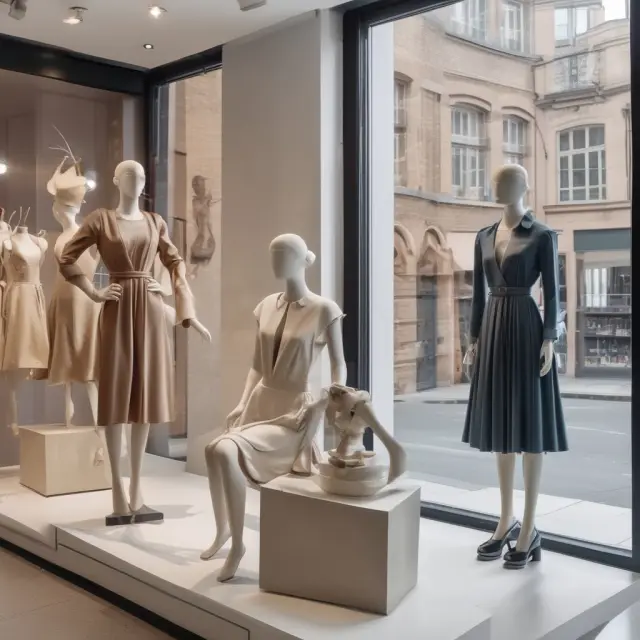
The window display is often the first point of contact between a potential customer and your store. A well-designed and visually appealing window can attract passersby and create intrigue, while an uninspiring one may deter them. Effective window displays should showcase a mix of products that represent your brand’s identity and entice customers to enter the store. They may include mannequins, props, lighting, and other visual merchandising elements.
Strategic Grouping: Creating Synergy among Products
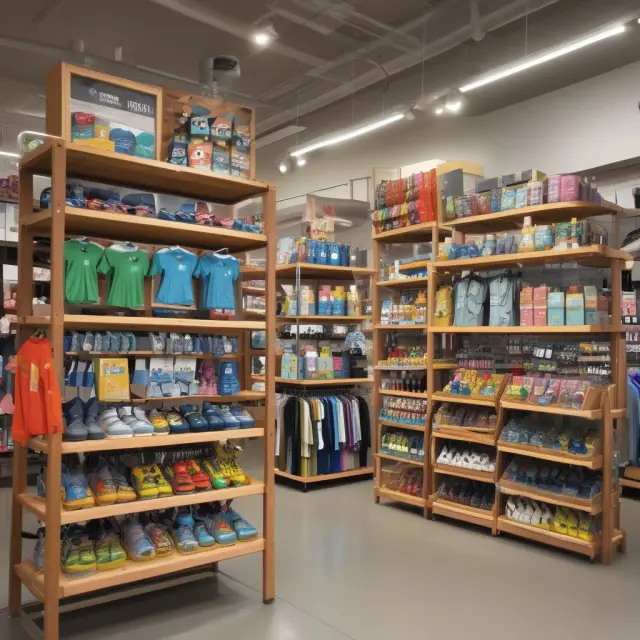
Strategic product grouping is an essential tactic for encouraging sales by creating a logical and visually appealing shopping experience for customers. Proximity of complementary items can increase sales through cross-selling or upselling opportunities. For example, placing baking supplies next to bakeware or accessories near electronics can lead to impulse purchases.
In-store Demonstrations: The Power of Experience
Providing in-store demonstrations is an excellent way to engage customers and showcase the benefits of your products. This technique can be particularly effective for items with a high perceived risk, as it allows customers to test them before making a purchase decision. In-store demonstrations can be conducted by employees or through automated systems, such as touchscreens or virtual reality experiences.
Online Sales Strategies: Reaching Customers Beyond the Storefront
With e-commerce becoming an increasingly significant part of retail sales, merchandising strategies must extend beyond traditional brick-and-mortar stores. Effective online merchandising tactics include targeted email campaigns, social media advertising, search engine optimization (SEO), and website design. These strategies help retailers attract and retain customers by providing personalized shopping experiences that cater to their preferences and needs.
Additionally, it’s important for online retailers to offer features such as filtering options, customer reviews, and multiple product images to make the shopping experience as seamless as possible. By providing a user-friendly platform and utilizing effective merchandising strategies, e-commerce retailers can create a competitive edge in an increasingly crowded marketplace.
By mastering these merchandising strategies and tailoring them to your store’s unique identity, you’ll be able to attract customers and increase sales while staying ahead of the competition.
Importance of Merchandising for Retailers
Merchandising plays a pivotal role for retailers looking to boost sales, foster brand loyalty, and stay competitive within their industries. Effective merchandising strategies can significantly impact the success of a retail business, regardless of its physical or digital presence.
First and foremost, merchandising helps retailers attract customers by highlighting desirable products through strategic displays and promotions. By creating an engaging shopping experience, both in-store and online, retailers can increase foot traffic, encourage browsing, and generate sales. For instance, window displays, in-store demonstrations, and digital ads all serve to entice potential buyers and pique their interest.
Moreover, merchandising strategies facilitate effective inventory management, ensuring that retailers stock the right products at optimal times. This not only prevents overstocking or understocking but also enables retailers to meet seasonal demand and respond to changing trends. In a fast-paced retail landscape, agility is crucial in staying ahead of competitors and maintaining customer satisfaction.
Furthermore, merchandising plays an essential role in building brand loyalty through consistent brand image, messaging, and presentation. By establishing a strong visual identity and providing a seamless shopping experience across all touchpoints, retailers can create lasting connections with their customers. This not only fosters repeat business but also encourages word-of-mouth recommendations and positive reviews, ultimately driving growth and expanding customer base.
In the modern retail landscape, technology plays an increasingly significant role in merchandising. From targeted mobile ads to personalized online recommendations, digital channels offer new opportunities for retailers to engage customers and create tailored shopping experiences. Effective utilization of data analytics can further inform merchandising strategies by revealing consumer trends, preferences, and behavior patterns. By staying on top of the latest technological advancements and integrating them into their merchandising plans, retailers can differentiate themselves from competitors and meet evolving customer expectations.
In conclusion, merchandising is a vital aspect of any successful retail business, enabling retailers to attract customers, manage inventory, foster brand loyalty, and stay competitive in an ever-changing marketplace. By implementing thoughtful strategies and embracing technological advancements, retailers can create engaging shopping experiences that resonate with consumers and drive sustainable growth.

Impact of Technology on Merchandising
Technological advancements have revolutionized various industries, and merchandising is no exception. In today’s digital age, consumers expect a seamless shopping experience that caters to their needs and preferences. As a result, retailers are adopting technology-driven strategies in their merchandising efforts. Let’s explore some of the significant ways technology affects merchandising.
E-commerce
The rise of e-commerce has transformed the way consumers discover, research, and purchase products online. Retailers have embraced this trend by investing in e-commerce platforms that allow customers to browse and buy merchandise anytime, anywhere. Online sales channels offer numerous advantages, such as:
- Convenience: Customers can shop at their leisure without being limited by store hours or travel distance.
- Personalization: With data analytics, retailers can tailor product recommendations based on consumers’ browsing and purchase history.
- Increased reach: E-commerce platforms enable retailers to expand beyond their physical stores and target a global audience.
- Competitive edge: In an increasingly crowded retail market, e-commerce provides smaller businesses with a cost-effective way to compete against larger players.
Mobile Advertising
Smartphones have become an essential tool for consumers when making purchasing decisions. Retailers recognize the importance of mobile advertising in reaching their audience and driving conversions. Mobile ads offer several benefits:
- Targeted reach: Retargeting ads based on location, interests, and browsing history enables retailers to serve personalized advertisements to potential customers.
- Timely engagement: Real-time notifications about sales or new arrivals can encourage impulse purchases.
- Seamless user experience: Mobile ads that integrate with social media platforms can create a cohesive shopping journey, from discovery to purchase.
Data Analytics
Retailers leverage data analytics to gain insights into consumer behavior and preferences, allowing them to optimize their merchandising strategies. Data analysis offers several advantages, such as:
- Improved inventory management: Accurate forecasting of demand helps retailers stock the right products at the right time and avoid overstocking or understocking situations.
- Enhanced marketing: Personalized promotions based on consumer data can result in increased engagement and sales.
- Competitive edge: Data-driven insights help retailers identify trends, stay ahead of competitors, and cater to evolving customer demands.
In conclusion, technology has dramatically impacted merchandising by enabling new sales channels, advertising formats, and data analysis techniques. Retailers that effectively adopt these strategies will better meet the needs and preferences of today’s digital consumers while staying competitive in a rapidly evolving marketplace.

Merchandise Planning and Inventory Management
An integral part of a retailer’s success lies in accurate inventory planning and management. Merchandising refers to the strategies and tactics employed to effectively sell and promote products to consumers. Effective merchandise planning and inventory management enable retailers to optimally allocate resources, minimize stockouts, and maximize sales potential while reducing markdowns and shrinkage.
Understanding Inventory Management
Inventory management is crucial for retailers as it ensures the availability of products when customers want to purchase them, ultimately leading to increased customer satisfaction and retention. Effective inventory planning enables retailers to:
- Manage stock levels: Properly forecasting demand and maintaining adequate stock levels to meet consumer demand while minimizing carrying costs.
- Optimize stock turnover: Efficiently managing the flow of inventory through the supply chain, reducing the time between receiving new goods and selling them to consumers.
- Implement effective reordering strategies: Timely reordering based on sales data and historical trends to minimize stockouts while avoiding overstocking situations.
- Minimize markdowns: Enabling accurate pricing strategies to avoid excessive markdowns, ensuring maximum profitability.
- Improve cash flow: Optimizing inventory levels to improve working capital and reduce the need for external financing.
Inventory Management Challenges in Retail
The complexities of retail inventory management include:
- Seasonal demand: Managing inventory for seasonal products, which can lead to stockouts or excess inventory when not planned accurately.
- Fashion trends: Keeping up with changing consumer preferences and staying on top of the latest fashion trends to maintain competitive edge.
- Multichannel sales: Managing inventory across multiple sales channels, such as brick-and-mortar stores, e-commerce platforms, and marketplaces like Amazon.
- Fulfillment logistics: Ensuring timely delivery of products to customers while minimizing shipping costs and optimizing warehouse space utilization.
- Inventory shrinkage: Minimizing losses due to theft, damage, or misplacement to ensure accurate inventory levels.
Best Practices for Inventory Management in Retail
Effective inventory management strategies include:
- Implementing a robust inventory management system: Utilizing advanced technology and real-time analytics to track inventory levels, demand trends, and sales performance across all channels.
- Employing accurate forecasting techniques: Using historical data, sales trends, and market research to anticipate future demand and optimize stock levels.
- Leveraging data insights for informed decision-making: Utilizing real-time data to adjust inventory strategies based on consumer behavior, seasonal trends, and competitive forces.
- Implementing safety stock strategies: Maintaining a buffer of excess inventory to mitigate stockouts during peak demand periods or unexpected demand spikes.
- Optimizing warehouse operations: Streamlining warehouse processes to reduce picking times, minimize handling errors, and optimize the use of warehouse space.
- Continuously monitoring inventory performance: Regularly analyzing inventory levels, sales trends, and inventory turnover rates to identify opportunities for improvement and adjust strategies accordingly.
- Implementing vendor management initiatives: Establishing strong relationships with suppliers to ensure timely delivery of goods, optimize pricing, and improve order accuracy.
In conclusion, merchandise planning and inventory management play a significant role in the success of retailers. By implementing effective strategies for managing inventory and ensuring product availability, retailers can maximize sales potential, reduce markdowns, minimize shrinkage, and ultimately, achieve increased customer satisfaction and retention.

Retail Cycles: Understanding Seasonal Trends and Consumer Behavior
The world of retail is dynamic and ever-changing; it is subject to numerous trends and consumer demands that shape sales patterns throughout the year. Retail cycles refer to these predictable shifts in sales trends influenced by seasonal events, regional traditions, and cultural practices. By understanding retail cycles, merchandisers can effectively plan their inventory, create targeted marketing campaigns, and optimize sales strategies to maximize profitability and meet customer expectations. In this section, we dive into the intricacies of retail cycles, exploring how they affect various industries and regions, as well as the implications for retailers.
Seasonal Trends
The retail calendar follows a predictable annual cycle that varies depending on regional climate, cultural practices, and consumer preferences. In the United States, major retail sales events include:
- Winter Holidays (Valentine’s Day, Presidents’ Day, Easter)
- Spring & Summer Holidays (Mother’s Day, Memorial Day, Father’s Day, Fourth of July, Labor Day)
- Fall Holidays (Halloween, Thanksgiving, Christmas)
During these periods, retailers often promote seasonal merchandise to cater to shopper demand. For instance, apparel brands introduce new collections tailored for different seasons, while home goods companies focus on offering items that suit the changing weather conditions. By analyzing historical sales data and consumer behavior patterns, retailers can anticipate trends and adjust their inventory accordingly.
Regional Influences
Retail cycles also vary regionally due to climate and cultural practices. For example, in colder regions, winter apparel, heating equipment, and seasonal fruits and vegetables become essential offerings during the winter months. Conversely, retailers in warmer climates may focus on summer clothing, gardening tools, and outdoor living products. Understanding these regional nuances can help retailers tailor their merchandise mix and optimize sales strategies to cater to diverse customer bases.
Cultural Practices
Cultural practices and traditions play a significant role in shaping retail cycles. For instance, in some countries, specific holidays or festivals influence consumer demand for particular products. Retailers can capitalize on these cultural trends by offering relevant merchandise and creating targeted marketing campaigns to attract consumers.
Implications for Retailers
Retailers must stay informed about the annual retail cycle and its regional and cultural influences to maintain a competitive edge. By effectively planning their inventory, implementing targeted marketing strategies, and optimizing sales tactics, retailers can adapt to changing consumer demands and capitalize on seasonal trends. Moreover, retailers that accurately anticipate sales cycles and effectively manage their inventory levels can reduce stockouts or overstock situations, ensuring that they meet customer demand while minimizing carrying costs. In an era of increasing competition and evolving consumer preferences, understanding the intricacies of retail cycles is essential for merchandisers seeking to drive growth and maximize profitability.
FAQs about Merchandising
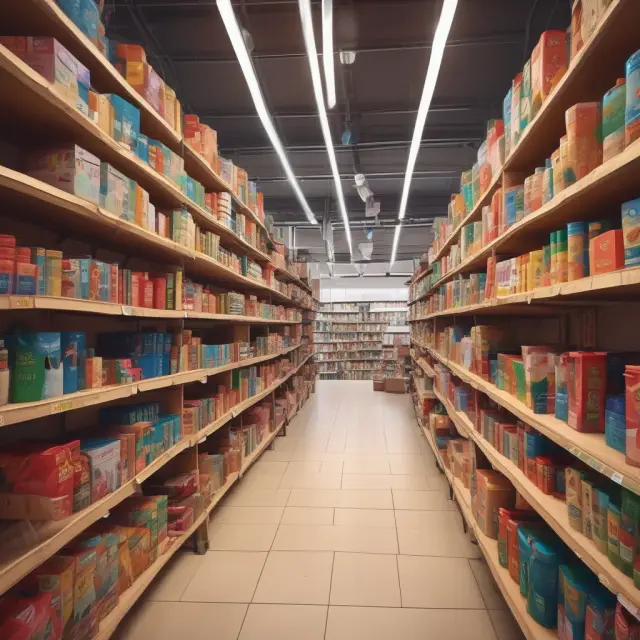
Merchandising is an integral aspect of retail sales, and it can be a complex process that includes marketing strategies, display design, pricing, and inventory management. Here are some frequently asked questions to help clarify the role and importance of merchandising.
What is merchandising?
Merchandising refers to the art and science of promoting, selling, and distributing products or services. It encompasses various aspects such as product selection, pricing strategies, inventory management, marketing tactics, and customer service. Merchandising aims to create a compelling shopping experience that attracts customers and encourages them to make purchases.
What is the history of merchandising?
The concept of merchandising dates back to ancient times when merchants would sell goods at markets or trade with other towns. Over time, it evolved with the advent of retail stores, catalog sales, and mass marketing. Today, merchandising has been transformed by technology, which allows for personalized shopping experiences, digital product displays, and real-time inventory tracking.
What are the benefits of effective merchandising?
Effective merchandising can help businesses increase sales, build brand loyalty, and improve the overall customer experience. By creating visually appealing displays, offering competitive pricing, and employing targeted marketing strategies, retailers can attract more customers and turn them into repeat buyers. Additionally, well-managed inventory helps ensure that products are always available when customers want to purchase them.
What is the difference between a merchandising company and a service company?
A merchandising company is an entity that sells tangible goods or products directly to consumers. Merchandisers incur costs associated with producing, promoting, and selling these products. In contrast, a service company provides intangible services such as consulting, accounting, or financial planning to clients. Service companies do not sell physical products but instead offer expertise, knowledge, or skills to help their clients achieve specific goals.
What are the types of merchandising?
The two main types of merchandising are retail and wholesale. Retail merchandising focuses on selling goods directly to consumers through brick-and-mortar stores, online marketplaces, or catalog sales. Wholesale merchandising, on the other hand, involves selling products in bulk to retailers, who then sell them to their customers.
What are the different categories of retail merchandise?
Retail merchandise can be categorized into four main groups: apparel, general merchandise, food and beverages, and specialty stores. Apparel merchandising involves selling clothing, footwear, accessories, and other related items. General merchandise includes a wide range of products such as electronics, home appliances, stationery, and toys. Food and beverage merchandising covers the sale of groceries, fresh produce, prepared meals, and restaurant services. Specialty stores focus on selling unique or niche products such as books, music, art, or sporting goods.
What are some merchandising strategies that retailers use to attract buyers?
Retailers employ various tactics to make their products more appealing to customers. Some common strategies include window displays, strategic grouping of products, in-store demonstrations, and online sales promotions. Retailers also offer discounts, coupons, and loyalty programs to incentivize purchases and retain customers. Additionally, they use data analytics to understand customer behavior and tailor their merchandising efforts accordingly.
How has technology impacted merchandising?
Technology has significantly transformed merchandising practices in recent years. E-commerce platforms have made it easier for consumers to shop online, while data analytics tools help retailers better understand consumer preferences and tailor their offerings. Mobile advertising, social media marketing, and personalized recommendations are just a few examples of how technology is being used to enhance the merchandising experience. Additionally, inventory management software and real-time tracking systems have streamlined supply chain operations and helped reduce waste.
In conclusion, merchandising plays a crucial role in retail sales by creating compelling shopping experiences, attracting customers, and driving sales growth. By understanding the various aspects of merchandising and staying up-to-date with the latest trends and technologies, retailers can effectively promote and sell their products to consumers.
 Next entry · No. 3,169Demystifying Merchant Discount Rates: Fees, Considerations and Choices for Processing Payment Transactions
See also
-
 No. 5,409
06 Sep 2025
28 min
Understanding the Value Chain: Maximizing Efficiency and Competitive Advantage for Institutional Investors
Business Strategy
No. 5,409
06 Sep 2025
28 min
Understanding the Value Chain: Maximizing Efficiency and Competitive Advantage for Institutional Investors
Business Strategy -
 No. 3,013
21 Feb 2025
19 min
Mastering Loss Leaders: Attracting Customers with Strategic Pricing
Business Strategy
No. 3,013
21 Feb 2025
19 min
Mastering Loss Leaders: Attracting Customers with Strategic Pricing
Business Strategy -
 No. 5,422
07 Sep 2025
21 min
Understanding Vanilla Strategies: Simple, Effective Approaches to Investing and Business
Business Strategy
No. 5,422
07 Sep 2025
21 min
Understanding Vanilla Strategies: Simple, Effective Approaches to Investing and Business
Business Strategy -
 No. 4,552
28 Jun 2025
18 min
Understanding the Complexities of a Sale: Types, Elements, and Implications
Business Strategy
No. 4,552
28 Jun 2025
18 min
Understanding the Complexities of a Sale: Types, Elements, and Implications
Business Strategy -
 No. 4,101
22 May 2025
20 min
Understanding the Product Life Cycle and Its Impact on Business Strategy
Business Strategy
No. 4,101
22 May 2025
20 min
Understanding the Product Life Cycle and Its Impact on Business Strategy
Business Strategy -
 No. 4,082
20 May 2025
21 min
The Prisoner’s Dilemma: Understanding the Game Theory Paradox that Can Affect Finance and Investment
Business Strategy
No. 4,082
20 May 2025
21 min
The Prisoner’s Dilemma: Understanding the Game Theory Paradox that Can Affect Finance and Investment
Business Strategy