Understanding Warehouse Receipts in Commodity Futures Markets: An Essential Component of the Inventory Management Process
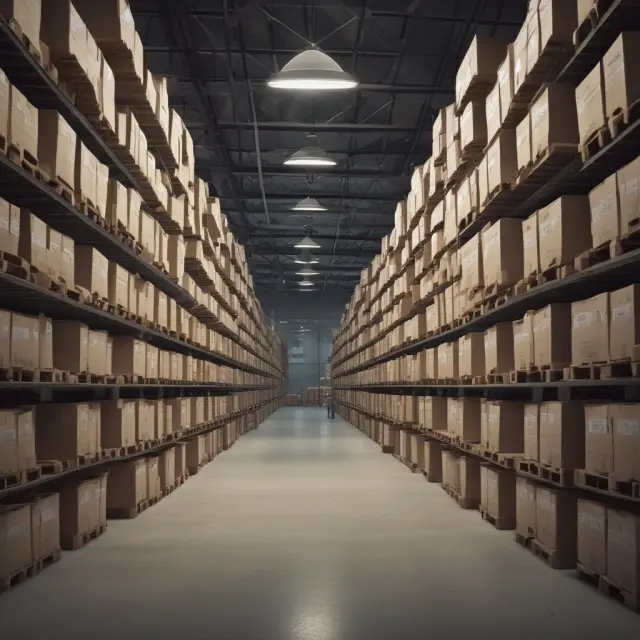
Learn about the significance of warehouse receipts in commodity futures markets. Understand their role, importance, and impact on inventory management.
Introduction to Warehouse Receipts and their Role in Futures Markets
In the context of futures markets, a warehouse receipt represents a crucial document that ensures the authenticity, quantity, and quality of commodities stored within approved warehouses. This document is significant for various reasons, including inventory management and meeting specific requirements for futures contracts. Warehouse receipts guarantee that stored commodities conform to exchange-set standards, allowing them to be transferred seamlessly from sellers to buyers.
Comprehending the Role of Warehouse Receipts:
A warehouse receipt is a document issued by an approved warehouse upon receiving and storing a specific quantity and quality of a commodity. This receipt serves as proof that the commodity has been duly accepted into the warehouse, confirming its existence and condition. Warehouse receipts are essential components of the futures markets because they provide evidence for the physical inventory that underpins these financial contracts.
Inventory Management and Futures Contracts:
Futures contracts represent agreements between buyers and sellers to buy or sell a commodity at a predetermined price on a future date. To ensure the authenticity of the underlying inventory, exchange-approved warehouses are responsible for managing and storing these commodities. Warehouse receipts serve as critical documentation that verifies the quantity, quality, and availability of the inventory within the warehouse system.
Understanding the Significance of Warehouse Receipts:
Warehouse receipts are vital to various stakeholders in futures markets, including commodity producers, merchandisers, traders, and exchanges themselves. They offer several benefits, such as:
- Proof of commodity ownership: Warehouse receipts allow commodity owners to establish proof of title to their inventory through a secure, recognized record-keeping system.
- Secure storage: Approved warehouses ensure that the stored commodities are kept safe and secure while also adhering to specified quality standards.
- Convenient access: Warehouse receipts make it easier for buyers and sellers to transfer ownership of their inventory by allowing them to use this documentation as collateral when trading futures contracts.
- Flexibility in delivery: Depending on the terms of a futures contract, warehouse receipts can be used to facilitate either physical or paper delivery settlements between parties.
In conclusion, understanding the role and significance of warehouse receipts is crucial for anyone involved in commodity futures markets. These documents serve as critical evidence for inventory ownership, storage, and quality. They provide a secure and flexible solution for managing the transfer of physical commodities while also facilitating the trading of futures contracts between various market participants.

Background: Understanding Commodity Futures Markets
Futures contracts, derived from a standard agreement to buy or sell a commodity or security at a predetermined price at a future date, serve as essential tools in the financial world. These contracts are utilized for managing price risk and providing opportunities for speculation within commodities and various industries. Widely popular and traded on well-known exchanges, futures markets represent an integral part of the business processes for physical delivery of specific commodities.
Firstly, it’s essential to understand that futures contracts are a type of derivative, which means they derive their value from the underlying commodity or security. Amongst the various types of futures contracts, commodity futures contracts rank as some of the most extensively traded. Commodity futures markets cater to a vast array of industries and goods, such as corn, wheat, oil, gold, silver, and many more.
The standardization of futures contracts includes a fixed quantity and delivery dates throughout the year. However, it is crucial for commodities to meet specific quality standards in order to be eligible for physical delivery against these contracts. This is where warehouse receipts come into play.
Exchanges like CME, CBOT, NYMEX, and NYBOT serve as platforms for buyers and sellers to engage in futures transactions. They facilitate the hedging of price risks by offering a regulated marketplace for commodity trading. Commercial traders are typically the most active participants in the futures markets. These entities seek to either buy or sell actual commodities for physical delivery, ensuring their inventory remains protected from price volatility.
Futures contracts can also attract speculators looking to profit from arbitrage opportunities or market trends. The majority of traders focus on buying and selling futures contracts electronically, while some may opt to engage with the underlying physical commodity for delivery when settling their contracts.
Warehouse receipts, which are crucial documents in the futures markets, provide evidence that the specified quantity and quality of a commodity is being stored within an approved warehouse. This guarantees that the required inventory standards have been met for futures contract settlement or physical delivery. In the following sections, we will delve deeper into the role of warehouse receipts in the context of commodity futures markets.
Stay tuned as we explore the importance of warehouse receipts and their significance in managing physical inventory and verifying the quality standards for commodities within futures contracts.

Physical Delivery and Quality Standards
In order for a futures contract on a physical commodity to be settled, the underlying commodity must meet specific quality standards. The role of warehouse receipts comes into play during this process by providing proof of the inventory’s quantity and quality.
A futures contract is a derivative instrument that represents an agreement to buy or sell a certain amount of a particular commodity at a predetermined price on a future date. Commodities can include grains such as corn, soybeans, and wheat; metals like copper, gold, and silver; and energy sources like crude oil and natural gas. These contracts require physical delivery of the underlying commodity to satisfy the terms of the agreement.
Exchange-approved warehouses serve as a critical component in this process, providing storage for the physical inventory while ensuring that it meets the necessary quality standards set by the futures exchange. By granting approval to these warehouses, exchanges maintain confidence in their delivery system and protect buyers from receiving subpar commodities.
The warehouse receipt acts as crucial documentation when it comes to transferring ownership of the inventory from one party to another or settling a futures contract. This document serves as evidence that the commodity is stored at an approved facility and adheres to the required quality standards for the particular futures contract.
When a producer or merchant deposits their commodity in an exchange-approved warehouse, they receive a receipt verifying the quantity and quality of the inventory. This document can then be used as collateral for entering into a futures contract. When selling a short position, the seller will typically demand a warehouse receipt to ensure that the buyer has the right to take delivery of the underlying commodity upon contract expiration.
Both buyers and sellers benefit from this system as it minimizes risk associated with quality concerns. For example, a buyer might want to purchase a futures contract on soybeans but is concerned about receiving low-quality beans that may impact their processing costs. By requiring a warehouse receipt from the seller, the buyer can confirm that the underlying inventory has met specific quality standards set by the exchange and will not face any unexpected expenses upon delivery.
Additionally, producers and merchants also benefit from this system as they can store their commodities in approved warehouses while having access to liquidity through futures markets. By obtaining a warehouse receipt for their inventory, they can use it as collateral to secure financing or enter into other transactions.
In summary, the role of warehouse receipts and exchange-approved warehouses is essential in ensuring the delivery of quality commodities in futures markets. They provide documentation to buyers that the underlying inventory meets required quality standards while also offering sellers additional benefits such as access to financing and liquidity.
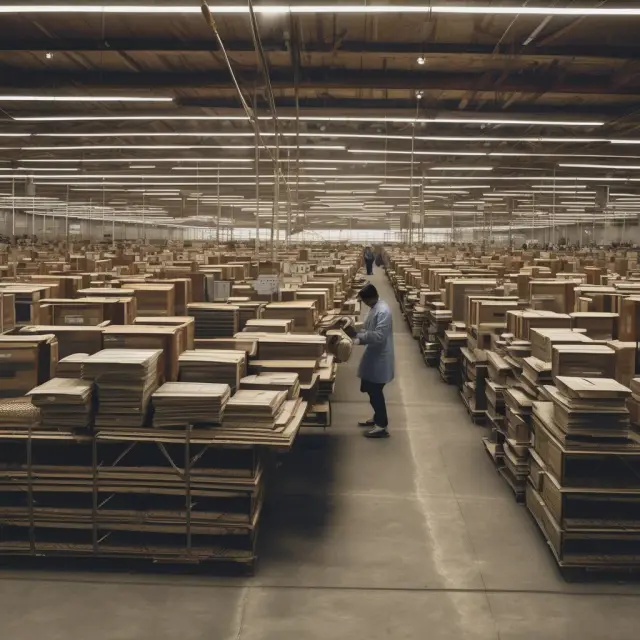
Commodity Producers and Certified Stock
In order for a commodity producer to participate in the futures market, they must first comply with specific licensing, registration, and certification procedures. These requirements are essential to ensure the integrity of the underlying commodities backing futures contracts. In this section, we explore these procedures in more detail.
Commodity Producers: Role in the Futures Market
Commodity producers play a vital role in the futures market by contributing physically to the commodity inventory that backs the futures contracts. They engage with licensed warehouses, registering their physical inventory and undergoing certification processes.
Licensing and Registration for Physical Inventory
To be eligible to sell commodities through the futures market, commodity producers must obtain proper licensing and registration from relevant authorities. This process ensures that they meet specific requirements related to their production methods, quality standards, and regulatory compliance. Licenses can vary by jurisdiction and exchange, so it is essential for producers to familiarize themselves with the rules applicable to each futures market in which they intend to participate.
Certification Process for Commodity Producers
The certification process is crucial in ensuring that only commodities meeting predefined quality standards are accepted into the futures market. This involves an inspection and authentication step, whereby a third-party inspector verifies the condition and compliance of the inventory with specific regulations. The result of this process is the issuance of a certificated stock approval.
Certificated Stock: Importance to the Futures Market
The certificated stock plays a vital role in the futures market, as it acts as proof that the underlying commodity meets required quality standards and regulations. This documentation enables commodity producers to write contracts on their certified inventory, which can then be traded in the futures market. The exchange-approved warehouses maintain and secure the physical commodities while providing warehouse receipts for the certificated stocks.
Warehouse Receipts: Key Elements for Futures Contracts
A warehouse receipt is a crucial documentation component of the futures contract process. It serves as proof that the specified quantity and quality of the underlying commodity is available and ready for transfer to the buyer when needed. This receipt provides the exchange and counterparties with confidence that the physical delivery will occur as agreed upon in the futures contract.

Exchange-Approved Warehouses and Inventory Management
Warehouse receipts are integral to the futures market because they ensure that the physical commodities backing a futures contract are securely stored within approved warehouses, adhering to specific quality standards. Exchange-approved warehouses serve a pivotal role in the commodity futures markets by providing a secure location for storing the physical commodity and offering essential inventory management services to the exchange.
Understanding the Importance of Exchange-Approved Warehouses
Exchange-approved warehouses are vital to the futures market since they are the only locations that can deliver against a futures contract. These facilities ensure that all commodities stored meet stringent quality standards, offering peace of mind for both buyers and sellers. The exchanges work closely with these warehouses, often performing regular inspections to ensure compliance with the rules and regulations governing the storage of commodities.
Security Measures at Exchange-Approved Warehouses
Security is a primary concern when it comes to storing commodities for futures contracts. Exchange-approved warehouses employ various security measures to protect the stored inventory, including:
- Perimeter fencing and security gates
- 24/7 surveillance cameras
- On-site security personnel
- Alarm systems and motion detectors
- Regular inspections by exchange representatives
These security measures are crucial because they help maintain the integrity of the commodities and, ultimately, the value of futures contracts.
Inventory Management Services Provided by Exchange-Approved Warehouses
Exchange-approved warehouses also offer a range of inventory management services to ensure efficient handling of the physical commodity. These services include:
- Receiving and inspecting incoming shipments
- Sampling, testing, and certifying the quality of the commodities
- Issuing warehouse receipts
- Managing stock movements and transfers between customers
- Coordinating transportation logistics for delivering the commodities to buyers
These services contribute significantly to the smooth functioning of the futures market by making it easier to verify and transfer ownership of the underlying physical commodity.
The Importance of Warehouse Receipts in the Futures Market
Warehouse receipts serve as proof that the physical commodities backing a futures contract are available for transfer to buyers. They are crucial documents for both short (seller) and long (buyer) positions, providing confirmation that the inventory is stored properly and can be released upon expiration or partial delivery if needed.
Exchange-approved warehouses issue warehouse receipts when commodities are delivered and accepted into their inventory. These documents provide a record of ownership for the underlying physical commodity and serve as collateral to secure futures contracts. They contain essential information such as:
- Commodity type
- Quantity
- Quality specifications (such as grade, moisture content, weight, etc.)
- Storage location within the warehouse
- Issue and expiration dates
- Conditions of storage (temperature, humidity, etc.)
Warehouse receipts are essential for buyers and sellers in futures markets because they act as proof that a specific quantity and quality of a commodity is stored within an approved warehouse. The documents allow for easier tracking, transfer, and settlement of futures contracts.
Conclusion
Exchange-approved warehouses and the related inventory management services play a crucial role in ensuring the integrity and security of physical commodities backing futures contracts. Warehouse receipts serve as important documentation for buyers and sellers, providing confirmation that the underlying physical commodity is available for transfer and meets specific quality standards. By understanding the significance of exchange-approved warehouses and their functions within the futures market, investors can make more informed decisions when participating in these complex financial instruments.
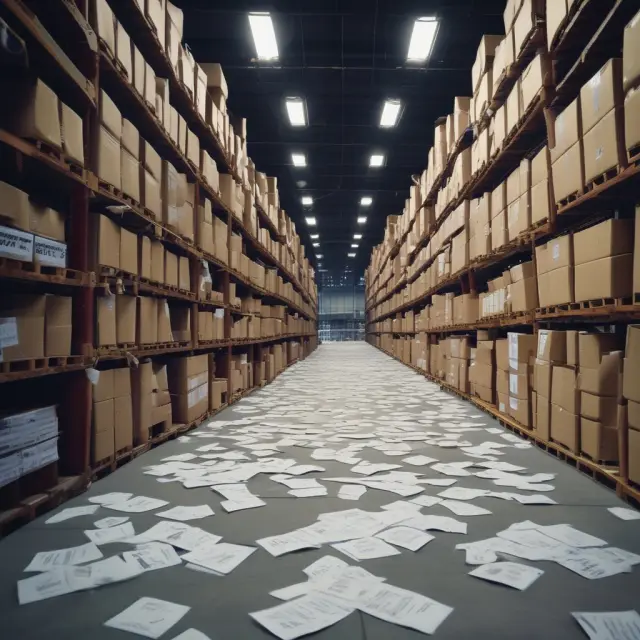
Understanding Warehouse Receipts and Futures Contracts
In the complex world of futures markets, a warehouse receipt serves as an essential component in the inventory management process. Specifically, this document guarantees that a commodity meets certain quality standards while being stored in approved warehouses. Warehouse receipts are crucial when it comes to futures contracts because they act as proof that the underlying commodity is available and ready for transfer between parties.
First, let’s dive into the basics of futures contracts: a futures contract represents an obligation to buy or sell a specific commodity or security at a predetermined price on a future date. These agreements derive their value from the underlying asset and are used by various entities for hedging against price volatility, speculation, and arbitrage opportunities.
Now, let’s examine how warehouse receipts come into play in this context. As mentioned earlier, futures contracts may require the physical delivery of the commodity to satisfy the terms of the agreement. In such cases, a warehouse receipt is required as proof that the goods are available and can be transferred to the buyer. This documentation is crucial because it not only verifies the quantity but also the quality of the commodity – essential aspects for both parties in the transaction.
Additionally, warehouse receipts play an essential role when dealing with short or sale contracts. The entity selling their inventory writes a futures contract to sell at a specified price and is required to provide a warehouse receipt as proof of ownership and availability of the underlying commodity. Once the long (or buy) position holder takes possession of the receipt, they are assured that the goods will be available for delivery at the agreed-upon date and price.
It’s also important to note that the buyer may choose to take only a partial delivery of the commodity, with the remaining portion held in the warehouse. In this case, the warehouse receipt acts as proof of ownership for the undelivered goods. This flexibility is crucial as it allows both parties to manage their risks and logistics more effectively while ensuring that the commodities meet the necessary quality standards set by the futures exchange.
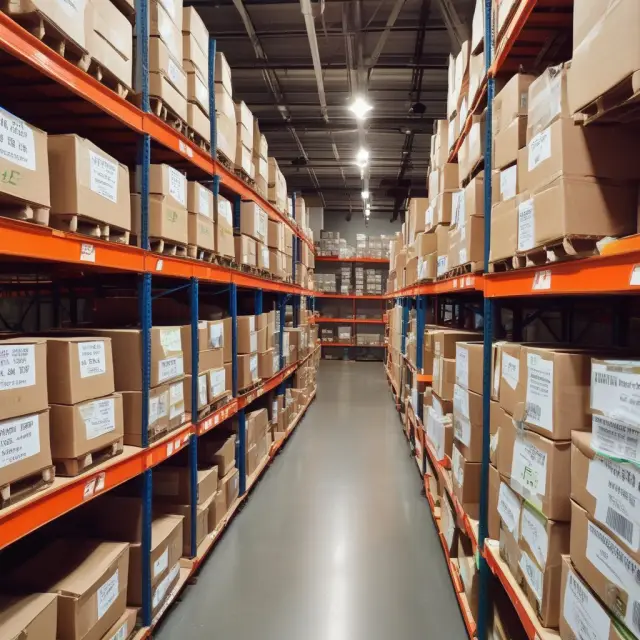
Key Considerations for Warehouse Receipt Holders and Users
As previously discussed, a warehouse receipt serves as a crucial component of the inventory management process within commodity futures markets. Warehouse receipts offer essential proof that the commodity is stored in an approved facility and meets specific quality standards. This section will explore some key considerations for both warehouse receipt holders and users regarding expiration dates, storage fees, and delivery options.
Expiration Dates
One crucial factor to remember when dealing with warehouse receipts involves the understanding of their associated expiration dates. These dates can be particularly important since they determine the length of time that a warehouse receipt remains valid for commodity transfer or use in futures contracts. Warehouse receipts typically come with specific expiration dates, and it is essential to be aware of these deadlines in order to ensure seamless transitions between buyers and sellers.
Storage Fees
Another important aspect of using warehouse receipts in commodity futures markets relates to the payment of storage fees. The expenses associated with storing a commodity in an approved warehouse are often covered by the party holding the warehouse receipt. These fees can vary depending on factors such as location, size, and duration of storage. It is essential for both buyers and sellers to have a clear understanding of these costs in order to effectively manage their budgets and financial obligations within the futures market.
Delivery Options
The third key consideration when dealing with warehouse receipts involves delivery options. When commodity contracts reach their expiration dates, recipients may choose to either take physical delivery of the underlying commodity or offset their position through a cash settlement. For example, if the recipient does not wish to receive the physical commodity but instead wants to maintain their financial position, they can opt for a cash settlement. Understanding these various delivery options is crucial in making informed decisions within the futures market and maximizing potential returns while minimizing risk.
In conclusion, warehouse receipts are integral components of the inventory management process within commodity futures markets. Understanding key considerations such as expiration dates, storage fees, and delivery options can help both buyers and sellers effectively navigate the complexities of this financial ecosystem. By remaining knowledgeable about these factors, market participants can optimize their positions and successfully capitalize on various opportunities in the commodity futures market.
Comparing Warehouse Receipts to Other Instruments: Options on Stocks
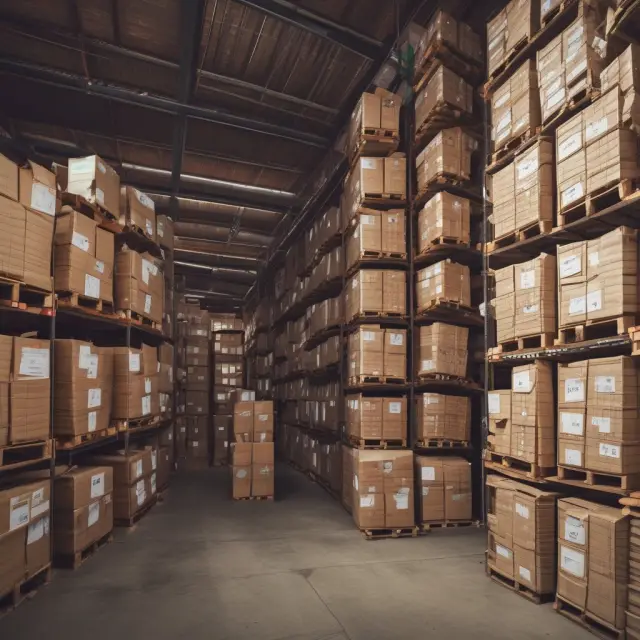
One significant difference between warehouse receipts and other financial instruments is their role in tracking physical inventory and maintaining quality standards for commodities in futures markets. While both options contracts and futures contracts are used as derivatives, they differ in the handling of the underlying asset and documentation required.
Options contracts on stocks allow investors to buy or sell a predetermined number of shares at an agreed price (strike price) before a specific expiration date. The option’s value fluctuates based on changes in the stock price, but it doesn’t involve any physical commodity storage. In contrast, futures contracts tie the buyer to the purchase or sale of a particular commodity at a future date and price.
To ensure that the commodities meet specific quality standards for futures contracts, producers need to certify their inventory through a process involving inspection and authentication, resulting in certificated stock. Exchange-approved warehouses then store this inventory and issue warehouse receipts, documenting the quantity and quality of the commodity. The warehouse receipt acts as proof that the underlying physical inventory is available for transfer to buyers if the futures contract specifies a physical delivery.
Moreover, for short or sale contracts, the seller must provide a warehouse receipt as evidence that they have control over the inventory. This requirement ensures that the buyer has assurance of the availability and ownership of the commodity before entering the futures agreement. In contrast, options on stocks don’t rely on physical documentation as the underlying asset is not involved in storage or tracking by the exchange.
In summary, while both warehouse receipts and options contracts serve essential functions in financial markets, they differ significantly in handling physical inventory and maintaining quality standards for commodities in futures markets. Warehouse receipts focus on ensuring that specific commodity quantities meet certain quality standards and are available for transfer to buyers, whereas options contracts on stocks do not involve the need for such documentation as their underlying assets are intangible securities.
Case Studies: Success Stories in the Use of Warehouse Receipts in Futures Markets
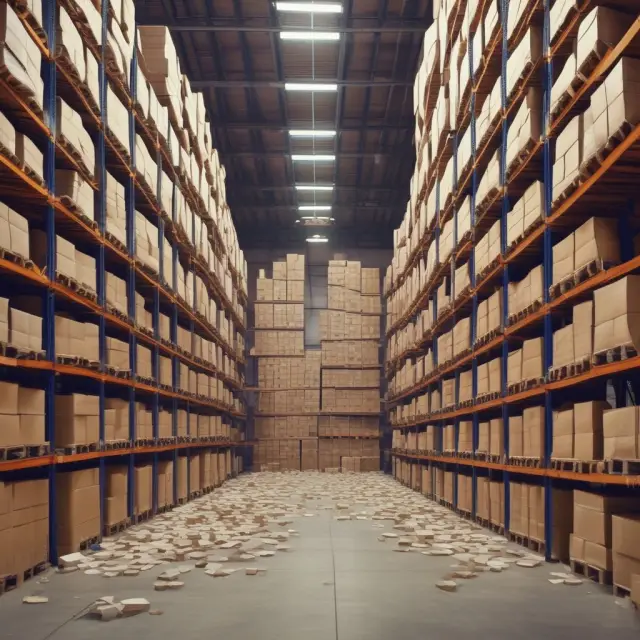
Warehouse receipts have proven to be an essential tool for businesses involved in the production and distribution of commodities, particularly in the futures markets. By providing evidence of quality inventory and enabling efficient transfers between buyers and sellers, warehouse receipts contribute significantly to risk management and profit optimization. In this section, we will discuss a few notable success stories that highlight the importance of warehouse receipts in various industries.
Archer Daniels Midland Company (ADM) is one such example, as they are an industry leader in agricultural processing and commodity trading. ADM uses warehouse receipts to manage its extensive inventory of grains, oilseeds, and sweeteners across multiple locations worldwide. By leveraging these receipts for their grain inventories, ADM can effectively hedge against price volatility while ensuring consistent delivery of high-quality products to their customers.
Another success story comes from Cargill, one of the world’s largest privately held corporations. Cargill specializes in trading and processing agricultural commodities, including grains, oilseeds, and sugar. By using warehouse receipts for their inventory management, they have been able to minimize risk, streamline transactions, and maintain the quality of their products throughout the supply chain.
In the metals sector, mining company Freeport-McMoRan has utilized warehouse receipts in its copper operations at the Grasberg Mine in Indonesia. By using these receipts to secure financing for their inventory, they have been able to improve liquidity and manage price risk more effectively. This not only strengthened their financial position but also allowed them to optimize production and logistics by ensuring that copper inventories are delivered efficiently to customers when needed.
The use of warehouse receipts is not limited to large corporations, either. Small-scale farmers can also benefit from this system. For instance, in the coffee industry, small producers in countries like Colombia can store their beans in approved warehouses and receive receipts for their inventory. These receipts enable them to access financing, reduce risks associated with price fluctuations, and ultimately boost their income through improved sales opportunities.
These case studies demonstrate that warehouse receipts play a crucial role in the futures markets by providing security, efficiency, and flexibility for buyers and sellers alike. By allowing the transfer of ownership and enabling financial transactions based on documented inventory, these documents help ensure that commodities are delivered according to agreed-upon quality standards and at the specified price.
In summary, warehouse receipts have become an essential component of the inventory management process in various industries involved in futures markets. They enable businesses to manage risks, optimize profits, and streamline transactions by providing documentation for commodities stored in exchange-approved warehouses. As we have seen from successful case studies involving companies like Archer Daniels Midland (ADM), Cargill, and Freeport-McMoRan, the use of warehouse receipts has proven to be a valuable tool for managing inventory and price risk in the commodity sector.
FAQ: Frequently Asked Questions about Warehouse Receipts in Commodity Futures Markets
What is a warehouse receipt?
A warehouse receipt is an essential document that confirms the quantity, quality, and availability of a specific commodity stored in a warehouse approved by a futures exchange. It acts as proof of the ownership of the commodity and plays a critical role in guaranteeing the integrity of futures contracts.
What purpose does a warehouse receipt serve in futures markets?
Warehouse receipts serve multiple purposes: they authenticate the quality and quantity of the stored commodity, provide proof of ownership for buyers and sellers, ensure regulatory compliance, and facilitate the transfer of ownership and delivery process of the underlying physical goods.
What are the key components of a warehouse receipt?
A typical warehouse receipt includes important information such as: the name of the commodity, the quantity being stored, the specific location within the warehouse, the date of issue, the issuing authority, the terms and conditions, and any applicable warranties.
What is the role of exchange-approved warehouses in commodity futures markets?
Exchange-approved warehouses play a crucial role in ensuring the integrity of physical delivery for futures contracts. They provide secure storage facilities, manage inventory, verify quality standards, and issue warehouse receipts as proof of ownership and availability of the underlying commodity.
What happens when a buyer takes a long position on a futures contract?
When a buyer enters into a long position in a futures contract, they receive a warehouse receipt that serves as proof of their ownership rights to the underlying commodity stored at an approved warehouse. The buyer can either take delivery of the physical goods or allow them to remain in storage until expiration.
What is a partial delivery in futures markets?
Partial delivery occurs when a long position holder chooses to receive only a portion of the physical commodity that corresponds to their contract, while leaving the remaining balance in the warehouse. This allows the buyer flexibility to manage their inventory and logistics requirements more effectively.
Why are warehouse receipts essential for buyers and sellers in futures markets?
Warehouse receipts provide a level of transparency, security, and confidence in the commodity market by verifying ownership, ensuring quality, simplifying the transfer of goods, and protecting both parties from potential delivery disputes. They help maintain trust between counterparties and facilitate efficient execution of transactions.
 Next entry · No. 5,609Understanding Warehouse Liability Forms: Protecting Your Business from Potential Damages in Finance and Investment
See also
-
 No. 5,908
17 Oct 2025
26 min
Understanding Zero Plus Ticks in Finance and Investment: An Essential Guide for Institutional Investors
Business Finance
No. 5,908
17 Oct 2025
26 min
Understanding Zero Plus Ticks in Finance and Investment: An Essential Guide for Institutional Investors
Business Finance -
 No. 5,878
15 Oct 2025
20 min
Understanding the Z Designation in Nasdaq Stocks: A Comprehensive Guide for Institutional Investors
Business Finance
No. 5,878
15 Oct 2025
20 min
Understanding the Z Designation in Nasdaq Stocks: A Comprehensive Guide for Institutional Investors
Business Finance -
 No. 5,864
14 Oct 2025
19 min
Maximizing Portfolio Returns with a Yield Pickup Strategy
Business Finance
No. 5,864
14 Oct 2025
19 min
Maximizing Portfolio Returns with a Yield Pickup Strategy
Business Finance -
 No. 5,854
13 Oct 2025
18 min
Understanding Yellow Sheets: A Comprehensive Guide for Institutional Investors
Business Finance
No. 5,854
13 Oct 2025
18 min
Understanding Yellow Sheets: A Comprehensive Guide for Institutional Investors
Business Finance -
 No. 5,845
12 Oct 2025
18 min
Understanding and Utilizing Year-Over-Year (YOY) Analysis in Finance and Investment
Business Finance
No. 5,845
12 Oct 2025
18 min
Understanding and Utilizing Year-Over-Year (YOY) Analysis in Finance and Investment
Business Finance -
 No. 5,790
07 Oct 2025
17 min
Mastering Working Capital Management: Strategies and Key Ratios for Financial Success
Business Finance
No. 5,790
07 Oct 2025
17 min
Mastering Working Capital Management: Strategies and Key Ratios for Financial Success
Business Finance