Understanding Your Credit Report: The Importance and Components of Trade Lines
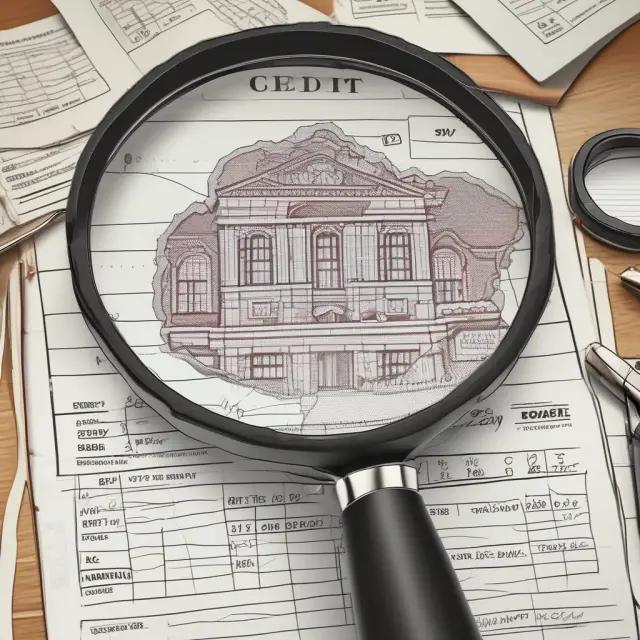
Explore the importance, types, components, and impact on credit scores of trade lines in credit reports
What Is a Trade Line?
A trade line is a record detailing the activity and status of any credit extended to an individual or business reported to a credit reporting agency. Established when an applicant receives approval for credit, each trade line encompasses all transactions associated with that particular account. These records play a significant role in credit scoring calculations, offering lenders a comprehensive understanding of a borrower’s payment history and overall creditworthiness.
Understanding the Importance of Trade Lines:
Trade lines are essential for both consumers and lenders alike, serving as critical components of credit reporting systems. For individuals seeking financing or credit, trade lines provide potential lenders with a detailed view into their credit history, allowing them to evaluate loan eligibility and terms based on reliable data. Simultaneously, maintaining accurate trade lines is vital for consumers to monitor their financial standing and dispute any inaccuracies that may negatively impact their credit scores.
Types of Trade Lines:
Credit reports consist of two primary types of trade lines – revolving and installment accounts. Revolving trade lines are typically associated with open-ended credit, such as credit cards, home equity lines of credit, or personal loans with flexible payment schedules. Conversely, installment trade lines represent fixed-payment obligations, encompassing consumer debt like car loans, student loans, and mortgages.
Components of a Trade Line:
Trade lines comprise essential information pertaining to the creditor, lender, type of credit, payment history, and account status. This comprehensive data is used in calculating credit scores and informing underwriting decisions.
Payment Status:
The most significant element within a trade line is payment status, which indicates whether borrowers consistently meet their financial obligations on time or have a history of missed payments. Late payments are often categorized by the number of days past due and can impact creditworthiness based on severity.
Trade Line Duration:
Closed accounts typically remain on a credit report for seven to ten years, providing potential lenders with a thorough understanding of an applicant’s financial history. This lengthy retention period enables underwriters to assess the stability and reliability of borrowers’ past payment behaviors.
Interpreting Trade Lines:
Lenders examine trade lines during the underwriting process to determine loan eligibility, interest rates, and terms based on an applicant’s creditworthiness. Understanding the information contained within these records enables consumers to effectively manage their finances and improve their overall credit standing.

Types of Trade Lines
Trade lines represent the various forms of borrowing accounts on a consumer’s credit report. The two primary categories of trade lines include revolving and installment accounts. Understanding these distinctions is crucial for managing your credit profile effectively.
Revolving Trade Lines
Revolving trade lines consist of open-ended credit arrangements, with no predetermined maturity date. Credit cards are the most common example of revolving trade lines; they enable cardholders to borrow and repay funds repeatedly against a revolving line of credit. The total available limit for these accounts fluctuates depending on factors such as payment history and usage.
Installment Trade Lines
On the other hand, installment trade lines have fixed payments and set loan terms with a specific maturity date. A mortgage, car loans, student loans, or personal loans are all examples of installment trade lines. With these types of accounts, borrowers repay the debt in equal monthly installments over a predefined period. Unlike revolving accounts, there is no option to extend the credit limit for installment loans; once the loan is paid off, the trade line is typically closed.
Understanding the distinction between revolving and installment trade lines is essential for various reasons. Lenders often use this information when evaluating applications for new credit or loan agreements. Additionally, maintaining a healthy mix of both types can positively impact your credit score. Diversifying your credit portfolio by having both revolving and installment accounts demonstrates to lenders that you are capable of managing multiple lines of credit responsibly.
Trade Lines’ Impact on Credit Scores
The payment history, amount owed, and length of credit history are three essential components used in calculating credit scores. Both revolving and installment trade lines impact these factors differently.
Revolving accounts have a more significant influence on your credit utilization ratio, which is the percentage of available credit you’re using at any given time. Maintaining a low credit utilization ratio (below 30%) is considered good practice for optimizing your credit score. By contrast, installment loan payments are factored into credit scores based on their on-time payment history and length of the loan term.
In conclusion, trade lines play a vital role in determining your creditworthiness and eligibility for new loans or lines of credit. Understanding the differences between revolving and installment trade lines can help you manage your credit profile effectively and maintain a healthy mix of credit types to enhance your credit standing.

Components of a Trade Line
A trade line, as previously defined, is an essential record-keeping mechanism that tracks the activity and history of borrowers in their credit reports. It’s a crucial piece of information used by credit reporting agencies to calculate credit scores. In this section, we will delve deeper into understanding what constitutes a trade line and its critical components.
A trade line includes various data points related to the creditor, lender, and the type of credit being provided. Let’s explore these components in detail:
1) Creditor or Lender Information: The name of the creditor or lender is one of the first pieces of information found within a trade line. This is important as it helps distinguish which account corresponds to each trade line on your credit report. For instance, if you have multiple credit cards, each card issuer will appear as a separate creditor in your trade lines.
2) Account Information: The type and description of the account is another vital component of a trade line. This could include details like open or closed status, revolving vs installment loan, and the specific purpose of the account, such as credit card, mortgage, car loan, or student loan.
3) Parties Involved: The parties responsible for making payments on an account can be found within a trade line, including yourself and any authorized users. This information helps lenders understand who is responsible for managing the account and its associated payments.
4) Payment Status: A crucial aspect of a trade line is the payment status, which indicates whether or not you are making timely payments on your credit obligations. Late or missed payments can negatively impact your credit score, so maintaining a good payment record is essential.
5) Account Milestones: The milestones within a trade line include significant events in your credit history, such as the date an account was opened, when it was closed, and any late payments or charge-offs that have occurred.
6) Credit Limit or Loan Amount: The credit limit or loan amount is also an important piece of information displayed within a trade line for revolving accounts. This number indicates the maximum balance you can carry on your credit card at any given time, whereas installment loans do not typically have a credit limit.
7) Balance and Monthly Payment Information: The current account balance and monthly payment amount are essential components of a trade line, as these figures help lenders assess your ability to manage debt and make timely payments.
Understanding the components within a trade line is crucial when interpreting your credit report and maintaining good credit health. By keeping track of your payment status, account milestones, and creditor information, you can take proactive measures to improve your financial situation and increase your chances of securing favorable loan terms in the future.

Impact on Credit Scores
The importance of understanding your credit report’s trade lines is significant when it comes to your creditworthiness and the subsequent impact on your ability to secure loans or other forms of credit. Trade lines serve as a comprehensive record of each account, detailing creditor information and payment history. When calculating your credit score, various components are considered based on the data provided in these trade lines (Credit Karma, 2021).
Payment status plays a crucial role in determining a borrower’s creditworthiness. Late payments, as mentioned earlier, can be grouped into categories according to their delinquency – thirty, sixty, or ninety days late. The payment status is vital because it provides insight into a consumer’s history of making payments on time and how often they may have missed payments (MyFico, 2021). Lenders look at this information closely when evaluating a credit application as part of the underwriting process.
Late payments can be reported in different ways depending on the reporting agency. For instance, some agencies might list late payments as “30 days late,” while others could denote them as “delinquent” or “past due.” Understanding these differences is essential when reviewing your credit report to ensure accuracy.
Another factor that plays a role in calculating your credit score is the length of your credit history. This information, gathered from trade lines, helps lenders determine how responsible you’ve been with managing credit over an extended period (Experian, 2021). A longer credit history signifies stability and reliability when it comes to managing credit.
The number and types of open accounts also impact your credit score. Trade lines provide essential data points that enable lenders to evaluate a borrower’s credit mix – the various types of debt they’ve handled in the past. A diverse range of trade lines indicates a strong ability to manage different forms of debt, such as car loans, mortgages, and credit cards (Equifax, 2021).
When evaluating your creditworthiness, lenders often look at both your credit score and the detailed information contained within each trade line. This approach offers a more holistic assessment that goes beyond just a single numerical value. By understanding how trade lines affect credit scores, you can better manage your debt, maintain a strong financial foundation, and ultimately improve your overall financial health.
In conclusion, trade lines are essential components of credit reporting that provide detailed information about each account a borrower has had in the past. This data is used to calculate credit scores, which significantly influences a borrower’s ability to secure loans or other forms of credit. By understanding how payment status, length of credit history, number and types of open accounts impact your credit score, you can take proactive steps towards maintaining a strong financial profile and securing the best possible loan terms in the future.
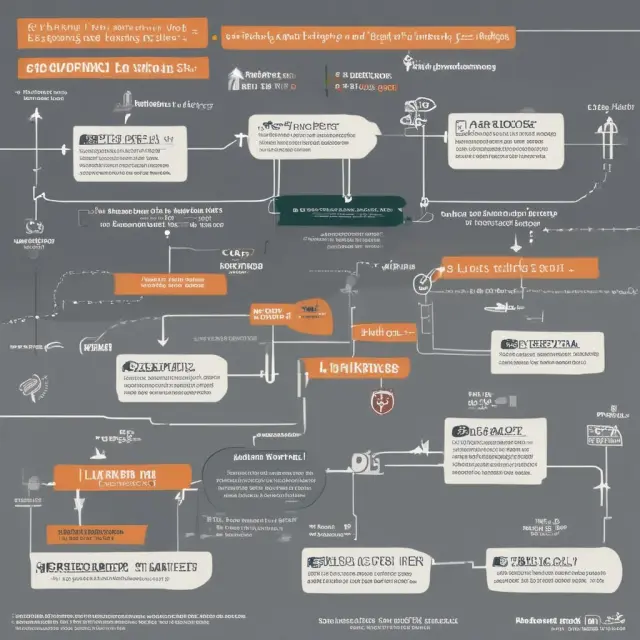
Trade Line Length and Timing
Understanding how long a trade line remains on your credit report is crucial as it significantly impacts your overall creditworthiness. A trade line represents the history of your relationship with a creditor, including information about the type of account, payment statuses, and balances. This section will cover when trade lines appear, their duration, and implications for borrowers.
When does a Trade Line Appear on My Credit Report?
A trade line appears on your credit report shortly after opening a new line of credit or making your first payment on an installment loan. For revolving accounts such as credit cards, the trade line may take 15-45 days to appear following the account’s activation. Installment loans, like mortgages and car loans, often show up on your report within 30 days of the initial payment being made or the account opening.
Trade Line Duration
Trade lines typically remain on a credit report for different durations depending on their type. Late payments can affect your credit score for several years, as they are usually reported for up to seven years. However, closed accounts and paid-off loans generally stay on your report for ten years. The length of time trade lines stay on your credit report is essential because it contributes significantly to the overall calculation of your credit score.
Implications for Borrowers
The duration of trade lines can impact borrowers in several ways, both positively and negatively. For instance, a long-standing positive payment history can boost a borrower’s credit score. Conversely, late payments or defaulted loans can negatively affect their credit standing for an extended period. Additionally, understanding the timing and length of trade lines can help consumers identify potential errors in their credit reports and take action to dispute any incorrect information, ensuring the accuracy of their credit history.
In conclusion, being aware of the appearance, duration, and implications of trade lines on your credit report is crucial for maintaining a healthy credit profile. Properly managing your trade lines by paying bills on time and disputing errors can significantly contribute to an improved credit standing and overall financial well-being.

Interpreting Trade Lines in Credit Applications
A trade line is an essential piece of information that lenders scrutinize when processing a borrower’s credit application. By assessing the trade lines on a credit report, they can gain insights into an individual’s creditworthiness and history. This section will discuss how lenders evaluate trade lines during the underwriting process to determine loan eligibility and terms.
When you apply for credit, the lender may request your credit report as part of their assessment process. Your credit report contains detailed information about all your open and closed credit accounts, including revolving lines like credit cards and installment loans such as mortgages or car loans. Lenders use this data to evaluate your ability to repay debt on time, manage existing debts, and assess the risk associated with extending new credit.
Lenders consider several factors when interpreting trade lines during underwriting:
- Payment history: Late payments or missed payments can negatively impact a borrower’s credit score and overall creditworthiness. Lenders want to see consistent on-time payments, which demonstrate financial responsibility and a low risk for future delinquencies.
- Credit utilization rate: The amount of available credit you are using relative to your total credit limit is another significant factor that lenders consider when assessing trade lines. A high credit utilization rate suggests that you may be overextended or struggling with debt, which could negatively impact your ability to repay new debt obligations.
- Length of credit history: Lenders prefer borrowers with a long and stable credit history as it indicates financial maturity and reliability. Long-term trade lines show consistency and stability in managing and repaying debts over time.
- Types of credit accounts: Lenders analyze the mix of revolving and installment credit, as well as secured and unsecured debt, to assess a borrower’s ability to manage various types of credit. A diverse credit portfolio can demonstrate versatility in handling different loan types.
- Account balances: The current balance on open accounts is important for lenders to understand when evaluating trade lines, as it affects the borrower’s overall debt load and their capacity to manage new obligations.
- Derogatory marks: Lenders pay close attention to negative marks like collections, charge-offs, judgments, or bankruptcies, which may negatively impact a borrower’s creditworthiness. The presence of these derogatory marks can result in unfavorable loan terms or denied credit applications.
By thoroughly examining trade lines on a credit report, lenders gain valuable insights into a borrower’s credit history and financial situation. This information informs their decision-making process when it comes to approving or denying new credit requests, setting interest rates, or determining repayment terms.

Disputing Errors on Trade Lines
It’s not uncommon for borrowers to come across inaccuracies or errors within their trade lines that can impact their creditworthiness. These mistakes could arise from data entry errors, incorrect payment reporting, or even identity theft. Fortunately, consumers have the right to dispute any incorrect information found on their credit report. In this section, we will discuss how to identify and rectify potential issues with your trade lines.
First, it is vital to understand the components of a trade line and the role they play in credit reporting. A trade line includes details about the creditor or lender, account type, payment status, and any missed payments or late fees. Consumers should review their entire credit report for any inconsistencies or discrepancies.
If you notice an error on one of your trade lines, contact the credit reporting agency that issued the report as soon as possible to initiate a dispute. You can either submit your dispute online, via mail, or by phone. The credit bureau will investigate your claim and provide you with a response within 30 days. During this investigation process, the disputed trade line may be temporarily removed from your credit report while it is being reviewed.
When making a dispute, ensure you have all relevant documentation to support your case. This might include copies of bills, payment records, or other official documents that can help verify the correct information for the trade line. If the error is related to identity theft, you may need to provide additional documents such as a police report and proof of identity.
If the credit bureau determines that there was indeed an error, they will remove or correct the incorrect information from your credit report. The updated information will be shared with any third parties that have obtained your credit report within the past 60 days, ensuring that your corrected trade line is reflected accurately in future applications and assessments.
It is crucial to remember that not all disputes are successful. If the credit reporting agency determines that the information reported is accurate, you may choose to challenge their decision by submitting additional evidence or escalating the dispute to regulatory bodies like the Consumer Financial Protection Bureau. In such cases, it’s essential to seek professional advice from a legal expert or credit counselor to ensure the best possible outcome.
In conclusion, understanding how to navigate disputes related to your trade lines is vital for maintaining an accurate and fair credit report. By closely monitoring your credit report and taking quick action when necessary, you can help protect yourself against potential inaccuracies that could impact your financial future.

Trade Lines for Businesses
Understanding the significance and intricacies of trade lines extends beyond individual credit reporting to include businesses’ financial health assessment as well. Trade lines function similarly for business credit, with several differences in types and underwriting implications.
Types of Trade Lines
Businesses often have access to various forms of credit, including revolving and installment accounts. Revolving trade lines consist of open-ended loans such as lines of credit or credit cards. Installment trade lines include closed-end loans like mortgages or vehicle financing. Both types have unique implications for the underwriting process.
Components of a Trade Line
The composition of a business trade line is similar to that of an individual’s, with crucial differences in the data points reported. These differences may include but are not limited to: creditor names and contact information, account balance, payment history, average daily balance, and open/closed status. The credit reporting agency evaluates these components when generating a business credit score, which is utilized by lenders during the underwriting process.
Impact on Business Credit Scores
The trade line data points for businesses are used to calculate their business credit scores, similar to individual credit scores. Payment history and balance information play critical roles in determining creditworthiness. Late or missed payments can significantly impact a business’s score.
Trade Line Length and Timing
Business trade lines may remain on a report for up to 10 years from the date of closure, providing lenders with a comprehensive view of a company’s payment history and financial behavior. Understanding these timelines is crucial for businesses seeking financing, as past missteps can impact future opportunities.
Interpreting Trade Lines in Business Applications
Lenders use trade lines to assess the creditworthiness of business applicants during the underwriting process, evaluating factors such as payment history, account balance, and average daily balance. A strong trade line record demonstrates financial responsibility and reliability, while negative information can indicate potential risk.
Disputing Errors on Trade Lines
If a business encounters incorrect data within a trade line, they can dispute the error with the credit reporting agency. Providing proper documentation can result in the removal or correction of the erroneous data within 30 days.
FAQs about Business Trade Lines:
- What is a trade line for businesses? A trade line for businesses is a record of their financial activity and payment history with a creditor, reported to credit bureaus for evaluation during underwriting.
- How long do business trade lines remain on a report? Business trade lines may remain on a credit report for up to 10 years following closure.
- How are business trade lines different from personal trade lines? The primary difference is in the reporting of creditor information, account type, and balance data points for businesses.

Fraudulent Trade Lines
A fraudulent trade line is an inaccurate entry on a consumer’s credit report, which can significantly impact their creditworthiness and financial future. This type of trade line arises when someone with malicious intentions opens an account under another person’s name, or when information about existing accounts is incorrectly reported to the credit bureaus. Fraudulent trade lines can lead to a host of issues for consumers, including identity theft, damage to their credit score, and unnecessary financial strain.
Identity Theft: One of the most common ways that fraudulent trade lines enter credit reports is through identity theft, where someone gains access to another person’s personal information and uses it to apply for credit or open new accounts in their name without permission. This can result in a consumer being held responsible for unpaid debts they did not accrue, as well as the time and energy required to dispute the erroneous entries on their report.
Incorrect Reporting: Another cause of fraudulent trade lines is incorrect reporting by creditors or lenders. This may include errors related to payment histories, balances owed, or account statuses. In some cases, creditors or lenders might intentionally misreport information in order to manipulate a consumer’s creditworthiness and increase their chances of being approved for loans or lines of credit with unfavorable terms.
Dispute Process: The dispute process is the means by which consumers can challenge fraudulent trade lines on their credit report. This involves contacting the credit bureaus, providing evidence to support their claim, and working through the investigation and resolution process. While this can be a time-consuming and sometimes frustrating experience, it’s crucial for consumers to take action against fraudulent trade lines in order to protect their financial health and restore their creditworthiness.
Prevention: The best defense against fraudulent trade lines is to maintain good credit hygiene practices, such as regularly monitoring your credit report for inaccuracies or signs of identity theft, safeguarding personal information, and being cautious when sharing it with others. By staying vigilant and proactive, you can reduce the likelihood of falling victim to fraudulent trade lines and protect your financial future.

FAQs about Trade Lines
Trade lines are essential components of a borrower’s credit report, and understanding their creation, impact on credit scores, and interpretation during the underwriting process is crucial for maintaining good credit health. In this section, we address frequently asked questions about trade lines and their significance in credit reporting.
What Is a Trade Line?
A trade line is a record of all activity related to any type of credit extended to a borrower and reported to a credit reporting agency. Each credit account results in a distinct trade line on a borrower’s credit report. Comprehensively, these lines are utilized by credit reporting agencies to determine credit scores based on specific factors.
How Long Does It Take for a Trade Line to Appear on My Credit Report?
Trade lines can appear on your credit report as soon as 15 days after the time of purchase, but they may be delayed up to 45 days depending on when the transaction was made.
Why Do Trade Lines Matter in Credit Scores?
Credit scoring models utilize trade lines to calculate credit scores based on factors such as payment history, credit mix, length of credit history, and amount owed.
How Long Does a Trade Line Stay on My Credit Report?
Trade lines are typically maintained for ten years after the account has been closed but may vary depending on the specific credit reporting agency. Negative trade lines can be disputed and potentially removed within 30 days of review if found to be erroneous or fraudulent.
What Information Is Included in a Trade Line?
A trade line includes essential information about the creditor, lender, account type, and payment status. It also reports the date credit was extended and the current balance, among other relevant details.
Can I Dispute Errors on My Trade Lines?
Yes, borrowers can dispute errors found in their trade lines by contacting the relevant credit reporting agency. Proof of incorrect information must be provided to ensure its removal within 30 days of review.
What Types of Accounts Result in Trade Lines?
Trade lines are created for various types of accounts, including revolving credit (such as credit cards) and installment loans (like car loans or mortgages). Open trade lines may be established for businesses as well.
What Is the Role of a Trade Line During Underwriting?
Lenders examine a borrower’s entire set of trade lines when considering a credit application during the underwriting process, analyzing payment history and other factors to determine loan eligibility and terms.
 Next entry · No. 5,020Trade Secrets: Understanding the Economic Value of Confidential Business Information
See also
-
 No. 829
16 Jun 2024
19 min
Understanding Credit Scores: The Key to Securing Finances and Investments
Credit & Loans
No. 829
16 Jun 2024
19 min
Understanding Credit Scores: The Key to Securing Finances and Investments
Credit & Loans -
 No. 5,426
07 Sep 2025
17 min
Understanding VantageScore: A Comprehensive Guide for Institutional Investors
Business Finance
No. 5,426
07 Sep 2025
17 min
Understanding VantageScore: A Comprehensive Guide for Institutional Investors
Business Finance -
 No. 5,214
20 Aug 2025
19 min
Understanding the Essential Role of Underwriting in Finance
Business Finance
No. 5,214
20 Aug 2025
19 min
Understanding the Essential Role of Underwriting in Finance
Business Finance -
 No. 4,466
21 Jun 2025
18 min
Revolvers 101: Understanding Revolving Credit Lines and Their Uses for Institutional Investors
Business Finance
No. 4,466
21 Jun 2025
18 min
Revolvers 101: Understanding Revolving Credit Lines and Their Uses for Institutional Investors
Business Finance -
 No. 380
17 Apr 2024
20 min
Understanding the Equifax Pinnacle Score: A Key Factor in Creditworthiness
Credit & Loans
No. 380
17 Apr 2024
20 min
Understanding the Equifax Pinnacle Score: A Key Factor in Creditworthiness
Credit & Loans -
 No. 5,280
26 Aug 2025
20 min
Understanding Universal Default: What You Need to Know About This Credit Card Provision
Personal Finance
No. 5,280
26 Aug 2025
20 min
Understanding Universal Default: What You Need to Know About This Credit Card Provision
Personal Finance