Understanding the Equifax Pinnacle Score: A Key Factor in Creditworthiness

Understand the role of Equifax's Pinnacle Score in creditworthiness assessments. Learn factors influencing scores, ways to improve, and more.
What is a Pinnacle Score?
The Pinnacle score, developed by Equifax Credit Bureau, is an essential tool used by lenders to gauge a borrower’s creditworthiness. This score, derived from the original FICO scoring method, provides insights into an individual’s credit history and potential ability to repay debts on time. Though the exact calculation remains a trade secret, key factors influencing your Pinnacle score include payment history, delinquent accounts, credit utilization ratio, length of credit history, types of accounts, and inquiries. A higher Pinnacle score conveys a solid record of timely payments and responsible borrowing practices. On the other hand, a lower score may hinder access to loans or result in less favorable interest rates.
A Brief History of the Pinnacle Score
The first FICO score was introduced by Fair, Isaac, and Company in 1989 with the objective to standardize credit scoring processes and eliminate inconsistencies among lenders. Previously, each lender utilized their unique methodology for assessing creditworthiness. With the advent of a uniform scoring system, the three major credit bureaus—Equifax, Experian, and TransUnion—emerged as leading providers of credit information. Each bureau developed its own proprietary scoring methodology based on FICO’s framework. As part of Equifax’s offering, the Pinnacle score plays a critical role in lenders’ credit evaluation processes.
Factors Affecting Your Pinnacle Score
Your Pinnacle score is influenced by multiple factors, with the following five elements playing a significant role:
1. Payment history and delinquent accounts: Timely payments are crucial for maintaining a high Pinnacle score. Late or missed payments negatively impact your creditworthiness. Delinquent accounts must be addressed to prevent further damage and restore a solid credit standing.
2. Credit utilization ratio: The amount of available credit being used, also known as the credit utilization ratio, significantly impacts your Pinnacle score. A high credit utilization ratio indicates that you are overextending your credit, making lenders question your ability to manage debt effectively. Keeping your credit utilization below 30% is a common recommendation for maintaining and improving your score.
3. Length of credit history: Longer credit histories demonstrate stability and reliable borrowing practices. A lengthy credit history can lead to a higher Pinnacle score as it shows lenders that you have managed your debts responsibly over an extended period.
4. Types of accounts: Different types of accounts, such as revolving credit (e.g., credit cards) and installment loans (e.g., mortgages or car loans), contribute to the Pinnacle score calculation. Maintaining a diverse range of account types can positively impact your creditworthiness.
5. Inquiries: Every time you apply for new credit, lenders perform a hard inquiry, which temporarily docks your Pinnacle score. Multiple inquiries within a short period indicate an increased risk level and may negatively impact your score. Minimizing the number of applications for new credit can help preserve your Pinnacle score.
Improving Your Pinnacle Score: Practical Steps
To enhance your Pinnacle score, consider the following actions:
- Request a free Equifax credit report to ensure accurate information and address any discrepancies.
- Prioritize on-time payments for all bills to maintain a positive payment history.
- Manage credit usage by keeping your credit utilization below 30%.
- Settle delinquent accounts or negotiate with debt collectors to remove negative items from your report.
- Limit new applications for credit to minimize the impact of inquiries on your score.
Late Payments and Pinnacle Scores: The Role and Weight
Late payments significantly influence your Pinnacle score, as they indicate a potential risk for future delinquencies and non-payments. Late payment history is generally weighted more heavily than other factors, making it essential to prioritize timely payments to preserve or improve your creditworthiness.
Understanding Credit Utilization Ratios and Pinnacle Scores
Credit utilization ratios represent the proportion of available credit that you are currently using. Keeping your credit utilization below 30% is considered best practice for maintaining a high Pinnacle score. By managing your credit usage effectively, lenders view you as a responsible borrower, which positively impacts your overall creditworthiness.
Differences Between FICO and Pinnacle Scores
While the original FICO scoring method was developed by Fair, Isaac, and Company in 1989, each credit bureau—Equifax, Experian, and TransUnion—created its own unique scoring methodology based on the framework provided. The Pinnacle score is Equifax’s proprietary approach to calculating a borrower’s creditworthiness. Both FICO scores and Pinnacle scores evaluate the same factors but assign varying weightages and methods to derive an overall numerical representation of creditworthiness.
Requesting a Free Equifax Credit Report: The Importance for Monitoring Your Score
Regularly requesting your free annual credit report from Equifax is crucial for ensuring accurate information, identifying any discrepancies, and monitoring changes in your Pinnacle score over time. By staying informed of your creditworthiness, you can take proactive steps to address any negative factors and maintain a strong financial position.

History of the Pinnacle Score
The Beacon (Pinnacle) Score is a crucial element in determining creditworthiness for lenders, and it was first introduced by Equifax as an evolution of the FICO scoring model. Developed to standardize credit evaluation processes, this credit scoring methodology has been adopted widely across the financial industry since its inception. While the precise calculation remains a guarded secret, the Beacon score is known to be based on several essential factors: payment history, delinquent accounts, length of credit history, types of accounts used, and credit inquiries.
The roots of the FICO scoring method can be traced back to 1989 when Fair Isaac Corporation (FICO) first created a standardized approach for evaluating consumer creditworthiness. This revolutionized the lending landscape by allowing lenders to compare applicants from different financial institutions using consistent criteria, thereby increasing fairness and transparency. Equifax, one of the three major credit bureaus, subsequently adopted this FICO scoring methodology as the foundation for its Pinnacle score.
Lenders rely on these credit scores to assess borrowers’ risk levels based on their historical financial behavior. A higher Beacon (Pinnacle) score indicates a lower risk profile and a solid track record of repaying debts, whereas a low score can lead to denial of credit or higher interest rates.
To improve your Pinnacle score, it is essential to maintain a positive payment history, manage credit usage wisely, settle delinquent accounts, and limit new applications for credit. Regularly checking your Equifax credit report ensures that all information is accurate and up-to-date, helping you to identify potential areas for improvement.
Lenders may request various versions of the Pinnacle score based on the type of loan or credit product they are considering. These versions include Beacon 5.0 Base, Beacon 5.0 Auto, Beacon 5.0 Bank Card, and others. Each version caters to specific industries’ needs, providing lenders with valuable insights into potential borrowers.
By understanding the history and importance of the Pinnacle score, you can make informed decisions about managing your credit and improving your financial future.
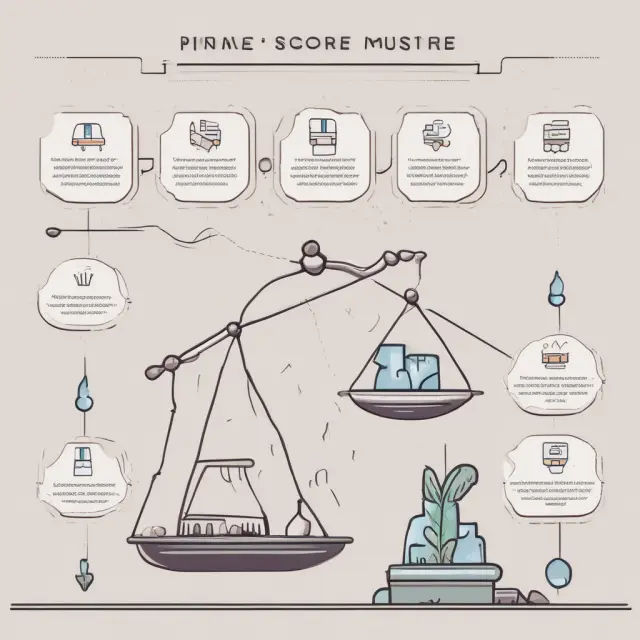
Factors Affecting the Pinnacle Score
The Pinnacle score is an essential element in determining creditworthiness for individuals applying for loans or other forms of credit. Developed by Equifax Credit Bureau, this scoring method plays a significant role in shaping lenders’ decisions regarding risk assessment and potential borrowers’ ability to repay their debts. Although the precise calculation remains a trade secret, several known factors impact your Pinnacle score.
1. Payment History: A borrower’s payment history is a critical determinant of their creditworthiness. Late payments or missed payments negatively affect scores and indicate potential financial instability. On the other hand, consistent on-time payments contribute positively to a borrower’s credit reputation and can lead to improved scores.
2. Delinquent Accounts: Unpaid bills or debts significantly impact credit scores. These accounts show lenders that the borrower may have difficulty managing their financial obligations, potentially resulting in lower Pinnacle scores. Settling delinquent accounts, either by paying off the debt or negotiating a settlement, can help restore a borrower’s credit standing.
3. Credit Utilization: This ratio represents the amount of available credit compared to the current balance. High utilization ratios (above 30%) indicate excessive usage and may negatively impact a borrower’s Pinnacle score. However, maintaining low credit utilization rates can help improve scores and signal financial responsibility.
4. Length of Credit History: Longer credit histories demonstrate stability and consistency in managing debt over extended periods. This factor positively influences creditworthiness as lenders view it as a strong indicator of a borrower’s ability to repay loans.
5. Types of Accounts: The mix of various types of credit accounts (e.g., installment loans, revolving credit) impacts Pinnacle scores. A diversified portfolio demonstrates better handling of diverse credit products and can lead to improved creditworthiness.
6. Credit Inquiries: Hard inquiries on your Equifax report, which occur when lenders or other entities check an individual’s credit history, impact their Pinnacle score temporarily. Excessive inquiries can signal a potential financial crisis and may negatively affect scores. However, consumers should not worry about soft inquiries, which occur due to background checks, pre-approved offers, or account reviews by existing creditors, as they do not impact Pinnacle scores.
To maintain and improve your Pinnacle score, consider the following steps:
- Request a free Equifax credit report regularly to ensure accuracy and up-to-date information.
- Make timely payments on all bills and debts.
- Keep your credit utilization ratios below 30%.
- Settle delinquent accounts, either by paying off or negotiating a settlement.
- Limit new credit applications to maintain a low number of inquiries.
- Diversify your credit portfolio by maintaining a mix of installment loans and revolving credit.
- Avoid late payments or missed bills, as these negatively impact scores.
By understanding the various factors affecting your Pinnacle score, you can make informed decisions regarding financial management and maintain a solid credit reputation for future borrowing needs.

How to Improve Your Pinnacle Score
The Pinnacle score is a valuable metric used by Equifax to assess a borrower’s creditworthiness. While the exact calculation of this score is kept a secret, several factors influence its determination. This section will discuss ways to improve your Pinnacle score.
Request Your Free Credit Report
To ensure the accuracy of your Pinnacle score and maintain control over your financial situation, it’s essential to regularly review your credit report from Equifax. Requesting a free copy every year is an excellent way to identify discrepancies or errors that could negatively affect your score.
Address Late Payments and Delinquent Accounts
Payment history and delinquent accounts are the two most heavily weighted factors impacting your Pinnacle score. To improve your creditworthiness, make every effort to address late payments and delinquent accounts:
- Make timely payments: Consistently making on-time payments is crucial for maintaining a good credit standing. Set up automatic payments or reminders to ensure you never miss a payment.
- Settle outstanding debts: If paying off a debt in full isn’t an option, negotiate with lenders or collection agencies to establish a reasonable repayment plan that fits your budget and doesn’t leave you stranded on other bills.
- Revisit old delinquencies: Consider re-aging your credit report by contacting the original creditor to request a ‘pay for delete.’ If they agree, this deletes the late payment from your record in exchange for full payment.
Manage Your Credit Usage Wisely
Credit utilization plays a significant role in your Pinnacle score. Keeping your credit usage below 30% of your overall credit limit helps maintain a healthy financial profile. Strategies to reduce credit utilization include:
- Lowering your balance: Pay down existing balances, especially if they’re close to your credit limit.
- Avoid applying for new credit cards or loans unnecessarily, as this can negatively impact your score by increasing your overall available credit and affecting your debt-to-income ratio.
- Increase your credit limit: Requesting a credit line increase from your current lender can improve your credit utilization if you maintain the same spending habits.
- Maintain old credit cards: Older accounts with long histories help establish credit longevity and contribute positively to your Pinnacle score. Keep these active, even if they are seldom used.
- Diversify your credit portfolio: Having a mix of installment loans (car loan, mortgage) and revolving credit (credit cards) demonstrates responsible borrowing behavior and improves your overall score.
Monitor Your Credit Inquiries
Every time you apply for new credit or a loan, lenders pull your credit report, resulting in a hard inquiry on your record. Multiple hard inquiries can lower your Pinnacle score, so be mindful of the number and frequency of applications:
- Space out applications: If you’re shopping around for the best deal, try to apply for new credit within a short time frame to minimize the impact on your score.
- Refrain from unnecessary inquiries: Avoid applying for credit cards or loans that you don’t genuinely need, as each application can negatively impact your score.
- Review pre-approvals: Be cautious of unsolicited offers for new credit since these pre-approval inquiries are typically considered hard inquiries and can lower your Pinnacle score. If uncertain, call the creditor to clarify their intentions before accepting any offer.

Impact of Late Payments on Pinnacle Scores
Late payments can significantly affect your creditworthiness as determined by your Pinnacle score. While the exact weight given to late payments varies, it’s generally known that missed or late payments are a significant component of credit scoring algorithms. In fact, payment history is one of the most crucial factors affecting your credit score.
When evaluating your creditworthiness, lenders often consider how you’ve handled debt in the past as an indicator of your ability to repay future loans. Late payments show that you may have difficulty managing your financial obligations. This can impact your Pinnacle score negatively.
A late payment is typically defined as a payment made after the due date. The severity and frequency of these late payments can influence your credit standing. For example, a single late payment may not significantly impact your score, while multiple missed or late payments can cause a substantial decrease in your Pinnacle score.
Late mortgage or rent payments often have more weight on your score than other types of late payments because they represent larger financial obligations. However, any late payment—from credit card bills to student loans—can impact your Pinnacle score negatively.
To help mitigate the negative effect of late payments on your Pinnacle score, focus on resolving past due accounts and avoiding future missed or late payments. Here are some steps you can take:
- Identify and prioritize outstanding debt: Make a list of all past-due debts and focus on paying them off as soon as possible.
- Create a budget: Developing a realistic budget can help you manage your income and expenses more effectively, ensuring that you can make timely payments in the future.
- Automate bill payments: Setting up automated payments for recurring bills can prevent late payments and reduce stress.
- Contact creditors: If you’re experiencing financial hardship, reach out to your creditors to discuss payment arrangements or possible debt relief options.
- Monitor your credit report: Regularly reviewing your Equifax credit report can help you identify potential issues early and address them before they negatively impact your Pinnacle score.
In conclusion, late payments have a significant impact on your Pinnacle score. By focusing on resolving past due accounts, managing your budget effectively, automating bill payments, communicating with creditors, and monitoring your credit report regularly, you can improve your creditworthiness as indicated by your Pinnacle score.

Understanding Credit Utilization Ratios and Pinnacle Scores
Credit utilization ratio is a crucial factor that influences your creditworthiness as measured by the Equifax Pinnacle Score. The exact calculation of this score is a closely guarded secret, but factors like payment history and delinquent accounts are known to carry significant weight. Among these factors, your credit utilization ratio plays an essential role in determining your overall creditworthiness.
Credit Utilization Ratio: What Is It?
The credit utilization ratio is the percentage of available credit that you’re currently using at any given moment. If you have a credit card with a $10,000 limit and have charged $3,000 against it, your credit utilization ratio is 30%. This means that you are utilizing only 30% of your total available credit.
Impact on Pinnacle Scores
The lower your credit utilization ratio, the better it reflects on your Pinnacle score. Lenders and creditors view a low credit utilization ratio as a favorable sign of responsible credit management. In contrast, high credit utilization ratios can negatively affect your Pinnacle score. This is because high levels of credit usage demonstrate that you are relying heavily on borrowed funds and might struggle to meet your financial obligations.
Ideal Credit Utilization Ratio
Most financial experts recommend maintaining a credit utilization ratio below 30% for optimal credit health and, in turn, higher Pinnacle scores. This can be achieved by paying off debt, not maxing out credit cards, and avoiding taking on new credit before paying down existing balances.
Effective Strategies to Improve Credit Utilization Ratios
- Pay off debt: Reducing your outstanding debt balances will lower your credit utilization ratio, positively impacting your Pinnacle score.
- Use credit wisely: Avoid maxing out your cards and keep credit usage below the 30% threshold to ensure a strong credit profile.
- Request higher credit limits: If your income has increased, consider requesting a higher credit limit from your lender or card issuer. This will boost your available credit, lowering your credit utilization ratio without changing your spending habits.
- Monitor your accounts: Regularly review your credit reports and account statements to ensure all information is accurate. Address any discrepancies promptly to maintain a favorable credit utilization ratio and overall Pinnacle score.
- Focus on long-term strategy: Remember that creditworthiness is an ongoing process, not a one-time event. Make responsible financial decisions consistently over time to build and maintain a strong credit profile with a low credit utilization ratio.
The Bottom Line
Understanding the importance of managing your credit utilization ratio in relation to the Pinnacle score can help you make informed decisions regarding your credit usage, payments, and overall financial health. By following best practices and maintaining a low credit utilization ratio, you’ll position yourself for better access to credit opportunities and favorable terms when applying for loans or lines of credit.

Differences Between FICO and Pinnacle Scores
When it comes to understanding creditworthiness, two terms often come up: FICO scores and Pinnacle scores. While both are used by lenders for assessing a borrower’s risk potential, there are significant differences between these two scoring methods. This section will delve into the similarities and differences between FICO and Pinnacle scores, offering clarity to readers.
FICO Scores: Origins and Components
The Fair Isaac Corporation (FICO) is the original developer of credit scoring methodology in 1989. Since then, it has become a widely recognized standard used by lenders for assessing borrowers’ creditworthiness. FICO scores are calculated using various factors such as payment history, credit utilization, length of credit history, types of accounts, and new applications for credit.
Pinnacle Scores: Equifax’s Proprietary Scoring Method
Equifax adopted the Beacon score in the late 1990s as a proprietary scoring method to complement FICO scores. In recent years, it has been rebranded as the Pinnacle score. Like FICO scores, Pinnacle scores are used by lenders to evaluate creditworthiness and risk potential. However, Equifax’s algorithm for calculating these scores remains a closely guarded secret.
Comparing Factors: Similarities and Differences
Both scoring methods share some common factors, such as payment history, delinquent accounts, length of credit history, types of accounts used, and new applications for credit. However, the weight given to each factor can vary between FICO and Pinnacle scores. For instance, the exact impact of late payments on a borrower’s score might differ between these two methods.
Late Payments: Implications for FICO vs. Pinnacle Scores
Late payments significantly affect both FICO and Pinnacle scores. However, the precise weight given to late payments can vary. Late payments, especially those that are frequent or severe, will typically have a negative impact on both types of credit scores.
Credit Utilization: Managing Your Usage
The relationship between credit utilization ratios and FICO vs. Pinnacle scores is another important consideration. Maintaining low credit utilization rates—ideally below 30%—can help improve both FICO and Pinnacle scores, as this demonstrates responsible use of available credit to lenders.
Understanding the Impact: Choosing the Right Strategy for You
Given the differences between FICO and Pinnacle scores, it’s essential to understand which factors are most heavily weighted in each scoring method. This knowledge can help you make informed decisions about managing your credit profile and improving your overall creditworthiness. By focusing on areas such as payment history, credit utilization, and length of credit history, you can work towards a higher score with both FICO and Pinnacle.
The Importance of Requesting a Free Equifax Credit Report
Understanding your Equifax Pinnacle Score is crucial for managing your creditworthiness and financial health. While the exact formula used to calculate this score is proprietary, there are some key factors known to influence it significantly, including payment history, delinquent accounts, credit utilization ratio, length of credit history, types of accounts, and inquiries (Hard or Soft).
Requesting a Free Equifax Credit Report: The First Step
To effectively monitor your Pinnacle score, requesting a free report from Equifax is a must. This ensures accurate information and eliminates any false data, such as unpaid debts or unrecognized accounts, that may negatively impact your score. Regularly reviewing your credit report allows you to stay informed about potential discrepancies and take corrective actions accordingly.
How to Improve Your Equifax Pinnacle Score: Tips and Strategies
- Payment History: Maintain a solid payment history by making timely payments, especially for late bills and delinquent accounts, as they significantly impact your creditworthiness.
- Credit Utilization Ratio: Keep your credit utilization below 30% to maintain a good balance between credit usage and available credit.
- Settle Delinquent Accounts: Attempt to settle any outstanding debts or negotiate payment plans if you are unable to pay the full amount, as settled accounts improve your credit standing.
- New Applications: Minimize new applications for credit to prevent multiple inquiries on your Equifax report and preserve your creditworthiness.
- Regular Monitoring: Continuously monitor your Equifax credit report to ensure that all information remains up-to-date and accurate.
Understanding the Pinnacle Score’s Impact: Late Payments, Credit Utilization, and Inquiries
Late payments and missed bills have a substantial influence on your Pinnacle score. Neglecting timely payments not only negatively affects creditworthiness but also undermines future borrowing opportunities due to the increased risk of default. A high credit utilization ratio, meaning you’ve maxed out or neared your credit limit, suggests that you are overextending yourself financially and may struggle to repay any new debts. Lastly, too many inquiries on your Equifax report can signal a potential red flag for lenders, indicating excessive borrowing activity and the risk of financial instability.
In conclusion, understanding your Equifax Pinnacle score and taking proactive steps to maintain and improve it are crucial components of responsible credit management. By requesting a free credit report, focusing on payment history, credit utilization ratio, and minimizing inquiries, you can position yourself for better borrowing opportunities and long-term financial success.

Interpreting the Different Variants of Equifax Scores
Equifax Credit Bureau offers various credit scoring versions—Beacon 5.0 and Pinnacle 1/2—to lenders, each providing distinct advantages depending on the type of credit application. Understanding these differences can aid borrowers in evaluating their creditworthiness and implementing strategies to optimize their scores.
While both Beacon 5.0 and Pinnacle scores are developed by Equifax and based on FICO’s original scoring methodology, they cater to diverse aspects of the lending industry. The primary differences lie in the weightings given to specific factors within each scoring model.
Beacon 5.0
For instance, Beacon 5.0 is widely used for auto loans and personal loans due to its focus on assessing borrowers’ capacity to repay their obligations given their income level and debt-to-income (DTI) ratio. This scoring model considers the number of recent inquiries as less significant compared to Pinnacle, making it more forgiving for individuals seeking multiple credit offers.
Pinnacle 1/2
In contrast, Pinnacle 1/2 is commonly used for mortgage applications, where lenders place greater emphasis on the borrower’s long-term financial stability and history of timely payments. As a result, Pinnacle 1/2 tends to weigh payment history more heavily than Beacon 5.0, making it crucial for applicants to maintain a strong credit reputation and address any late or missed payments before submitting their mortgage application.
To ensure the most accurate and up-to-date information, it’s essential for consumers to regularly review their Equifax credit report. By monitoring these scores, they can identify areas needing improvement, such as managing debt levels, making timely payments, and limiting credit applications. Proactively addressing any discrepancies or errors can lead to an enhanced credit profile, opening doors to better lending opportunities and more favorable terms.
In conclusion, understanding the differences between Beacon 5.0 and Pinnacle scores allows borrowers to tailor their approach to maintaining a strong credit standing, ultimately increasing their chances of securing the best available financing options for various credit applications.

Pinnacle Score FAQs
What Is the Difference Between Pinnacle and FICO Scores?
The Pinnacle score, previously known as Beacon score, is a scoring model used by Equifax to determine creditworthiness. While both are used for assessing an individual’s credit history, the exact algorithms for calculating these scores differ between the two methods. FICO scores were created in 1989 by Fair Isaac Corporation and have been widely adopted industry-standard credit scoring models ever since. Equifax introduced its proprietary Pinnacle score as a variant to cater to specific lending requirements.
What Is the Average Pinnacle Score?
Unlike FICO, which reveals average scores for different demographics and regions, Equifax does not publicly disclose the average Pinnacle score. However, it is known that higher scores are generally preferred by lenders as they indicate better creditworthiness.
Why Are There Three Major Credit Reporting Agencies?
Before the advent of standardized credit scoring methods in the late 1980s, lenders used their own methods to assess borrowers’ credit risk. The push for uniformity led to the creation of the three major credit bureaus: Equifax, Experian, and TransUnion. Each bureau has its unique approach to scoring, including FICO scores (used by all), VantageScore, and Pinnacle (Equifax).
How Can I Check My Pinnacle Score?
To obtain your Pinnacle score, you must request a credit report directly from Equifax. The report will include your credit profile information as well as your Pinnacle score. This can be done online, by mail, or over the phone. It is advisable to review your credit reports from all three bureaus regularly for accuracy and potential identity theft indicators.
How Is My Pinnacle Score Calculated?
Exact calculations of the Pinnacle score are not publicly available as Equifax maintains the specific algorithm as a trade secret. However, it is known that payment history, credit utilization, types of accounts, length of credit history, and inquiries play a role in determining your score. A higher score signifies lower risk to lenders while a lower score can indicate a greater likelihood of default.
How Can I Improve My Pinnacle Score?
Improving your Pinnacle score involves addressing the factors that negatively impact it, such as late payments and high credit utilization rates. Regularly reviewing your credit report for errors, paying bills on time, reducing credit card balances, and settling outstanding debts can help boost your creditworthiness. Additionally, limiting new credit applications can prevent unnecessary inquiries that may lower your score temporarily.
What Is the Difference Between Pinnacle 1, Pinnacle 2, and Other Pinnacle Scores?
Equifax offers various versions of the Pinnacle scoring model to cater to specific lending needs. Pinnacle 1 and Pinnacle 2 are proprietary variants used for auto loans and mortgages, respectively. Understanding which version a potential lender will use can help you prepare your credit profile accordingly to maximize your chances of approval and favorable terms.
 Next entry · No. 381The Collapse of Bear Stearns: Causes, Consequences, and Lessons Learned
See also
-
 No. 829
16 Jun 2024
19 min
Understanding Credit Scores: The Key to Securing Finances and Investments
Credit & Loans
No. 829
16 Jun 2024
19 min
Understanding Credit Scores: The Key to Securing Finances and Investments
Credit & Loans -
 No. 5,019
05 Aug 2025
18 min
Understanding Your Credit Report: The Importance and Components of Trade Lines
Personal Finance
No. 5,019
05 Aug 2025
18 min
Understanding Your Credit Report: The Importance and Components of Trade Lines
Personal Finance -
 No. 1,493
23 Sep 2024
19 min
Understanding FICO Scores: A Comprehensive Guide for Institutional Investors
Credit & Loans
No. 1,493
23 Sep 2024
19 min
Understanding FICO Scores: A Comprehensive Guide for Institutional Investors
Credit & Loans -
 No. 819
14 Jun 2024
21 min
Understanding Credit Bureaus: Collection, Calculation, and Regulation of Credit Scores
Credit & Loans
No. 819
14 Jun 2024
21 min
Understanding Credit Bureaus: Collection, Calculation, and Regulation of Credit Scores
Credit & Loans -
 No. 3,573
09 Apr 2025
18 min
Understanding Notice of Default: A Critical Step Towards Foreclosure for Mortgage Loans
Mortgage
No. 3,573
09 Apr 2025
18 min
Understanding Notice of Default: A Critical Step Towards Foreclosure for Mortgage Loans
Mortgage -
 No. 3,206
09 Mar 2025
21 min
Understanding Minimum Monthly Payments on Revolving and Non-Revolving Credit Accounts: Pros, Cons, and Best Practices
Business Finance
No. 3,206
09 Mar 2025
21 min
Understanding Minimum Monthly Payments on Revolving and Non-Revolving Credit Accounts: Pros, Cons, and Best Practices
Business Finance