A Historical Overview of the European Community (EC): Unifying Europe’s Economies and Politics
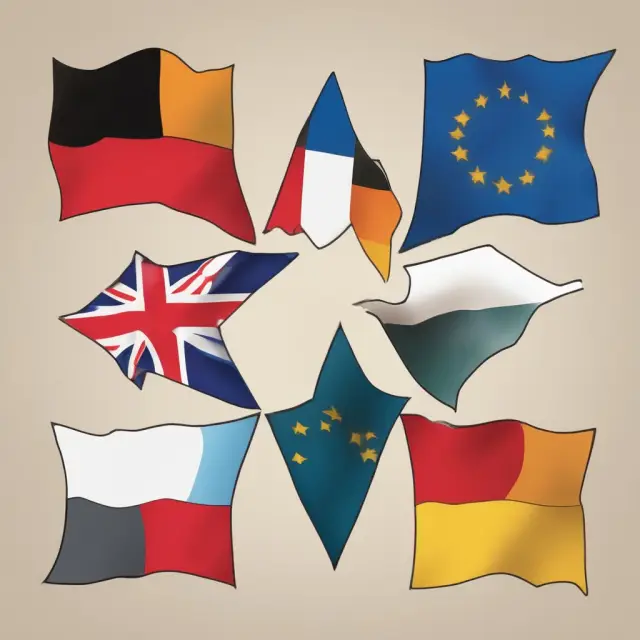
This article provides a historical overview of the European Community (EC) and its transition to the European Union. Learn about the origins, founding…
Origins and Founding Members of the EC in 1957
The European Community (EC), established in 1957, was a pivotal step towards European unity following the devastation of World War II. Its primary purpose was to promote economic cooperation among its founding members: Belgium, Germany, France, Italy, Luxembourg, and the Netherlands. This ambitious endeavor aimed to lay the groundwork for long-term peace, stability, and prosperity in Europe by eliminating trade barriers and fostering political harmony.
Three intergovernmental organizations formed the backbone of the European Community: The European Economic Community (EEC), the European Coal and Steel Community (ECSC), and the European Atomic Energy Community (Euratom). Each organization played a significant role in shaping Europe’s economic landscape during the late 20th century.
The European Economic Community (EEC), also known as the Common Market, was created by the Treaty of Rome in 1957 to foster a unified trade policy that would reduce trade barriers and create a single market for goods and services among its member states. This would enable member nations to engage in mutually profitable trade across borders, ultimately benefiting their economies as a whole.
The European Coal and Steel Community (ECSC) was established in 1952 to regulate manufacturing practices within the coal and steel industries among member countries. By creating a common market for these commodities, the ECSC sought to remove almost all trade barriers among its members and establish treaty rules regarding pricing and quotas. In doing so, it facilitated more efficient production processes and increased economic competitiveness across Europe.
The European Atomic Energy Community (Euratom) was established in 1958 to oversee the peaceful use of nuclear energy across Europe. Its goals included coordinating research efforts, promoting safety regulations, and establishing a common market for trade in nuclear materials and equipment. This organization diverged from military applications of atomic energy, focusing instead on economic cooperation and technological advancement within the European Community.
The European Community’s economic policies proved successful in increasing trade volumes and fostering political stability across its member states. However, the three organizations eventually merged into a larger entity called the European Union (EU) when the Maastricht Treaty was signed in 1993. Today, the EU boasts 27 member countries and is a powerful economic and political union that continues to shape Europe’s future.
Understanding the Origins of the European Community
The creation of the European Community in 1957 can be attributed to several factors:
– The devastation caused by World War II, which had left much of Europe in ruins
– The need for long-term peace and stability in Europe
– The desire to eliminate trade barriers among European countries
– The pursuit of political harmony and cooperation
The founding members of the European Community – Belgium, Germany, France, Italy, Luxembourg, and the Netherlands – recognized that by working together economically and politically, they could create a stronger, more prosperous Europe. Their vision went beyond mere trade agreements; it encompassed a shared commitment to a lasting peace and improved standards of living for their citizens. This vision ultimately laid the groundwork for the European Union as we know it today.

The European Economic Community (EEC)
Born out of the ashes of World War II and the desire to prevent future conflicts between Europe’s major powers, the European Economic Community (EEC), established in 1957, played a pivotal role in fostering economic cooperation among six European founding members: Belgium, Germany, France, Italy, Luxembourg, and the Netherlands. The EEC was the first of three communities that formed the European Community. Its primary objective was to promote a common trade policy aimed at eliminating trade barriers, enhancing economic conditions, and reducing the risk of future wars.
The EEC was instrumental in establishing the Common Market, an economic union where member states cooperated politically to implement unified policies. By pooling their resources and enforcing a set of regulations, the EEC aimed to facilitate free trade and promote growth within Europe. The initiative to create a common market reached its culmination with the signing of the Treaty of Rome in 1957. This treaty laid the groundwork for the European Economic Community by establishing an institutional framework and outlining the objectives that member countries aimed to achieve, such as:
- The free movement of goods, services, capital, and people between member states
- The elimination of tariffs, quotas, and other trade barriers among member states
- The establishment of common agricultural and transport policies
- The harmonization of laws, regulations, and standards to create a level playing field for businesses and investors
- The implementation of a system of consultation and cooperation between member states in order to resolve disputes peacefully and collectively address shared challenges
In its pursuit of economic integration and cooperation, the EEC also focused on improving relations among its founding members, particularly France and Germany. The historical tensions between these two nations, fueled by World War II, were a significant concern for European policymakers at the time. The EEC’s success in promoting free trade and fostering economic growth helped build trust and pave the way for closer political ties within Europe.
As the European Economic Community continued to develop, it would eventually evolve into the larger European Union (EU) in 1993, with the signing of the Maastricht Treaty. By this time, new members had joined the organization, and the scope of its activities expanded beyond economic integration to include areas like justice and home affairs, foreign policy, and security issues.
The benefits of the European Community for institutional investors have been substantial. The common market created by the EEC allowed for increased investment opportunities across borders, as well as the harmonization of regulations and standards that made it easier for international business to operate within the region. Today, the EU remains a major destination for global institutional investments due to its large, diverse economy, favorable regulatory environment, and strong institutions.
The European Economic Community’s impact on financial regulations and markets can be seen in various areas. For example, the EEC was instrumental in the adoption of the First and Second Banking Coordination Directives in 1964 and 1973, which laid the groundwork for a single market in banking services across Europe. The establishment of the European Monetary System (EMS) in 1979 also paved the way for a more unified approach to monetary policy within the region.
In conclusion, the European Economic Community played a crucial role in fostering economic cooperation and integration among its founding members during the post-World War II era. Its establishment of the Common Market and focus on removing trade barriers laid the groundwork for the larger European Union that we know today. The impact of the EEC can still be felt in various aspects of the European financial markets, with the organization’s emphasis on regulatory harmonization and cooperation continuing to shape the economic landscape of the region.
The European Coal and Steel Community (ECSC)
One of the three original pillars of the European Community was the European Coal and Steel Community (ECSC), which aimed to regulate manufacturing practices across member states by integrating coal and steel industries in western Europe. The ECSC’s primary goal was to eliminate almost all trade barriers among member states regarding coal, steel, coke, scrap iron, and pig iron. By implementing treaty rules regarding pricing and quotas, the ECSC imposed fines on companies that violated these regulations.
The origins of the ECSC can be traced back to the aftermath of World War II and the fear that post-war tensions between Germany and France could potentially ignite another devastating conflict. Jean Monnet, a French economist and diplomat, believed that integrating economic interests would help reduce the risk of war. This idea was further supported by the Schuman Declaration in May 1950, which called for pooling the coal and steel production of the Ruhr valley (Germany) and the Lorraine region (France) under a common authority.
The ECSC Treaty was signed on April 18, 1951, by Belgium, Germany, France, Italy, Luxembourg, and the Netherlands. The six founding members believed that cooperation in these industries would foster peace and lead to mutual benefits, such as improved economies of scale, increased efficiency, and reduced competition among member states. By creating a unified market for coal and steel, the ECSC aimed to increase trade flows between European countries while fostering greater political unity.
The ECSC’s impact was significant, especially in the 1960s when trade in the regulated commodities increased throughout the region. The focus of the ECSC shifted during this period towards reducing excess production in the steel industry to maintain competitiveness in the face of growing competition from Japan. Despite these challenges, the ECSC played a crucial role in the development of the European Community and ultimately the European Union by demonstrating that cooperation in key industries could lead to peace and economic prosperity among member states.

European Atomic Energy Community (Euratom)
The European Community’s third founding organization was the European Atomic Energy Community, commonly known as Euratom. Established in 1958, Euratom aimed to unify Europe’s nuclear energy policies and promote peaceful uses of atomic energy. This community differed from the other two (European Economic Community and European Coal and Steel Community) by focusing exclusively on trade rather than industry regulations.
Euratom’s goals were twofold: coordinate research into nuclear technology across member states and establish a common market for trading nuclear materials, fuels, and equipment. By creating a unified market, the community could ensure fair pricing, prevent monopolies, and encourage technological advancements in nuclear energy. Furthermore, Euratom promoted cooperation on health and safety regulations to minimize risks associated with the handling and processing of nuclear materials.
It is essential to note that Euratom’s remit did not include military applications of nuclear technology. This distinction set it apart from other European organizations dealing with defense and security matters. Instead, its focus was entirely on fostering peaceful uses for atomic energy across the community.
Euratom’s establishment was crucial in Europe’s push toward nuclear power during the late 1950s and early 1960s when several countries were eager to invest in this new technology. The community played a significant role in facilitating international collaboration on research projects and promoting transparency in trade practices, thereby ensuring that no single country would dominate the emerging atomic energy market.
As of now, Euratom continues its mission to promote peaceful uses of nuclear energy in Europe and collaborate with other organizations such as the European Union’s Joint Research Centre (JRC) on research projects related to nuclear technology and its applications. In addition, Euratom cooperates closely with the European Atomic Energy Forum, an international organization that facilitates dialogue between various European countries and international partners on nuclear energy policy issues.
The establishment of the European Atomic Energy Community marked a crucial step forward in Europe’s economic integration and cooperation during the post-war era. Euratom’s commitment to peaceful uses of atomic energy laid the foundation for future collaborations on research and trade within the European Union.

The Transition to the European Union in 1993
In the late 1980s and early 1990s, a push for deeper European integration started gaining momentum. The Single European Market (SEM) project aimed to create a unified market with a single set of rules across all EU countries. However, this goal required significant changes in both economic policies and the institutional framework.
The Maastricht Treaty, signed on February 7, 1992, laid the groundwork for these changes. The treaty led to the merging of the European Community organizations into the European Union (EU) on November 1, 1993. This transformation brought about several key modifications:
- Expansion of Competence: The EU inherited the powers of its predecessors, allowing it to regulate various aspects of its members’ lives, including agriculture, fisheries, industry, transport, and foreign policy.
- Monetary Union: The treaty established the European Monetary Institute (EMI) as a precursor to the European Central Bank (ECB). This allowed for greater control over monetary policy within the EU.
- Economic and Monetary Union: Aiming at closer economic cooperation, several countries committed to adopting a single currency, the Euro, which came into circulation on January 1, 1999.
- Schengen Area: The treaty also created the Schengen Agreement, abolishing internal border controls between most EU countries. This facilitated easier travel and increased cooperation in justice and home affairs.
- Justice and Home Affairs: The Maastricht Treaty expanded the EU’s competence to include cooperation on criminal law, police, and civil matters, with a focus on creating a common European legal framework.
With these changes came new challenges for the EU, including balancing the interests of its diverse membership and addressing concerns about democratic legitimacy. However, the progress made toward greater economic integration ultimately proved successful in fostering peace, prosperity, and cooperation within Europe.
The Maastricht Treaty also paved the way for the expansion of EU membership. Austria, Finland, and Sweden joined the EU in 1995. Later on, the Eastern European countries that were part of the EU’s neighborhood joined between 2004 and 2013. The EU’s population and economic potential grew significantly as a result.
In conclusion, the Maastricht Treaty marked a crucial milestone in the evolution of Europe. It enabled the merger of European Community organizations into the European Union, expanded its competence to tackle new challenges, and opened the door for further membership expansion.

The European Union Today: Member Countries and Brexit
In 1993, the European Community underwent a significant transformation when it evolved into the European Union (EU). The Maastricht Treaty marked the beginning of this transition, with the goal to streamline various European organizations and institutions into one unified entity. As of 2021, the European Union boasts an impressive roster of 27 member countries: Austria, Belgium, Bulgaria, Croatia, Cyprus, Czechia, Denmark, Estonia, Finland, France, Germany, Greece, Hungary, Ireland, Italy, Latvia, Lithuania, Luxembourg, Malta, Netherlands, Poland, Portugal, Romania, Slovakia, Slovenia, Spain, and Sweden.
The European Union represents a remarkable achievement of international cooperation since its inception over six decades ago. The original members of the European Community consisted of Belgium, Germany, France, Italy, Luxembourg, and the Netherlands. These countries sought to build upon the successes and lessons learned from the European Economic Community (EEC), European Coal and Steel Community (ECSC), and the European Atomic Energy Community (Euratom).
As mentioned previously, the EEC aimed for a common trade policy that would eliminate trade barriers between member states. The ECSC focused on regulating manufacturing practices across the region, while Euratom oversaw peaceful uses of nuclear energy. By consolidating these organizations into the EU, member states could collaborate even more effectively in areas including finance, politics, and security.
One of the most significant developments within the European Union has been the expansion of its membership. The first wave of new members joined during the 1970s when Denmark, Ireland, and the United Kingdom became part of this unified entity. Since then, ten more countries have joined: Greece (1981), Portugal and Spain (1986), Austria, Finland, Sweden, and Cyprus (1995), Czech Republic, Estonia, Hungary, Latvia, Lithuania, Malta, Poland, Romania, Slovakia, Slovenia, and Bulgaria (2004).
A notable departure from the European Union occurred on June 23, 2016. The citizens of the United Kingdom voted to leave the European Union, a decision that would come to be known as Brexit. The United Kingdom officially left the European Union on Jan. 31, 2020. This move marked the first instance where a member country chose to withdraw from the EU, demonstrating the flexibility and adaptability of this international organization.
Investors have taken note of the potential advantages offered by the European Union market, which remains one of the most significant in the world. The European Union’s economic policies, regulatory frameworks, and its commitment to maintaining peace and stability make it an attractive destination for investors seeking long-term growth opportunities.

Benefits of the EC and EU for Institutional Investors
The formation of the European Community (EC) in 1957 was a pivotal moment in European history. This economic association brought together six founding member countries – Belgium, Germany, France, Italy, Luxembourg, and the Netherlands – with a common goal: to create a unified European economy that fostered cooperation, improved trade conditions, and ultimately, reduced tensions among nations. The benefits of this collaboration extended beyond the political realm, significantly impacting institutional investors in Europe and around the world.
Institutional investors found the European Community particularly attractive due to its ambitious economic policies and the potential for increased profits through greater market access. Among the three communities that comprised the EC were the European Economic Community (EEC), the European Coal and Steel Community (ECSC), and the European Atomic Energy Community (Euratom). Each community played a crucial role in shaping economic regulations, trade, and industrial practices across Europe, providing significant opportunities for institutional investors to engage with a diverse range of industries.
The European Economic Community was instrumental in creating a common market among its members, promoting the elimination of trade barriers and establishing unified trade policies. This allowed institutional investors to take advantage of profitable investment opportunities spanning various markets throughout the region. For instance, EEC’s agricultural policy aimed at shielding farmers from competition arising from agricultural imports created stability for institutional investments in agriculture.
The European Coal and Steel Community sought to regulate manufacturing practices across member states and integrated the steel and coal industries in western Europe. By imposing rules regarding pricing and quotas, and enforcing fines on companies that violated them, the ECSC facilitated a more competitive market for these commodities. As a result, institutional investors were presented with potentially lucrative investment opportunities within the European manufacturing sector.
The third community, Euratom, focused on establishing a common market among member nations for trade in nuclear materials and equipment and coordinating research to promote peaceful uses of atomic energy. This regulatory framework led to the creation of health and safety regulations for atomic energy production. The establishment of these guidelines not only presented institutional investors with an opportunity to invest in this sector but also ensured that companies adhered to specific standards, thereby reducing risk and instilling confidence in potential investors.
Following the transition to the European Union (EU) in 1993, the benefits for institutional investors continued to grow as the market expanded to include more members. The EU’s single market facilitated even greater investment opportunities and increased market access for institutional investors. As of today, the EU is home to 27 member countries, offering a vast array of industries and markets for investment.
In conclusion, the creation of the European Community in 1957 revolutionized European economics, politics, and society. Its ambitious economic policies provided substantial advantages for institutional investors, who were able to capitalize on increased market access and profit from various industries throughout Europe. With its transition into the European Union in 1993 and continued expansion since then, the EU remains an attractive destination for institutional investments that seek a diverse range of opportunities within a robust, unified market.
The Role of European Institutions in Finance and Markets
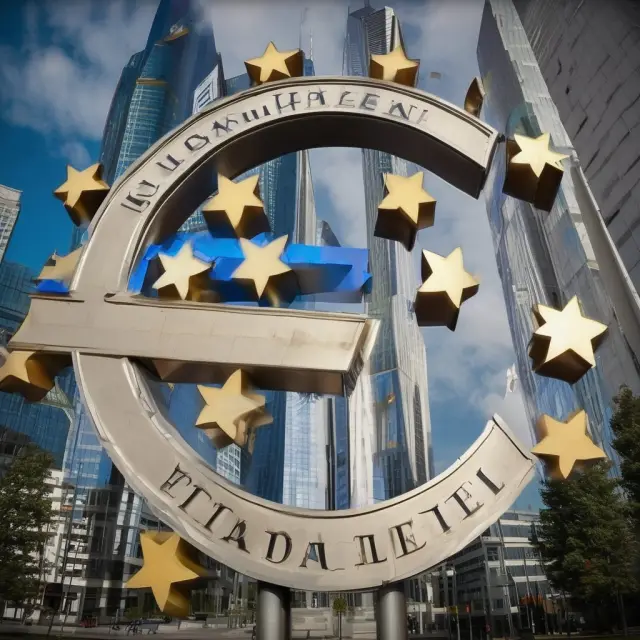
As part of the European Community’s (EC) efforts to improve economic conditions and foster trade cooperation among member states, several key institutions emerged to regulate various sectors and promote unified policies. Among these institutions were the European Central Bank (ECB), the European Investment Bank (EIB), and the European Securities and Markets Authority (ESMA).
The European Central Bank
Established in 1998, the ECB is the central monetary authority for the European Union’s eurozone. The main goal of this institution is to maintain price stability within the euro area by controlling short-term interest rates and managing foreign exchange rates. By implementing a single monetary policy, the ECB aims to ensure a high degree of monetary consistency across member states and safeguard their economic wellbeing.
The European Investment Bank
As an integral part of the European Union since its inception in 1958, the EIB is the financing institution for Europe’s investment projects. It provides long-term loans to projects that contribute towards European policy goals, such as innovation, employment, and climate change mitigation. By offering flexible financing solutions, the EIB supports both public and private initiatives that foster sustainable development and boost economic growth throughout the EU member countries.
The European Securities and Markets Authority
Established in 2011, ESMA is one of Europe’s independent regulatory authorities responsible for supervising securities markets across the EU. Its primary role includes ensuring investor protection, market integrity, and transparency by overseeing various financial instruments such as stocks, bonds, derivatives, and exchange-traded funds (ETFs). ESMA aims to minimize systemic risks within these markets and maintain a level playing field for all market participants, while adhering to international standards set forth by organizations like the Financial Stability Board.
These institutions play an essential role in shaping finance and markets within the European Union. By working together, they facilitate cooperation among member states, ensure regulatory consistency across the region, and create a stable macroeconomic environment that supports sustainable economic growth.

Impact of the EC on European Financial Regulations
The establishment of the European Community (EC) brought about significant regulatory changes within the European financial sector. The European Economic Community (EEC), one of the three original pillars of the European Community, aimed to eliminate trade barriers and promote unified policies among member states. This transformation had far-reaching implications for financial regulations.
To foster economic cooperation and prevent future conflicts, the EEC set out to create a common market with standardized rules for various industries. As part of this effort, financial markets were subjected to increased regulation in order to ensure fair competition and protect consumer interests. The harmonization of European financial regulations began with the implementation of the First and Second Capital Adequacy Directives (CAD) in 1988 and 1993 respectively. These directives aimed at setting minimum capital requirements for credit institutions within the EU, enhancing financial stability and safeguarding investors’ interests.
Furthermore, the creation of the European Monetary System (EMS) in 1979 facilitated greater collaboration among European central banks, promoting exchange rate stability and contributing to the development of a single currency – the Euro. The EMS allowed participating member states to peg their currencies to each other, creating a more unified monetary environment that prepared the groundwork for future financial integration within the EU.
The EC also saw the establishment of various European institutions with significant influence over the European financial sector. These include:
– The European Central Bank (ECB): Established in 1998, the ECB was tasked with maintaining price stability in the Eurozone through monetary policy and supervision of banks within the EU.
– European Investment Bank (EIB): Founded in 1958 as part of the European Coal and Steel Community, the EIB is the largest multilateral lending institution focused on financing projects that contribute to economic development throughout Europe.
– European Securities and Markets Authority (ESMA): Created in 2011 under the EU’s Markets in Financial Instruments Directive II (MiFID II), ESMA plays a vital role in promoting investor protection, maintaining market integrity, and enhancing transparency within European financial markets.
The European Community’s impact on financial regulations has continued to evolve with time. As the EU has expanded to include more member states and new challenges have arisen, there have been ongoing efforts to adapt and harmonize regulatory frameworks in order to ensure a level playing field for all participants within this integrated economic and monetary union.
Today, the European financial landscape is characterized by increased cooperation and coordination among national authorities, as well as strong regulatory oversight from EU institutions like the ECB, ESMA, and the European Banking Authority (EBA). This has contributed to a stable and resilient financial sector that plays a crucial role in the overall economic success of the European Union.

FAQ: Frequently Asked Questions About the European Community and EU
The European Community (EC) was an economic association founded by six European countries—Belgium, Germany, France, Italy, Luxembourg, and the Netherlands—in 1957. The primary objective of the EC was to create a common trade policy aimed at removing barriers among member states and fostering peace in Europe following World War II. The EC consisted of three separate but interconnected organizations: European Economic Community (EEC), European Coal and Steel Community (ECSC), and European Atomic Energy Community (Euratom).
What was the reason for creating the European Community?
The European Community was established to promote economic cooperation, eliminate trade barriers, and foster political reconciliation among European nations following World War II. It aimed to reduce tensions between countries by ensuring fair policies and peaceful dispute resolution.
When was the European Community formed, and which countries were the founding members?
The European Community was created in 1957 with six founding member states: Belgium, Germany, France, Italy, Luxembourg, and the Netherlands.
What were the three organizations within the European Community?
The European Community consisted of three separate but interconnected organizations: European Economic Community (EEC), European Coal and Steel Community (ECSC), and European Atomic Energy Community (Euratom). The EEC aimed to unify economies, the ECSC focused on manufacturing practices, and Euratom dealt with nuclear energy.
Why did the European Community change into the European Union?
The European Community was replaced by the European Union in 1993 following the Maastricht Treaty. The European Union consolidated the existing organizations under a single governing structure while expanding its membership and scope to cover additional policy areas beyond trade.
What is the current state of the European Union?
The European Union, which began as the European Community in 1957, now has 27 member countries: Austria, Belgium, Bulgaria, Croatia, Cyprus, Czechia, Denmark, Estonia, Finland, France, Germany, Greece, Hungary, Ireland, Italy, Latvia, Lithuania, Luxembourg, Malta, Netherlands, Poland, Portugal, Romania, Slovakia, Slovenia, Spain, and Sweden. The UK officially left the European Union on Jan. 31, 2020.
What are the main benefits of the EC for institutional investors?
Institutional investors have benefited from the EU’s economic policies, which have led to a more integrated and stable market. The large and diverse European economy offers opportunities in various sectors and industries, making it attractive for investment. Additionally, the EU’s regulatory framework provides a level playing field for businesses, increasing predictability and reducing risk.
How do European institutions impact finance and markets?
European institutions such as the European Central Bank, European Investment Bank, and European Securities and Markets Authority play crucial roles in maintaining financial stability, promoting economic growth, and ensuring market integrity within Europe. Their actions can significantly influence financial markets and economic policies across the region.
 Next entry · No. 1,359Understanding the European Currency Unit (ECU): A Historical Overview
See also
-
 No. 2,283
25 Dec 2024
19 min
Understanding International Banking Facilities (IBFs): Key Services, Regulations, and Benefits for Institutional Investors
Business Finance
No. 2,283
25 Dec 2024
19 min
Understanding International Banking Facilities (IBFs): Key Services, Regulations, and Benefits for Institutional Investors
Business Finance -
 No. 5,803
08 Oct 2025
19 min
Understanding the World Gold Council: Its Role in Gold Mining, Investment, and Consumption
Business Finance
No. 5,803
08 Oct 2025
19 min
Understanding the World Gold Council: Its Role in Gold Mining, Investment, and Consumption
Business Finance -
 No. 5,226
22 Aug 2025
20 min
Understanding the Basics of Unemployment Claims: A Comprehensive Guide for Institutional Investors
Business Finance
No. 5,226
22 Aug 2025
20 min
Understanding the Basics of Unemployment Claims: A Comprehensive Guide for Institutional Investors
Business Finance -
 No. 3,812
28 Apr 2025
20 min
Understanding the Over-The-Counter Exchange of India (OTCEI): Features, Requirements, and Transactions
Business Finance
No. 3,812
28 Apr 2025
20 min
Understanding the Over-The-Counter Exchange of India (OTCEI): Features, Requirements, and Transactions
Business Finance -
 No. 3,649
15 Apr 2025
19 min
Offshore Banking Units: What They Are and How They Operate
Business Finance
No. 3,649
15 Apr 2025
19 min
Offshore Banking Units: What They Are and How They Operate
Business Finance -
 No. 3,570
09 Apr 2025
19 min
The Role and Importance of Notaries: An Essential Function in Society
Business Finance
No. 3,570
09 Apr 2025
19 min
The Role and Importance of Notaries: An Essential Function in Society
Business Finance