Android Operating System: A Comprehensive Analysis of Google’s Mobile OS

Explore the origins, features, and future of Google's popular Android operating system. Learn how it came to be, its impact on mobile market, challenges…
Origins of Android Operating System
The inception of the Android operating system dates back to 2003 when two key figures, Andy Rubin and Nick Searls, founded Android Inc., a software company with a mission to develop an advanced mobile platform. Hired by Rubin, Chris White joined the team as the first employee, contributing his expertise in user interface design. Later on, Rich Miner and Chet Haase came aboard, bringing their backgrounds in wireless communication and graphics technology respectively.
Android Inc.’s early vision was to create a mobile operating system that offered an intuitive touchscreen experience for users—a concept far ahead of its time. In 2005, Google acquired Android Inc. for around $50 million, integrating the team into its Open Handset Alliance (OHA), a consortium of technology companies dedicated to promoting open standards for mobile devices.
Google’s intentions behind this acquisition were not immediately clear, but it is believed that the tech giant wanted to expand beyond search and enter the burgeoning mobile market. Google’s acquisition of Android Inc. paved the way for the launch of its first commercially available Android-powered device in 2008, although the product didn’t hit the market until late 2008.
While the Android source code is released in an open-source format to foster innovation and collaboration among developers, Google packages it with proprietary software when sold on handset devices. This dual nature allows Google to generate revenue through licensing and sales of these devices while maintaining a strong presence in the mobile ecosystem.
The emergence of Android marked the start of an intense competition between smartphone manufacturers, with Apple as its primary competitor. As of Q1 2022, Android holds the largest market share among mobile operating systems, with 23.7% of the global market according to International Data Corporation. Google’s victory in the lawsuit brought by Oracle in 2010, which involved alleged unlawful use of Java APIs, solidified the dominance of the Android operating system.
However, despite its widespread popularity, the Android ecosystem faces challenges such as developers grappling with complex coding tasks and inconsistent app store quality. Users’ concerns include vulnerabilities to data breaches and heavy reliance on advertising that can be intrusive or annoying. Nonetheless, the versatility of the platform attracts a vast user base and continues to drive innovation in mobile technology.

Google’s Intention for Entering the Mobile Market
Google, the multinational technology company, has been an industry leader in various sectors such as search engines, email services, and web browsers. In 2005, Google surprised the world when it announced its entry into the mobile market with the acquisition of Android Inc., a small software firm based in Silicon Valley. While the exact intentions behind this strategic move have been subject to debate, several theories emerged as to why Google chose to invest in mobile operating systems (OS).
One theory suggests that Google aimed to increase its market share in the rapidly expanding mobile sector and expand its reach beyond desktop computers. Another theory points to Apple’s early success in the mobile space with iOS, which fueled Google’s desire to challenge Apple’s dominance and provide users with a viable alternative. Regardless of the motivations, the acquisition was an important turning point for Google.
Android Inc.’s open-source software development kit (SDK) was already being used by several technology giants such as HTC, Samsung, and LG, making it a promising investment for Google. The Android operating system was first publicly demonstrated in 2007 at the Open Source Convention (OSCon), showcasing its user interface and capabilities to developers.
The first commercially available Android-powered smartphone hit the market in late 2008 under the brand HTC Dream, which would later be rebranded as the T-Mobile G1. This marked the beginning of an era where Google’s Android OS was used by various manufacturers to create mobile devices catering to a diverse range of customers worldwide.
Google’s entry into the mobile market with its Android operating system had significant implications for both consumers and developers alike. Users gained access to innovative features like voice-activated virtual assistants, customizable home screens, and an extensive library of third-party applications. Developers could create applications tailored for Android devices and sell them through Google Play Store, a central hub where users can easily discover and download apps.
The open-source nature of the Android operating system contributed to its rapid adoption and growth. By releasing the source code publicly, Google encouraged collaboration among developers and manufacturers, enabling faster innovation and progress in mobile technology. However, despite being open-source, Android comes preinstalled with proprietary software on most devices sold in the market.
Google’s intentions for entering the mobile market continue to be a topic of fascination and discussion within the tech industry. While the primary objectives may have been expanding Google’s reach beyond desktop computers and challenging Apple’s dominance, it’s clear that the company has succeeded in creating a powerful and widely-used operating system that continues to shape the future of mobile technology.
Android Source Code vs. Proprietary Software
The Android operating system is renowned for its open-source nature, which sets it apart from other mobile platforms. Google (GOOGL) released the source code of Android under an open-source license known as the Apache License version 2. This licensing model allows software developers to freely use and distribute the Android OS while granting them the freedom to modify the code as needed. However, a significant portion of the Android experience is not purely open-source: it comes packaged with proprietary software when sold on handset devices.
The open-source aspect of Android has been integral in creating a diverse ecosystem for mobile technology. It enabled manufacturers like Samsung, Xiaomi, OnePlus, and Huawei to build their own versions of the operating system tailored to their hardware while still ensuring compatibility with the vast majority of Android applications available on Google Play. This openness also encourages developers to create customized ROMs and mods for devices, expanding the software choices available to consumers.
However, it’s important to note that not all aspects of Android are open-source. Google maintains control over proprietary parts of the platform like the Google Play Store, Google Maps, Gmail, and the Google Chrome browser. These applications are typically bundled with Android devices when sold to consumers. The rationale behind this is multifaceted: it ensures that users receive a consistent experience across different devices, keeps certain aspects of Android secure (e.g., Google Play Protect), and generates revenue through advertising and other monetization methods.
The open-source nature of Android also presents unique challenges. Google must balance the needs of its partners with the requirement to maintain control over critical parts of the platform. This is a delicate dance that involves working closely with manufacturers, setting guidelines for app distribution, and managing updates to ensure a consistent user experience. While this process can be complex, it has resulted in significant benefits, such as increased competition among device makers, more affordable devices for consumers, and a larger developer ecosystem.
Despite its open-source nature, Android faces security challenges that primarily stem from the way it is distributed to users. The Google Play Store, which serves as the primary distribution channel for apps on Android, has been the target of malicious attacks. Malware, such as Downloader.DN, can disguise itself as a seemingly innocuous application and exploit vulnerabilities in Android devices. In response, Google continually updates its security measures to protect users from these threats.
In conclusion, Android’s open-source nature sets it apart from other mobile operating systems, but its success requires careful management of both open and proprietary components. This balancing act enables manufacturers to create custom versions of the platform while keeping critical aspects secure and generating revenue for Google. As the market continues to evolve, it will be interesting to observe how Google and its partners adapt to new challenges and opportunities in the realm of mobile technology.
Google Play: The Android App Store
Since its inception, Android has relied on Google Play as the go-to source for downloading applications. This app store plays an integral role for Android OS as it caters to millions of smartphone and tablet users worldwide.
Android’s open-source nature encourages developers to create their own apps. However, without a centralized platform like Google Play, managing distribution and updates would be chaotic. Google Play serves as the bridge between users and developers, providing a secure and convenient way for app downloads.
Google Play was initially known as the Android Market when it launched in October 2008. At that time, it offered 50 free and paid applications, all of which were handpicked by Google’s team. As demand grew, so did the number of available apps, with Google Play expanding its reach to over three million apps as of February 2014.
Google Play offers various filters for users to find apps that suit their needs. These filters include categories like education, entertainment, productivity, and social networking, among others. Additionally, the store allows users to view user ratings and reviews, making it easier for them to make informed decisions about which apps to download.
Moreover, Google Play’s centralized nature ensures updates and security patches are distributed efficiently. Developers can easily update their apps through Google Play, ensuring that users always have access to the latest features and bug fixes.
Google Play also offers users an alternative payment method. While many apps offer free downloads, some require a purchase for full functionality. Google Play’s secure payment system ensures users’ financial information is protected while facilitating transactions between developers and users.
Apart from providing a platform for app distribution, Google Play also offers books, movies, TV shows, and music—making it an all-encompassing digital marketplace.
While the Android OS has faced challenges such as security concerns and competition with other operating systems like Apple’s iOS, the convenience of having a centralized app store like Google Play undeniably adds value to the user experience.
Android vs. Apple iOS
Google’s Android operating system and Apple’s iOS are the two major players in the mobile market. The competition between these two systems is comparable to that of the cola wars, with Coca-Cola and Pepsi, where no clear winner has emerged. As of Q1 2022, Android held the largest share of the global mobile operating system market at 23.7%, while Apple’s iOS followed closely behind with a 18% share according to International Data Corporation.
Android was first developed by Google following its acquisition of Android Inc., a Silicon Valley software company in 2005. Although the source code for this operating system is open-source, it still comes bundled with proprietary software when sold on handset devices. The Android Market (now known as Google Play) offers a vast array of apps that are freely downloadable to users, allowing them to enhance their device functionalities and experiences.
Apple’s iOS, on the other hand, is an entirely closed operating system where all applications are downloaded from the App Store, which is run by Apple itself. This approach gives Apple complete control over the quality of apps available in its store, ensuring that only reputable and safe software reaches its users. In contrast, Android’s open-source nature makes it more susceptible to security vulnerabilities due to a lack of stringent app regulation.
Despite these differences, both platforms have their unique strengths and weaknesses. One significant advantage of Android is its versatility, allowing for customizable user interfaces (UIs) among different device manufacturers, such as Samsung, LG, and Motorola. This flexibility allows users to choose a UI that best suits their preferences.
Apple iOS, on the other hand, provides a consistent experience across all devices, ensuring seamless integration between hardware and software. Apple’s stringent app regulation process also guarantees a high level of security and reliability for its users. This consistency is crucial for attracting and retaining loyal customers who value convenience and predictable experiences.
The competition between these two operating systems has led to numerous patent-related lawsuits, most notably the Oracle vs. Google case in 2010. In this lawsuit, Oracle accused Google of using Java APIs to develop Android without proper licensing. The case went all the way to the Supreme Court, with a ruling in April 2021 favoring Google in a 6-2 decision.
Ultimately, the choice between Android and iOS depends on individual user preferences and priorities. While Android offers more customizability and openness, it comes at the cost of potentially increased security vulnerabilities. Apple’s closed ecosystem guarantees a consistent, secure experience but may limit users’ freedom to personalize their devices.
In conclusion, both Google’s Android operating system and Apple’s iOS play essential roles in the mobile market. Their competition drives innovation, fosters progress, and offers consumers diverse choices that cater to different needs and preferences. It is an exciting time for the tech industry as these platforms continue to evolve, providing new opportunities for users, developers, and investors alike.

Limitations of Android Operating System
Despite the vast potential and popularity of the Android operating system, it comes with its inherent challenges for both developers and users. For developers, coding complex user experiences and interfaces using Java in Android might not be as straightforward as developing for other systems such as Apple’s iOS. The open-source nature of Android can lead to lower standards for apps on the Google Play Store compared to counterparts on other platforms. These factors increase the risks of data breaches and susceptibility to malware, posing concerns for end-users.
Moreover, the Android operating system lacks a robust voice-controlled assistant like Apple’s Siri or Amazon’s Alexa, making it less appealing for users who prioritize hands-free interactions. Additionally, Android is heavily reliant on advertising revenue, which can sometimes result in intrusive and excessive ads that users might find annoying.
According to a report by AV-Test in April 2021, the Google Play Store had 4,795,868 apps available for download. Of these, around 67% were deemed “not recommended” due to their poor quality or malicious intentions. In comparison, Apple’s App Store had only 2,023,241 apps, with fewer than 1% being considered not recommended. This significant disparity highlights the importance of users exercising caution when downloading and installing applications from external sources other than trusted app stores like Google Play or Apple’s App Store.
It is essential to note that developers can take various steps to minimize these limitations. For instance, they could use third-party libraries, frameworks, or tools to build more sophisticated user interfaces, ensuring a higher standard of security and quality in their apps.
In conclusion, while Android offers numerous advantages as a versatile mobile operating system, it is crucial for both developers and users to be aware of its limitations. By addressing these challenges head-on, the Android community can continue to innovate and improve upon this powerful platform.
Android’s Popularity: Market Share and Legal Battles
The Android operating system has become immensely popular among mobile devices since its inception in 2008, with a 23.7% market share as of Q1 2022 according to International Data Corporation. This popularity has led to intense competition between Google (GOOGL) and Apple (AAPL) as the two primary players in the mobile operating system space.
Google acquired Android Inc., a software company based in Silicon Valley, in 2005. The motivations behind Google’s entry into the mobile market are still debated among investors and industry analysts. However, shortly after the acquisition, Google announced plans to release its first commercially available Android-powered device in 2007, which hit the marketplace in 2008.
Android provides several advantages for software developers, allowing them to create mobile apps that can be sold through app stores like Google Play. The open-source nature of Android enables developers to access its source code freely while also incorporating proprietary software when bundling it with handsets.
Despite the benefits of an open-source operating system, Android devices are still susceptible to security concerns. According to research by Bitdefender, Downloader.DN is the most common type of Android trojan as of February 2022. This malware disguises itself as legitimate apps and can lead to aggressive adware, posing a significant threat to user privacy.
The increased popularity of the platform has also resulted in numerous patent lawsuits. Oracle (ORCL) alleged that Google unlawfully used Java APIs to develop Android software in a lawsuit filed in 2010. However, the Supreme Court ruled in Google’s favor in April 2021, citing fair use and the non-literal interpretation of copyrighted material.
Although Android’s market share surpasses Apple iOS, it still faces several challenges that hinder its growth. Developers face difficulties coding complex user experiences due to a greater reliance on Java than Objective-C. Additionally, the apps available in the Google Play store have lower security standards compared to competitors, potentially exposing users to data breaches and malicious software. The absence of a voice-controlled assistant and heavy dependence on advertising are other factors that could deter some users from choosing Android devices.
In conclusion, the Android operating system has proven to be a successful venture for Google since its acquisition of Android Inc. in 2005. Its popularity, while bringing significant competition to Apple iOS, also presents challenges related to security and developer difficulties. As Google continues to refine Android, it will be essential to address these issues to maintain and expand its user base.

Security Concerns for Android Users
The openness and flexibility that define Android OS present several security challenges for both developers and users. As the mobile operating system’s popularity continues to grow, so does the potential threat landscape. In this section, we will discuss common security issues faced by Android users and countermeasures to mitigate these risks.
One of the most significant concerns is malware targeting Android devices. The open nature of the platform allows malicious apps to be distributed on third-party sites or even through official app stores like Google Play. In February 2022, Bitdefender reported Downloader.DN as the most common type of Android trojan. This malware disguises itself as a seemingly harmless downloader application and bundles aggressive adware with repackaged apps taken from the official app store. To avoid falling victim to these threats, users should only install apps from trusted sources and keep their devices updated with the latest security patches.
Another threat comes from insecure Wi-Fi networks and public hotspots. Android users may unwittingly connect to unsecured networks, putting their data at risk of being intercepted by cybercriminals. Using a VPN (Virtual Private Network) is an effective way to protect personal information while using public Wi-Fi connections.
Privacy concerns have been another area of focus for Android users. Google collects user data for targeted advertising purposes, leading to potential privacy violations. Enabling location services and granting apps permission to access sensitive data can increase the risk of exposure. To safeguard their privacy, users should carefully manage permissions and consider using a privacy-focused browser like DuckDuckGo or Tor when browsing the web on Android devices.
To further enhance security, Google offers two additional features: Find My Device and Google Play Protect. Find My Device allows users to locate and lock/wipe their lost or stolen Android device. Google Play Protect is a built-in malware scanner that continuously scans apps installed on your device, ensuring they are safe to use.
In conclusion, while the Android operating system provides users with numerous benefits, it also presents several challenges when it comes to security. By staying informed about potential threats and implementing best practices, Android users can minimize risks and enjoy a more secure mobile experience.
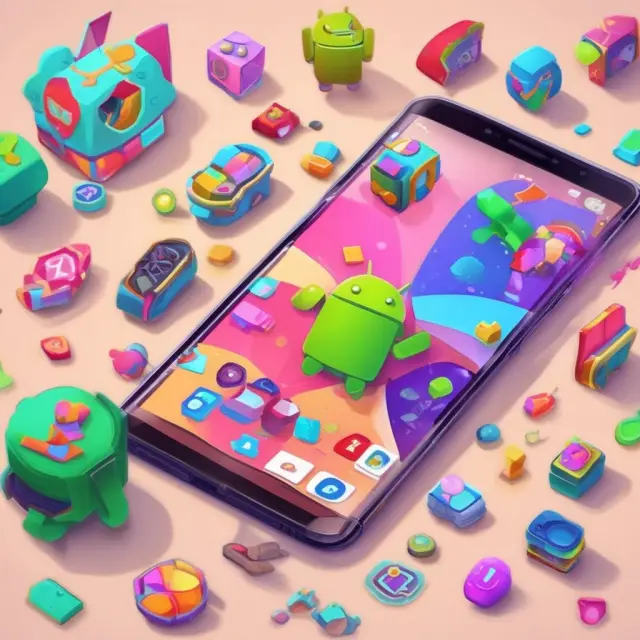
Android’s Impact on Mobile Gaming Industry
The Android operating system (OS) has significantly transformed the mobile gaming industry since its inception. The ability to access various games from anywhere, at any time, with no geographical restrictions has revolutionized the way people enjoy gaming. With Android OS, users are no longer limited by hardware or location, opening up a whole new world of opportunities for casual and dedicated gamers alike.
Before the advent of Android and other mobile operating systems, gaming was largely confined to dedicated consoles or personal computers. The Android OS changed this landscape, making it possible for developers to create games that could be downloaded and installed directly onto mobile devices. This shift has led to an explosion in mobile gaming, with millions of users worldwide now engaging in this pastime on their smartphones and tablets.
Moreover, the open-source nature of Android has been a catalyst for innovation within the gaming industry. Developers can build games using Android’s extensive libraries and tools, enabling them to create more sophisticated games with better graphics and features than ever before. As a result, mobile gaming has evolved from simple, two-dimensional games into rich, 3D experiences that rival those of desktop and console titles.
Android’s impact on the mobile gaming industry goes beyond its technical capabilities. Google Play—the official app marketplace for Android devices—has emerged as a significant platform for distributing mobile games to millions of users around the globe. The vast selection of games available in the Google Play Store caters to a diverse range of genres, from action and adventure to puzzle and strategy. This variety has contributed to the popularity of mobile gaming, with more people turning to their smartphones for entertainment instead of traditional console or PC games.
Additionally, Android’s integration with other Google services like Google Drive for cloud storage and Google Maps makes it an ideal platform for location-based and augmented reality (AR) games. The potential of AR technology in gaming is vast, with developers continually pushing the boundaries to create immersive experiences that blur the line between virtual and real worlds.
Despite its many advantages, Android’s impact on mobile gaming isn’t without challenges. One significant hurdle for developers is creating games that work seamlessly across the wide range of devices running different versions of the Android OS. To address this issue, Google has introduced guidelines for optimizing apps to ensure they run smoothly and efficiently on all supported devices.
Another challenge for mobile gaming on Android is the need to balance performance and battery life. With games demanding increasingly sophisticated graphics and features, it’s crucial for developers to strike a balance between providing an engaging experience without draining users’ batteries excessively. This challenge requires ongoing optimization efforts from both hardware manufacturers and game developers to ensure that devices can run the latest games efficiently while maintaining acceptable battery life.
In conclusion, Android has had a profound impact on the mobile gaming industry since its introduction. Its open-source nature, powerful capabilities, and accessibility have paved the way for innovation, making mobile gaming more accessible, engaging, and diverse than ever before. While challenges remain, developers and hardware manufacturers continue to push boundaries to deliver exceptional gaming experiences that cater to a global audience of millions.

Future of Android Operating System
The success of the Android operating system is unquestionable; since Google’s acquisition of the company in 2005, it has evolved into a dominant player in the mobile technology landscape. But what does the future hold for this open-source platform? As of Q1 2022, Android held the largest market share (23.7%) among all mobile operating systems worldwide, leaving competitors, including Apple’s iOS, in its wake. However, a myriad of challenges and opportunities await Android as it strives to maintain its dominant position.
Android’s Open-Source Nature
Google’s decision to open-source the Android OS has been a significant factor behind its rapid growth. By making the operating system available for free to device manufacturers, Google encouraged mass customization and innovation. This openness has led to numerous OEM partnerships, enabling the widespread adoption of Android devices across the globe. However, this approach comes with challenges: ensuring compatibility, maintaining security, and managing fragmentation.
Compatibility is a critical concern because various OEMs may customize the OS to meet their specific needs. This freedom has resulted in numerous variations that can make it challenging for app developers to create uniform experiences across devices. Furthermore, Android’s open nature makes it a more attractive target for hackers seeking vulnerabilities, which necessitates constant attention from Google and its community of developers.
To counteract these challenges, Google has taken steps such as launching Android Go (a lightweight version) for budget phones, introducing Project Treble to improve update delivery, and enhancing security measures with Google Play Protect.
Android’s Market Dominance
Google’s market dominance is evident in its robust ecosystem, which includes Google Drive, Google Maps, and the popular Google Play Store. The success of these services makes Android devices an attractive choice for users who value a seamless integration between their digital lives.
However, this market dominance also invites competitors to challenge Android’s hegemony. Apple, with its proprietary iOS platform, is a formidable rival in the mobile space. Microsoft (MSFT) and Amazon (AMZN) are two other companies that could disrupt Android’s position by launching new offerings or strengthening their existing ones.
Android’s Potential Innovations
Despite facing competition from rivals, Google continues to innovate and expand the capabilities of its Android platform. One such innovation is Foldables—a new category of devices that can be folded in half. Samsung and Huawei are some of the major manufacturers investing in this technology. The first-generation foldable devices, such as the Samsung Galaxy Fold and Huawei Mate X, have received mixed reviews due to their high price points and durability concerns. However, the second generation of foldables is expected to bring significant improvements to the form factor’s usability.
Another potential innovation for Android is augmented reality (AR), which could transform how we interact with digital information. Google’s ARCore, a development platform for building AR experiences, already boasts over 500 million monthly active users. With Google’s commitment to AR and the expected growth of this market segment, it’s clear that Android is well-positioned for long-term success.
In conclusion, Android’s future looks bright, with its open-source nature driving innovation, a robust ecosystem attracting users, and continuous efforts from Google and OEMs to address challenges. However, the platform must continue adapting and improving to maintain its market dominance amidst competition and fragmentation.
FAQs about Android Operating System
What is Android?
Android is an open-source mobile operating system that was developed by Google for touchscreen devices such as cell phones, tablets, and TVs. It lets users manipulate mobile devices intuitively using finger gestures.
Who created the Android operating system?
The Android operating system was first developed by Android Inc., a software company located in Silicon Valley before it was acquired by Google in 2005.
Is Android open-source?
Yes, Android is an open-source platform that can be accessed and customized by developers. However, when sold on handset devices, Android comes with proprietary software.
What are the limitations of Android OS?
The limitations of Android include a lack of voice-controlled assistant, heavy dependence on advertising, lower app standards in comparison to other platforms, and compatibility challenges due to customization by OEMs.
Who is Google’s primary competitor in the mobile market?
Apple (AAPL) is Google’s primary competitor in the mobile market with its proprietary iOS operating system.
FAQs about Android Operating System
Google’s decision to enter the mobile market through the acquisition of Android Inc. in 2005 raised several questions for investors. What were Google’s intentions behind this move? How is the Android operating system different from other mobile platforms, such as Apple iOS? Let’s dive into some frequently asked questions about the Android OS:
Q: Why did Google buy Android Inc. in 2005?
A: The exact motivations behind Google’s acquisition of Android Inc. remain debated among investors and tech industry analysts. Some believe that Google wanted to establish itself as a significant player in the mobile market, while others argue it was an attempt to create an alternative to Apple iOS. Ultimately, Google announced its first commercially available Android-powered device in 2008, and since then, developers have been able to use Android technology to create apps sold through app stores like Google Play.
Q: What sets Android apart from other operating systems?
A: The open-source nature of the Android OS is one of its defining features. While the source code is freely available for development purposes, each device manufacturer packages it with proprietary software. Additionally, users can link their mobile devices to various Google services, such as cloud storage and email platforms. This integration makes Android a versatile platform that appeals to many consumers.
Q: Who are Android’s main competitors?
A: Apple iOS is Android’s primary competitor in the smartphone market. Both platforms have captured significant market share, with Android leading in Q1 2022 with 23.7%, while Apple’s iOS held 18%.
Q: What are some of the limitations of the Android OS?
A: Developers face challenges when creating complex user experiences and interfaces on Android devices due to its reliance on Java rather than Objective-C. Users may also encounter apps with lower security standards in the Google Play store, making them more susceptible to data breaches. Additionally, some consumers are deterred by Android’s lack of a voice-controlled assistant and heavy advertising.
Q: What’s the future direction for Android?
A: The Android operating system continues to evolve, with a focus on improving user experience and security. Some predicted innovations include a more unified ecosystem across devices, better integration of AI technologies, and improved privacy features.
In conclusion, understanding the ins and outs of the Android operating system is crucial for investors and tech enthusiasts alike. By answering frequently asked questions about its origins, competition, limitations, and future potential, we gain a clearer perspective on this influential platform’s impact on the mobile technology landscape.
 Next entry · No. 167Angel Investing 101: Understanding the Role and Impact of Angel Investors
See also
-
 No. 2,377
01 Jan 2025
23 min
Understanding Industrial Banks: A State-chartered Financial Institution with Controversial Origins
Banking
No. 2,377
01 Jan 2025
23 min
Understanding Industrial Banks: A State-chartered Financial Institution with Controversial Origins
Banking -
 No. 1,438
15 Sep 2024
24 min
Understanding FAANG Stocks: A Comprehensive Overview of the Five Tech Giants Dominating Wall Street
Business Finance
No. 1,438
15 Sep 2024
24 min
Understanding FAANG Stocks: A Comprehensive Overview of the Five Tech Giants Dominating Wall Street
Business Finance -
 No. 1,123
31 Jul 2024
19 min
Understanding the Dow 30: Composition, Companies, and Comparisons
Business Finance
No. 1,123
31 Jul 2024
19 min
Understanding the Dow 30: Composition, Companies, and Comparisons
Business Finance -
 No. 916
30 Jun 2024
19 min
Decentralized Applications (dApps): The Future of Decentralized Finance, Gaming, and More
Crypto
No. 916
30 Jun 2024
19 min
Decentralized Applications (dApps): The Future of Decentralized Finance, Gaming, and More
Crypto -
 No. 775
06 Jun 2024
20 min
Understanding Corporate Culture: Its Importance and Impact
Business Strategy
No. 775
06 Jun 2024
20 min
Understanding Corporate Culture: Its Importance and Impact
Business Strategy -
 No. 744
31 May 2024
19 min
Consolidating Finances: Understanding Mergers, Acquisitions, and Financial Statements
Corporate Finance
No. 744
31 May 2024
19 min
Consolidating Finances: Understanding Mergers, Acquisitions, and Financial Statements
Corporate Finance