Brand Recognition vs. Brand Awareness: Understanding the Differences for Successful Marketing

Explore the differences between brand recognition and brand awareness in marketing. Learn strategies for building strong brand recognition through personal…
Introduction to Brand Recognition and Brand Awareness
Brand recognition and brand awareness are two essential marketing concepts that can significantly impact a company’s success in various industries. Understanding these concepts and their relationship is crucial for businesses looking to create strong customer connections.
Brand recognition, also known as aided recall, refers to the ability of consumers to identify a specific brand when presented with cues such as logos, taglines, or jingles. This marketing tool enables companies to stand out from competitors and remain at the forefront of customers’ minds. It is achieved through strategic investments in advertising, design, and consistent communication efforts.
Brand awareness, on the other hand, signifies the extent to which consumers are familiar with a brand. A high level of brand awareness indicates that people have heard about or learned of the brand, regardless of whether they can recall it spontaneously. While brand recognition is a more specific application of this concept, it ultimately results from strong brand awareness.
The importance of both brand recognition and brand awareness lies in their potential to influence consumer behavior, preference, and loyalty. Companies aiming to create a successful marketing campaign must effectively balance these two elements to maximize their impact.
Understanding Brand Recognition
Brand recognition plays a vital role in establishing the differentiation between various brands within a market. It enables consumers to quickly and accurately identify one brand over another based on visual or auditory cues, such as logos, taglines, jingles, or company names. Effective brand recognition strategies can lead to increased sales, customer loyalty, and long-term market dominance.
The Power of Brand Recognition
Brand recognition is a crucial marketing tool for businesses seeking to build a strong brand identity and capture consumers’ attention. By focusing on the creation and implementation of distinctive visual and auditory cues, companies can create a lasting impression in consumers’ minds, ensuring their brand remains top of mind when making purchasing decisions. For example, Nike’s iconic swoosh logo and McDonald’s golden arches are easily recognizable to people across the globe, even in countries where these companies may not have a significant physical presence.
Building Brand Awareness
Brand awareness is the foundation upon which brand recognition is built. It represents the level of familiarity that consumers have with a brand and its products or services. Creating strong brand awareness involves effective messaging, consistent communication strategies, and strategic marketing campaigns. By focusing on building brand awareness, companies can establish a solid reputation within their industry and create a customer base that values their offerings.
Brand Recognition vs. Brand Awareness: Which Is More Important?
Both brand recognition and brand awareness are essential components of successful marketing strategies. While they serve different purposes, they are interconnected and work together to build strong brands that capture consumer attention and loyalty. Effective brand recognition strategies can only be implemented when consumers have a solid understanding of the brand’s identity, which is fostered through strong brand awareness efforts. Conversely, consistent brand recognition can contribute to increased brand awareness by keeping a company top-of-mind for customers.
Examples of Brand Recognition
Brand recognition strategies have been instrumental in creating successful brands across various industries. For example, Coca-Cola’s iconic red and white logo is instantly recognizable around the world, while McDonald’s golden arches have become a symbol of convenience and familiarity for generations of consumers. These companies have invested heavily in brand recognition strategies, ensuring that their logos, taglines, and jingles remain consistent and easily identifiable to consumers.
Conclusion:
Brand recognition and brand awareness play significant roles in the success of marketing campaigns and overall business performance. Understanding these concepts and their relationship is essential for businesses looking to establish a strong brand identity and capture consumer attention. By focusing on both brand recognition and brand awareness, companies can create lasting impressions that resonate with consumers and contribute to increased sales, customer loyalty, and long-term market dominance.
In the next section, we will explore the importance of social media in building and maintaining strong brand recognition. Stay tuned for more insights into the world of marketing!

What is Brand Recognition?
Brand recognition is a crucial marketing concept that represents consumers’ ability to identify a specific company through distinct visual or auditory cues without being explicitly told the brand name. These cues can include logos, taglines, jingles, or packaging designs that differentiate one brand from another in the marketplace. Building and maintaining strong brand recognition is essential for companies as it allows them to stand out amidst competition and retain customers’ loyalty.
Understanding Brand Recognition and its Significance
Brand recognition plays a pivotal role in marketing efforts, enabling consumers to identify products or services from a particular company based on cues rather than merely knowing the brand name. A successful brand recognition campaign can result in various benefits for businesses, including:
– Increased sales and revenue due to familiarity with the brand
– Greater customer loyalty and preference
– Enhanced market presence and competitive advantage
Building Blocks of Brand Recognition: Logos, Taglines, and Jingles
Companies invest significant resources into creating cues that help customers identify their brands. These cues can come in various forms, such as logos, taglines, or jingles. Let’s explore how each of these elements contributes to building brand recognition:
Logos: A well-designed logo is the cornerstone of a strong brand identity. It acts as a visual shorthand that people can easily recognize and remember, making it an effective tool for differentiating one company from its competitors. Iconic logos like Nike’s swoosh or McDonald’s golden arches are instantly recognizable by consumers worldwide.
Taglines: Catchy taglines complement logos in creating brand recognition. They provide a short, memorable phrase that encapsulates the essence of a company and its offerings. Effective taglines like “Think Different” from Apple or “I’m lovin’ it” from McDonald’s have become synonymous with the brands they represent.
Jingles: Jingles are memorable tunes that can help build brand recognition through sound. They are particularly effective in creating long-term associations and enhancing audience engagement, especially for consumer products targeting children or families. Classic examples include “I’m Lovin’ It” from McDonald’s or the famous Kellogg’s Frosted Flakes jingle: “They’re grrreat!”
Measuring Brand Recognition: Aided vs. Unaided Recall
Brand recognition is an essential metric for companies to evaluate their marketing strategies and assess the effectiveness of their branding efforts. Measuring brand recognition involves testing both aided (prompted) and unaided (unprompted) recall methods. The aided recall test requires participants to identify a brand when shown a list or given a hint, while the unaided recall method asks them to spontaneously recall brands without any prompting. Aided recall measures the extent of brand awareness, whereas unaided recall provides insight into the depth of brand recognition.
In conclusion, brand recognition is an essential aspect of marketing that helps companies differentiate themselves from competitors and build a loyal customer base. By creating distinctive visual or auditory cues like logos, taglines, and jingles, businesses can establish strong brand identities and maintain a competitive edge in their respective markets. Effective measurement of brand recognition through aided and unaided recall tests is crucial for evaluating marketing efforts and ensuring ongoing success.

Understanding Brand Recognition Processes
Brand recognition is a powerful marketing tool for businesses that sets them apart from competitors in the minds of consumers. It refers to the ability of customers to identify a brand by visual or auditory cues, such as logos, taglines, jingles, and other brand elements, without being explicitly told the company name (Loken, 2016). This section will explore the significance of brand recognition processes in marketing.
Brand recognition plays a crucial role in building a strong brand presence by enabling consumers to differentiate one company from others within its industry. To achieve successful brand recognition, businesses invest time and resources into creating unique identifiers that resonate with their target audience. These identifiers might include memorable logos, catchy slogans, distinct packaging, or recognizable jingles (Cook, 2019).
Measuring the effectiveness of brand recognition is essential for assessing marketing campaigns’ success and refining future strategies. Market research methods like aided and unaided recall tests can help determine how well consumers remember brands when presented with specific product categories or asked to spontaneously recall them (Keller, 1993). Aided recall occurs when customers are provided with hints or cues to help them identify the correct brand name. Unaided recall refers to the ability of customers to remember a brand without any prompts, indicating a stronger connection between the consumer and the brand.
Brand recognition often leads to higher sales even if products from competing brands have similar quality (Loken, 2016). In fact, research suggests that consumers are more likely to choose a product with which they possess brand recognition due to its perceived familiarity and trustworthiness. A classic example of this phenomenon can be seen in the Coca-Cola Company’s successful marketing campaigns centered around their iconic red logo and “Open Happiness” tagline.
Brand recognition is often intertwined with brand awareness, which refers to consumers’ knowledge that a particular brand exists (Aaker & Joachimsthaler, 2001). Brand recognition builds upon existing brand awareness by providing cues that help customers quickly and accurately identify the brand. For instance, the Nike swoosh logo is instantly recognizable to most people due to its widespread use and consistent representation, reinforcing their previously acquired brand awareness.
In conclusion, understanding brand recognition processes is vital for businesses looking to create lasting connections with their audience and set themselves apart in a competitive marketplace. By investing in the development of unique identifiers and measuring their effectiveness through targeted research methods, companies can build strong brand recognition that drives sales, fosters loyalty, and ultimately contributes to long-term success.

Brand Awareness vs. Brand Recall
The concepts of brand awareness and brand recall are often used interchangeably, but they represent distinct aspects of how consumers interact with brands. Understanding their differences is crucial for successful marketing strategies.
Brand Awareness refers to the extent of knowledge a consumer has about a specific brand, such as its name, products, or services. It can be measured by asking people whether they have heard of a particular brand in an interview setting. In contrast, Brand Recall signifies the ability of consumers to remember a brand when prompted with a category-related question without any cues.
For instance, if someone is asked about popular shoe brands and responds with Nike (NKE), that would be considered brand recall. When people can recall a brand spontaneously, it suggests a deeper level of engagement and connection. In contrast, a consumer might be aware of multiple shoe brands without being able to recite them off the top of their heads – this is where brand awareness comes in.
Brand Recall vs. Top-of-Mind Awareness
Brand recall is also sometimes confused with top-of-mind awareness (TOMA). While both concepts relate to a consumer’s ability to remember brands, TOMA refers to the brand that first comes to mind when thinking about a specific product category. For instance, when asked about popular soft drink brands, Coca-Cola (KO) might be the first name that comes to someone’s mind. TOMA is a more powerful indicator of brand success compared to merely knowing about a brand, as it shows a strong association between the brand and its product category.
Importance of Brand Recognition and Recall
Both brand recognition and recall play essential roles in marketing. By focusing on developing effective branding strategies that improve both aspects, businesses can:
- Increase their market share through better differentiation from competitors.
- Foster customer loyalty by creating a strong emotional connection with consumers.
- Enhance brand equity, as a strong brand becomes an asset to the business and opens opportunities for expansion into new markets or product lines.
- Establish a competitive advantage in their industry.
- Improve overall marketing effectiveness through more efficient use of advertising budgets.
Examples of Effective Branding Strategies for Recognition and Recall
Companies like Coca-Cola, McDonald’s (MCD), and Nike have built successful brands by focusing on both brand recognition and recall. Through consistent marketing efforts, they have ensured their logos, slogans, jingles, or mascots are readily available to consumers and easily recognizable. This, in turn, helps them become top-of-mind when consumers think about their respective industries.
Coca-Cola’s “Share a Coke” campaign is an excellent example of how companies can effectively use branding strategies for recall by personalizing their products with consumer names. McDonald’s “I’m Lovin’ It” campaign and Nike’s “Just Do It” slogan are examples of successful branding efforts aimed at creating strong brand recognition through memorable taglines.
In conclusion, understanding the differences between brand recognition and recall is crucial for businesses looking to build a strong brand presence in their industry. By focusing on strategies that improve both aspects, companies can create more effective marketing campaigns that foster deeper customer connections and ultimately lead to increased sales and growth.

Strategies for Building and Maintaining Strong Brand Recognition
Brand recognition is a crucial element in marketing success as it represents the ability of consumers to identify a brand without being explicitly informed about it. Effectively building and maintaining strong brand recognition requires intentional efforts from companies using various strategies, including personal connections, customer service, and communication channels.
One way for businesses to create lasting brand recognition is by reaching customers on an emotional or personal level. A heartfelt or unique story that showcases why a company exists can help forge long-lasting bonds with consumers. For instance, Dove’s “Real Beauty” campaign, which celebrated women of all shapes and sizes, successfully tapped into consumers’ emotions while promoting the brand’s message of self-love and acceptance.
Another powerful strategy to build and maintain brand recognition lies in providing exceptional customer service. Consistently going above and beyond to meet or exceed customers’ expectations creates positive experiences that can result in increased loyalty and recommendations. For example, Amazon (AMZN) is renowned for its customer-centric approach, offering fast shipping, competitive pricing, and accessible customer support, all contributing to the brand’s massive success.
Effective communication channels are also essential for building and maintaining strong brand recognition. Companies must ensure that their logo or visual theme remains consistent across various platforms – be it print materials, billboards, social media, or television ads – to create a cohesive and recognizable image in consumers’ minds. This not only helps reinforce the brand identity but also encourages brand loyalty from both existing and potential customers.
Small businesses and large corporations can leverage social media as a tool to ensure their names and offerings are always in circulation, ensuring that their brand recognition remains high. By maintaining an active presence on various platforms and regularly engaging with followers, businesses can strengthen their relationships with consumers while also attracting new ones.
Lastly, it’s essential to note that brand recognition is not a one-time achievement but rather a continuous process. Companies must consistently invest time, resources, and efforts into reinforcing their brands’ visual and auditory cues through various marketing campaigns and customer interactions to maintain the desired level of recognition in consumers’ minds.
In conclusion, building and maintaining strong brand recognition is an essential element for companies looking to succeed in today’s competitive marketplace. By reaching customers on a personal or emotional level, providing exceptional customer service, and employing effective communication channels, businesses can create lasting connections with their audience and differentiate themselves from competitors.

The Role of Social Media in Brand Recognition
Social media has become an essential tool for businesses looking to build and maintain strong brand recognition. Platforms like Facebook, Twitter, Instagram, LinkedIn, and YouTube provide unique opportunities to engage consumers on a personal level, helping to create emotional connections that increase brand awareness and recall. According to a 2019 report from Hootsuite, over 3.8 billion people use social media worldwide, spending an average of 2 hours and 25 minutes per day scrolling through their feeds (Statista). This presents businesses with a massive audience to reach, making it an ideal place for brand recognition efforts.
Visual cues are the key to brand recognition on social media. Consistency in logos, colors, and messaging across all platforms is crucial to maintaining a strong presence and ensuring customers can easily identify a brand. For example, Coca-Cola’s iconic red and white logo appears consistently on their website, packaging, billboards, and social media channels. The company has mastered the art of creating a cohesive brand image across various touchpoints, making it easy for consumers to recognize their products no matter where they encounter them.
Engaging content also plays a significant role in building brand recognition on social media. Brands can utilize user-generated content, behind-the-scenes sneak peeks, and interactive campaigns to create authentic connections with consumers. Starbucks’ White Cup Contest is an excellent example of this strategy. The campaign invited customers to doodle on their plain white cups and share photos of the designs on social media using the hashtag #WhiteCupContest. The result was a viral sensation that generated thousands of user-generated content pieces, increasing brand awareness and engagement while fostering a strong sense of community.
Social media also offers a platform for real-time customer interaction, providing businesses with the opportunity to address concerns and respond to feedback in a personalized manner. This builds trust and loyalty among consumers, contributing to long-term brand recognition. In fact, according to a study by Social Media Week, 82% of consumers are more likely to buy from brands that engage them on social media (Social Media Today).
Lastly, social media ads offer an effective way to target specific demographics and interests, allowing businesses to reach potential customers who may not be familiar with their brand. By creating eye-catching ads and utilizing social listening tools to monitor conversations about competitors or industry trends, brands can increase their visibility and engage in relevant discussions that position them as thought leaders.
In conclusion, social media is a powerful tool for building and maintaining strong brand recognition. By focusing on visual consistency, engaging content, personalized interaction, and targeted advertising efforts, businesses can create emotional connections with consumers and stand out from the competition. In an era where attention spans are shrinking and consumers are increasingly demanding authentic experiences, social media provides a unique opportunity to capture their interest and build lasting brand loyalty.

Brand Recognition vs. Brand Awareness: Which is More Important?
When it comes to marketing, understanding the difference between brand recognition and brand awareness is crucial for success. While they might seem similar, these two concepts have distinct meanings and importance in building a strong brand identity.
Firstly, let’s define brand recognition as the ability of consumers to identify a brand from visual or auditory cues such as logos, taglines, packaging, colors, or jingles, even without being explicitly exposed to the company name. It’s a powerful marketing tool that sets a company apart in the marketplace through unique cues that help customers recall and remember the brand.
Brand awareness, on the other hand, refers to the knowledge or recognition of a brand’s existence among consumers. It indicates the extent to which the general public is familiar with a company and its products or services. While brand awareness lays the groundwork for brand recognition, it doesn’t necessarily mean that the consumer can recall or recognize the brand when presented with competitors or various cues.
So, which one is more important? In reality, both brand recognition and brand awareness are essential ingredients in a successful marketing campaign. They work together to create a strong brand presence, build customer loyalty, and ultimately lead to increased sales and revenue for businesses.
Brand recognition helps consumers easily identify a specific brand among competitors, while brand awareness raises overall awareness of the company’s offerings. By utilizing a combination of effective branding strategies, such as emotional connections, personalized customer service, and consistent communication channels, companies can effectively build both brand recognition and awareness. For example, Coca-Cola (KO) is a globally recognized brand thanks to its iconic red logo, catchy jingle, and extensive marketing efforts aimed at increasing overall brand awareness.
Moreover, social media platforms offer an excellent opportunity for businesses to build and maintain strong brand recognition through consistent branding, engaging content, and effective communication with customers. Companies can use various visual and auditory cues to create a memorable presence on these platforms that captures the attention of their audience and sets them apart from competitors.
In conclusion, while both brand recognition and brand awareness are crucial aspects of marketing, it’s essential to understand how they differ and work together to build a successful brand identity. Companies can effectively create lasting brand recognition through personal connections, customer service, communication channels, and social media platforms, ultimately increasing their sales and revenue in the long run.
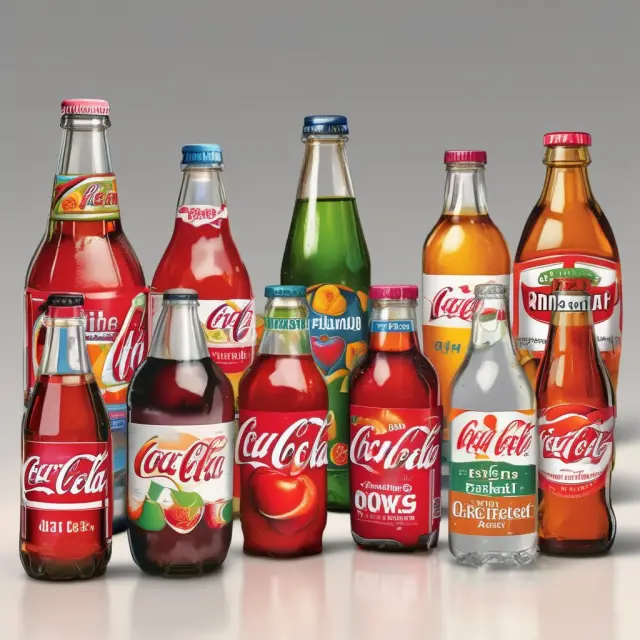
Real-Life Examples of Successful Brand Recognition
Brand recognition is an essential aspect of marketing that allows consumers to distinguish a company from competitors using visual or auditory cues. This section showcases real-life examples of brands in various industries that have successfully built and maintained strong brand recognition through their distinct branding strategies.
1. Apple Inc. (AAPL): Apple’s minimalist logo, featuring the bitten apple with a bite taken out of it, is instantly recognizable to consumers worldwide. The company’s consistent design aesthetic and innovative technology products have further solidified its strong brand recognition.
2. Nike (NKE): The famous swoosh logo is an excellent example of how visual branding can become synonymous with a company’s identity. Nike’s “Just Do It” slogan, combined with the iconic checkmark, has created a powerful brand recall and recognition that resonates with consumers, inspiring them to take action.
3. Coca-Cola: Coca-Cola’s distinctive red color and the iconic “Share a Coke” campaign have been successful in maintaining their brand recognition through personalized bottles featuring peoples’ names or nicknames. This marketing strategy created a strong emotional connection between consumers and the brand, increasing both recall and recognition.
4. McDonald’s (MCD): The Golden Arches logo is one of the most recognizable symbols worldwide. McDonald’s has built its brand recognition through consistent branding, from its iconic arches to the “I’m Lovin’ It” tagline. Their focus on customer satisfaction and convenience has solidified their strong brand identity in the fast-food industry.
In conclusion, brand recognition plays a significant role in marketing success by helping consumers differentiate companies and products through visual or auditory cues. By studying examples of brands that have effectively used brand recognition strategies to create strong consumer connections, businesses can learn valuable insights for their own marketing initiatives.
Brands like Apple, Nike, Coca-Cola, and McDonald’s have successfully built and maintained strong brand recognition through consistent design aesthetics, emotional connection, innovative products, and customer satisfaction. These companies serve as shining examples of the importance of brand recognition in a competitive marketplace.

Brand Recognition and Marketing Campaigns
Effective marketing campaigns play a vital role in creating and strengthening brand recognition for companies. Brand recognition, as previously defined, is the ability of consumers to identify a company through various visual or auditory cues. It’s an essential marketing tool for businesses looking to stand out from competitors and establish strong customer connections.
Creative marketing campaigns can help build and maintain lasting brand recognition by leaving indelible impressions on customers’ minds. Here are some ways marketing campaigns contribute to brand recognition:
1. Catchy Slogans: A memorable slogan can encapsulate a company’s identity, purpose, or unique selling proposition in an easily digestible phrase that resonates with consumers. Nike’s “Just Do It” and McDonald’s “I’m Lovin’ It” are prime examples of successful slogans that have become synonymous with their respective brands.
2. Memorable Jingles: A catchy tune can linger in listeners’ minds for a long time, associating the melody with the brand it represents. For instance, the Intel “Bong” sound has been recognized as the company’s jingle since 1968, becoming an instantly identifiable audio cue.
3. Striking Visuals: A visually appealing logo or ad can make a lasting impression on consumers and set a brand apart from competitors. Apple’s minimalist and sleek logo design is a prime example of successful visual branding that has become synonymous with the tech giant.
Marketing campaigns are carefully crafted to create meaningful connections with audiences and leave long-lasting impressions, ultimately contributing to increased brand recognition. By effectively conveying a company’s identity through catchy slogans, memorable jingles, and striking visuals, businesses can achieve lasting success in their industries.
A well-executed marketing campaign goes beyond just creating brand recognition; it also plays a crucial role in fostering customer loyalty and trust. Consumers who develop an emotional connection to a brand are more likely to become repeat customers and advocates for the business. By focusing on creating engaging, memorable experiences that resonate with consumers, companies can build strong brand recognition that stands the test of time.
As the marketing landscape continues to evolve, the importance of effective brand recognition remains constant. Brands that successfully differentiate themselves from competitors through creative campaigns and strong visual or auditory cues are more likely to capture the attention and loyalty of consumers in an increasingly crowded marketplace. Ultimately, a successful marketing campaign can serve as the foundation for a lasting, recognizable brand.

FAQ: Brand Recognition and Brand Awareness
Brand recognition and brand awareness are two terms frequently used interchangeably in marketing and advertising, but they refer to distinct concepts. Let’s clarify their differences and understand their importance in creating successful marketing strategies.
1. What is the difference between brand recognition and brand awareness?
Brand recognition refers to the ability of consumers to identify a specific brand based on visual or auditory cues such as logos, slogans, or jingles. Brand awareness, on the other hand, describes the extent to which customers recognize a brand’s existence and its offerings within their market. In simpler terms, brand recognition is how we associate certain visual or auditory cues with a specific brand, while brand awareness represents our knowledge of that brand and its products or services.
2. Why is brand recognition crucial for businesses?
Brand recognition is an essential marketing tool as it helps consumers differentiate one company from competitors through visual or auditory cues. By consistently using a consistent visual identity (logo, colors, typography) and a catchy tagline or jingle, companies can create lasting impressions that stick in customers’ minds, making it easier for them to recall the brand when they’re considering a purchase.
3. How is brand awareness measured?
Brand awareness is typically measured through market research, such as focus groups or surveys, using techniques like aided and unaided recall tests. In aided recall tests, participants are asked to identify a brand after being given some context or prompt. In contrast, in unaided recall tests, participants are asked to remember brands without any prompting. The former is also known as aided brand recognition, while the latter is called unaided brand recall.
4. Are brand recognition and brand loyalty related?
Brand recognition can indeed contribute to brand loyalty by making it easier for customers to remember your brand when considering a purchase. This consistency helps create a sense of trust and familiarity, which is crucial in building long-term relationships with customers and encouraging repeat business.
5. Which strategy should businesses prioritize: brand recognition or brand awareness?
Both brand recognition and brand awareness are essential for successful marketing, but they serve different purposes. Building strong brand recognition relies on creating a consistent visual identity that sets your brand apart from competitors, while brand awareness focuses on getting your target audience familiar with your products or services through various marketing channels. A well-executed marketing strategy balances both aspects to create effective campaigns that resonate with consumers and generate sales.
6. How can social media help build brand recognition?
Social media platforms offer numerous opportunities for businesses to showcase their visual identity, interact with customers, and share content that resonates with their audience. By maintaining a consistent brand image across all communication channels, including social media, companies can create awareness, engage with consumers, and ultimately boost brand recognition.
 Next entry · No. 508Understanding Brand Equity: The Intangible Asset That Sets Companies Apart
See also
-
 No. 567
30 Apr 2024
24 min
Understanding Business Models: Types and Strategies for Making Profit
Business Strategy
No. 567
30 Apr 2024
24 min
Understanding Business Models: Types and Strategies for Making Profit
Business Strategy -
 No. 164
07 Apr 2024
23 min
Anchoring and Adjustment: A Powerful Cognitive Bias in Finance and Business
Business Strategy
No. 164
07 Apr 2024
23 min
Anchoring and Adjustment: A Powerful Cognitive Bias in Finance and Business
Business Strategy -
 No. 4,688
08 Jul 2025
21 min
Understanding the Power of Social Media for Institutional Investors
Business Strategy
No. 4,688
08 Jul 2025
21 min
Understanding the Power of Social Media for Institutional Investors
Business Strategy -
 No. 3,999
14 May 2025
18 min
Understanding Point of Sale Systems: A Comprehensive Guide for Institutional Investors
Business Strategy
No. 3,999
14 May 2025
18 min
Understanding Point of Sale Systems: A Comprehensive Guide for Institutional Investors
Business Strategy -
 No. 2,459
08 Jan 2025
17 min
Understanding Internalization in Business and Finance: The Advantages and Implications
Business Strategy
No. 2,459
08 Jan 2025
17 min
Understanding Internalization in Business and Finance: The Advantages and Implications
Business Strategy -
 No. 1,165
06 Aug 2024
24 min
Understanding the Role and Impact of Early Adopters in Finance and Investment
Business Strategy
No. 1,165
06 Aug 2024
24 min
Understanding the Role and Impact of Early Adopters in Finance and Investment
Business Strategy