Bungalows: A Modern and Affordable Housing Solution for Institutional Investors

Explore the benefits and investment opportunities of bungalows, a modern and affordable housing solution for institutional investors. Discover their unique…
Understanding the Definition of a Bungalow
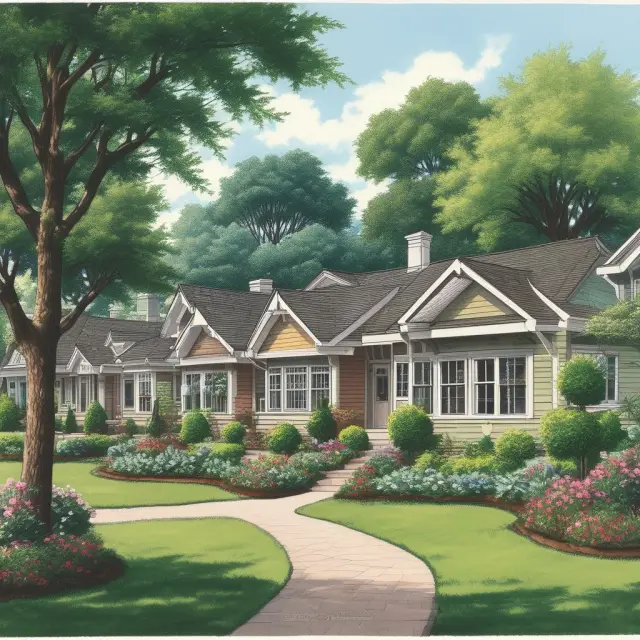
A bungalow is a residential property style characterized by its single-story or low-rise construction. This housing solution originated in the South Asian region of Bengal and has since evolved into a sought-after option for modern, cost-effective living. The term “bungalow” comes from Hindi, signifying a large dwelling that originally denoted high social status. However, the bungalows we are familiar with today are much more compact.
Bungalows are typically defined as single-story structures or cottages. While they may have a partial second story known as a dormer, their low profile and minimal height make them different from multi-story houses. The defining features of bungalows include their unique architectural designs, energy efficiency, privacy, and affordability.
Bungalows offer numerous benefits that set them apart as a desirable housing option, especially for institutional investors. These advantages include cost-effectiveness due to lower maintenance requirements, increased living space for modifications, improved privacy, and reduced heating/cooling costs. Additionally, bungalows often have higher property values compared to multi-story homes.
Despite their smaller size and square footage, bungalows are versatile in design and can cater to various needs, such as aging adults or individuals with disabilities. Furthermore, they offer a more open living space with fewer rooms, allowing for better privacy and easier maintenance. However, the initial costs of purchasing land for a bungalow and constructing the house may be higher due to their larger footprint and increased material requirements.
Bungalows have various styles that cater to different preferences and regions. Some popular types include raised bungalows, California bungalows, Chicago bungalows, and chalet bungalows. Understanding the characteristics of these distinct styles can help investors make informed decisions regarding their investment opportunities in this market.
In summary, a bungalow is an affordable, modern housing solution that offers numerous benefits for both individual homeowners and institutional investors alike. With a clear understanding of its definition, features, and advantages, you will be well-equipped to explore the world of investing in bungalows further. In the next section, we’ll dive deeper into the key features and benefits that make bungalows an attractive housing solution for many.
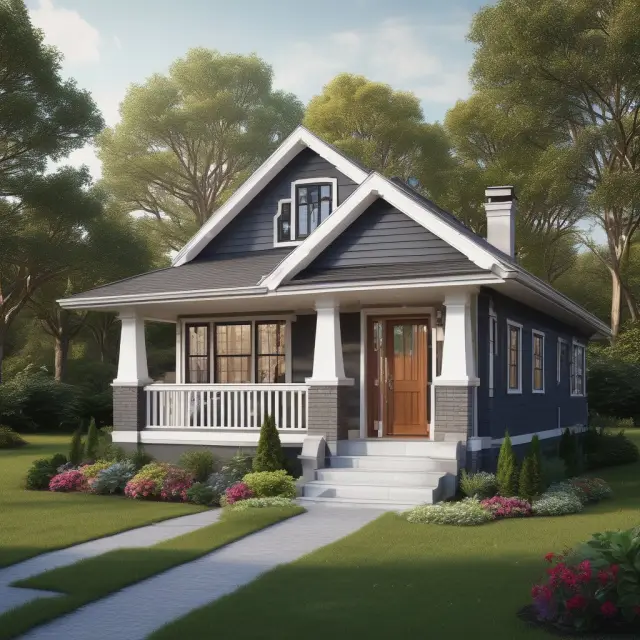
Key Features and Benefits of Bungalows
Bungalows have emerged as a modern and affordable housing solution for institutional investors. This section will explore what makes bungalows attractive investments and why they stand out from other real estate options.
Definition and Characteristics
A bungalow is a type of single-story house or cottage that provides several unique advantages in terms of cost-efficiency, ease of maintenance, privacy, energy savings, and property value appreciation. Originally designed to cater to the working class seeking affordable modern homes, bungalows now offer various styles and amenities for contemporary living.
Cost-Efficient and Easy to Maintain
Bungalows are known for their cost-effectiveness and ease of maintenance. Their small size makes them more affordable than larger multi-story houses, reducing both the initial investment and ongoing expenses. Additionally, since they have only one floor, there is less square footage to maintain, making upkeep considerably simpler.
More Space for Modifications
Compared to multi-level homes, bungalows offer a larger living space on the ground level, allowing for more modifications and additions. This flexibility can significantly increase a property’s value and appeal to potential renters or buyers.
Privacy
Bungalows provide increased privacy due to their low-profile design. Their single-story structure lets residents enjoy ample natural light while keeping their living spaces secluded from passerby, making them an attractive housing option for those who value quiet and personal space.
Lower Heating and Cooling Costs
Another major advantage of bungalows is the lower heating and cooling costs associated with their design. Since they have a smaller volume of air to heat or cool, these houses consume less energy compared to multi-story homes. This translates into both reduced utility bills for tenants and greater savings for property investors over time.
Higher Property Value
Despite their smaller size, bungalows typically maintain higher property values due to their desirable features and cost benefits. As institutional investors look for profitable real estate opportunities, investing in bungalows can yield significant returns in the long run, making them a wise choice for those seeking steady growth in their investment portfolio.
In conclusion, understanding the definition, origin, and key features of bungalows is crucial for institutional investors looking to capitalize on this modern and attractive housing solution. Stay tuned as we delve deeper into various types of bungalows and their investment potential in the following sections.

Different Types of Bungalows
Beyond their inherent definition as small, single-story houses or cottages, there are various types of bungalows that architects and designers have created over the years. Here, we will delve into some popular styles of bungalows: raised bungalows, California bungalows, Chicago bungalows, and chalet-style bungalows.
1. Raised Bungalows
Raised bungalows are an adaptation of the traditional bungalow design that has become popular for its practicality and aesthetic appeal. In this style, the house is built on a raised foundation with a basement partially above ground to let in additional sunlight, making it more energy-efficient and spacious. Raised bungalows typically feature a front porch or veranda, giving them an inviting, welcoming appearance.
2. California Bungalows
California bungalows are characterized by their charming exteriors with decorative details influenced by Spanish colonial revival architecture. These bungalows often have red tile roofs and large porches, which provide a generous amount of outdoor living space. They usually range from one to one-and-a-half stories in height.
3. Chicago Bungalows
Originating in the Windy City itself, Chicago bungalows are typically made of brick and characterized by their simple lines and rectangular shape. These bungalows are one story but can have an attic or a basement, depending on the design. Their small size makes them perfect for urban environments where space is at a premium.
4. Chalet-Style Bungalows
Chalet-style bungalows deviate from the traditional definition of bungalows by featuring a second floor, usually in the form of a loft or dormer. However, they still maintain many bungalow characteristics, such as wide porches and low-slung roofs. These homes blend seamlessly into various landscapes, making them an attractive option for those seeking a cozy living space with a bit more vertical room.
Bungalows have come a long way since their inception in South Asia, and these four styles represent just a few of the many adaptations that continue to captivate homeowners and investors alike. In the next section, we will discuss the key features and benefits of bungalow living.
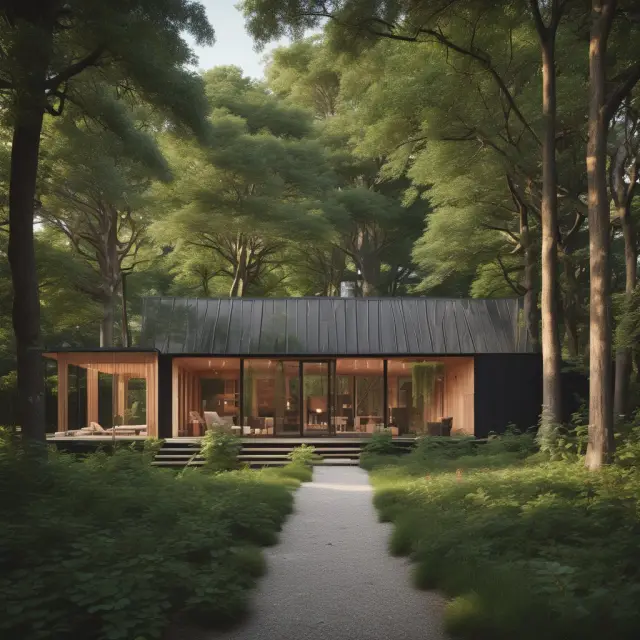
Bungalow Characteristics and Common Design Elements
A bungalow can be defined as a single-story house or cottage with an optional partial second story that is built into a sloping roof. Its low profile is one of its primary features, making it an attractive choice for those seeking privacy and ease of maintenance. In this section, we will delve deeper into the defining characteristics and common design elements of bungalows.
Bungalows were initially designed to offer modern and affordable housing solutions. They are available in various styles such as raised bungalows, California, Chicago, and chalet bungalows. A key characteristic of this housing style is its small size, typically occupying fewer square feet than multi-story houses. However, the extra space that a bungalow provides compared to vertical homes translates into more opportunities for modifications and additions.
One of the most significant advantages of living in a bungalow is its cost-efficiency. The smaller size of these homes leads to lower heating and cooling costs due to their efficient floor plans. Additionally, their value remains relatively high, making them a smart investment for those seeking long-term returns. However, it’s essential to consider that the initial cost of purchasing a bungalow may be higher than that of multi-story houses due to their larger land footprint and increased material requirements for roofing.
Another feature of bungalows is their ability to offer more privacy compared to traditional homes. Being low to the ground, bungalows provide ample opportunities to incorporate natural barriers like trees, shrubs, or fences around windows, ensuring a sense of seclusion. Furthermore, they tend to have smaller and fewer rooms, often extending off a larger living room, making them suitable for aging adults or those with disabilities who prefer ground-level accessibility.
However, bungalows also come with some drawbacks. Their low profile makes them more vulnerable to break-ins due to their proximity to the ground. To mitigate this risk, it’s recommended that homeowners invest in a reliable security system for added peace of mind. Additionally, bungalows have fewer bedrooms compared to multi-story homes and may not cater to larger families or those who prefer an open floor plan.
In summary, bungalows are unique housing solutions characterized by their low profile, small size, cost-efficiency, ease of maintenance, and privacy. Their defining features, including dormer windows and verandas, set them apart from traditional multi-story homes while providing numerous advantages for modern homeowners.

Pros and Cons of Bungalow Living
Bungalows have become increasingly popular as an affordable housing solution for institutional investors due to their numerous advantages. However, it’s important to consider both the pros and cons before making a significant investment in bungalows.
Advantages:
1. Cost-efficiency and ease of maintenance: Bungalows are typically smaller and require less land area compared to multi-story houses. This not only makes them more affordable but also easier to maintain. Their single story design minimizes the need for stairs, elevators, or other vertical transportation systems, making day-to-day living much simpler.
2. More space for modifications: With a larger footprint than traditional multi-story homes, bungalows provide more space and flexibility for modifications like additions or alterations. Institutional investors can take advantage of this to create unique features that cater to specific market segments, such as elderly or disabled individuals.
3. Privacy: The low-profile design of bungalows provides better privacy compared to multi-story houses. Trees, shrubs, and fences can easily be incorporated around the property to enhance this advantage further.
4. Lower heating and cooling costs: Bungalows are more energy-efficient since they require less area to heat or cool than traditional multi-story homes. This not only benefits investors through lower operational costs but also allows for competitive rents and attractive selling prices.
5. Higher property value: Despite their smaller size, bungalows tend to hold higher property values due to their unique architectural design and desirability among certain demographics, such as retirees or families with young children.
Disadvantages:
1. Vulnerability to break-ins: Since bungalows sit low to the ground, they are more susceptible to burglaries compared to multi-story houses. Institutional investors must invest in robust security systems and consider additional safety features to mitigate this risk.
2. Higher initial costs: The larger footprint of bungalows results in higher land acquisition and construction costs per square foot, which can increase the overall investment required for an institutional investor. However, these costs may be offset by the long-term benefits and potential returns on investment.
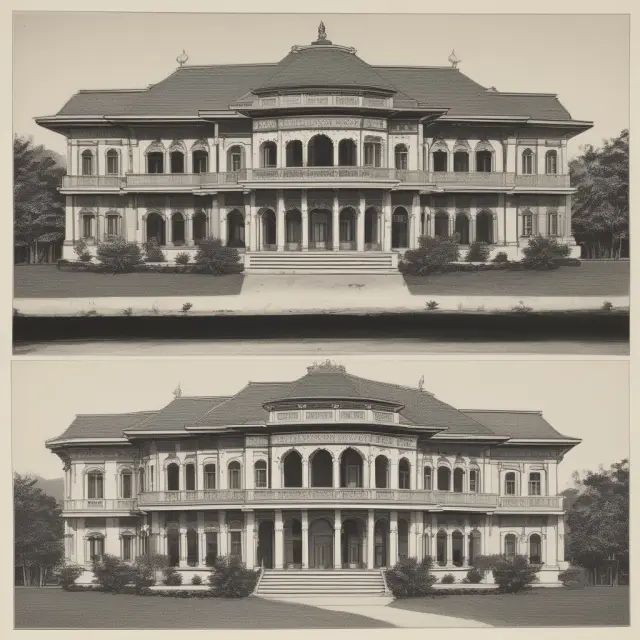
Bungalows in History
Bungalows have intriguing origins as they trace their roots back to Bengal, India, where they were first constructed around the late 17th century. Initially, bungalows were grand dwellings that symbolized high social status. However, the term’s meaning evolved drastically in the early 20th century when it became synonymous with a small, single-story house.
The etymology of the word ‘bungalow’ stems from the Hindi term ‘bhangala,’ which means ‘belonging to a Bengali.’ Initially, this term was used in Britain and America to denote large dwellings. With time, the definition narrowed down to signify small bungalows we know today – single-story houses that typically occupy less square footage than multi-story homes.
Bungalow architecture gained immense popularity during the first few decades of the 20th century as they provided an affordable housing solution for a growing middle class. In countries like Canada, Australia, and the United States, bungalows became synonymous with modern living, especially during the early 1900s.
Despite their origins in India, the popular bungalow styles in Western countries deviate significantly from their South Asian roots. For instance, the California Bungalow is a one to one-and-a-half story house with a large porch, sloping roof, and Spanish-inspired details that became popular in America between 1910 and 1940. This style expanded abroad due to Hollywood’s influence and the increased desirability of American-made products.
Other prominent bungalow styles include Chicago Bungalows, which emerged around the 1920s in Chicago, featuring brick construction. Additionally, there are Chalet Bungalows that have two stories but maintain a low-profile design, with the second story being a loft or partially hidden beneath the main roofline.
Bungalows’ history is fascinating as they evolved from grand dwellings to affordable single-story houses, eventually becoming a symbol of modern living during the early 20th century. Understanding this rich heritage adds context to why these homes offer not just a cost-effective and practical housing solution but also an intriguing piece of architectural history.

Investing in Bungalows: Potential Returns for Institutional Investors
Bungalows have been gaining increasing popularity as an attractive housing option for institutional investors, offering cost advantages and a strong potential return on investment (ROI). To understand why bungalows are worth considering as part of your investment portfolio, it’s essential to examine the costs associated with acquiring and maintaining these properties, market trends, and location-specific factors.
Cost Analysis and Potential ROI
The cost analysis for institutional investors includes acquisition costs, renovation expenses, ongoing maintenance fees, and potential rental income. While bungalows have a higher initial cost per square foot than multi-story homes due to their larger footprint, the lower cost of construction and materials can make up for this difference in the long run. Additionally, bungalows offer relatively easy modifications that can significantly increase property value through renovations.
Market Trends and Demand
Bungalows have witnessed a resurgence in popularity due to their modern design elements and affordability. The growing trend for smaller living spaces, the increasing number of aging baby boomers looking for accessible housing options, and the rise of minimalist interior design styles all contribute to a strong demand for bungalow properties.
Location-specific Factors
Understanding local market conditions, such as property values, competition, and zoning laws, is crucial when considering investing in bungalows. For example, some areas have higher demand for bungalows due to their history or desirability, which can lead to increased ROI. Additionally, locations with favorable rental markets or opportunities for value-add renovations can generate substantial returns.
In conclusion, by taking a closer look at the cost advantages of bungalows, market trends, and location-specific factors, institutional investors can effectively evaluate whether investing in this unique housing style is an attractive investment opportunity. As bungalows continue to regain popularity, it’s essential for investors to stay informed about the potential risks and rewards associated with this type of real estate investment.
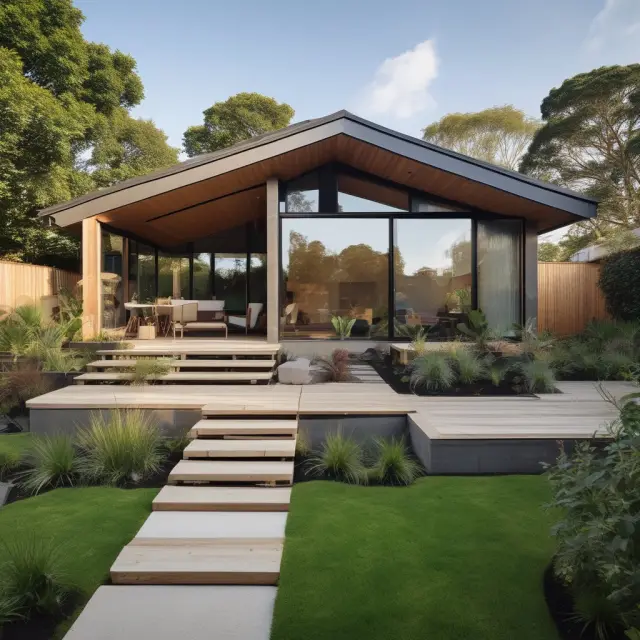
Bungalow Renovation: Maximizing Return on Investment
One of the best ways for institutional investors to maximize their return on investment (ROI) in bungalows is through smart renovations. As the demand for affordable, modern housing continues to grow, investing in and renovating bungalows can be an attractive option for those looking to enter the real estate market.
Cost-effective Renovations
Renovating a bungalow can be an excellent opportunity to add value to an investment property without breaking the bank. One approach is to focus on small but impactful changes, such as updating the kitchen and bathrooms with modern fixtures and finishes. Another cost-effective renovation strategy involves improving energy efficiency by adding insulation, installing new windows or doors, and upgrading heating and cooling systems.
Designing for Modern Living
Investors can also consider more extensive renovations to create contemporary living spaces that cater to modern lifestyles. Examples include converting garages into additional living areas, creating open-concept floor plans, adding storage solutions, or building an outdoor living space. These improvements not only increase the property’s value but also make it more attractive to potential buyers.
Adding Energy Efficiency and Eco-Friendliness
As sustainability becomes a priority for many homebuyers, incorporating energy efficiency and eco-friendliness into bungalow renovations can significantly boost ROI. Investments like installing solar panels or implementing a rainwater harvesting system can provide long-term cost savings for both the investor and future tenants.
Successful Case Studies
Several institutional investors have successfully transformed bungalows through strategic renovations, resulting in impressive returns on their investments. For example, one investor purchased an outdated Chicago bungalow and spent approximately $60,000 on renovations, adding energy efficiency, modern finishes, and a new front porch. The property was then sold for over $150,000. Another investor bought a rundown 70-year-old California bungalow in need of extensive repairs but with significant potential. After investing around $120,000 in renovations, the property was transformed into a contemporary living space and sold for nearly double the initial investment.
Best Practices
To ensure a successful renovation project, institutional investors should conduct thorough market research to understand local trends and demand before making any decisions. It is also essential to secure reliable contractors, stick to a realistic budget, and adhere to local building codes and regulations. With careful planning and execution, investors can turn bungalows into valuable assets while providing modern housing solutions that cater to the growing demand for affordable yet stylish homes.

Case Studies: Successful Institutional Investments in Bungalows
Bungalows have long been an attractive investment opportunity for institutional investors seeking affordable real estate options with strong growth potential. By understanding the success stories and strategies employed by these investors, we can gain valuable insights into what makes bungalows an appealing choice for those looking to expand their property portfolios. Here, we’ll explore three compelling case studies of institutional investments in bungalows and the lessons learned from each.
1) The California Bungalow Renaissance: A Housing Trend Turned Investment Goldmine
The revival of interest in California bungalows began around 2013, driven by Millennials seeking affordable housing options in urban areas and a renewed appreciation for the style’s history and charm. Institutional investors such as American Homes 4 Rent (AMHC) saw this trend emerging and seized the opportunity to capitalize on the demand. By acquiring thousands of California bungalows throughout the state, AMHC managed to quickly build a considerable portfolio while generating steady rental income.
Lesson: Keep an eye on housing trends and demographic shifts in potential markets to identify promising investment opportunities.
2) Chicago Bungalow Boom: Revitalizing Neighborhoods One Property at a Time
In 2015, real estate firm Brinshore Development acquired around 360 vacant lots and rundown bungalows in the South Shore neighborhood of Chicago. Their goal was to revive these properties by offering affordable financing options to local residents seeking to purchase their own homes. By providing a supportive community environment along with financial incentives, Brinshore transformed the neighborhood into an attractive investment opportunity for institutional investors like Prudential Real Estate Investors. In 2017, Prudential acquired over 435 properties in South Shore, making it one of the largest investments in Chicago’s history.
Lesson: Focus on community development and creating value for local residents to generate long-term returns and positive public perception.
3) The Chalet Bungalow Comeback: Embracing Energy Efficiency and Modern Living Spaces
Investing in chalet bungalows presents a unique opportunity to cater to the growing demand for energy-efficient homes while maintaining the classic charm of this housing style. In the UK, institutional investor Redevco saw this potential when they purchased a portfolio of 215 chalet bungalows in the suburbs of London between 2013 and 2014. They focused on modernizing these properties through energy-efficient improvements, such as insulation and double glazing, while maintaining their traditional exteriors. By attracting tenants with lower utility bills, Redevco was able to achieve high occupancy rates and solid rental income streams.
Lesson: Stay attuned to shifting consumer preferences and incorporate eco-friendly upgrades to meet evolving demands and retain tenant satisfaction.
In conclusion, as we’ve explored in these case studies, institutional investors have found success in the bungalow market by recognizing trends, focusing on community development, and embracing modernization efforts. By keeping these strategies in mind, you too can make informed investment decisions that maximize returns while enhancing the appeal of this timeless housing style for generations to come.
Maintaining the Value of a Bungalow Portfolio: Best Practices for Institutional Investors
Bungalows offer a unique housing solution for institutional investors due to their affordability, privacy, and lower maintenance costs compared to multi-story homes. However, owning and managing a portfolio of bungalows requires strategic planning and consistent maintenance. In this section, we explore best practices for maintaining the value of your bungalow investment portfolio over time.
1. Long-Term Planning
Long-term planning is crucial for maximizing returns on your institutional bungalow investment. It begins with conducting thorough due diligence before acquiring a property to ensure that it has all the necessary features and meets market demand. Identifying high-growth areas where bungalows are in demand will further increase the potential ROI for your portfolio.
2. Risk Management
Managing risks is essential for maintaining the value of a bungalow portfolio. This includes understanding location-specific hazards, such as flooding or earthquakes, and investing in necessary insurance coverage and flood mitigation measures. Additionally, performing regular maintenance inspections can help prevent costly repairs down the line.
3. Cost-Effective Renovations
Renovating bungalows can increase their value significantly while keeping costs low. Consider making energy-efficient updates, such as adding insulation or solar panels, to attract eco-conscious buyers and reduce long-term operational costs. Additionally, cosmetic improvements like landscaping, painting, and modernizing kitchens and bathrooms can boost a bungalow’s appeal without breaking the bank.
4. Tenant Management
Effective tenant management is essential for maintaining property value in a bungalow portfolio. This includes setting fair rental prices to attract quality tenants, conducting regular inspections to ensure the property remains well-maintained, and providing prompt maintenance responses to prevent turnover or vacancies.
5. Market Trends and Demographics
Understanding market trends and demographics is crucial for maintaining the value of a bungalow portfolio. Aging populations may lead to increased demand for accessible housing solutions like bungalows, while younger buyers might be attracted to their affordability and lower maintenance costs. Adapting your investment strategy to meet these changing demands can help ensure long-term success for your bungalow portfolio.
6. Strategic Location Selection
Location is key when it comes to maximizing the value of your bungalow investment portfolio. Look for areas with strong market fundamentals, including employment growth and population trends, to increase the likelihood of long-term returns. Additionally, proximity to amenities like public transportation, shopping, and schools can further boost a bungalow’s desirability among buyers.

FAQs About Bungalows for Institutional Investors
Question 1: What sets bungalows apart from other housing styles?
Answer: Bungalows are typically single-story houses, with origins in Bengali architecture, characterized by their low profile and small size. They’re cost-efficient, easy to maintain, and offer more privacy compared to multi-story homes due to their low sitting height. However, they have fewer rooms, making them more susceptible to break-ins.
Question 2: What are the most common types of bungalows?
Answer: Some popular styles include California, Chicago, and chalet bungalows. Each style varies in size, design, and architectural influences. For example, California bungalows have a large porch, sloping roof, and Spanish-inspired details, while Chicago bungalows are typically made of brick and have a second story loft. Chalet bungalows deviate from the one-story norm with a second level.
Question 3: What makes bungalows cost-effective?
Answer: Bungalows offer various cost savings advantages, such as lower heating and cooling costs due to their smaller square footage compared to multi-story homes. They also provide more space for modifications and additions while requiring less material for roofing than a multi-story building.
Question 4: Why are there concerns about the security of bungalows?
Answer: Because they’re low to the ground, bungalows may be more vulnerable to break-ins than traditional homes. It is recommended that investors in bungalows invest in a home security system for added protection.
Question 5: What are the long-term potential returns for investing in bungalows?
Answer: Institutional investors can consider several factors when evaluating the long-term potential of investing in bungalows, such as cost analysis, market trends, and location-specific factors to maximize their return on investment. Additionally, renovations focused on energy efficiency and eco-friendliness can increase the value of a bungalow portfolio.
Question 6: What are the pros and cons of living in a bungalow?
Answer: While offering numerous advantages like affordability, privacy, ease of maintenance, lower heating and cooling costs, and more space for modifications, bungalows also present challenges such as vulnerability to break-ins due to their low profile.
Question 7: How have bungalows evolved over time?
Answer: Originating in Bengali architecture, the concept of a bungalow has changed throughout history, with various styles becoming popular across different regions. Bungalows started as large dwellings representing high social status but eventually developed into the modern one-story homes we know today.
 Next entry · No. 549Understanding Bureaucracy: What it is, How it Functions and its Implications for Finance and Investment
See also
-
 No. 715
26 May 2024
20 min
Understanding Commercial Real Estate: A Comprehensive Guide for Institutional Investors
Real Estate
No. 715
26 May 2024
20 min
Understanding Commercial Real Estate: A Comprehensive Guide for Institutional Investors
Real Estate -
 No. 547
29 Apr 2024
22 min
Understanding the Concept of Bundle of Rights in Real Estate: A Comprehensive Guide for Investors
Real Estate
No. 547
29 Apr 2024
22 min
Understanding the Concept of Bundle of Rights in Real Estate: A Comprehensive Guide for Investors
Real Estate -
 No. 251
07 Apr 2024
24 min
Assumable Mortgages: Understanding the Advantages and Disadvantages of Taking Over an Existing Home Loan
Real Estate
No. 251
07 Apr 2024
24 min
Assumable Mortgages: Understanding the Advantages and Disadvantages of Taking Over an Existing Home Loan
Real Estate -
 No. 13
28 Mar 2024
25 min
Understanding Absorption Rate: Real Estate and Accounting Perspectives
Real Estate
No. 13
28 Mar 2024
25 min
Understanding Absorption Rate: Real Estate and Accounting Perspectives
Real Estate -
 No. 1,966
28 Nov 2024
21 min
Understanding Growth Stocks: Identifying, Analyzing, and Investing in Growth Companies
Business Finance
No. 1,966
28 Nov 2024
21 min
Understanding Growth Stocks: Identifying, Analyzing, and Investing in Growth Companies
Business Finance -
 No. 1,373
06 Sep 2024
19 min
Ex-Dividend: Understanding the Significance of the Ex-Date for Investors
Business Finance
No. 1,373
06 Sep 2024
19 min
Ex-Dividend: Understanding the Significance of the Ex-Date for Investors
Business Finance