Capital Goods: Understanding the Role of Physical Assets in Manufacturing and Production

Understanding the significance of capital goods as tangible assets used in manufacturing and production processes. Explore types, impact on modern…
Introduction to Capital Goods: Tangible Assets Used for Manufacturing and Production
Capital goods are an essential part of modern industrial economies, as they represent the physical assets that businesses use in manufacturing processes to create products and services. These tangible assets include machinery, vehicles, equipment, buildings, and tools. Capital goods differ from consumer goods, which are finished products designed for individual consumption. Instead, capital goods serve as building blocks in the production process, enabling businesses to generate income through the creation of finished goods or services for consumers.
Understanding Capital Goods: Physical Assets Transforming Raw Materials into Finished Products
Capital goods can be categorized as tangible assets because they possess a physical nature and are utilized by companies in various industries to transform raw materials into finished goods. When examining the capital goods sector, it’s important to differentiate between those produced for manufacturing businesses and those used specifically within service industries. The former includes machinery, vehicles, equipment, buildings, and tools used in automobile factories, aircraft manufacturers, or infrastructure projects.
Capital goods are also essential components of service sectors, where they help deliver services directly to consumers. Hair clippers, coffee machines, and musical instruments all serve as prime examples of capital goods within the service industry. By purchasing these tangible assets, businesses can provide a more efficient and effective service experience for their customers, ensuring long-term growth and success.
The Significance of Capital Goods: Driving Economic Growth and Development
Capital goods play a crucial role in driving economic growth by providing the physical infrastructure required to manufacture products and deliver essential services. Their impact on industrialization, development, and productivity has been well documented throughout history. For instance, the Industrial Revolution marked a turning point in human civilization when technological advancements, including capital goods such as steam engines and spinning jennies, transformed production processes and led to unprecedented economic growth and societal change.
By enabling companies to increase efficiency and output, capital goods contribute to the creation of jobs and the development of new industries. This not only fosters economic growth but also helps raise living standards and improve overall quality of life for individuals and communities. In this manner, capital goods serve as a catalyst for innovation and progress in both developed and emerging economies.
In conclusion, understanding capital goods is essential for anyone interested in the inner workings of modern industrial economies. By recognizing their role as tangible assets that enable businesses to manufacture products and deliver services, we can appreciate the far-reaching impact they have on economic growth, development, and our daily lives.

Capital Goods: The Building Blocks of Industrial Processes
In the realm of business, capital goods are essential assets that play a pivotal role in manufacturing and production processes. Unlike consumer goods, which are meant for direct consumption or use by individuals, capital goods are tangible assets employed to create other goods or services. The term “capital goods” encapsulates various types of assets, including machinery, equipment, vehicles, buildings, and tools. These resources are not intended for final sale but instead serve as the foundation for the production process that ultimately leads to the creation of consumer goods.
Machinery, a prominent category of capital goods, encompasses large-scale industrial machines used in various industries. For instance, automobile factories rely on machinery like conveyor belts and assembly line equipment to produce vehicles. The manufacturing sector would be at a standstill without these essential elements.
Equipment, another important classification of capital goods, can include items as diverse as computers and industrial robots. These assets facilitate operations in various industries, from technology companies to automobile manufacturers. In the service industry, hair clippers used by hairstylists and coffee machines for coffee shops are prime examples of capital equipment.
Capital goods extend beyond machinery and equipment. Vehicles, both large and small, serve as essential assets in numerous industries, including transportation, construction, and logistics. For instance, trucks, cranes, and excavators are crucial components of the construction industry. Airplanes, though used for commercial passenger transport, can also be considered capital goods since they are employed by airlines to facilitate transportation services.
Buildings, another significant category of capital goods, often serve as the backbone of industrial processes. For example, factories and warehouses require substantial investment in infrastructure before production can commence. In addition, specialized buildings like laboratories or cleanrooms house specific processes that would be difficult to execute elsewhere.
Lastly, tools are vital components of capital goods, facilitating various aspects of the production process. From handheld power tools used by construction workers to sophisticated laboratory instruments, these assets enable industries to optimize their operations and produce high-quality products efficiently.
Capital goods serve as the cornerstone for economic growth and industrialization. In modern economies, investment in capital goods is crucial for businesses to remain competitive and expand. As companies seek to innovate and improve production methods, investment in advanced machinery and equipment becomes a necessity. Ultimately, capital goods play an indispensable role in shaping the way we produce goods and services, contributing to economic development on a global scale.
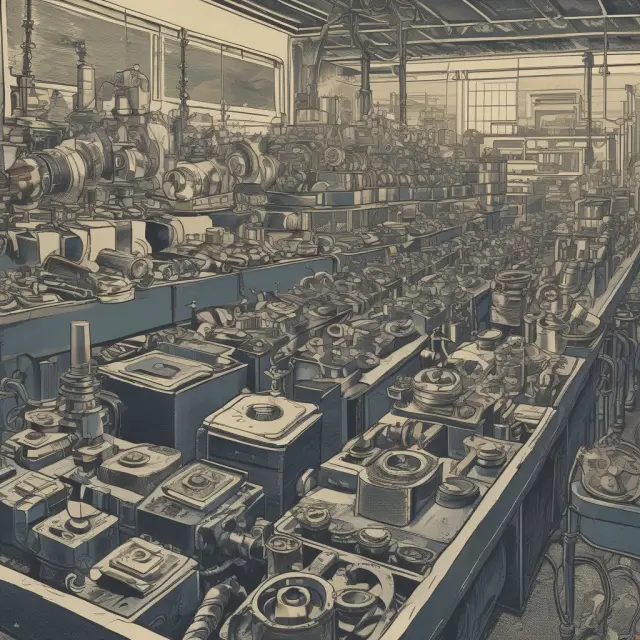
Capital Goods vs. Consumer Goods: Understanding the Difference
In the realm of business and economics, capital goods and consumer goods are two distinct types of assets that serve unique purposes. Capital goods refer to physical assets used in the production process, while consumer goods are products purchased by individuals for personal use. The primary difference lies in their function and ultimate user – capital goods enable businesses to manufacture or provide services, while consumer goods cater to individual needs and desires.
Capital goods are essential components of industrial processes, providing the foundation for manufacturing and production. These assets include machinery, equipment, vehicles, buildings, and tools that serve as inputs in the production process to create finished goods. For instance, an automobile manufacturer uses a combination of machinery, robots, and skilled labor to produce cars. In the service sector, capital goods are also used extensively – hair clippers for barbershop services or airplanes for airlines are prime examples of how capital goods support various industries.
On the other hand, consumer goods are the end products designed for personal use by individuals. Examples include food items like milk and clothes, as well as appliances such as washing machines and televisions. Consumer goods cater to individual needs, offering immediate satisfaction and utility. However, certain capital goods can function as both assets for businesses and commodities for consumers. For example, an airplane operates as a critical asset for airlines, facilitating passenger transportation on a large scale, but can also be used by private individuals as a luxury consumption item.
Distinguishing between the two types of goods is crucial because they serve different purposes within an economy. Understanding their differences allows businesses and economists to make informed decisions regarding investments, production strategies, and economic indicators. For example, the Census Bureau closely monitors capital expenditures on durable goods, known as Core CAPEX, to assess business expansion plans and gauge economic conditions. This data is vital in understanding trends and forecasting potential growth in various industries.
In conclusion, capital goods and consumer goods serve distinct roles within an economy. Capital goods are integral components of industrial processes that enable businesses to manufacture products or provide services, while consumer goods cater to individual needs and desires. As the interplay between these two categories impacts economic growth, it is essential for businesses, investors, and policymakers to recognize their differences and adapt accordingly.
The Importance of Capital Goods in Modern Economies: An Overview
Capital goods are indispensable elements in modern economies as they facilitate the production process, contribute to industrialization, economic growth, and development. These tangible assets include machinery, equipment, vehicles, buildings, and tools, which help businesses manufacture products and services for consumers. While capital goods do not provide immediate utility or satisfaction, they create value by enabling companies to produce the final products that meet consumer demands.
Capital goods can be classified as either fixed or durable, depending on their nature and usage. Fixed capital goods are those that are permanently affixed to land, like buildings and infrastructure. On the other hand, durable capital goods are mobile assets used in various industries for manufacturing, transportation, construction, and services. Both categories are essential for economic growth as they provide companies with the necessary resources to produce a wide range of products and services.
One of the primary advantages of investing in capital goods is their long-term value. While there might be significant upfront costs, the benefits of acquiring these assets extend far beyond the initial investment. Capital goods contribute to increased productivity and efficiency by reducing labor costs and shortening production cycles. They also promote industrialization and innovation as new technologies are constantly being developed to improve the functionality and longevity of capital goods.
Furthermore, capital goods play a critical role in economic growth and development. Countries that invest in capital goods experience higher productivity levels, which translates to increased economic output and competitiveness on a global scale. The production of capital goods is also associated with the creation of jobs, as industries that specialize in manufacturing, construction, and utilities require skilled laborers for their operations.
Capital goods are not only important within specific industries but also extend beyond them. For instance, they play an essential role in the service sector. Hair clippers used by hairstylists and coffee machines for coffee shops are examples of capital goods that are used to provide services. In fact, core capital goods, which exclude aircraft and government-owned assets, contribute significantly to industrial production as measured by the Census Bureau’s monthly Advance Report on Durable Goods Orders.
In conclusion, capital goods serve as building blocks for modern economies, enabling companies to manufacture products and services that cater to consumer demands while contributing to industrialization, economic growth, and development. Capital goods, whether fixed or durable, are essential for businesses across various industries as they facilitate increased productivity, efficiency, and innovation. By investing in capital goods, companies can create long-term value that extends beyond the initial investment.

Capital Goods and the Service Sector: Examples from Hair Salons to Airlines
Capital goods are often associated with manufacturing industries, but they play a crucial role in service sectors as well. Service industries rely on capital goods just as much as manufacturing industries do, even though these assets may not be as visible or tangible. Capital goods used in the service sector include hair clippers for hairstylists, coffee machines for coffee shops, and airplanes for airlines.
Hairstylists and Barbershops
One of the most common types of capital goods used in service industries is equipment for personal care services. Hair clippers are an excellent example of this category. Hair clippers are essential for barbers and hairstylists to create different hairdos for their clients. These electric clippers may cost anywhere between $30 and $300, depending on the brand, durability, and additional features such as cordless designs. Hairstylists invest in these capital goods because they need them for their daily work and generate a significant portion of their income by providing various hairstyles to clients.
Coffee Shops
Capital goods are also vital in the foodservice industry, especially for coffee shops and cafes. Espresso machines, grinders, milk frothers, and other equipment are required to provide customers with a quality beverage experience. A high-quality espresso machine can cost thousands of dollars and may require routine maintenance and cleaning. However, these investments pay off as they attract more customers who appreciate the better coffee experience offered by the shop.
Airlines:
The aviation industry is another example of how capital goods are essential in service sectors. Airlines invest millions, if not billions, in their aircraft fleet. Airplanes represent significant capital expenditures for airlines, which need to maintain and replace them regularly due to their high operational costs. Airplanes are both capital goods and consumer goods, as they serve the dual purpose of being used by airlines to provide transportation services and by passengers as a means to travel from one place to another.
In conclusion, capital goods play an essential role in service industries. Hairstylists, coffee shops, and airlines all rely on various types of capital goods to provide their customers with quality services. Capital goods investments are critical for the growth and success of these businesses. These assets help create value through increased efficiency, higher quality, and improved customer experience.

Capital Goods and the Production Process: Manufacturing, Construction, and Utilities
The role of capital goods is integral to various industries such as manufacturing, construction, and utilities. In these industries, capital goods serve as essential assets that facilitate the production process, ultimately driving growth and efficiency. In the following discussion, we delve into how capital goods contribute to the processes of manufacturing, construction, and utilities.
In the realm of manufacturing, capital goods play a pivotal role in various stages of production. Machinery, equipment, buildings, and tools are all considered capital goods that enable manufacturers to transform raw materials into finished products. For instance, automotive factories are filled with capital goods like assembly lines, presses, and other machinery, which convert steel sheets into cars.
Moreover, the construction industry heavily relies on capital goods during the planning, designing, and building phases of a project. Excavators, cranes, bulldozers, and other heavy machinery are essential capital goods that expedite the construction process while ensuring accuracy and safety. Building information modeling (BIM) software, for example, is an advanced capital good used by architects to create 3D models for designing and visualizing structures.
In the utilities sector, capital goods play a crucial role in generating, transmitting, and distributing essential resources like electricity, water, and natural gas. Power plants employ boilers, turbines, generators, and transformers as capital goods to produce energy. Utilities also rely on infrastructure such as pipelines, power lines, and communication towers for delivering services to consumers.
Capital goods’ significance extends beyond the manufacturing sector. Service industries like hair salons, restaurants, and medical facilities also utilize capital goods in their daily operations. For instance, a barber shop might use clippers, chairs, and other equipment as capital goods. Similarly, coffee shops invest in machines such as espresso makers or blenders, which are considered capital goods when used to produce coffee for their customers.
The role of capital goods is not limited to the production process but also extends to the economic indicators that measure business investment and growth. One such indicator is Durable Goods Orders, which provides information on purchases of core capital goods by businesses. This data is closely monitored as a forward-looking indicator of the degree to which companies plan to expand their operations.
In conclusion, capital goods are indispensable assets that play a vital role in manufacturing, construction, and utilities industries. Their contribution to the production process enables efficiency, drives growth, and facilitates the delivery of essential services. Understanding how these assets operate within various industries offers valuable insights into the inner workings of the economy and the technological advancements shaping our future.

Capital Goods: Depreciation, Depletion, and Capital Expenditures
Capital goods play a significant role in the economy as they help businesses create finished products for consumption or service industries. However, managing capital goods entails costs over their lifetime beyond the initial purchase price, which include depreciation, depletion, and capital expenditures. Understanding these concepts is essential to effectively manage capital goods’ lifecycle and financial implications.
Depreciation: A Necessary Accounting Concept
When businesses invest in capital goods, they must recognize that their value will decrease over time due to wear and tear, obsolescence, or other factors. Depreciation is an accounting method used to allocate the cost of these assets over their useful life. The process involves recording a portion of the cost as an expense on the income statement each year. This allocation helps reflect the financial impact of using capital goods in generating revenue for a company.
Depletion: Managing Natural Resource Consumption
Businesses that extract natural resources face unique challenges when it comes to managing their assets. Depletion is an accounting method used for spreading out the cost of these resources as they are consumed. The concept applies mainly to industries such as mining, forestry, and agriculture. When calculating depletion, businesses can choose between cost depletion or percentage depletion methods based on the specifics of their operations.
Capital Expenditures: Essential for Business Growth
Capital expenditures refer to investments made in long-term assets that will provide benefits for more than one year. This may include purchasing machinery, buildings, equipment, vehicles, and other capital goods. Capital expenditures are essential for businesses looking to expand or modernize their operations. They can significantly impact a company’s financial performance, so it is crucial to carefully evaluate the costs and benefits before making these investments.
In conclusion, managing depreciation, depletion, and capital expenditures is vital for companies using capital goods in their production processes. Depreciation helps recognize the cost allocation of capital goods over their useful life, while depletion addresses the consumption of natural resources, and capital expenditures support business growth. These concepts play a crucial role in understanding the financial implications of investing in capital goods.

The Role of Capital Goods in Economic Indicators: Durable Goods Orders and Core CAPEX
Capital goods play a significant role as economic indicators, with particular importance given to durable goods orders and Core CAPEX. Understanding these metrics offers insights into business investment trends that influence industrial growth and overall economic performance.
Durable goods orders measure new orders for items intended for production, installation, or purchase with an expected life span of at least three years. By analyzing monthly data on new orders, economists can gauge the degree to which businesses plan to expand their operations and invest in new capital equipment. The Advance Report on Durable Goods Orders, released by the U.S. Census Bureau, tracks orders for both total durable goods and core capital goods, also known as Core CAPEX.
Core CAPEX is a subset of the durable goods data that excludes aircraft and military defense equipment. This measure provides valuable insight into investment plans in sectors such as manufacturing, construction, and utilities, which are key drivers of economic growth. In turn, strong capital goods orders signify optimism about future demand and production capacity, while weak orders may indicate uncertainty or pessimism.
The data on durable goods orders offers a forward-looking perspective on business investment, as it reflects the intentions of companies regarding their capital expenditures in the upcoming months. By monitoring trends in capital goods orders, analysts can anticipate potential adjustments to production levels and labor requirements within various industries. This knowledge informs not only investors but also policymakers, helping them make informed decisions about economic conditions, fiscal stimulus measures, and monetary policy.
In conclusion, understanding the role of capital goods in economic indicators such as durable goods orders and Core CAPEX is crucial for anyone interested in following the health of the business environment and overall economic growth trends. These metrics offer valuable insights into businesses’ investment intentions and provide a forward-looking perspective on future economic conditions.
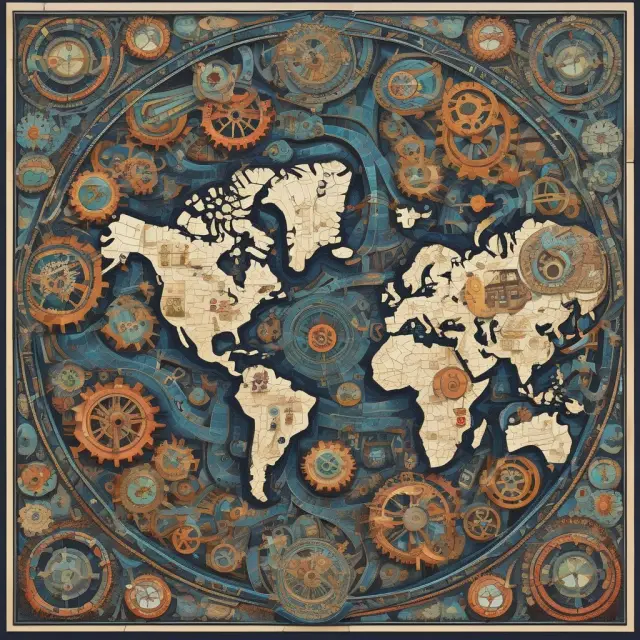
The Global Market for Capital Goods: Trends, Players, and Innovations
Capital goods are essential for businesses in various industries to produce goods and services that cater to the demands of consumers. The global market for capital goods has seen significant trends, key players, and innovations that have revolutionized manufacturing processes and transformed industries.
Firstly, let’s dive into some trends shaping the capital goods sector:
- Technological Advancements: With rapid advancements in technology, capital goods manufacturers are increasingly incorporating automation and digitalization into their products. For instance, robots and computer-controlled machines are becoming more commonplace in manufacturing industries, enabling increased efficiency, productivity, and lower costs for businesses.
- Globalization: The global market for capital goods has been expanding as businesses seek to increase production capacity and tap into new markets. Multinational corporations are setting up factories and production facilities in emerging economies like China, India, and Vietnam, which offer lower labor costs and favorable business environments.
- Sustainability and Energy Efficiency: The global market for capital goods is witnessing a growing demand for sustainable and energy-efficient solutions as businesses seek to reduce their carbon footprint and meet regulatory requirements. For example, many capital goods manufacturers are incorporating renewable energy sources like solar panels, wind turbines, and geothermal systems into their product offerings.
- Increasing Adoption of Modular Solutions: As businesses strive for flexibility and adaptability in their production processes, there is a growing trend towards modular solutions. Capital goods manufacturers are increasingly offering customizable, prefabricated modules that can be easily integrated into existing production lines or systems. This allows businesses to scale up or down as needed without the need for extensive reconfiguration of their facilities.
Now let’s discuss some key players in the global capital goods market:
- Caterpillar Inc.: Caterpillar is a leading manufacturer of construction and mining equipment, diesel and natural gas engines, industrial gas turbines, and electric power systems. The company’s products are used in various industries such as mining, oil and gas, transportation, power generation, construction, and agriculture.
- Siemens AG: Siemens is a German multinational conglomerate that operates primarily in the fields of industry, energy, transportation, and healthcare. The company produces capital goods including power generation, transmission, and distribution equipment, railway systems, industrial software, and medical devices.
- General Electric Company (GE): GE is an American multinational corporation specializing in technology and financial services. Its capital goods division includes products such as jet engines, gas turbines, wind turbines, locomotives, power generation equipment, and water processing technologies.
- Honeywell International Inc.: Honeywell is a US multinational conglomerate that operates primarily in the fields of aerospace, defense, safety, and performance materials. Its capital goods offerings include building technologies, industrial automation, and control solutions, and aerospace products such as engines, cockpit systems, and components.
- Bosch GmbH: Bosch is a German multinational technology company that operates in various sectors including mobility, energy, industry, and building technology. The company’s capital goods portfolio includes industrial automation, power tools, and construction machinery.
- Mitsubishi Heavy Industries Ltd.: MHI is a Japanese engineering and manufacturing company with expertise in heavy machinery, vehicles, and aerospace systems. Its product offerings include power generation equipment, elevators, rolling stock for railways, and aircraft engines.
In conclusion, the global market for capital goods is an ever-evolving landscape shaped by technological advancements, globalization, sustainability concerns, and increasing adoption of modular solutions. Capital goods manufacturers like Caterpillar, Siemens, GE, Honeywell, and Bosch are at the forefront of this sector, continuously innovating to meet the changing needs of businesses worldwide.

FAQ: Capital Goods and their Impact on Economic Development
Question 1: What are the primary differences between capital goods and consumer goods?
Answer: Capital goods, also referred to as fixed assets or productive assets, are physical assets that companies use in their production processes. These tangible assets include machinery, equipment, vehicles, buildings, and tools. Capital goods are used to create finished products or services that consumers will later purchase. In contrast, consumer goods are finished items intended for direct consumption by individuals or households.
Question 2: How does the usage of capital goods impact economic development?
Answer: The utilization of capital goods significantly contributes to industrialization and economic growth. Capital goods facilitate the production process, increasing efficiency, reducing costs, and expanding a business’s output. This expansion leads to job creation and income generation, contributing to overall economic development. For instance, investments in machinery and infrastructure can lead to higher productivity levels and increased competitiveness for companies on both local and global markets.
Question 3: What role do capital goods play within the service sector?
Answer: Capital goods are not only essential for manufacturing industries but also serve a critical function in various sectors of the service economy. For example, hair clippers used by hairstylists, coffee machines employed in cafes, and musical instruments used by musicians are all considered capital goods. These assets enable businesses to provide their services effectively and efficiently.
Question 4: How can capital goods contribute to economic indicators?
Answer: Capital goods investments are closely monitored as they provide insights into a company’s future growth prospects. Data on core capital goods, often referred to as Core CAPEX, is used in the Census Bureau’s monthly Advance Report on Durable Goods Orders. This information serves as an essential leading indicator for assessing the degree of businesses’ expansion plans.
Question 5: What are some examples of capital goods and their industries?
Answer: Capital goods can be found across various industries, including manufacturing, construction, transportation, and utilities. Some common examples include factories or assembly line equipment used to manufacture vehicles and machinery, types of infrastructure such as trains and cable lines, and coffee machines used by cafes. These assets provide the foundation for production processes in their respective industries, leading to increased productivity and economic growth.
 Next entry · No. 611Capital Improvements: Understanding This Essential Real Estate and Finance Concept
See also
-
 No. 3,089
27 Feb 2025
27 min
Market Leaders: Understanding the Dominant Players in Various Industries
Business Strategy
No. 3,089
27 Feb 2025
27 min
Market Leaders: Understanding the Dominant Players in Various Industries
Business Strategy -
 No. 2,606
20 Jan 2025
20 min
Jobs Growth: Understanding the Importance of Nonfarm Payrolls as an Economic Indicator for Investors
Business Strategy
No. 2,606
20 Jan 2025
20 min
Jobs Growth: Understanding the Importance of Nonfarm Payrolls as an Economic Indicator for Investors
Business Strategy -
 No. 2,415
04 Jan 2025
20 min
Understanding the Role and Impact of the Institute for Supply Management (ISM) in Finance and Investment
Business Strategy
No. 2,415
04 Jan 2025
20 min
Understanding the Role and Impact of the Institute for Supply Management (ISM) in Finance and Investment
Business Strategy -
 No. 1,230
15 Aug 2024
18 min
Expert Insights: Understanding the Role and Impact of Economists in Finance and Investment
Business Strategy
No. 1,230
15 Aug 2024
18 min
Expert Insights: Understanding the Role and Impact of Economists in Finance and Investment
Business Strategy -
 No. 747
01 Jun 2024
19 min
Understanding Consumer Goods: Classification, Marketing, and Trends
Business Strategy
No. 747
01 Jun 2024
19 min
Understanding Consumer Goods: Classification, Marketing, and Trends
Business Strategy -
 No. 559
30 Apr 2024
21 min
Understanding Business Intelligence (BI): Types, Tools, and Benefits for Institutional Investors
Business Strategy
No. 559
30 Apr 2024
21 min
Understanding Business Intelligence (BI): Types, Tools, and Benefits for Institutional Investors
Business Strategy