Cost-Push Inflation: Understanding the Mechanisms Behind Wage-Driven Price Increases
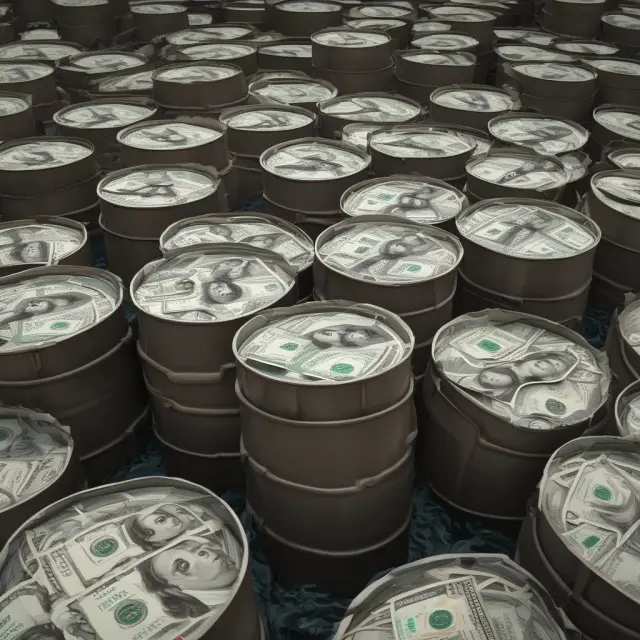
Learn about cost-push inflation in this comprehensive guide. Understand its causes, effects on consumers, and examples like the oil embargo of 1973.
Introduction to Cost-Push Inflation
Cost-push inflation, also known as wage-push inflation, is an economic phenomenon where overall price increases (inflation) occur due to rising production costs. Higher expenses for raw materials or labor lead to decreased aggregate supply in the economy. As consumers’ demand remains constant, these price increases are ultimately passed on to consumers, resulting in cost-push inflation.
Cost-push inflation contrasts with demand-pull inflation where price rises stem from consumer demand exceeding available goods. Inflation, as a measure of the rate at which prices for a basket of goods and services rise within an economy, can impact purchasing power. If production costs surge, producers may hike their prices to preserve profitability and maintain output levels while accommodating anticipated demand.
Causes of Cost-Push Inflation: An Unforeseen Increase in Production Costs
Cost-push inflation starts with a sudden increase in production costs. One common reason is an unexpected surge in raw material costs, like the price of natural resources, or inventory used in manufacturing processes. For instance, if copper—a widely used metal—experiences a significant price jump, companies incorporating it into their products may have no choice but to pass these increased costs onto customers.
Another factor causing cost-push inflation is an escalation in labor costs. Mandatory wage hikes for production workers or extended negotiations during wage bargaining can lead to a decrease in available labor, which could subsequently cause price increases to maintain profitability and output levels. Moreover, strikes by labor unions can disrupt production processes, resulting in temporary shutdowns and increased prices upon resumption of operations.
Unexpected natural disasters like earthquakes, tornadoes, or floods are another potential cause. Production facilities that experience significant damage from these events may incur substantial costs to repair and restore their facilities or replace destroyed inventory, ultimately leading to price increases as companies attempt to recoup losses.
Understanding the Implications of Cost-Push Inflation: A Look at Cost-Push vs. Demand-Pull Inflation
Cost-push inflation contrasts with demand-pull inflation, which arises from consumers’ insatiable desire for more goods and services leading to a strain on existing supplies. While both cost-push and demand-pull inflation result in price increases ultimately passed onto consumers, the underlying causes differ significantly. Cost-push inflation stems from increased production costs, while demand-pull inflation is fueled by heightened consumer demand.
Example of Cost-Push Inflation: The 1973 Oil Embargo and Its Impact on Global Economy
A well-known example of cost-push inflation was the 1973 oil embargo, during which the Organization of Petroleum Exporting Countries (OPEC) imposed an embargo on oil exports to several countries in response to geopolitical events. This embargo led to a sharp reduction in available oil supplies, triggering a significant surge in prices.
As production costs for companies using petroleum-derived products increased, many of these firms had no choice but to pass the additional expenses onto consumers through price increases. The ripple effect was felt across various industries that relied heavily on petroleum inputs, leading to a wave of cost-push inflation and higher prices for gasoline and other goods.
In Conclusion: Evaluating the Positive and Negative Implications of Cost-Push Inflation
While cost-push inflation is an essential component of economic theory, its implications are complex and multifaceted. On one hand, it can stimulate productivity growth as firms become more efficient to offset rising costs. However, in high doses, cost-push inflation can be detrimental to the economy by decreasing consumer purchasing power and potentially leading to a wage-price spiral.
The wage-price spiral is a theory that suggests wages increase due to higher prices, which subsequently leads to further price increases as workers seek compensation for their rising costs of living. The potential outcome can be an uncontrollable cycle of wage and price escalation.
Understanding the underlying dynamics of cost-push inflation, including its causes, implications, and comparison with demand-pull inflation, offers valuable insights into the complexities of the macroeconomic landscape.
Inflation as a Measure of Price Increases in an Economy
Understanding Inflation
Measuring inflation is crucial as it helps assess a country’s overall economic health. It acts as an indicator of changes in purchasing power for consumers and investors. The impact on consumer purchasing power is essential because even small inflation rates can significantly reduce the value of money over time. When prices increase, the buying power of money decreases, making each unit of currency able to purchase fewer goods or services compared to before.
The relationship between inflation and wages is complex. While some inflation is expected and considered desirable for economic growth, excessive inflation—particularly cost-push inflation—can lead to negative consequences for businesses, workers, and consumers alike. In this section, we will explore what cost-push inflation is, how it differs from demand-pull inflation, its causes, and its impact on the economy.
Cost-Push Inflation: An Overview
Cost-push inflation occurs when production costs increase due to factors like higher wages, raw materials, or other input prices, leading producers to pass these increased costs onto consumers through price hikes. The primary objective for businesses facing cost increases is to maintain profitability and cover their expenses. Cost-push inflation differs from demand-pull inflation, which arises when consumer demand exceeds the available supply, resulting in price increases.
Measuring Inflation
Governments and economists measure inflation using various indicators like the Consumer Price Index (CPI), Producer Price Index (PPI), or the Gross Domestic Product Deflator (GDP). These measures help track changes in the overall price level of goods and services. A higher inflation rate implies that consumer purchasing power is decreasing, potentially impacting consumers’ spending habits and economic stability.
Impact on Consumers & Producers
Higher production costs due to cost-push inflation can lead to lower profit margins for producers, forcing them to choose between cutting back on production or passing the increased costs onto consumers. In turn, consumers may face higher prices for goods and services, potentially reducing their disposable income and overall purchasing power. This dynamic can negatively impact consumer confidence and spending in the economy.
Causes of Cost-Push Inflation
Cost-push inflation typically arises when production costs increase unexpectedly due to factors like rising wages or raw material prices. Some common causes include:
1) Increase in labor costs: When wages for production employees rise due to a minimum wage increase, labor disputes, or other reasons, businesses may be compelled to raise their prices to maintain profitability.
2) Rising input costs: Unexpected increases in the cost of raw materials can force producers to pay more for their inputs and subsequently pass these increased costs onto consumers.
3) Natural disasters: Sudden disruptions such as floods, earthquakes, or fires can cause damage to production facilities and lead to higher production costs. In extreme cases, companies might have no choice but to increase prices to recoup some of their losses.
4) Government regulations: Mandated healthcare benefits or changes in current laws that raise the cost of labor or inputs can create challenges for businesses and potentially contribute to cost-push inflation.
In the next section, we will examine a real-world example of cost-push inflation through an examination of the 1973 oil embargo. By analyzing its causes, effects, and implications, we will better understand how this phenomenon can impact economies both at home and abroad.
Stay tuned!
In conclusion, understanding the concept of cost-push inflation is essential for investors, businesses, and policymakers alike. This type of inflation arises when unexpected increases in production costs force businesses to pass along those additional costs to consumers through higher prices. In the following sections, we will delve deeper into this topic by exploring its differences from demand-pull inflation and providing a real-world example using the 1973 oil embargo.
In the next section, we will explore how cost-push inflation differs from demand-pull inflation, as well as discuss the implications of these price dynamics on various economic actors and their purchasing power. Additionally, we will examine a historical event—the 1973 oil embargo—to better understand the causes, consequences, and implications of cost-push inflation on an economy.
Keep in mind that while unexpected increases in production costs can lead to cost-push inflation, not all cost increases result in this outcome. The impact depends on the elasticity of demand for the particular good or service and whether there are other producers able to fill the gap in supply. In some cases, the price increase might be absorbed by the producer rather than passed onto consumers.
In the next section, we will explore a real-world example that demonstrates how cost-push inflation unfolded during a historical event—the 1973 oil embargo—and examine its causes, effects, and implications for businesses and economies around the world. Stay tuned!

Producer Responses to Rising Production Costs
Cost-push inflation arises from increasing production costs that force producers to increase the prices of their goods or services in order to maintain profit levels. When faced with rising production costs, companies have a few options for responding to preserve their bottom line and remain competitive in the market. The primary methods are:
1) Passing on price increases to consumers: Producers can increase the cost of their products to offset the higher production costs. This strategy maintains the company’s profit margin but may result in increased prices for consumers, ultimately reducing consumer purchasing power.
2) Reducing the quantity produced: By cutting back on production, the company limits the amount of inventory that must be produced at the higher cost. This approach can help mitigate the impact of the increased costs and maintain profitability, though it could lead to reduced availability and potential shortages for consumers.
3) Negotiating with suppliers: If the rising production costs stem from increased costs with suppliers (such as raw materials or labor), producers may attempt to renegotiate contracts or search for alternative suppliers. This approach can help reduce the impact of the increased costs, but it might also lead to potential disruptions in the supply chain or quality issues if new suppliers aren’t adequately vetted.
4) Reducing operational costs: Producers can explore ways to cut back on operating expenses, such as reducing labor hours, closing nonessential facilities, or outsourcing production to lower-cost locations. This strategy can help offset the higher production costs and preserve profitability, but it might impact employee morale and productivity in the long term.
5) Raising prices gradually: Producers can choose to spread out price increases over a prolonged period instead of raising them all at once. This approach might make the increase less noticeable to consumers and ease potential resistance to the change, but it may also result in a longer-term impact on consumer purchasing power.
Understanding these options and their consequences is crucial for producers and consumers alike as they navigate the complexities of an inflationary environment. While cost-push inflation can create challenges, it is not always a negative phenomenon. In some cases, it can reflect increased productivity or efficiency that ultimately benefits consumers through lower prices and improved quality in the long term. However, it’s essential to be aware of the potential impact on production costs and consumer purchasing power when confronted with rising production costs.

Common Causes of Cost-Push Inflation
Cost-push inflation occurs when overall price increases (inflation) result from rising production costs. The most common causes include an increase in the cost of raw materials or labor. When a company faces higher production costs, they may choose to pass these additional expenses onto consumers by raising prices for their products. This ensures that they maintain profitability and can continue to meet demand with the same level of output. However, for cost-push inflation to take effect, demand for the affected product must remain constant during the period of increasing production costs.
Raw Material Cost Increases: One significant cause of cost-push inflation is an increase in the cost of input goods used in manufacturing. For instance, if companies use copper in their production process and the price of copper suddenly rises, those companies might pass these increased costs on to customers by raising prices for their products.
Labor Cost Increases: Higher labor costs can also lead to cost-push inflation. This may include wage increases or mandatory minimum wages, as well as strikes that result in a loss of production capacity. For example, if an employer is forced to increase worker salaries due to new regulations or to prevent labor unrest, they may need to pass along these increased costs by raising the prices of their products or services.
Unexpected Events: Natural disasters such as floods, earthquakes, tornadoes, or fires can cause unexpected cost increases for businesses. If a disaster leads to a significant reduction in production capacity, companies may have no choice but to raise prices to recoup some of their losses. However, not all natural disasters result in higher production costs and thus do not lead to cost-push inflation.
Government Regulations: Government regulations or changes in the law can also increase production costs for businesses. For example, if a government mandates healthcare benefits for employees, this may raise labor costs for companies and ultimately lead to increased product prices as they attempt to maintain profitability.
Understanding the differences between cost-push and demand-pull inflation is crucial in analyzing the economic landscape. Cost-push inflation is driven by supply side factors like rising production costs, whereas demand-pull inflation occurs when demand exceeds supply, leading to higher prices. By understanding both types of inflation, we can better anticipate and respond to market conditions that impact our investments and personal finances.

Unexpected Cost Increases from Natural Disasters and Other Events
Cost-push inflation can arise unexpectedly due to various reasons, most notably natural disasters and other unforeseen events that increase production costs for companies. These unanticipated increases in the cost of raw materials or labor can force producers to raise their prices to maintain profitability and keep up with demand. In turn, these price increases pass on to consumers, contributing to overall inflation in an economy.
Natural Disasters
One significant cause of unexpected cost-push inflation is natural disasters. Floods, earthquakes, fires, or tornadoes can damage production facilities, disrupt the supply chain, and result in higher costs for companies. For instance, when Hurricane Katrina struck Louisiana in 2005, it caused widespread devastation to the Gulf Coast, leaving many oil refineries and petrochemical plants destroyed or severely damaged. The disruption of these facilities led to a surge in gasoline prices due to decreased supply, as the affected refineries were unable to produce gasoline at normal levels.
The impact of natural disasters on cost-push inflation extends beyond direct damage to production facilities. In some cases, natural events can lead to increased demand for goods and services necessary for reconstruction efforts. For example, after a major earthquake, there is often an increased need for building materials and labor to rebuild damaged structures. As demand for these resources rises, their prices tend to increase as well, exacerbating the cost-push inflationary pressure.
Unexpected Labor Disputes
Labor disputes can also lead to unexpected cost-push inflation, particularly when they result in prolonged strikes that disrupt production. For example, if a large union goes on strike at a major automobile manufacturing plant, the supply of cars might be limited while the labor dispute persists. In response, car manufacturers may have no choice but to raise prices to offset their increased costs and maintain profitability during this period of reduced output.
Unexpected Government-Induced Costs
Government regulations can sometimes lead to cost-push inflation by imposing unforeseen expenses on businesses. For instance, an unexpected change in environmental regulations could require companies to invest significant resources into upgrading their facilities or implementing new safety protocols. This added burden can force companies to increase prices on their products if they wish to remain competitive and profitable.
Comparing Cost-Push Inflation with Demand-Pull Inflation
Cost-push inflation occurs when there is a significant increase in the cost of production, leading to higher prices for consumers. This contrasts with demand-pull inflation, which arises when the aggregate demand for goods and services exceeds their supply, resulting in price increases due to consumer demand. Understanding the differences between these two types of inflation can help investors, policymakers, and businesses make informed decisions in an ever-changing economic landscape.
Example: Cost-Push Inflation from Oil Embargo
The most notable example of cost-push inflation occurred during the 1973 oil embargo led by OPEC (Organization of Petroleum Exporting Countries). In response to political tensions between Israel and Arab countries, members of OPEC decided to cut oil production by 10% starting in October 1973. This decision resulted in a global supply shortage of petroleum products, causing prices to rise dramatically. The cost increases were ultimately passed on to consumers through higher gasoline and heating fuel prices.
The oil embargo created a perfect storm for cost-push inflation:
- A sudden increase in the price of crude oil
- An interruption to the supply chain that left refineries with limited raw materials, leading to further production bottlenecks
- Increased demand for oil due to its scarcity
- Ripple effects throughout the global economy, as higher energy prices increased the cost of production in various industries.
The economic consequences of the 1973 oil embargo included stagflation—a phenomenon characterized by both inflation and stagnating economic growth. The event marked a turning point for central banks and governments around the world, leading to a renewed focus on monetary policy and macroeconomic management in an attempt to prevent future occurrences of cost-push inflation.
FAQs about Cost-Push Inflation
What is the difference between cost-push inflation and demand-pull inflation?
Cost-push inflation occurs when there are unexpected increases in production costs, while demand-pull inflation arises when consumer demand exceeds supply.
Is cost-push inflation always bad for consumers?
The impact of cost-push inflation on consumers depends on the specific circumstances. In some cases, it might lead to higher prices for goods and services, reducing purchasing power. However, in other instances, the effects might be more subtle or even beneficial for certain groups of consumers, such as those with fixed income or high levels of debt.
How can investors protect themselves against cost-push inflation?
Investors seeking protection from cost-push inflation can consider purchasing assets that perform well during periods of inflation, such as gold, real estate, and stocks in industries that are less sensitive to inflationary pressures. Additionally, they may benefit from holding a diversified portfolio that includes various asset classes and sectors.
What role does the Federal Reserve play in managing cost-push inflation?
The Federal Reserve (the U.S. central bank) can use monetary policy tools to help manage cost-push inflation by adjusting interest rates or implementing open market operations to influence the supply of money in the economy. This, in turn, affects borrowing costs and the overall demand for goods and services, potentially helping to mitigate inflationary pressures.

Comparing Cost-Push Inflation with Demand-Pull Inflation
While cost-push inflation and demand-pull inflation are two distinct concepts, both can impact overall price levels in an economy. Understanding the differences between the two types of inflation is essential for investors, economists, and anyone interested in the financial markets.
Cost-Push Inflation vs. Demand-Pull Inflation: A Quick Comparison
Cost-push inflation occurs when there’s a rise in production costs that leads to an increase in prices for goods and services. This can result from factors like higher wages, increased raw material costs, or disruptions in the supply chain. The critical point is that the cost increases are driven by supply side factors.
Demand-pull inflation, on the other hand, happens when there’s an increase in demand for goods and services that outstrips the available supply. As a result, prices rise due to higher demand pushing up the price level.
The most apparent difference between cost-push inflation and demand-pull inflation lies in their causes:
1. Cost-Push Inflation: Caused by factors increasing production costs
- Wages
- Raw materials
- Disruptions to supply chain (e.g., natural disasters)
2. Demand-Pull Inflation: Caused by an increase in demand for goods and services exceeding available supply
When it comes to understanding these types of inflation, it’s important not to confuse them with each other. While both cost-push and demand-pull can lead to price increases, they have different underlying causes and implications for the economy.
Cost-Push Inflation: Rising Production Costs Leading to Higher Prices
Cost-push inflation is driven by factors that increase production costs, such as wages or raw material prices. The result of these cost increases is a decrease in the overall supply of goods and services, which puts upward pressure on prices.
Let’s consider an example: A mining company experiences an increase in labor costs due to mandatory wage hikes for its employees. To maintain profitability, the company passes on these higher wages to consumers by raising the price of their mined commodity. Since there is no change in consumer demand for the commodity, prices rise due to cost-push inflation.
Demand-Pull Inflation: Increased Demand Outstripping Available Supply
In contrast, demand-pull inflation occurs when the demand for goods and services outpaces their supply, leading to price increases. This type of inflation is often seen in situations where economic growth is robust or during periods of strong consumer confidence.
Suppose an economy experiences a surge in demand for consumer electronics due to the launch of a new technological breakthrough. If suppliers are unable to ramp up production fast enough to meet this increased demand, prices for these electronics will rise. This upward pressure on prices is caused by demand-pull inflation as consumers continue to want more goods than what’s available in the market.
Implications and Takeaways: Cost-Push vs. Demand-Pull Inflation
Both cost-push and demand-pull inflation have distinct implications for the economy, financial markets, and investors. Understanding these differences can help inform investment strategies and provide valuable insights into economic trends.
Cost-push inflation tends to be more volatile, as it relies on external factors that are often beyond the control of producers or policymakers. In contrast, demand-pull inflation is influenced by internal economic conditions, such as consumer behavior and business expectations.
Investors might use this knowledge to adjust their portfolios accordingly, focusing on sectors less susceptible to cost-push inflation (e.g., technology) or those with pricing power that can pass increased costs onto consumers in the case of demand-pull inflation.
Furthermore, understanding these types of inflation can help investors better anticipate market trends and stay informed about potential economic risks.
Conclusion: Cost-Push Inflation and Demand-Pull Inflation: Understanding Their Key Differences
In summary, cost-push inflation and demand-pull inflation are two distinct concepts that play crucial roles in the economy. While cost-push inflation is driven by rising production costs, demand-pull inflation results from increased consumer demand for goods and services beyond their available supply.
By understanding these differences, investors and analysts can make more informed decisions about where to allocate their resources and how best to navigate the ever-changing economic landscape.

Example of Cost-Push Inflation: The Oil Embargo of 1973
Cost-push inflation is a critical economic concept that occurs when overall prices increase due to rising production costs, such as wages or raw materials. The passing of these increased costs onto consumers leads to cost-push inflation. One notable historical example of this phenomenon is the oil embargo of 1973.
The Organization of the Petroleum Exporting Countries (OPEC), an organization comprised of 13 oil-producing nations, imposed an oil embargo on several Western countries, including the United States. This embargo saw OPEC restrict the exportation of crude oil to these targeted nations and impose production cuts. Consequently, oil prices skyrocketed from around $3 per barrel to approximately $12 per barrel.
However, it’s important to note that demand for oil did not increase at this time; instead, supply was significantly disrupted due to the embargo. This disruption led to increased production costs for businesses utilizing petroleum products and resulted in cost-push inflation as these higher production costs were passed onto consumers.
Gas prices surged following the embargo, leading to a rise in overall production costs across industries that relied on oil and fuel. The impact was far-reaching, affecting various sectors like transportation, agriculture, manufacturing, and more. Businesses had no choice but to increase their product prices to maintain profit levels in light of these new higher production costs.
The oil embargo also highlighted the vulnerability of industrialized economies heavily reliant on imported energy resources. The economic consequences extended beyond just cost-push inflation, with some economists estimating that the embargo caused a 2% reduction in real U.S. gross domestic product (GDP) due to rising energy prices.
Cost-push inflation is essential to understand as it can have significant implications for consumers and businesses. In this instance, the oil embargo led to higher prices for various goods and services, decreased purchasing power for consumers, and economic instability.
This real-world example sheds light on how cost-push inflation emerges when there are unexpected increases in production costs, ultimately influencing overall price levels in an economy.
Cost-Push Inflation: Good or Bad?
The concept of cost-push inflation raises a significant question: Is it good or bad for consumers, producers, and the overall economy? While some argue that it may bring both advantages and disadvantages, others insist that it is an undesirable phenomenon. Let us examine this controversy in depth.
Firstly, it’s important to recognize that cost-push inflation occurs when production costs rise due to factors such as wage increases or the increase in raw materials prices. This forces producers to raise their prices in order to maintain their profitability and keep up with increased costs (since demand remains constant). In this context, some argue that cost-push inflation has its merits. For instance, it can serve as an incentive for businesses to become more efficient by reducing waste and improving processes, leading to long-term productivity gains. Moreover, a certain level of inflation can help protect producers from the negative impacts of currency devaluation, especially in countries with volatile currencies.
On the other hand, cost-push inflation can have undesirable consequences for consumers and the overall economy. When businesses pass on increased production costs to consumers through higher prices, real incomes may decrease, making it difficult for households to maintain their standard of living. This can lead to decreased consumption spending, ultimately affecting economic growth negatively. Furthermore, cost-push inflation can lead to a wage-price spiral, where rising wages lead to further price increases and vice versa.
The wage-price spiral is a critical aspect of the debate surrounding cost-push inflation. Some economists argue that it may not be a self-sustaining phenomenon, as prices and wages adjust to each other over time. Others contend that it can lead to persistently high inflation rates, making it difficult for businesses and consumers to plan ahead effectively.
In conclusion, while cost-push inflation has both advantages and disadvantages, the overall consensus is that it is an undesirable phenomenon. This is due to its potential negative impact on consumers’ real incomes and economic growth, especially when it leads to a wage-price spiral. However, some argue that cost-push inflation can have positive effects by incentivizing businesses to become more efficient and adapt to changing production costs. Ultimately, understanding the intricacies of cost-push inflation is crucial for policymakers, investors, and consumers alike in making informed decisions about economic matters.
Wage-Price Spiral: A Take on Cost-Push Inflation
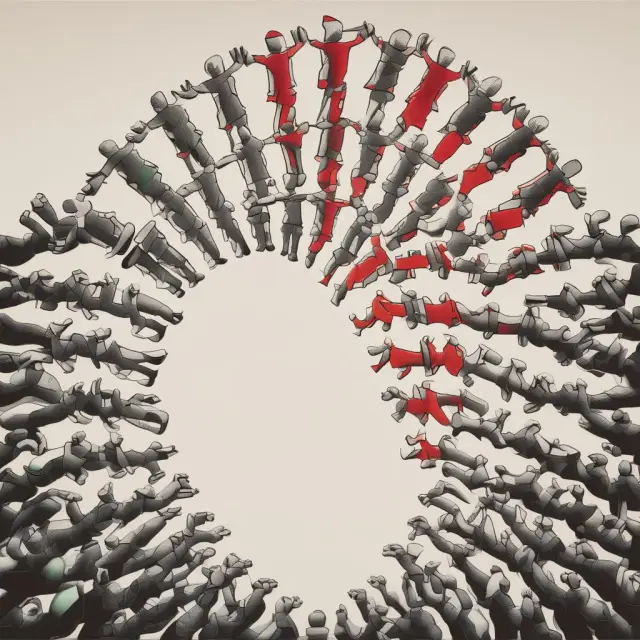
Cost-push inflation, also known as wage-push inflation, occurs when overall price increases (inflation) are caused by rising wages and production costs. This type of inflation can be seen as a chain reaction, where higher labor or production costs lead to higher prices for consumers. The wage-price spiral is an extension of this concept, which posits that as wages increase, so does demand, leading to even greater price hikes.
Understanding Wage-Price Spiral
When the cost of production rises, producers often pass those increased costs onto consumers through higher prices. This price increase can lead to wage demands from labor unions and workers, who see their purchasing power diminishing due to inflation. These wage increases create even more demand for goods and services, which can result in a self-reinforcing cycle of rising wages, demand, and ultimately, prices.
Causes of the Wage-Price Spiral
The wage-price spiral is most commonly associated with an economy experiencing cost-push inflation due to rising wages. This can occur when labor unions demand higher wages in response to increased production costs or as a reaction to inflation itself. When wages increase, the demand for goods and services tends to rise proportionally, leading to further price increases. This wage-price spiral can also be fueled by expectations of future wage gains, which cause workers to demand even larger wage increases to maintain their purchasing power.
Implications of Wage-Price Spiral on Consumers and Producers
The wage-price spiral has both positive and negative implications for consumers and producers alike. On the one hand, higher wages can lead to increased consumer spending and overall economic growth. However, if left unchecked, the wage-price spiral could lead to a sustained period of high inflation and erode purchasing power for consumers. In this scenario, producers might struggle to maintain profitability due to ever-rising production costs, potentially leading to decreased investment in their businesses or even bankruptcy.
Breaking the Wage-Price Spiral
To mitigate the wage-price spiral, policymakers may implement measures aimed at stabilizing wages and prices. One such approach involves setting price controls, which can limit the ability of producers to pass increased costs onto consumers through higher prices. However, price controls often come with their own set of challenges as they can lead to shortages or distortions in the market. Alternative solutions might include increasing productivity through technological advancements and encouraging competition among firms to keep wages and prices in check.
Wage-Price Spiral vs. Cost-Push Inflation
The wage-price spiral is an extension of cost-push inflation, as both involve rising production costs that lead to higher prices for consumers. However, the wage-price spiral adds the dimension of labor market dynamics and its impact on overall demand. Understanding these concepts can provide valuable insights into the intricacies of inflation and help inform policy decisions aimed at managing and mitigating its potential negative effects.
FAQs about Wage-Price Spiral
What is wage-price spiral?
The wage-price spiral is a theory that explains how wages and prices can influence each other in an economy, creating a self-reinforcing cycle of rising wages, demand, and ultimately, prices.
How does wage-price spiral differ from cost-push inflation?
Cost-push inflation refers to price increases caused by factors like rising production costs or wages, while the wage-price spiral takes this concept further by examining how rising wages can fuel even greater demand, leading to higher prices and a potentially sustained period of inflation.
What are some potential implications of the wage-price spiral for consumers?
The wage-price spiral can result in higher prices for goods and services, reducing purchasing power for consumers and potentially impacting their standard of living.
How can policymakers address the wage-price spiral?
Policymakers may consider various measures to mitigate the wage-price spiral, such as price controls, encouraging competition, or increasing productivity through technological advancements.
Is there a connection between minimum wages and the wage-price spiral?
An increase in the minimum wage can contribute to the wage-price spiral by leading to higher labor costs, which can be passed onto consumers through higher prices. However, it is important to note that not all instances of minimum wage increases lead to inflation.

FAQs about Cost-Push Inflation
Cost-push inflation, also known as wage-push inflation, is a concept that describes overall price increases in an economy due to rising costs of production, particularly wages. In this section, we’ll address common questions regarding cost-push inflation and its causes, impacts, and potential solutions.
Q: What exactly is cost-push inflation?
A: Cost-push inflation occurs when overall prices increase (inflation) due to increases in the cost of production, particularly wages. Higher costs of production can decrease the aggregate supply in the economy. Producers may pass these increased costs onto consumers by raising the price of their products or services to maintain profit levels.
Q: What are some common causes of cost-push inflation?
A: The most frequent cause of cost-push inflation is an increase in production costs, such as raw materials or labor. For example, a sudden rise in the price of oil can lead to increased transportation and production costs for many industries, resulting in higher prices for consumers. Similarly, mandatory wage increases for employees or worker strikes can also contribute to cost-push inflation.
Q: How does cost-push inflation differ from demand-pull inflation?
A: Demand-pull inflation is the result of a significant increase in consumer demand outpacing production capacity, leading to higher prices. In contrast, cost-push inflation arises when producers face increased costs and pass on the price hikes to consumers.
Q: Can natural disasters cause cost-push inflation?
A: Yes, unexpected events like natural disasters can lead to cost-push inflation if they disrupt production processes or damage facilities, causing higher costs for businesses. However, not every disaster results in cost increases and subsequent inflation.
Q: Is cost-push inflation always bad for consumers?
A: Cost-push inflation can have both positive and negative impacts on consumers. On one hand, it might lead to increased wages and potentially better working conditions. However, if prices rise too significantly, consumers may experience a decrease in purchasing power as their wages don’t keep up with price increases.
Q: What is the wage-price spiral?
A: The wage-price spiral theory, related to cost-push inflation, suggests that wage increases can lead to higher prices due to increased demand. This cycle of rising wages and prices continues, potentially leading to a sustained period of inflation.
By addressing these frequently asked questions, we hope to shed light on the concept of cost-push inflation and provide readers with a deeper understanding of this economic phenomenon.
 Next entry · No. 799Mastering Counteroffers in Finance and Investment: Strategies for Negotiating Business Deals and Employment Contracts
See also
-
 No. 2,320
27 Dec 2024
19 min
Understanding Import Duties: Purpose, Organizations, and Real World Examples
International Trade
No. 2,320
27 Dec 2024
19 min
Understanding Import Duties: Purpose, Organizations, and Real World Examples
International Trade -
 No. 1,031
18 Jul 2024
21 min
Understanding Direct Costs in Finance and Investment: Definition, Examples, and Differences from Indirect Costs
Business Finance
No. 1,031
18 Jul 2024
21 min
Understanding Direct Costs in Finance and Investment: Definition, Examples, and Differences from Indirect Costs
Business Finance -
 No. 2,391
02 Jan 2025
21 min
Understanding Inflation: Definition, Causes, Types, Measures, and Effects
Economics
No. 2,391
02 Jan 2025
21 min
Understanding Inflation: Definition, Causes, Types, Measures, and Effects
Economics -
 No. 2,267
23 Dec 2024
21 min
Understanding Hyperdeflation: An Extremely Rapid Decrease in Price Levels
Economics
No. 2,267
23 Dec 2024
21 min
Understanding Hyperdeflation: An Extremely Rapid Decrease in Price Levels
Economics -
 No. 2,217
19 Dec 2024
19 min
Understanding Hotelling’s Theory: Predicting Nonrenewable Resource Prices
Economics
No. 2,217
19 Dec 2024
19 min
Understanding Hotelling’s Theory: Predicting Nonrenewable Resource Prices
Economics -
 No. 1,307
27 Aug 2024
18 min
Understanding the Equation of Exchange: A Key Concept in Monetary Economics
Economics
No. 1,307
27 Aug 2024
18 min
Understanding the Equation of Exchange: A Key Concept in Monetary Economics
Economics