Currency Peg: Understanding Fixed Exchange Rates, Benefits, and Disadvantages

Explore the concept of currency pegging, advantages, disadvantages, popular examples, and their implications for international trade and global economy.
Introduction to Currency Pegging
Currency pegging, also known as a fixed exchange rate system, represents an agreement between two or more countries to maintain a constant exchange rate between their currencies. This policy reduces uncertainty in international transactions by providing predictability for businesses when it comes to future currency conversions. The underlying motivation behind currency pegging is to encourage trade and economic cooperation among nations. By fixing the value of their respective currencies, governments aim to minimize foreign exchange risk for local companies and create a favorable environment for long-term business planning and growth.
Understanding Currency Pegging: Process and Popular Choices
Currency pegs can take various forms, ranging from hard pegs (i.e., a currency is directly linked to another currency or a basket of currencies) to soft pegs (i.e., an exchange rate is allowed to fluctuate within a predetermined band). The choice of pegging depends on the specific economic circumstances and objectives of each country. In recent years, the U.S. dollar and the euro have been among the most popular choices for currency pegging due to their stability and dominance in international trade.
Advantages of Currency Pegs: Economic Benefits
Currency pegging presents several advantages that can contribute to economic growth and stability. By reducing exchange rate volatility, countries benefit from an environment that fosters increased trade between nations, allowing them to focus on specializing in areas where they have a comparative advantage. Moreover, fixed exchange rates provide a stable foundation for long-term investment decisions, ensuring that companies can plan for the future without fear of currency fluctuations affecting their bottom line.
One significant advantage is the ability to maintain a predictable cost structure for businesses engaged in international commerce. A stable exchange rate makes it easier for companies to manage their cash flows and forecast expenses, enabling them to plan production, pricing, and inventory levels more effectively. Additionally, fixed exchange rates can help stabilize inflation rates by limiting the impact of external shocks on domestic economies.
However, it is essential to note that currency pegs are not without risks. Artificially setting the exchange rate too low or too high can lead to various economic imbalances that may ultimately harm both the pegging and non-pegging countries involved. In the following sections, we will explore these advantages and disadvantages in greater detail while providing real-world examples of currency pegs and their implications.
Disadvantages of Currency Pegs: Economic Challenges
While currency pegs can offer numerous benefits, they also come with inherent risks that must be carefully considered by governments and businesses alike. The most significant disadvantage is the potential for an overly low currency peg to keep domestic living standards artificially low. In this scenario, domestic consumers may not have sufficient purchasing power to buy foreign goods, which can negatively impact imports and lead to trade tensions among countries.
Conversely, setting a currency peg at an artificially high rate contributes to the overconsumption of imports. This situation often leads to chronic trade deficits and the need for governments to spend substantial foreign exchange reserves to defend their currencies’ pegs. As these reserves become depleted, the peg will eventually collapse, leading to inflationary pressures and potential economic instability.
Examples of Currency Pegs: Successes and Challenges
Several countries have successfully implemented currency pegs in their economies, providing valuable lessons on the advantages and disadvantages of this monetary policy. One notable example is the Hong Kong dollar, which has been pegged to the U.S. dollar since 1983. By maintaining a fixed exchange rate, Hong Kong was able to establish itself as an international financial hub and attract foreign investment while minimizing currency risks for local businesses.
Another instance is the Saudi riyal, which has been pegged to the U.S. dollar since 1986. The currency peg was primarily aimed at reducing volatility in the wake of the oil embargoes and subsequent economic instability in the late 1970s. By linking its currency to a more stable currency, Saudi Arabia was able to maintain economic stability and attract foreign investment.
However, not all instances of currency pegging have been successful. For example, Argentina’s peso was pegged to the U.S. dollar between 1991 and 2002, leading to a significant economic crisis when the Argentine government could no longer defend the fixed exchange rate due to mounting debt and inflationary pressures. The currency peg collapsed, resulting in hyperinflation and widespread economic instability.
Currency Pegging vs. Floating Exchange Rates: Comparison
In conclusion, understanding currency pegging is crucial for both investors and businesses seeking to navigate the complex world of international trade and finance. Currency pegs offer several advantages, including increased predictability, reduced foreign exchange risks, and a stable environment for long-term investment planning. However, they also come with inherent challenges that can potentially lead to economic imbalances if not managed carefully. By examining various examples of currency pegging throughout history and comparing them to floating exchange rates, we can gain a more comprehensive understanding of this essential monetary policy and its role in the global economy.

Understanding Currency Pegging
Currency pegging is an arrangement between countries that fixes the value of one currency in relation to another. In practice, a government or central bank sets a specific exchange rate for its domestic currency against a foreign currency, usually a stronger and more developed economy. The primary objective of currency pegging is to encourage trade by reducing uncertainty and risk for businesses involved in international transactions. The most popular choices for pegged currencies are the U.S. dollar and the euro.
Currency pegs can provide several benefits, including:
- Increased trade and economic stability: A fixed exchange rate between trading partners helps to reduce foreign exchange risk and promotes long-term business planning.
- Maintaining competitiveness: Currency pegging can help countries maintain their international competitiveness by allowing them to adjust their own interest rates independently while keeping the exchange rate stable against other currencies.
- Stabilizing inflation: By stabilizing the exchange rate, a country can more effectively manage its inflation and control the cost of imports.
However, currency pegging is not without risks. An artificially low currency peg can lead to domestic consumers paying higher prices for foreign goods and services, while an overly high peg can result in unsustainable current account deficits.
One example of a long-standing currency peg is the Hong Kong dollar, which has been tied to the U.S. dollar since 1983. The currency’s stability has played a crucial role in making Hong Kong an attractive hub for international businesses and maintaining its status as a global financial center.
Despite their advantages, currency pegs are not a one-size-fits-all solution. The decision to adopt this monetary policy depends on various factors, including the country’s economic situation, trade partners, and goals. In the next sections, we will discuss the benefits and disadvantages of currency pegging in more detail, as well as real-world examples and alternatives.
Advantages of Currency Pegs
- Increased stability for international business
- Promotes foreign investment and trade
- Helps maintain competitiveness
- Reduces uncertainty for businesses
- Contributes to economic development
Disadvantages of Currency Pegs
- Creates potential risks for foreign exchange reserves
- May limit monetary policy flexibility
- Can lead to inflationary pressures or a hidden currency depreciation
- Potential for trade imbalances and deficits
- Challenges in defending the peg over time
As we delve deeper into the topic of currency pegs, we will explore these advantages and disadvantages further, as well as provide examples, and discuss how this monetary policy compares to floating exchange rates. Stay tuned for more insightful information on currency pegging in the global economy.

Advantages of Currency Pegs
Currency pegging can bring about several economic benefits, making it a popular choice for many countries. By reducing uncertainty in exchange rates, currency pegs increase predictability and facilitate international trade. The following advantages illustrate the significance of a fixed exchange rate system:
1. Expanded Trade and Real Income Growth
Currency pegging creates an environment where businesses can invest long-term without worrying about disruptive exchange rate fluctuations. Stable exchange rates encourage trade between countries, leading to increased economic growth for all parties involved. This can result in a more significant focus on specialization among nations, allowing them to benefit from each other’s resources and expertise.
2. Reduced Risk
A fixed exchange rate system provides businesses with the confidence of knowing that their investment will not be affected by currency volatility. Currency pegging reduces uncertainty and allows for more effective long-term planning, as well as minimizing changes to the value of investments.
3. Improved Supply Chain Stability
Currency pegs play a crucial role in maintaining supply chain stability. In an interconnected global economy, businesses rely on importing raw materials or components from foreign countries. Currency fluctuations can disrupt these supply chains and increase costs. By fixing exchange rates, companies can plan for stable costs over the long term, ensuring that their production schedules remain uninterrupted.
4. Encouragement of Economic Stability
By reducing volatility in currency markets, currency pegs create a more stable economic environment. This stability attracts foreign investment and encourages businesses to invest in the country, leading to further economic growth and development. It also helps central banks maintain control over inflation rates.
However, it is essential to understand that currency pegging comes with its disadvantages as well. These include impacting forex trading by artificially stemming volatility, eroding purchasing power when pegged too low, creating trade deficits when pegged too high, and increasing inflation when pegged too high. In the following sections, we will explore these disadvantages in greater detail.
In summary, currency pegs offer significant benefits for countries seeking to promote economic stability and growth through increased trade and long-term planning. While there are drawbacks, a well-implemented currency peg can prove advantageous for businesses and investors alike. In the next section, we will examine the disadvantages of currency pegs in greater depth.

Disadvantages of Currency Pegs
One side of the equation that often goes overlooked when discussing currency pegs is the potential drawbacks that come along with this monetary policy. Although a fixed exchange rate can offer benefits such as increased trade, a stable economy, and reduced uncertainty for businesses, it also presents challenges to both foreign exchange markets and domestic economies.
Impact on Forex Trading
A primary concern with currency pegs is their influence on the forex market. By fixing an exchange rate, countries attempt to reduce volatility in exchange rates between their currency and a benchmark one (such as the U.S. dollar or euro). However, this artificial stability can limit opportunities for foreign exchange traders seeking profit from currency price changes. Moreover, it may result in imbalances that could potentially harm economies both within and outside the pegged country.
Domestic Consumers & Trade Deficits
An overly low currency peg keeps domestic living standards lower as citizens are deprived of purchasing power to buy foreign goods. This can lead to a decrease in demand for these imported items, causing hardships for foreign businesses reliant on that market and potentially leading to trade tensions between countries. Conversely, an artificially high currency peg contributes to the overconsumption of imports, which may create inflationary pressures when the peg eventually collapses or is devalued.
Examples of Currency Pegging and its Implications
While some countries successfully implement currency pegs without encountering significant issues, others experience problems due to imbalances that develop from the fixed exchange rate. For instance, if a country’s currency is pegged too low against another major currency like the U.S. dollar or euro, domestic consumers face higher prices for imports. This can lead to trade tensions and potential economic consequences for both the countries involved. The sellers, such as American farmers or Middle Eastern oil producers, may lose business, while trade partners may see their economies negatively affected due to reduced demand for exports.
Comparing Currency Pegs vs. Floating Exchange Rates
Understanding the advantages and disadvantages of currency pegs is essential when considering this monetary policy in relation to floating exchange rates. While currency pegs offer long-term predictability and stability, they can also hinder economic flexibility, reduce purchasing power for domestic consumers, and negatively impact foreign exchange markets. Floating exchange rates allow currencies to adjust based on market conditions, but may introduce greater uncertainty for businesses and potentially lead to more significant economic fluctuations.
In conclusion, currency pegs are a monetary policy used by governments to fix the value of their currency to a foreign currency or basket of currencies. They offer several advantages such as increased trade, reduced uncertainty, and a stable economy. However, they also present challenges including impacting forex markets, affecting domestic consumers, and causing potential trade deficits. By understanding both sides of this policy, investors and businesses can make informed decisions when considering currency pegs in their financial strategies.

Examples of Currency Pegs
Currency pegging has been adopted by several countries worldwide for various reasons, including reducing uncertainty, promoting trade, and fostering economic stability. One of the most well-known examples is that of Hong Kong’s currency being pegged to the U.S. dollar since 1983. Let us explore other instances of currency pegging and their implications on the global economy.
The Saudi riyal is another example of a currency peg, which has been maintained at a fixed rate of 3.75 to the U.S. dollar since 1986. The origins of this arrangement can be traced back to the Arab oil embargo in 1973, during which Saudi Arabia sought assurances from the United States that its oil would continue to flow freely.
The economic consequences of the embargo caused the U.S. dollar to lose value and led to significant economic turmoil. To restore the US Dollar’s position as a supercurrency and support Saudi Arabia in return for access to its oil, the Nixon administration struck a deal. This agreement provided the Saudi government with US military protection, an abundant supply of U.S. Treasury savings, and a thriving economy saturated with the USD (International Monetary Fund, 1985).
In response to high inflation and the 1979 Energy Crisis, the riyal experienced devaluation, prompting the Saudi government to peg the currency to the U.S. dollar. This move restored stability and lowered inflation. The Saudi Arabian Monetary Authority (SAMA) credits the peg for supporting economic growth in its country and maintaining a stable cost of foreign trade.
When considering currency pegs, it is essential to understand their advantages and disadvantages. Currency pegging can lead to increased trade, reduce exchange rate risk, provide long-term planning opportunities, and offer stability in uncertain markets. However, the downside includes potential imbalances in the economy, the need for large foreign exchange reserves, and the potential for inflation if the peg is unsustainable.
As of 2022, there are 14 countries with currencies pegged to the US Dollar, such as Bahrain, Belize, China, Jordan, Qatar, and Saudi Arabia. Eleven currencies are pegged to the Euro, including the Croatian kuna and the Moroccan dirham.
In summary, currency pegging plays an essential role in international trade by reducing uncertainty and promoting stability. By examining real-world examples of currency pegs, such as those of Hong Kong and Saudi Arabia, we gain a better understanding of their significance and implications for investors, businesses, and the global economy.

Currency Pegging vs. Floating Exchange Rates
When it comes to managing a country’s currency, there are two main options – a fixed exchange rate or a floating exchange rate. The choice between these two depends on various factors such as economic goals, market conditions, and foreign policy considerations. In this article, we will compare the advantages and disadvantages of currency pegging versus floating exchange rates for business planning and economic stability.
Fixed Exchange Rates: The Basics
A fixed exchange rate is a monetary policy where a country sets a specific value for its currency against a foreign currency or a basket of currencies. This policy aims to reduce uncertainty, promote trade, and provide long-term predictability for businesses. Fixed exchange rates can be categorized into two types: hard pegs and soft pegs.
Hard Pegs: A hard peg, also known as a strong peg or currency board arrangement, involves fixing the exchange rate at a specific value to a foreign currency without any discretionary intervention from the central bank. Hong Kong’s peg to the US dollar is an excellent example of this type of arrangement, which has been in place since 1983.
Soft Pegs: A soft peg, also known as a managed float or dirty float, allows some flexibility for central banks to intervene and adjust the exchange rate within a specific band. The European Monetary System (EMS) is an example of a system that used a soft peg. Under this arrangement, participating countries agreed to maintain their exchange rates within narrow bands against each other.
Floating Exchange Rates: The Alternative
A floating exchange rate, also known as a free float or flexible exchange rate, allows the market forces of supply and demand to determine the currency’s value without any intervention from the central bank. Under this system, currencies can appreciate or depreciate based on economic conditions and market sentiment. The US dollar is an example of a floating exchange rate currency.
Advantages of Fixed Exchange Rates
- Reduced Uncertainty: Fixed exchange rates provide predictability for businesses, allowing them to plan their finances, pricing strategies, and investment decisions without worrying about sudden fluctuations in the exchange rate.
- Promote Trade: Fixing the exchange rate between trading partners can encourage trade as it reduces foreign exchange risk and makes long-term investments more realistic.
- Stabilize Economies: Fixed exchange rates help maintain economic stability by reducing disruptions to supply chains, minimizing changes to the value of investments, and preventing inflationary pressures caused by currency depreciation.
- Currency Pegging is a popular choice among developing countries seeking to promote trade and attract foreign investment. However, it’s essential to understand that not all currencies can be effectively pegged, and choosing an appropriate exchange rate system requires careful consideration of economic conditions, market dynamics, and foreign policy considerations.
Disadvantages of Fixed Exchange Rates
- Forex Trading Disruptions: Fixing the exchange rate can disrupt forex trading as it artificially stems volatility and affects market liquidity.
- Deprivation of Consumer Purchasing Power: Setting an overly low currency peg can erode purchasing power for domestic consumers, making imports more expensive and potentially leading to social unrest.
- Trade Deficits: An overvalued currency due to a fixed exchange rate may lead to chronic trade deficits as domestic industries struggle to compete with cheaper foreign alternatives.
- Inflationary Pressure: A currency peg can create inflationary pressure when the underlying economic conditions change, making it difficult for central banks to maintain the fixed exchange rate without incurring significant costs or disrupting financial markets.
Advantages of Floating Exchange Rates
- Market Efficiency: A floating exchange rate allows market forces to determine currency values, providing a more efficient and flexible system that can adjust to changing economic conditions.
- Economic Adjustment: A floating exchange rate facilitates economic adjustment by allowing currencies to appreciate or depreciate based on supply and demand dynamics, helping countries remain competitive in the global economy.
- Monetary Policy Independence: Floating exchange rates provide central banks with greater monetary policy independence as they can set interest rates without worrying about maintaining a fixed exchange rate.
- Market Access: A floating exchange rate can improve market access for a country by making its currency more attractive to investors and facilitating foreign investment, potentially leading to economic growth and development.
Disadvantages of Floating Exchange Rates
- Exchange Rate Volatility: A floating exchange rate can lead to significant volatility in currency values, creating uncertainty for businesses and investors and potentially disrupting trade flows.
- Economic Instability: Currency fluctuations can create economic instability as market sentiment shifts, potentially leading to financial market disruptions or even crises.
- Adjustment Challenges: A floating exchange rate can make it challenging for countries to implement adjustments to their economies in response to changing market conditions, potentially leading to prolonged periods of economic underperformance.
Ultimately, the choice between fixed and floating exchange rates depends on a country’s economic goals, market conditions, and foreign policy considerations. While both systems have advantages and disadvantages, understanding these nuances can help businesses and policymakers make informed decisions to navigate the complex world of currency management effectively.

Soft Pegs: What Are They?
A soft peg, also known as a managed float or a flexible pegged exchange rate system, represents an alternative approach to currency pegging that allows for some degree of flexibility in the exchange rate between two currencies. A soft peg provides countries with the ability to maintain a stable exchange rate while also permitting their central banks to intervene in foreign exchange markets to counteract market movements when necessary. Soft pegs offer advantages over hard pegs by allowing countries to respond to economic conditions and balance the benefits and drawbacks of currency stability versus flexibility.
The most common soft peg arrangements include target zones, crawling pegs, and dirty floats. Target zones involve establishing a band around an exchange rate that the central bank aims to maintain, with some degree of flexibility for movement within the band. Crawling pegs are similar to target zones but adjust automatically based on inflation or other economic indicators. Dirty floats allow central banks to intervene in foreign exchange markets to influence the currency value by buying and selling foreign currencies.
The introduction of a soft peg can lead to various outcomes depending on the specific circumstances of the countries involved, such as increased trade, economic stabilization, reduced inflationary pressures, or even potential currency crises. As an illustrative example, let’s explore the impact of soft pegs during the Asian Financial Crisis of 1997-98.
The Asian Financial Crisis resulted from a combination of factors, including domestic economic imbalances, large foreign debts, and contagion from the Russian financial crisis that triggered a wave of capital flight across affected countries. The crisis led to significant currency devaluations and instability in various parts of Asia, with the Thai baht experiencing one of the most dramatic drops. In response to the crisis, some Asian countries turned to soft pegs as a means of restoring stability and regaining investor confidence.
In Thailand’s case, the country adopted an informal target zone for the baht in collaboration with the International Monetary Fund (IMF) to help stabilize the currency. This approach provided the Thai central bank with the flexibility to intervene in the foreign exchange markets when necessary while maintaining some degree of stability in the exchange rate. The IMF also provided Thailand with financial assistance and policy recommendations to address underlying economic imbalances.
The soft peg arrangement helped Thailand regain investor confidence and stabilize its currency, allowing it to avoid a complete collapse like other countries during the crisis. By the end of 1998, the baht had returned to its pre-crisis levels against the U.S. dollar. Additionally, the Thai economy began to recover in the following years, with exports and foreign investment playing a significant role in the recovery process.
However, the soft peg arrangement also came with challenges, such as maintaining sufficient foreign exchange reserves and potential inflationary pressures from capital inflows. To counteract these issues, Thailand implemented measures like increasing interest rates to attract capital and mitigate inflationary pressures. Furthermore, the Thai central bank continued to intervene in the foreign exchange markets to maintain stability within the target zone, which required ongoing commitment and resources.
In conclusion, soft pegs serve as an important tool for countries seeking a balance between currency stability and flexibility in their economic policies. While they offer advantages like increased trade, economic stabilization, and reduced inflationary pressures, they also come with challenges related to maintaining foreign exchange reserves, managing capital inflows, and potential currency crises. Understanding the nuances of soft pegs can help investors and policymakers make informed decisions in a global economy increasingly shaped by interconnected financial markets.
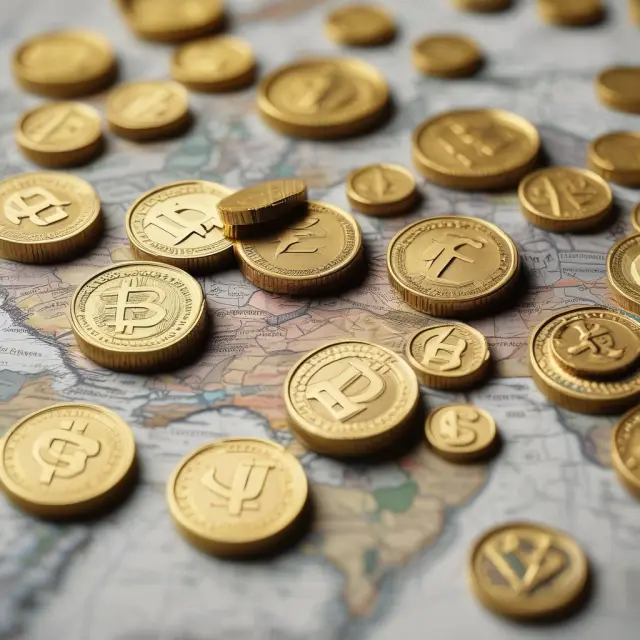
Popular Currency Pegged Countries to USD & Euro
Currency pegging, as the name suggests, refers to the practice of fixing the exchange rate between two or more currencies. This policy has been widely adopted by countries aiming for trade expansion and economic stability. Two major currencies – the US Dollar (USD) and the Euro (EUR) – have served as anchors for many pegged currencies worldwide. In this section, we delve into several countries that have pegged their currencies to USD or EUR, understanding the reasons behind their choices and long-term implications.
First and foremost, it is essential to comprehend why a country would want to peg its currency. The primary motivation lies in encouraging trade between nations by reducing foreign exchange risk. By establishing a fixed exchange rate with a stronger economy, domestic businesses can access broader markets with minimal uncertainty. In turn, this promotes long-term investments and fosters mutually beneficial economic frameworks.
The US Dollar has been the preferred choice for several countries due to its status as the world’s primary reserve currency. The U.S. dollar pegging history dates back to the aftermath of the 1973 oil embargo, when the Nixon administration struck a deal with Saudi Arabia to restore the USD’s position as the super currency it once was. Since then, fourteen countries have adopted the US Dollar as their currency anchor.
Bahrain, Belize, Cuba, Djibouti, Hong Kong SAR, China, Jordan, Lebanon, Oman, Panama, Qatar, Saudi Arabia, United Arab Emirates, and Eritrea are among those countries that have pegged their currencies to the US Dollar. Some of these countries have maintained this arrangement for decades, such as Hong Kong SAR since 1983 and Saudi Arabia since 1986.
The European Union’s single currency – the Euro – has also been widely adopted by several countries for currency pegging due to its strength and stability in the global economy. Eleven currencies are pegged to the Euro as of now, including Croatia with its kuna and Morocco with its dirham.
The choice between USD and EUR can be determined by various factors such as a country’s economic status, trade relationships, and geopolitical positioning. For instance, countries heavily reliant on exports might prefer pegging to the US Dollar since it is the dominant currency in international trade, while those aiming for closer ties with European partners may opt for the Euro.
However, not all currency pegs are created equal, and their implications can vary significantly depending on factors such as economic conditions, geopolitical factors, and global economic trends. While a well-managed currency peg can provide stability, reduce exchange rate risk, and expand trade opportunities, an overly low or high peg can lead to imbalances, inflation, and trade deficits.
In conclusion, currency pegging is a powerful tool in the arsenal of governments aiming for economic stability and growth. The US Dollar and Euro have served as preferred anchors for many countries seeking to promote trade, reduce uncertainty, and build lasting economic relationships. Understanding the reasons behind their choices and long-term implications provides valuable insight into the global economy and the complex web of interconnected currencies.

Currency Pegs and Inflation
The impact of currency pegging on inflation, both positive and negative, can have a significant role in shaping a country’s economy. A currency peg aims to minimize exchange rate risk for businesses and individuals by fixing the exchange rate between two currencies, encouraging trade and investment. However, this policy can result in various implications concerning inflation.
Firstly, a well-managed currency peg with realistic expectations can lead to reduced price instability as predictable exchange rates enable businesses to plan more effectively. This stability allows for better forecasting of prices, lower inflation risk, and potentially improved purchasing power for consumers.
In contrast, an artificially low currency peg can negatively influence inflation by keeping domestic living standards artificially low. This situation may lead to higher prices for imported goods and services, as foreign currencies become more expensive in the domestic market. As a consequence, inflationary pressures can build up, making it challenging for central banks to maintain control over price levels.
Moreover, an artificially high currency peg poses the risk of creating excess demand for imports due to lower prices for foreign goods and services compared to local ones. This situation can cause inflation when the currency peg collapses or is abandoned, as the increased demand for imported goods puts upward pressure on domestic prices.
Countries that have historically adopted fixed exchange rates, such as Hong Kong and Saudi Arabia, have seen both advantages and disadvantages from their currency pegging policies regarding inflation. The benefits of reduced uncertainty, enhanced economic stability, and increased trade can contribute to long-term prosperity. However, the risks associated with potential imbalances in foreign exchange markets or sudden shifts in global economic conditions must also be carefully considered.
In conclusion, while a currency peg offers advantages such as reduced exchange rate risk, increased trade, and price stability, it is essential to understand that the impact on inflation can vary significantly depending on the specific circumstances of each country’s economy and its chosen exchange rate policy.

Conclusion: The Role of Currency Pegs in the Global Economy
Currency pegging, a monetary policy whereby a country fixes its currency exchange rate with another’s, has played a significant role in international finance and economics since the Bretton Woods System in 1944. By reducing foreign exchange risk for businesses and promoting long-term predictability, currency pegging offers numerous benefits for countries seeking to expand their economies and foster greater economic cooperation.
However, this policy comes with its own set of challenges, including managing cash flow and avoiding currency imbalances that may harm all parties involved. In this conclusion, we will recap the significance of currency pegs in today’s global economy and explore their role for professional investors and international trade.
First and foremost, currency pegging provides a foundation for economic stability and predictability. By setting an exchange rate with another country, businesses can plan for long-term investments and supply chains without the fear of exchange rate fluctuations. This leads to increased trade between the countries involved and boosts real incomes for their respective populations.
Additionally, currency pegging allows economically stronger countries to share their stability and prosperity with weaker nations. This can lead to improved living standards for those in developing economies, as they are able to participate in global markets with reduced risk.
However, the benefits of currency pegging do not come without drawbacks. A fixed exchange rate can negatively impact foreign exchange trading by artificially stemming volatility. Furthermore, an excessively low or high peg can lead to trade deficits and economic instability if a country is unable to manage its cash flow effectively.
Many countries have successfully employed currency pegs over the years. For instance, Hong Kong’s currency has been pegged to the U.S. dollar since 1983, contributing significantly to the region’s growth and stability. Additionally, Saudi Arabia’s riyal has been pegged to the U.S. dollar since 1986, providing a foundation for economic prosperity and a robust energy sector.
While currency pegging presents many advantages, it also requires careful management and consideration. Central banks must closely monitor exchange rates, cash flow, and the overall economic climate to maintain stability and avoid potential imbalances. By understanding the role of currency pegs in today’s global economy, professional investors can make informed decisions regarding their portfolios and international business ventures.
In conclusion, currency pegging is a powerful tool for promoting economic cooperation and stability between nations. By fixing exchange rates and reducing foreign exchange risk, countries can expand trade, boost real incomes, and create opportunities for long-term growth. However, careful management and consideration are crucial for maintaining the benefits of a fixed exchange rate system. As the global economy evolves, currency pegs will continue to play an essential role in shaping international finance and business relationships.

FAQ: Currency Pegs and Their Implications
Currency pegging, or the practice of fixing a national currency’s value relative to a foreign currency or basket of currencies, is a popular economic policy that has both advantages and disadvantages. In this section, we will delve into frequently asked questions about currency pegs, their history, benefits, drawbacks, and real-world examples.
Q: What Is Currency Pegging?
A: A currency peg refers to a monetary policy whereby a country sets a specific fixed exchange rate between its national currency and a foreign currency or basket of currencies. This policy aims to reduce uncertainty, promote trade, and boost economies by offering long-term predictability for businesses and investors.
Q: What Is the Motivation Behind Currency Pegging?
A: The primary motivation behind currency pegging is encouraging trade between countries by reducing foreign exchange risk. By setting a fixed exchange rate, countries can access broader markets with less uncertainty, leading to economic benefits such as increased stability, expanded trade, and boosted real incomes.
Q: What Are the Benefits of Currency Pegging?
A: The benefits of currency pegging include reducing foreign exchange risk for businesses, promoting long-term investments, expanding trade opportunities, and supporting economic growth. These advantages can be particularly significant when currency fluctuations are minimal or predictable.
Q: What Are the Drawbacks of Currency Pegging?
A: Despite its benefits, currency pegging also comes with disadvantages such as impacting forex trading by artificially stemming volatility, eroding domestic purchasing power, and creating trade deficits when pegged at unrealistic rates. It can also lead to inflation when a fixed exchange rate is no longer sustainable.
Q: What Happens When a Currency Peg Collapses?
A: A currency peg collapse occurs when the central bank’s ability to maintain the peg is exhausted, leading to a sudden devaluation or re-pegging at a new exchange rate. The consequences of a collapsed currency peg depend on various factors such as the extent of foreign exchange reserves and the economy’s overall financial situation.
Q: How Many Currencies Are Pegged to the US Dollar?
A: Fourteen countries, including Bahrain, Belize, Cuba, Djibouti, Hong Kong SAR, China, Jordan, Lebanon, Oman, Panama, Qatar, Saudi Arabia, United Arab Emirates, and Eritrea, have currencies pegged to the US dollar.
Q: How Many Currencies Are Pegged to the Euro?
A: Eleven currencies are pegged to the Euro, including the Croatian kuna and the Moroccan dirham.
Q: What Is a Soft Peg?
A: A soft peg is an exchange rate policy where a country sets its currency value against a foreign currency but allows the market to determine the exchange rate most of the time. In some cases, central banks may intervene in the market if they deem it necessary to influence the exchange rate or maintain their fixed target.
Q: What Are Some Real-World Examples of Currency Pegging?
A: Real-world examples of currency pegging include the Hong Kong dollar, which has been pegged to the US dollar since 1983, and the Saudi riyal, which has been pegged to the US dollar since 1986. These pegs have contributed significantly to economic growth and stability in their respective countries.
In conclusion, currency pegging is an essential tool for countries looking to promote trade, reduce uncertainty, and boost economies through long-term predictability of exchange rates. While it offers numerous benefits, understanding its implications, advantages, and disadvantages is crucial for investors, businesses, and policymakers alike.
 Next entry · No. 845Understanding Money and Currency: A Comprehensive Guide for Institutional Investors
See also
-
 No. 2,374
01 Jan 2025
22 min
Understanding Indirect Quotes in the Foreign Exchange Market: Definition, Implications, and Calculating Indirect Quotes
Forex & Currency Markets
No. 2,374
01 Jan 2025
22 min
Understanding Indirect Quotes in the Foreign Exchange Market: Definition, Implications, and Calculating Indirect Quotes
Forex & Currency Markets -
 No. 516
27 Apr 2024
19 min
The Bretton Woods Agreement and System: Understanding Its Significance in Global Finance and Investment
Global Finance
No. 516
27 Apr 2024
19 min
The Bretton Woods Agreement and System: Understanding Its Significance in Global Finance and Investment
Global Finance -
 No. 4,939
29 Jul 2025
19 min
Understanding Terms of Trade: An Essential Metric for Institutional Investors
Finance Policy
No. 4,939
29 Jul 2025
19 min
Understanding Terms of Trade: An Essential Metric for Institutional Investors
Finance Policy -
 No. 1,424
13 Sep 2024
19 min
Export Credit Agencies: Facilitating International Trade and Investment
International Trade
No. 1,424
13 Sep 2024
19 min
Export Credit Agencies: Facilitating International Trade and Investment
International Trade -
 No. 1,353
03 Sep 2024
17 min
Understanding Eurocurrency and Its Significance in the Global Financial System
Business Finance
No. 1,353
03 Sep 2024
17 min
Understanding Eurocurrency and Its Significance in the Global Financial System
Business Finance -
 No. 4,992
03 Aug 2025
21 min
A Comprehensive Guide to Understanding the Tobin Tax: Its History, Mechanics, and Controversies
Finance Policy
No. 4,992
03 Aug 2025
21 min
A Comprehensive Guide to Understanding the Tobin Tax: Its History, Mechanics, and Controversies
Finance Policy