Customer to Customer (C2C): Understanding the Growing Trend of Peer-to-Peer Transactions
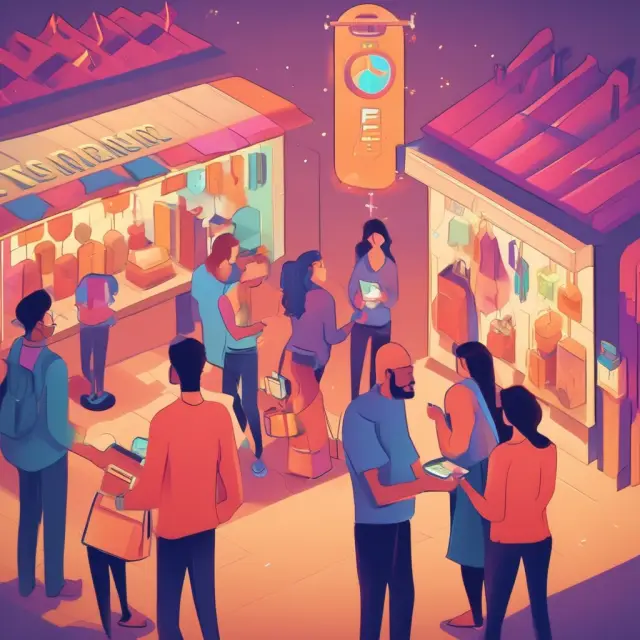
Learn all about Customer-to-Customer (C2C) transactions - a growing trend in e-commerce. Explore how C2C works, its types, revenue models, pros & cons, and…
Introduction to Customer to Customer (C2C)
Customer to Customer, commonly known as C2C, is an innovative business model that has emerged in the digital age. It refers to transactions where customers buy and sell goods or services directly with each other through third-party platforms or businesses. This model allows consumers to interact without traditional intermediaries like retailers or wholesalers, offering several benefits such as convenience, lower costs, and increased competition. C2C markets can be traced back to the early days of the internet and have gained immense popularity with the rise of eBay, Etsy, Craigslist, and other online marketplaces.
In simple terms, C2C is an exchange between two individuals, where one party sells a product or service, while another purchases it, utilizing an intermediary platform to facilitate the transaction. The benefits for both buyers and sellers can be significant: buyers often find unique items at competitive prices, while sellers can maximize profits by cutting out middlemen and dealing directly with potential customers.
One of the most prominent advantages of C2C markets is their convenience. Transactions take place online, eliminating the need for shoppers to physically visit stores, saving time, effort, and fuel costs. Sellers also enjoy the benefits of selling goods or services from the comfort of their own homes without dealing with the overheads associated with maintaining a physical storefront.
Furthermore, C2C marketplaces offer increased competition for sellers. Buyers can compare products, prices, and seller ratings before making a decision. This competition encourages sellers to provide excellent customer service and competitive pricing to stand out in the marketplace. Conversely, buyers benefit from having access to an extensive range of options, helping them secure the best possible deal for their budget.
The emergence of C2C platforms has led to significant growth in various industries, including e-commerce, consumer electronics, and services. The flexibility of these markets means that buyers can easily access a vast array of products and services tailored to their needs. Additionally, sellers can monetize unwanted items or leverage their skills and expertise to generate income.
In the following sections, we will explore different aspects of C2C transactions in more detail, including its workings, popular platforms, revenue sources, challenges, and future implications.

How C2C Works
Customer to customer (C2C), also known as person-to-person, is a unique business model that enables customers to trade goods and services directly with each other through third-party platforms or businesses. This trading mechanism can occur in various settings, but it has gained significant popularity with the advent of e-commerce technology. Two prominent types of C2C markets are auctions and classified advertisements. C2C marketing has become increasingly prevalent due to its convenience and flexibility, which is why companies such as Craigslist, Etsy, and eBay have flourished.
Customer to customer transactions happen when one individual purchases an item from another using a third-party platform or business to facilitate the exchange. C2C businesses provide several benefits for both buyers and sellers. For buyers, they offer competitive pricing due to the absence of middlemen like retailers or wholesalers. Moreover, the wide array of available options makes it easier to find items that may not be readily accessible through traditional channels.
Sellers benefit from C2C platforms because they can set their own prices and reach a broader audience without incurring significant costs. Additionally, the convenience of selling online saves time and effort compared to dealing with brick-and-mortar stores. The rise of e-commerce and sharing economy trends have made C2C transactions increasingly common, which has led to significant growth for companies like eBay, Etsy, and Craigslist.
C2C sites provide a platform for buyers and sellers to connect and engage in transactions. When sellers list their products online, potential buyers browse the offerings and can make a purchase with the click of a button. The convenience factor is essential as it eliminates the need for shoppers to visit physical stores, making C2C businesses a popular alternative to traditional retail methods.
The “Amazon effect” refers to the competitive gains e-commerce businesses have experienced as more consumers shift towards buying products online instead of in-store shopping. This trend is particularly noticeable within the C2C marketplace due to its cost-effectiveness and extensive range of offerings. Despite the numerous advantages, challenges remain, including issues with quality control or payment guarantees, which are essential concerns for both buyers and sellers.
The C2C business model has significant implications for businesses and consumers alike. As more shoppers engage in C2C transactions, retailers must adapt to the changing landscape by understanding these trends and incorporating them into their strategies. By embracing C2C platforms and harnessing their unique benefits, companies can reach new audiences, expand their offerings, and compete effectively within the digital age.

Types of C2C Businesses
Customer to Customer (C2C) businesses have taken the world by storm, with various platforms enabling individuals to connect and exchange goods and services directly. Some popular examples include Craigslist, Etsy, and eBay, each offering unique approaches to facilitating transactions.
First, Craigslist, an e-commerce platform, connects people advertising products, services, or situations. Established in 1995, this versatile marketplace allows users to buy, sell, trade, and even find employment opportunities and property listings. In most cases, the seller is responsible for delivering items directly to the buyer. The convenience of Craigslist lies in its simplicity and ease of use, attracting a wide audience looking for various goods and services.
Next, Etsy enables creators to build their online business on a customizable platform dedicated to selling handmade or vintage products. Sellers can reach customers from all around the world through the site or the “Sell on Etsy” app, streamlining order management and customer communication. This C2C marketplace has gained popularity due to its focus on unique, artisanal offerings and the ability for sellers to build a dedicated following.
Lastly, eBay offers two types of product listings: fixed-price items, which can be purchased instantly, and auction items, allowing users to place bids and engage in competitive buying scenarios. The platform facilitates transactions between buyers and sellers with various tools and services to ensure a smooth shopping experience. With a vast selection of products available and the opportunity for collectors to secure rare items through auctions, eBay remains an essential component of the C2C marketplace.
The growth of C2C businesses has been fueled by their cost-effective nature and the convenience they offer, allowing consumers to easily connect with each other and engage in transactions that cater to their specific needs. The emergence of reliable payment systems like PayPal has further enhanced the safety and security of these exchanges, making C2C a preferred option for buyers and sellers alike.
In conclusion, Craigslist, Etsy, and eBay are just a few examples of the diverse range of C2C businesses available today. Each platform offers unique features and benefits to its users, attracting a wide audience looking for various products and services in an accessible, convenient, and cost-effective manner. As more consumers seek out personalized offerings and flexible shopping experiences, it is expected that C2C businesses will continue to thrive and evolve in the digital landscape.
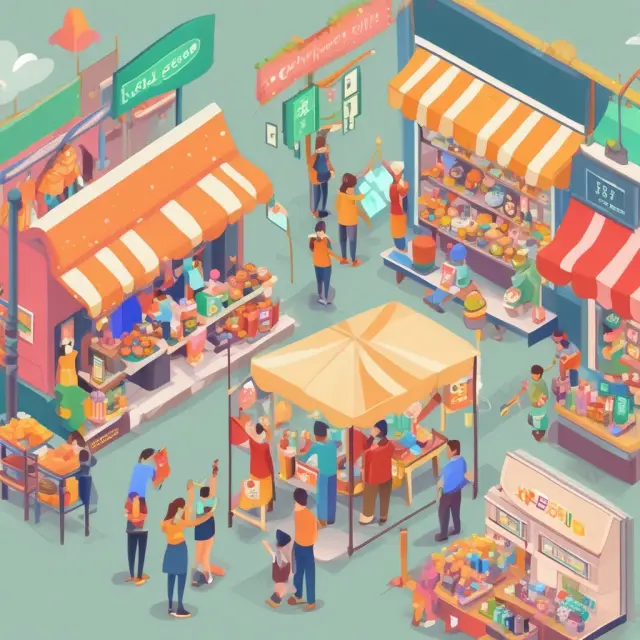
Revenue and Growth of the C2C Market
The emergence and rapid growth of customer-to-customer (C2C) transactions have significantly impacted e-commerce and various industries worldwide. The success of third-party platforms such as Etsy, eBay, and Craigslist, among others, underscores the increasing popularity and potential of C2C marketplaces. In this section, we will discuss how C2C businesses generate revenue, focusing primarily on transaction fees for sellers, and explore projected growth in this sector.
Monetization through Transaction Fees: C2C platforms enable buyers and sellers to interact directly, allowing the former to purchase goods or services from the latter. The primary source of income for these companies comes from charging sellers a fee for listing their items for sale, adding promotional features, and facilitating credit card transactions. These transaction fees are usually calculated as a percentage of the final sale price, providing revenue stability and scalability.
Transaction fees can vary depending on the platform or category within it. For instance, Etsy charges sellers a listing fee of $0.20 for each item added, with an additional 5% transaction fee on sales processed through their payment system. In contrast, eBay’s fees differ based on the product sold and whether it is auctioned or listed as fixed-price. Additionally, some platforms like Craigslist do not charge a listing fee but may charge for enhanced listings or other value-added services.
Projected Growth of the C2C Market: The C2C market’s growth can be attributed to several factors, including the declining cost of using third parties and the growing number of products for sale by consumers. As more consumers turn to online channels to sell their items, these platforms continue to gain popularity among both buyers and sellers. Furthermore, the emergence of various payment systems such as PayPal, Venmo, and Zelle has simplified transactions and increased trust in C2C marketplaces.
Despite challenges such as a lack of quality control or payment guarantees, the C2C marketplace is expected to grow exponentially due to its cost-effectiveness and accessibility for sellers looking to maximize their sales potential. The convenience and ease of use provided by these platforms have also attracted consumers seeking unique, affordable products and services that may be difficult to find elsewhere. As a result, C2C transactions are becoming increasingly essential in today’s digital economy and will continue to shape the future of e-commerce.

Special Considerations
The C2C marketplace has experienced immense growth over the past two decades, with an increasing number of companies entering the space to facilitate customer-to-customer (C2C) transactions. This section will discuss unique aspects of the C2C marketplace, including niche markets, competition from sellers, and potential problems and solutions.
Niche Markets in the C2C Marketplace
Some C2C companies target specific niche markets to attract unique consumers with unmet needs. For instance, eBay Motors caters specifically to automobile enthusiasts, while Etsy is a platform for creatives selling handmade items or vintage goods. These platforms allow sellers to capitalize on their expertise and reach a highly targeted audience.
Competition from Sellers
The C2C marketplace is becoming increasingly popular among sellers looking to maximize their sales potential by connecting with customers that they otherwise would not reach using traditional selling methods. For instance, eBay allows individuals to sell almost anything under the sun, ensuring a vast selection of products for buyers to choose from. Additionally, many sellers use multiple platforms to list items and broaden their reach. This competition can lead to better prices for consumers as sellers compete to offer the most attractive deals.
Potential Problems and Solutions
Despite its advantages, C2C comes with certain challenges. One issue is a lack of quality control or payment guarantees, which can lead to potential problems for buyers. To address this, platforms like eBay and PayPal have implemented various measures, such as seller ratings, escrow services, and dispute resolution processes to ensure buyer protection and maintain trust in the C2C ecosystem.
Another issue is the lack of support for credit card transactions, although the emergence of payment systems like PayPal and Zelle has helped simplify payments on C2C platforms. As consumer confidence grows and more sellers join these marketplaces, C2C’s potential problems will likely be addressed through innovative solutions that cater to both buyers and sellers.
In conclusion, the C2C marketplace continues to evolve as a popular business model in the e-commerce landscape. By targeting niche markets, fostering competition among sellers, and addressing challenges with innovative solutions, companies can successfully meet the demands of today’s consumers while ensuring a thriving ecosystem for buying and selling.

Examples of C2C Companies
Customer to customer (C2C) transactions have become increasingly popular with the rise of e-commerce platforms and the sharing economy. This business model allows buyers and sellers to engage directly, often through third-party websites or apps. In this section, we’ll examine three well-known C2C companies: Craigslist, Etsy, and eBay, highlighting their unique approaches to facilitating transactions.
First, let’s discuss Craigslist. Founded in 1995 as an email list for friends and acquaintances to share information about jobs, housing, and other goods and services, Craigslist is now a global online marketplace with over 700 categories and more than 700 cities. Unlike its competitors eBay and Etsy, Craigslist does not charge fees or take commissions on sales, making it an attractive choice for sellers looking to avoid transaction costs. Instead, the platform relies on local partnerships with newspapers and alternative weekly publications as a source of revenue. Craigslist is unique in that all transactions occur offline, meaning sellers must handle shipping or delivery arrangements themselves.
Next up is Etsy, a global online marketplace that focuses on handmade and vintage items along with craft supplies. Launched in 2005, the platform serves as a digital hub for creative entrepreneurs who want to share their unique wares with shoppers around the world. Etsy’s revenue model is based on fees charged to sellers, including transaction fees (ranging from 3.5% to 6.75%) and listing fees ($0.20 per item). In addition, sellers can purchase promotional tools to increase their product visibility. Unlike Craigslist, all transactions occur online, making shipping and handling more convenient for both buyers and sellers. Etsy’s mission is to empower creative entrepreneurs, and the platform offers various resources to help businesses grow, such as marketing services and a dedicated seller community.
Lastly, eBay is a pioneering C2C marketplace that revolutionized the way we buy and sell online when it was founded in 1995. The company has since expanded beyond its auction format to include fixed-price items. While both Craigslist and Etsy cater mainly to unique or niche products, eBay offers a wide range of goods, from consumer electronics to clothing and even cars. eBay charges sellers fees for listing items (ranging from $0.12 to $3 per item) and final value fees (ranging from 6% to 12%). The platform is known for its competitive bidding system and has helped millions of buyers find great deals on various products.
All three of these C2C companies have contributed significantly to the e-commerce landscape by providing unique solutions that cater to specific seller and buyer needs. Their success stories highlight the flexibility and versatility of the customer-to-customer business model, which continues to evolve with advancements in technology and consumer demand.
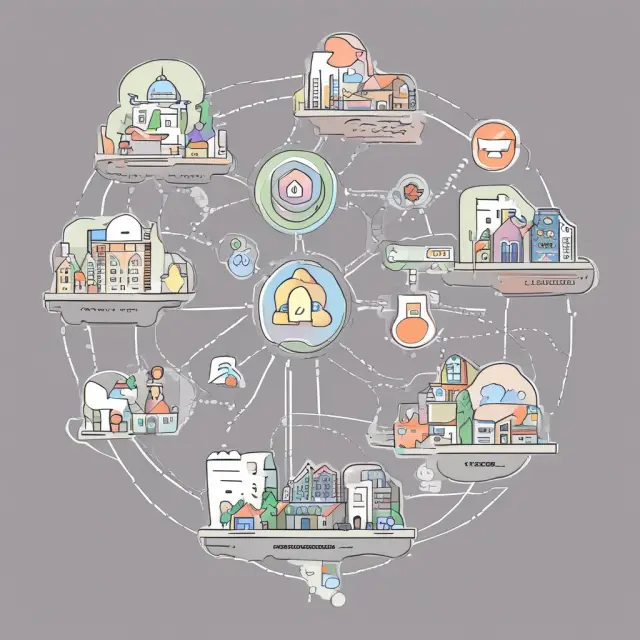
Comparing C2C with B2C and P2P
In the world of e-commerce, Customer to Customer (C2C), Business-to-Consumer (B2C), and Peer-to-Peer (P2P) are three distinct business models that enable various forms of transactions. While all three involve buyers and sellers, they differ significantly in their structure, facilitation, and benefits.
Customer to Customer (C2C) Market: A Definition and Comparison with B2C and P2P
Customer to customer (C2C) is a business model that allows customers to transact directly with one another through an intermediary platform or third-party service. In this business model, buyers and sellers meet online to exchange goods or services. C2C contrasts with Business-to-Consumer (B2C), where businesses sell products or services directly to consumers, and Peer-to-Peer (P2P) transactions, in which counterparties trade items directly without any intermediaries.
How Does Customer to Customer (C2C) Differ from B2C?
In a C2C marketplace, an intermediary company facilitates the transaction between buyers and sellers. The seller lists their product on the platform for sale, while potential buyers browse through offerings to make purchases. This business model is popular with e-commerce giants like eBay, Craigslist, and Etsy, which have become synonymous with C2C transactions.
Compared to B2C transactions, where a company sells directly to consumers, C2C transactions provide unique advantages for both parties:
- Competition: In a C2C marketplace, buyers have access to various offerings from multiple sellers, enabling them to find the best price and quality for their needs.
- Convenience: Sellers can reach a broader audience without the need for brick-and-mortar stores or extensive marketing efforts.
- Variety: C2C platforms cater to niche markets and hard-to-find items, offering consumers a wider range of choices that may not be available through traditional B2C channels.
Comparing Customer to Customer (C2C) with Peer-to-Peer (P2P) Transactions
Though both C2C and P2P transactions involve customers interacting directly, there are notable differences:
- Intermediaries: In a C2C model, an intermediary platform or third party manages the transaction process, while in a P2P transaction, counterparties trade items directly with each other without any intermediaries.
- Verification and Security: C2C platforms offer various verification tools to ensure the authenticity of transactions, such as reviews, ratings, and secure payment methods (like PayPal or credit cards). P2P transactions may lack this level of security and verification, putting buyers and sellers at greater risk.
- Complexity: P2P transactions can be more complex due to the need for direct communication between parties, while C2C platforms offer an easier, more streamlined process for buyers and sellers.
Understanding the Differences: B2C vs C2C vs P2P
In summary, Business-to-Consumer (B2C), Customer-to-Customer (C2C), and Peer-to-Peer (P2P) transactions are three distinct business models with different structures and advantages. While all involve buyers and sellers, they cater to various needs and provide unique benefits for both parties.
B2C transactions are straightforward and offer a direct relationship between consumers and businesses. C2C markets facilitate transactions through an intermediary platform and cater to convenience, competition, and variety. P2P transactions enable counterparties to trade items directly without intermediaries but can be more complex and pose greater security risks.
As the e-commerce landscape evolves, it’s essential for consumers and businesses alike to understand these business models and their implications. Whether you are a buyer or seller, knowing the differences between B2C, C2C, and P2P transactions can help you make informed decisions and optimize your shopping experience.

Pros and Cons of C2C Transactions
Customer to Customer (C2C) transactions have gained immense popularity in today’s digital age, with various platforms enabling individuals to buy and sell items directly from one another. C2C offers significant advantages for both buyers and sellers, yet it also presents certain challenges. In this section, we will discuss the primary pros and cons of engaging in a C2C transaction.
Advantages of C2C Transactions
- Convenience: With the rise of e-commerce platforms like Craigslist, Etsy, eBay, and Facebook Marketplace, buyers can easily access an extensive range of products without leaving their homes. For sellers, listing their items is simple and efficient, making C2C a convenient option for both parties.
- Cost savings: In C2C transactions, there are fewer intermediaries involved, resulting in potential cost savings for both the buyer and seller. With fewer middlemen, there are fewer fees, and sellers can set their own prices without having to pay commission or other selling fees. Additionally, buyers may find items at lower prices since they’re purchasing directly from individuals instead of businesses.
- Variety: C2C platforms offer a vast selection of goods ranging from antiques and collectibles to handmade crafts and even services. The variety is unmatched compared to traditional brick-and-mortar stores, as sellers can list items that may not be readily available elsewhere.
- Community aspect: Engaging in C2C transactions fosters a sense of community among users, allowing them to interact with one another and build relationships based on shared interests or hobbies. This is particularly noticeable on niche C2C platforms where buyers and sellers can connect over specific items or topics.
- Flexibility: C2C platforms enable individuals to set their own schedules for buying and selling, making it an attractive option for those with busy lifestyles or unconventional hours. Moreover, these transactions often provide a more personalized experience than traditional retail outlets.
Disadvantages of C2C Transactions
- Lack of protection: In C2C transactions, there is no intermediary to ensure the validity and authenticity of items being sold or the security of payments made between buyers and sellers. This puts the onus on individuals to verify the legitimacy of transactions independently, which can be time-consuming and risky.
- Lack of customer support: When transacting via C2C platforms, there might not be a dedicated customer service team available to help resolve any issues that arise. This means buyers and sellers are responsible for handling any problems themselves.
- Counterfeit items: The presence of counterfeit goods on C2C platforms is an issue that has gained significant attention. The inability to verify the authenticity of items can lead to disappointment, financial loss, or even legal consequences for both parties.
- Security concerns: There have been instances where C2C transactions have resulted in fraudulent activities, identity theft, and data breaches. While some platforms offer security features, such as encryption and secure payment methods, it ultimately falls on users to safeguard their personal information when engaging in these transactions.
- Quality control: With a vast array of items available for sale on C2C platforms, ensuring the quality and condition of goods can be challenging. This is particularly true for buyers who may not have the opportunity to inspect the item beforehand or test it out in person.
Despite these challenges, the benefits of C2C transactions continue to outweigh the disadvantages for many users. By being aware of both sides, buyers and sellers can make more informed decisions when participating in this popular e-commerce model.

Regulations and Challenges for C2C Businesses
Customer to customer (C2C) businesses are becoming increasingly popular, providing a marketplace where buyers and sellers can trade directly with each other using third-party platforms or businesses to facilitate the transaction. While this model offers several benefits, such as convenience and higher competition, it also presents unique challenges that need to be addressed to ensure a secure and reliable environment for users. In this section, we’ll explore the regulatory landscape and some of the challenges faced by C2C businesses.
Regulations for C2C Platforms
One of the significant challenges for C2C platforms is navigating the legal and ethical considerations surrounding their operations. For example, payment processing poses a challenge due to various laws governing transactions and consumer protection. To address these concerns, many C2C businesses have adopted strict policies and procedures for handling payments. A few popular payment methods include PayPal, Venmo, or Stripe, which offer fraud protection and secure transactions.
Another crucial regulatory consideration is data privacy. As users list their personal information and share sensitive data during transactions, C2C platforms must ensure that they comply with various data protection regulations, such as GDPR and HIPAA, to protect users’ privacy. To address these concerns, many platforms implement robust data security measures, including encryption and two-factor authentication, and provide clear policies regarding the collection, storage, and sharing of user data.
Challenges for C2C Companies
In addition to regulatory challenges, C2C businesses also face several other issues that require careful consideration. One such challenge is the potential for fraudulent transactions or counterfeit goods. To mitigate these risks, platforms may implement various measures, such as review systems and user ratings, to help buyers identify trustworthy sellers. Another approach is implementing strict verification processes for new sellers to reduce the risk of fraudulent activity.
Another challenge for C2C businesses is competition from other sellers. With a large number of sellers listing similar items, it can be challenging for small sellers to stand out in a crowded marketplace. To address this issue, many platforms provide tools and resources for sellers to improve their listings, such as professional photography or targeted advertising options.
Conclusion: The Future of C2C Businesses
Despite the challenges faced by C2C businesses, they continue to grow in popularity as consumers seek more personalized and convenient shopping experiences. Platforms like eBay, Etsy, and Craigslist have demonstrated that C2C business models can be successful and profitable, offering unique benefits for both buyers and sellers. By addressing the regulatory challenges and continuously improving their offerings, these platforms are well-positioned to meet the evolving needs of consumers and maintain their position in the e-commerce landscape.
FAQs
1. What is a C2C business? A C2C (customer-to-customer) business is an online marketplace where customers can trade or buy goods directly from each other using a third-party platform.
2. How does a C2C business make money? C2C businesses make money by charging fees to sellers for listing their items, processing transactions, and providing additional services such as targeted advertising.
3. What are some examples of C2C platforms? Some popular C2C platforms include eBay, Etsy, Craigslist, AliExpress, and Amazon Marketplace.
4. What is the difference between P2P (peer-to-peer) and C2C? The main difference between P2P and C2C is that in a C2C platform, there’s an intermediary or third party involved in the transaction, whereas in a P2P platform, counterparties transact directly with one another.

Conclusion: The Future of Customer to Customer (C2C)
Customer to customer (C2C) transactions have transformed the way we trade goods and services in today’s economy. As e-commerce technology continues to evolve, platforms that facilitate these transactions have become increasingly popular among consumers seeking more convenience, control, and cost savings. Let us explore what the future holds for C2C businesses and how they will shape our purchasing habits.
The Growing Popularity of C2C Transactions
With advancements in technology making it easier to connect buyers and sellers directly, there’s no denying that C2C transactions are here to stay. Companies like eBay, Etsy, and Craigslist have shown us the potential benefits of this business model, with customers reaping rewards from competition and competitive pricing in a marketplace where they control their own sales.
The Advantages of C2C Transactions for Buyers
Customers benefit significantly from C2C transactions as they can find unique, hard-to-locate items that may not be available through traditional retail channels. Moreover, these transactions often come with lower prices due to the absence of intermediaries like retailers or wholesalers. Additionally, C2C platforms provide a level of convenience by allowing customers to shop from their own homes and communicate directly with sellers, leading to more personalized interactions.
The Advantages of C2C Transactions for Sellers
Sellers can take advantage of the C2C marketplace to reach a wider audience and increase sales potential. By connecting directly with consumers, they can cut out intermediaries and keep a larger share of their profits. Furthermore, C2C platforms offer a more flexible selling environment where sellers have control over pricing, shipping, and customer communication.
The Future of C2C
As the e-commerce landscape continues to expand, we can expect to see further growth in C2C transactions. With more consumers turning to online marketplaces for convenience and cost savings, it is crucial for businesses to adapt and capitalize on this trend. Moreover, advancements in technology and payment processing systems are making it easier to facilitate secure and seamless transactions between buyers and sellers.
In conclusion, the customer-to-customer business model has come a long way since its emergence with e-commerce technology. As more consumers embrace this trend towards direct interactions, both buyers and sellers will benefit from increased convenience, cost savings, and personalized experiences. C2C transactions are poised to shape our purchasing habits in the future, making it an exciting time for businesses looking to tap into this growing market.

FAQs
Customer to customer, or C2C, is a unique business model where customers trade directly with each other through third-party platforms or businesses. But what exactly is C2C, and how does it differ from Business-to-Consumer (B2C) and Peer-to-Peer (P2P)?
FAQ: What is Customer to Customer (C2C)?
Answer: C2C refers to a business model where customers can trade with each other through third-party platforms or businesses. This model gained popularity with the emergence of e-commerce technology, and prominent examples include Craigslist, Etsy, and eBay. These companies facilitate transactions between buyers and sellers, allowing for competition among sellers and a more convenient shopping experience.
FAQ: How is C2C different from B2C?
Answer: Business-to-Consumer (B2C) refers to the traditional model where businesses sell products or services directly to consumers. In contrast, C2C involves customers trading with each other through third-party platforms or businesses. This difference creates unique benefits and challenges for both buyers and sellers.
FAQ: How does C2C work?
Answer: Customer to customer transactions occur when a buyer purchases goods from another customer using a third-party platform or business to facilitate the exchange. The platform makes money by charging sellers fees for listing items, offering promotional features, and processing credit card transactions. With C2C, buyers have access to a wider range of products that may be difficult to find elsewhere, while sellers can reach more customers without intermediaries like retailers or wholesalers.
FAQ: Examples of C2C companies
Answer: Prominent C2C companies include Craigslist, Etsy, and eBay. Each platform has a unique approach to facilitating transactions, with Craigslist focusing on local classifieds, Etsy specializing in handmade or vintage goods, and eBay offering both fixed-price and auction items for sale.
FAQ: How does C2C compare to P2P?
Answer: Peer-to-Peer (P2P) platforms allow counterparties to transact directly with one another without an intermediary. In contrast, C2C involves a third party that facilitates transactions between buyers and sellers. While there is some overlap in functionality, understanding the key differences helps consumers make informed choices based on their needs.
FAQ: What are the benefits of using a C2C platform?
Answer: Benefits include competition among sellers, potentially lower prices due to minimal costs for sellers, and convenience for buyers as they can shop from home without visiting brick-and-mortar stores. Additionally, C2C platforms offer a wider range of products that may not be available through traditional selling methods.
FAQ: What are the challenges or potential problems with using a C2C platform?
Answer: Challenges include the absence of quality control and payment guarantees, which can make it difficult for buyers to ensure they receive authentic items or safe transactions. However, many C2C platforms have implemented solutions like seller ratings and reviews, as well as secure payment systems, to mitigate these risks.
 Next entry · No. 840Understanding Cum Laude: Meaning, Criteria, and Differences
See also
-
 No. 1,201
11 Aug 2024
19 min
Ecommerce: Understanding the Disruptive Technology for Modern Businesses
Business Strategy
No. 1,201
11 Aug 2024
19 min
Ecommerce: Understanding the Disruptive Technology for Modern Businesses
Business Strategy -
 No. 710
25 May 2024
18 min
Understanding Commerce: Definition, Importance, Types and Regulation
Business Strategy
No. 710
25 May 2024
18 min
Understanding Commerce: Definition, Importance, Types and Regulation
Business Strategy -
 No. 4,457
20 Jun 2025
17 min
Understanding Reverse Auctions: A Comprehensive Guide for Institutional Investors
Business Strategy
No. 4,457
20 Jun 2025
17 min
Understanding Reverse Auctions: A Comprehensive Guide for Institutional Investors
Business Strategy -
 No. 3,692
19 Apr 2025
20 min
Maximizing Profits through Online-to-Offline (O2O) Commerce: Bridging the Gap between E-Commerce and Retail
Business Strategy
No. 3,692
19 Apr 2025
20 min
Maximizing Profits through Online-to-Offline (O2O) Commerce: Bridging the Gap between E-Commerce and Retail
Business Strategy -
 No. 3,690
19 Apr 2025
17 min
Online Shoplifting: Theft on the Internet – A Hidden Problem for E-commerce Merchants
Business Strategy
No. 3,690
19 Apr 2025
17 min
Online Shoplifting: Theft on the Internet – A Hidden Problem for E-commerce Merchants
Business Strategy -
 No. 3,051
25 Feb 2025
24 min
Make to Stock (MTS): A Production Strategy for Matching Inventory with Anticipated Consumer Demand
Business Strategy
No. 3,051
25 Feb 2025
24 min
Make to Stock (MTS): A Production Strategy for Matching Inventory with Anticipated Consumer Demand
Business Strategy