Ecommerce: Understanding the Disruptive Technology for Modern Businesses
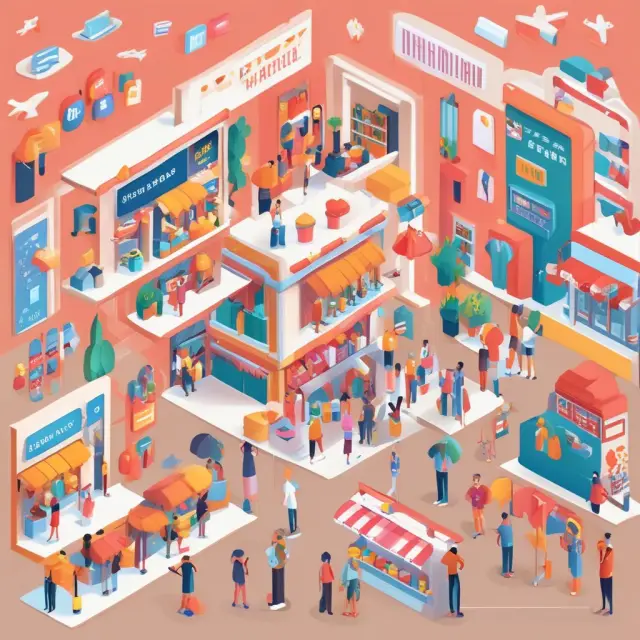
Explore the world of ecommerce in this comprehensive article, covering its history, business models, advantages, disadvantages, marketing strategies…
Introduction to Ecommerce
Ecommerce, also known as electronic commerce or online shopping, refers to the buying and selling of goods and services over the internet. This disruptive technology enables individuals and businesses alike to engage in transactions from anywhere in the world at any time. According to Statista, global retail e-commerce sales amounted to approximately $4.2 trillion in 2020 and are projected to reach around $6.5 trillion by 2023. With its convenience and increased selection, ecommerce has revolutionized the way we shop, providing a more accessible and cost-effective alternative to traditional brick-and-mortar stores.
The process of electronic commerce involves exchanging data or currency to complete a transaction between multiple parties over the internet. Ecommerce encompasses various business models, such as business-to-business (B2B), business-to-consumer (B2C), consumer-to-consumer (C2C), and consumer-to-business (C2B). This flexibility allows businesses to cater to a wider audience while reducing their operational costs.
Ecommerce is not a new concept. Its roots can be traced back to the 1960s when companies adopted electronic data interchange systems to transfer documents electronically. However, the first actual ecommerce transaction occurred in 1994, marking the beginning of this revolutionary industry’s evolution.
Ecommerce offers several advantages for both consumers and businesses. For consumers, it provides convenience as they can shop online 24 hours a day, seven days a week. Additionally, ecommerce allows for increased selection as merchants often offer more diverse product lines compared to their physical stores. The potential for lower start-up costs is another significant advantage, as businesses do not require a physical storefront and can sell to international customers with minimal additional effort.
Despite its advantages, ecommerce also comes with certain disadvantages. For example, limited customer service can be an issue, as there’s no option for consumers to physically inspect products before purchasing them online. Additionally, ecommerce relies heavily on technology and can be affected by downtime or security vulnerabilities that can lead to significant losses for businesses.
Ecommerce has undeniably transformed the retail landscape, with major players like Amazon, Alibaba, eBay, and Etsy dominating the scene. Small businesses have also joined in, setting up their own online shops to reach a wider audience and compete on a global scale. The future of ecommerce looks promising, with new technologies such as augmented reality shopping, voice commerce, and virtual try-on experiences reshaping the way we shop online.
Stay tuned for our next section where we will discuss the various types of ecommerce businesses and their unique challenges and opportunities.

Ecommerce: The Digital Version of Mail-Order Shopping
The digital revolution has drastically transformed the way businesses operate and how consumers shop. Among the most significant changes is ecommerce—the buying and selling of tangible products and services over the Internet. Ecommerce is a multifaceted industry encompassing various business models, including business-to-business (B2B), business-to-consumer (B2C), consumer-to-consumer (C2C), and consumer-to-business (C2B). This section dives into the fascinating world of ecommerce, discussing its significance in today’s marketplace.
Ecommerce: The Digital Alternative to Traditional Shopping
Ecommerce is a burgeoning industry where businesses and individuals exchange digital or monetary transactions for goods and services online. With the widespread availability of computers, smartphones, tablets, and other internet-enabled devices, it has become an essential part of modern commerce. The range of products and services offered through ecommerce spans almost every conceivable category—from books to music, plane tickets to financial services, and much more.
One can view ecommerce as a digital counterpart to mail-order catalogs from the past. Rather than receiving a printed catalog in the mail, customers now browse virtual marketplaces and online stores. This shift has significantly impacted the retail landscape by offering greater convenience, increased selection, and the potential for lower costs compared to traditional brick-and-mortar businesses.
Ecommerce Businesses: Setting Up Shop Online
Starting an ecommerce business involves several essential steps. First, it is crucial to conduct thorough market research to understand your niche, target audience, competition, and expected expenses. Once you have determined the focus of your business, establish a legal structure such as a corporation or limited liability company. The next critical step is setting up a professional website with user-friendly navigation, appealing visuals, and an intuitive payment gateway system that accepts various methods (e.g., credit cards, digital wallets).
Ecommerce Businesses: Market Segments and Models
The ecommerce industry can be divided into several market segments, including B2B (business-to-business), B2C (business-to-consumer), C2C (consumer-to-consumer), and C2B (consumer-to-business). In the B2B model, businesses transact directly with one another for goods or services. Examples include Alibaba, which sells products to other businesses, and Salesforce, a software company that offers services to businesses.
B2C ecommerce involves transactions between a business and individual consumers. This model is commonly associated with well-known brands like Amazon and Walmart. C2C ecommerce refers to person-to-person sales through digital marketplaces such as eBay and Etsy. Lastly, in the C2B (consumer-to-business) model, individuals sell their products or services directly to businesses, such as freelancers offering their skills on platforms like Upwork or Fiverr.
In conclusion, ecommerce represents a groundbreaking shift in modern commerce. With its convenience, increased selection, and potential cost savings, it is no surprise that more and more businesses are turning to this digital alternative to traditional shopping. As the industry continues to evolve, staying informed about its latest developments will be crucial for both entrepreneurs and consumers alike.

Setting Up an Ecommerce Business
Ecommerce is a significant disruption in the business landscape, enabling companies and individuals to buy and sell goods and services online. To establish an ecommerce business, several steps must be taken, including market research, legal structure setup, website creation, and payment gateway implementation.
Market Research
Before starting an ecommerce venture, it’s crucial to conduct thorough market research. This process involves identifying the target audience, competition, and potential costs. Understanding your target demographic can help guide product selection, pricing strategies, and marketing efforts. Conducting competitive analysis helps determine what sets your business apart from competitors and what areas need improvement. Market research provides valuable insight into the feasibility of your ecommerce business concept.
Legal Structure
To legitimize an ecommerce business, a legal structure must be chosen. This could range from sole proprietorships to corporations, each with its advantages and disadvantages in terms of taxation, personal liability, and ease of operation. Consulting a business attorney or accountant can provide valuable guidance during this stage.
Website Setup
An ecommerce site is the digital storefront for your business. It serves as a platform to showcase products and services, facilitate transactions, and engage customers. Platforms like Shopify, Magento, WooCommerce, or BigCommerce offer user-friendly solutions for building and managing an online shop without requiring extensive technical expertise.
Payment Gateway
A payment gateway is an essential component of any ecommerce business. This service enables secure transactions between the merchant and buyer, processing credit card and other forms of digital payments. Popular options include PayPal, Stripe, or Square. Choosing a reliable and secure payment gateway can help instill confidence in potential customers and streamline the shopping experience.
In conclusion, setting up an ecommerce business requires careful planning and execution across various aspects. From market research to legal structure, website setup, and payment gateways, each step is crucial for laying the foundation of a successful online venture.

Ecommerce Business Models
Ecommerce businesses come in various forms, each with its unique characteristics catering to distinct market segments. The four primary ecommerce business models include business-to-business (B2B), business-to-consumer (B2C), consumer-to-consumer (C2C), and consumer-to-business (C2B).
1. Business-to-Business (B2B):
B2B ecommerce refers to the exchange of goods or services between businesses, typically involving larger transaction values compared to B2C sales. This model often requires a more complex sales process due to longer buying cycles and more comprehensive negotiations. Companies such as Alibaba and Amazon Business cater specifically to the needs of B2B customers, offering features like bulk purchasing, customized pricing, and dedicated account managers.
2. Business-to-Consumer (B2C):
In the B2C model, companies sell directly to consumers via their websites or mobile applications. This is the most common form of ecommerce that comes to mind when people think about online shopping. Amazon, Walmart, and Target are prominent examples of successful B2C businesses. These platforms offer a wide range of products at competitive prices with convenient delivery options.
3. Consumer-to-Consumer (C2C):
The C2C model facilitates the exchange of goods or services between individuals through digital marketplaces such as eBay, Etsy, and Craigslist. In this scenario, one consumer sells an item to another consumer directly, often for a lower price compared to traditional retailers. This model operates on a commission-based fee structure where the marketplace takes a percentage of each transaction.
4. Consumer-to-Business (C2B):
In a C2B model, consumers offer their skills, services, or products directly to businesses. Platforms such as Upwork and Freelancer provide an interface for individuals to showcase their talents and connect with potential employers. This business model empowers professionals to market themselves and secure projects at their desired rates while offering companies access to a large pool of skilled workers.
Each ecommerce business model comes with its unique set of challenges and opportunities. Understanding these differences can help entrepreneurs make informed decisions about which one best suits their goals, expertise, and resources.
History of Ecommerce
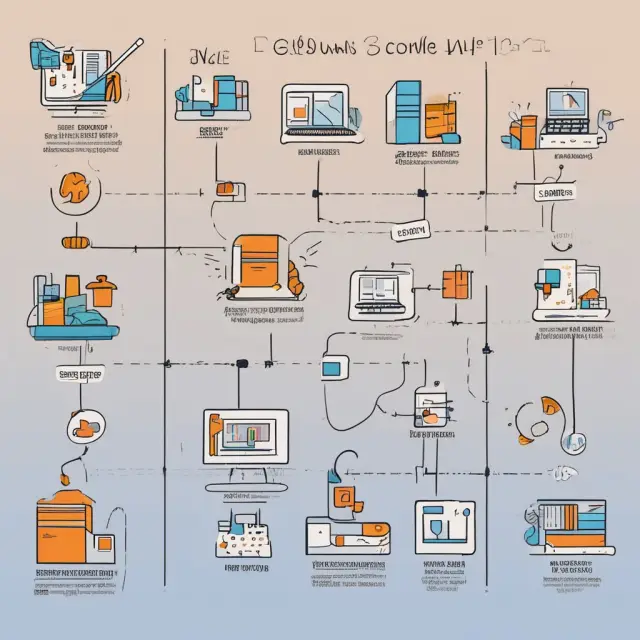
Ecommerce has come a long way since its humble beginnings in the 1960s when companies used Electronic Data Interchange (EDI) systems to facilitate document transfers between businesses. Fast-forward to the late 20th century and the birth of ecommerce as we know it. The first business-to-consumer transaction occurred in 1994, marking a turning point for retail. Since then, ecommerce has undergone significant changes, disrupting traditional brick-and-mortar businesses and reshaping the retail landscape.
Mail-order catalogs were an early precursor to ecommerce. But they had limitations: customers could only order products through a physical catalog or by phone, requiring considerable time and resources. Ecommerce eliminated this constraint, allowing buyers and sellers to connect digitally. The first online sales took place on NetMarket in 1994, when a CD was sold between friends over the internet (Stanley, 2016). This marked the beginning of ecommerce’s meteoric growth.
Early ecommerce companies like Amazon and Alibaba quickly gained popularity due to their convenience and accessibility. Traditional retailers were forced to adapt or risk being left behind. Ebay and Etsy became digital marketplaces where multitudes of buyers and sellers came together to conduct business. The U.S. Department of Commerce recognizes ecommerce as transactional sites, static content sites, online marketplaces, and auction sites.
New technology has continued to shape the ecommerce industry. People can now connect with businesses through smartphones and devices, download apps, and enjoy free shipping (which reduces costs for consumers). The introduction of same-day delivery services like Amazon Prime and the rise of mobile commerce have further boosted its popularity.
However, the history of ecommerce is not without its challenges. Early ecommerce sites suffered from limited customer service capabilities. Consumers could not touch or try products before purchasing, relying solely on images and descriptions. Additionally, businesses had to navigate the technological landscape, ensuring their websites did not crash due to overwhelming traffic or cyber attacks.
Despite these early hurdles, ecommerce has thrived. Today, it is a $4 trillion industry (Statista, 2021), with more consumers shopping online than ever before. The future of ecommerce looks bright as new technologies like augmented reality and voice commerce continue to transform the way we buy and sell goods and services.
Ecommerce’s history has been marked by significant advancements that have changed the retail landscape. From mail-order catalogs to digital marketplaces, ecommerce has proven itself to be a game-changer for businesses and consumers alike. As technology advances, it is likely that ecommerce will continue to evolve, offering new opportunities and challenges for those in the industry.

Advantages and Disadvantages of Ecommerce
The explosive growth of the ecommerce industry has significantly impacted businesses and consumers alike. In this section, we’ll discuss the advantages and disadvantages of conducting business online.
Pros:
- Convenience: Ecommerce allows businesses to operate 24/7. This is especially beneficial for retailers as it enables them to cater to customers in different time zones or those with unconventional schedules (e.g., shift workers). Additionally, consumers can shop at their convenience, eliminating the need to travel to a physical store and reducing the hassle of dealing with crowds.
- Increased Selection: Ecommerce platforms offer a vast array of products and services that often surpass what is available in brick-and-mortar stores. This is due to lower overhead costs and reduced geographical limitations, enabling businesses to cater to a larger audience and sell unique items from various locations.
- Lower Startup Costs: Ecommerce eliminates the need for expensive overheads such as rent, utilities, and inventory storage. Moreover, e-commerce platforms offer affordable pricing structures that make it easier for small businesses to establish their presence online.
- International Sales: With ecommerce, businesses can sell products or services to customers worldwide without being limited by geographical boundaries. This opens up a vast potential market, allowing businesses to expand globally and reach audiences in different regions.
- Easy Retargeting: Ecommerce platforms provide valuable data that enables businesses to target specific customer segments with customized marketing campaigns. By analyzing consumer behavior and preferences, businesses can tailor their messaging and offers to increase sales.
Cons:
- Limited Customer Service: While ecommerce offers convenience, it may fall short when it comes to providing the same level of personal service offered in physical stores. Customers cannot try on clothes or test products before purchasing them online, which may result in dissatisfaction if the product does not meet their expectations. Moreover, resolving issues may be more challenging as customer interactions are limited to digital channels.
- Lack of Instant Gratification: Ecommerce transactions involve waiting for products to be delivered, which can create a sense of delayed gratification. This is particularly true for customers who prefer the instant gratification offered by physical stores. To address this concern, some e-commerce platforms offer expedited shipping options or in-store pickup to provide a more satisfying shopping experience.
- Inability to Touch Products: One major drawback of ecommerce is that customers cannot physically interact with products before making a purchase. This can lead to uncertainty and potential disappointment if the product does not meet their expectations, especially when it comes to items such as clothing or electronics. To mitigate this issue, businesses can provide detailed product descriptions, multiple images, and customer reviews to help shoppers make informed decisions.
- Reliance on Technology: Ecommerce businesses depend heavily on technology to function effectively. This includes website design, payment processing, inventory management, and shipping logistics. Any technical issues can result in lost sales or a damaged reputation, making it essential for businesses to invest in robust systems that are reliable and user-friendly.
- Higher Competition: The low barriers to entry in the ecommerce space mean that competition is fierce. To stand out from the crowd, businesses need to have a strong online presence through effective marketing strategies, search engine optimization, and social media engagement. It’s also crucial for e-commerce platforms to provide a seamless user experience, as even minor issues can lead customers to abandon their shopping carts and look for alternatives.
In conclusion, while ecommerce offers numerous advantages such as convenience, increased selection, lower startup costs, international sales, and easy retargeting, it also comes with challenges like limited customer service, lack of instant gratification, inability to touch products, reliance on technology, and higher competition. Understanding these pros and cons can help businesses make informed decisions when setting up their ecommerce operations and adapting to the ever-evolving digital marketplace.

Ecommerce Businesses: Pros and Cons
Ecommerce businesses offer numerous advantages for both the business owner and consumers. These benefits include convenience, cost savings, increased selection, and international sales. Convenience is a significant advantage of ecommerce businesses as they can be accessed 24 hours a day, seven days a week, allowing customers to shop at their leisure. Businesses also benefit from this around-the-clock access, generating potential revenue even when they are not actively engaged.
Cost savings is another appealing aspect of ecommerce for both buyers and sellers. For businesses, the cost of setting up an online store can be less expensive than renting a physical space and dealing with associated expenses like utilities and insurance. For consumers, ecommerce offers lower prices due to reduced overheads and increased competition. This can lead to significant savings on goods and services.
A broader product selection is also a major advantage of ecommerce businesses. Online marketplaces offer an extensive range of options for consumers, often including exclusive inventory unavailable in brick-and-mortar stores. For small businesses looking to expand their reach, the digital space provides an accessible platform for selling goods and services to a global audience.
International sales represent another significant advantage of ecommerce businesses. With no geographical limitations, companies can sell products and services to consumers across the world. This has led to increased competition as businesses seek to attract customers in a global marketplace.
Despite these benefits, there are also disadvantages to conducting business online. Limited customer service is one such drawback. While some ecommerce sites offer live chat or email support, the lack of face-to-face interaction can make it challenging for consumers to receive immediate assistance. Additionally, consumers may feel a sense of dissatisfaction when receiving products that do not meet their expectations based on online images.
Another disadvantage of ecommerce businesses is the reliance on technology. A website crash, unexpected traffic surge, or downtime can significantly impact sales and revenue. While it’s important for companies to invest in robust infrastructure, there are always risks involved in operating in a digital space.
In conclusion, ecommerce businesses offer numerous benefits and challenges for both buyers and sellers. The convenience, cost savings, increased selection, and international sales opportunities provided by the digital marketplace have disrupted traditional retail models. However, businesses must also be aware of potential disadvantages, including limited customer service and reliance on technology, to effectively navigate this new landscape.

Ecommerce Marketing Strategies
In today’s fiercely competitive ecommerce landscape, businesses must employ effective marketing strategies to attract and retain customers. Ecommerce marketing encompasses various tactics that help businesses reach their target audience, drive traffic to their websites, and convert potential buyers into loyal customers. In this section, we will discuss four popular ecommerce marketing techniques: search engine optimization (SEO), social media marketing, email marketing, and content marketing.
1. Search Engine Optimization (SEO)
Search engines like Google serve as the primary source of traffic for many ecommerce businesses. SEO is the process of optimizing your website to improve its ranking on search engine results pages (SERPs). By implementing on-site optimization techniques, such as keyword research and meta tags, and off-site optimization strategies like backlinks, you can increase organic traffic to your site.
2. Social Media Marketing
Social media platforms offer businesses an opportunity to engage with their audience and build brand awareness. Platforms like Facebook, Instagram, Twitter, and Pinterest provide various features that allow ecommerce businesses to showcase their products or services, interact with customers, and run targeted ad campaigns.
3. Email Marketing
Email marketing remains a powerful tool for retaining customers and driving sales in the ecommerce sector. By collecting email addresses through sign-up forms on your website, you can build an email list that allows you to send personalized promotional offers, product recommendations, or exclusive deals.
4. Content Marketing
Content marketing involves creating high-quality, informative content that attracts and engages your target audience. By producing blog articles, how-to guides, instructional videos, infographics, and other types of content, you can position your business as an industry expert and build trust with potential customers. Additionally, search engines favor websites with regularly updated, unique content, making content marketing a valuable long-term investment in your ecommerce business.
Ecommerce Trends and Future Developments
Staying informed about the latest trends and future developments in ecommerce can help you adapt your marketing strategies to keep up with changing consumer preferences and technologies. Some current trends include the rise of mobile commerce, personalization, and artificial intelligence (AI) chatbots. Mobile commerce is expected to continue growing rapidly as more consumers shop on their smartphones and tablets. Personalization, or tailoring content, offers, and recommendations to individual customers, can help ecommerce businesses improve conversion rates and customer loyalty. AI-powered chatbots offer personalized customer service 24/7, improving the overall shopping experience for consumers and reducing support costs for businesses.
Conclusion:
Ecommerce marketing strategies play a crucial role in attracting, engaging, and retaining customers in today’s fiercely competitive landscape. By employing tactics such as search engine optimization (SEO), social media marketing, email marketing, and content marketing, ecommerce businesses can effectively reach their target audience, drive traffic to their websites, and convert potential buyers into loyal customers. Staying informed about the latest trends and future developments in ecommerce will help your business adapt and remain competitive in the constantly evolving digital marketplace.

Ecommerce Trends and Future Developments
The ecommerce industry has witnessed significant growth over the years and continues to evolve at an unprecedented pace. As of 2021, global retail e-sales are expected to exceed $4.5 trillion, accounting for 16% of total retail sales (Statista, 2021). This section will delve into current trends and future developments in the ecommerce landscape, including mobile commerce, personalization, artificial intelligence, augmented reality shopping, and voice commerce.
Mobile Commerce
Mobile devices have transformed our world and the way we shop online. Mobile commerce, or m-commerce, refers to buying and selling goods and services via smartphones and tablets. According to Statista, mobile devices accounted for over half of all ecommerce traffic in 2019 (Statista, 2020). As people increasingly rely on their mobile devices for shopping, businesses must optimize their sites for mobile users and provide seamless shopping experiences across channels.
Personalization:
Personalized shopping experiences have gained immense popularity among consumers, enabling them to receive tailored recommendations based on their preferences, browsing history, and past purchases. Personalization can take several forms, including targeted ads, custom product recommendations, and personalized email marketing campaigns (Forrester Research, 2015). Incorporating this technology can lead to increased customer engagement, loyalty, and sales.
Artificial Intelligence
Artificial intelligence (AI) has become a game-changer in ecommerce, assisting businesses by improving customer experiences, streamlining processes, and driving growth. Applications of AI include chatbots, personalized product recommendations, and automated pricing strategies based on real-time demand and competition (McKinsey, 2018). By integrating these technologies, companies can provide more efficient and engaging shopping experiences that meet the evolving demands of consumers.
Augmented Reality Shopping
Augmented reality (AR) offers an immersive shopping experience, allowing consumers to virtually try on clothes or see how furniture looks in their homes before making a purchase. According to a report by ARtillery Intelligence, the global market for AR ecommerce is expected to reach $120 billion by 2023 (ARtillery Intelligence, 2019). By providing customers with an interactive shopping experience that blends digital and physical elements, businesses can differentiate themselves in a highly competitive landscape.
Voice Commerce
Voice commerce, or conversational commerce, involves making purchases using voice commands via devices such as Amazon Echo, Google Home, and Apple’s Siri. According to eMarketer, 13.2% of US online shoppers made a purchase using voice commands in 2020 (eMarketer, 2020). This technology enables hands-free shopping for convenience and accessibility, making it an increasingly popular option for consumers.
In conclusion, ecommerce continues to change the way businesses operate and consumers shop. By staying informed of current trends and future developments, companies can adapt and thrive in this dynamic landscape. The integration of mobile commerce, personalization, artificial intelligence, augmented reality shopping, and voice commerce will transform the online shopping experience, offering new opportunities for growth and innovation.

FAQs about Ecommerce
Ecommerce, or electronic commerce, is the buying and selling of goods and services over the internet. It’s an increasingly popular way for businesses to reach customers, offering advantages such as convenience, cost savings, increased selection, and international sales. If you’re considering starting an ecommerce business or looking to expand your existing one, here are some frequently asked questions to help you get started.
How do I get started with ecommerce?
To start an ecommerce business, follow these steps: 1) conduct thorough market research; 2) choose a legal business structure; 3) set up an ecommerce website and payment gateway; 4) source inventory or create your own products; 5) optimize your site for search engines; and 6) develop marketing strategies.
What platforms should I use to build my ecommerce site?
Popular ecommerce platforms include Shopify, Magento, WooCommerce, BigCommerce, and Squarespace. Each has its unique features, pricing structures, and capabilities, so consider which best fits your business needs.
How can I secure my online transactions?
To secure online transactions, invest in a reliable payment gateway that provides encryption and fraud protection. Additionally, use an SSL certificate to encrypt data between the user’s browser and your server, making it difficult for hackers to intercept sensitive information.
Can ecommerce businesses make a profit?
Absolutely! While there is no guarantee of profits, the potential for success in ecommerce is significant due to its low barriers to entry and the ability to reach customers globally. To maximize your chances of profitability, focus on providing high-quality products, exceptional customer service, and effective marketing strategies.
What are some common challenges faced by ecommerce businesses?
Ecommerce businesses face various challenges including limited customer service interactions, lack of instant gratification for consumers, the need to rely on technology, and increased competition. To overcome these challenges, invest in a strong customer support system, offer fast shipping options, ensure website reliability, and differentiate yourself from competitors with unique products or services.
In conclusion, ecommerce presents both opportunities and challenges for businesses. By understanding its basics, setting up the proper foundation, and addressing common pitfalls, you can build a successful online business. Whether you’re just starting out or looking to expand an existing venture, this FAQ section provides essential information to guide your journey into the world of ecommerce.
 Next entry · No. 1,202Exploring Econometrics: Techniques and Applications for Economic Analysis
See also
-
 No. 839
17 Jun 2024
22 min
Customer to Customer (C2C): Understanding the Growing Trend of Peer-to-Peer Transactions
Business Strategy
No. 839
17 Jun 2024
22 min
Customer to Customer (C2C): Understanding the Growing Trend of Peer-to-Peer Transactions
Business Strategy -
 No. 710
25 May 2024
18 min
Understanding Commerce: Definition, Importance, Types and Regulation
Business Strategy
No. 710
25 May 2024
18 min
Understanding Commerce: Definition, Importance, Types and Regulation
Business Strategy -
 No. 103
07 Apr 2024
20 min
Understanding Affiliate Marketing: Types, Advantages, Disadvantages, and Examples
Business Strategy
No. 103
07 Apr 2024
20 min
Understanding Affiliate Marketing: Types, Advantages, Disadvantages, and Examples
Business Strategy -
 No. 1,931
25 Nov 2024
18 min
Understanding Gross Merchandise Value (GMV) in E-commerce: Definition, Calculation, and Significance
Business Finance
No. 1,931
25 Nov 2024
18 min
Understanding Gross Merchandise Value (GMV) in E-commerce: Definition, Calculation, and Significance
Business Finance -
 No. 5,659
27 Sep 2025
20 min
Web Syndication: A Powerful Marketing Strategy for Content in Finance and Investment
Business Strategy
No. 5,659
27 Sep 2025
20 min
Web Syndication: A Powerful Marketing Strategy for Content in Finance and Investment
Business Strategy -
 No. 5,498
14 Sep 2025
17 min
Understanding Viral Websites: The Concept, Characteristics, and Popularity of Sites that Go Viral
Business Strategy
No. 5,498
14 Sep 2025
17 min
Understanding Viral Websites: The Concept, Characteristics, and Popularity of Sites that Go Viral
Business Strategy