Understanding the Equal Credit Opportunity Act (ECOA) – Protecting Consumers from Discrimination in Credit Transactions
Learn about the Equal Credit Opportunity Act (ECOA), a critical law protecting consumers from discrimination in credit transactions. Discover its framework…
Introduction to the Equal Credit Opportunity Act (ECOA)
The Equal Credit Opportunity Act (ECOA), first enacted in 1974, is a significant milestone in American financial history. This federal civil rights law prohibits lenders from discriminating against credit applicants based on protected classes, ensuring equal access to credit opportunities for all consumers regardless of race, color, religion, national origin, sex, marital status, age, public assistance receipt, or the exercise of consumer protection laws. ECOA, as detailed in Title 15 of the United States Code and Regulation B, empowers consumers by restricting lenders from considering irrelevant factors in their credit evaluation process.
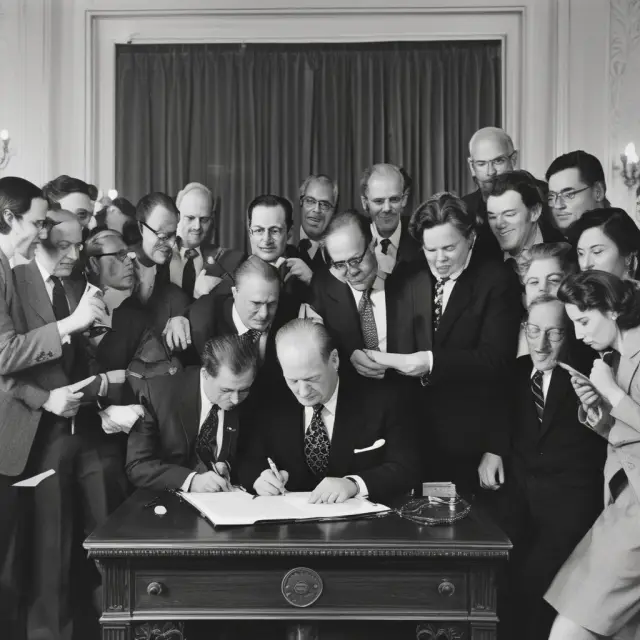
ECOA’s Origins: The Equal Credit Opportunity Act was signed into law on October 28, 1974, by President Gerald Ford. This legislation marked a significant step forward in addressing systemic discrimination within the lending industry. Since then, ECOA has been instrumental in promoting equal opportunities and fair practices in credit transactions.
Protecting Consumers: ECOA’s primary objective is to prevent discriminatory practices in all aspects of a credit transaction. This includes loan origination, approval, and denial. It applies to various types of loans such as personal loans, mortgages, car loans, student loans, and business loans. Additionally, it covers credit card applications and loan modifications. ECOA prohibits lenders from considering unrelated factors like race, color, religion, national origin, sex, marital status, age, public assistance receipt, or the exercise of consumer protection laws in evaluating creditworthiness.
Impact on Consumers: As a result, consumers are guaranteed equal opportunities for credit and can confidently apply without fear of discrimination. ECOA has also fostered transparency in credit transactions by requiring lenders to provide clear reasons for credit application denials. This section will delve deeper into the Equal Credit Opportunity Act, its legal framework, protected classes, enforcement agencies, applicability, and examples of discriminatory practices. Stay tuned for further insights into this vital piece of legislation that continues to shape our financial landscape.
The Legal Framework of ECOA
Understanding the Equal Credit Opportunity Act (ECOA) goes beyond recognizing it as a federal civil rights law that forbids lenders from discriminating against loan applicants. To grasp its depth, it is crucial to delve into the legislation’s legal framework and regulations. Signed into law on October 28, 1974, ECOA prohibits creditors and lenders from considering certain factors unrelated to an applicant’s creditworthiness when evaluating loan applications. These protected classes include race, color, religion, national origin, sex, marital status, age, public assistance participation, or the exercise of consumer protection laws (15 U.S.C. 1691).
ECOA, as implemented by Regulation B, applies to any organization that extends credit. This includes banks, financial institutions, retail stores, credit card companies, and credit unions—regardless of their size or the nature of the loan type. ECOA covers various types of credit transactions, including personal loans, credit cards, home loans, student loans, car loans, small business loans, and loan modifications.
The Department of Justice (DOJ) enforces ECOA for banks, savings associations, and credit unions holding more than $10 billion in assets. The Consumer Financial Protection Bureau (CFPB) is responsible for enforcing the act for smaller financial institutions. ECOA applies to all aspects of a credit transaction, making it essential for borrowers and lenders alike to be aware of its implications.
To effectively address the issue of discrimination, ECOA prohibits lenders from evaluating applicants based on factors beyond their creditworthiness. These factors are outlined in Regulation B’s protected classes: race, color, religion, national origin, sex, marital status, age, public assistance participation, and the exercise of consumer protection laws.
In March 2021, the Consumer Financial Protection Bureau expanded ECOA protections to include sexual orientation discrimination and gender identity discrimination. This update clarified that lenders cannot discriminate based on an applicant’s nonconformity with sex-based or gender-based stereotypes.
Borrowers are entitled to maintain their credit history in their preferred name (Kim Jones), first name and spouse’s last name (Kim Smith), or first name and combined last name (Kim Jones-Smith) when applying for a loan or line of credit. They also have the right to keep their accounts even if their marital status, age, or other circumstances change unless the creditor can prove that they’re unwilling or unable to pay.
If you suspect you’ve been a victim of credit discrimination under ECOA, you have several options. First, contact the creditor to file a complaint and request an explanation for the denial or higher interest rate. You may also report suspected violations to your state Attorney General’s office or the appropriate government agency. The CFPB encourages consumers to submit complaints, as they help identify potential patterns of discrimination. In extreme cases, you could consider suing the creditor in federal district court for actual damages and punitive damages if their actions are found to be willful.

Protected Classes Under ECOA
The Equal Credit Opportunity Act (ECOA) prohibits discrimination in all aspects of a credit transaction. Specifically, it protects consumers from being denied credit based on their race, color, religion, national origin, sex, marital status, age, eligibility for public assistance, or the exercise of any rights under the Consumer Credit Protection Act. In this section, we discuss these protected classes in greater detail and recent updates to this list.
Race and Color
ECOA prohibits lenders from discriminating based on race or color. This protection extends beyond an individual’s visible appearance to include their perceived race or ethnicity. For example, it is illegal for a lender to deny credit to someone because they believe the applicant comes from a particular racial background.
Religion
Under ECOA, lenders cannot discriminate based on religion. This protection applies not just to an individual’s religious beliefs but also to their actual or perceived religious practices and affiliations. For instance, denying credit due to an applicant’s faith or appearance related to their religious identity is considered discrimination.
National Origin
Lenders cannot deny credit based on a borrower’s national origin, which refers to the country where they were born or their ancestors’ place of birth. This protection also includes discrimination based on accent, language use, and cultural practices associated with an individual’s nationality.
Sex (including gender, sexual orientation, and gender identity)
ECOA prohibits lenders from denying credit to someone based on their sex or gender. This includes discrimination against women, men, LGBTQ+ individuals, and people who do not conform to traditional gender stereotypes. In 2021, the Consumer Financial Protection Bureau clarified that ECOA covers sexual orientation and gender identity discrimination.
Marital Status
Under ECOA, lenders cannot discriminate based on marital status. This protection applies whether an applicant is single, married, divorced, or widowed. However, creditors can require information about joint accounts with a spouse when applying for a mortgage or other home loan.
Age
ECOA prohibits age discrimination in credit transactions. It applies to individuals of all ages as long as they are old enough to enter into a contract.
Public Assistance
Lenders cannot deny credit based on an applicant’s participation in a public assistance program, such as the Supplemental Nutrition Assistance Program (SNAP) or Social Security Disability Insurance (SSDI). This protection also applies if the individual is a foster child, a ward of the court, or has ever lived in subsidized housing.
Exercise of Consumer Credit Protection Act Rights
Consumers cannot be denied credit because they have exercised their rights under the Consumer Credit Protection Act, such as disputing errors on their credit report or requesting an extension on a loan repayment due to financial hardship.
In summary, ECOA protects consumers from being discriminated against in credit transactions based on these ten protected classes. Any form of discrimination is strictly prohibited, including direct denial of credit and imposing different terms and conditions. If you suspect discrimination during a credit transaction, it’s essential to report the issue to the appropriate government agency or consider filing a lawsuit.

ECOA Enforcement Agencies
The Equal Credit Opportunity Act (ECOA) prohibits discrimination in all aspects of a credit transaction and applies to various organizations that extend credit. To ensure lenders comply with ECOA, several federal agencies are tasked with enforcing this law and addressing discriminatory practices in credit transactions. This section will provide an overview of the primary entities responsible for upholding fair lending practices under ECOA.
The Consumer Financial Protection Bureau (CFPB) is one of the major federal agencies that enforce ECOA for banks, savings associations, and credit unions holding more than $10 billion in assets. Established by the Dodd-Frank Wall Street Reform and Consumer Protection Act in 2010, CFPB enforces a range of consumer financial protection laws, including ECOA, to promote fairness, transparency, and accessibility within the lending industry.
The Department of Justice (DOJ) is another key player in addressing discrimination under the Equal Credit Opportunity Act. The DOJ enforces ECOA for all types of credit transactions, including mortgage loans, home improvement loans, and credit transactions with businesses. In collaboration with the Federal Housing Administration (FHA), the DOJ investigates complaints related to housing discrimination in violation of the Fair Housing Act, which is an essential complementary law to ECOA that protects individuals from discrimination when applying for or purchasing real estate.
The Federal Reserve System plays a role in enforcing ECOA through its Board of Governors and twelve regional banks. The Federal Reserve supervises and regulates large national banks and state-chartered banks that have over $10 billion in assets. They ensure these financial institutions maintain sound and compliant practices, including adherence to ECOA regulations, to promote a stable banking system and protect consumers’ rights.
In the realm of student loans, the Department of Education’s Office for Civil Rights (OCR) enforces nondiscrimination under Title IV of the Higher Education Act, which prohibits discrimination based on race, color, national origin, sex, and disability in programs or activities receiving federal financial assistance. The OCR also ensures colleges and universities comply with ECOA as it pertains to student loans.
These federal agencies work together to protect consumers from discrimination and maintain a fair lending marketplace that upholds the principles of the Equal Credit Opportunity Act.

Applicability of ECOA in Various Credit Transactions
The Equal Credit Opportunity Act (ECOA) plays an essential role in ensuring fairness and equality in various types of credit transactions. Mortgages, car loans, student loans, and other forms of credit are all subject to the provisions outlined in this law. Understanding how ECOA applies in these scenarios is crucial for consumers seeking to protect their rights and secure financing without facing discrimination.
Mortgages:
The Equal Credit Opportunity Act covers home mortgage transactions and prohibits lenders from denying applications based on discriminatory factors. ECOA also ensures that creditors evaluate each applicant’s financial profile fairly and consistently. For example, if a borrower meets the requirements for a specific loan program, such as a Federal Housing Administration (FHA) mortgage, the lender cannot deny them the loan based on race, color, religion, national origin, sex, marital status, age, disability, or receipt of public assistance.
Car Loans
Applying ECOA to car loans means consumers are protected from discrimination when seeking financing for a new or used vehicle. Creditors must evaluate each applicant’s creditworthiness and cannot consider irrelevant factors such as race, color, religion, national origin, sex, marital status, age, disability, or receipt of public assistance. Lenders who violate this law can face legal consequences from both state and federal agencies.
Student Loans
When it comes to student loans, ECOA prohibits discrimination based on the same factors that are relevant in other credit transactions. This means that students applying for federal or private education loans cannot be denied based on their race, color, religion, national origin, sex, marital status, age, disability, or receipt of public assistance. Furthermore, institutions offering student loans must provide equal access to loan programs and ensure that all applicants are evaluated based on objective criteria related to their ability to repay the loan.
The importance of ECOA in credit transactions cannot be overstated. By prohibiting discrimination and ensuring fairness, this law fosters an inclusive financial environment where individuals are not disadvantaged based on factors unrelated to their creditworthiness. As consumers navigate various credit markets, being aware of the protections offered by ECOA is essential for making informed decisions and safeguarding against potential instances of discrimination.
Examples of Discriminatory Practices Under ECOA
The Equal Credit Opportunity Act (ECOA) prohibits lenders from discriminating against borrowers based on certain protected classes. However, despite the law’s clear intent to prevent discrimination in credit transactions, some financial institutions still engage in unfair practices. In this section, we discuss real-life examples of discriminatory practices that violate ECOA and the consequences for lenders involved in such practices.
One common violation of ECOA is charging higher interest rates or fees based on race, ethnicity, religion, sex, or other protected classes. For instance, in July 2012, the Department of Justice (DOJ) reached a settlement of over $175 million with Wells Fargo Bank for a pattern or practice of discriminatory lending. African American and Hispanic borrowers who qualified for loans were charged higher fees or rates or were incorrectly placed into subprime loans, which are more expensive.
Another form of discrimination in credit transactions is denying loan applications based on marital status or receipt of public assistance programs. For example, a bank may deny a loan to an applicant because they are divorced, widowed, or receiving Social Security Disability Insurance (SSDI) or Supplemental Nutrition Assistance Program (SNAP). However, ECOA prohibits lenders from basing their decisions on these factors unless the applicant’s income or ability to repay is affected.
Lenders may also discriminate against applicants based on their religious beliefs or practices. For instance, a bank might refuse to provide credit to an applicant who follows certain religious practices that do not align with the lender’s policies. Such actions are in violation of ECOA and can lead to legal consequences for the lending institution.
Furthermore, some financial institutions have been found to engage in steering, where they direct applicants from protected classes to higher-priced loan products or services. For example, a credit union may encourage an African American borrower to take out a high-interest mortgage instead of offering them a lower-rate option available to non-minority applicants. Such practices are not only unfair but also illegal under ECOA.
The consequences for violating ECOA can be severe, including fines, penalties, and lawsuits. In the Wells Fargo case mentioned earlier, the bank was ordered to pay more than $175 million in damages to affected borrowers and an additional $50 million to the federal government. The financial institution also agreed to implement internal controls to prevent future instances of discriminatory lending practices.
In conclusion, understanding ECOA is essential for consumers to protect themselves from discrimination in credit transactions. By being aware of common discriminatory practices and the consequences for lenders who engage in such activities, borrowers can make informed decisions about their financial relationships and hold institutions accountable for adhering to fair lending practices.
Detecting Signs of Credit Discrimination
Understanding when you’ve experienced credit discrimination can be challenging. Fortunately, there are warning signs to look out for that may indicate a violation of the Equal Credit Opportunity Act (ECOA) and Regulation B. This section will discuss some of these warning signs and what steps you can take if you suspect discrimination.
Warning Signs of Credit Discrimination
- Different Treatment: You’re treated differently based on your race, color, religion, national origin, sex, marital status, age, or participation in public assistance programs during the application process than those who aren’t part of a protected class. This can manifest as being denied credit even if you meet all requirements, receiving different terms or conditions (like higher interest rates or fees), or facing discouragement from applying.
- Negative Comments: You hear negative comments from lenders about your race, national origin, sex, marital status, age, or any other protected class. Lenders are strictly prohibited from considering these factors when evaluating loan applications under ECOA and Regulation B.
- Denial Without Explanation: Your application is denied, but you’re not given a clear explanation of why your application was rejected. If this happens, it’s within your rights to request a written explanation from the creditor within 60 days.
- Unjustified Denials: You’re denied credit when you meet all advertised requirements and other applicants without protected statuses are approved for similar loans. In such instances, you may have been subjected to unfair discrimination.
- Pressure Tactics: You’re pressured or feel uncomfortable with the application process. For example, lenders might rush you into making a decision, encourage you to lie about your income, or pressure you into disclosing sensitive personal information that isn’t relevant to your creditworthiness.
What To Do If You Suspect Discrimination?
If you believe you have been subjected to credit discrimination under ECOA or Regulation B, there are steps you can take:
- Contact the Creditor: The first step is to file a complaint with the creditor, explaining your concerns and asking for a review of your application. They may be able to address the issue without further escalation.
- Consult Your State Attorney General’s Office: Check with your state attorney general’s office to see if there have been any previous instances or patterns of discrimination against borrowers in your protected class from that creditor or similar institutions. If so, they may be able to help you navigate the issue and provide further guidance.
- Report to the Appropriate Government Agency: You can file a complaint with the appropriate government agency, such as the Consumer Financial Protection Bureau (CFPB) for credit transactions or the Department of Housing and Urban Development (HUD) for housing-related loans, depending on the type of credit involved. The creditor is required to provide you with their contact information if your application was denied based on ECOA or Regulation B violations.
- File a Complaint with CFPB: Submit a complaint to the Consumer Financial Protection Bureau, as this helps the organization identify cases and patterns of discrimination and fair lending law violations. The information you provide can also be kept confidential if desired.
- Consider Legal Action: If the creditor’s actions were willful (meaning they knew they were violating ECOA or Regulation B), you may have grounds for suing them in federal district court and potentially recover actual damages, as well as punitive damages.
In conclusion, credit discrimination can be challenging to identify, but being aware of the warning signs and knowing your rights under ECOA and Regulation B is essential in taking appropriate action if you suspect any wrongdoing. By staying informed and vigilant, you can protect yourself from unfair lending practices and help ensure a level playing field for all consumers in credit transactions.
ECOA Enforcement and Remedies for Consumers
When consumers suspect they have been subjected to discrimination in a credit transaction, it’s crucial to know their available options. In this section, we will discuss the agencies responsible for enforcing ECOA and the potential remedies for those experiencing discrimination.
1. Filing a Complaint with the Creditor:
The first step consumers can take if they suspect credit discrimination is to reach out to the creditor directly. Consumers may be able to persuade the lender to reconsider their application, and open communication often leads to resolution.
2. Reporting Violations to State Attorney General’s Office:
If the creditor refuses to address the issue, consumers can file a complaint with their state Attorney General’s office. This step is important because some states have additional equal credit opportunity laws that may provide more protection for consumers.
3. Contacting Federal Agencies:
ECOA violations can be reported to several federal agencies responsible for enforcing ECOA regulations, including the Consumer Financial Protection Bureau (CFPB) and the Department of Housing and Urban Development (HUD). The CFPB handles credit transactions, while HUD deals primarily with housing-related complaints.
The Consumer Financial Protection Bureau (CFPB)
For banks, savings associations, and credit unions holding more than $10 billion in assets, ECOA is enforced by the CFPB. Consumers can file a complaint online or call the CFPB at 1-855-411-2372 to report potential violations.
The Department of Housing and Urban Development (HUD)
For housing-related credit transactions, including mortgage loans or home improvement loans, consumers should contact HUD’s Office of Fair Housing and Equal Opportunity. Consumers can file a complaint online, by mail, or by calling 1-800-669-9777.
4. Filing a Lawsuit:
If all else fails, consumers have the option to sue the creditor in federal district court. If the court determines that the creditor’s actions were willful, consumers may be entitled to recover actual damages and punitive damages.
Examples of ECOA Enforcement
A violation of ECOA can manifest as charging higher rates or fees to specific demographic groups. In one well-documented case, Wells Fargo Bank settled for more than $175 million due to a pattern or practice of discriminatory lending towards Black and Hispanic borrowers who qualified for loans but were charged higher fees or rates or placed into subprime loans with higher costs.
In conclusion, consumers have several options when it comes to addressing credit discrimination. Filing a complaint with the creditor, reporting violations to state and federal agencies, and filing a lawsuit are all viable ways to enforce their rights under the Equal Credit Opportunity Act. Consumers should stay vigilant against potential signs of discrimination and be prepared to take action if necessary.

The Role of ECOA in Addressing Systemic Discrimination
One of the most significant contributions of the Equal Credit Opportunity Act (ECOA) is its role in addressing systemic discrimination within financial institutions. The act prohibits lenders from discriminating against applicants based on various protected classes and applies to all aspects of a credit transaction, including loan approvals, setting terms, and offering credit.
Systemic discrimination refers to unfair practices that affect a large number of individuals or entire communities. Discriminatory practices can lead to disparities in lending outcomes and impact borrowers’ financial well-being. ECOA aims to eliminate such discriminatory practices and promote fair access to credit for all consumers.
For instance, ECOA prohibits lenders from setting different terms or conditions for loans based on race, national origin, sex, marital status, age, or receipt of public assistance. This helps ensure that borrowers are evaluated solely based on their creditworthiness and ability to repay the loan.
Furthermore, ECOA’s enforcement agencies, such as the Consumer Financial Protection Bureau (CFPB), monitor financial institutions to identify patterns of discriminatory practices. In cases where violations are found, appropriate actions are taken against the offending parties. These actions could include fines, restitution for affected borrowers, and other remedial measures.
In addition, the CFPB collects data on credit application outcomes to identify potential disparities in lending practices. This information helps the agency determine whether there are systemic issues that need addressing and allows them to focus their enforcement efforts more effectively.
ECOA has proven effective in reducing instances of discriminatory practices within financial institutions. For instance, a study published by the Federal Reserve Bank of St. Louis found that ECOA helped eliminate gender-based discrimination in mortgage lending between 1972 and 1985. Additionally, research conducted by the CFPB shows that homeowners are less likely to face disparate treatment based on race and ethnicity when applying for mortgages since the implementation of ECOA.
Moreover, ECOA’s impact extends beyond individual borrowers. By eliminating discriminatory practices in credit transactions, the act helps ensure a fair and transparent lending market that benefits consumers as a whole. A more level playing field leads to greater economic opportunities, improved financial well-being, and overall financial stability.
In conclusion, ECOA plays a vital role in addressing systemic discrimination within financial institutions by promoting fair access to credit for all individuals, regardless of their race, national origin, sex, marital status, age, or receipt of public assistance. By eliminating discriminatory practices and ensuring equal opportunities in credit transactions, ECOA contributes significantly to reducing disparities in lending outcomes and fostering a more equitable financial system for all.
FAQs on Equal Credit Opportunity Act (ECOA)
What is the Equal Credit Opportunity Act (ECOA)?
ECOA, enacted in 1974, is a federal civil rights law that prohibits lenders from discriminating against loan applicants based on their race, color, religion, national origin, sex, marital status, age, eligibility for public assistance, or the exercise of any consumer credit protection laws.
Which organizations are subject to ECOA?
ECOA applies to any organization that extends credit, including banks, small loan and finance companies, retail stores, credit card companies, and credit unions.
What types of credit transactions does ECOA cover?
ECOA covers various types of credit, such as personal loans, credit cards, home loans, student loans, car loans, small business loans, and loan modifications. It applies to both consumer and commercial transactions.
How does ECOA impact the credit application process?
Under ECOA, lenders can only consider relevant financial factors when evaluating a credit application or setting terms for a loan. Applicants have the right to maintain their own credit accounts after changes in marital status, age, or name, unless the creditor can prove they are unwilling or unable to pay.
What is the role of federal agencies in enforcing ECOA?
The Consumer Financial Protection Bureau (CFPB) enforces ECOA for banks, savings associations, and credit unions holding more than $10 billion in assets. The Federal Trade Commission enforces ECOA for retail stores, finance companies, and other non-depository institutions.
How does ECOA protect against discrimination?
ECOA prohibits lenders from using discriminatory factors, such as race, color, religion, national origin, sex, marital status, age, eligibility for public assistance, or the exercise of consumer credit protection laws, in making credit decisions.
How can consumers report suspected violations of ECOA?
Consumers who believe they have been discriminated against can contact their state Attorney General’s office, the appropriate government agency, and submit a complaint to the Consumer Financial Protection Bureau (CFPB). In cases where the creditor has violated ECOA willfully, the consumer may be entitled to recover actual damages and punitive damages.
 Next entry · No. 1,201Ecommerce: Understanding the Disruptive Technology for Modern Businesses
See also
-
 No. 3,863
02 May 2025
18 min
Understanding Over-Limit Fees: What They Are and How to Avoid Them
Personal Finance
No. 3,863
02 May 2025
18 min
Understanding Over-Limit Fees: What They Are and How to Avoid Them
Personal Finance -
 No. 2,552
15 Jan 2025
23 min
Understanding Publication 972: A Comprehensive Guide to the Child Tax Credit for Tax Years Prior to 2021
Taxation
No. 2,552
15 Jan 2025
23 min
Understanding Publication 972: A Comprehensive Guide to the Child Tax Credit for Tax Years Prior to 2021
Taxation -
 No. 2,272
24 Dec 2024
20 min
Understanding Hyperledger Iroha: A Permissioned Business Blockchain Platform
Fintech
No. 2,272
24 Dec 2024
20 min
Understanding Hyperledger Iroha: A Permissioned Business Blockchain Platform
Fintech -
 No. 1,273
22 Aug 2024
18 min
Understanding Employers’ Liability Insurance: What It Covers, How It Works, and Its Limits
Business Strategy
No. 1,273
22 Aug 2024
18 min
Understanding Employers’ Liability Insurance: What It Covers, How It Works, and Its Limits
Business Strategy -
 No. 1,449
17 Sep 2024
18 min
Understanding the Fair Debt Collection Practices Act (FDCPA): Protecting Your Rights as a Debtor
Consumer Rights
No. 1,449
17 Sep 2024
18 min
Understanding the Fair Debt Collection Practices Act (FDCPA): Protecting Your Rights as a Debtor
Consumer Rights -
 No. 1,448
17 Sep 2024
20 min
Understanding the Fair Credit Reporting Act (FCRA): Protecting Consumers’ Credit Reports
Consumer Rights
No. 1,448
17 Sep 2024
20 min
Understanding the Fair Credit Reporting Act (FCRA): Protecting Consumers’ Credit Reports
Consumer Rights