Understanding Regulation B: Compliance, Coverage, and Prohibition of Discrimination in Lending

Regulation B (12 CFR part 1002) is the CFPB rule that implements the Equal Credit Opportunity Act. It bars creditors from discriminating in any aspect of a consumer or business credit transaction based on race, color, religion, national origin, sex, marital status, age, receipt of public assistance income, or good-faith exercise of consumer credit rights.
Correction: This entry lists Regulation B's prohibited bases as age, gender, ethnicity, national origin and marital status. 12 CFR 1002.2(z) also covers race, color, religion, sex, receiving public assistance income and good-faith exercise of Consumer Credit Protection Act rights.
Introduction to Regulation B
Regulation B, also referred to as Equal Credit Opportunity Act (ECOA) regulations, plays a significant role in ensuring fairness and equality when it comes to credit transactions. This regulation prohibits discrimination against applicants based on their age, gender, ethnicity, national origin, or marital status. Regulation B is enforced by the Consumer Financial Protection Bureau (CFPB), with penalties reaching up to $10,000 for individual actions and $500,000 for class actions in cases of noncompliance. Regulation B falls under the Equal Credit Opportunity Act (ECOA) and is designed to protect consumers from discriminatory practices by creditors.
What Transactions Does Regulation B Cover?
Regulation B applies to a wide range of credit transactions, including consumer credit, business credit, mortgage loans, refinancing, and credit applications or information requirements. The regulation’s primary goal is to ensure that all creditworthy applicants are offered equal opportunities for credit, regardless of their background or status. Regulation B covers the entire process of a credit transaction, from application to termination, ensuring fairness throughout.
Discrimination Prohibited by Regulation B
Regulation B prohibits discrimination against applicants based on several factors that are not related to their creditworthiness. These factors include race, color, religion, national origin, sex, marital status, or age. Lenders cannot deny credit to individuals solely based on these characteristics and must consider each applicant’s credit history, income, employment, and other relevant factors when evaluating their applications.
Explanation Requirements for Applicant Rejection
Regulation B mandates that lenders provide detailed explanations to rejected applicants within thirty days of receiving their completed applications. This requirement helps ensure transparency in the credit approval process and provides applicants with valuable information regarding why their application was denied, enabling them to take corrective measures if necessary.
Information Collection from Applicants
Under Regulation B, lenders cannot request information not related to an applicant’s creditworthiness during the credit application process unless specific circumstances arise. For example, age can be requested when it appears the applicant is unable to legally sign a contract, and marital status may be required for applicants residing in community property states or relying on their spouse’s income for repayment of the credit requested.
Benefits of Regulation B for Consumers and the Economy
Regulation B has contributed significantly to promoting fair credit practices and eliminating discriminatory lending policies, ensuring equal access to credit opportunities for all individuals. Additionally, it plays a crucial role in combating redlining, an unethical practice where loans or services are denied to people living in certain communities based on their race or ethnicity. Regulation B’s provisions have helped create a more inclusive lending environment and positively impacted the overall economy by promoting financial stability for individuals and businesses.
Understanding Redlining and Regulation B’s Role in Eliminating the Practice
Redlining is an unethical practice where lenders deny loans or services to individuals based on their race, ethnicity, or geographic location. Historically, redlining was a common problem, particularly in the U.S., with Black Americans being disproportionately affected by this discriminatory policy. Regulation B plays a crucial role in eliminating redlining by prohibiting lenders from using an applicant’s race or ethnicity as factors in making credit decisions. This regulation has significantly contributed to fair and equal access to credit opportunities for all individuals, regardless of their background or location.
Who is Subjected to Regulation B?
Regulation B applies to anyone who participates in the credit decision of an applicant or borrower on a regular basis, including setting terms of credit. This includes banks, credit unions, mortgage companies, and other financial institutions. All entities that extend credit are required to comply with the regulations outlined in Regulation B, ensuring fairness and equality throughout the lending process.
Prohibited Practices for Lenders
Lenders cannot use ascribed characteristics, such as age, gender, ethnicity, or religion, when making credit decisions under Regulation B. They are also prohibited from retaliating against applicants who exercise their rights under consumer protection laws. Advertisements that discourage potential applicants from applying for loans based on discriminatory practices are also against Regulation B. Compliance with these regulations ensures fairness and equality in credit transactions, providing equal opportunities to all applicants regardless of their background or status.
FAQs about Regulation B
What is the purpose of Regulation B?
Regulation B is designed to ensure fairness and equality in credit transactions by prohibiting discrimination based on an individual’s age, gender, ethnicity, national origin, marital status, or religion.
Who enforces Regulation B?
The Consumer Financial Protection Bureau (CFPB) is responsible for enforcing Regulation B.
What transactions does Regulation B cover?
Regulation B covers a wide range of credit transactions, including consumer credit, business credit, mortgage loans, refinancing, and credit applications or information requirements.
What are the consequences of noncompliance with Regulation B?
Penalties for noncompliance with Regulation B can reach up to $10,000 for individual actions and $500,000 for class actions.
How does Regulation B help prevent discrimination in lending?
Regulation B prohibits lenders from using ascribed characteristics, such as age, gender, ethnicity, or religion, when making credit decisions. Additionally, it requires lenders to provide detailed explanations to rejected applicants and ensures that all entities that extend credit comply with the regulations outlined in Regulation B.

What Transactions Does Regulation B Cover?
Regulation B, a crucial component of the Equal Credit Opportunity Act (ECOA), plays a significant role in ensuring fairness and non-discriminatory practices across various credit transactions. In this section, we delve deeper into the scope of transactions that fall under Regulation B’s jurisdiction.
The following types of credit applications and transactions come under Regulation B:
- Consumer Credit: This encompasses extending loans or offering credit to individuals for their personal use, including mortgages, auto loans, student loans, and credit cards.
- Business Credit: Business credit refers to extending credit facilities, such as lines of credit or loans, to businesses and corporations. Regulation B ensures that lenders do not discriminate against business owners based on their race, gender, national origin, or other prohibited bases when offering credit.
- Mortgage Loans: Home mortgages are one of the most common types of consumer credit transactions subject to Regulation B. It prohibits discrimination in mortgage lending based on an applicant’s race, ethnicity, gender, marital status, religion, age, or any other factors not related to their ability to repay the loan.
- Refinancing: When individuals or businesses wish to replace existing debt with new loans that offer better terms, Regulation B ensures equal access to credit refinancing options for all applicants, irrespective of their race, national origin, gender, religion, age, marital status, or any other prohibited bases.
- Credit Applications and Information Requests: Lenders cannot request information unrelated to an applicant’s creditworthiness when processing their applications for credit. Regulation B sets clear guidelines regarding what information can be collected from potential borrowers without discrimination based on the above-mentioned factors.
- Standards of Creditworthiness and Investigation Procedures: Regulation B mandates that lenders establish fair and non-discriminatory standards when evaluating credit applications to ensure equal access to credit opportunities for all applicants.
- Termination of Credit: The termination or denial of credit by a creditor, including the initiation of foreclosure proceedings, must be carried out without discrimination based on any prohibited bases.
By enforcing these regulations, Regulation B aims to create a fair lending environment where individuals and businesses have equal access to credit opportunities regardless of their race, gender, ethnicity, religion, marital status, or age.

Discrimination Prohibited by Regulation B
Regulation B is a crucial component of the Equal Credit Opportunity Act (ECOA), which was enacted to ensure equal access to credit for all consumers, regardless of their race, gender, ethnicity, national origin, marital status, age, or religion. Reg B plays an essential role in preventing discrimination in any aspect of a credit transaction. This section will discuss the prohibited bases of discrimination and explain how Regulation B helps protect potential borrowers.
Prohibited Bases of Discrimination
Regulation B forbids lenders from discriminating against applicants based on specific factors. These factors include, but are not limited to:
- Race
- Color
- Religion
- National origin
- Gender
- Marital status
- Age
- Factors related to public assistance programs
- The exercise of rights under the Consumer Credit Protection Act or relevant state laws
By prohibiting lenders from using these factors when evaluating credit applications, Regulation B helps ensure that all consumers are treated fairly during the loan application process. For example, a lender cannot deny a loan to an applicant based solely on their race, ethnicity, or national origin. Additionally, a creditor may not discriminate against someone who is receiving public assistance or has exercised their rights under consumer protection laws.
The Impact of Regulation B on Credit Applications and Transactions
Regulation B’s prohibition of discrimination applies to various credit transactions such as:
- Consumer credit (credit cards, personal loans, etc.)
- Business credit
- Mortgage loans and refinancing
- Open-end credit
- Credit applications and information requirements
- Standards of creditworthiness and investigation procedures
- Termination of credit
These transactions are essential to everyday life and the economy as a whole, making it crucial that they be accessible to all consumers equally. By preventing discriminatory practices in these areas, Regulation B promotes fairness and equality within the financial sector.
Benefits of Regulation B for Consumers and the Economy
One of the most significant benefits of Regulation B is its role in preventing discrimination against women and minorities. Reg B’s prohibition on advertising that discourages potential applicants from applying for loans has been essential in addressing redlining cases, which historically targeted marginalized communities. By requiring explanations when denying credit applications, Regulation B empowers consumers to correct errors in their credit reports and reapply for loans, leading to improved access to financial services and a stronger economy overall.
In conclusion, Regulation B is an essential component of the Equal Credit Opportunity Act that prevents discrimination against applicants based on factors such as race, color, religion, national origin, gender, marital status, age, or the use of public assistance programs. By prohibiting discriminatory practices in various credit transactions and requiring explanations for denied applications, Regulation B promotes fairness and equality within the financial sector. Its impact has been particularly significant in preventing discrimination against historically marginalized communities and improving access to essential financial services.

Notice Requirements for Applicant Rejection under Reg B
Regulation B of the Equal Credit Opportunity Act (ECOA) governs the actions that lenders must take when an applicant is denied credit, mandating that they provide a written explanation to rejected applicants. This requirement aims to promote transparency and allow applicants to address potential errors in their applications.
When an Applicant Is Denied Credit
Lenders are required to provide written or oral notice of rejection to failed applicants within 30 days of receiving their completed credit application. The reasons for the denial must be disclosed, enabling applicants to make informed decisions regarding correcting errors in their applications and applying to other lenders. This requirement benefits both consumers and the economy by:
- Encouraging competition among financial institutions.
- Ensuring equal access to credit opportunities for all qualified applicants.
- Fostering accountability and fairness in the credit approval process.
Explanation of Reasons for Denial
Lenders must provide a clear, concise explanation detailing the specific reasons for denying an applicant’s request for credit. This information may include:
- Information about credit scores or credit reports.
- Specific reasons why the applicant’s creditworthiness was not sufficient.
- Instructions on how to obtain and correct inaccurate credit report information.
- Contact details for the credit reporting agency responsible for providing the credit report used in the denial decision.
Married Applicants
If a married couple jointly applied for credit, both spouses have the right to receive an explanation of the reasons for denial. This provision ensures that both parties are informed and can take appropriate steps to address any issues contributing to the denial or improve their financial situation.
Understanding the Importance of Regulation B in Practice
Regulation B plays a crucial role in maintaining fairness and transparency throughout the credit approval process by:
- Preventing lenders from denying applicants based on prohibited factors like race, gender, or ethnicity.
- Encouraging lenders to maintain accurate records and thoroughly evaluate all applications.
- Providing a clear path for rejected applicants to correct errors in their credit reports and reapply if necessary.
- Protecting consumers from discriminatory practices that could negatively impact their financial futures.
In conclusion, Regulation B’s requirement for lenders to provide written or oral notice of rejection is a vital component of fair lending practices in the United States. It not only encourages competition among financial institutions but also ensures equal access to credit opportunities and accountability in the credit approval process. By providing applicants with clear explanations of reasons for denial, Regulation B enables consumers to address potential errors and take corrective action, ultimately fostering a more transparent and equitable financial landscape.

Regulation B and Information Collection from Applicants
Lenders are prohibited from requesting information not related to creditworthiness, except under specific circumstances as outlined by the Equal Credit Opportunity Act (ECOA) and Regulation B. These exceptions include situations where a borrower is using their home as collateral or resides in a community property state. In such cases, lenders may request information regarding an applicant’s marital status, number of children, their ages, and financial obligations related to them. The collection of this information helps monitor compliance with Regulation B and ensures that credit decisions are made without regard to factors not relevant to creditworthiness, preventing potential discrimination.
Regulation B’s guidelines on information collection offer protection against unjustified requests for personal details that do not contribute to the evaluation of an applicant’s ability to repay a loan. This rule is crucial in maintaining fair lending practices and ensuring equal opportunities for all borrowers.
In addition, Regulation B prohibits creditors from collecting information on certain factors, including race, color, religion, national origin, sex, marital status, or age when determining creditworthiness. These regulations apply to both consumer and business credit transactions, including mortgage loans, refinancing, and credit applications.
Furthermore, Regulation B mandates that lenders provide applicants with oral or written notice of rejection within 30 days of receiving their completed application. This requirement aims to help applicants address any errors in the assessment of their creditworthiness, ensuring a fair evaluation of their loan applications.
The benefits of Regulation B extend beyond individual consumers and reach the broader economy by preventing discrimination in lending practices and encouraging fair credit opportunities for all eligible borrowers. The rule’s emphasis on equal access to credit ultimately leads to a more inclusive financial landscape where all applicants have the opportunity to build wealth, invest in their future, and contribute to economic growth.
In conclusion, Regulation B serves as a vital component of the Equal Credit Opportunity Act by enforcing fair lending practices through its guidelines on information collection from applicants and prohibiting the use of discriminatory factors when evaluating creditworthiness. This regulation fosters a more equitable financial system where all eligible borrowers have equal opportunities to access credit, ultimately promoting economic growth and prosperity for individuals and communities.

Benefits of Regulation B for Consumers and the Economy
Regulation B’s primary objective is to eliminate discrimination against applicants during credit transactions, as outlined by the Equal Credit Opportunity Act (ECOA). One of the most significant benefits of this regulation is its role in protecting consumers from unfair practices. By preventing discriminatory actions based on factors such as race, gender, ethnicity, national origin, marital status, age, or religion, Regulation B fosters an inclusive financial marketplace.
Moreover, Regulation B has substantially impacted the economy by helping to eliminate the widespread practice of redlining. Redlining refers to a discriminatory lending practice where credit was denied to residents in particular neighborhoods based on their race or ethnicity. This unethical and illegal practice significantly restricted access to affordable housing, quality education, and economic opportunities for these communities. With Regulation B, such discrimination became illegal and opened doors for underserved populations to access essential financial services.
Additionally, the regulation requires lenders to provide explanations to rejected applicants within 30 days of receiving their completed applications. This provision empowers consumers by allowing them to learn from their mistakes and make necessary corrections, ultimately contributing to improved creditworthiness and a stronger economy as a whole. Furthermore, Regulation B’s explanation requirement encourages transparency and trust between borrowers and lenders, ensuring that every applicant is treated fairly and equitably.
Regulation B also plays an essential role in fostering diversity and inclusion within financial institutions and the broader economy. By setting clear guidelines for nondiscriminatory practices, Regulation B has contributed to increased opportunities for individuals and communities that were historically marginalized due to their race or ethnicity. As a result, this regulation helps create a more inclusive, equitable financial landscape, ensuring that everyone has an equal opportunity to thrive.
In summary, the implementation of Regulation B under ECOA has significantly impacted the financial industry and economy by eliminating discriminatory practices, promoting transparency, and encouraging fairness for all applicants. This regulation’s benefits extend beyond individual consumers by fostering a more inclusive and equitable economic environment, ultimately contributing to overall socioeconomic progress.
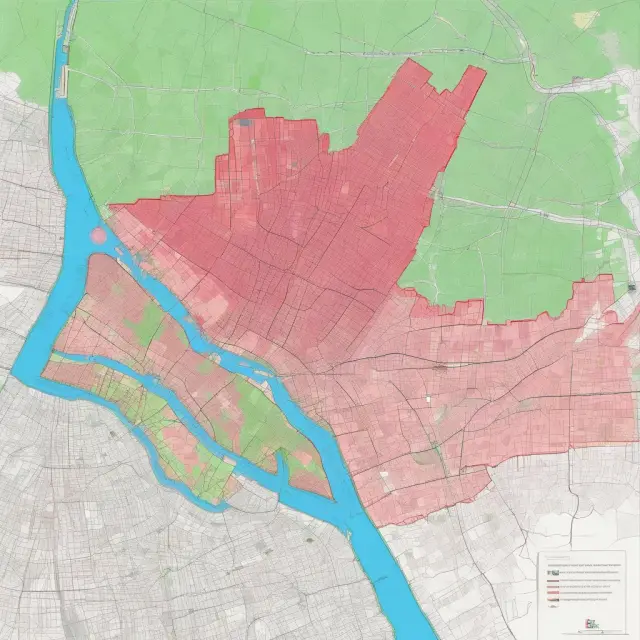
Understanding Redlining and Regulation B’s Role in Eliminating the Practice
Redlining is a notorious, discriminatory practice that has left deep scars on American communities. In its most insidious form, redlining refers to the systematic denial of credit or financial services to individuals based on their race or ethnicity. The practice gained widespread attention during the post-World War II era, when banks would literally draw a red line around specific neighborhoods, denying loans and other financial services to those residing within these boundaries. The impact was devastating, as it denied families access to basic necessities like education, healthcare, and home ownership.
Enter Regulation B: A Powerful Tool against Discriminatory Lending Practices
Regulation B, a part of the Equal Credit Opportunity Act (ECOA), emerged as a powerful tool to combat such discriminatory practices, ensuring equal access to credit for all consumers regardless of their race, marital status, national origin, gender, age, or religion. The regulation protects individuals from discriminatory lending practices in various aspects of a credit transaction.
The History and Impact of Redlining
Redlining dates back to the late 1930s when the Federal Housing Administration (FHA) began rating neighborhoods based on their perceived desirability and potential property values. The practice intensified during World War II, as returning veterans sought mortgages for homes in suburban areas. However, banks, insurance companies, and real estate agents often denied loans to families living in minority or low-income areas, perpetuating the cycle of racial segregation.
The Role of Regulation B in Eliminating Redlining
Regulation B has played a crucial role in eliminating redlining by making it illegal for lenders to deny credit based on an applicant’s race or other prohibited bases. The regulation covers various aspects of the loan application process, from initial applications and information collection to termination of credit. Regulation B also requires lenders to provide explanations when rejecting a credit application. This requirement empowers individuals to understand their creditworthiness and take corrective measures if necessary.
The Legacy of Redlining: An Enduring Impact on Communities and Lives
Although redlining officially ended decades ago, its impact persists in the form of segregated neighborhoods, unequal access to quality education, and disparate economic opportunities. Regulation B continues to play a vital role in ensuring equal access to credit for all consumers, promoting fair lending practices, and preventing discrimination.
In conclusion, understanding Redlining and its historical significance is essential as we continue to build an inclusive financial system where everyone has equal access to credit opportunities. Regulation B’s role in eliminating redlining and combating discriminatory practices has paved the way for fair lending practices and helped level the playing field for consumers.

Who is Subjected to Regulation B?
Regulation B, a crucial component of the Equal Credit Opportunity Act (ECOA), protects applicants from unfair discrimination during all aspects of credit transactions. This regulation applies to various individuals and entities involved in the lending process, ensuring equality and fairness for consumers. In this section, we will discuss who is subjected to complying with Regulation B’s guidelines.
The Equal Credit Opportunity Act (ECOA) was enacted by Congress to ensure that financial institutions and firms offering credit apply the same criteria for assessing creditworthiness to all applicants. In accordance with ECOA, lenders must comply with Regulation B when extending loans or credit services. This regulation covers actions taken before, during, and after a credit transaction.
Regulation B applies to individuals and entities that regularly participate in the credit decision-making process, including setting loan terms. These include but are not limited to:
- Creditors: Any financial institution, bank, credit union, or other entity extending credit to consumers or businesses.
- Mortgage lenders: Institutions specializing in mortgage loans and real estate financing, both for personal residences and commercial properties.
- Small business lenders: Financial organizations catering to small business credit applications and approvals.
- Retailers: Businesses offering consumer credit, such as department stores, automobile dealerships, and finance companies.
- Insurance agencies: Organizations providing insurance products that include embedded financing or credit components (e.g., installment loans).
- Brokers: Individuals or entities acting as intermediaries between borrowers and lenders.
- Leasers: Companies offering leasing services for personal property, such as vehicles, office equipment, or machinery.
- Collection agencies: Firms responsible for collecting overdue payments on behalf of creditors.
- Financial advisors or consultants: Professionals who provide advice related to investment strategies, asset management, and financial planning, which may involve credit assessments.
- State and local governments: Public entities that administer loan programs, issue bonds, or make grants for various purposes.
In conclusion, Regulation B’s far-reaching influence extends to a wide range of individuals and organizations involved in the lending process. By ensuring equal opportunities in credit transactions, Regulation B helps foster an inclusive financial landscape, reducing instances of discrimination based on factors such as age, gender, ethnicity, national origin, marital status, or religion.

Prohibited Practices under Regulation B for Lenders
Regulation B is a significant component of the Equal Credit Opportunity Act (ECOA), enacted to ensure fair lending and credit practices. By forbidding discriminatory actions, Regulation B plays a vital role in safeguarding consumers against unequal treatment by financial institutions and lenders. Understanding prohibited practices under Regulation B is crucial for both borrowers and lenders alike.
One of the primary restrictions under Regulation B concerns discrimination based on ascribed characteristics such as race, age, gender, national origin, ethnicity, or religion. Lenders are strictly prohibited from considering any of these factors when evaluating credit applications. Additionally, lenders cannot discriminate against applicants receiving public assistance programs or those who have exercised their rights under the Consumer Credit Protection Act (CCPA) or related state laws.
Retaliation against an applicant is another prohibited practice under Regulation B. If a borrower applies for credit and is subsequently denied, they must be provided with oral or written notice of rejection within thirty days. This explanation helps ensure that rejected applicants can take constructive steps to rectify any potential errors in their credit history or creditworthiness evaluation.
Regulation B also governs the requesting and collection of information from loan applicants. Lenders may only ask for information relevant to evaluating a borrower’s creditworthiness. Furthermore, lenders can ask about an applicant’s spouse if:
- The spouse will be authorized to use the account.
- The spouse will be contractually obligated to repay the debt.
- The applicant relies on their spouse’s income for repayment of the credit requested.
- The applicant and/or borrower live in a community property state or rely on property located within such a state as collateral for the loan.
- Alimony, child support, or separate maintenance payments from a spouse or former spouse are used to meet the borrower’s financial obligations related to the loan application.
The benefits of Regulation B extend beyond preventing discrimination. Reg B requirements help protect applicants against potential errors in credit reports and give them an opportunity to correct any discrepancies before being denied credit based on incorrect information. Moreover, Regulation B is instrumental in eliminating discriminatory practices like redlining, which historically targeted minority communities by denying access to fair lending opportunities.
In conclusion, Regulation B plays a pivotal role in ensuring equal access to credit for all qualified applicants, regardless of ascribed characteristics or other factors not related to their ability to repay the loan. Compliance with Regulation B is mandatory for lenders and offers significant benefits to borrowers, ultimately fostering a fair and equitable financial marketplace.

FAQs about Regulation B
Regulation B, a part of the Equal Credit Opportunity Act (ECOA), is designed to prevent applicants from discrimination during any aspect of a credit transaction. This regulation prohibits lenders from using factors such as age, gender, ethnicity, nationality, or marital status against borrowers when making loan approval decisions. Here we address some common questions regarding Regulation B’s requirements, exceptions, and enforcement.
What transactions does Regulation B cover?
Regulation B applies to all credit applications and transactions involving consumer credit, business credit, mortgage loans, refinancing, credit information requirements, and termination of credit. Lenders must comply with the Equal Credit Opportunity Act (ECOA) in all these areas. Failure to do so may result in punitive damages up to $10,000 for individual actions or a penalty of $500,000 for class actions.
What is prohibited under Regulation B?
Under Regulation B, lenders cannot discriminate against applicants based on race, marital status, national origin, gender, age, religion, the fact that their income comes from a public assistance program, or because they have exercised rights under the Consumer Credit Protection Act. Lenders must provide written or oral notification of rejection within 30 days of receiving completed applications and explain why the application was rejected or provide instructions on how to request the reason.
What information can lenders request from applicants?
Regulation B prohibits lenders from requesting information not related to creditworthiness, such as an applicant’s sex, national origin, color, or religion. However, certain exceptions apply, such as when a borrower puts down their home as collateral or if the applicant is relying on community property laws. Lenders can also ask about an applicant’s marital status in specific circumstances.
What are the benefits of Regulation B?
Regulation B helps prevent discrimination against women and minorities and eliminates discriminatory practices like advertising that discourages potential applicants from applying for loans (redlining). It also requires lenders to provide a reason for denial, allowing borrowers to address any errors in their credit reports. This regulation is essential for ensuring fair lending practices.
Who is subject to Regulation B?
Regulation B applies to any person or entity involved in making credit decisions, including setting terms of the credit. All persons and entities must comply with the Equal Credit Opportunity Act (ECOA), which includes Regulation B, to ensure fair lending practices.
 Next entry · No. 4,345Regulation CC: Understanding the Banking Regulation That Improved Funds Availability
See also
-
 No. 1,252
19 Aug 2024
17 min
Understanding the Electronic Fund Transfer Act (EFTA): Protecting Consumers in Electronic Transactions
Consumer Rights
No. 1,252
19 Aug 2024
17 min
Understanding the Electronic Fund Transfer Act (EFTA): Protecting Consumers in Electronic Transactions
Consumer Rights -
 No. 5,351
01 Sep 2025
21 min
Understanding the Urban Development Act of 1970: Impacts, Programs, and Key Takeaways
Finance Policy
No. 5,351
01 Sep 2025
21 min
Understanding the Urban Development Act of 1970: Impacts, Programs, and Key Takeaways
Finance Policy -
 No. 4,346
11 Jun 2025
17 min
Understanding Regulation DD: A Directive Set Forth by the Federal Reserve
Finance Policy
No. 4,346
11 Jun 2025
17 min
Understanding Regulation DD: A Directive Set Forth by the Federal Reserve
Finance Policy -
 No. 3,962
11 May 2025
19 min
Understanding Personal Identification Numbers (PINs) for Financial Transactions
Finance Policy
No. 3,962
11 May 2025
19 min
Understanding Personal Identification Numbers (PINs) for Financial Transactions
Finance Policy -
 No. 3,370
22 Mar 2025
21 min
National Credit Union Administration (NCUA) Overseeing Federal Credit Unions: Understanding Its Role & Importance
Finance Policy
No. 3,370
22 Mar 2025
21 min
National Credit Union Administration (NCUA) Overseeing Federal Credit Unions: Understanding Its Role & Importance
Finance Policy -
 No. 2,173
16 Dec 2024
19 min
Understanding the Home Mortgage Disclosure Act (HMDA) and Its Impact on Lending Trends
Finance Policy
No. 2,173
16 Dec 2024
19 min
Understanding the Home Mortgage Disclosure Act (HMDA) and Its Impact on Lending Trends
Finance Policy