Game-Changers: Visionaries Who Alter the Status Quo

Delve into the world of game-changers - individuals and companies that bring about groundbreaking change through visionary leadership, innovative ideas, and…
Understanding Game-Changers: Defining the Term
Game-changers are individuals or entities that significantly alter the way things are done and challenge the status quo by introducing new concepts, perspectives, or innovations. These game-changing individuals can be characterized by their vision, determination, and ability to inspire others to embrace change. Companies, too, can become game-changers when they introduce groundbreaking products, services, technologies, or business strategies that reshape industries and markets.
Game-Changing Individuals: Visionaries and Trailblazers
Game-changing individuals possess a unique vision of how things could be done differently. They see opportunities for change where others may only perceive obstacles or the status quo. Their passion, determination, and belief in their ideas can inspire others to follow them on their journeys to bring about transformation.
Johannes Gutenberg, known as the father of the printing press, is an excellent example of a game-changing individual. His invention revolutionized the way information was disseminated and made it accessible to the masses, paving the way for advancements in education, communication, and intellectual progress.
Game-Changing Companies: Disruptors and Innovators
Companies can also become game-changers by introducing disruptive innovations that challenge established industry norms or create entirely new markets and opportunities. Amazon is a prime example of a game-changing company that started as an online bookstore in 1994 and quickly transformed the retail sector with its customer-centric business model, leading to its current position as a dominant player in e-commerce.
From Idea to Reality: The Evolution of Game-Changing Ideas
Game-changing ideas often start as simple concepts that challenge the way things are done and gradually evolve into groundbreaking innovations with significant societal impact. An example is the concept of recycling, which began as a grassroots movement in the 1970s and has since grown into an essential practice for reducing waste and conserving resources.
The Power of Game-Changing Visionaries: Overcoming Obstacles and Changing the Course of History
Game-changing visionaries have the ability to overcome significant obstacles, such as societal prejudices or financial limitations, to bring their ideas to life and make a lasting impact on the world. For instance, Rachel Carson’s groundbreaking work in the field of marine biology and her book “Silent Spring” paved the way for the modern environmental movement despite facing harsh criticism from the scientific community at the time.
Game-Changers and Ethics: Balancing Progress and Responsibility
As with any significant change, game-changers can come with both positive and negative consequences. It is essential to consider ethical implications when implementing new ideas, technologies, or business models. For instance, the rise of social media platforms has brought about a wealth of opportunities for communication, connection, and creativity but also challenges related to privacy, cybersecurity, and misinformation.
In conclusion, game-changers are individuals or entities that bring about significant changes in the way things are done by introducing new ideas, technologies, or business strategies. Game-changing individuals, like Johannes Gutenberg or Elon Musk, possess a unique vision of how things could be different and have the determination to make their ideas a reality. Game-changing companies, like Amazon or Tesla, disrupt industries and create new opportunities for growth. By understanding the nature of game-changers and the factors that drive them, we can learn to embrace change and harness its power to create positive impacts on our personal lives and society as a whole.

The Role of Visionary Leadership in Sparking Change
Game-changers are not just ideas; they are individuals who possess a unique perspective and the determination to see those ideas come to life. They challenge the status quo and inspire transformation through their vision, personality traits, and unwavering commitment. Whether it’s a bold entrepreneur with a revolutionary business model or an influential leader inspiring societal change, game-changers often possess certain characteristics that set them apart.
First and foremost, they are dreamers who dare to envision new possibilities. They compare what exists with what could be, identifying opportunities where others might only see obstacles. Game-changing leaders can turn the mundane into extraordinary and inspire their followers to join in their quest for change. Their boldness and creativity often lead the way for innovation and progress.
Another essential trait of game-changers is charisma. They possess an undeniable allure that captivates people and inspires loyalty. Their magnetic personalities can draw attention, attract resources, and bring individuals together around a shared vision. This charisma is crucial in gaining the support required to launch new ideas or overcome adversity.
Determination is another characteristic of game-changers that sets them apart. They are resilient, tenacious, and unyielding in their pursuit of change. Game-changing individuals understand that achieving their goals will not be easy but remain steadfast in the face of setbacks, criticism, or naysayers. Their determination often leads to groundbreaking advancements that leave a lasting impact on society.
Throughout history, we’ve seen countless examples of game-changers who have transformed industries, communities, and even the world as we know it. Game-changing leaders like Steve Jobs revolutionized technology with Apple, while Elon Musk continues to push the boundaries in transportation and space exploration with Tesla and SpaceX. These individuals saw potential in their ideas and remained committed to bringing them to life despite adversity and uncertainty.
The power of visionary leadership is not limited to individuals; it can also be found within companies. Game-changing businesses adopt new and innovative strategies that disrupt industries, create new markets, and drive growth. Amazon, for example, transformed the retail landscape with its e-commerce platform and continues to innovate through initiatives like its acquisition of Whole Foods and investment in automation.
To become a game-changer, one must possess a unique perspective, the courage to pursue new ideas, and an unwavering commitment to making a difference. Learning from successful game-changers can help guide entrepreneurs, leaders, and innovators as they embark on their own transformative journeys.
Game-changing is not an easy path; it requires time, determination, and the willingness to face adversity and uncertainty. But for those who dare to dream, the potential rewards are boundless. By understanding the traits of successful game-changers and embracing their spirit of innovation, we can all contribute to a future where progress is limitless and possibilities abound.

Game-Changing Women: Overcoming Obstacles and Making History
Game-changers aren’t confined to one gender—women have made a significant mark in history as well. From overcoming societal norms and prejudices, women have defied expectations and left indelible legacies in their respective fields. In this section, we delve into the lives of remarkable women who shattered glass ceilings and paved new paths for future generations.
The first African American woman to earn a medical degree was Rebecca Lee Crumpler, born in 1831. During a time when racism and sexism were deeply entrenched in American society, she persevered against all odds. After serving as a nurse during the Civil War, Crumpler went on to become a physician. Her groundbreaking work laid the foundation for healthcare access for marginalized communities and paved the way for future African American physicians.
In the 1960s, Rachel Carson, an influential marine scientist, authored “Silent Spring,” a book that exposed the devastating effects of pesticides on human health and the environment. Her research and activism launched the environmental movement and brought about a new era in conservation efforts. By challenging the status quo in agriculture and industry, Carson’s work fundamentally changed the way we view nature and our relationship with it.
In 1967, Muriel Siebert made history by becoming the first woman to buy a seat on the New York Stock Exchange. She went on to establish the first women-owned and operated brokerage firm in 1969. With her pioneering spirit and determination, she opened new opportunities for women in finance and business.
These are just three examples of women who broke free from societal constraints and transformed their industries and communities. Women like Katherine Johnson, Grace Hopper, Marie Curie, Rosalind Franklin, and Amelia Earhart have also left indelible marks on history through their relentless pursuit of knowledge and innovation.
Game-changers, regardless of gender, share a common trait: the ability to perceive possibilities where others don’t. They remain committed to making progress, despite challenges and setbacks. By staying persistent, courageous, visionary, and hardworking, they create change that can inspire, influence, and transform the world around them.

From Small Steps to Giant Leaps: The Evolution of Game-Changing Ideas
The term ‘game-changer’ is used to describe individuals, companies, or ideas that significantly alter the status quo. These people or entities bring a fresh perspective and often face criticism and skepticism due to the radical nature of their vision. However, game-changers have the power to spark new concepts, inspire change, and create it, ultimately leaving an indelible mark on history. In this section, we will discuss how revolutionary ideas come about, develop from conception to implementation, and eventually shape society.
Game-changing individuals compare the present with what could be and challenge existing norms. They are determined and persistent, often pushing against the tide of popular opinion to bring their vision to life. These pioneers may encounter resistance and skepticism but stay committed to their cause. Game-changers can transform communities, industries, nations, and even the world as a whole.
Game-changing companies, typically led by game-changing individuals, have the ability to create new products, technologies, efficiencies, and business strategies. These innovations can lead to disruptions in various markets, opening up new opportunities for growth and financial success. In this dynamic and ever-evolving world, becoming a game-changer requires a long-term commitment, a certain level of ingenuity, and the ability to navigate uncertainty and overcome obstacles.
One example of an influential game-changer is Jeff Bezos, the founder of Amazon in 1994. Starting as a small ecommerce platform that sold books online, Amazon quickly revolutionized the retail industry. While some critics initially dismissed its potential, Bezos’ vision and determination led to significant growth and expansion. Today, Amazon has transformed into an omnipresent entity offering not just books but also cloud computing, advertising, and even space travel through Blue Origin.
Another visionary game-changer is Elon Musk, the entrepreneur behind Tesla and SpaceX. Musk’s goal was to disrupt the auto industry with electric vehicles and revolutionize space exploration. While critics questioned the feasibility of his plans, he remained undeterred, ultimately transforming the way we view transportation and the potential for space travel.
Game-changing ideas are not always positive. History has also seen charismatic leaders who altered society in destructive ways, causing harm rather than progress. However, learning from both the successes and failures of game-changers can provide valuable insights for those seeking to create change, whether as individuals or companies.
In conclusion, game-changing ideas have the power to alter the course of history, often starting with a single person’s determination to imagine and create something new. From Jeff Bezos and Elon Musk to Rebecca Lee Crumpler and Rachel Carson, these pioneers have shown that commitment, innovation, and perseverance can lead to groundbreaking achievements and lasting impacts on society.

Game-Changers in Business: Disrupting Industries, Creating New Markets and Opportunities
Game-changers are not just individuals with innovative ideas but also companies that bring transformational shifts to industries. These businesses often develop new products, services, or business models that shake up the competition and pave the way for growth. Let’s explore some game-changing companies and their impact on the business world.
Jeff Bezos: The Game-Changer Behind Amazon
Amazon, founded by Jeff Bezos in 1994, started as a small ecommerce website selling books. However, it soon disrupted the retail industry, forcing traditional brick-and-mortar stores to adapt or fade away. Initially, Bezos’ vision for an “Earth’s biggest bookstore” was met with skepticism. Yet, Amazon’s customer focus and innovative business models like subscription services, one-day delivery, and streaming content transformed the company into a global leader in multiple industries, including retail, technology, and media.
Elon Musk: Rocketing Tesla to Success
Elon Musk, CEO of Tesla, is another example of a game-changing entrepreneur. In 2008, he took over Tesla with the audacious goal of transforming the auto industry by producing electric cars powered by high-performance batteries instead of gasoline. Although met with criticism and uncertainty initially, Musk’s vision paid off: today, Tesla is a dominant force in the electric car market, with competitors scrambling to catch up.
Revolutionizing the Retail Landscape: Walmart and Sam Walton
Walmart, founded by Sam Walton in 1962, revolutionized retail by introducing low prices and a membership program that catered to customers’ desire for convenience. With its innovative business models, such as just-in-time inventory management, efficient supply chain network, and expansion into new markets, the company quickly grew into a global retail empire.
Birthing a New Era: Microsoft and Bill Gates
Microsoft, co-founded by Bill Gates in 1975, brought the personal computer to the masses with its Windows operating system and Office suite of applications. This game-changing company transformed industries like education, business, and entertainment by making computing accessible and affordable for millions of people around the world.
Pioneering Digital Banking: PayPal and Peter Thiel
PayPal, founded by Peter Thiel in 1998, made digital payments mainstream by enabling users to send money online securely and easily. This game-changing platform transformed financial services, paving the way for the rise of e-commerce and digital wallets like Apple Pay and Google Wallet.
In conclusion, game-changers are individuals or companies that alter the status quo in industries by introducing innovative ideas, products, services, or business models. From Jeff Bezos’ Amazon to Elon Musk’s Tesla, these visionaries inspire change and create new opportunities for growth. Understanding their strategies can help businesses learn from their successes and failures, adapt to changing market conditions, and innovate in a rapidly evolving world.
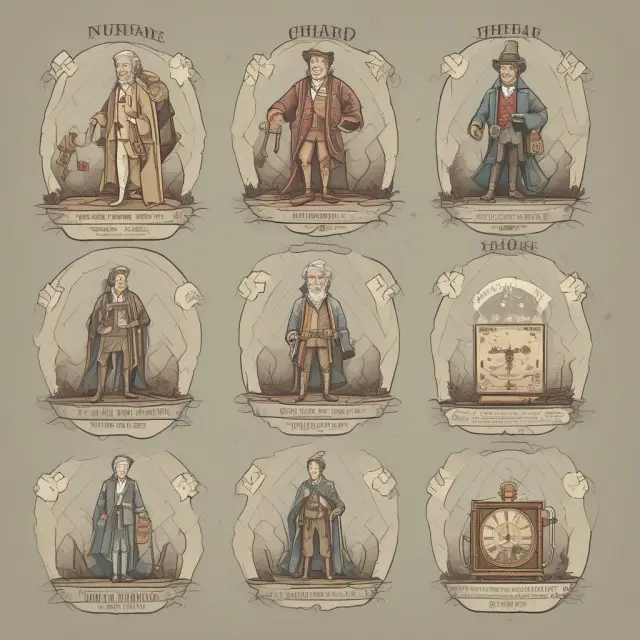
Game-Changing Technologies: Changing the Course of History
The term ‘game-changer’ has been used extensively across various industries and contexts to denote significant alterations in how we live, communicate, work, and interact with one another. A game-changer can be an individual or a company that disrupts the status quo by introducing groundbreaking ideas, products, services, methods, or business models. Game-changing individuals are visionaries who possess an innate ability to compare what’s possible with the current state of affairs and inspire change through their audacious vision, tenacity, and charisma. This section explores game-changing technologies that have fundamentally altered human history.
The Power of a Single Idea: The Printing Press and Mass Communication
One of the most influential game-changing technologies is Johannes Gutenberg’s printing press in the late 15th century. It allowed for mass production of books, making knowledge accessible to an unprecedented number of people across Europe. This technological innovation significantly altered the way information was disseminated and contributed to the spread of literacy, democratizing education, and shaping the foundations of the modern world (Britannica, 2021).
From Telegraphs to Telephones: Connecting the World
In the late 1800s, inventions like the telegraph and telephone transformed long-distance communication. Samuel Morse’s invention of the telegraph enabled near-instantaneous communication between cities, shortening the time it took for news and information to travel across vast distances. This game-changing technology brought people closer together, facilitated global trade, and accelerated the pace of economic growth (Britannica, 2021).
The Internet: A Global Network of Information and Communication
The internet is another game-changing technology that has had a profound impact on how we live, work, and interact with one another. In its early days, it revolutionized access to information, enabling researchers to retrieve vast amounts of data in seconds from anywhere in the world. With the advent of social media platforms like Facebook, Twitter, and LinkedIn, the internet evolved into a global network of communication, allowing people to connect and engage with one another instantly across borders. Today, the internet powers numerous industries, including e-commerce, entertainment, education, healthcare, and more (Britannica, 2021).
The Power of Artificial Intelligence: Smarter Machines and Intelligent Systems
Artificial intelligence (AI) is another game-changing technology that has the potential to reshape our world. AI enables machines to learn from data and make decisions like humans do, allowing for automation in various industries such as healthcare, finance, manufacturing, logistics, and more. AI technologies can process vast amounts of information at incredible speeds, making it easier for people to find relevant information, make informed decisions, and optimize their workflows (Britannica, 2021).
In conclusion, game-changing technologies have the power to transform industries, economies, societies, and even human history itself. From the printing press and mass communication in the late 15th century to the internet and artificial intelligence today, these groundbreaking innovations have brought about significant alterations in how we live, communicate, work, and interact with one another. As technology continues to evolve at an unprecedented pace, it is essential to remain aware of these game-changing advancements and their potential implications for our future.
KEY TAKEAWAYS
– Game-changing technologies fundamentally alter how we live, communicate, work, and interact with one another.
– These technological innovations have the power to transform industries, economies, societies, and even human history itself.
– Some examples of game-changing technologies include the printing press, telegraphs and telephones, the internet, and artificial intelligence.
– By understanding these game-changing technologies, we can prepare ourselves for a future shaped by these innovations.

The Role of Risk-Taking in Game-Changing Success Stories
Becoming a game-changer involves embracing uncertainty and taking calculated risks. Game-changers are individuals and companies who dare to challenge the status quo and create new possibilities, but they often face obstacles and criticism. Understanding how risk-takers navigate challenges and succeed can provide valuable lessons for those looking to make their mark in their respective industries.
Game-Changers’ Risk Tolerance: Embracing Uncertainty
Game-changers are risk-takers at heart, but they do not act recklessly or impulsively. Instead, they carefully weigh the risks and potential rewards of their ventures. For example, Jeff Bezos, founder and former CEO of Amazon, started his company in a garage with a small investment and a vision for revolutionizing the retail industry. However, he knew that achieving this goal would require significant financial risk. Bezos believed that online shopping would eventually disrupt traditional brick-and-mortar stores and that Amazon could be at the forefront of this change.
Similarly, Elon Musk, CEO of SpaceX and Tesla, has a history of pushing boundaries in various industries. He is known for his ambitious goals, such as colonizing Mars, but he also understands that these objectives come with substantial risks. Musk’s ability to manage risk and navigate challenges is evident in the successes of both SpaceX and Tesla, despite their ups and downs.
Navigating Risks: Overcoming Obstacles and Doubters
Game-changers often face skepticism and resistance from various sources, such as competitors, investors, or even their own teams. However, they remain committed to their vision and persist in the face of adversity. For instance, Susan Komen, a breast cancer survivor, founded the Susan G. Komen for the Cure organization in 1982 after losing her sister to the disease. Initially, she faced criticism from the medical community due to her lack of formal medical training. However, she remained dedicated to increasing public awareness and fundraising efforts for breast cancer research. Over time, the organization grew into a global movement that has raised billions of dollars for the cause.
Another example is Sara Blakely, the founder of Spanx. She started her company in 2000 with only $5,000 and an idea for a seamless undergarment to smooth out bulges. Initially, she faced significant challenges in manufacturing, marketing, and distribution. However, she persevered, and her innovative product eventually became a staple in women’s wardrobes worldwide.
Learning from Failure: Persistence, Resilience, and Perseverance
Game-changers understand that failure is an inherent part of innovation and growth. They view setbacks as learning opportunities and are not deterred by past mistakes. For instance, Henry Ford failed multiple times before his Model T automobile became a success. He persisted in refining his manufacturing processes and focusing on affordability to eventually revolutionize the automotive industry.
Similarly, Steve Jobs, co-founder of Apple, experienced numerous failures before achieving remarkable success with the Macintosh computer, iPod, iPhone, and iPad. However, he remained committed to his vision and continued experimenting with new technologies and business models. His ability to learn from failures contributed significantly to Apple’s dominance in the tech industry.
In conclusion, understanding the role of risk-taking in game-changing success stories can provide valuable insights for individuals and companies looking to create change. Game-changers embrace uncertainty, navigate obstacles, and learn from failure to ultimately make their mark on the world.
Learning from Failure: Persistence, Resilience, and Perseverance in Game-Changing Pursuits
Game-changing ideas, innovations, and technologies are often associated with success stories that inspire and captivate us. However, the journey towards making those game-changers a reality is not always an easy one. Many game-changers have faced significant setbacks and failures before ultimately achieving their goals. By examining their experiences, we can learn valuable lessons about persistence, resilience, and perseverance that are essential to pursuing change.
Game-changing individuals possess a unique vision and determination. They identify opportunities for improvement, sometimes in the face of resistance or naysayers. Game-changers like Thomas Edison and Steve Jobs were famously persistent in their quests, never giving up despite numerous setbacks and failures. Edison once said, “I have not failed. I’ve just found 10,000 ways that won’t work.” Similarly, Jobs was known to be relentless and uncompromising, pushing his team to create revolutionary products like the Macintosh and the iPhone, despite initial doubts from investors.
Game-changing companies also encounter obstacles on their paths to success. One example is Amazon founder Jeff Bezos, who faced significant financial difficulties during Amazon’s early years. In an interview with Business Insider, Bezos recalled, “We were losing money every year, but we kept thinking that if we could survive past a certain point, the business model would become profitable.” His perseverance paid off, and Amazon is now a dominant player in e-commerce, cloud computing, and streaming media.
The stories of game-changers teach us valuable lessons about failure and resilience. Game-changing ideas or innovations may face opposition, but those with the right mindset and determination can learn from their failures and adapt accordingly. As entrepreneur and author James Altucher puts it, “The only way to do great work is to love what you’re doing. If you haven’t found it yet, keep looking. Don’t accept that you ‘hate’ writing, or you’re ‘bad’ at drawing, or you ‘can’t sing.’ You might not be there yet, but if you start a project, then work on it every day, one day you’ll have a finished painting to hang on the wall. And when critics give you back your work telling you that it’s no good, tell them that you aren’t looking for approval, you’re looking for improvement.”
Understanding how game-changers learn from failure can help us develop a more resilient mindset and persevere in our own pursuits. Game-changing ideas often require significant risk and investment, and encountering setbacks is an inevitable part of the process. By learning to view failures as opportunities for growth, we can continue pushing forward towards our goals, ultimately becoming game-changers ourselves.

Ethics and Responsibility: The Dark Side of Game-Changing Influence
The term “game-changer” evokes images of individuals or entities who introduce groundbreaking ideas, technologies, or business strategies that significantly alter the status quo and create a lasting impact on society. While game-changing innovations have the potential to improve lives and bring about progress, they also carry the risk of unintended consequences. In this section, we’ll examine the ethical considerations surrounding game-changers and discuss ways to mitigate the negative side of their influence.
The Dark Side of Game-Changing Innovation
Game-changing innovations, whether intentional or not, can have a profound impact on people’s lives. While many innovations bring positive change, others may unintentionally create new problems or exacerbate existing ones. For instance, the widespread adoption of nuclear power for electricity production has provided numerous benefits to society, such as generating large amounts of clean energy and reducing greenhouse gas emissions. However, it also poses significant ethical concerns, such as the potential for catastrophic accidents, radioactive waste disposal, and health risks for workers and nearby communities.
Similarly, technological advancements like artificial intelligence (AI) and automation have led to unprecedented improvements in efficiency, productivity, and convenience. However, these innovations also carry the risk of job displacement, privacy concerns, and ethical dilemmas related to human autonomy and decision-making. For example, autonomous weapons systems raise questions about accountability for actions taken by machines and the potential for unintended consequences.
The Role of Ethics in Game-Changing Innovations
Ethical considerations play a crucial role in ensuring that game-changing innovations are designed, developed, and implemented in a responsible manner. This requires a deep understanding of the potential risks and benefits associated with a particular innovation, as well as a commitment to addressing any unintended consequences or ethical dilemmas that may arise.
One way to promote ethical game-changing innovations is through the development of clear guidelines and regulations. For example, governments, industry groups, and professional organizations can establish ethical frameworks for the use of emerging technologies like AI and biotechnology. These frameworks should consider the potential impact on individuals, communities, and society as a whole, and provide guidance on issues such as privacy, safety, and human autonomy.
Another approach to ensuring ethical game-changing innovations is through transparency and public engagement. Companies and organizations can be more open about their research and development processes, sharing information about the potential risks and benefits of their products or services with stakeholders and the general public. Public consultation and dialogue can help build trust and ensure that innovations are aligned with societal values and expectations.
The Importance of Ethical Leadership in Game-Changing Innovations
Ethical leadership plays a crucial role in driving game-changing innovations that benefit society while minimizing unintended consequences. Visionary leaders who prioritize ethics, integrity, and social responsibility can inspire their teams to create innovative solutions that address the needs of individuals and communities. These leaders foster a culture of openness, transparency, and accountability, which encourages ethical decision-making at all levels of an organization.
One example of an ethical game-changer is Bill Gates. Although his company, Microsoft, was once criticized for its monopolistic practices, Gates has since become a prominent philanthropist and advocate for global health issues, such as malaria and HIV/AIDS. Through his foundation, the Bill & Melinda Gates Foundation, he has provided significant funding to improve access to healthcare, education, and technology in developing countries. This commitment to using his wealth and influence for the betterment of society demonstrates the potential for game-changing individuals to make a positive impact on the world.
In conclusion, game-changers have the power to shape our world with groundbreaking ideas, technologies, or business strategies. However, it’s essential to consider the ethical implications of these innovations and take steps to mitigate any unintended consequences. By promoting transparency, encouraging ethical leadership, and developing clear guidelines and regulations, we can ensure that game-changing innovations create a better future for all.
In the next section, we will explore the role of risk-taking in the success stories of game-changers and discuss how they navigate challenges and setbacks on their paths to greatness.

FAQ: Frequently Asked Questions about Game-Changers
What defines a game-changer in finance and investment?
A game-changer is an individual or company that significantly alters the way things are done. They bring new concepts, inspire acceptance of change, and create change themselves. These individuals often use their personality traits and attitude to influence people’s perceptions and actions. For companies, game-changing innovations can open up opportunities for financial growth by disrupting industries and creating new markets.
Who are some examples of game-changers in history?
Some well-known historical figures who have been considered game-changers include Johannes Gutenberg (inventor of the printing press), Thomas Edison (electric light), Andrew Fleming (antibiotic penicillin), and Alan Turing (first modern computer). In business, Jeff Bezos (founder of Amazon) and Elon Musk (CEO of Tesla) are examples of game-changers.
What can we learn from game-changers?
Studying the leadership, strategies, tactics, and achievements of visionary individuals can inspire entrepreneurs and professionals to make an impact. Game-changers show us the importance of commitment, determination, ingenuity, and persistence in driving change. They also teach us about managing uncertainties and overcoming adversity.
What challenges do game-changers face?
Game-changers often face criticism, skepticism, or opposition from people who are content with the status quo. They may need to manage uncertainties and navigate ethical dilemmas as they pursue their vision. However, they ultimately drive change that can transform industries and improve people’s lives.
How have women contributed as game-changers?
Women like Rebecca Lee Crumpler (first female African American doctor), Rachel Carson (launched the environmental movement), and Muriel Siebert (first woman to buy a seat on the New York Stock Exchange) have faced immense challenges but persevered to make groundbreaking achievements. Their stories inspire us to challenge societal norms and strive for progress.
What’s the difference between game-changing companies and traditional ones?
Game-changing companies focus on innovation, efficiencies, new business models, and technologies that disrupt industries and create new markets. Traditional companies may follow established practices and stick to tried-and-tested methods. However, even traditional companies can incorporate elements of game-changing strategies to stay competitive.
In conclusion, this FAQ section aims to clarify the concept of a game-changer, answer common questions about these individuals and their impact, and highlight how studying their successes can inspire us to make our own mark. By understanding what it means to be a game-changer and learning from those who have made significant changes in history, we can embark on our own journey towards innovation and progress.
 Next entry · No. 1,730Game Theory: Understanding Strategic Interactions for Institutional Investors
See also
-
 No. 3,189
08 Mar 2025
17 min
Microfinance: What It Is, What It Offers, and Who Should Use It
Business Finance
No. 3,189
08 Mar 2025
17 min
Microfinance: What It Is, What It Offers, and Who Should Use It
Business Finance -
 No. 5,342
31 Aug 2025
20 min
Understanding Upstarts: A Person or a Platform?
Finance Policy
No. 5,342
31 Aug 2025
20 min
Understanding Upstarts: A Person or a Platform?
Finance Policy -
 No. 1,738
30 Oct 2024
22 min
Understanding Gaps in Finance: Types, Significance, and Strategies
Business Finance
No. 1,738
30 Oct 2024
22 min
Understanding Gaps in Finance: Types, Significance, and Strategies
Business Finance -
 No. 1,736
29 Oct 2024
16 min
Understanding Gantt Charts: A Visual Project Management Tool for Professional Investors
Business Finance
No. 1,736
29 Oct 2024
16 min
Understanding Gantt Charts: A Visual Project Management Tool for Professional Investors
Business Finance -
 No. 1,735
29 Oct 2024
19 min
Understanding Gann Angles: Predicting Price Movements in Finance and Investment
Business Finance
No. 1,735
29 Oct 2024
19 min
Understanding Gann Angles: Predicting Price Movements in Finance and Investment
Business Finance -
 No. 1,732
29 Oct 2024
16 min
Gamma Hedging in Options Trading: How It Works, With the Numbers
Business Finance
No. 1,732
29 Oct 2024
16 min
Gamma Hedging in Options Trading: How It Works, With the Numbers
Business Finance